
A Travel Guide to France (2026)
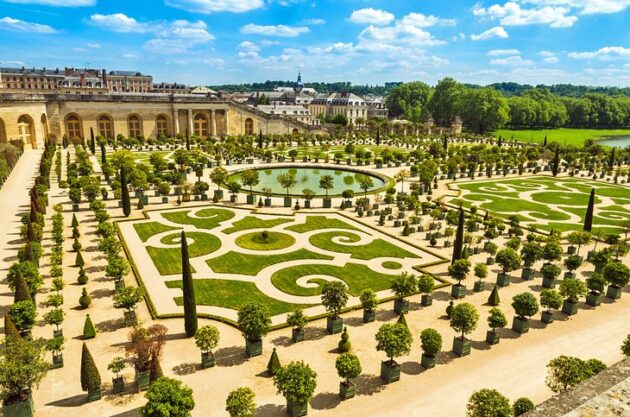
France, a country synonymous with romance, culture, and history, is one of the world’s top travel destinations. From the iconic landmarks of Paris to the lavender fields of Provence, the vineyards of Bordeaux, and the sun-kissed beaches of the French Riviera, France offers a diverse tapestry of experiences for every traveler. This guide provides an overview of the best destinations, practical tips, and essential information to plan an unforgettable trip to France.
Why Visit France?
France is a cultural powerhouse, boasting 49 UNESCO World Heritage Sites, world-class cuisine, and a rich history spanning Roman times to the Renaissance and beyond. Whether you’re drawn to art and architecture, gourmet food and wine, or stunning natural landscapes, France delivers. Its efficient transport network, vibrant festivals, and welcoming locals make it an ideal destination for solo travelers, families, and couples alike.
Major Cities
Paris
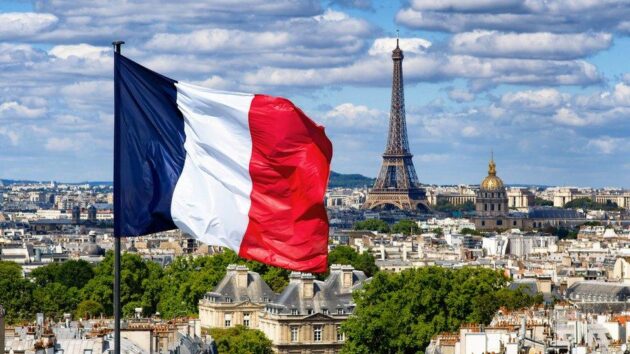
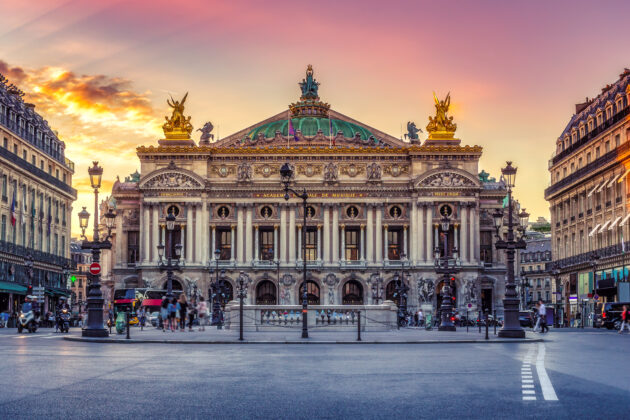
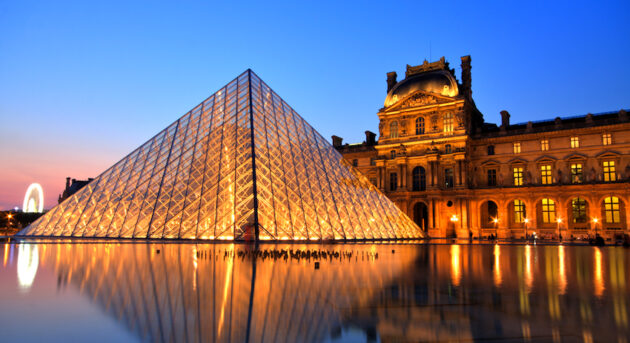
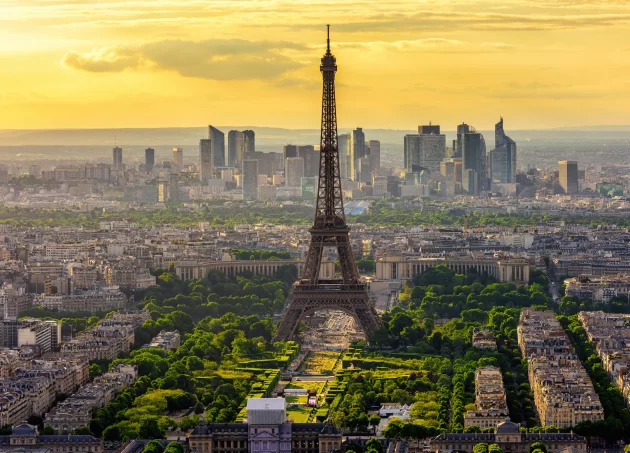
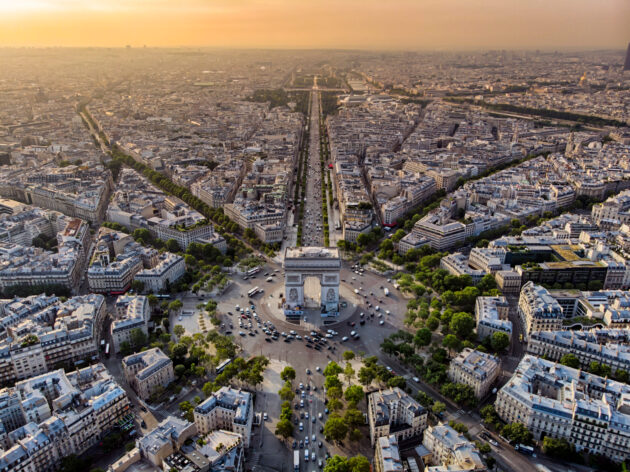
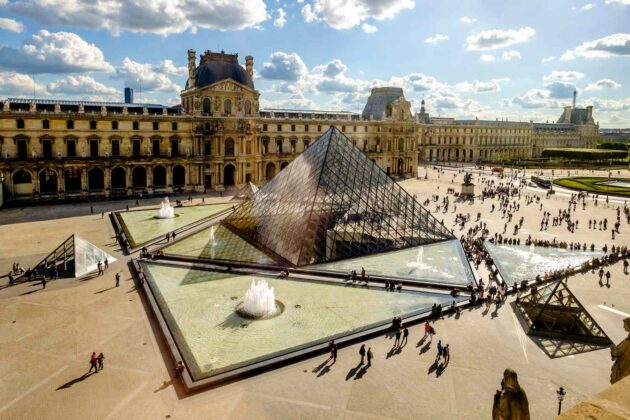
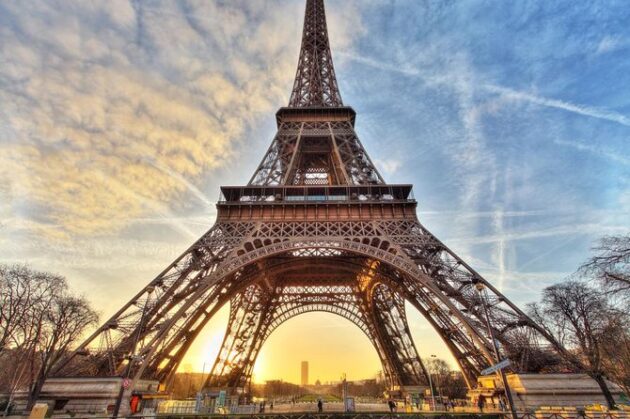
Paris, the City of Light, is a timeless destination renowned for its romantic ambiance, rich history, world-class art, and culinary excellence. From iconic landmarks like the Eiffel Tower to charming neighborhoods like Montmartre, Paris offers a blend of culture, architecture, and gastronomy that captivates travelers.
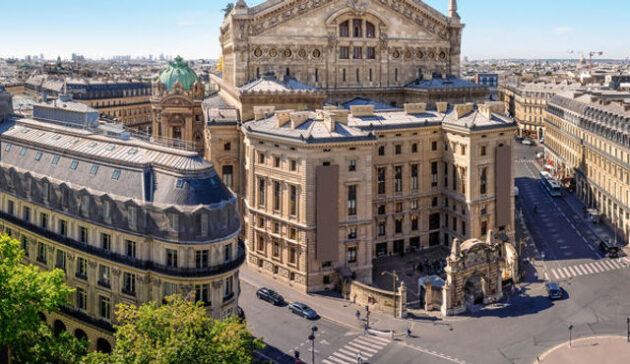
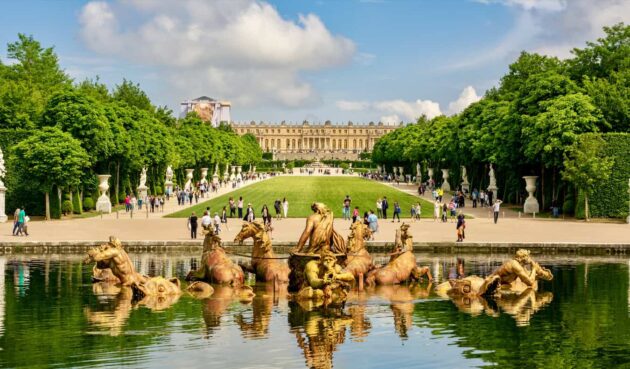
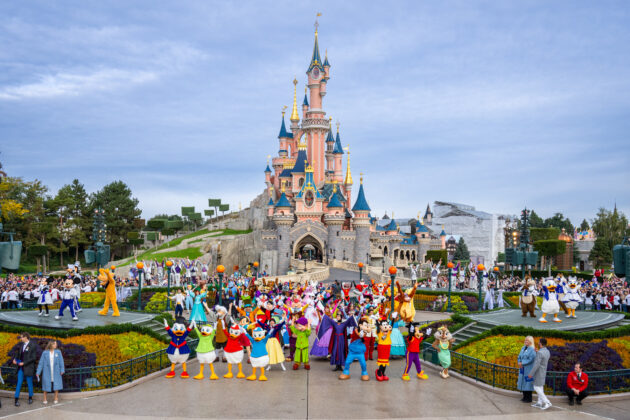
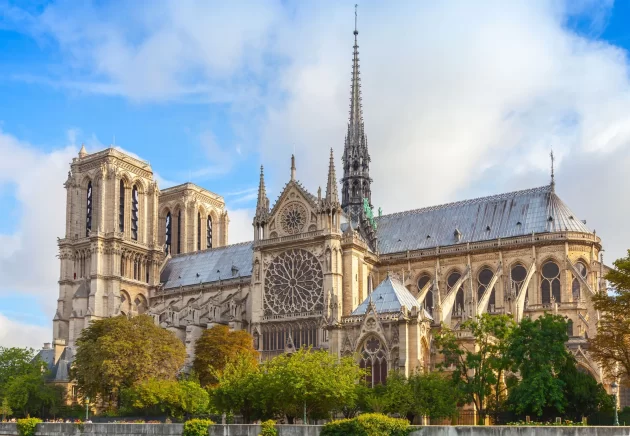
Top Attractions
Gordes
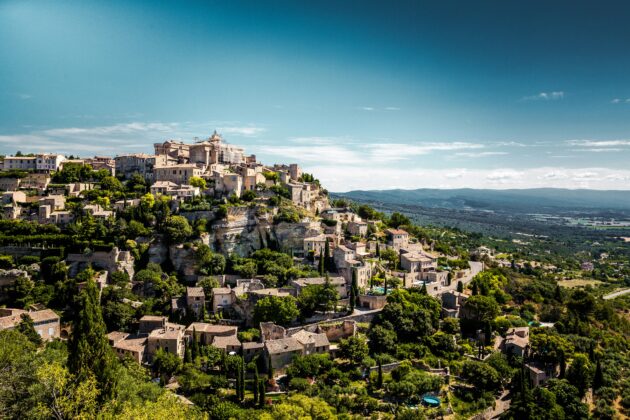
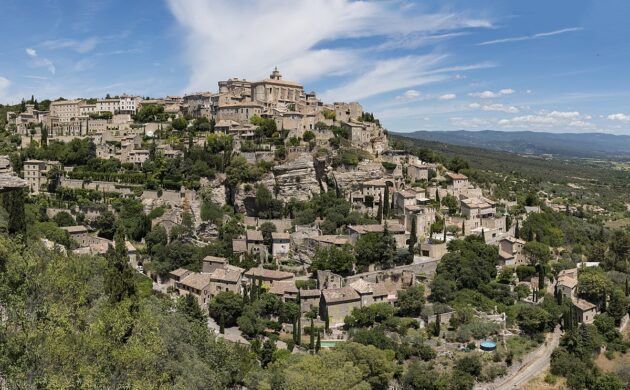
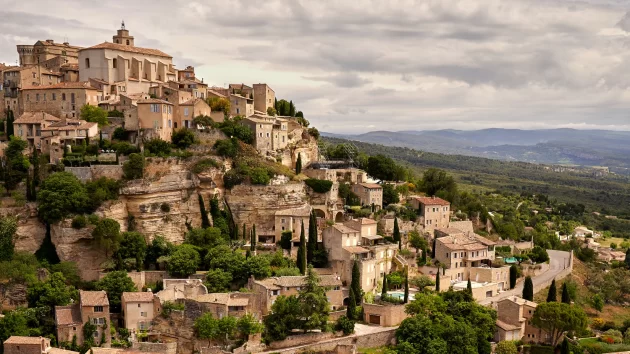
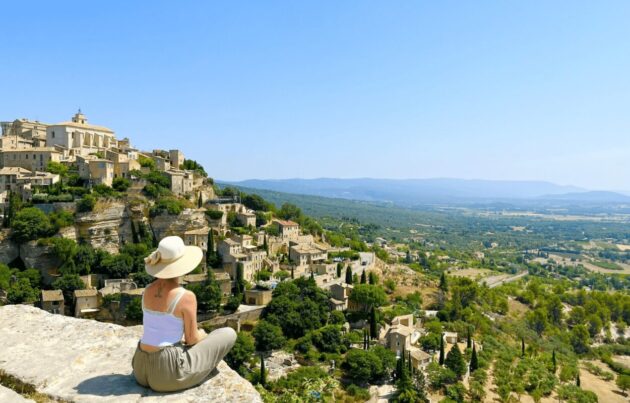
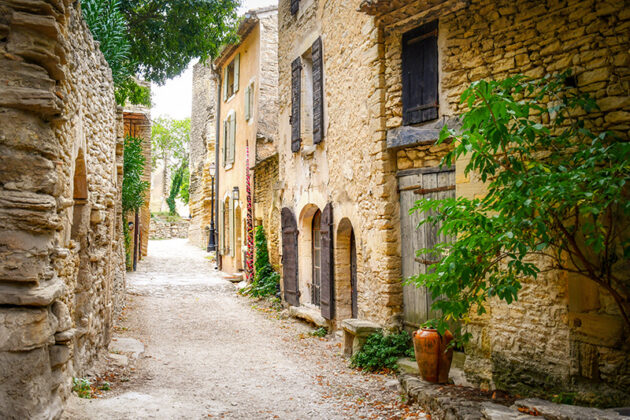
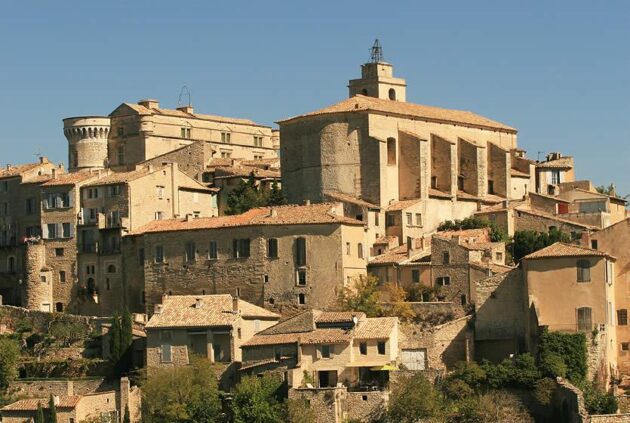
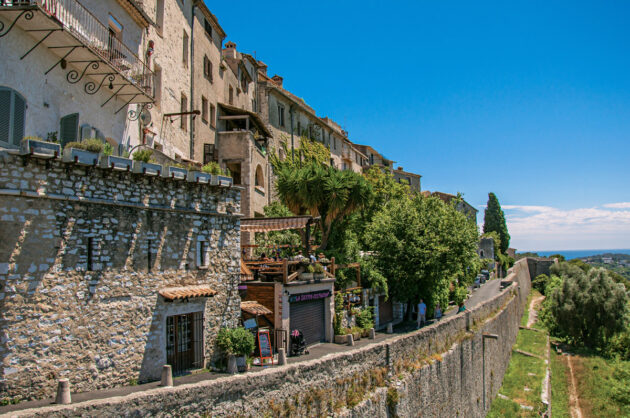
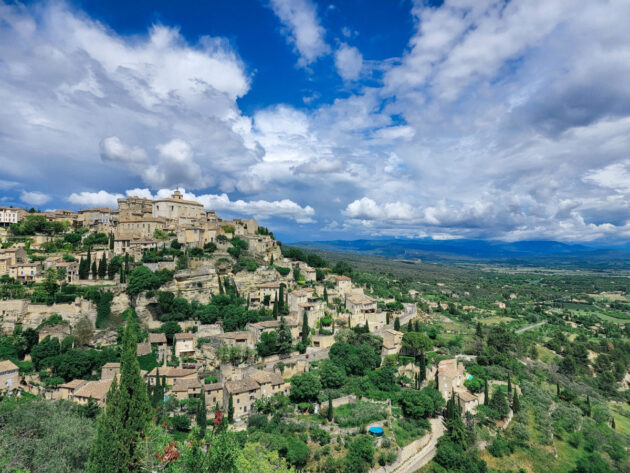
Perched dramatically on a limestone ridge in the Luberon Valley of Provence, Gordes is a postcard-perfect hilltop village that epitomizes the charm of southern France. Classified as one of the “Most Beautiful Villages in France” and even voted the world’s most beautiful village in 2023, Gordes captivates with its golden stone houses cascading down the hillside, winding cobblestone streets, and panoramic views over lavender fields and olive groves.
Lavender Fields
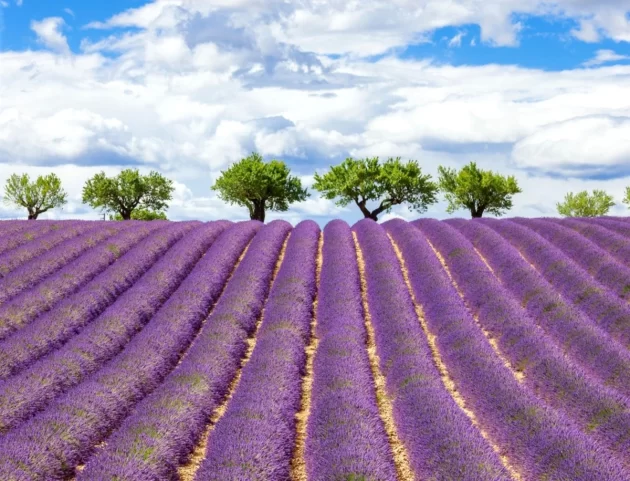
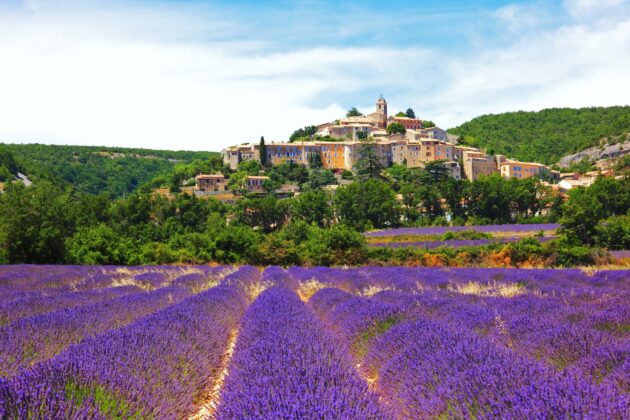
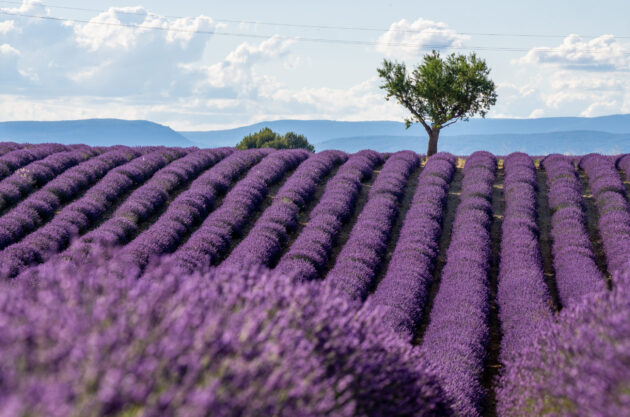
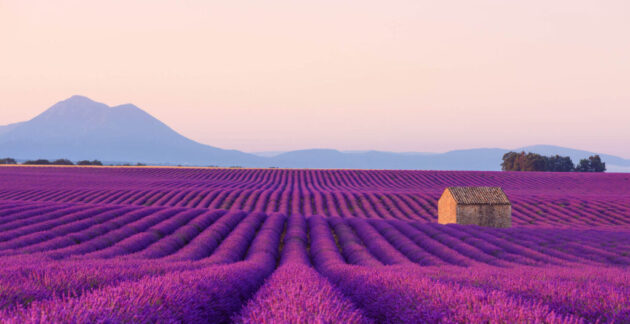
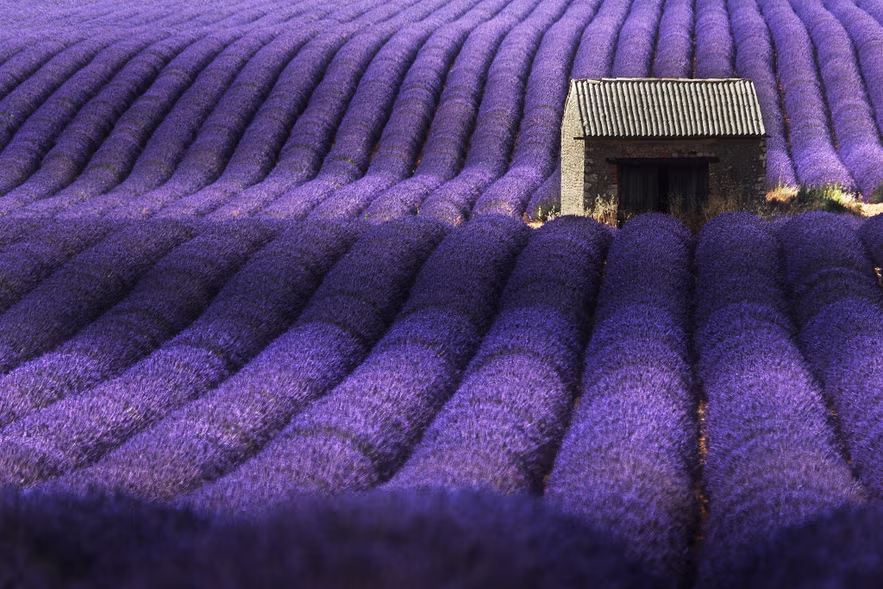
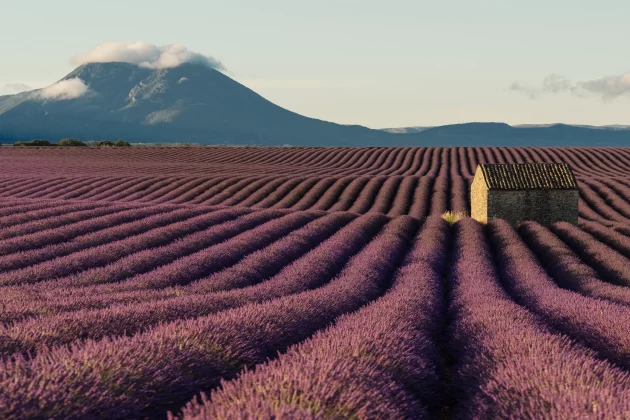
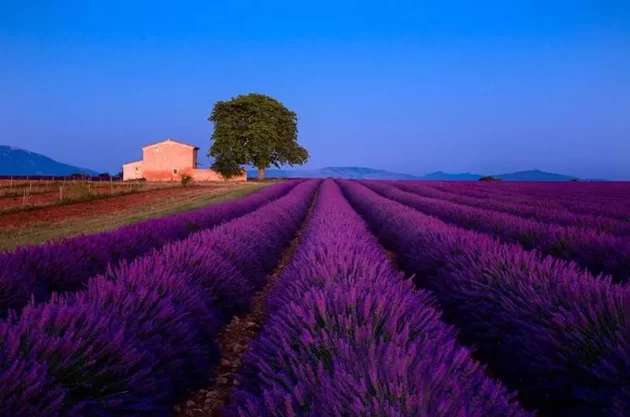
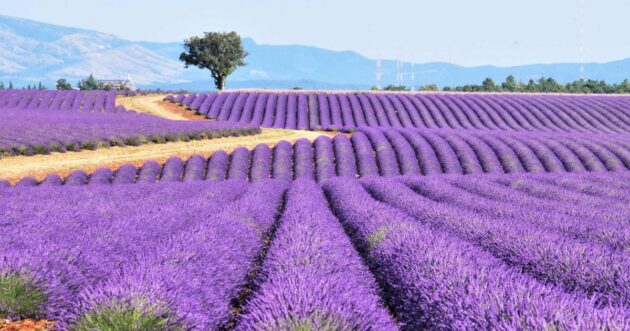
Provence, in southeastern France, transforms into a dreamlike purple paradise each summer as vast lavender fields bloom across its rolling hills and plateaus. These iconic landscapes, often dotted with sunflowers, ancient abbeys, and charming villages, draw travelers from around the world for their sensory allure—the vibrant hues, soothing fragrance, and photogenic vistas.
Calanques National Park
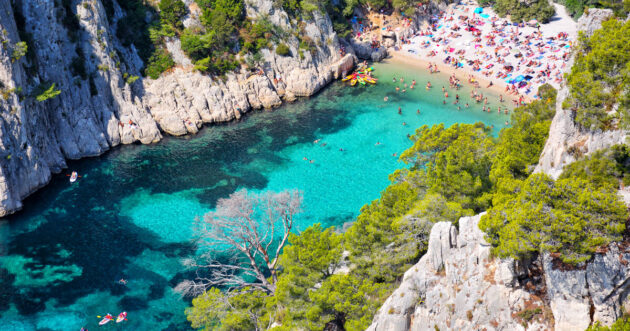
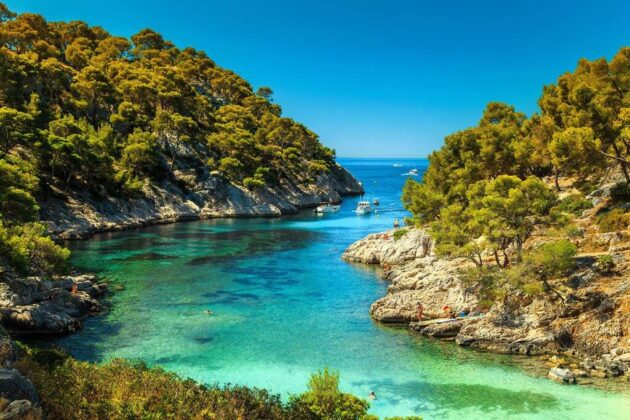
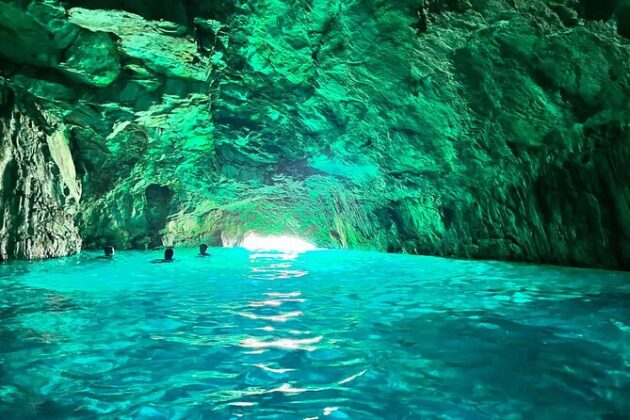
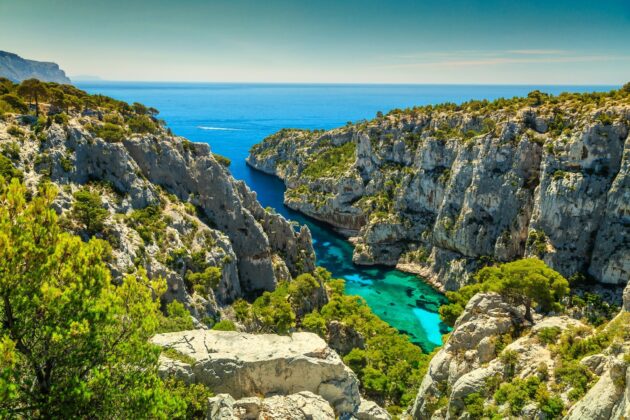
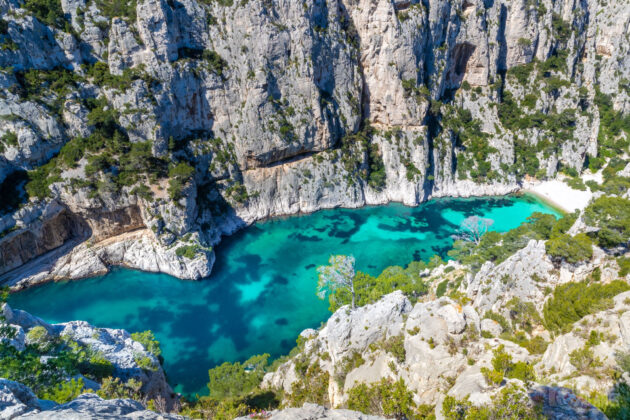
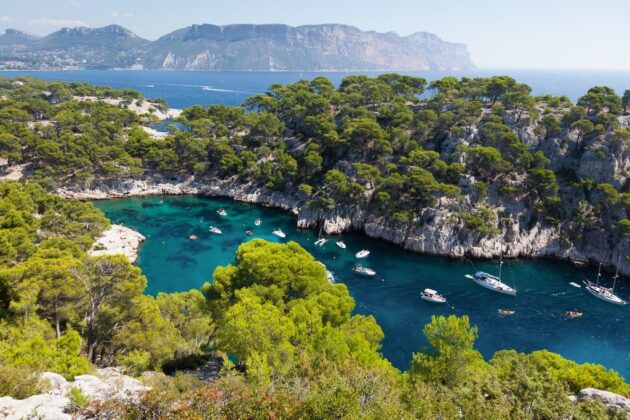
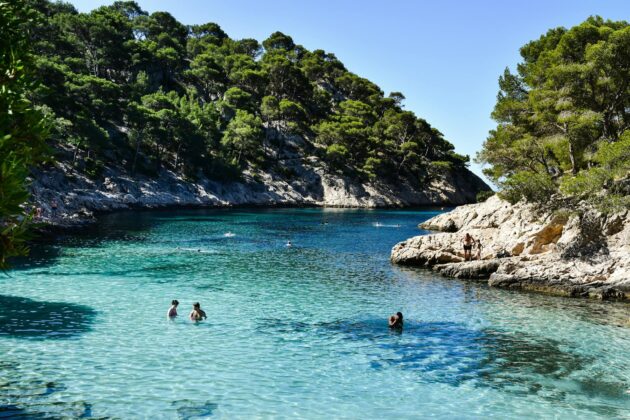
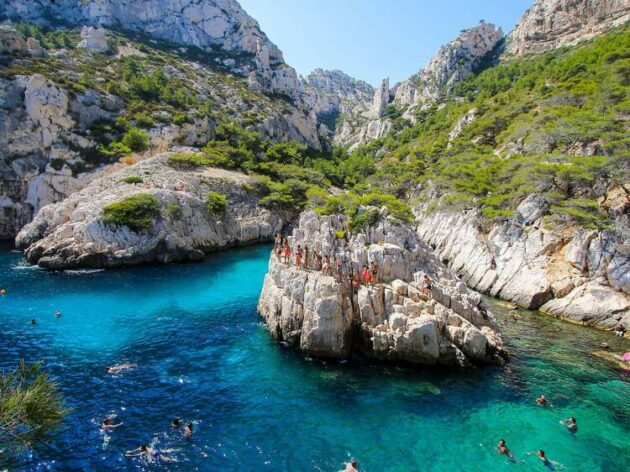
Nestled along the stunning Mediterranean coastline between Marseille and Cassis, Calanques National Park (Parc National des Calanques) is a breathtaking natural gem in southern France. Established in 2012, this 200-square-mile protected area—Europe’s largest peri-urban park—features dramatic limestone cliffs plunging into turquoise waters, hidden coves known as calanques, and a rich tapestry of biodiversity with over 140 protected terrestrial species and 60 marine ones.
Cannes Film Festival
Nestled on the glamorous French Riviera, the Cannes Film Festival (Festival de Cannes) is the pinnacle of cinematic glamour, drawing filmmakers, celebrities, and cinephiles from around the world to the sun-drenched city of Cannes. Held annually at the iconic Palais des Festivals et des Congrès, this prestigious event celebrates international cinema through world premieres, red-carpet spectacles, and industry buzz.








Cité du Vin
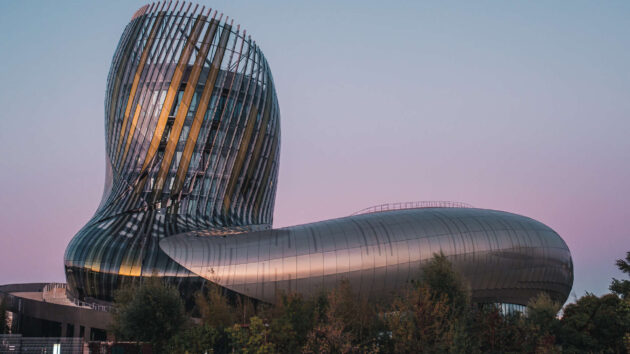
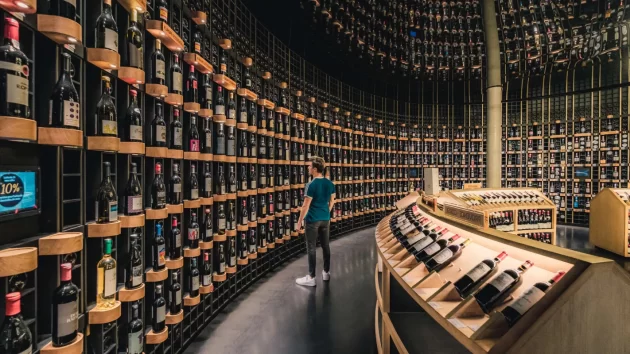
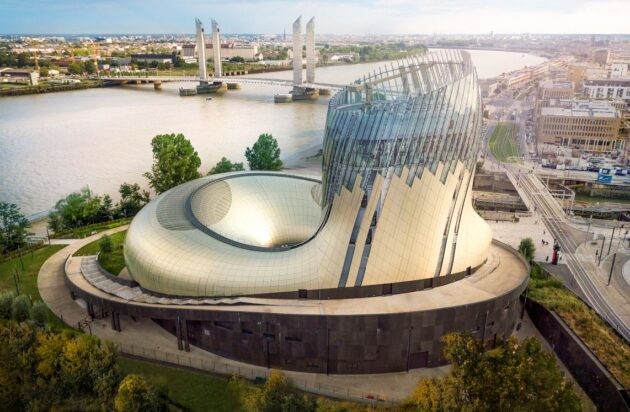
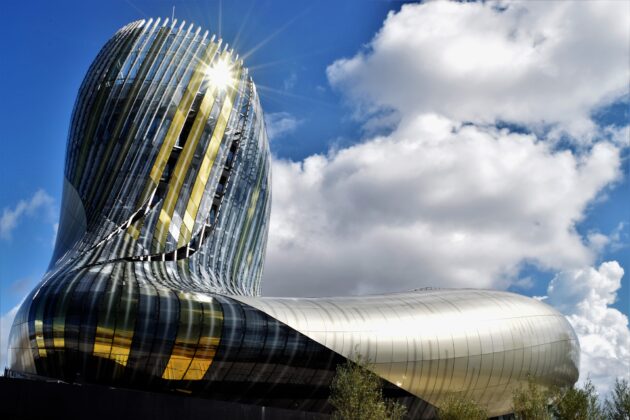
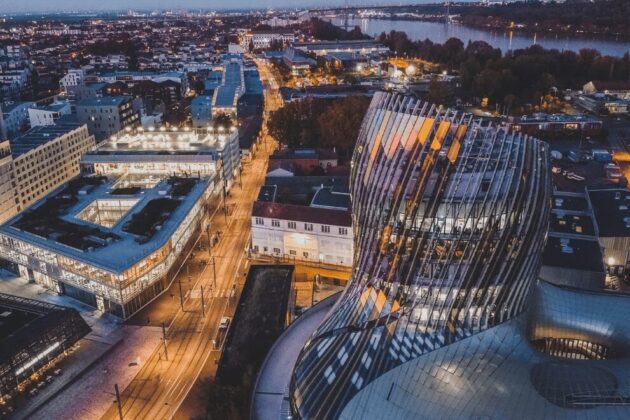
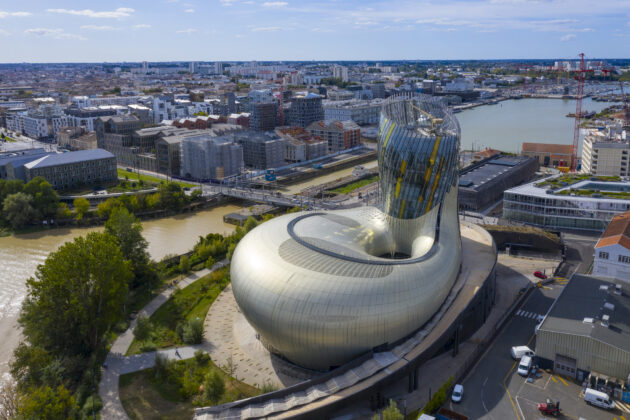
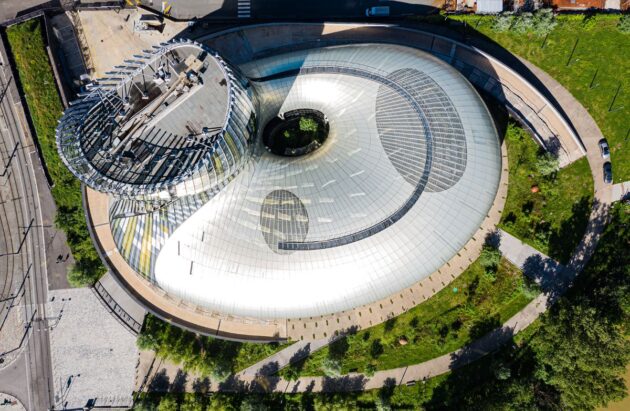
Nestled along the banks of the Garonne River in Bordeaux, southwestern France, La Cité du Vin (The City of Wine) is a groundbreaking cultural center dedicated to the global heritage of wine. Opened in 2016, this architectural marvel—shaped like a swirling decanter—immerses visitors in the history, science, and artistry of wine through interactive exhibits, sensory experiences, and tastings.

Château de Chambord
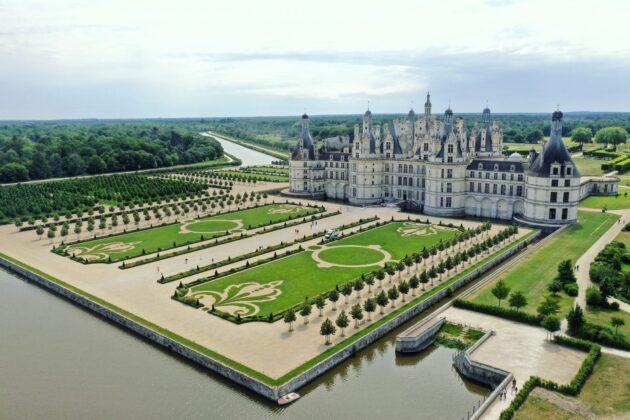
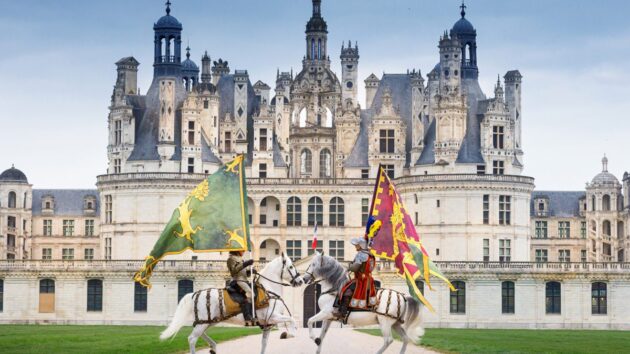
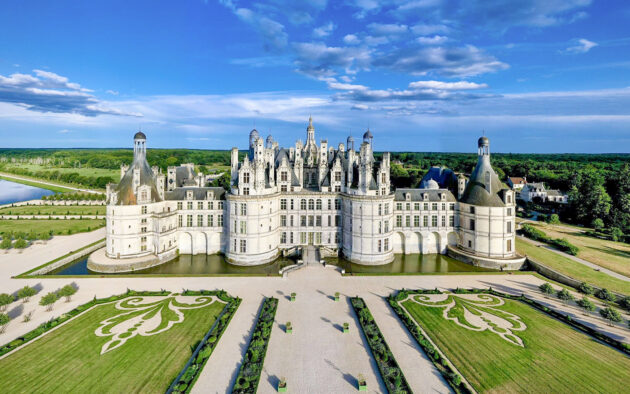
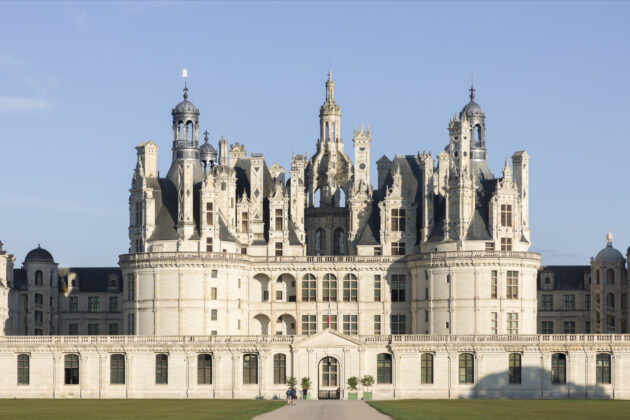
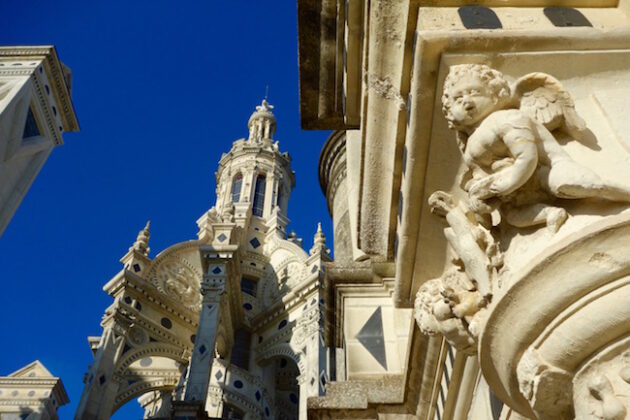
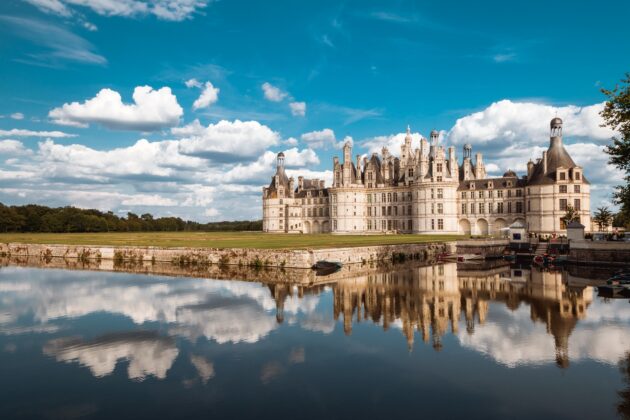
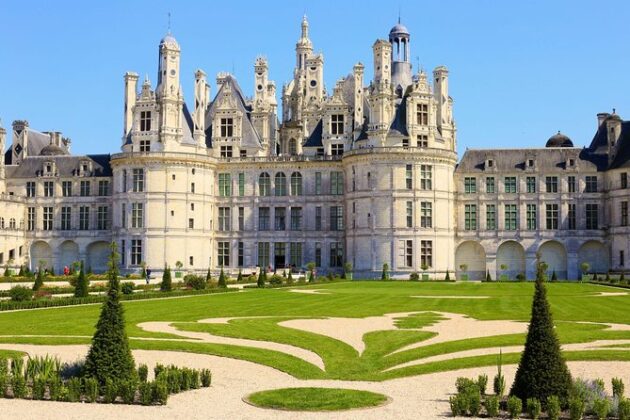
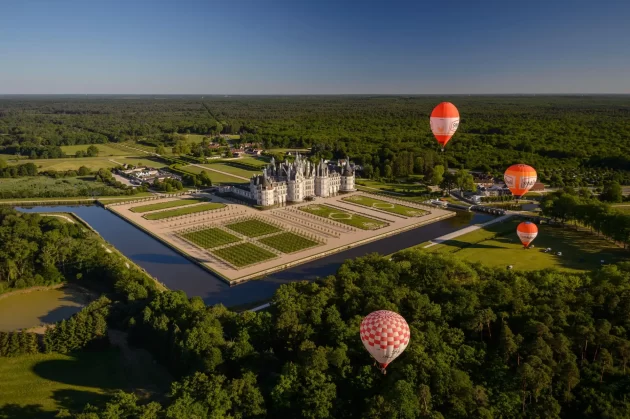
The Château de Chambord, located in the heart of France’s Loire Valley, is a masterpiece of French Renaissance architecture and one of the most iconic castles in the world. Built in the early 16th century as a hunting lodge for King Francis I, its grand design, attributed partly to Leonardo da Vinci, features a stunning double-helix staircase, intricate turrets, and sprawling grounds.
Parc national des Pyrénées
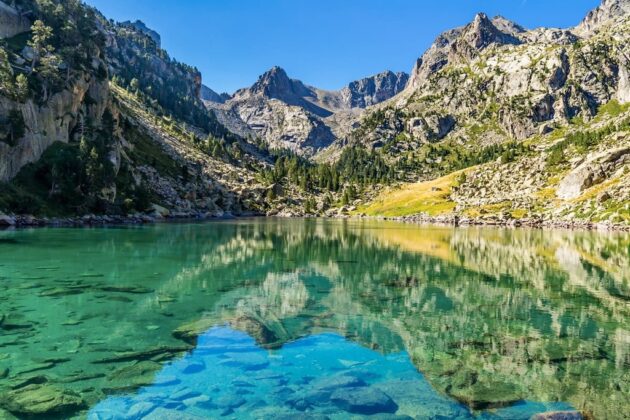
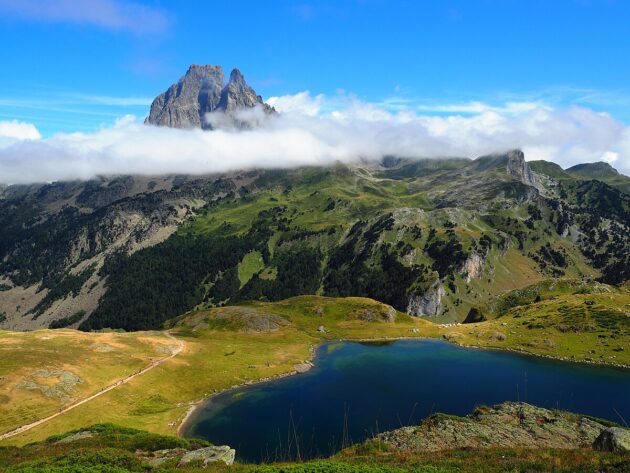
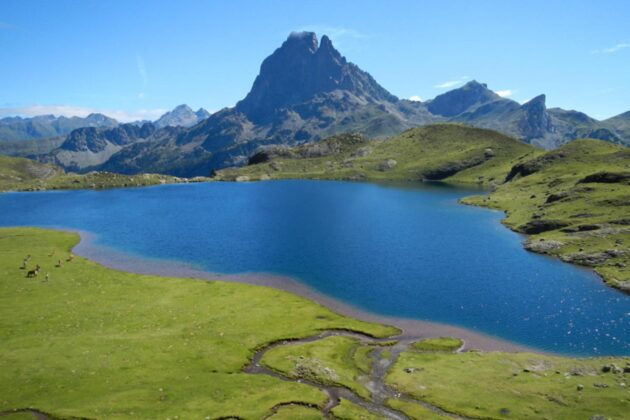
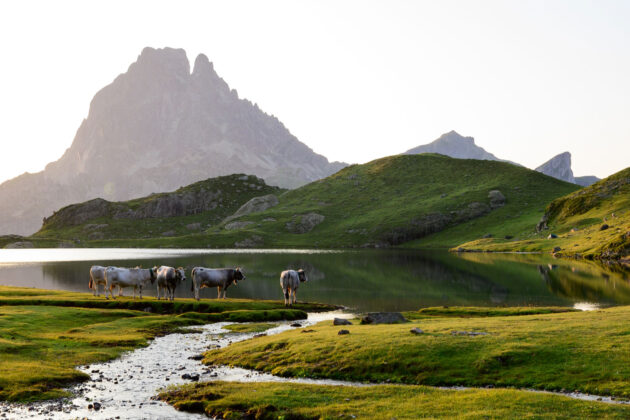
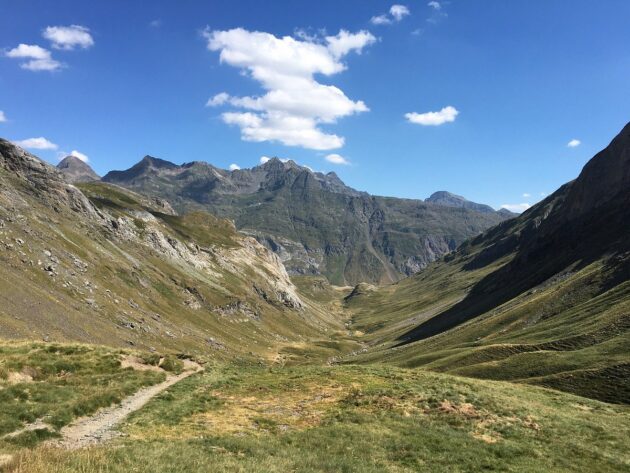
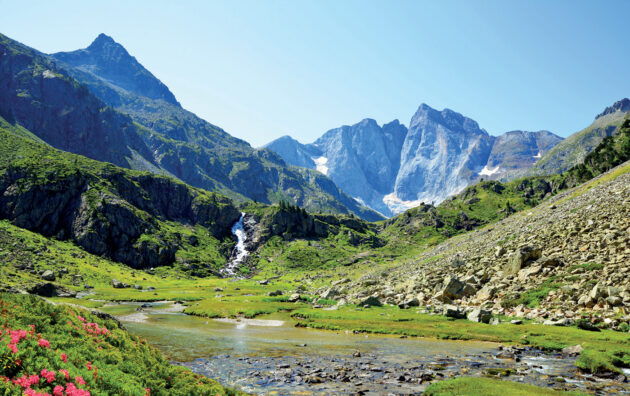
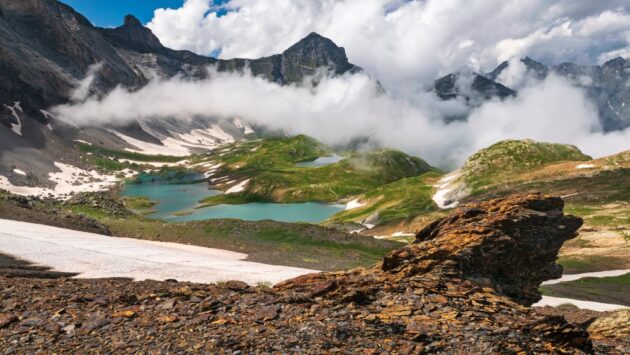
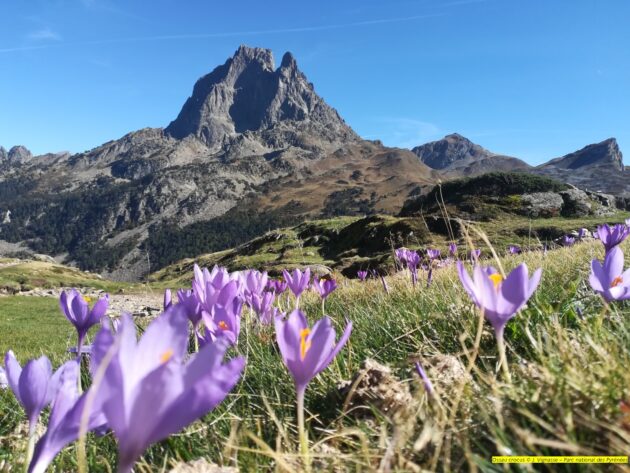
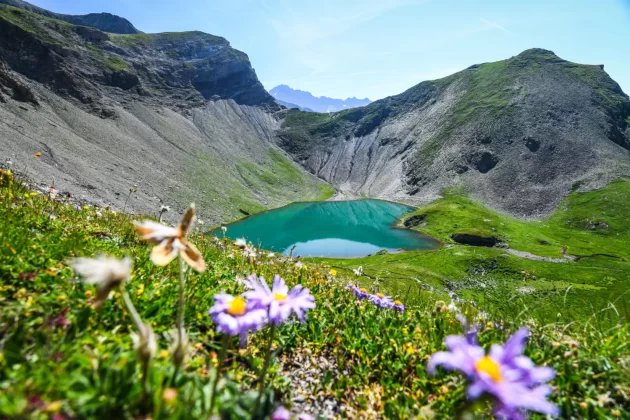
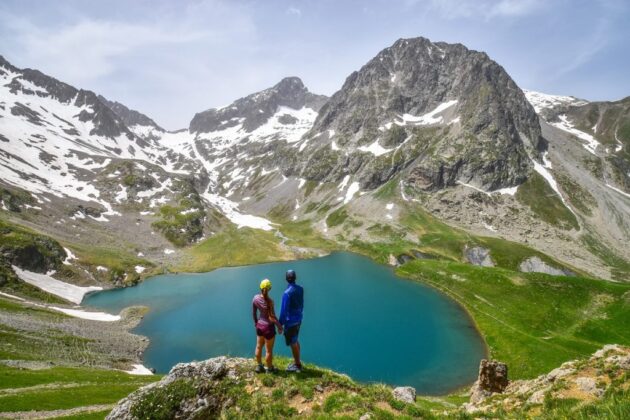
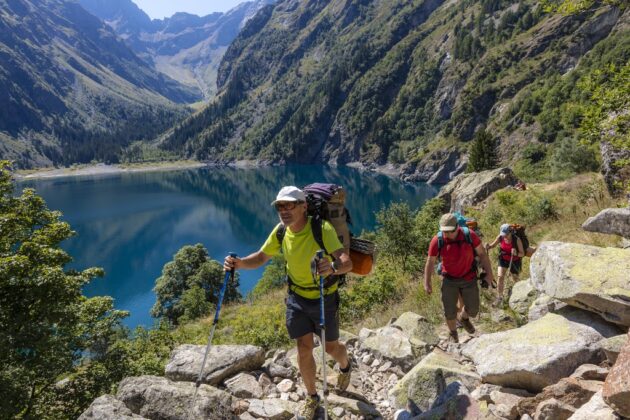
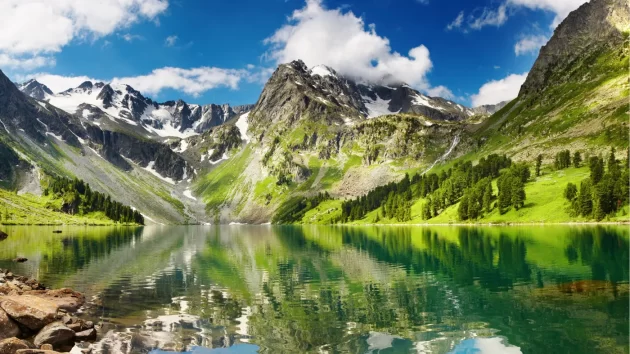
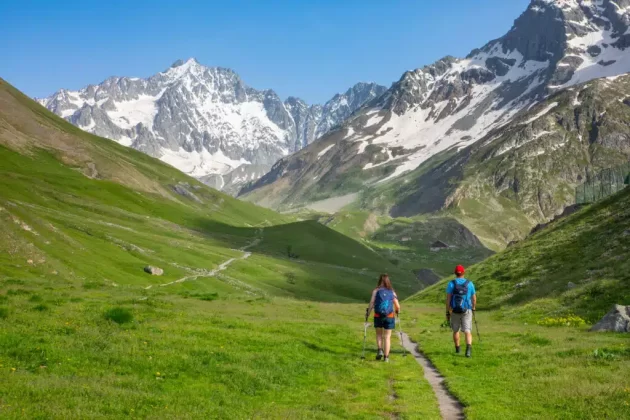
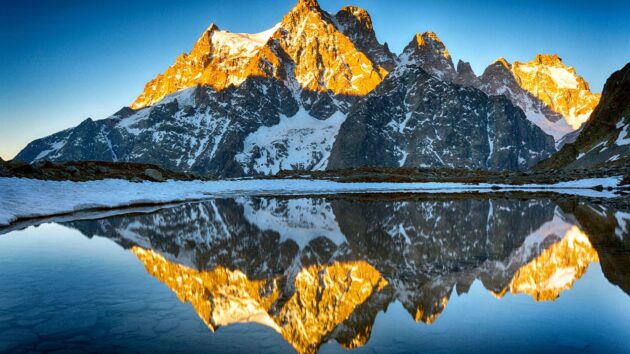
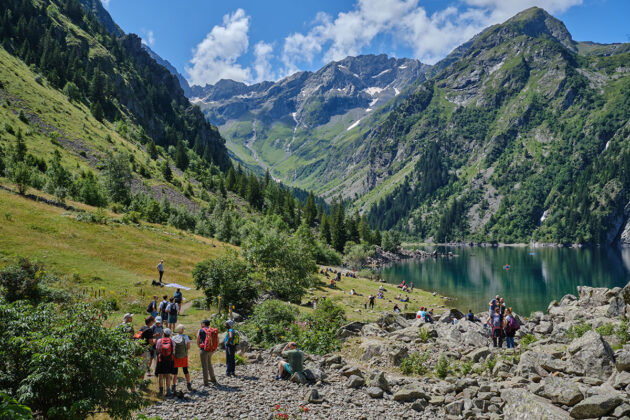
Nestled along the dramatic Franco-Spanish border in the southwestern corner of France, Parc National des Pyrénées is a breathtaking expanse of rugged mountains, glacial valleys, and pristine alpine wilderness. Established in 1967 and spanning over 457 square kilometers (with a much larger adhesion zone of 2,063 square kilometers), this national park is one of France’s oldest and most biodiverse protected areas.
Parc National du Mercantour
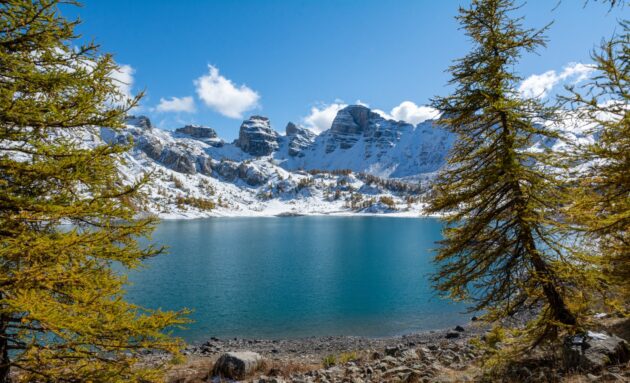
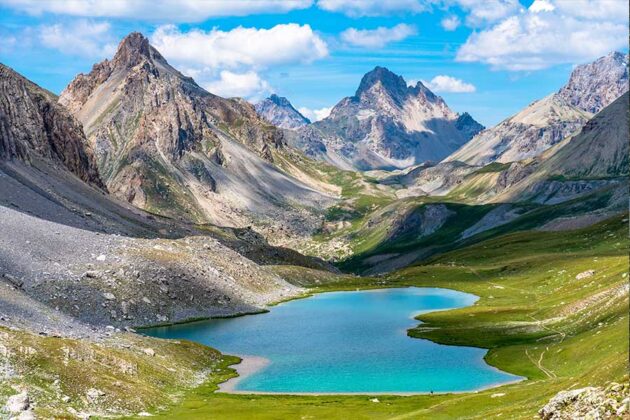
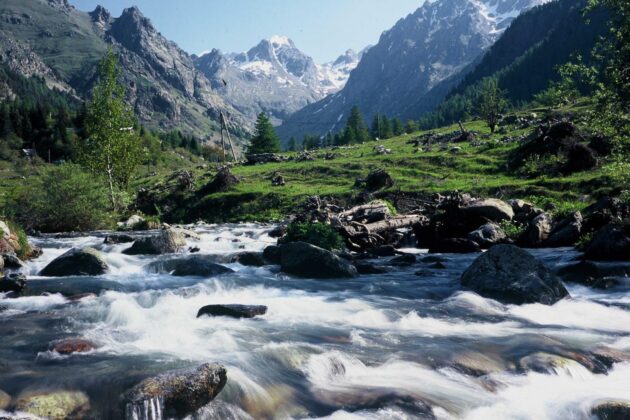
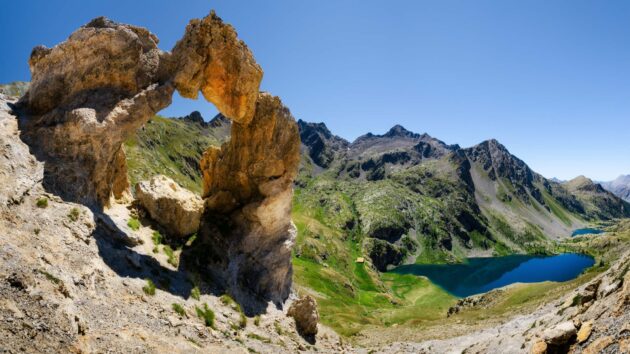
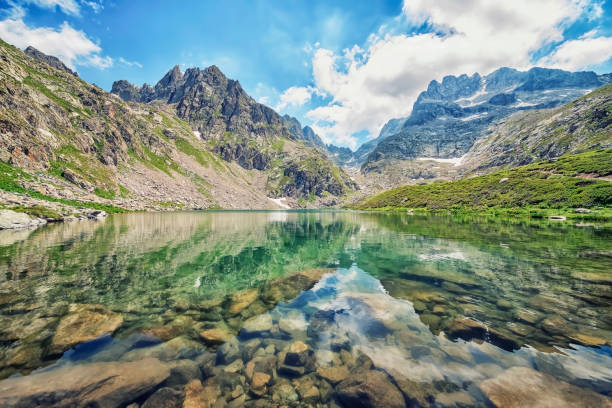
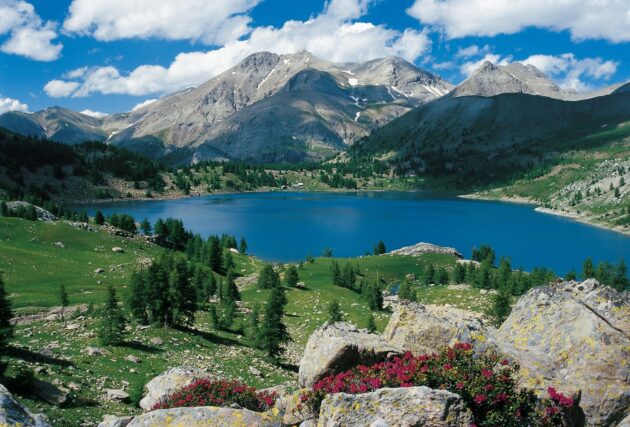
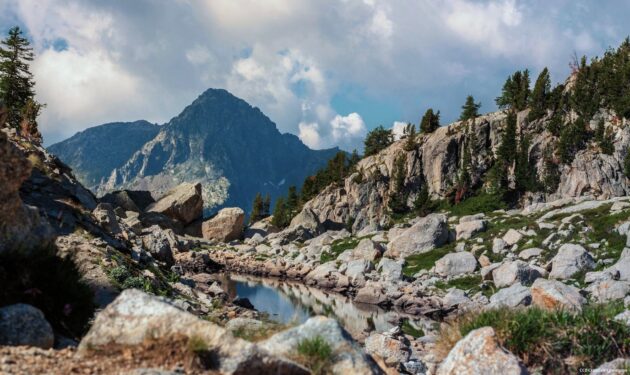
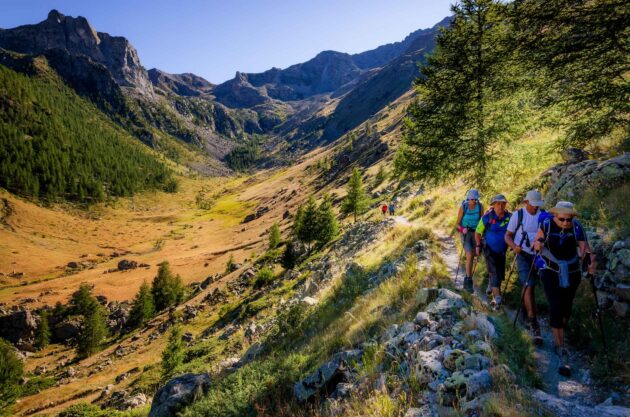
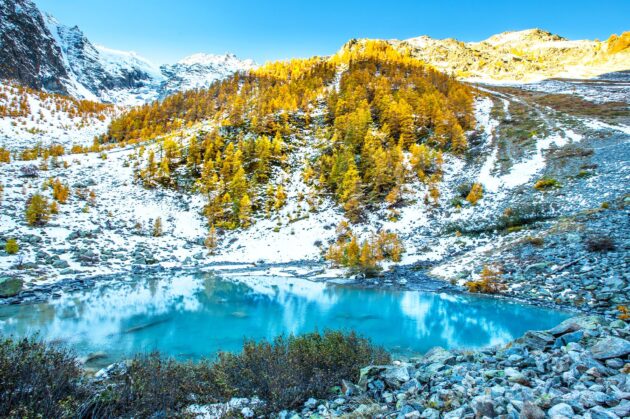
Nestled in the southeastern French Alps along the Italian border, Parc National du Mercantour is a breathtaking wilderness spanning over 685 square kilometers across the Alpes-Maritimes and Alpes-de-Haute-Provence departments. Established in 1979, it’s France’s youngest national park and a UNESCO-recognized biodiversity hotspot, blending towering peaks up to 3,143 meters at Cime du Gélas, glacial lakes, deep valleys, and over 2,000 plant species.
Parc national des Écrins
Nestled in the heart of the Dauphiné Alps in southeastern France, Parc National des Écrins is a breathtaking wilderness of jagged peaks, glittering glaciers, and lush alpine meadows. Spanning over 918 square kilometers across the departments of Isère and Hautes-Alpes, it’s France’s second-largest national park and a UNESCO-recognized biosphere reserve.
Parc naturel régional du Vercors
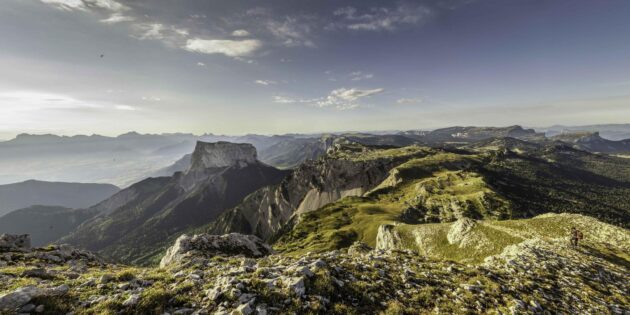
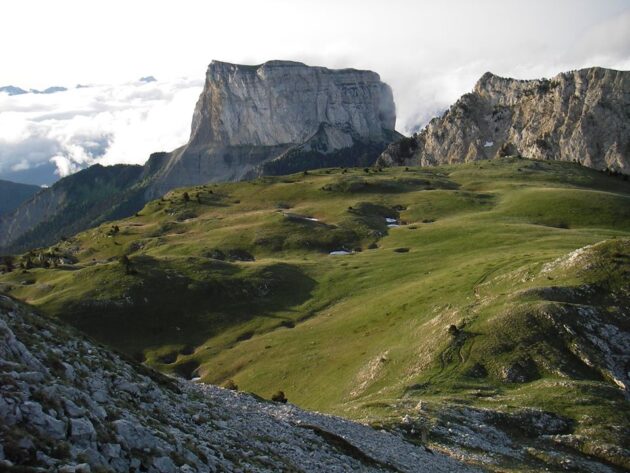
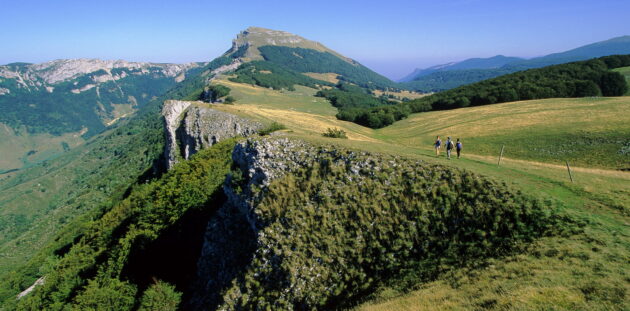
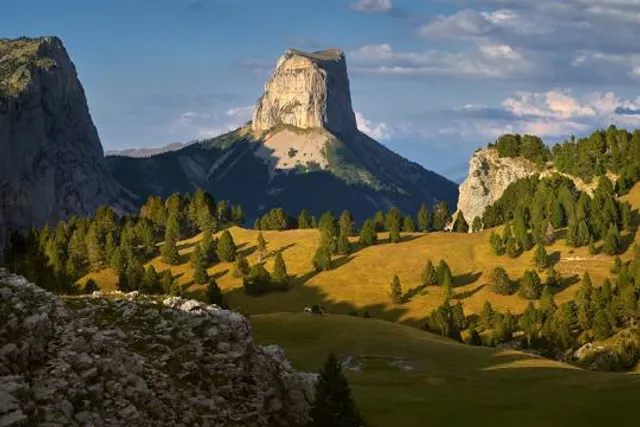
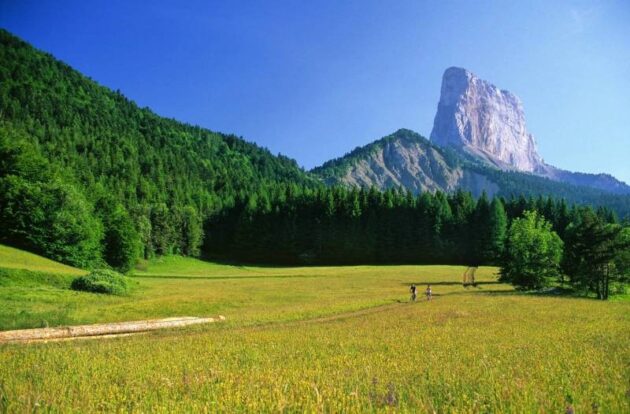
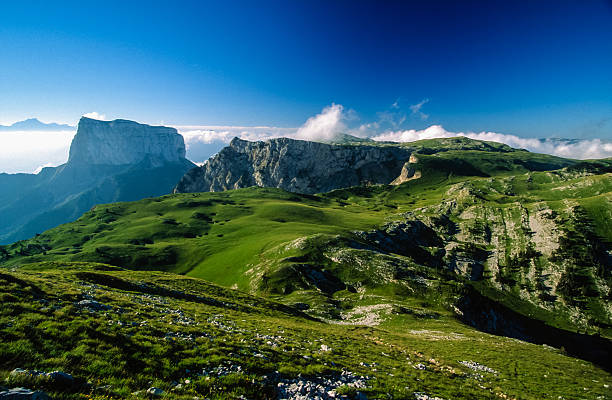
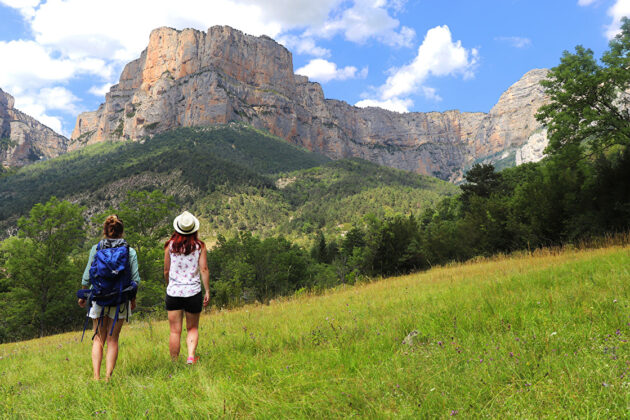
Nestled in the dramatic limestone massif between the Drôme and Isère valleys in the Auvergne-Rhône-Alpes region, the Parc Naturel Régional du Vercors is a breathtaking natural fortress of cliffs, plateaus, forests, and underground wonders. Spanning over 206,000 hectares and encompassing 85 municipalities, this regional nature park—designated in 1970—offers a perfect blend of rugged adventure, rich biodiversity, and poignant history.

How to Get There
By Air: Paris has three major airports: Charles de Gaulle (CDG), Orly (ORY), and Beauvais (BVA) (for low-cost carriers). Other international airports include Nice, Marseille, and Lyon. Flights from North America take 7–12 hours, with tickets starting at $500 round-trip if booked early.
By Train: France’s high-speed TGV trains connect major cities and neighboring countries (e.g., London via Eurostar, 2.5 hours). Book tickets via SNCF or Rail Europe for deals.
By Car/Bus: Driving from neighboring countries is easy via France’s excellent highways. FlixBus offers affordable bus routes from across Europe.
Getting Around France: Trains: The TGV network is fast and efficient (e.g., Paris to Nice in 5.5 hours). Book early for discounts. Metro/RER (Paris): Affordable and extensive, with single tickets at €2.10 or a 10-ticket carnet for €16.90. Car Rental: Ideal for rural areas like Provence or Loire Valley, but parking in cities can be challenging. Biking: Cities like Paris and Bordeaux offer bike-sharing programs like Vélib’.
Best Time to Visit
Spring (March–May): Mild weather, blooming gardens, and fewer crowds. Perfect for Paris and the Loire Valley.
Summer (June–August): Warm and sunny, ideal for the Riviera and lavender fields, but expect crowds and higher prices.
Autumn (September–November): Cooler temperatures, vibrant foliage, and wine harvest season in Bordeaux.
Winter (December–February): Quieter, with festive Christmas markets and skiing in the Alps. Paris is magical but chilly.
Tip: Avoid August in Paris, as many locals leave, and some shops/restaurants close.
Practical Tips
Language: English is widely spoken in tourist areas, but learning basic French phrases (e.g., bonjour, merci) enhances your experience.
Currency: Euro (€). Credit cards are widely accepted, but carry some cash for small vendors.
Safety: France is generally safe, but beware of pickpockets in crowded areas like Paris metro stations.
Etiquette: Greet shopkeepers with bonjour and dress smartly for upscale restaurants or museums.
Connectivity: Buy a local SIM (e.g., Orange or SFR) for €20–€40 with data, or use free Wi-Fi in cafés and hotels.
Health: No special vaccinations are required. Tap water is safe to drink.
Final Thoughts
France is a destination that captivates with its blend of history, art, cuisine, and natural beauty. From the iconic streets of Paris to the sun-drenched Riviera and the fairy-tale castles of the Loire Valley, every corner of the country tells a story. Plan ahead for major attractions, embrace the local culture, and savor the flavors of France for a trip that will linger in your memory.
Bon voyage!