
A Travel Guide to Palais des Papes (2026)
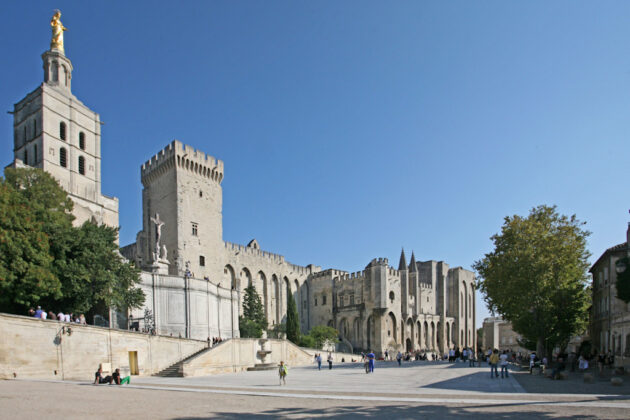
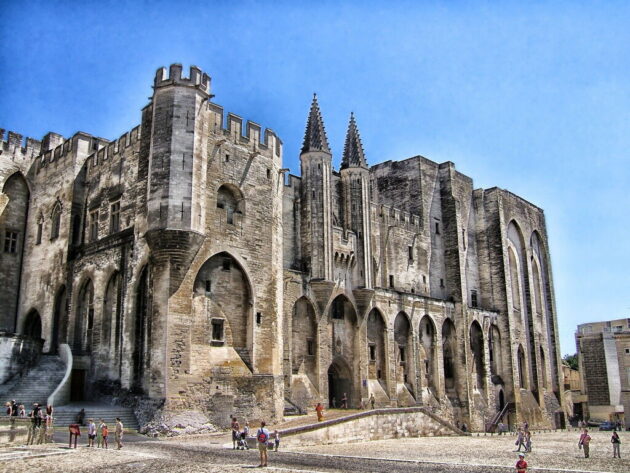
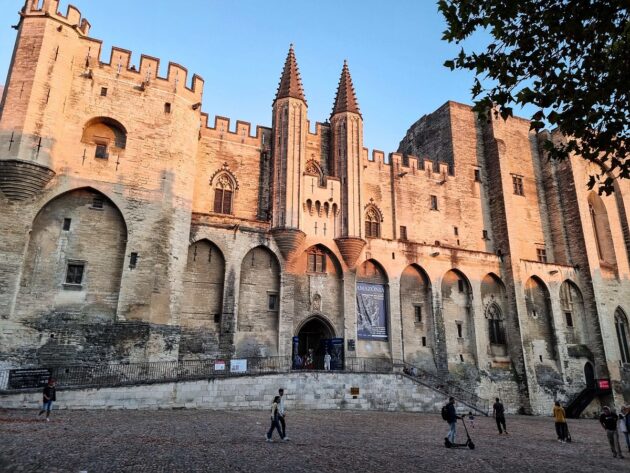
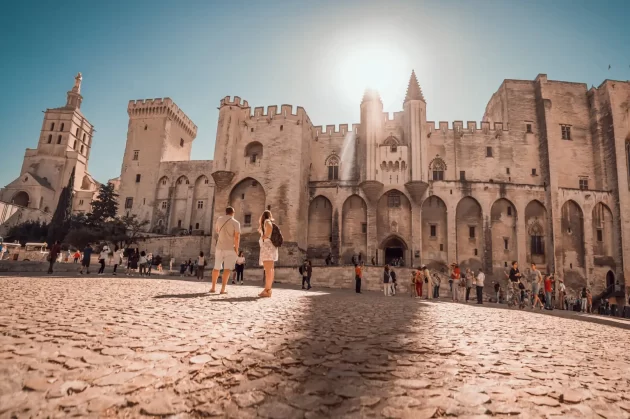
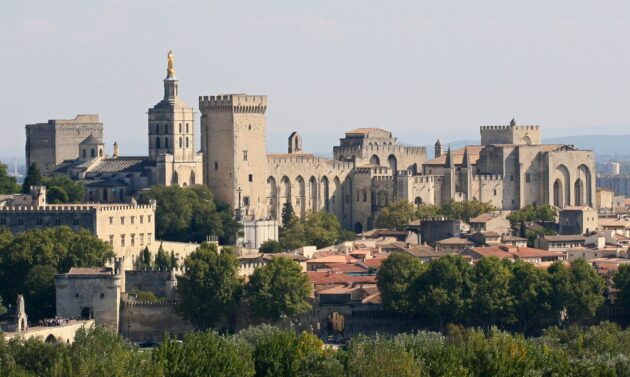
Perched majestically on the banks of the Rhône River in the heart of Provence, the Palais des Papes (Palace of the Popes) is one of Europe’s grandest Gothic architectural marvels and a UNESCO World Heritage Site since 1995. Built in the 14th century as the residence of seven popes during the Avignon Papacy (1309–1377), this colossal fortress-like palace spans over 15,000 square meters—equivalent to four Gothic cathedrals—and served as the political and spiritual heart of Western Christendom. Today, it draws over a million visitors annually, offering a captivating blend of history, art, and immersive experiences.
Why Visit Palais des Papes?
The palace isn’t just a monument; it’s a portal to medieval intrigue, where popes navigated power struggles between the French crown and the Holy See. Explore grand halls adorned with frescoes, secret chapels, and towering ramparts that offer panoramic views of Avignon and the Rhône. Pair it with nearby sites like the iconic Pont d’Avignon for a full day of discovery.
How to Get There
Avignon is well-connected, making the palace easily accessible from major French hubs:
By Air: Fly into Avignon–Provence Airport (AVN), 9 km southeast (20-minute taxi ride, €25–30). Alternatively, Marseille Provence Airport (MRS) is 80 km away, with shuttles or trains to Avignon (1–1.5 hours, €15–20).
By Train: Avignon’s TGV station (Gare d’Avignon TGV) is just 5 km from the city center; take a local train or bus to the central station (10 minutes). High-speed trains from Paris (3 hours, €50–100) or Lyon (1 hour, €20–40) arrive frequently.
By Car: From Paris, take the A7 motorway (700 km, 7 hours). Parking is available at Parking Palais des Papes (€1.50/hour) or nearby lots.
Within Avignon: The palace is in the walled Intra Muros (old town), a 10-minute walk from the central train station. Bikes (€5/day) or electric shuttles make exploring effortless.
Pro Tip: Download the Avignon Tourisme app for real-time transport updates.
Best Time to Visit
Avignon’s Mediterranean climate is mild year-round, but timing enhances your experience:
Spring (March–May): Blooming gardens and fewer crowds; ideal for outdoor exploration (temps 15–20°C/59–68°F).
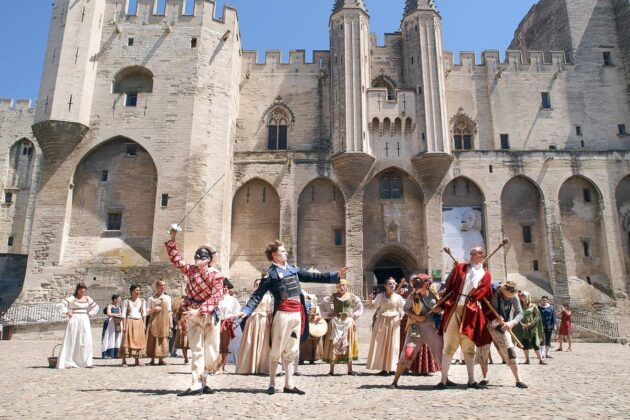
Summer (June–August): Peak season with the Avignon Festival (July), featuring theater and street performances near the palace. Expect heat (25–35°C/77–95°F) and lines—visit early.
Autumn (September–November): Comfortable weather (15–22°C/59–72°F) and harvest vibes; catch the “Un Verre aux Jardins” wine events in the palace gardens (Thursdays in August).
Winter (December–February): Quieter visits with festive markets; the palace’s new immersive parcours opens late 2025 for a cozy historical dive.
Avoid mid-July’s festival chaos if you prefer tranquility.
Tickets and Opening Hours
Opening Hours: Daily 9:00 AM–7:00 PM (last entry 6:00 PM; shorter in winter). Closed January 1, May 1, November 1, and December 25.
Ticket Prices: €12 for standard entry (25 rooms + audioguide); €17 for Histopad (interactive augmented reality tour); €24 for Avignon City Pass (includes palace, Pont d’Avignon, and 9 other sites). Free for under-8s and EU residents under 26; reduced for seniors/students.
Booking: Purchase online via palais-des-papes.com or the Avignon City Pass app to skip lines. Combo tickets save up to 30%. The palace is not fully accessible for wheelchairs due to stairs, but adapted viewing areas and Histopad virtual tours are available.
What to Do
Immerse yourself in the palace’s labyrinthine layout, divided into the “Old Palace” (Clement VI) and “New Palace” (Benedict XII):
Guided or Self-Guided Tours: Start with the Histopad for AR reconstructions of medieval life in 25 rooms, including the opulent Grande Audience hall and private papal apartments. English tours available (€5 extra).
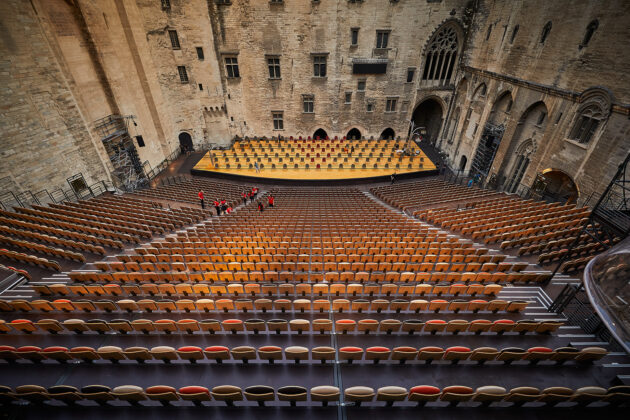
Key Highlights: Grand Chapel: Admire 14th-century frescoes depicting biblical scenes. Ramparts and Towers: Climb for 360° views; the Trouillas tower offers the best panoramas. Cours d’Honneur: Host to evening sound-and-light shows like Les Luminessences d’Avignon (August–September, €10–15, 1 hour in English/French).
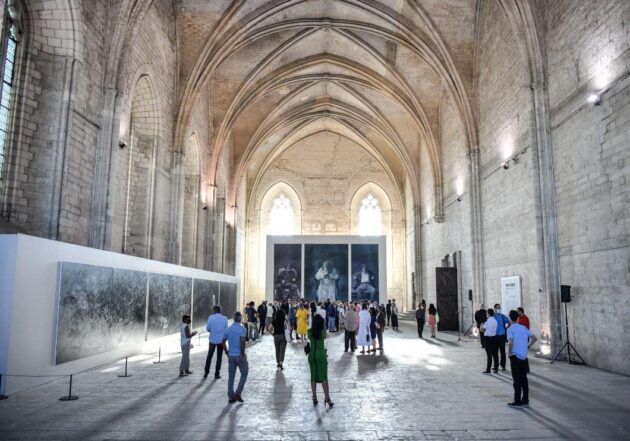
Exhibitions and Events: Don’t miss the Othoniel installation blending art and architecture. Evening candlelight concerts in the halls add a romantic touch.
Nearby Attractions: Stroll to Avignon Cathedral (free, adjacent) or the half-ruined Pont Saint-Bénezet (bridge from the famous song, €5).
Allow 2–3 hours; families love the interactive elements.
Where to Eat
On-Site: Casual cafés in Place du Palais serve crêpes and gelato (€5–10). For a treat, try the palace gardens’ pop-up wine tastings during summer events.
Nearby Gems: Fou de Fafa (5-min walk): Modern twists on Niçoise cuisine (€20–30 mains). La Fourchette (10-min walk): Cozy bistro with ratatouille and rosé (€15–25). Place de l’Horloge: Lively square with brasseries; grab a coffee overlooking the carousel.
Opt for outdoor seating to soak in the views. Vegetarians: Seek out eggplant-based dishes, a Provence staple.
Where to Stay
Luxury: Hôtel de l’Horloge (4-star, central square views, €200–300/night).
Mid-Range: Mercure Centre Palais des Papes (3-star, rooftop terrace, €120–180/night).
Budget: Hotel Danieli (charming rooms near the walls, €80–120/night) or hostels like Le Calendal (€50–80).
Book via Expedia or Booking.com; stay inside the walls for evenings alive with street performers.
Tips for a Great Visit
Beat the Crowds: Arrive at opening; weekends fill fast during festivals.
What to Bring: Comfortable shoes for stairs, sunscreen, and a reusable water bottle (fountains abound).
Accessibility: Limited for mobility issues—opt for the Histopad’s virtual option.
Combine Trips: Day-trip to Châteauneuf-du-Pape vineyards (20 km) or join a guided walking tour of UNESCO sites.
Sustainability: Use public transport; the palace promotes eco-friendly visits with digital guides.
Final Thoughts
The Palais des Papes stands as a testament to Avignon’s golden era—a fortress of faith, power, and artistry that continues to enchant. With new exhibitions and events, it’s the perfect anchor for a Provençal adventure. Wander its halls, trace the Rhône’s curve, and let the echoes of popes past inspire your own story. Vive l’Avignon!
Happy travels!