
A Travel Guide to the Lavender Fields of Provence (2026)
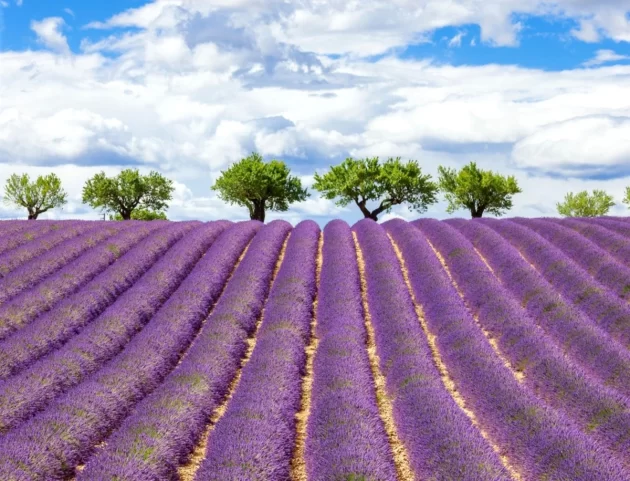
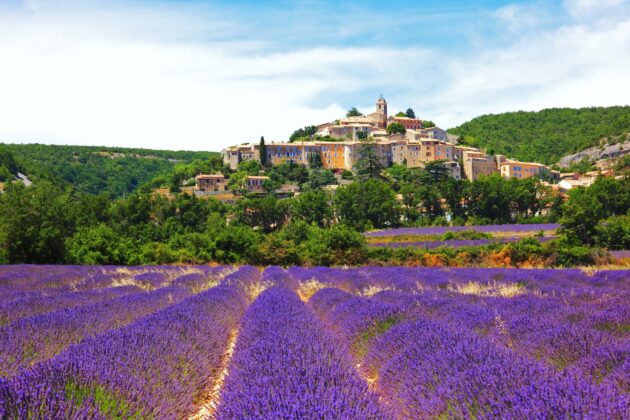
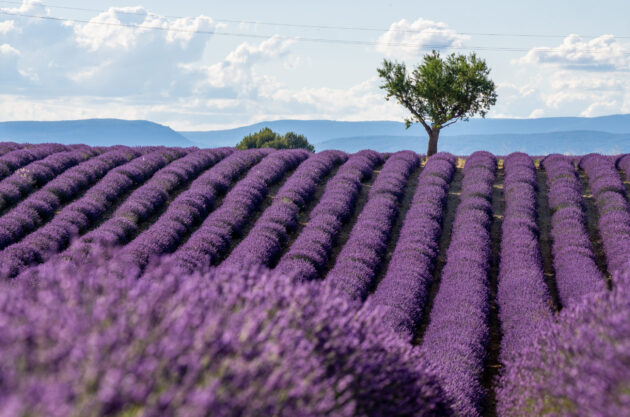
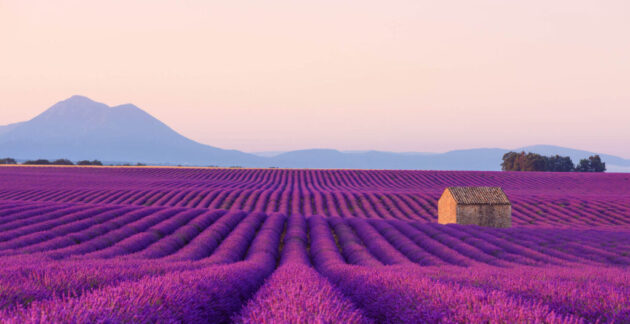
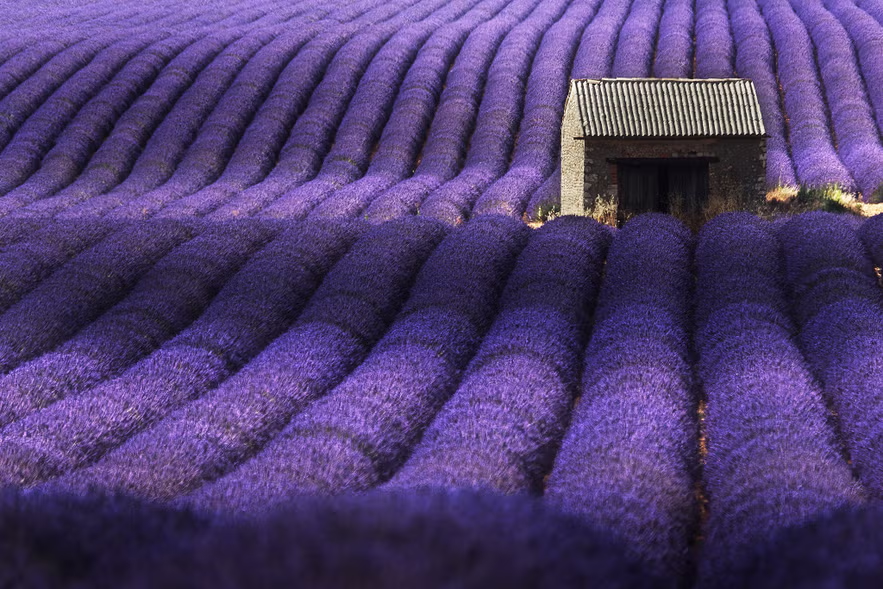
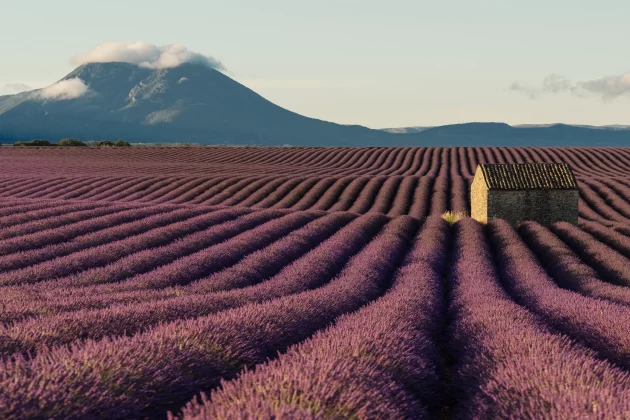
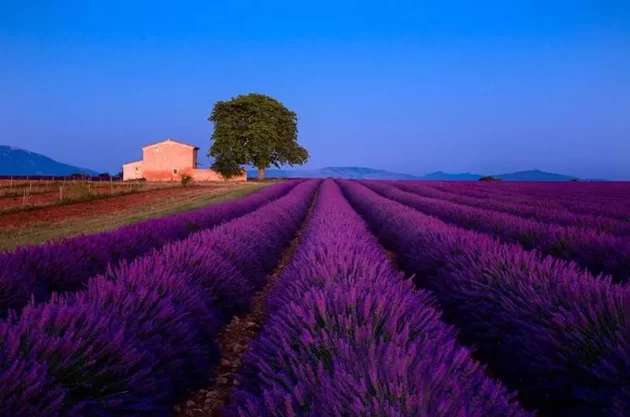
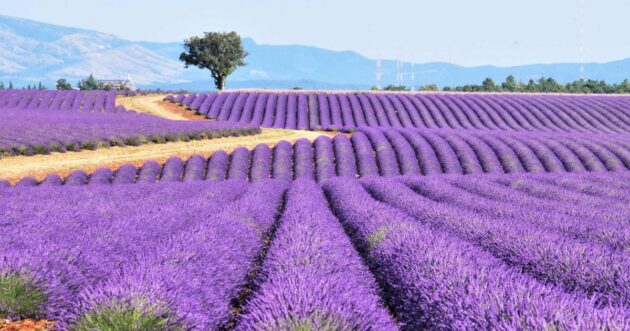
Provence, in southeastern France, transforms into a dreamlike purple paradise each summer as vast lavender fields bloom across its rolling hills and plateaus. These iconic landscapes, often dotted with sunflowers, ancient abbeys, and charming villages, draw travelers from around the world for their sensory allure—the vibrant hues, soothing fragrance, and photogenic vistas. Spanning over 10,000 hectares, the lavender fields are not just a visual spectacle but a cornerstone of Provençal culture, used for essential oils, perfumes, and local crafts.
Why Visit the Lavender Fields of Provence?
The lavender fields embody the essence of Provence: rustic charm meets natural beauty. Beyond the Instagram-worthy rows of purple blooms, you’ll encounter working farms, distilleries where lavender is transformed into oils and soaps, and festivals celebrating the harvest. It’s a multisensory experience—inhale the calming scent, taste lavender-infused honey or ice cream, and wander paths buzzing with bees. Expect sustainable tourism initiatives, like eco-friendly farm tours, emphasizing the region’s commitment to preserving this “blue gold.” Pair it with Provence’s rosé wines, olive groves, and medieval villages for a quintessential French escape.
How to Get There
The lavender fields are scattered across Provence, primarily around the Luberon and Verdon plateaus, north of Aix-en-Provence and Marseille, and east of Avignon. Fly into Marseille Provence Airport (MRS) or Nice Côte d’Azur Airport (NCE), then explore by car for flexibility.
By Car (Recommended): Rent a car at the airport (e.g., via Sunny Cars for insurance-inclusive options starting at €30/day). From Marseille, it’s 1–1.5 hours to Valensole via the A51 and D96. From Avignon, head east on the D900 to the Luberon (45–60 minutes). Roads are scenic but winding; download offline Google Maps as cell service can be spotty.
By Train and Bus: High-speed TGV from Paris to Avignon (3 hours, €50–€100). From Avignon, regional trains or buses (e.g., Line 15 to Apt) reach Luberon villages, but fields require a taxi or tour (€20–40). Limited public transport to remote plateaus like Valensole—consider basing in Aix-en-Provence.
Guided Tours: Join day trips from Aix-en-Provence or Avignon (e.g., Ophorus or GetYourGuide, €80–€120, including transport and distillery visits). Ideal for non-drivers.
Pro Tip: Book rentals and tours early for July; fuel up in towns as stations are sparse in rural areas.
Best Time to Visit
Lavender blooms from mid-June to mid-August, but timing varies by altitude and weather—a wet spring delays it, while dry conditions advance blooming. Peak season aligns with warm days (25–35°C/77–95°F) and clear skies for optimal photos.
Valensole Plateau: Mid-June to mid-July (earliest bloom at lower altitudes).
Luberon: Late June to mid-July.
Sault: Mid-July to late August (higher elevation extends the season).
Overall Peak: First two weeks of July for widespread blooms across regions.
Aim for late June to avoid French school holidays (post-July 1st) and crowds. Early mornings or late afternoons offer cooler temps and golden-hour light. Check real-time bloom updates via apps like “Lavender in Provence” or local sites like fetesdelalavande.fr.
Top Lavender Fields to Explore
Provence’s fields cluster in four main areas. Use this interactive map (or search “Provence lavender fields map” on Google Maps) for GPS pins. Respect private property—stay on paths, avoid picking flowers, and support farms by buying products.
Valensole Plateau (Alpes-de-Haute-Provence): France’s largest lavender area (800+ km²), with endless purple rows amid sunflowers. Highlights: Route de Manosque for roadside views; Angelvin Farm for guided tours (€5). Best for vast panoramas.
Sault Plateau (Vaucluse): Higher-altitude fields blooming into August, surrounded by Mont Ventoux. Drive the Chemin des Lavandes trail; visit Distillerie Les Agnels for oil demos (€10). Quieter, with fewer tourists.
Luberon Valley (Vaucluse): Iconic spots like Abbaye de Sénanque (near Gordes), where lavender frames a 12th-century Cistercian abbey—perfect for photos (entry €8). Explore near Apt or Roussillon’s ochre cliffs for colorful contrasts.
Drôme Provençale (North of Provence): Fine lavender fields around Nyons and Grignan. Less crowded; combine with truffle markets or hikes in Baronnies Provençales Park.
Itinerary Suggestion: 3–4 days: Day 1 in Valensole, Day 2 Luberon loop, Day 3 Sault, Day 4 Drôme.
Lavender Festivals
These vibrant events celebrate the harvest with parades, markets, and demos. Book ahead for accommodations.
Valensole Lavender Festival (Fête de la Lavande): July. 80+ exhibitors, guided field tours, helicopter rides (€50), and live music. Free entry; expect 20,000+ visitors.
Sault Lavender Festival: August. World’s largest: Provençal parade, sickle-harvesting contests, artisan markets, and fireworks. Free; family-friendly with bouquets and nougat.
Digne-les-Bains Corso of Lavender: August. Floats, dances, and fair rides; ends with fireworks. €10–15 for premium seating.
Other Events: Le Thor’s Madder & Lavender Fest (early August); smaller fairs in Apt and Forcalquier.
Where to Stay
Base in central hubs for easy access; prices peak in July (€150–€300/night).
Valensole: Hôtel La Bastide des Bourguets (amid fields, €120–€180) for rustic charm.
Luberon (Gordes/Aix-en-Provence): La Coquillade (5-star vineyard estate, €300+) or budget-friendly Aix guesthouses (€80–€120).
Sault: La Bastide des Bourguets B&B (€100–€150) with field views.
Avignon: Boutique hotels like Hôtel de l’Horloge (€150–€250) for city access.
Farm stays (e.g., Domaine du Bas Chalus, €80/night) offer authentic experiences like animal feeding.
Where to Eat
Provence’s farm-to-table scene shines with lavender twists. Picnic in fields with local buys.
In Fields: Lavender ice cream or honey at roadside stands (€3–5); try nougat or infused rosé.
Valensole: Le Café de France for Provençal salads (€15–20).
Luberon: Distilleries like Les Agnels for lavender lunches (€25, including tours).
Markets: Weekly in Apt (Saturdays) or Sault for cheeses, olives, and lavender bread.
Vegetarian options abound; pair with regional wines like Côtes de Provence rosé.
Tips for a Great Visit
Photography: Use a wide-angle lens for rows; drone permits needed for aerial shots (€50 via prefecture). Golden hour (sunrise/sunset) minimizes crowds.
Practicalities: Wear hats/sunscreen (UV intense); bee-friendly clothing (long sleeves). Fields are free but donate at farms.
Sustainability: Stick to paths to protect crops; buy organic products. Avoid peak weekends.
Combine Trips: Add Gorges du Verdon hikes, Gordes village, or Aix markets. For families, kid-friendly tours include bee education.
Final Thoughts
The lavender fields of Provence are a fleeting symphony of color and scent—a reminder of nature’s artistry. Whether chasing blooms by car or joining a harvest festival, this region promises serenity and inspiration. Time it right, drive responsibly, and let the purple haze captivate you. Provence awaits—your sensory adventure starts now.
Happy travels!