
A Travel Guide to Calanques National Park (2026)
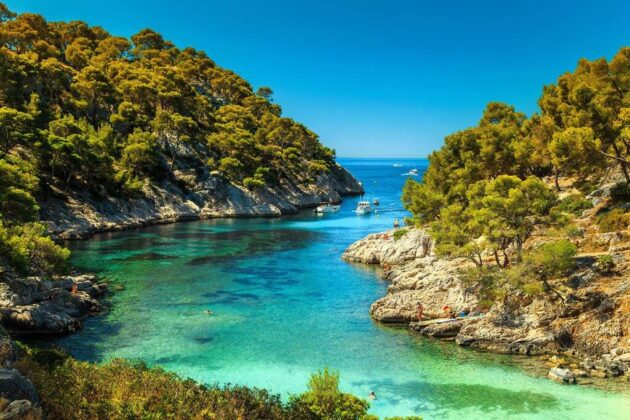
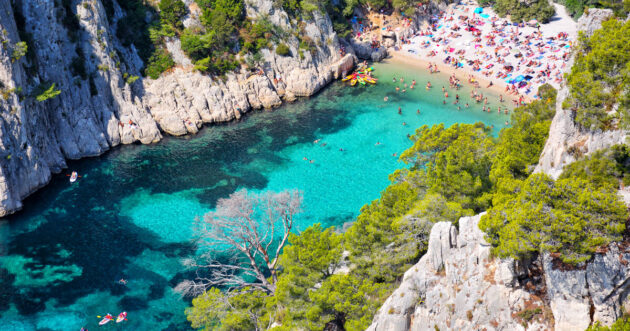
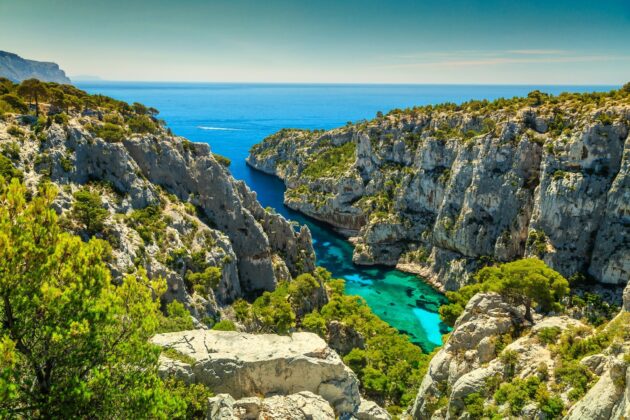
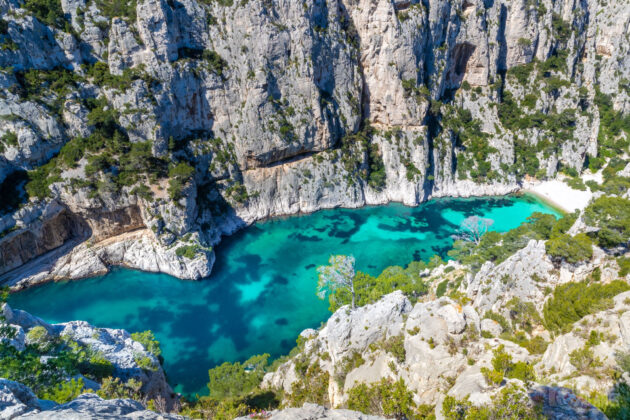
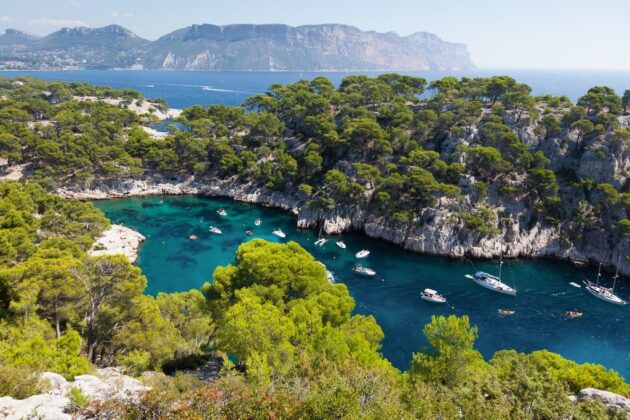
Nestled along the stunning Mediterranean coastline between Marseille and Cassis, Calanques National Park (Parc National des Calanques) is a breathtaking natural gem in southern France. Established in 2012, this 200-square-mile protected area—Europe’s largest peri-urban park—features dramatic limestone cliffs plunging into turquoise waters, hidden coves known as calanques, and a rich tapestry of biodiversity with over 140 protected terrestrial species and 60 marine ones. Spanning 26 calanques, pine-covered hills, and offshore islands, it’s a haven for hikers, boaters, swimmers, and eco-adventurers. With over 2 million annual visitors, it’s a must-see for anyone exploring Provence, offering a perfect blend of rugged wilderness and coastal serenity.
Why Visit Calanques National Park?
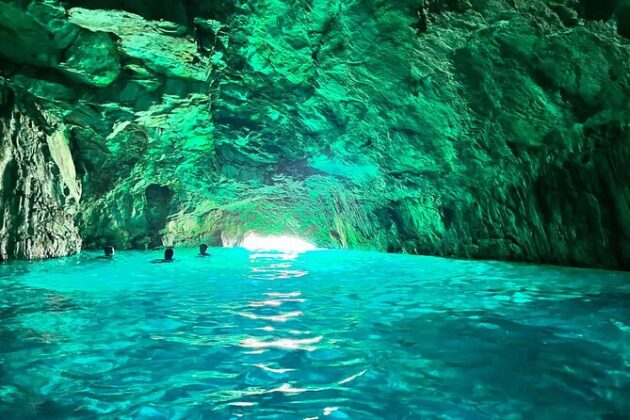
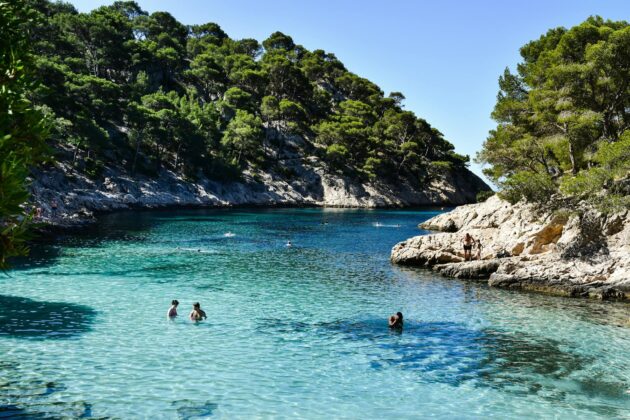
This park is a feast for the senses: crystal-clear waters rival the Caribbean, sheer white cliffs rival Norway’s fjords, and diverse ecosystems teem with wildlife like Bonelli’s eagles, wild goats, and Mediterranean monk seals. It’s ideal for outdoor pursuits—hiking scenic trails, snorkeling in hidden bays, or kayaking through sea caves—while providing a tranquil escape from Marseille’s vibrant urban buzz. Culturally, it ties into Provençal heritage with ancient fishing villages and sites like the Château d’If (famous from The Count of Monte Cristo).
How to Get There
The park is easily accessible from Marseille (its main gateway) or Cassis, about 10–20 km away. Public transport is recommended due to limited parking and summer traffic restrictions.
From Marseille: By Bus: RTM buses (operated by Le Métro de Marseille) connect key trailheads. Take Bus 19 or 20 from Castellane (central hub) to Luminy (for Sugiton), Les Baumettes (for Sormiou), or Les Goudes (for Morgiou). Journeys take 30–60 minutes; fares are €1.90 one-way. Buses run frequently but check schedules via the RTM app. By Metro + Bus: From Vieux-Port, ride Metro Line 1 to La Fourragère, then switch to Bus 19/20. By Boat: Sea shuttles from Vieux-Port or Pointe Rouge to Les Goudes (summer only, €8–10 round-trip). For island access, Frioul-If Express ferries (€11) reach the Frioul archipelago. By Car/Taxi: Drive via Chemin de Morgiou (20–40 minutes from central Marseille); parking is scarce (€4–10/day) and restricted June–September (7 AM–7 PM on roads to Sormiou/Morgiou). Use ride-hailing like Uber (€20–30). By Bike: Rent from Marseille’s self-service system (e.g., at Pastré Park) for a scenic 1–2 hour ride to southern entrances.
From Cassis or La Ciotat: Trains from Marseille (€5–7, 20–40 minutes) to Cassis station, then short bus/walk to Port-Miou.
Tip: Download the “Mes Calanques” app for real-time access maps and fire alerts.
Best Time to Visit
Spring (April–June): Mild weather (15–25°C), blooming wildflowers, and fewer crowds—perfect for hiking. Avoid weekends after June 15 due to visitor quotas.
Summer (July–September): Peak season with hot temps (25–35°C) and vibrant swimming/snorkeling, but expect heatwaves, crowds, and fire risks (park may close June 1–Sept 30 on red alert days). Book reservations for popular sites like Sugiton.
Autumn (October–November): Cooler (15–20°C), golden foliage, and low crowds; ideal for peaceful trails.
Winter (December–March): Quiet and dramatic, with mistral winds; great for hardy hikers but swimming is chilly.
Note: Fire regulations are stricter—check daily updates via the prefecture hotline or app. October offers post-summer calm with lingering warmth.
Tickets and Opening Hours
Opening Hours: The park is open 24/7 year-round, except closures for fire danger (common June–September). Trailheads and beaches follow natural light; boats run dawn to dusk.
Tickets: Free entry to the park. Some activities require fees: Boat tours: €20–50. Kayak/snorkel rentals: €15–30/hour. Guided hikes: €25–40.
Reservations: Mandatory free QR code for Sugiton and Les Pierres Tombées on peak weekends (June 15–Sept 15, 2025) via the park website—book up to 30 days in advance.
Passes: Consider a Marseille Visitor Pass (€26/24h) for unlimited public transport and discounts on tours.
What to See and Do
Explore the park’s 26 calanques via foot, water, or air (paragliding). Top highlights:
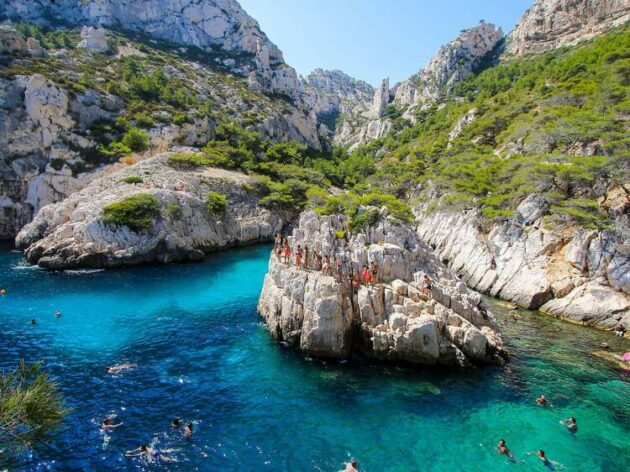
Hiking Trails: Sentier des Calanques (Customs Path): A 12-mile coastal trail from Cassis to Marseille (2–3 days, moderate); day sections like Sugiton–En-Vau (3–4 hours, steep but rewarding turquoise views). Calanque de Sugiton: Iconic 45-minute hike from Luminy to pebbly beaches and cliffs—reserve ahead in summer. Marseilleveyre Loop: 2-hour easy-moderate trail from Callelongue with sea caves and family-friendly swims.
Water Activities: Boat Tours: From Cassis or Marseille ports (€25–40, 2–3 hours); cruise En-Vau or Port-Pin for inaccessible coves. Kayaking/Snorkeling: Rent in Les Goudes (€20/hour); paddle to hidden bays like Morgiou for marine life spotting. Diving: World-class sites with underwater canyons; certified dives €50–70.
Beaches and Viewpoints: Calanque d’En-Vau: Pristine pebble beach with ladder descents—Europe’s most photographed. Belvédère de Sugiton: 360° panorama at sunset. Frioul Islands: Day trip for snorkeling and Château d’If (€11 ferry). Wildlife and Culture: Spot rare orchids or eagles; visit prehistoric caves or fishing hamlets.
Tip: Trails can be rocky—wear sturdy shoes and carry 1.5L water/person.
Where to Eat
Dining emphasizes fresh seafood and Provençal flavors; pack picnics for remote spots.
In the Park: Le Château d’If (Morgiou) for bouillabaisse (€30–40); casual beach shacks in Sormiou for grilled fish (€15–25).
Nearby in Marseille: Head to Les Goudes for Chez Zé (authentic Provençal, €20 mains) or Vieux-Port eateries.
Cassis: Portside bistros like Nino (€25 seafood platters).
Picnic Spots: Sugiton or Port-Pin beaches—grab baguettes, cheese, and rosé from Marseille markets.
Tip: Opt for eco-friendly spots; avoid single-use plastics to protect marine life.
Where to Stay
Base in Marseille for urban vibes or Cassis for quaint charm. For immersion, try park-edge lodgings.
Marseille (Central Access): InterContinental Marseille – Hotel Dieu (luxury, €250+/night): Waterfront views, spa. Mama Shelter Marseille (mid-range, €120–180): Hip, rooftop bar near buses.
Cassis (Scenic Base): La Villa Madie (5-star, €400+): Michelin-starred dining, sea views. Cassis Hostel (budget, €50–80): Pool, near trails.
In/near Park: Camping du Garlaban (Marseille edge, €20–50/night): Pine forest tents/cabins, pet-friendly. La Petite Calanque (B&B, €150+): Seaside rustic rooms.
Booking Tip: Reserve 3–6 months ahead for summer; use Booking.com for deals.
Tips for a Great Visit
Pack Essentials: Sunscreen, hat, reusable water bottle, first-aid kit, and offline maps (signal spotty). Dogs allowed on leash.
Sustainability: Stick to paths to prevent erosion; no drones or fires. Support local by choosing authorized operators.
Safety: Fire risks peak in summer—monitor alerts. Hikes can be strenuous; go with guides if inexperienced (€30–50).
Combine Trips: Pair with Aix-en-Provence (1-hour drive) or Avignon for a Provence itinerary.
Accessibility: Most trails are uneven; boat tours suit all abilities.
Final Thoughts
Calanques National Park is southern France at its wildest and most wondrous—a symphony of cliffs, seas, and secrets waiting to be uncovered. Whether you’re chasing sun-drenched swims or epic sunsets, this fragile paradise rewards mindful explorers.
Happy travels!