
A Travel Guide to the Cannes Film Festival (2026)
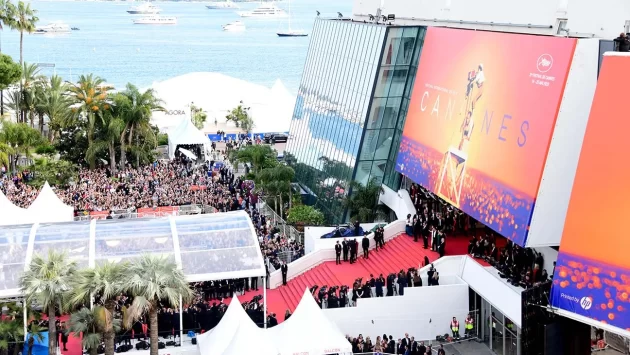
Nestled on the glamorous French Riviera, the Cannes Film Festival (Festival de Cannes) is the pinnacle of cinematic glamour, drawing filmmakers, celebrities, and cinephiles from around the world to the sun-drenched city of Cannes. Held annually at the iconic Palais des Festivals et des Congrès, this prestigious event celebrates international cinema through world premieres, red-carpet spectacles, and industry buzz. Beyond the silver screen, Cannes offers stunning Mediterranean beaches, luxury shopping along La Croisette, and a vibrant culinary scene.
Why Visit the Cannes Film Festival?
The Cannes Film Festival isn’t just an event—it’s a cultural phenomenon that transforms the elegant seaside town into a global hotspot for two weeks each May. Founded in 1946, it showcases groundbreaking films in categories like Competition, Un Certain Regard, and Directors’ Fortnight, often launching Oscar contenders. Expect star-studded red carpets, exclusive parties, and the world’s largest film market (Marché du Film), where deals worth billions are struck. Even if you’re not industry-insider, the electric atmosphere, beachside screenings, and Riviera luxury make it an unforgettable escape blending art, fashion, and escapism.
How to Get There
Cannes is easily accessible via air, rail, or road, with Nice Côte d’Azur Airport (NCE) serving as the main gateway, just 27 km away.
By Air: Fly into Nice Airport, then take a 40-minute taxi (€60–80) or shuttle bus (Lignes d’Azur Line 600, €22 one-way, 45 minutes) to Cannes. Direct flights from major European hubs and transatlantic routes via Paris are common.
By Train: High-speed TGV trains from Paris Gare de Lyon arrive at Cannes station in about 5.5 hours (€50–150). Regional TER trains connect from Nice (30 minutes, €5–10) and other Riviera towns.
By Bus or Car: FlixBus offers affordable routes from Paris or Marseille (€30–60). Driving via the A8 motorway is scenic but toll-heavy; rent from Hertz or Sixt at the airport (€40–100/day). Parking is limited—use lots near La Croisette (€20–30/day).
Once in Cannes, the city is highly walkable, with trams, buses (€1.50/ride), and bikes via VTCU (free docking stations) for easy navigation.
Best Time to Visit
The festival runs in May, transforming Cannes into a whirlwind of glamour—perfect for film lovers, but expect crowds, skyrocketing prices (hotels up 200–300%), and sold-out everything. Book 6–12 months in advance.
Spring (April–May, pre-festival): Mild weather (18–22°C) and blooming landscapes.
Summer (June–August): Peak beach season with 25–30°C temps, yacht parties, and events like the Cannes Lions Festival.
Autumn (September–October): Fewer tourists, film market echoes, and pleasant 20°C days.
Winter (December–February): Off-season deals, mild 10–15°C weather, and holiday lights—ideal for budget travelers.
Avoid mid-May unless festival-bound; otherwise, shoulder seasons offer the best balance of weather and value.
Tickets and Accreditation
Accessing screenings requires planning, as demand outstrips supply (5,800 seats for 30,000+ attendees).
Accreditation: Essential for official screenings. Apply via the Festival de Cannes website (opens January 2025) for professional badges (€169–3,800, based on category: press, industry, cinephile). Includes online ticket office access starting May 9, 2025—reserve early (7 AM daily drops).
Public Options: Directors’ Fortnight: Open to all; tickets €8–12 via their site or box office. Cinéma de la Plage: Free outdoor classics on Macé Beach nightly at 9:30 PM—no tickets needed. VIP Packages: Hospitality firms like Sincura Tickets offer red-carpet access (€500+).
General festival entry is free for wandering La Croisette, but premieres demand badges or invites.
What to Do
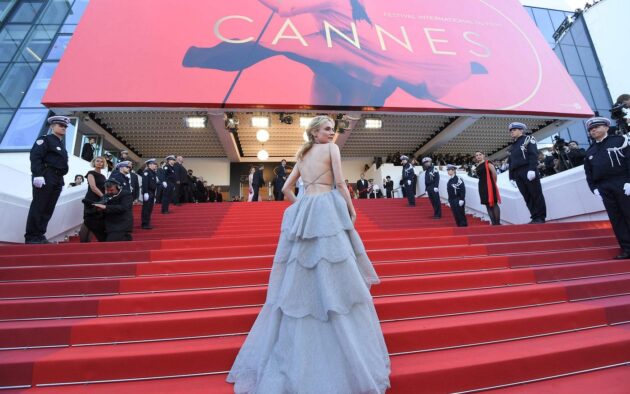
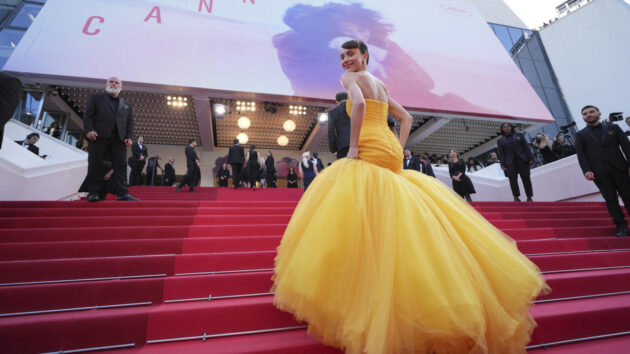
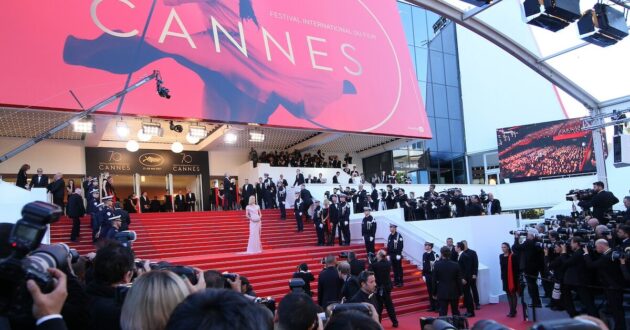
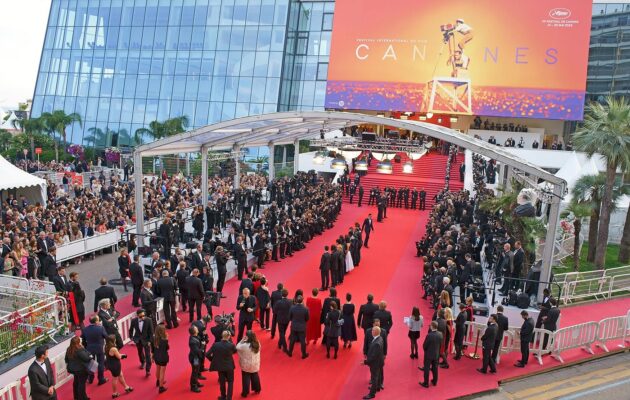
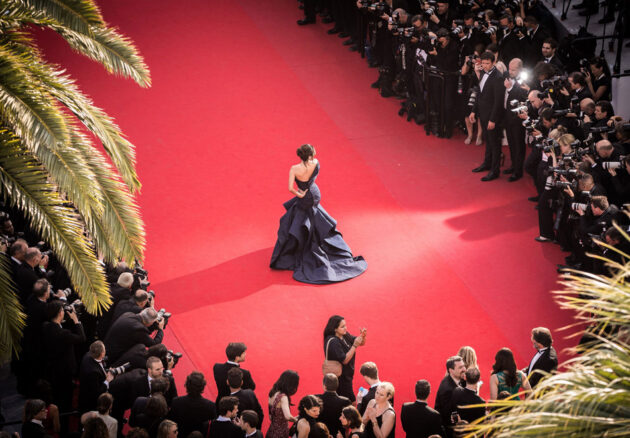
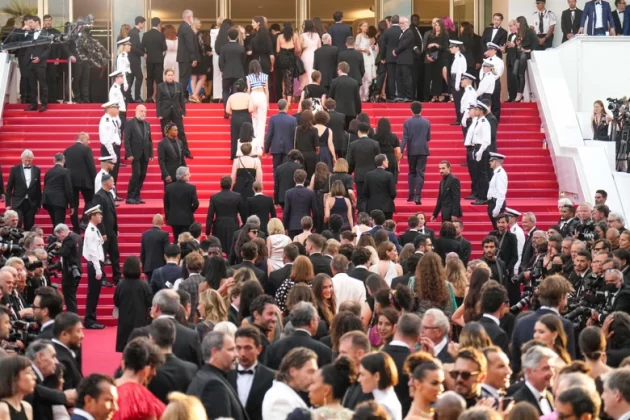
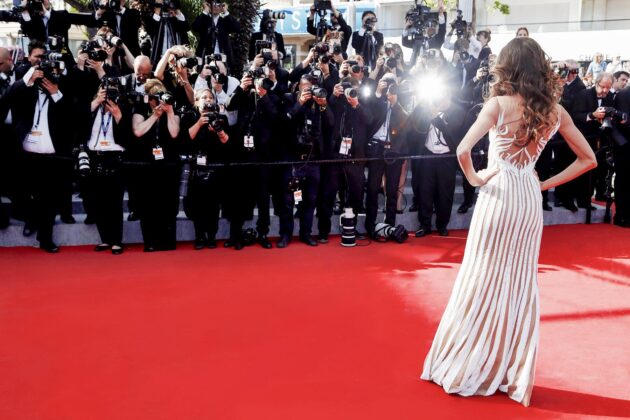
Festival Highlights (May 13–24): Stroll the Red Carpet at Palais des Festivals for celebrity sightings. Catch premieres at Grand Théâtre Lumière (e.g., anticipated films like Nouvelle Vague by Richard Linklater). Attend the Opening Ceremony (May 13) honoring Robert De Niro with a Palme d’Or. Explore the Marché du Film for networking and indie discoveries.
Iconic Attractions: La Croisette Promenade: 2-km seafront walk lined with palm trees, luxury hotels, and designer boutiques (Chanel, Dior). Le Suquet (Old Town): Wander cobblestone streets to the medieval castle and Notre-Dame de l’Esperance church for panoramic views. Îles de Lérins: Ferry (€15 round-trip, 15 minutes) to these car-free islands for hiking, snorkeling, and the historic Île Sainte-Marguerite abbey.
Beaches and Relaxation: Lounge on Plage du Midi (public, free) or private sands at Hôtel Martinez (€30/day). Yacht charters (€200+/hour) for Riviera cruises.
Day Trips: Nice (30-min train): Markets and Promenade des Anglais. Antibes (20-min train): Picasso Museum and Picasso-inspired beaches. Corniche d’Or Cruise: Scenic drive/boat tour along golden cliffs (€40–60).
Where to Eat
Cannes cuisine fuses Provençal flavors with global flair—expect fresh seafood, rosé, and Michelin stars.
Festival Dining: Pop-up spots on La Croisette like Scalini (Italian, €50–80/person) for celebrity-spotting.
Local Gems: La Palme d’Or (2 Michelin stars, Hôtel Martinez): Innovative French tasting menus (€250+). Astoux et Brun: Legendary seafood shack for bouillabaisse (€40–60). Le Caveau du Palais: Cozy Old Town bistro with socca (chickpea pancakes, €20–30). Budget Bites: Marché Forville for Provençal salads and crepes (€10–15).
Pair meals with local rosé from nearby vineyards. Reservations essential during festival.
Where to Stay
Cannes lodging ranges from opulent to affordable, but book early—festival rates soar.
Luxury (La Croisette): Hôtel Carlton (iconic, €1,000+/night) or InterContinental Carlton Cannes for sea views and spa access.
Mid-Range: Hôtel Le Fouquet’s (€300–500/night) in the city center, steps from the Palais.
Budget/Alternatives: Stay in nearby Antibes or Le Cannet (€100–200/night via Airbnb). Yacht charters (€5,000+/week) for ultra-glam.
Off-season drops to 50–70% less. Use Booking.com or the Cannes Tourist Office for deals.
Tips for a Great Experience
Dress Code: Smart-casual for streets; black-tie for red carpets. Pack layers for variable May weather (15–25°C).
Crowd Navigation: Download the Festival app for schedules; arrive 1–2 hours early for screenings.
Sustainability: Use reusable water bottles—tap water is safe. Opt for electric bikes to reduce emissions.
Safety: Cannes is safe, but watch for pickpockets in crowds. EU roaming fees apply for non-EU visitors.
Combine Trips: Extend to Monaco (1-hour drive) for casinos or Èze for hilltop villages.
Final Thoughts
The Cannes Film Festival is more than movies—it’s a symphony of style, stories, and seaside splendor that captures the essence of the French Riviera. From red-carpet thrills to serene island escapes, it offers something for every traveler. Dive into the glamour, savor the flavors, and let Cannes’ eternal allure reel you in. Whether chasing the Palme d’Or or a perfect sunset, your Riviera adventure awaits.
Bon voyage et bon cinéma!