
A Travel Guide to Château de Chenonceau (2026)
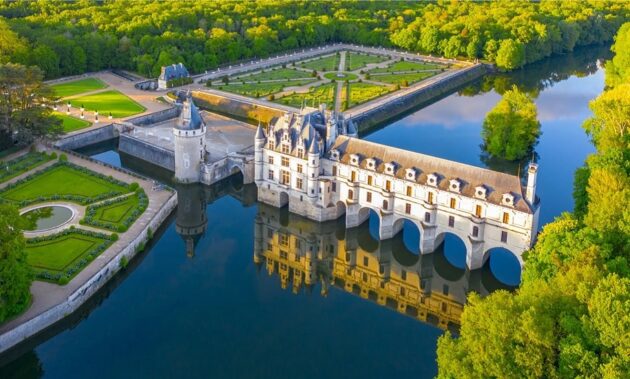
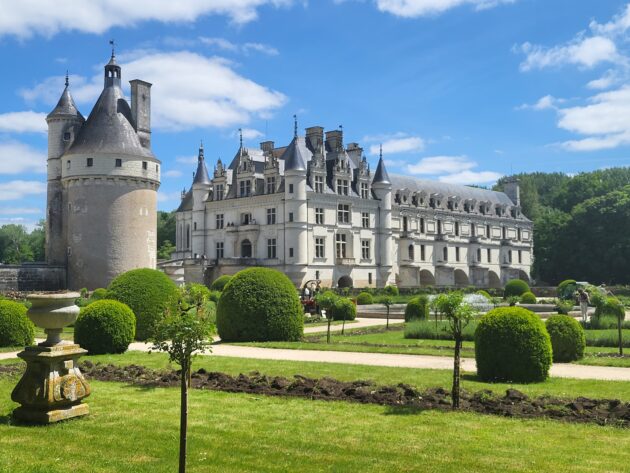
Nestled gracefully over the Cher River in the Loire Valley, Château de Chenonceau—often called the “Ladies’ Château”—is one of France’s most enchanting and romantic castles. Built in the 16th century, it is renowned for its elegant architecture, unique river-spanning design, and rich history shaped by influential women, including Diane de Poitiers and Catherine de’ Medici. Whether you’re a history buff, architecture lover, or simply seeking a fairy-tale experience, this guide will help you plan a perfect visit.
Why Visit Château de Chenonceau?
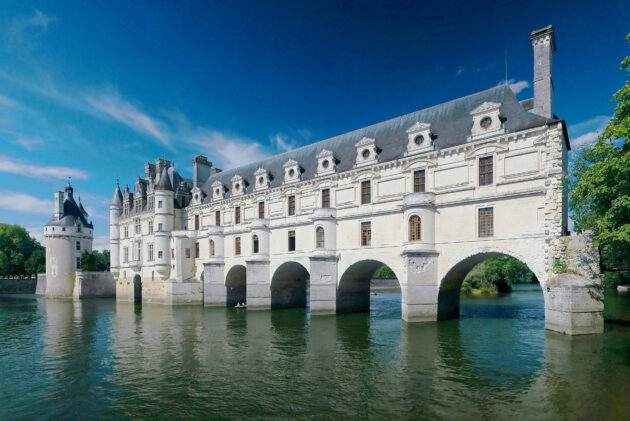
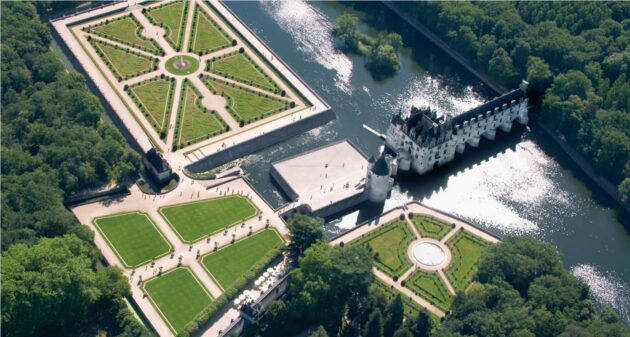
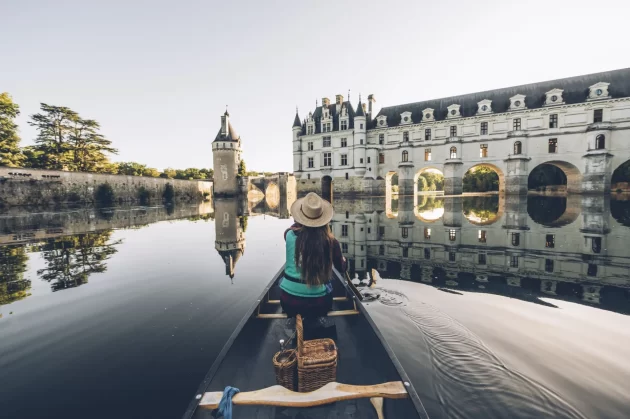
Unlike many Loire Valley châteaux, Chenonceau is distinguished by its bridge-like structure stretching across the Cher River, creating a magical reflection in the water. Its interiors are beautifully preserved, filled with Renaissance art, tapestries, and period furniture. The gardens—designed by royal mistresses—are a masterpiece of landscaping, and the château’s history of intrigue, love, and power adds a captivating narrative. It’s also more intimate and less crowded than Versailles, offering a serene yet grand experience.
How to Get There
Château de Chenonceau is located in the village of Chenonceaux (with an “x”), in the Indre-et-Loire department, about 214 km southwest of Paris.
From Paris:
By Train (Recommended): Take a TGV from Paris Montparnasse to Tours Saint-Pierre-des-Corps (1 hour), then a regional TER train to Chenonceaux Station (30 minutes). The château is a 25-minute walk (2 km) from the station. Total travel time: ~1.5–2 hours. Round-trip cost: €40–€70. Trains run frequently; book via SNCF Connect.
By Car: Drive via the A10 motorway (Paris → Tours → Chenonceaux). The journey takes ~2.5 hours. Free parking is available near the entrance.
By Organized Tour: Day trips from Paris or Tours are widely available (via Viator, GetYourGuide, or local operators). Prices: €100–€150, including transport and guided tours.
Best Time to Visit
Spring (April–June): Blooming gardens, mild weather, and fewer tourists.
Summer (July–August): Lush greenery and long daylight hours, but busiest season. Evening visits with illuminated gardens are magical (check schedule).
Autumn (September–October): Golden foliage along the river, pleasant temperatures.
Winter (November–March): Quieter, with festive Christmas decorations. The château is closed on December 25 and January 1.
Weather Note: The Loire Valley has a temperate climate. Bring layers for cool mornings and evenings.
Tickets and Opening Hours
Opening Hours: January 2–March 31: 9:30 AM–5:00 PM; April 1–June 30: 9:00 AM–6:00 PM; July 1–August 31: 9:00 AM–7:00 PM; September 1–November 1: 9:00 AM–6:00 PM; November 2–December 31: 9:30 AM–5:00 PM; Last entry: 30 minutes before closing.
Ticket Prices: Adult: €15.50 (château + gardens); Reduced (students, seniors): €12.50; Children (7–18): €12.50; Under 7: Free; Audio guide: €4 (available in 16 languages, including English). Combo tickets with nearby châteaux (e.g., Amboise, Chambord) are available online.
Booking: Purchase tickets on-site or online via the official website (chenonceau.com) to skip lines.
What to See and Do
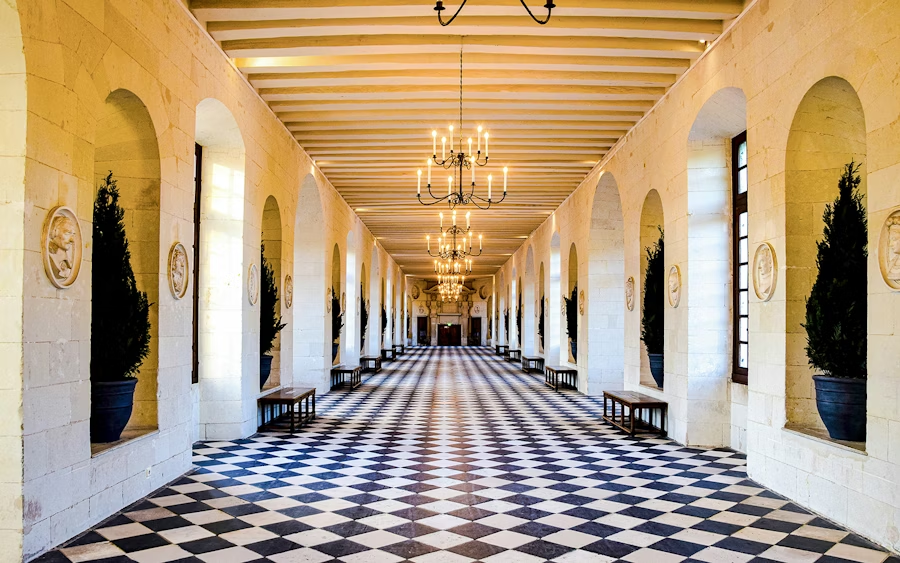
The Château Interior: Diane de Poitiers’ Bedroom: Elegant and intimate. Catherine de’ Medici’s Study: Ornate with Renaissance art. The Gallery: A 60-meter-long ballroom over the river, used as a hospital in WWI. Louis XIV’s Drawing Room: Featuring a portrait of the Sun King. Don’t miss the kitchen in the river piers—fascinatingly preserved.
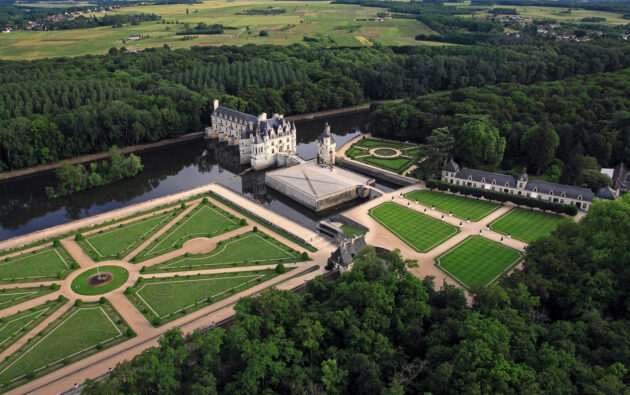
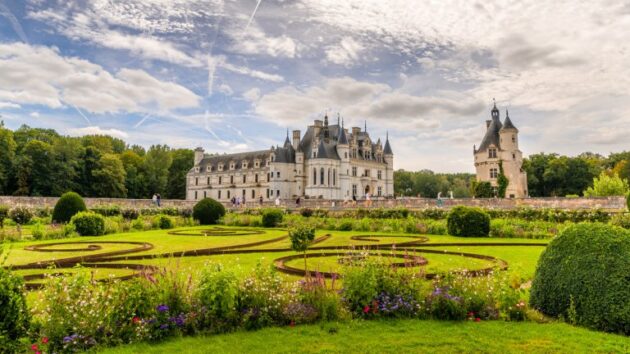
The Gardens: Diane de Poitiers’ Garden: Formal French style with a fountain and river views. Catherine de’ Medici’s Garden: More intimate, with a central pond. The Labyrinth: A circular hedge maze with a gazebo at the center. The Green Garden: A romantic 19th-century addition.
Seasonal Experiences: Spring Floral Displays: Thousands of flowers in the cutting garden. Summer Boat Rides: Rowboats on the Cher River (€5–7, seasonal). Christmas Decorations: The château is adorned with festive trees and lights (late November–early January).
Additional Attractions: The Wax Museum: Life-like figures of historical residents. The Donkey Park: A small farm with animals (great for kids). Wine Tasting: Sample Touraine wines in the 16th-century cellar (free with entry).
Where to Eat
On-Site: L’Orangerie: A refined restaurant in the former orangery (mains €20–35). Reservations recommended. Self-Service Café: Near the entrance, offering salads, sandwiches, and crêpes (€8–15). Picnic Areas: Allowed in designated garden zones—bring your own food for a riverside lunch.
In Chenonceaux Village (5-minute walk): Au Gateau Breton: Cozy crêperie with outdoor seating. L’Estaminet: Traditional French cuisine in a charming setting.
Where to Stay
Chenonceaux is small, so consider staying in nearby Tours or Amboise for more options:
In Chenonceaux: Auberge du Château: Charming inn opposite the château (€100–150/night). Le Relais Chenonceaux: Budget-friendly hotel (€70–100/night).
In Amboise (15-minute drive): Le Clos d’Amboise (4-star, €150–250/night); Ibis Budget Amboise (€50–80/night).
Camping: Camping Ile d’Or (near Amboise) offers riverside pitches.
Practical Tips
Wear Comfortable Shoes: The château has stone floors and gravel paths.
Photography: Allowed inside (no flash). The river reflection at sunrise or sunset is iconic.
Accessibility: The château has limited wheelchair access (stairs in many areas), but gardens are navigable.
Combine Your Trip: Visit nearby Château d’Amboise (15 min), Château de Chambord (45 min), or Tours old town.
Language: Staff speak English; audio guides are excellent.
Final Thoughts
Château de Chenonceau is more than a castle—it’s a living story of beauty, power, and resilience, set against one of France’s most picturesque landscapes. Whether you’re gliding through its grand gallery, wandering perfumed gardens, or simply admiring its reflection in the Cher, this “castle of water” will leave you spellbound. Plan ahead, arrive early, and let the magic of the Loire Valley unfold.
Bon voyage!