
A Travel Guide to Parc National des Pyrénées (2026)
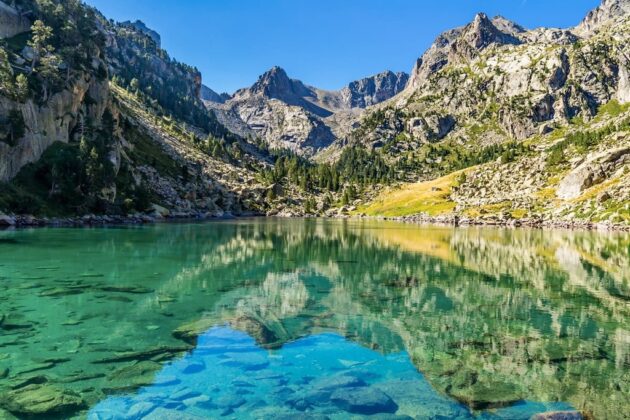
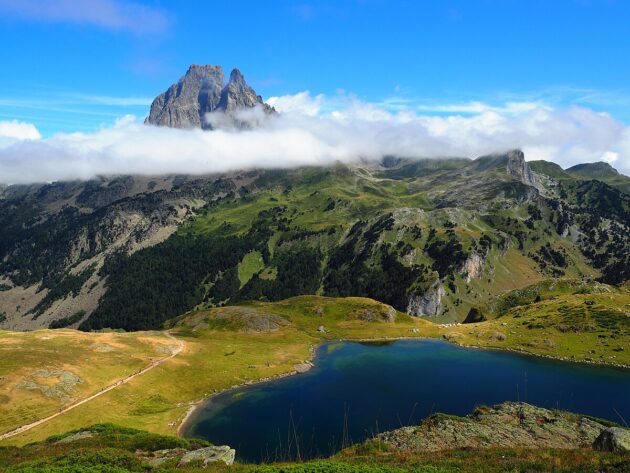
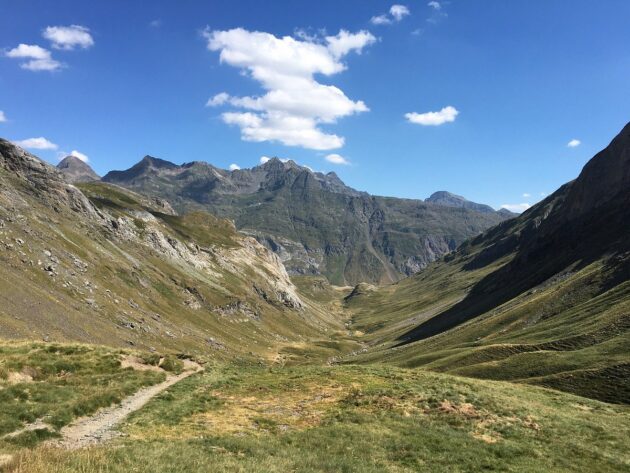
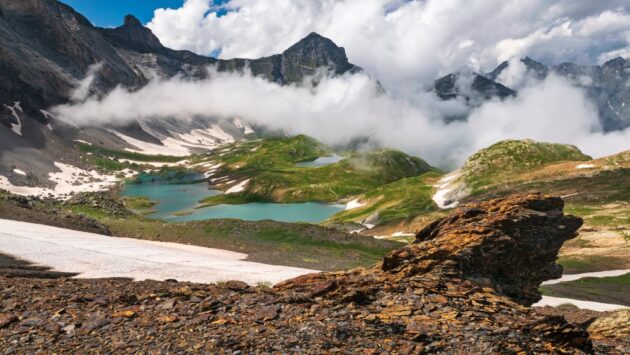
Nestled along the dramatic Franco-Spanish border in the southwestern corner of France, Parc National des Pyrénées is a breathtaking expanse of rugged mountains, glacial valleys, and pristine alpine wilderness. Established in 1967 and spanning over 457 square kilometers (with a much larger adhesion zone of 2,063 square kilometers), this national park is one of France’s oldest and most biodiverse protected areas. Home to jagged peaks soaring above 3,000 meters, 230 high-altitude lakes, cascading waterfalls, and rare wildlife like brown bears, golden eagles, and Pyrenean chamois, it’s a paradise for hikers, nature lovers, and adventure seekers.
Why Visit Parc National des Pyrénées?
This park stands out for its raw, unspoiled beauty and cultural depth. It’s a UNESCO World Heritage site (shared with Spain’s Ordesa y Monte Perdido National Park) thanks to its glacial cirques, diverse ecosystems, and historical significance. Expect a symphony of seasons: wildflower blooms in summer, fiery autumn foliage, snowy winter wonderlands for skiing, and spring thaws revealing hidden gems. With over 2,500 plant species and 4,000 animal species, it’s a hotspot for eco-tourism, birdwatching, and stargazing under some of Europe’s darkest skies. Plus, its proximity to charming Pyrenean villages adds a layer of authentic French mountain culture, from local cheeses to folklore festivals.
How to Get There
The park stretches 100 km east-west across the Hautes-Pyrénées and Pyrénées-Atlantiques departments, so access points vary. It’s best explored by car for flexibility, but public transport works for main valleys.
By Air: Fly into Toulouse-Blagnac Airport (TLS) (2–2.5 hours drive; major hub with flights from Paris, London, and Barcelona). Pau-Pyrénées Airport (PUF) (1–1.5 hours; smaller, with European connections). Tarbes-Lourdes-Pyrénées Airport (LDE) (45–90 minutes; seasonal flights, ideal for central access). Rent a car at the airport—essential for remote trails (from €30/day).
By Train: High-speed TGV from Paris to Lourdes or Tarbes (5–6 hours, €50–€150). Regional TER trains connect Toulouse to Lourdes (2 hours, €20–€30). From Lourdes, buses or taxis reach park entrances like Cauterets (30–45 minutes).
By Bus: FlixBus or BlaBlaCar Bus from Paris to Lourdes (10–12 hours, €40–€80). Local lines (e.g., Lio buses) from Lourdes to Gavarnie or Cauterets (€5–€10).
By Car: From Toulouse: A64 motorway to Tarbes/Lourdes, then D921/D929 south (1.5–2 hours). From Paris: A10/A63 via Bordeaux (8–9 hours). Roads are winding but well-maintained; expect tolls (€20–€40). Park at paid lots near entrances (e.g., €5–€10/day at Pont d’Espagne).
Tip: Base yourself in gateway towns like Lourdes or Pau for easy access. The park’s “heart” has restricted vehicle access—use shuttles or hike in.
Best Time to Visit
The park shines year-round, but tailor your trip to your vibe:
Summer (June–August): Peak season for hiking and wildflowers. Warm days (15–25°C) and long daylight hours, but crowds and thunderstorms possible. Ideal for families and multi-day treks.
Autumn (September–November): Fewer visitors, stunning foliage, and mild weather (10–20°C). Great for photography and wildlife spotting before snow arrives.
Winter (December–March): Snowy magic for skiing and snowshoeing (–5 to 5°C). Resorts like Cauterets open; check avalanche risks.
Spring (April–May): Thawing lakes and blooming edelweiss (5–15°C), but mud and closures common. Best for birdwatching.
Avoid peak holidays like July 14 (Bastille Day) or early August.
Tickets and Opening Hours
The park is free to enter—no general admission fee, as it’s public land. However:
Specific Sites: Paid parking at trailheads (e.g., €6–€12/day at Cirque de Gavarnie or Pont d’Espagne). Cable cars or gondolas (e.g., to Lac de Gaube) cost €10–€20 round-trip.
Visitor Centers (Maisons du Parc): Free entry; open daily 9 AM–6 PM in summer, shorter in winter. Locations in Cauterets, Gavarnie, Luz-Saint-Sauveur, Saint-Lary-Soulan, Arrens-Marsous, Laruns, and Etsaut. They offer maps, exhibits, and guided tours (€5–€15).
Guided Activities: Park-led hikes or wildlife tours €10–€30/person; book via the official site (parcnational-pyrenees.fr).
Dogs are banned in the core zone (except leashed in Gavarnie cirque). Always check for seasonal closures on the park’s app or website.
What to See and Do
With 200+ km of marked trails, the park caters to all levels. Focus on these highlights:
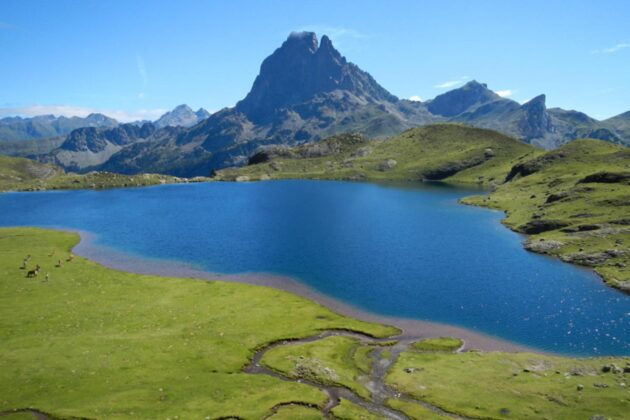
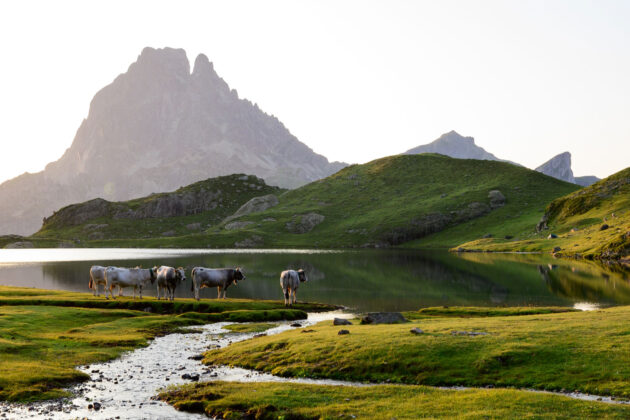
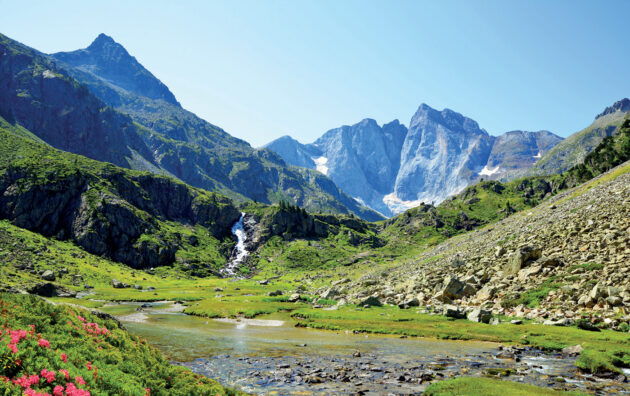
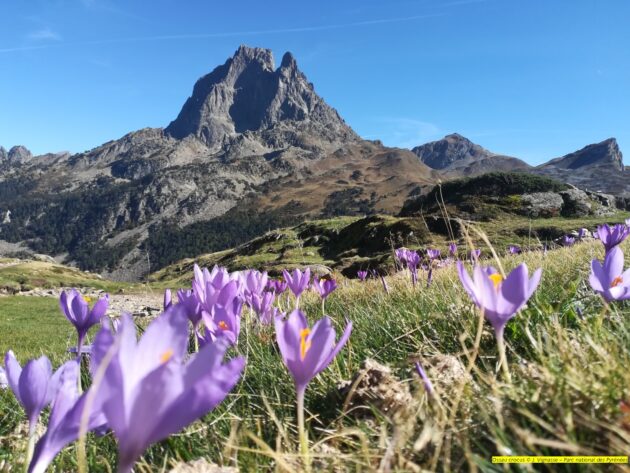
Hiking Trails: Cirque de Gavarnie: Iconic 3-km loop to Europe’s highest waterfall (422 m drop). Easy-moderate; 2–3 hours. UNESCO gem with sheer 1,500-m cliffs. Lac de Gaube via Pont d’Espagne: 5-mile moderate loop past waterfalls to turquoise lakes. Family-friendly; spot chamois. Haute Randonnée Pyrénéenne (HRP): Epic 887-km traverse for experts (30–40 days). Or try day sections like Pic du Midi d’Ossau (hard, 7–8 hours). Family Hikes: Suyen Lake (Azun Valley) or Chemin des Cascades (easy, 1 hour).
Scenic Wonders: Cirques: Estaubé (secluded), Troumouse (largest), and Gavarnie—glacial amphitheaters with Mont Perdu views. Peaks and Lakes: Vignemale (3,298 m, highest in French Pyrenees) or Néouvielle Massif’s 230 alpine lakes. Pont d’Espagne: Bridge linking France-Spain; start for Balaïtous hikes.
Adventure Activities: Skiing/Snowshoeing: Winter at Cauterets or Luz-Saint-Sauveur resorts (€30–€50 lift pass). Wildlife Watching: Spot brown bears (rare), griffon vultures, or marmots via guided tours. Mountaineering: Ascend Midi d’Ossau (experienced only; guided €100+). Fishing/Canoeing: In valleys like Aspe or Ossau (permits €20–€40).
Cultural Experiences: Visit mountain refuges (gîtes) for Pyrenean cuisine (try azinés cheese or garburé stew). Join park festivals: Summer wildlife workshops or autumn harvest events.
Tip: Download the IGN hiking app for offline maps. Hire local guides (€50–€100/day) for safety on advanced routes.
Where to Eat
Embrace Pyrenean farm-to-table fare—think hearty stews, cured meats, and foraged mushrooms:
On-Site: Limited to picnic spots or refuge huts (e.g., Refuge des Oulettes: €15–€25 for lentil stew or trout). Pack supplies from valley towns.
Nearby: In Cauterets, try Maison Lacoste for fondue (€20–€30). Luz-Saint-Sauveur’s Le Miramont offers regional wines and cassoulet (€25–€40).
Markets: Stock up at Lourdes’ Saturday market for cheeses and bread.
Opt for “Esprit Parc National” eateries promoting sustainable sourcing.
Where to Stay
Stay in the park’s adhesion zone for immersion—options range from rustic to refined:
Gateway Towns: Cauterets: Charming spa village; Hôtel du Lion d’Or (3-star, €80–€120/night). Gavarnie: Alpine guesthouses; Hôtel Le Marboré (€70–€100). Luz-Saint-Sauveur: Family-run; Les Ceps et Pruneaux (B&B, €60–€90).
In the Park: Mountain refuges like Refuge de Wallon (€40–€60 half-board; book ahead). Camping allowed in designated sites (€5–€10/night; no wild camping in core zone).
Luxury: Les Trois Vallées in Saint-Lary-Soulan (4-star, €150+ with spa).
Book via Booking.com or the park site; summer fills fast. Choose “Esprit Parc National” lodgings for eco-friendly vibes.
Tips for a Great Visit
Pack Smart: Sturdy boots, rain gear, sun protection, and bear spray (though attacks are rare). Water is scarce on trails—carry 2L+.
Sustainability: Stick to paths, no drones, and leave no trace. Support conservation by buying a park sticker (€5 voluntary).
Health & Safety: Altitude sickness possible above 2,500 m; acclimatize slowly. Check weather via Météo-France app; thunderstorms common afternoons.
Combine Trips: Pair with Lourdes (pilgrimage site, 20 km away) or Spanish Ordesa Park via Somport Pass.
Accessibility: Most trails are moderate; some wheelchair-friendly paths in valleys. English signage limited—use translation apps.
Final Thoughts
Parc National des Pyrénées is more than a park—it’s a soul-stirring journey through France’s wild heart, where ancient peaks whisper tales of glaciers and shepherds. From the thunderous roar of Gavarnie Falls to the quiet ripple of alpine lakes, every step reveals nature’s grandeur. Whether you’re summiting Vignemale at dawn or unwinding in a thermal spa, this Pyrenean gem promises rejuvenation and wonder. Lace up your boots, breathe deep, and let the mountains work their magic.
Happy trails!