

A Travel Guide to Hohenschwangau Castle (2026)
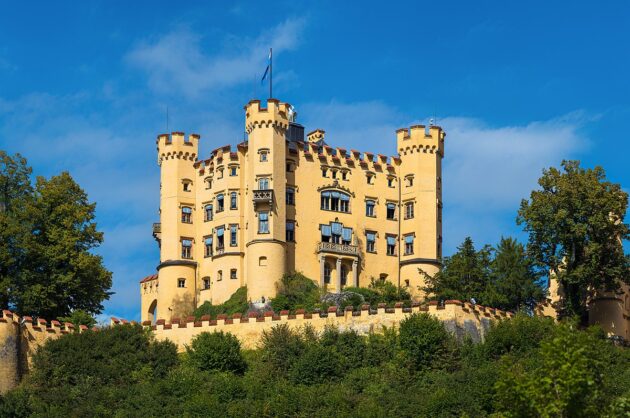
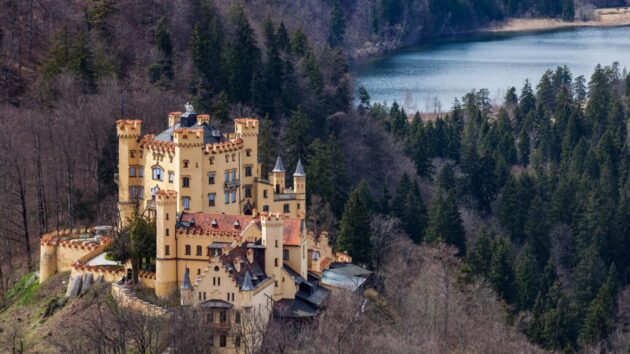
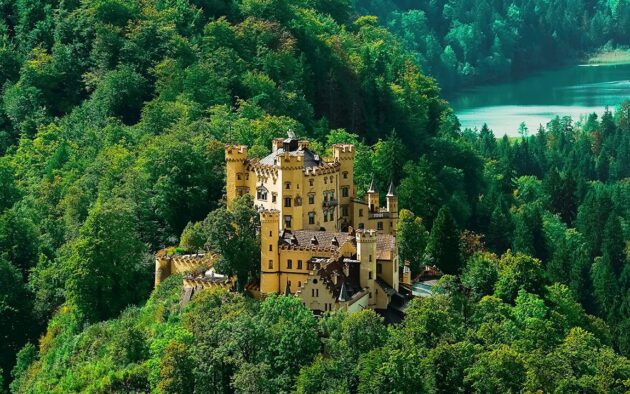
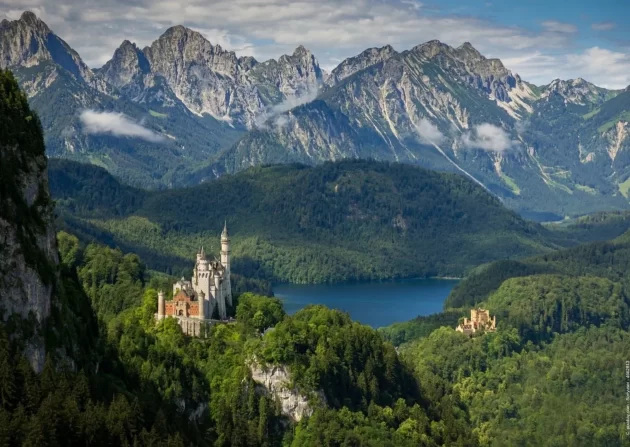
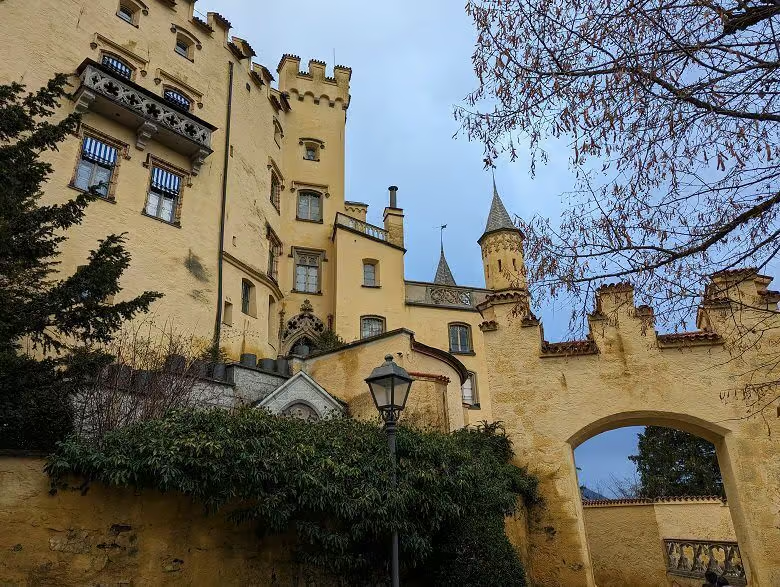
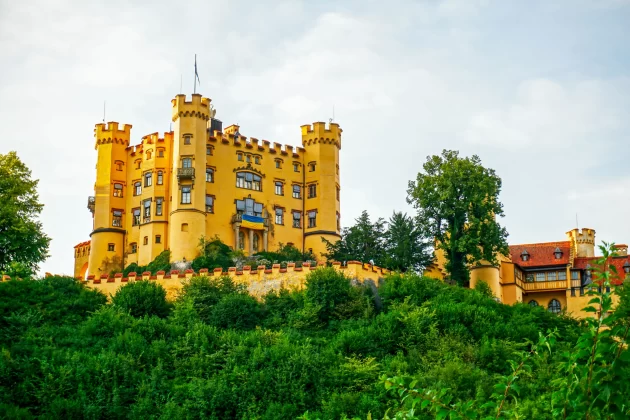
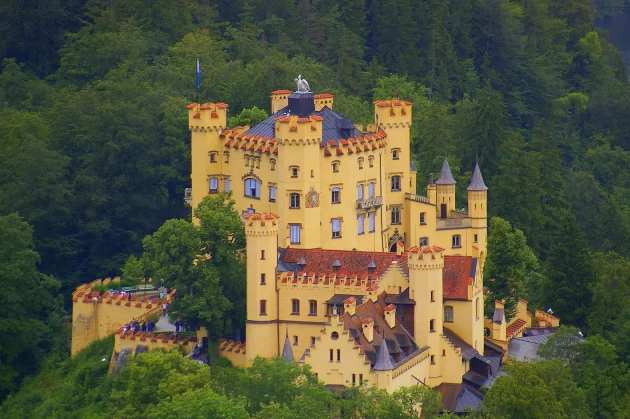
Perched on a rocky hill overlooking the turquoise Alpsee Lake in the Bavarian Alps, Hohenschwangau Castle (Schloss Hohenschwangau) is a neo-Gothic gem that offers a glimpse into 19th-century royal life. Built in the 1830s by Crown Prince Maximilian II, it served as the childhood home of the eccentric King Ludwig II, whose fascination with medieval legends inspired the nearby fairy-tale Neuschwanstein Castle. Less crowded than its famous neighbor, Hohenschwangau captivates with its frescoed interiors, lush gardens, and stunning Alpine views.
Why Visit Hohenschwangau Castle?
Hohenschwangau stands out for its intimate scale and historical charm, contrasting with Neuschwanstein’s grandeur. It’s the perfect complement to a castle-hopping day in Schwangau, allowing you to explore Ludwig II’s formative years amid romanticized depictions of knights and swans. The castle’s well-preserved rooms, vibrant wall paintings, and serene lakeside setting make it ideal for history buffs, photographers, and families seeking a less overwhelming experience.
How to Get There
Hohenschwangau Castle is located in the village of Hohenschwangau, about 120 km southwest of Munich and 2 km from Füssen. Public transport is efficient, but driving offers flexibility for combining visits.
From Munich (2 hours): By Train: Take a regional train from Munich Hauptbahnhof to Füssen (1.5–2 hours, €20–30 one-way). From Füssen station, hop on bus 78 or 73 to Hohenschwangau-Ticketzentrum (10 minutes, €2–3). By Car: Drive via the A7 autobahn to Füssen, then follow signs to Hohenschwangau. Parking is available at P4 lot near the Ticket Center (€10–15/day in peak season).
From Füssen (10 minutes): Bus 78/73 or a short taxi ride (€10–15). Walk from the Ticket Center to the castle in 5–10 minutes uphill. Airport Access: Fly into Munich Airport (MUC), then follow the train route above. For a scenic drive, rent a car at the airport.
Tip: All castle tickets are purchased at the Hohenschwangau Ticket Center (near Alpsee Lake). Arrive early to secure timed slots, especially in summer.
Best Time to Visit
Spring (April–May): Mild weather and blooming gardens; fewer crowds than summer.
Summer (June–August): Peak season with long days for hiking, but expect queues—book tickets 2–3 weeks ahead.
Autumn (September–October): Crisp air, golden foliage, and vibrant lake colors; ideal for photography.
Winter (November–March): Closed from mid-November to mid-December and early January; magical with snow, but tours may be shorter. Special 2025 Christmas tours in English on December 20 and 27 (5:00 PM admission).
Avoid weekends and holidays like Oktoberfest aftermath.
Tickets and Opening Hours
Opening Hours: April–October: 8:00 AM–5:30 PM (last entry 3:30 PM). November–March: 9:00 AM–3:30 PM (last entry 1:30 PM), closed mid-November to mid-December. Guided tours last 35–45 minutes; no self-guided access.
Ticket Prices: Adult: €23 (includes guided tour). Concessions (students/seniors): €21. Children (6–17): €12; under 6 free. Combo with Neuschwanstein: €40/adult (recommended for a full day). Audio guides available in multiple languages (€3 extra); group tours in English/German.
Book online via the official Hohenschwangau website or app up to 3 days in advance—slots sell out fast in peak season.
What to See and Do
Guided Castle Tour: Explore opulent rooms like the king’s and queen’s chambers, adorned with frescoes depicting Swan Knight legends and medieval heroes. Highlights include Maximilian II’s study and Ludwig II’s childhood bedroom, offering insights into the king’s dreamy worldview.
Gardens and Grounds: Stroll the terraced gardens with fountains, swans, and panoramic views of Alpsee Lake and Neuschwanstein. Allow 15–20 minutes pre-tour for photos—sunsets here are breathtaking.
Nearby Attractions: Neuschwanstein Castle: A 45-minute uphill hike or shuttle bus away; visit both in one day. Museum of the Bavarian Kings: Adjacent to the Ticket Center, featuring Ludwig II’s artifacts (€15 entry). Alpsee Lake: Rent a rowboat (€10/hour) or hike the 5 km loop for Alpine serenity.
Special Experiences: Private tours or torch-lit evening walks (book ahead, €200+ for groups). In summer, combine with a horse-drawn carriage ride to Neuschwanstein (€8/person).
Duration: 1–2 hours on-site; 4–6 hours including Neuschwanstein.
Where to Eat
On-Site: Limited to a small cafe in the gardens serving Bavarian snacks like pretzels and sausages (€5–10). No full meals inside.
Nearby in Hohenschwangau: Schlossrestaurant Neuschwanstein: Cozy spot with lake views, try the Weisswurst (€15–20). Reservations advised. Hotel Müller: Traditional Bavarian fare like schnitzel and beer in a historic inn (€20–30). Picnic Option: Grab supplies from Füssen’s bakeries and enjoy by Alpsee Lake.
Tip: Opt for regional beers like Tegernseer Hell to pair with your meal—many spots feature Ludwig-themed coasters.
Where to Stay
Hohenschwangau (Village Center): AMERON Neuschwanstein Alpsee Resort & Spa: Luxurious rooms with castle views, spa access; from €250/night. Perfect for romance. Hotel Alpenpearl: Family-run with balconies overlooking the lake; €150–200/night.
Füssen (5 km away): Best Western Plus Hotel Füssen: Modern comfort with parking; €120–180/night. Euro Youth Hotel (Munich Day Trip): Budget hostel near the station; €50–80/night if basing from Munich.
Book via Booking.com or directly for deals; summer fills up by March.
Tips for a Great Visit
Book Early: Timed tickets are mandatory; use the app for real-time availability.
Accessibility: 90 steps inside—no elevator. Inform guides for hearing accommodations or written texts.
What to Bring: Comfortable shoes for the uphill walk, layers for variable mountain weather, and a camera (photography allowed outside rooms).
Combine Itinerary: Start with Hohenschwangau (morning), hike to Neuschwanstein (afternoon), end with a lake boat ride. Total cost for two castles: €50–60/person.
Sustainability: Use public transport; the area promotes eco-friendly tourism post-2024 floods.
Crowd Hack: Visit mid-week or early morning to avoid tour groups.
Final Thoughts
Hohenschwangau Castle is more than a prelude to Neuschwanstein—it’s a romantic retreat into Bavaria’s knightly past, where swans glide on glassy lakes and history whispers from every turret. With enhanced tours and seasonal events, it’s an unmissable stop for anyone enchanted by fairy-tale Germany. Embrace the uphill trek, savor the views, and let the Alps work their magic. Prost to your Bavarian adventure!
Safe travels!