
A Travel Guide to Nymphenburg Palace (2026)
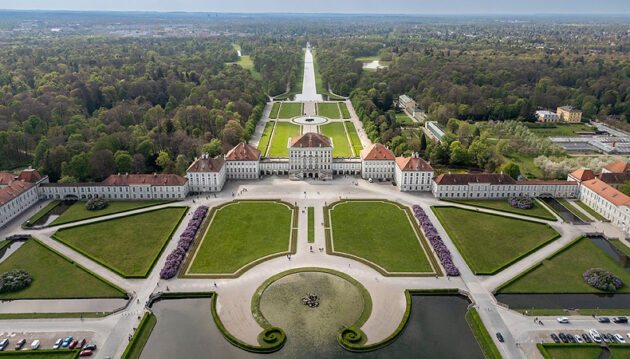
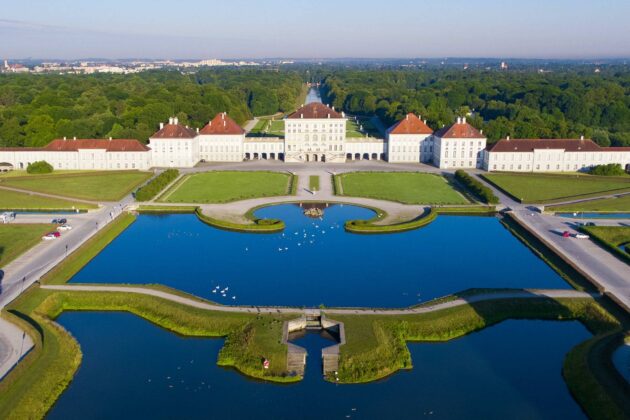
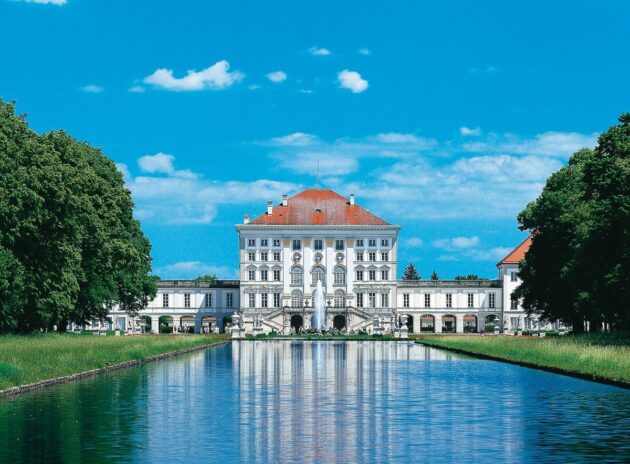
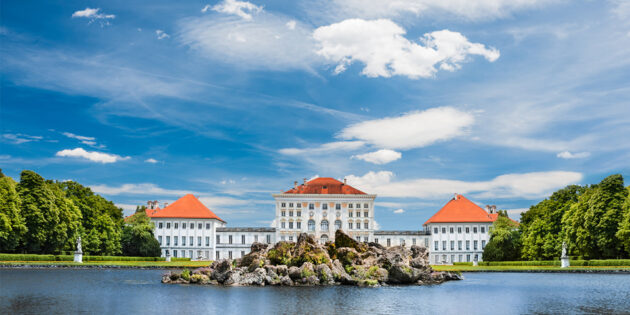
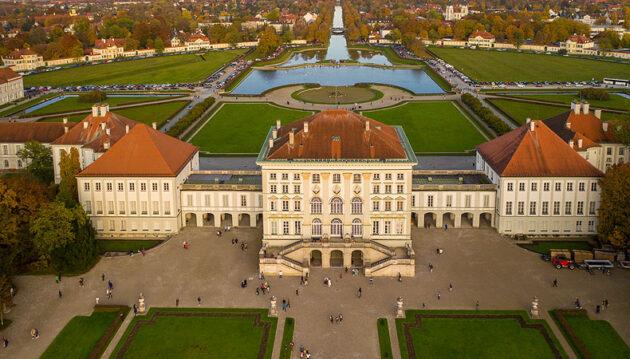
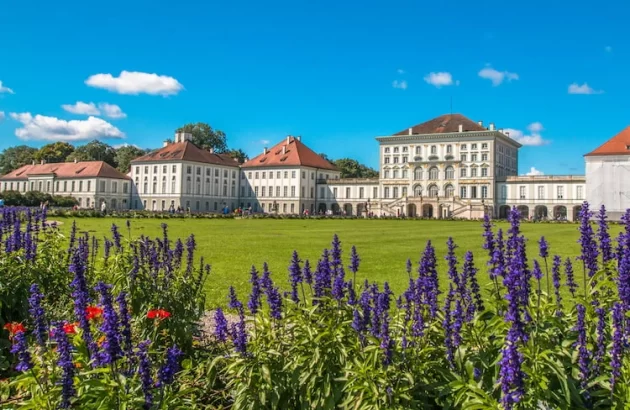
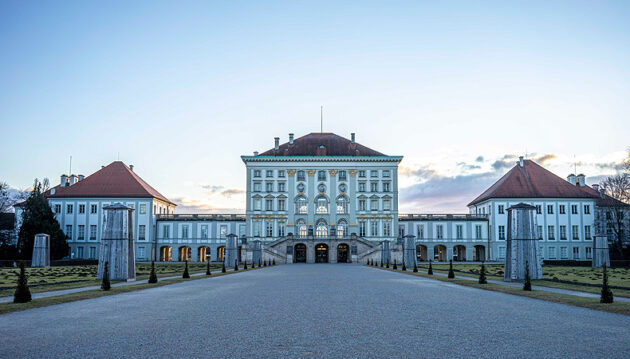
Nestled on the outskirts of Munich, Nymphenburg Palace (Schloss Nymphenburg) stands as a magnificent testament to Bavarian Baroque grandeur. Built as a summer residence for the Wittelsbach dynasty starting in 1664, this sprawling estate spans over 200 hectares and includes opulent interiors, world-class museums, and meticulously landscaped gardens. It’s not just a palace—it’s a portal to 17th- and 18th-century Europe, where fairy-tale architecture meets royal history.
Why Visit Nymphenburg Palace?
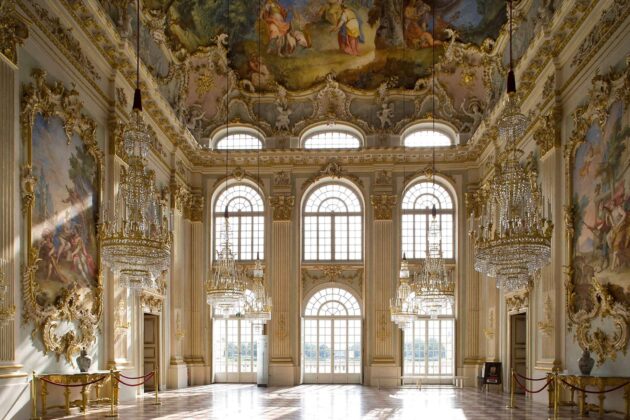
Nymphenburg is one of Europe’s largest and most elegant royal palaces, rivaling Versailles in scale and splendor. Highlights include the lavishly decorated Stone Hall, the birthplace of King Ludwig II (the “Swan King” behind Neuschwanstein Castle), and the expansive English-style park teeming with wildlife like deer and swans. The estate’s museums showcase royal carriages, exquisite porcelain, and intimate pavilions, providing a glimpse into Bavarian opulence. In a city famous for beer and festivals, Nymphenburg offers a peaceful contrast, perfect for families, couples, or solo explorers.
How to Get There
Nymphenburg Palace is located about 6 miles (9 km) northwest of Munich’s city center, making it an easy half-day trip.
By Public Transport (Recommended for Eco-Travelers): Take the U1 subway from central Munich (e.g., Marienplatz) to Rotkreuzplatz, then switch to Tram 17 directly to Schloss Nymphenburg stop (right at the palace entrance). Total time: 20–30 minutes. A single ticket costs €3.20; a day pass (€9.20) covers unlimited rides. Alternatively, Tram 16 from Karlsplatz or Bus 51 from Laim S-Bahn station.
By Bike or E-Scooter: Munich’s extensive bike paths lead straight to the palace. Rent a bike via MVG Rad (€3/hour) or use Nextbike stations nearby.
By Car or Taxi: Drive via A8 or A96 motorways (exits: Laim or München-Kreuzhof); follow signs to “Schloss Nymphenburg.” Parking is available on-site (€5–10/day). Taxis or Uber from the center take 15–20 minutes and cost €20–30.
Tip: Public transport is efficient and avoids traffic—Munich’s system is a model of German precision!
Best Time to Visit
Nymphenburg shines year-round, but timing enhances your experience:
Spring (April–June): Blooming gardens and mild weather (15–20°C/59–68°F) make it magical. Cherry blossoms and tulips peak in May.
Summer (July–August): Longest days for exploring the park, but expect crowds and heat (up to 25°C/77°F). Early mornings beat the rush.
Autumn (September–October): Golden foliage turns the gardens into a painter’s palette; fewer visitors and crisp air (10–15°C/50–59°F).
Winter (November–March): Cozy interiors and festive markets nearby, but shorter days and cold (below 0°C/32°F). The park is serene under snow.
Weekdays, especially early morning or late afternoon, are less crowded than weekends. Avoid peak summer if you dislike lines—visit then for the full vibrancy.
Tickets and Opening Hours
Plan ahead to skip queues, especially in summer.
Opening Hours: April 1–October 15: Daily 9:00 AM–6:00 PM (last entry 5:30 PM). October 16–March 31: Daily 10:00 AM–4:00 PM (last entry 3:30 PM). Park grounds: Dawn to dusk year-round (free access).
Ticket Prices: Palace only: €9.50/adult; free for under 18s. Combination ticket (Palace + Marstallmuseum + Porcelain Museum + Park Palaces): €13/adult (Park Palaces closed in winter). Audio guide: €4 extra (available in English). Discounts: EU seniors €8.50; families/groups save 20–30%.
Book online via the official website or apps like GetYourGuide for timed entry and skip-the-line access. Allocate 2–3 hours for the palace and museums, plus 1–2 hours for the gardens.
What to See and Do
The Palace Interiors: Tour the grand apartments, including the opulent Stone Hall (a Baroque masterpiece with frescoes) and the Gallery of Beauties (portraits commissioned by Ludwig I). Don’t miss the Queen’s Bedroom, where Ludwig II was born in 1845.
Museums on the Estate: Marstallmuseum (Carriage Museum): Admire gilded royal coaches and sleighs—perfect for history fans. Porcelain Museum: A dazzling collection of 18th-century Nymphenburg porcelain, from delicate figurines to ornate tableware.
The Park and Pavilions: Stroll the 490-acre English landscape garden with canals, fountains, and bridges. Rent a rowboat (€5/30 min) on the central canal for a romantic paddle.
Visit the “Park Palaces”: Charming pavilions like the Amalienburg (Rococo hunting lodge) and Badenburg (bathhouse with original tiled sauna).
Outdoor Adventures: Spot wildlife (deer, swans) or picnic by the Grand Cascade waterfall. In summer, join a guided garden tour (€5 extra).
Pro Tip: Download the free palace app for self-guided audio tours.
Where to Eat
On-Site: The palace cafe offers Bavarian classics like pretzels, sausages, and strudel (€10–15). For something upscale, try the Orangery Restaurant in the gardens (seasonal, €20–30 mains).
Nearby: In Neuhausen district (10-min walk), grab beer and schnitzel at traditional spots like Augustiner-Keller. For picnics, stock up at a local Viktualienmarkt stall.
Tip: Bring a reusable water bottle—the grounds have free fountains.
Where to Stay
Luxury: Hotel Königshof (city center, 15-min tram; €250+/night) for Michelin-starred dining.
Mid-Range: Hotel Amigo (nearby Neuhausen; €150–200/night) with easy palace access.
Budget: Motel One München-Nymphenburg (on-site vibe, €100–150/night) or hostels like Wombats City Hostel (€50–80/night).
Book via Booking.com for deals; proximity to the palace saves time.
Tips for a Great Visit
Dress Comfortably: Expect lots of walking—wear sturdy shoes for the gravel paths.
Pack Essentials: Sunscreen and hat in summer; layers for variable weather. No drones or large bags inside.
Accessibility: Wheelchair-friendly paths and rentals available; request assistance at the info desk.
Combine Trips: Pair with the nearby Munich Botanical Garden or Olympiapark (both 10–15 min away) for a full day.
Sustainability: Use public transport and stick to paths to protect the ecosystem.
Final Thoughts
Nymphenburg Palace isn’t just a sight—it’s a symphony of history, art, and nature that captures the soul of Bavaria. From the glittering halls to the whispering gardens, every corner whispers tales of kings and elegance. Whether you’re tracing Ludwig’s footsteps or simply soaking in the serenity, this gem will leave you enchanted. Prost to your Munich adventure—plan early and let the palace’s magic unfold!
Safe travels!