
A Travel Guide to Villa d’Este (2026)
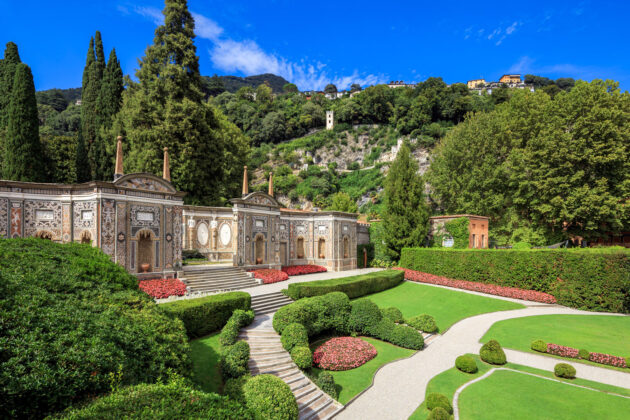
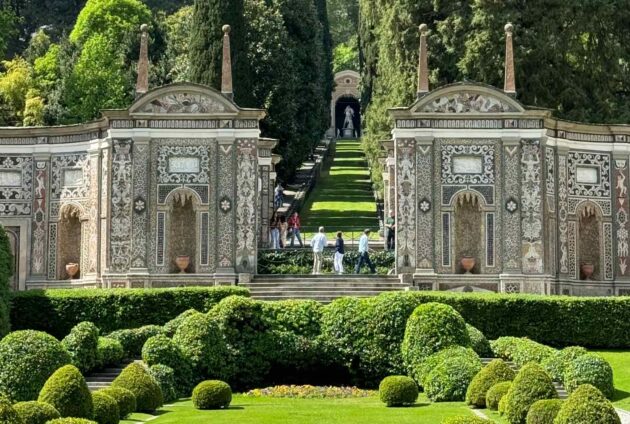
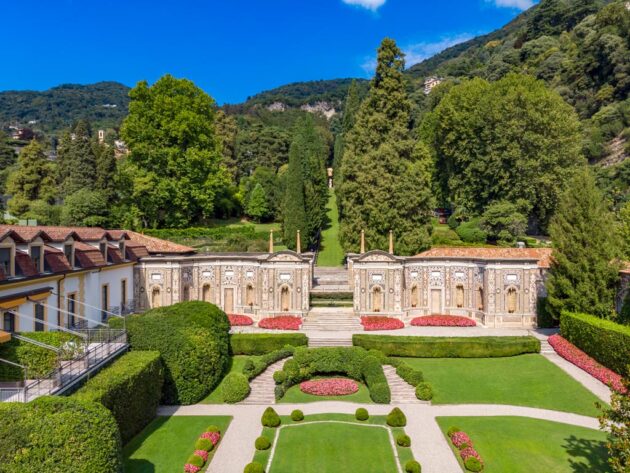
Nestled in the historic town of Tivoli, just 30 kilometers east of Rome, Villa d’Este is a masterpiece of Renaissance architecture and landscape design. Commissioned in the 16th century by Cardinal Ippolito II d’Este, this UNESCO World Heritage Site transformed the ruins of a Benedictine convent into a palatial residence celebrated for its opulent interiors and terraced gardens adorned with over 500 fountains. Often called the “most beautiful garden in the world,” Villa d’Este offers a serene escape from Rome’s bustle, blending art, history, and hydraulic engineering in a symphony of water, stone, and greenery.
Why Visit Villa d’Este?
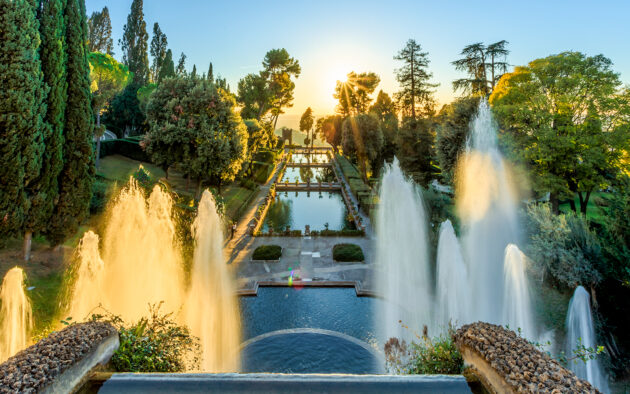
Villa d’Este exemplifies the Italian Renaissance’s grandeur, where human ingenuity harnesses nature—its fountains, powered entirely by gravity from the nearby Aniene River, create a theatrical display of water jets, cascades, and musical organs. The site’s frescoed apartments evoke the opulence of papal cardinals, while the manicured gardens provide shaded paths, panoramic views, and hidden grottos. As one of Tivoli’s twin UNESCO gems (alongside Hadrian’s Villa), it’s perfect for combining ancient Roman history with Renaissance splendor.
How to Get There
Tivoli is an easy 45–60 minute journey from Rome, making Villa d’Este ideal for a half- or full-day excursion.
By Train (Most Affordable): From Rome Termini or Tiburtina stations, take a direct Trenitalia regional train to Tivoli (departs hourly, €2.60 one way, 30–45 minutes). From Tivoli station, it’s a 20-minute uphill walk (1 km) or a quick €1–2 local bus/taxi ride to the entrance at Piazza Trento.
By Bus: From Rome’s Ponte Mammolo Metro B station, catch a Cotral bus to Tivoli (every 15–30 minutes, €2–3, 45 minutes). Buses stop near the town center; from there, walk or take a local shuttle.
By Car: Drive via the A24 highway (about 1 hour from Rome); park at the nearby Parcheggio Piazza Matteotti (€1.50/hour, 350 meters from the entrance). Note: Traffic can be heavy on weekends.
Guided Tours: Many Rome-based operators offer half-day tours including transport, entry, and a guide (€50–80/person). Combine with Hadrian’s Villa for a full-day adventure.
Best Time to Visit
Seasonal Highlights: Spring (April–June) and fall (September–October) are ideal for mild weather (15–25°C/59–77°F), blooming gardens, and fully operational fountains. Summer brings longer days but hotter crowds; winter offers a quieter, misty charm with fewer tourists.
Daily Timing: Arrive at opening (8:45 am) to beat the lines—fountains are most magical in the morning light. Avoid Monday mornings (opens at 2 pm). The hydraulic organ at the Organ Fountain performs every two hours from 10:30 am.
Notes: Free entry on the first Sunday of each month, April 25, June 2, and November 4. Check for weather-related fountain pauses due to Aniene River swelling.
What to See and Do
Plan for 2–3 hours to fully explore. Start in the palace, then descend into the gardens for the full Renaissance experience.
The Palace Interiors: Cardinal’s Apartment (Second Floor): Modest frescoes in the bedroom, study, and chapel, with stunning views over the gardens. Nobile Apartment (First Floor): A highlight reel of Renaissance art—Hall of Noah (biblical flood scenes), Hall of Venus (mythical frescoes), Tiburtine Rooms (Tivoli’s ancient myths), Hall of Hercules (labors of the hero), Hall of Nobility (trompe-l’œil virtues), and Hall of the Hunt (lively chase motifs). Note the empty rooms, stripped of furnishings over centuries.
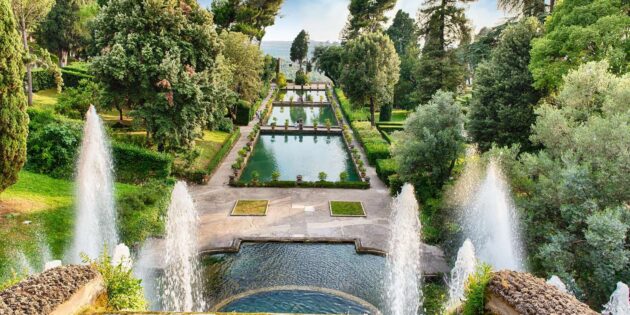
The Terraced Gardens and Fountains: Descend the dramatic Gran Viale staircase to three levels of manicured hedges, citrus groves, and statues.
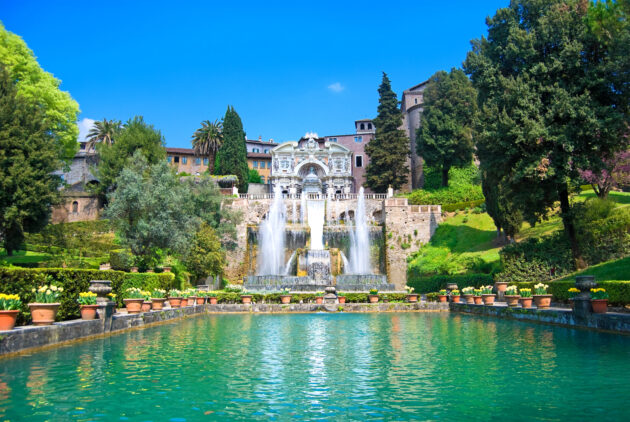
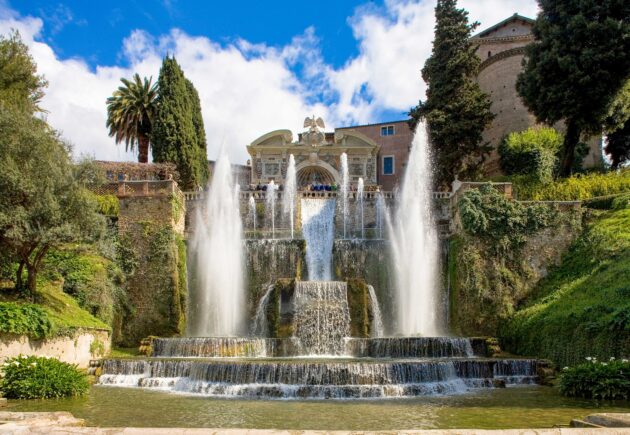
Must-See Fountains: Oval Fountain (walk behind the cascading waterfall), Hundred Fountains (a 100-meter wall of 300 spouts symbolizing the Este family), Neptune Fountain (towering jets viewed from above or below), Organ Fountain (hydraulic music show every two hours), Fountain of Dragons (fiery spouts from winged beasts), Rometta Fountain (a mini-Rome with the River Tiber as a boat), and Grotto of Diana (a damp, shell-encrusted nymphaeum).
Stroll shaded paths for birdwatching and photo ops; the lower level’s Fountain of Mother Nature (multi-breasted Diana) adds a mythical touch.
Other Activities: Rent an audio guide (€5) for self-paced stories, or join a 1-hour guided tour (€10 extra). Picnic on garden benches (no outside food in palace) or grab gelato at the on-site café.
Tickets: €15 adults; €2 reduced (EU citizens 18–25, students); free for under-18s and on select holidays. Combined ticket (€30) includes Hadrian’s Villa and Santuario di Ercole Vincitore (valid 1 day).
Practical Tips
Navigation: Follow the one-way route from palace to gardens, exiting via Piazza Campitelli. The site is compact but hilly—wear sturdy shoes for cobblestones and stairs.
Crowd Management: Weekdays are quieter; high season may limit entry for safety. Download the official app for a digital map.
Accessibility: Mostly wheelchair-friendly on main paths, but some steep sections; inquire at the ticket office.
Weather Watch: Fountains may pause during rain or maintenance—visit in dry spells for full flow.
Combine Sites: Pair with Hadrian’s Villa (4 km away, €12 entry) for a full day; buses connect them.
Sustainability: Refill water at garden fountains; no drones or littering.
What to Bring: Comfortable walking shoes, hat/sunscreen (summer), light jacket (evenings), reusable water bottle, and camera (wide-angle for fountains). Leave large bags at Rome’s stations.
Where to Stay
In Tivoli: Charming B&Bs like Relais Villa Abbazia (€150–250/night) near the gardens, or budget options like Hotel Eden (€80–120).
In Rome: Base yourself centrally (e.g., Hotel Artemide near Termini, €200+/night) for easy day trips.
Final Thoughts
Villa d’Este is a timeless ode to Renaissance excess, where every splash and fresco whispers tales of power and beauty. With optimized hours and free entry days, it’s more accessible than ever—yet its magic remains enchantingly unchanged. Escape Rome’s chaos, lose yourself in terraced cascades, and let the gardens transport you to another era. Buon viaggio!