
A Travel Guide to the Vatican Museums (2026)
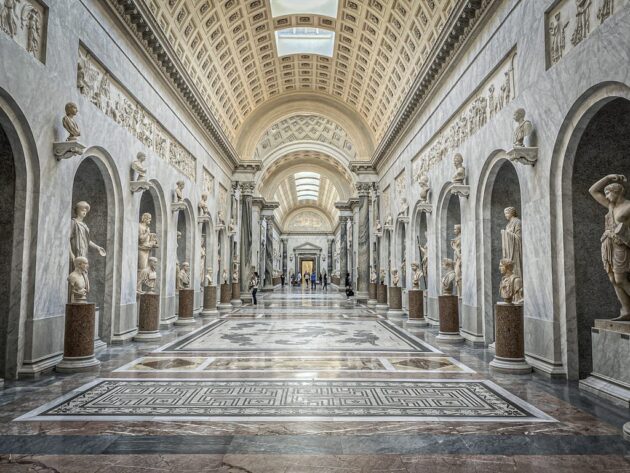
Nestled within the sovereign city-state of Vatican City, the Vatican Museums (Musei Vaticani) represent one of the world’s greatest repositories of art and history. Housing over 70,000 works—spanning ancient Egyptian artifacts to Renaissance masterpieces—this sprawling complex is a testament to the Catholic Church’s patronage of the arts. Founded in the 16th century by Pope Julius II, the museums attract over 6 million visitors annually, making them a cornerstone of any Rome itinerary.
Why Visit the Vatican Museums?
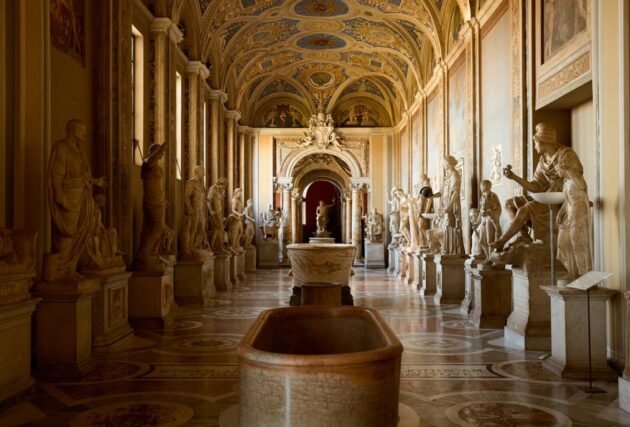
The museums aren’t just a collection of treasures; they’re a narrative of Western civilization, from pagan antiquity to Christian iconography. Highlights like Michelangelo’s Sistine Chapel ceiling and Raphael’s frescoes draw crowds for their sheer brilliance, but lesser-known gems—such as the Egyptian obelisks or Etruscan bronzes—provide quieter moments of wonder. It’s a place where history, faith, and beauty converge, leaving visitors profoundly inspired.
How to Get There
The Vatican Museums are located at Viale Vaticano, 00165 Vatican City, easily accessible from central Rome:
By Metro: Take Line A to Ottaviano-San Pietro-Musei Vaticani station (about 10 minutes from Termini). Exit and follow signs for a 5-10 minute walk.
By Bus: Lines 23, 49, 81, or 492 from Piazza del Risorgimento or nearby stops.
By Foot: From the Colosseum or Spanish Steps, it’s a 30-45 minute stroll across the Tiber River—scenic but tiring in summer heat.
From Fiumicino Airport: Take the Leonardo Express train to Termini (€14, 32 minutes), then metro as above. Taxis or private transfers cost €50-60 and take 45-60 minutes.
Arrive at least 30 minutes early for security checks.
Best Time to Visit
Optimal Seasons: November to February (off-peak) for milder crowds and temperatures (10-15°C/50-59°F). Avoid July-August heat (up to 35°C/95°F) and peak summer weekends.
Days and Times: Tuesday-Thursday mornings (8-10 a.m.) are least crowded; Mondays and Fridays see more tour groups. Early entry slots (8 a.m.) beat the rush. Last Sundays offer free admission but draw massive lines—arrive by 7 a.m.
Tickets and Booking
Standard Ticket: €20 (adult); €8 (reduced for ages 7-18, students, seniors); free for under 7, disabled +1 companion, and ICOM/ICOMOS holders.
Skip-the-Line Add-On: +€5 via official site for priority access.
Guided Tours: €40-60 (2-3 hours), including audio guides (€7) or expert-led options. Book bundles with St. Peter’s Basilica dome climb for €30+.
Where to Book: Official website (tickets.museivaticani.va) up to 60 days ahead; apps like Tiqets or GetYourGuide for flexibility. On-site purchases risk long waits (2+ hours).
Free last-Sunday slots require guided tour reservations online. No refunds; tickets valid only for the dated slot.
What to See: Top Highlights
The museums span 9 km (5.6 miles) of corridors—prioritize based on 2-4 hours. Follow the one-way route to the Sistine Chapel.
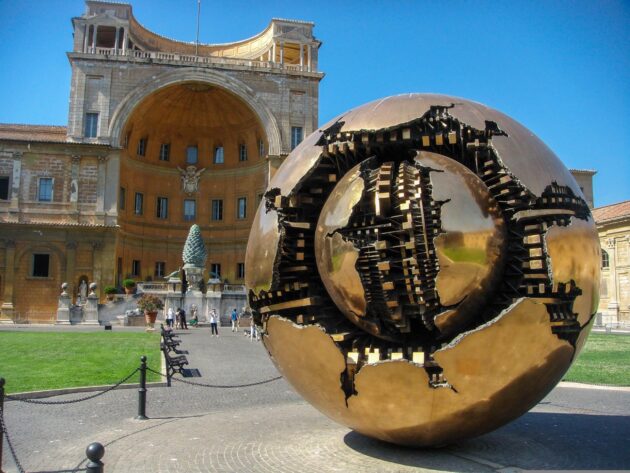
Pinecone Courtyard (Pigna): Start here with ancient sculptures like the massive bronze pinecone and Apollo Belvedere statue—perfect for photos.
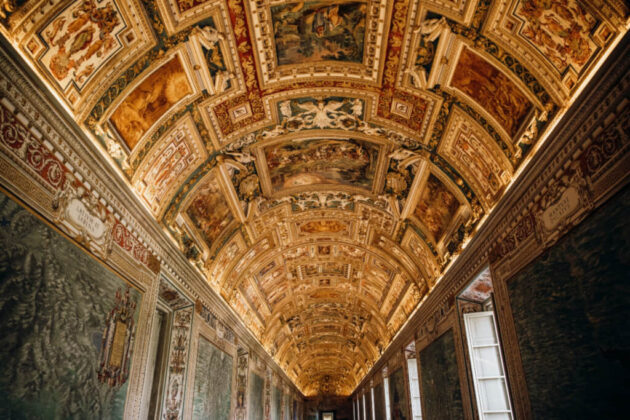
Gallery of Maps: A 120-meter corridor lined with 40 frescoed maps of Italy (1580s)—a Renaissance geography lesson with stunning detail.
Raphael Rooms (Stanze di Raffaello): Four chambers painted by Raphael, including “The School of Athens”—a pinnacle of High Renaissance humanism.
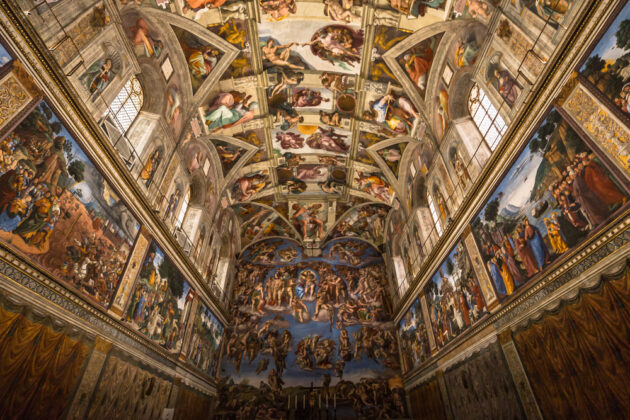
Sistine Chapel (Cappella Sistina): The climax: Michelangelo’s ceiling (1508-1512) and “The Last Judgment” altar wall. Silence is enforced; no photos with flash.
Egyptian and Etruscan Galleries: Ancient mummies, sarcophagi, and bronzes for history buffs—less crowded alternatives.
Borgia Apartments: Frescoes by Pinturicchio depicting papal lives—intimate and overlooked.
Exit leads to St. Peter’s Basilica (free entry, but separate line). Allow 3 hours minimum; audio guides enhance context.
Tips for a Great Visit
Dress Code: Shoulders and knees covered (no shorts, tank tops, or hats in sacred areas). Bring a shawl if needed.
What to Bring: Comfortable shoes (lots of walking), water bottle (fountains available), small bag only—no large backpacks (free cloakroom). Earbuds for audio tours.
Avoid Crowds: Opt for early or late slots; consider “Museums at Closing Time” tours (€25, after-hours serenity).
Accessibility: Wheelchair-friendly paths; elevators for stairs. Free for disabled visitors + companion.
Jubilee Tips: Check for pilgrim passes (free entry to basilica events); download the Vatican app for real-time maps.
Prohibited: Food/drinks inside (except sealed water); tripods or professional cameras.
If overwhelmed, focus on the route to the Sistine Chapel—it’s the star.
Where to Stay and Eat Nearby
Stay: Prati district (north of Vatican) for convenience—Hotel Dei Mellini (€150-250/night) or budget HVs Hostels (€80+). Centro Storico (e.g., Hotel Artemide near Termini) for broader Rome access.
Eat: Pre-visit gelato at Giolitti (nearby); post-tour pizza at Hostaria dei Bastioni (Piazza del Risorgimento). For fine dining, La Veranda at Hotel Columbus offers Vatican views.
Combine with a half-day in Trastevere for authentic Roman vibes.
Final Thoughts
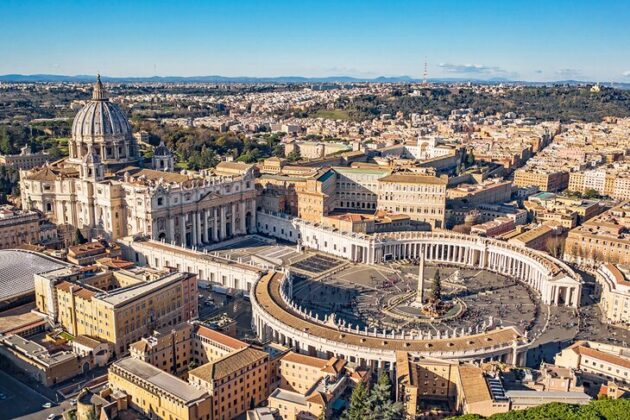
The Vatican Museums are more than a checklist—they’re a portal to humanity’s artistic soul. Book ahead, pace yourself, and let the masterpieces sink in. As you exit into St. Peter’s Square, you’ll carry a piece of eternity with you.
Buon viaggio!