
A Travel Guide to Palazzo Pitti (2026)
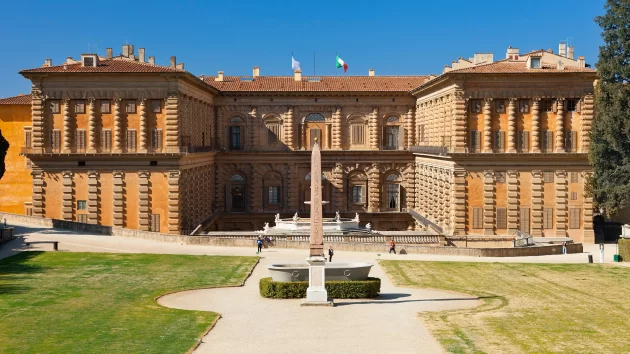
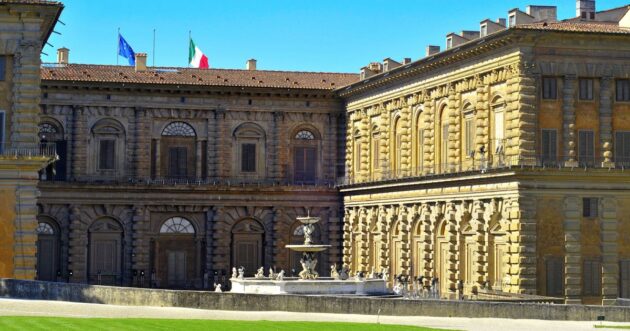
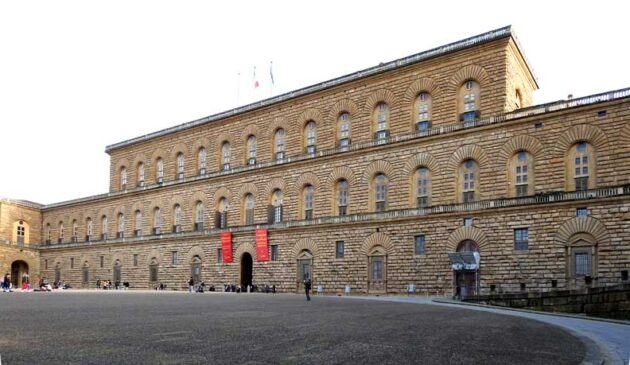
Nestled on the southwestern bank of the Arno River, Palazzo Pitti stands as one of Florence’s most imposing Renaissance landmarks—a sprawling palace that once housed the Medici family and now serves as a treasure trove of art, history, and opulent gardens. Built in the mid-15th century and later expanded into a symbol of grand ducal power, it’s a must-visit for anyone exploring Tuscany’s cultural heart.
Why Visit Palazzo Pitti?
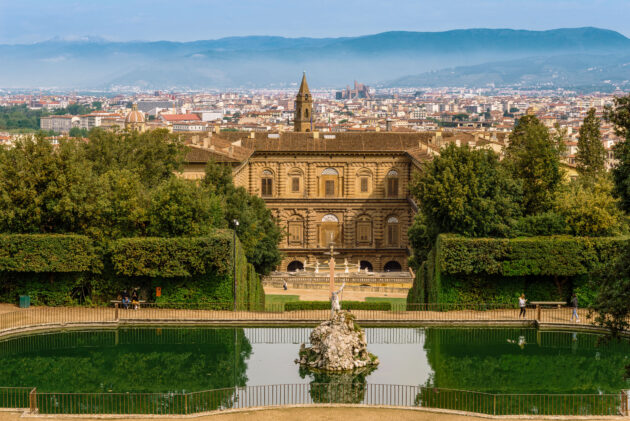
Palazzo Pitti isn’t just a palace; it’s a portal to Florence’s golden age. Home to five museums showcasing everything from Raphael’s paintings to 19th-century fashion, it offers a more intimate (yet grand) alternative to the Uffizi Gallery. The adjacent Boboli Gardens provide a serene escape with Renaissance sculptures, fountains, and panoramic city views.
A Brief History
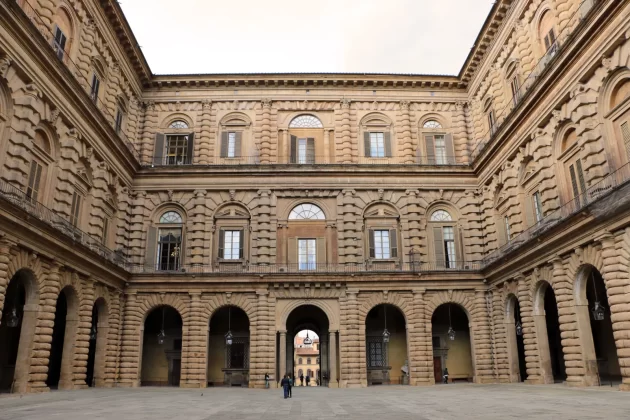
Commissioned around 1458 by Florentine banker Luca Pitti as a rival to the Medici’s Palazzo Medici Riccardi, the palace was designed (possibly by Filippo Brunelleschi) to dominate the Oltrarno district. Financial woes stalled construction until 1550, when Cosimo I de’ Medici acquired it for his family, transforming it into their primary residence. It symbolized Medici dominance over Tuscany and later served the Habsburg-Lorraine and Savoy dynasties until becoming a public museum in the 20th century. Today, it’s part of the Uffizi Galleries network, preserving centuries of royal legacy.
How to Get There
Location: Piazza de’ Pitti, 1, 50125 Florence (Oltrarno side of the Arno River).
From Florence Santa Maria Novella Train Station: Walk 20-25 minutes across Ponte Vecchio, or take Bus C1/C2 (10 minutes) to the Pitti stop.
From Florence Airport (FLR): Taxi (20-30 minutes, €25-35) or Tram T2 to Santa Maria Novella, then bus as above.
By Foot from City Center: A scenic 10-15 minute stroll from Piazza della Signoria via Ponte Vecchio—perfect for soaking in the Renaissance vibe.
Parking: Limited; use nearby paid lots like Parcheggio Oltrarno (€2/hour).
Public transport is efficient and eco-friendly; download the ATAF app for real-time bus updates.
Best Time to Visit
Seasonally: Spring (March-May) and fall (September-November) offer mild weather (15-25°C/59-77°F), fewer crowds, and blooming gardens—ideal for outdoor exploration. Summers can be hot and packed, while winters are quieter but rainy.
Daily: Arrive at opening (8:15 AM) to beat lines, especially for the Palatine Gallery. Fridays feature evening Vasari Corridor tours from 7-11 PM starting late 2024.
Note: Check for special events like temporary exhibits on the Uffizi site, as the palace often hosts themed displays on Medici history.
Tickets and Practical Info
Opening Hours: Tuesday-Sunday, 8:15 AM – 6:30 PM (last entry 5:30 PM). Closed Mondays, January 1, and December 25.
Ticket Prices: Ticket Type Price Includes Palazzo Pitti Museums Only €16 (on-site) / €19 (advance) All five museums Pitti + Boboli Gardens €22 (on-site) / €25 (advance) Museums + Gardens (valid 5 days) PassePartout (5 Days) €40 Unlimited Uffizi, Pitti, Boboli Annual Pass €80 (individual) / €120 (family) Priority access to all sites Book online via uffizi.it to skip queues; children under 18 from EU countries enter free, with reductions for others.
Accessibility: Wheelchair-friendly with ramps, elevators, and adapted restrooms. Free cloakroom for bags; audioguides (€6) available in multiple languages.
What to See and Do
Allocate 3-5 hours for the palace and gardens. Highlights include:
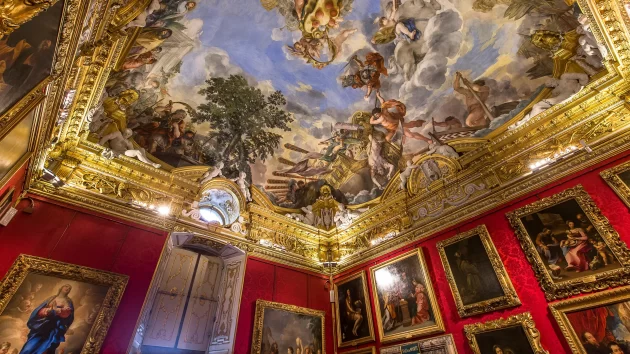
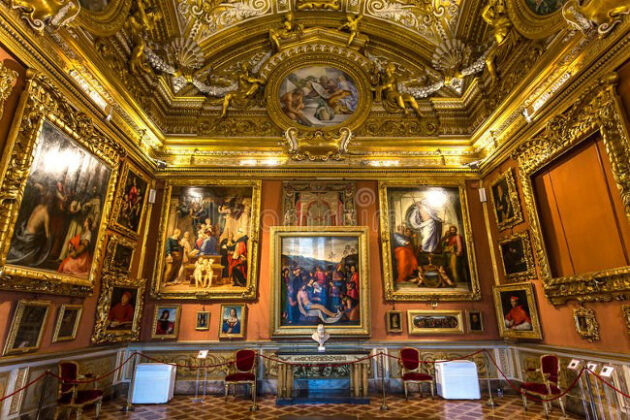
Palatine Gallery (First Floor): A jewel of Baroque opulence with over 500 Renaissance works by Raphael, Titian, and Caravaggio. Housed in the Medici’s private apartments, it’s like wandering a royal time capsule—don’t miss the “Madonna of the Chair.”
Treasury of the Grand Dukes (Ground Floor): Lavish jewels, ivories, and semi-precious stones from the Medici vaults, plus the opulent Palatine Chapel with Russian icons.
Gallery of Modern Art & Museum of Costume and Fashion (Second Floor): Explore 19th-20th century Italian paintings and haute couture from the Savoy era—fashion fans will love the rotating exhibits.
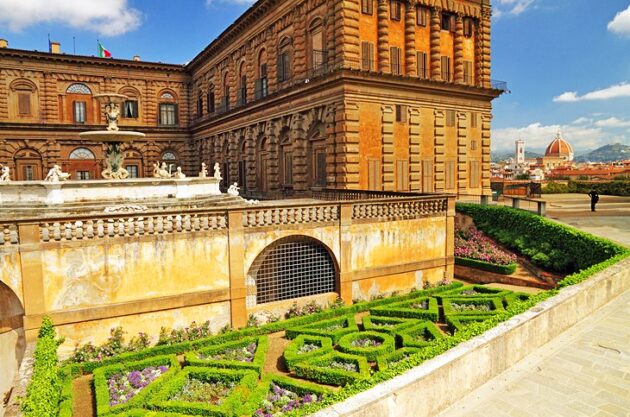
Boboli Gardens (Behind the Palace): These 45-hectare Renaissance gardens are a UNESCO site, featuring grottoes, statues (like Giambologna’s Neptune Fountain), and the Porcelain Museum in the Casino del Buontalenti. Climb to the Knights’ Garden for Arno views; entry included in combined tickets.
Imperial and Royal Apartments: Guided tours (€ extra, book ahead) reveal frescoed rooms used by Napoleon and Habsburg rulers.
For a deeper dive, join a 2-3 hour private guided tour (€50-100/person) focusing on Medici secrets or art history.
Tours and Experiences
Private Tours: Context Travel’s art-focused walks (€150/group) or Viator’s combo with Ponte Vecchio (€40).
Vasari Corridor Access: Walk the secret elevated passageway linking Pitti to the Uffizi (€20 add-on, Fridays evenings).
Garden Workshops: Seasonal events like sculpture tours or picnics—check uffizi.it for schedules.
Where to Stay and Eat Nearby
Stay: Oltrarno’s boutique vibe shines at Hotel Palazzo Guadagni (€200/night, rooftop views) or budget-friendly Airbnb lofts (€100). For luxury, Four Seasons Firenze (€800+).
Eat: Grab gelato at nearby Vivoli, or dine at Trattoria La Casalinga (rustic Tuscan, €30/person). For gardens picnics, source from Mercato di San Lorenzo.
Essential Tips
Crowd Avoidance: Visit mid-week; download the Uffizi app for maps.
What to Bring: Comfortable shoes for gardens, water bottle (fountains available), and sunscreen. No large bags inside.
Sustainability: Use reusable items; the site promotes eco-tours.
Combine It: Pair with a Ponte Vecchio stroll or Uffizi visit via PassePartout for a full Renaissance day.
Palazzo Pitti captures Florence’s soul—elegant, layered, and timeless. Whether you’re tracing Medici footsteps or lounging amid cypress trees, it promises memories as enduring as its marble halls. Buon viaggio!
For the latest updates, visit uffizi.it.