
A Travel Guide to the Uffizi Gallery (2026)
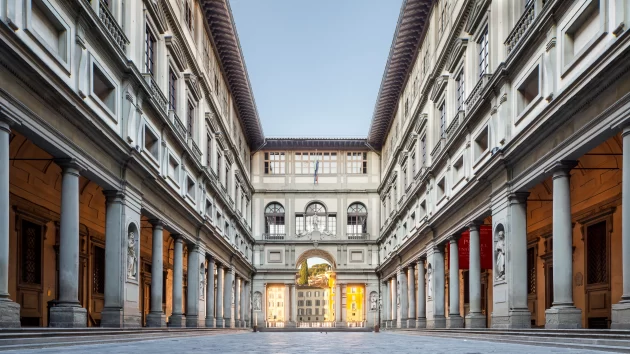
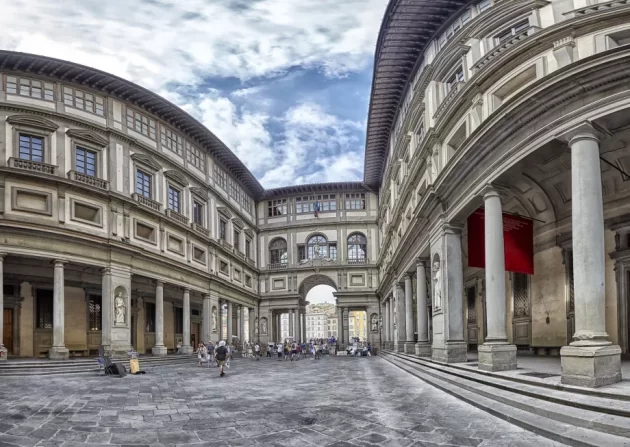
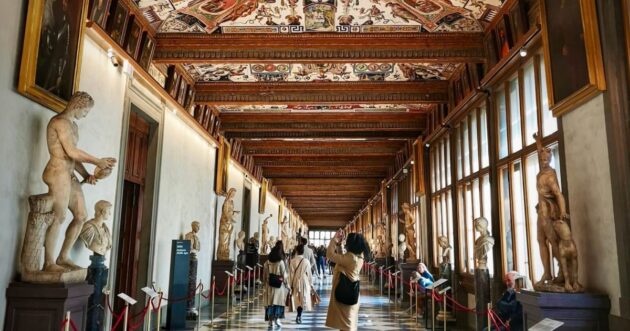
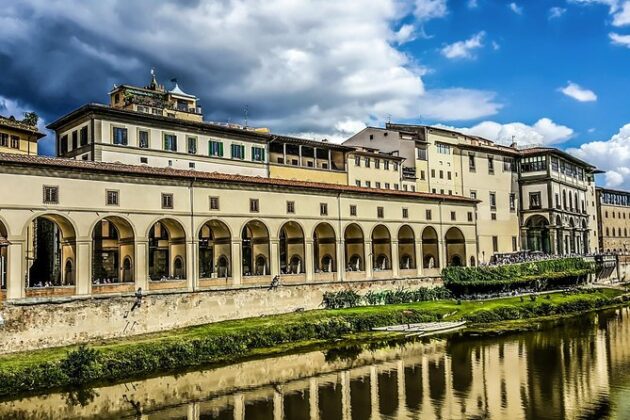
Nestled along the banks of the Arno River in the heart of Renaissance Florence, the Uffizi Gallery (Galleria degli Uffizi) stands as one of the world’s premier art museums. Built in the 16th century as offices for the Medici family—the powerful bankers who shaped Florence’s golden age—the Uffizi now houses an unparalleled collection of Italian Renaissance masterpieces. Spanning three floors of vaulted corridors, it showcases over 2,000 works from ancient sculptures to 18th-century paintings, making it a pilgrimage site for art lovers.
Why Visit the Uffizi Gallery?
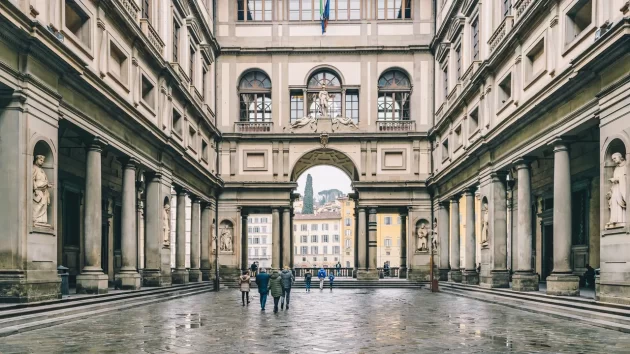
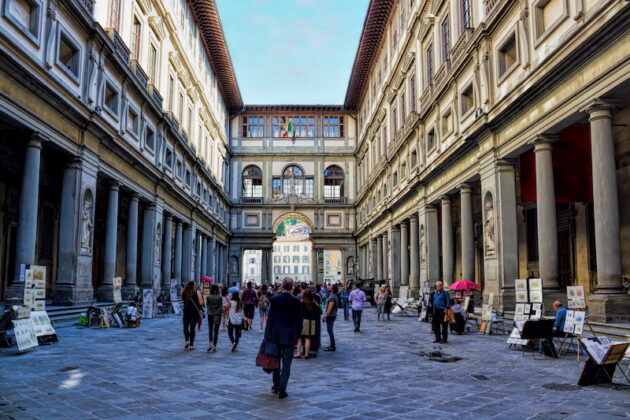
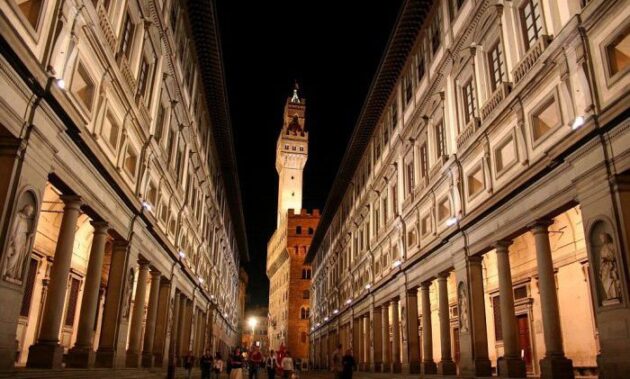
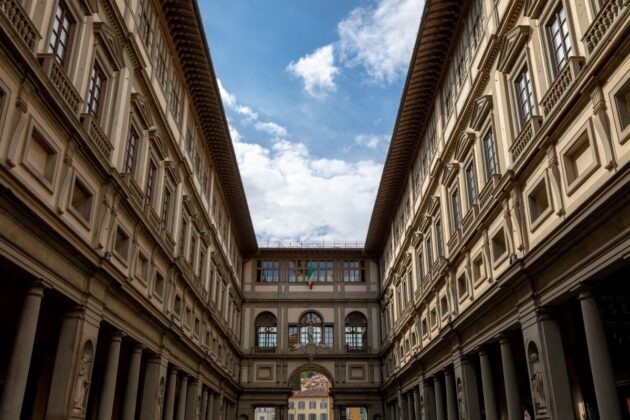
The Uffizi isn’t just a museum; it’s a time capsule of the Renaissance. Home to iconic pieces like Botticelli’s The Birth of Venus and Leonardo da Vinci’s Annunciation, it chronicles the artistic revolution that began in Florence. The gallery’s architecture—long, elegant hallways lined with statues—adds to the experience, feeling like a walk through history. Expect crowds, but the rewards are immense: a deeper appreciation for masters like Michelangelo, Raphael, and Caravaggio in their original context.
How to Get There
Florence’s compact center makes the Uffizi easy to reach:
By Air: Fly into Florence Airport (FLR), about 30 minutes from the city center by taxi (€25–30) or the Volainbus shuttle (€6, every 30 minutes).
By Train: Santa Maria Novella Station is a 10-minute walk or quick tram ride away. High-speed trains from Rome (1.5 hours) or Milan (1 hour 45 minutes) arrive here.
Within Florence: The Uffizi is at Piazzale degli Uffizi 6, steps from Piazza della Signoria and the Ponte Vecchio. Walk from the Duomo (5 minutes) or take bus C1/C2 (€1.50) from the train station. No on-site parking—use nearby garages like Parcheggio Santa Maria Novella (€25/day).
Pro tip: Florence’s ZTL (Limited Traffic Zone) restricts cars in the historic center, so opt for public transport or arrive on foot.
Best Time to Visit
Hours: Open Tuesday–Sunday, 8:15 AM–6:30 PM (last entry 5:00 PM; ticket office closes 5:30 PM). Closed Mondays, January 1, and December 25. The Vasari Corridor (a secret elevated passageway linking the Uffizi to Palazzo Pitti) opens Fridays from 7:00 PM–11:00 PM until December 26.
Optimal Timing: Visit early (before 9:00 AM) on weekdays like Wednesday or Friday to beat crowds—arrive by 8:15 AM for the “early bird” perk. Avoid weekends, free first Sundays (massive lines), and peak summer (June–August). Spring (April–May) or fall (September–October) offer milder weather and fewer tourists.
Allow 2–3 hours for a focused visit; art enthusiasts may need a full half-day.
Tickets and Booking
Skip the lines—advance booking is essential, as walk-ups can wait 1–2 hours.
Prices: Standard: €25 (on-site) or €29 (online advance); Early bird (entry by 8:55 AM): €19. Reduced: €2 (ages 18–25 EU residents, select groups). Free: Under 18, disabled visitors + companion, select cultural professionals. First Sunday free (but crowded). Combined: Uffizi + Palazzo Pitti + Boboli Gardens (5-day pass): €40; Add Vasari Corridor: €58.
How to Book: Online at tickets.uffizi.it (select time slot; non-refundable, named tickets). Call +39 055 294883 (Mon–Sun, 8:00 AM–7:00 PM) or buy on-site under the Uffizi loggia. Guided tours (€50–80/person) via sites like GetYourGuide include skip-the-line access and expert insights—book for small groups to avoid overwhelm.
Firenze Card holders (€85, 72 hours) get priority entry to 80+ sites, including the Uffizi.
Highlights: Must-See Masterpieces
The Uffizi’s collection follows a chronological path from ancient to modern. Focus on these icons (start on the second floor for Renaissance gems):
Sandro Botticelli Room: The Birth of Venus (c. 1485)—the ethereal goddess emerging from a shell—and Primavera (c. 1482), a lush allegory of spring. These define Florentine elegance.
Leonardo da Vinci: The Annunciation (c. 1472), an early work showcasing his mastery of perspective and subtle emotion.
Michelangelo and High Renaissance: The Holy Family (Doni Tondo) (c. 1506), a dynamic circular Madonna with Michelangelo’s muscular figures.
Raphael: Madonna of the Goldfinch (c. 1506), a serene family portrait blending grace and harmony.
Caravaggio and Baroque: Dramatic tenebrism in Bacchus (c. 1595) and Medusa (c. 1597)—intense, unflinching realism.
Other Gems: Giotto’s early panels, Titian’s lush Venus of Urbino, and ancient Roman sculptures in the ground-floor Octagonal Hall.
Don’t miss the rooftop terrace for Arno views or the third-floor modern wing for 20th-century Italian art. Audio guides (€6) or the free Uffizi app enhance navigation.
Practical Tips
Crowd Management: Enter via the reserved ticket line (Door 1). Exit elevators are a game-changer for the upper floors—use them!
What to Bring/Wear: Comfortable shoes (lots of standing/walking), small bag only (no large backpacks; free cloakroom available). Water bottle OK, but no food inside.
Accessibility: Wheelchair-friendly with elevators, ramps, and free entry for disabled visitors +1 companion. Loaner wheelchairs available; request ASL support in advance.
Visitor Rules: No flash photography; respectful silence in rooms. Groups of 11+ pay €70 extra. Restrooms and a café are on-site, but lines form—grab coffee nearby.
If overwhelmed, prioritize Botticelli and da Vinci—quality over quantity.
Nearby Attractions and Itinerary Ideas
Morning: Start at the Duomo complex (10-minute walk).
Afternoon: Cross Ponte Vecchio for Palazzo Pitti and Boboli Gardens (use your combo ticket).
Evening: Stroll Piazza della Signoria for street performers and gelato. Combine with a Vasari Corridor tour for Medici secrets.
Where to Stay and Eat
Stay: Base in the historic center for walkability. Budget: Hotel Pendini (€150/night, near Duomo). Mid-range: Hotel Brunelleschi (€250, historic tower views). Luxury: Four Seasons Firenze (€800+, gardens by Boboli).
Eat: Pre-visit: All’Antico Vinaio (panini, €5, 5-minute walk). Post-tour: Trattoria Mario (Tuscan bistecca, €20–30, casual local spot). For views: La Terrazza (rooftop aperitivo at Hotel Continentale, €15 drinks).
Florence’s food scene thrives on simple pleasures—pair your Uffizi day with Chianti wine and lampredotto street food.
Final Thoughts
The Uffizi Gallery encapsulates Florence’s soul: innovation, beauty, and unyielding passion. In the glow of a Botticelli dawn, you’ll feel the Renaissance pulse anew. Book early, arrive rested, and let the art unfold at your pace—this isn’t a checklist; it’s a conversation with history. Buon viaggio to the cradle of the Renaissance!