
A Travel Guide to Gallerie dell’Accademia (2026)
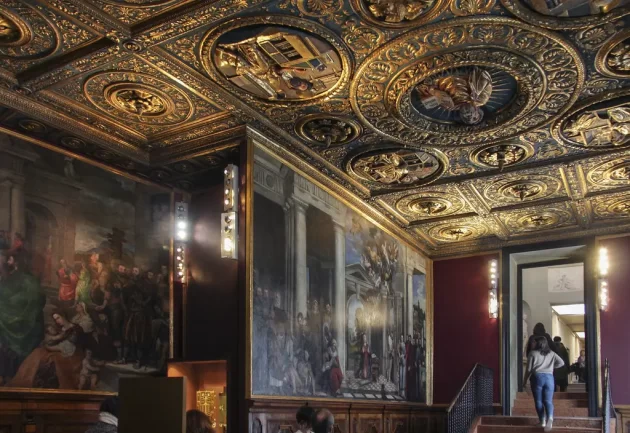
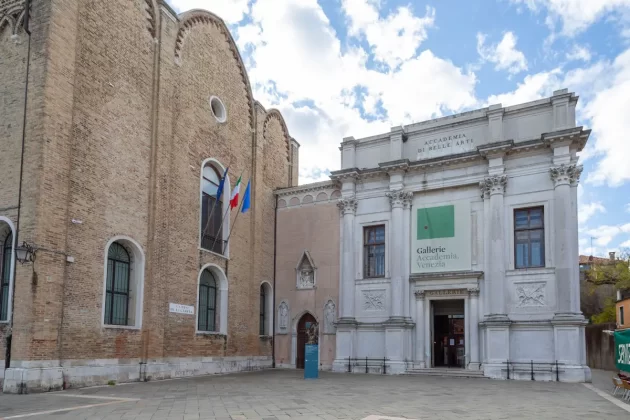
Nestled on the south bank of the Grand Canal in the Dorsoduro district, the Gallerie dell’Accademia stands as Venice’s crown jewel for art lovers. Housed in a grand 15th-century complex of former religious schools, this museum boasts one of the world’s finest collections of Venetian Renaissance and Baroque masterpieces. From the luminous canvases of Titian and Bellini to the dramatic scenes of Tintoretto and Veronese, it’s a portal into the soul of La Serenissima.
Why Visit Gallerie dell’Accademia?
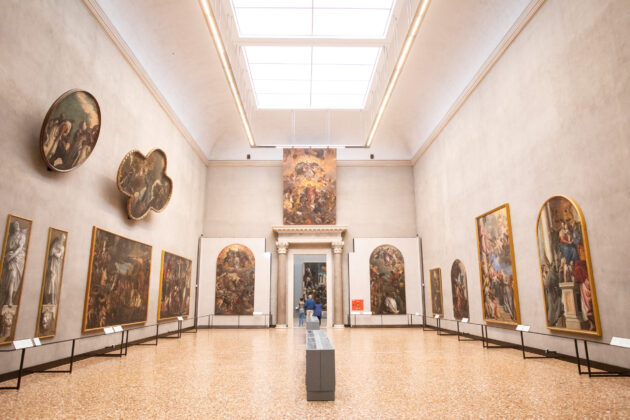
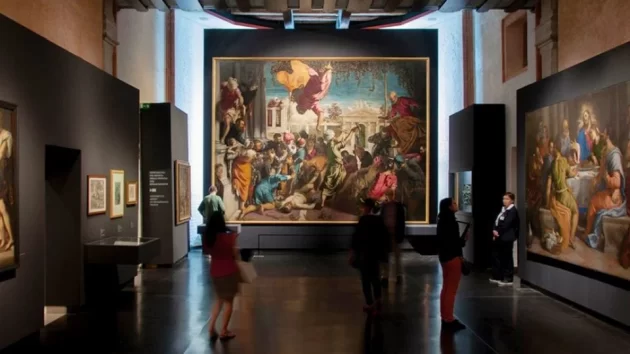
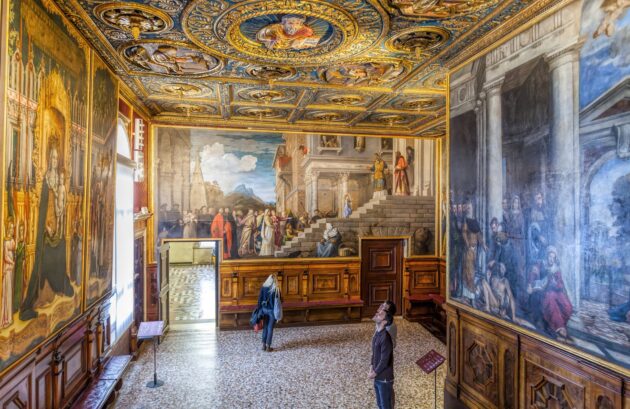
This isn’t just a museum—it’s the epicenter of Venetian painting from the 14th to 18th centuries, showcasing over 800 works that trace the evolution of the city’s artistic identity. Highlights include Giovanni Bellini’s serene Madonnas, Giorgione’s enigmatic The Tempest, and Titian’s monumental Presentation of the Virgin at the Temple. The collection’s intimacy (fewer crowds than the Uffizi or Louvre) allows for thoughtful contemplation, while temporary exhibitions add contemporary flair.
How to Get There
The Accademia is centrally located but Venice’s canals mean navigation is key:
By Vaporetto (Water Bus): The most scenic and practical option. Lines 1 or 2 from San Marco or Rialto stop at the Accademia vaporetto station, right at the museum’s doorstep. Tickets cost €9.50 for 75 minutes.
On Foot: From St. Mark’s Square, it’s a 20–25-minute stroll across the Accademia Bridge (Ponte dell’Accademia). From the Rialto Bridge, follow signs for 15 minutes through charming calli (alleys).
By Private Water Taxi: Luxurious but pricey (€50–€100 from central Venice); ideal for groups or arrivals at Marco Polo Airport (combine with Alilaguna water bus for €15).
Address: Campo della Carità, Dorsoduro 1050, 30123 Venice. Use Google Maps or the Venice This Way app for real-time directions.
Best Time to Visit
Seasonal Sweet Spot: Spring (April–June) and fall (September–October) offer mild weather (15–20°C/59–68°F) and fewer tourists than summer’s crush. In late October 2025, expect crisp air perfect for wandering the nearby Zattere promenade.
Daily Timing: Arrive at opening (9 AM) on weekdays to beat tour groups—mornings are serene. Avoid Sundays and lunch hours (12–2 PM) when locals flock. The museum stays open late (until 7:15 PM Tuesday–Sunday), great for sunset views from the Grand Canal terrace.
Pro Tip: Check the lunar calendar indirectly—full moon nights amplify Venice’s magic, but book tickets ahead for exhibitions.
Closed on January 1 and December 25.
What to See and Do
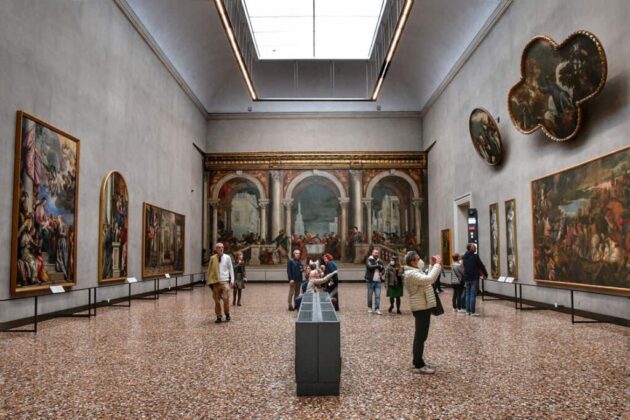
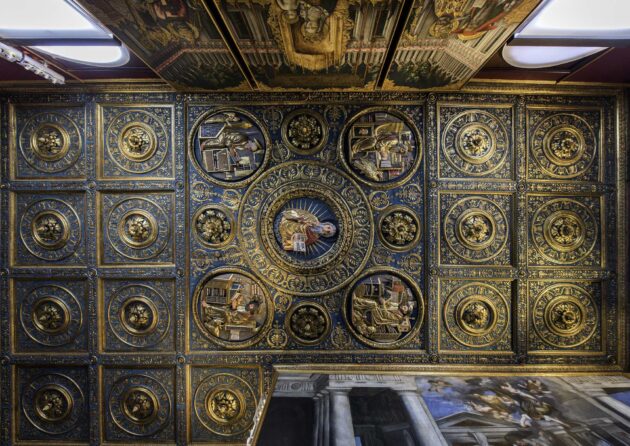
The 24 rooms unfold chronologically, from medieval icons to Rococo elegance. Focus on these must-sees:
Room II: Giovanni Bellini’s Madonnas – Delicate, glowing panels like Madonna of the Small Trees showcase early Venetian humanism.
Room VI: Giorgione’s The Tempest – This mysterious landscape (c. 1505) is a riddle wrapped in poetry—storm clouds, a nursing mother, and a soldier; interpretations abound.
Room X: Titian’s Presentation of the Virgin (1534–1538) – A cinematic masterpiece filling an entire wall, depicting Mary’s temple ascent amid bustling crowds.
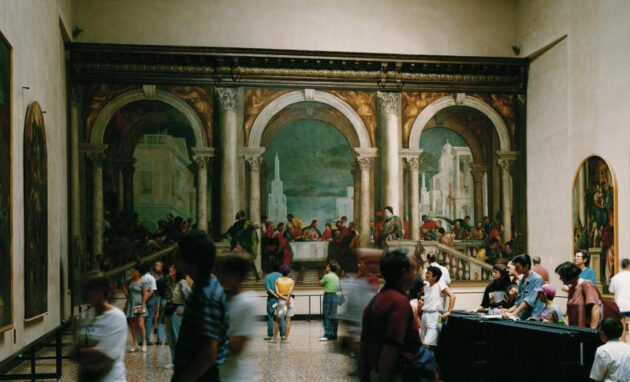
Rooms XX–XXIV: Tintoretto and Veronese – Dramatic, swirling compositions like Veronese’s Feast in the House of Levi (1573), a feast of color and controversy (originally a Last Supper, censored for its revelry).
Temporary Exhibition: Dive into Amazement, Reality, Enigma for Bellotti’s 17th-century works, blending illusion and emotion in opulent Venetian settings.
Guided Tours: 1-hour English tours (€6 extra) at 10:30 AM and 3 PM; audio guides (€6) available in multiple languages.
Workshops: Occasional drawing sessions or lectures.
No photography with flash; tripods prohibited.
Tickets and Practical Information
Opening Hours: Monday 9 AM–2 PM (last entry 1 PM); Tuesday–Sunday 9 AM–7:15 PM (last entry 6:15 PM).
Ticket Prices: Adults €15; EU citizens 18–25 €2; under 18 free; families (2 adults + kids) €40. Includes the current exhibition. The Dorsoduro Museum Mile pass (€12) bundles it with Peggy Guggenheim and others.
Booking: Essential online via the official site (gallerieaccademia.it) to skip lines—slots fill fast. No refunds, but flexible for rescheduling.
Accessibility: Wheelchair-friendly with ramps and elevators; free entry for companions of disabled visitors. Audio descriptions for the visually impaired.
Tips for a Great Experience
Dress Comfortably: Expect marble floors and stairs; no high heels if you’re sensitive. The air-conditioned rooms are a relief in summer.
Combine with Nearby Sights: Exit to the wooden Accademia Bridge for Grand Canal views, then stroll 10 minutes to the Peggy Guggenheim Collection for modern contrast or Punta della Dogana for contemporary art.
Avoid Peak Crowds: Download the free Accademia app for a virtual preview. If lines are long, pivot to the quieter Scuola Grande di San Rocco nearby.
Sustainability Note: Venice is flood-prone—wear water-resistant shoes and check tide levels via the Hi!Tide app.
Where to Stay and Eat Nearby
Stay: Dorsoduro’s bohemian vibe suits art pilgrims. Try Hotel American Dinesen (canal views, €200–€300/night) or budget-friendly Generator Hostel Venice (€50–€100).
Eat: Post-museum, grab cicchetti (Venetian tapas) at Cantina Do Spade (10-minute walk) or gelato at Gelateria Nico on the Zattere—pistachio is legendary. For fine dining, Antiche Carampane serves fresh seafood (€50–€80/person).
Final Thoughts
The Gallerie dell’Accademia isn’t merely a repository of masterpieces; it’s a conversation with Venice’s spirit—vibrant, introspective, and eternally seductive. In the quiet glow of a Bellini, you’ll feel the city’s heartbeat. Book ahead, linger in the rooms, and let the art transport you. Buon viaggio!
For the latest updates, visit gallerieaccademia.it.