
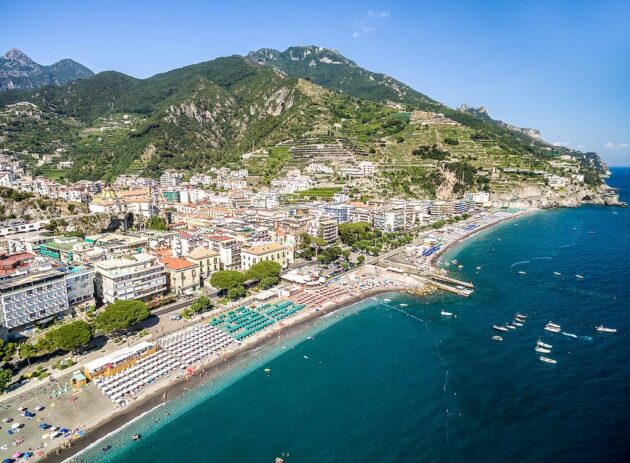
A Travel Guide to the Amalfi Coast (2026)
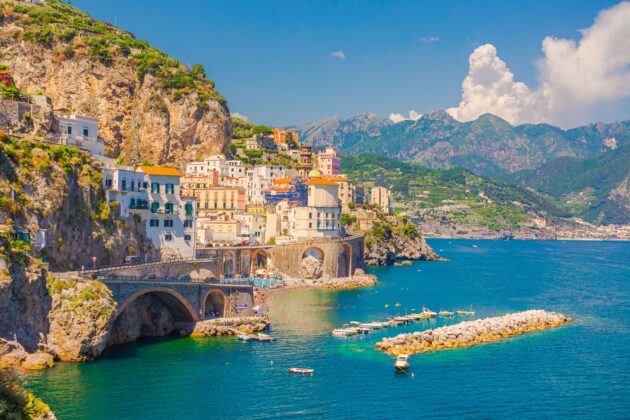
The Amalfi Coast, a UNESCO World Heritage site stretching along the southern cliffs of Italy’s Sorrentine Peninsula, is a postcard-perfect paradise of turquoise waters, pastel-hued villages, and winding roads etched into dramatic limestone mountains. This 50-kilometer stretch from Positano to Vietri sul Mare captivates with its blend of ancient history, Mediterranean cuisine, and sheer natural beauty.
Why Visit the Amalfi Coast?
Famed for its lemon groves, handmade ceramics, and cliffside villas, the coast embodies la dolce vita at its finest. Highlights include hidden coves for swimming, ancient ruins like the Villa Romana del Varco dei Bianchi, and festivals celebrating local traditions. It’s a sensory feast: the scent of fresh basil and citrus, the crash of waves below terraced vineyards, and sunsets that paint the Tyrrhenian Sea in gold.
How to Get There
The Amalfi Coast is accessible yet requires some planning due to its rugged terrain.
By Air: Fly into Naples International Airport (NAP), the main gateway, about 1.5 hours from the coast. From Rome’s Fiumicino (FCO), it’s a 3-hour drive. Budget airlines like Ryanair and easyJet offer affordable flights to Naples.
By Train and Ferry: Take a high-speed train from Rome or Milan to Naples Centrale (1–3 hours), then hop on the Circumvesuviana train to Sorrento (1 hour, €4–5). From Sorrento, ferries to Positano or Amalfi run frequently in summer (20–40 minutes, €10–20 one-way via companies like Travelmar).
By Car or Bus: Rent a car in Naples for scenic drives along SS163, but beware of narrow, hairpin turns—experienced drivers only! SITA buses connect towns affordably (€2–8 per leg), though they’re crowded in peak season. For stress-free travel, book private transfers via apps like Welcome Pickups.
Pro Tip: Avoid driving if possible; the coast’s roads are notorious for traffic jams, especially in July–August.
Best Time to Visit
Peak Season (June–August): Warm weather (25–30°C/77–86°F) and vibrant festivals, but expect crowds and higher prices (hotels up 50%).
Shoulder Seasons (April–May, September–October): Ideal for mild temps (18–25°C/64–77°F), fewer tourists, and blooming bougainvillea or harvest-season lemons. Water temps are swimmable by May.
Off-Season (November–March): Budget-friendly and quiet, with stormy seas adding drama, but some paths close due to weather. Christmas markets in Amalfi add charm.
Check for the Amalfi Lemon Festival (late May–early June) or Regatta of Ancient Maritime Republics (June) for cultural immersion.
Must-see Attractions
Positano
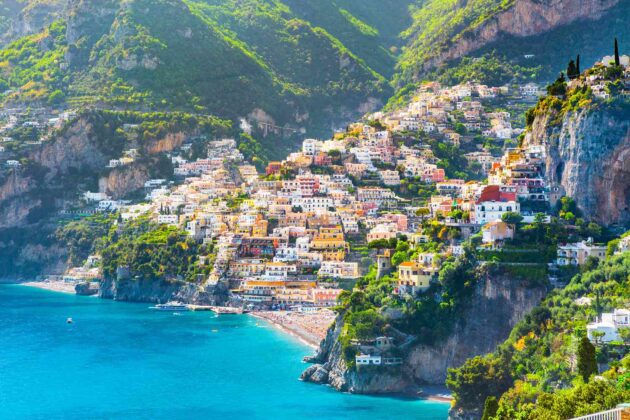
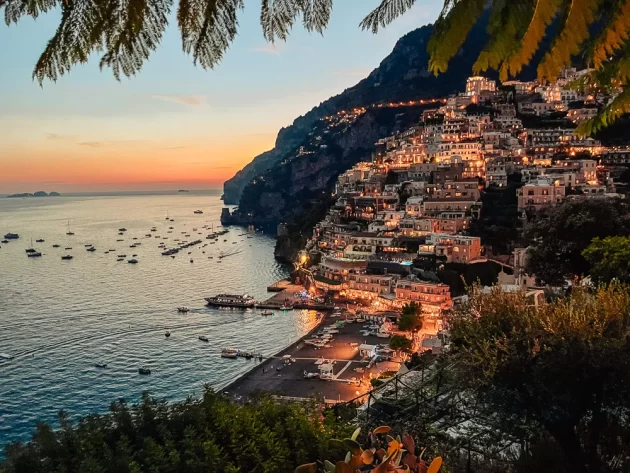
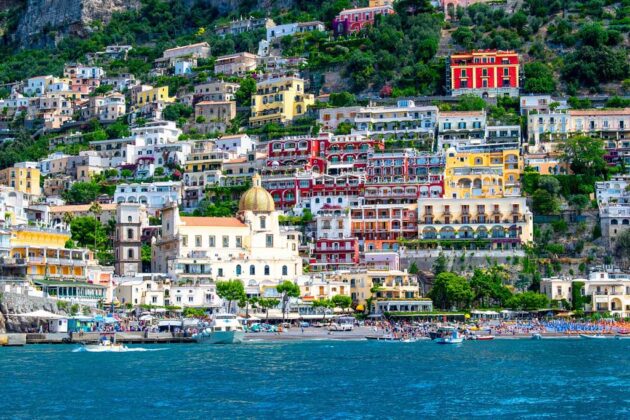
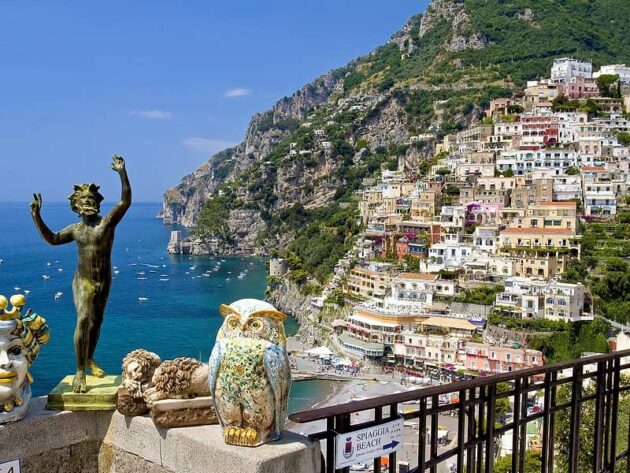
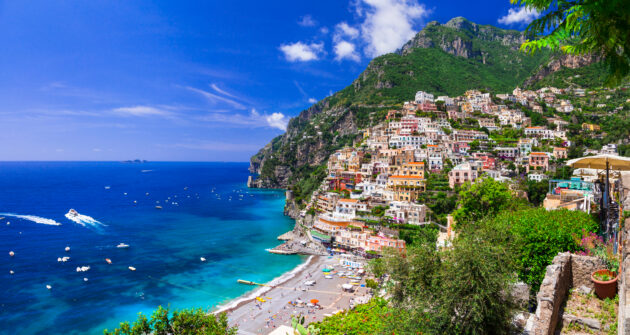
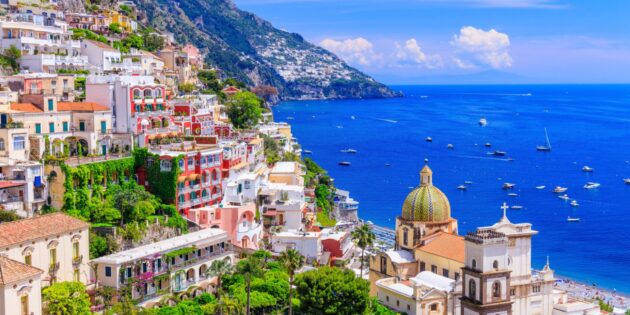
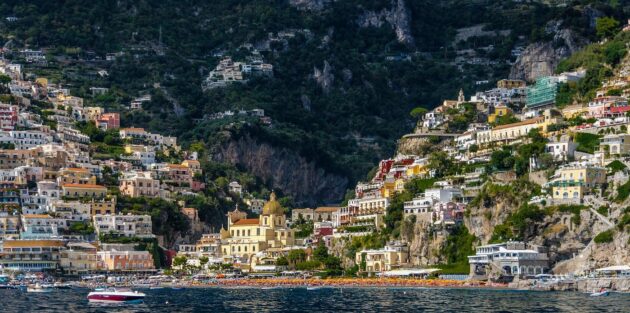
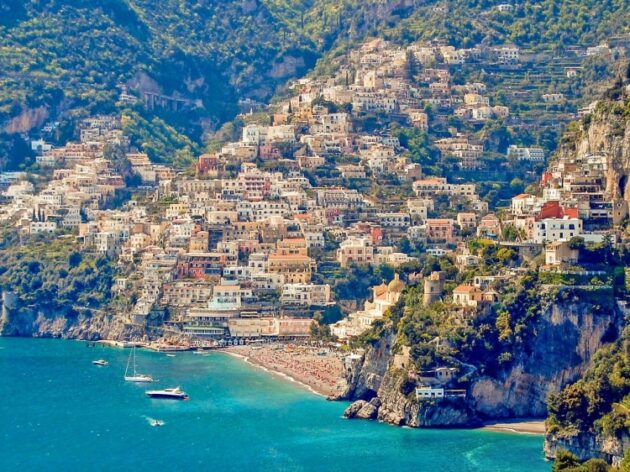
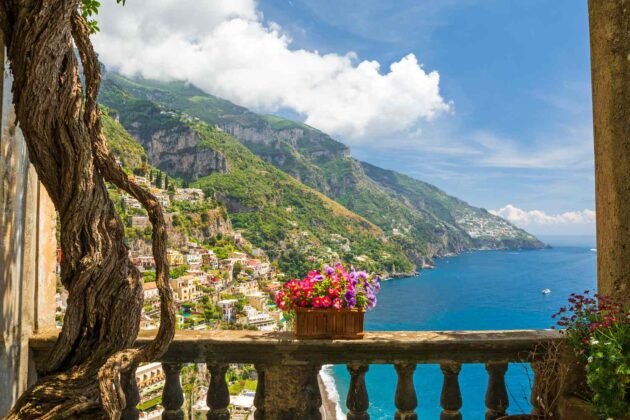
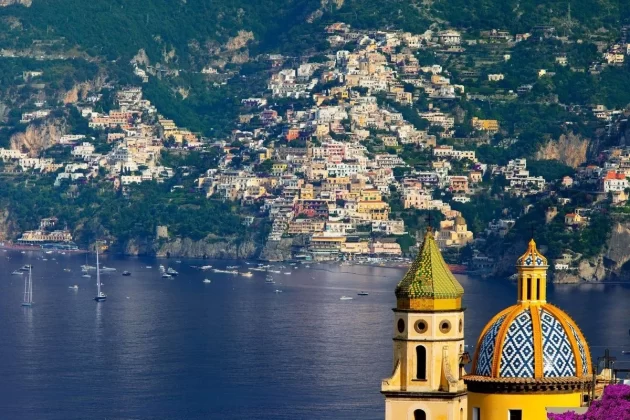
Nestled along the dramatic cliffs of the UNESCO-listed Amalfi Coast in southern Italy’s Campania region, Positano is a postcard-perfect village that epitomizes la dolce vita. With its pastel-hued houses cascading down steep slopes toward the sparkling Tyrrhenian Sea, narrow cobblestone streets lined with boutiques, and lemon groves perfuming the air, Positano offers an intoxicating blend of luxury, romance, and natural beauty.
Amalfi
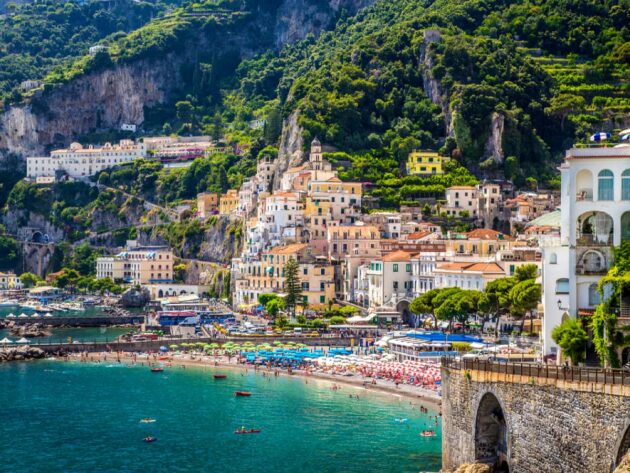
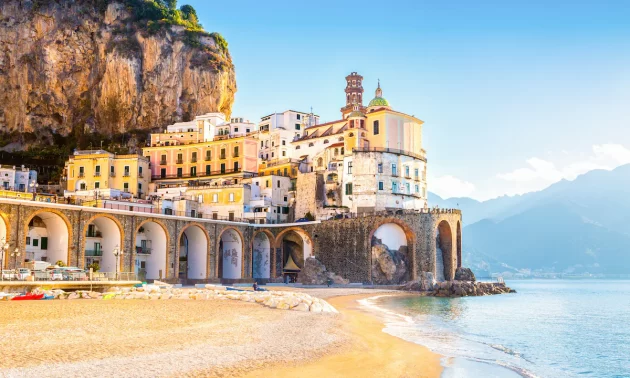
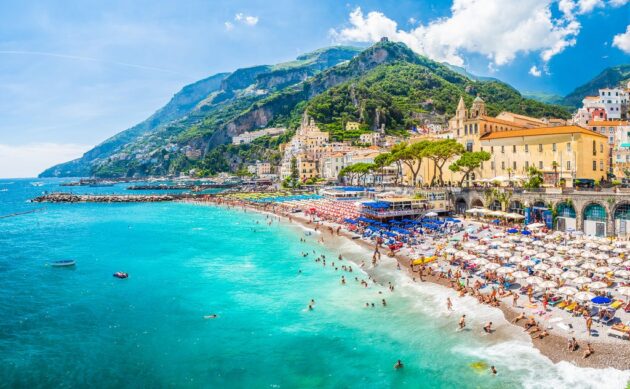
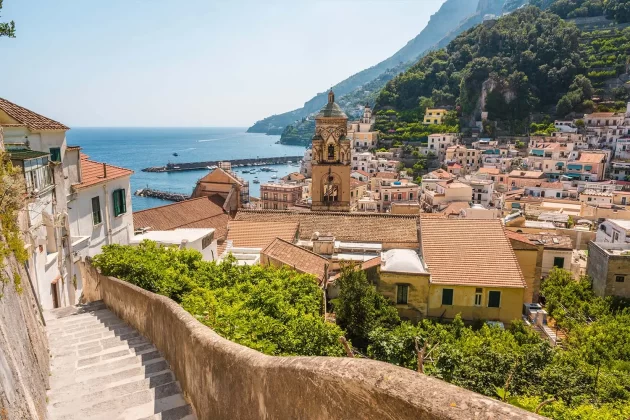
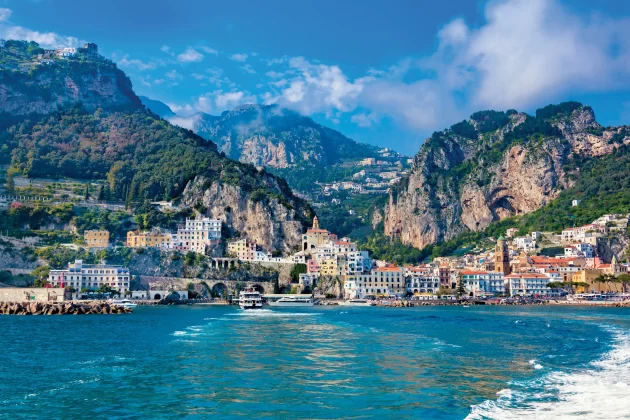
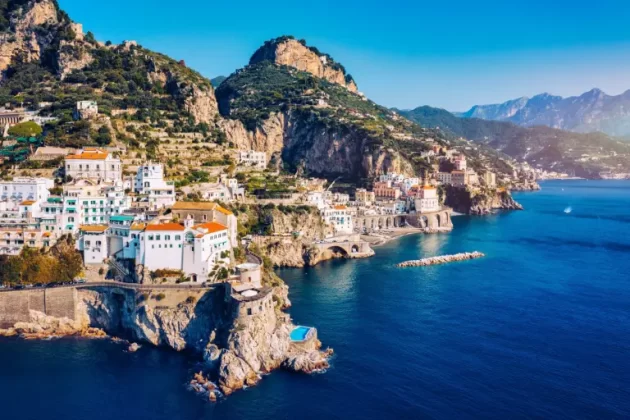
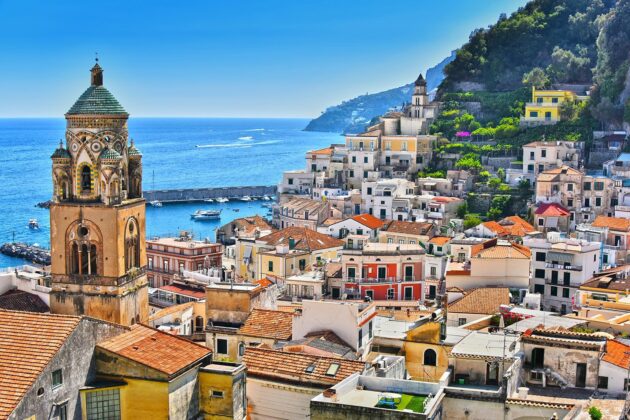
Nestled along the dramatic cliffs of southern Italy’s Amalfi Coast, the town of Amalfi is a UNESCO World Heritage Site that embodies the region’s timeless allure. Once a powerful maritime republic in the Middle Ages, Amalfi today captivates visitors with its pastel-hued buildings cascading down steep hillsides, crystal-clear Tyrrhenian Sea waters, and a vibrant blend of history, culture, and cuisine.
Ravello
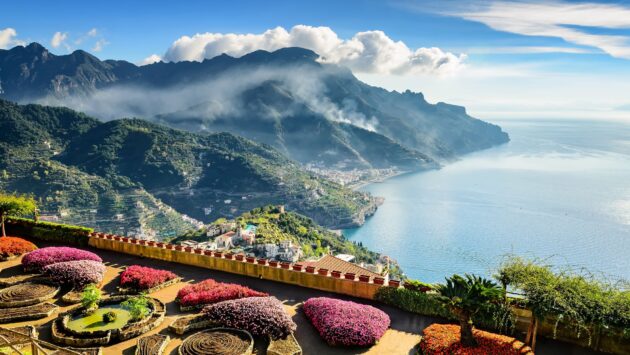
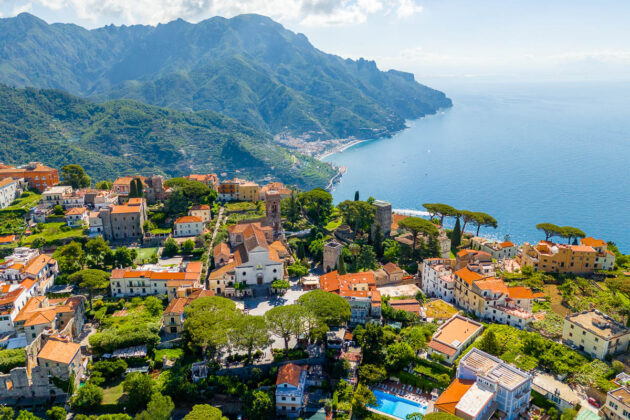
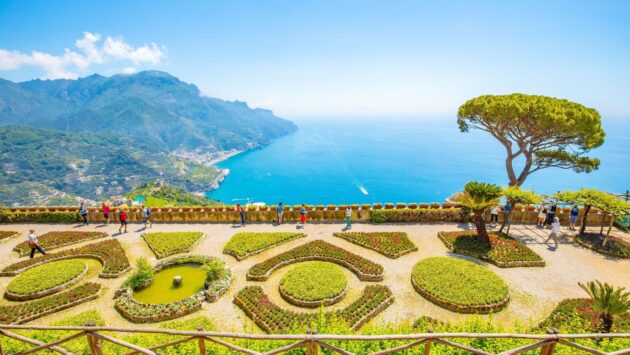
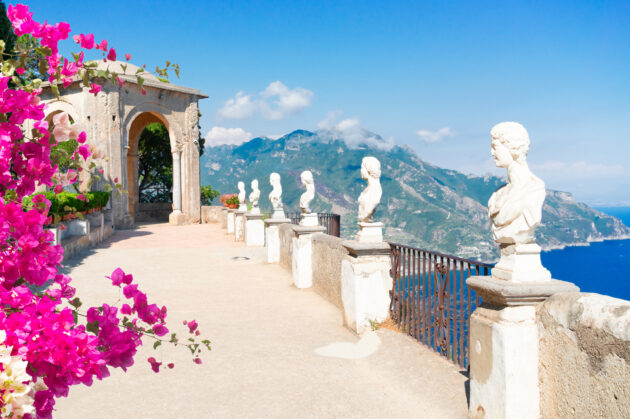
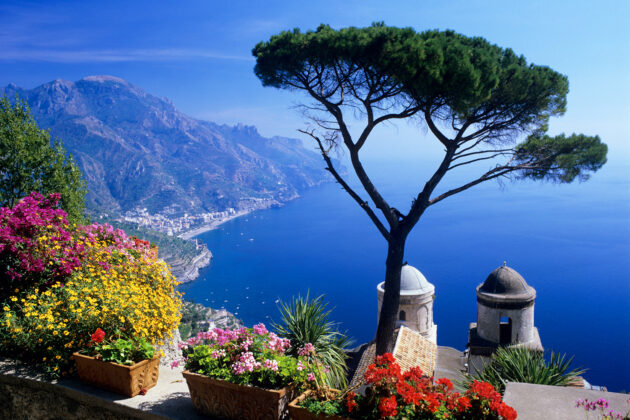
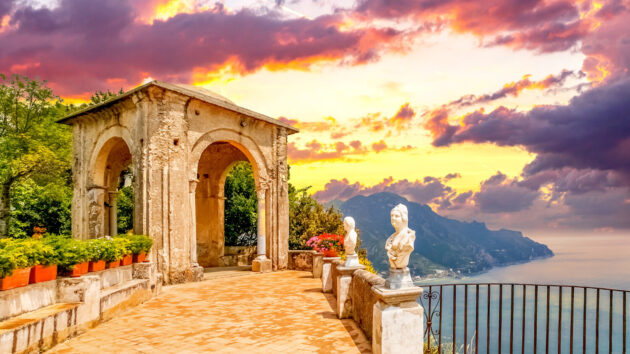
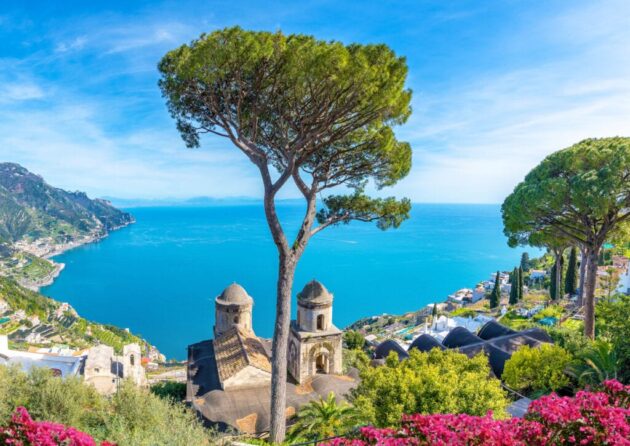
Nestled high in the hills overlooking the dramatic Tyrrhenian Sea, Ravello is a hidden gem on Italy’s Amalfi Coast—a UNESCO World Heritage site known for its medieval charm, lush gardens, and breathtaking panoramas. Often called the “city of music” due to its annual festivals, Ravello offers a serene escape from the bustling coastal towns below, blending romantic villas, winding paths, and citrus-scented air.
Capri
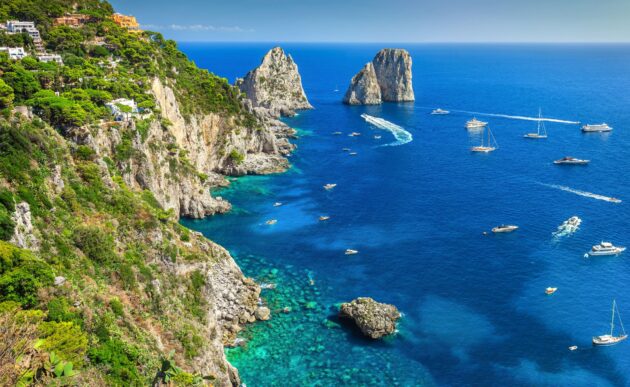
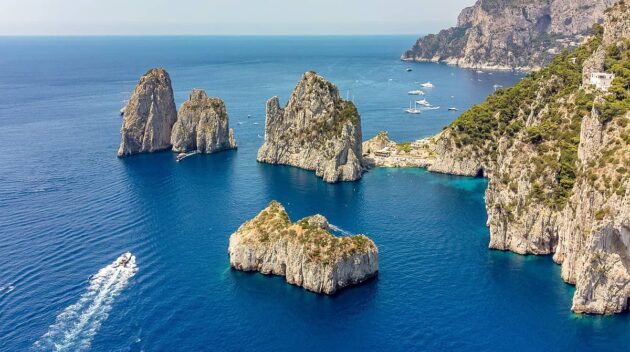
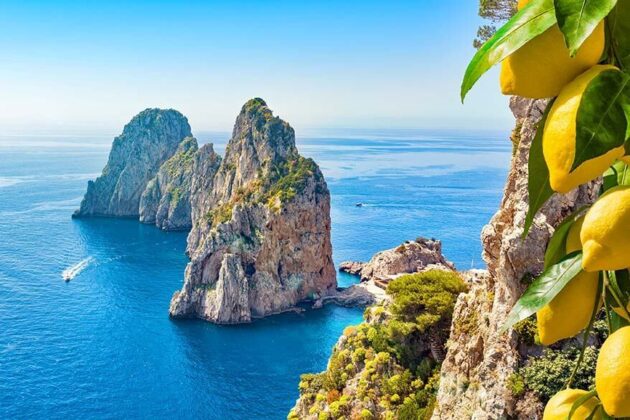
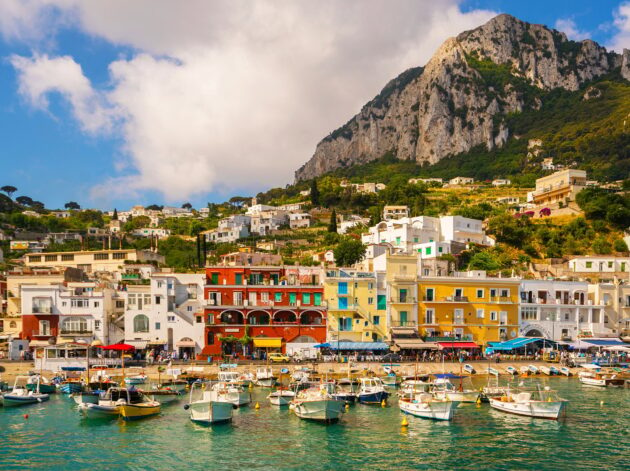
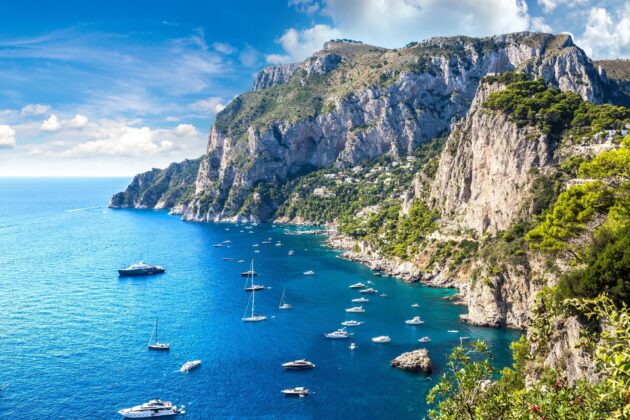
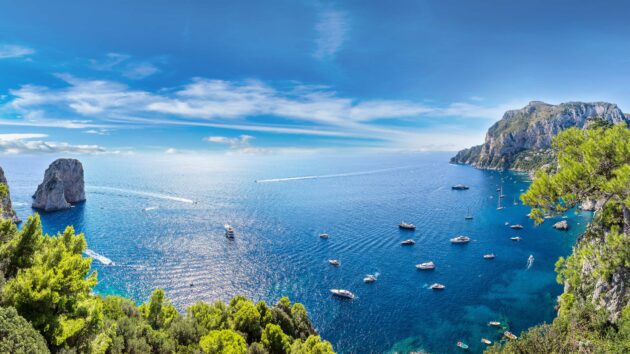
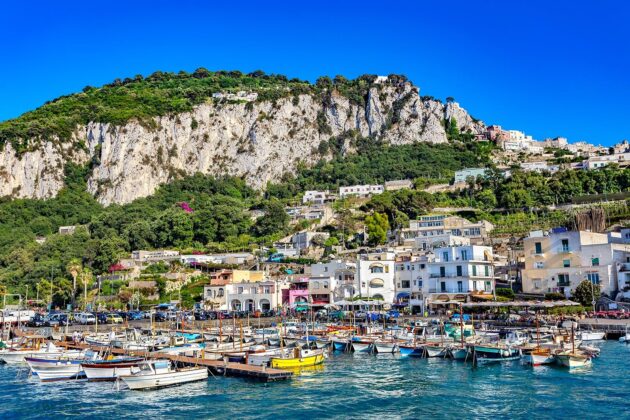
Capri, the glamorous gem of the Tyrrhenian Sea, is a petite island off the coast of Naples that punches way above its weight in terms of beauty, history, and luxury. Just 4 square miles of dramatic cliffs, azure waters, and lemon-scented gardens, it’s been luring emperors, artists, and A-listers since Roman times.
Sorrento
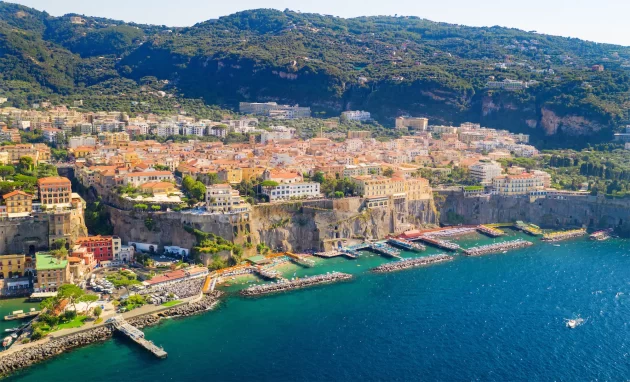
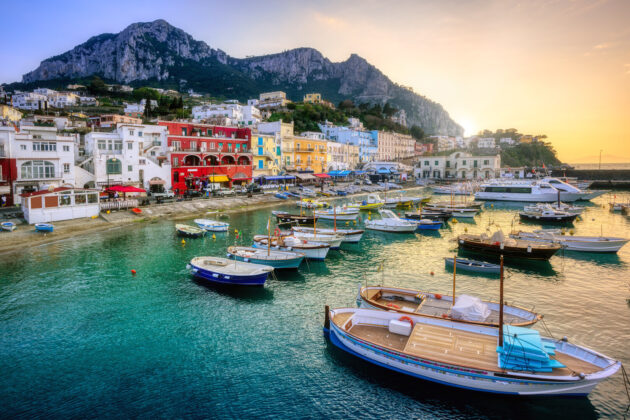
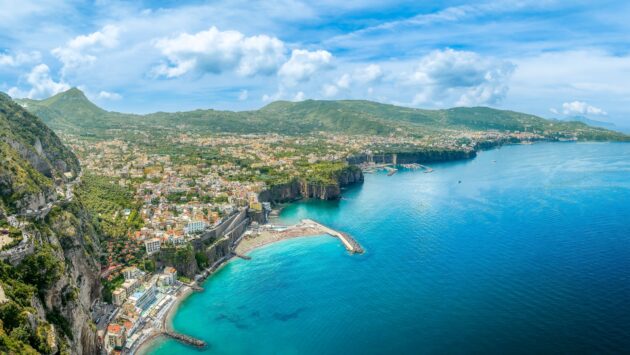
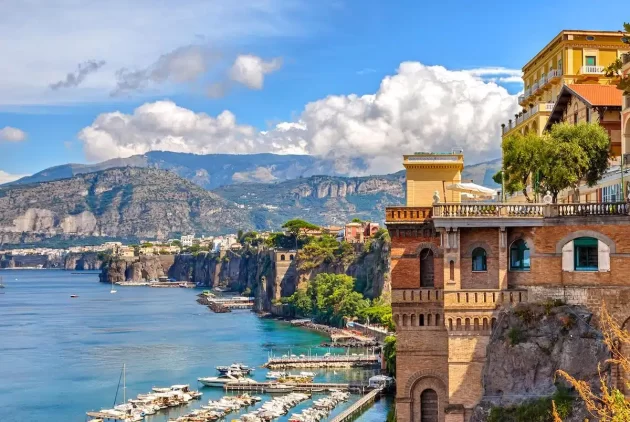
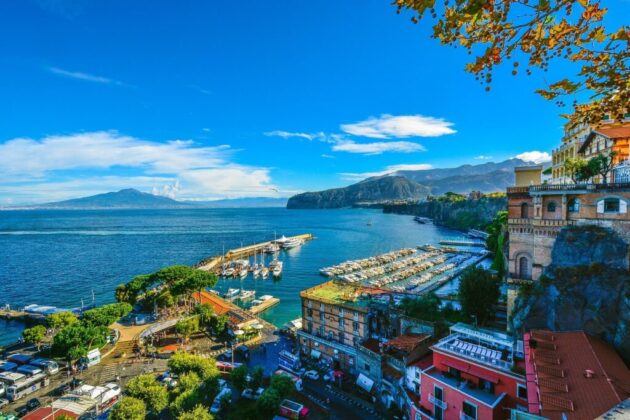
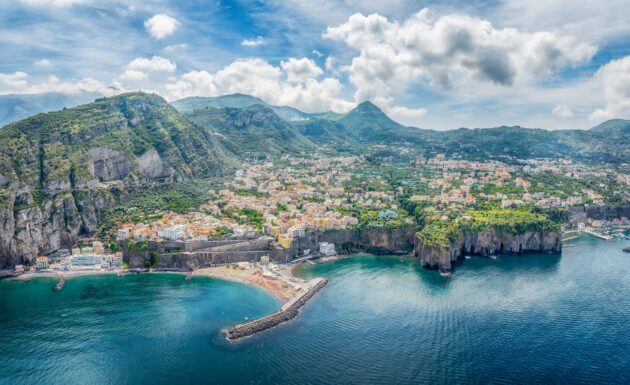
Nestled on Italy’s stunning Amalfi Coast, Sorrento is a picturesque cliff-top town overlooking the Bay of Naples. Famous for its dramatic views, charming old town, and fragrant lemon groves, it produces the renowned limoncello liqueur. Serving as a perfect base for exploring nearby Pompeii, Capri, and the Amalfi Drive, Sorrento captivates visitors with its vibrant piazzas, historic ambiance, and breathtaking sunsets.
Praiano
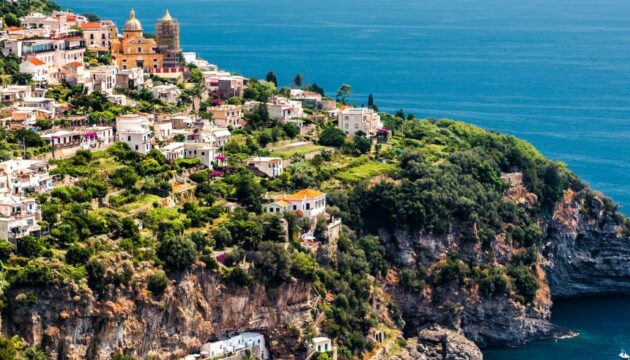
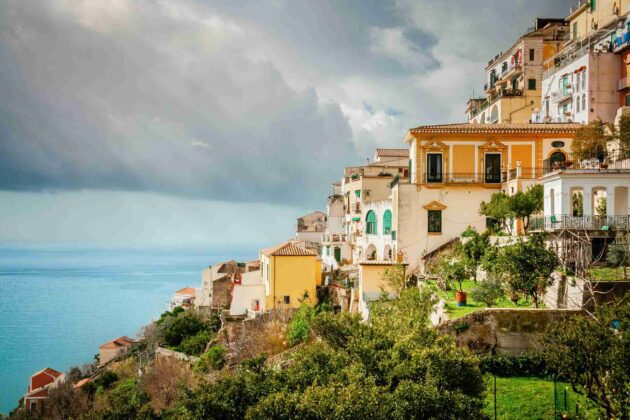
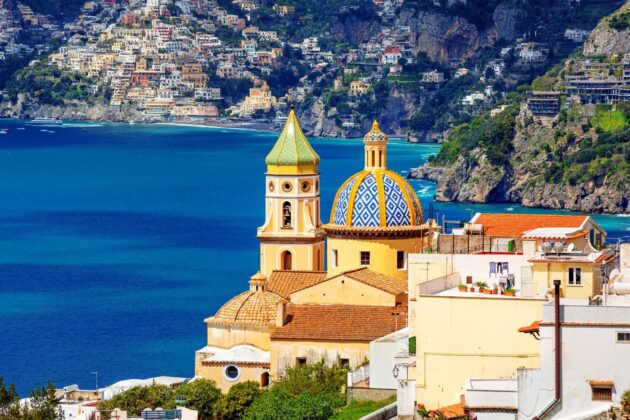
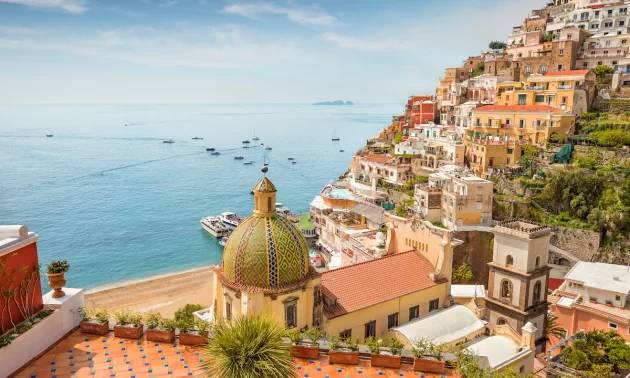
Nestled on the Amalfi Coast, Praiano is a picturesque fishing village celebrated for its serene atmosphere and breathtaking views. Unlike its bustling neighbors, it offers a more tranquil escape with charming sun-drenched houses, a dramatic coastline, and stunning sunsets over the sea. It’s a perfect base for exploring the region, known for its beautiful beaches like Marina di Praia and its historic churches.
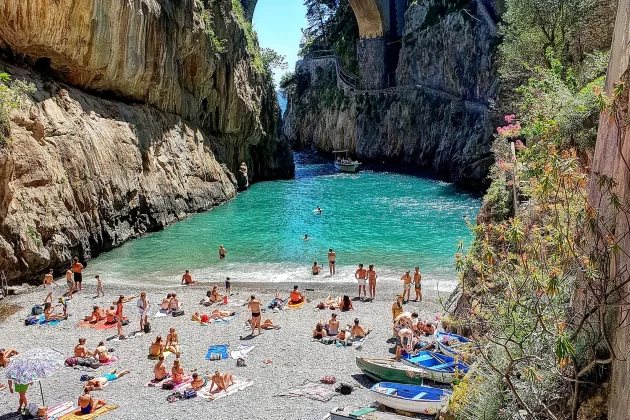
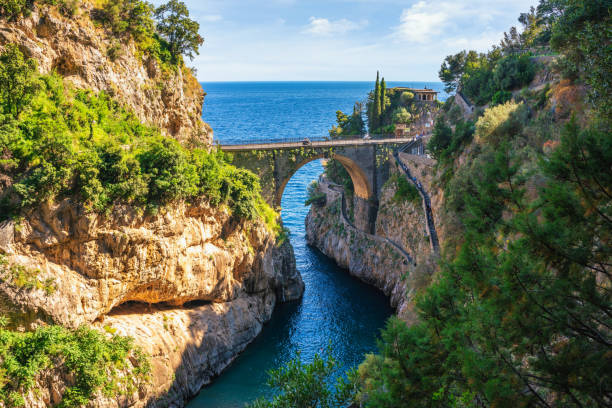
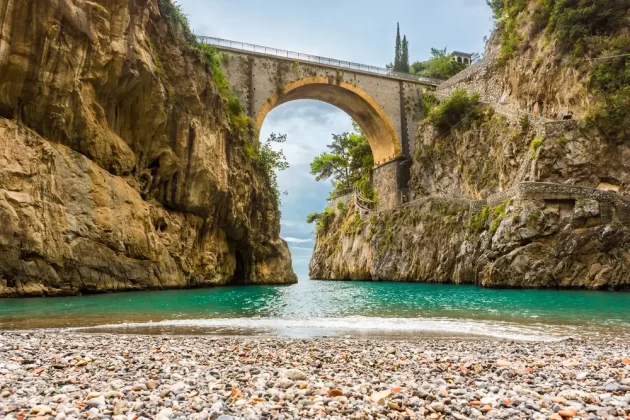
Fiordo di Furore
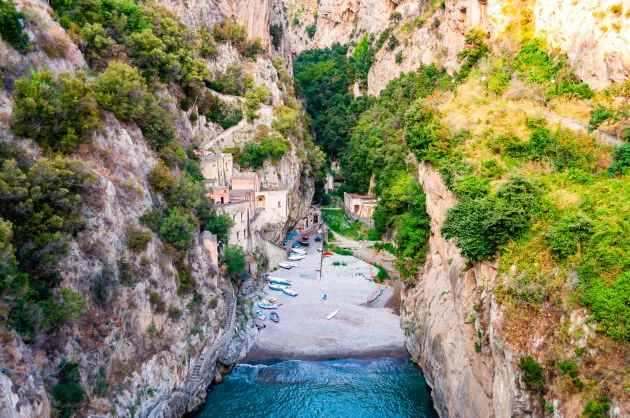
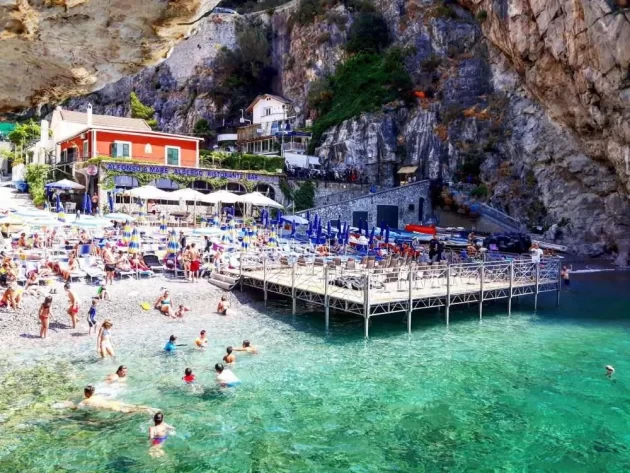
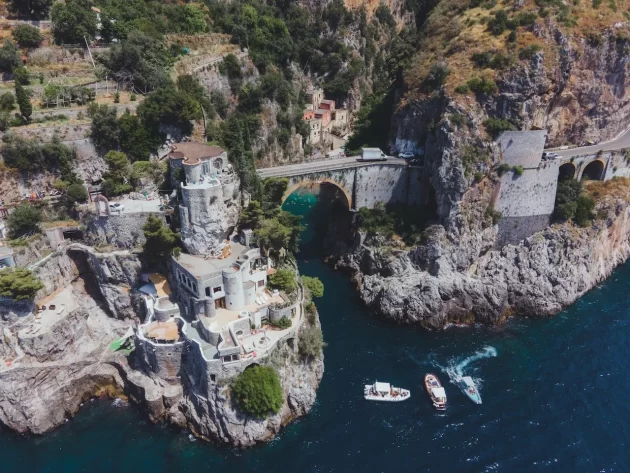
Fiordo di Furore is a stunning fjord-like inlet on Italy’s Amalfi Coast, often called “the only fjord in Italy.” Nestled between towering cliffs in the small village of Furore, it features a picturesque pebble beach, crystal-clear turquoise waters, and a historic stone bridge arching overhead. Despite its name, it’s technically a ria (a flooded river valley), not a true fjord, but its dramatic scenery and tranquil atmosphere make it a hidden gem for travelers seeking beauty off the beaten path.
Minori
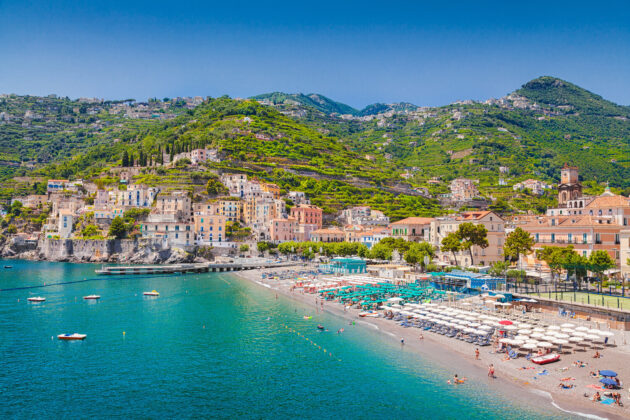
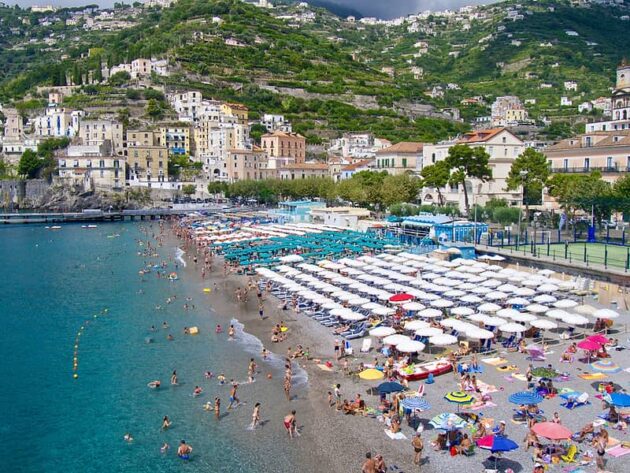
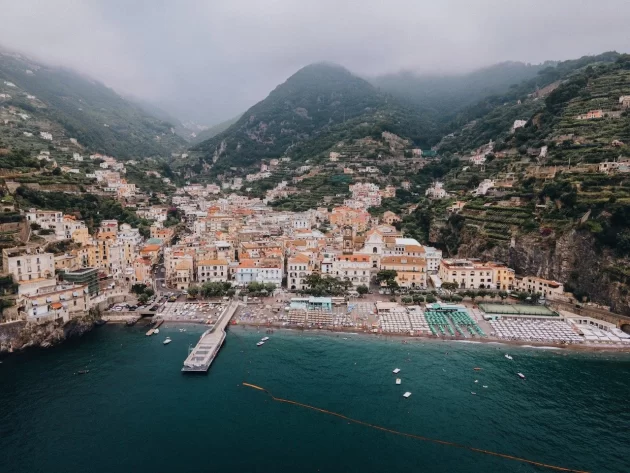
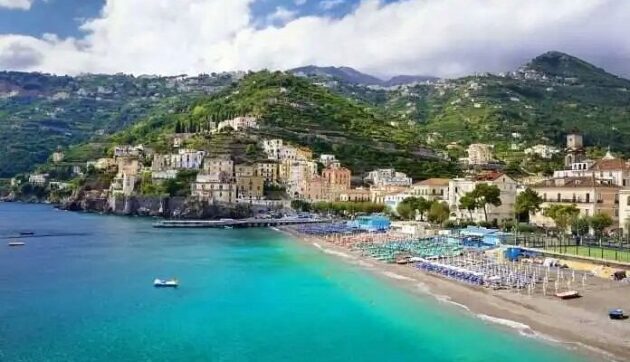
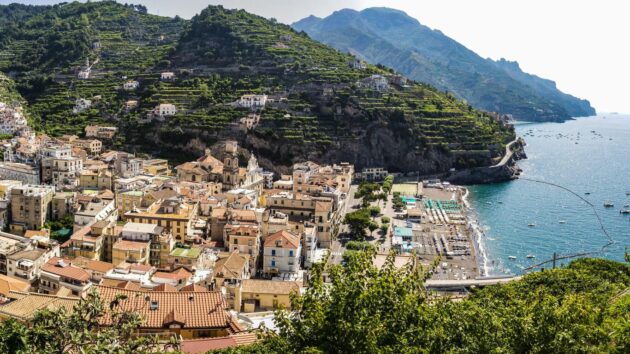
Minori is a charming coastal town on Italy’s Amalfi Coast, nestled between mountains and the Tyrrhenian Sea. Known for its picturesque beaches, lemon groves, and historic Roman villa ruins, Minori offers a quieter, authentic alternative to busier neighbors like Positano or Amalfi. Its mild climate, fresh seafood, and traditional pastries—especially the famous “delizia al limone”—make it a delightful destination for travelers seeking beauty and tranquility.
Maiori
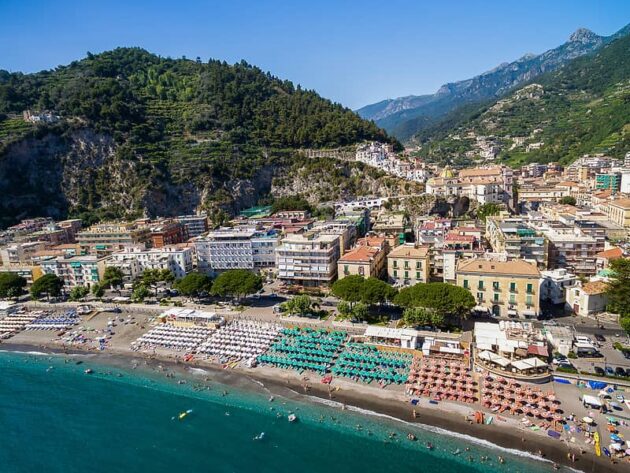
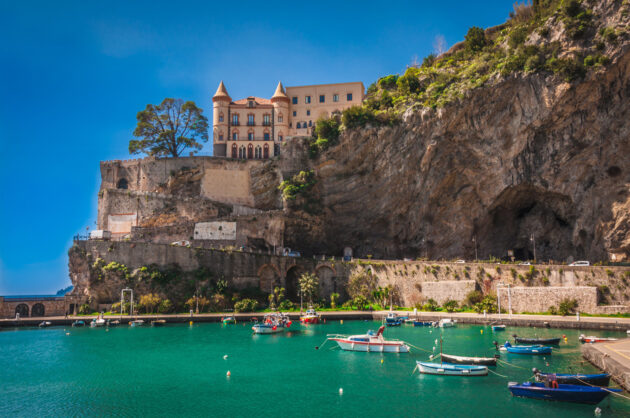
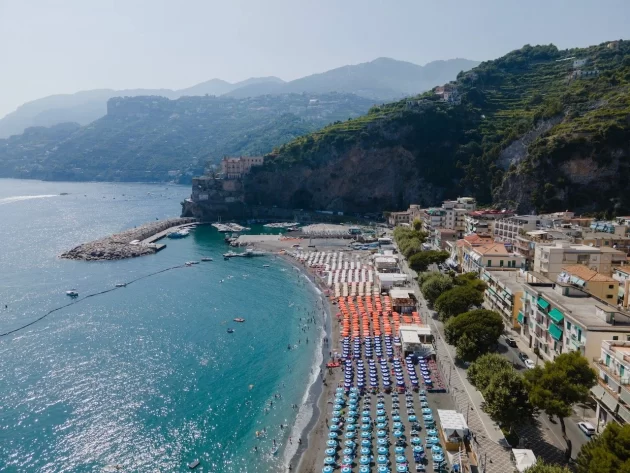
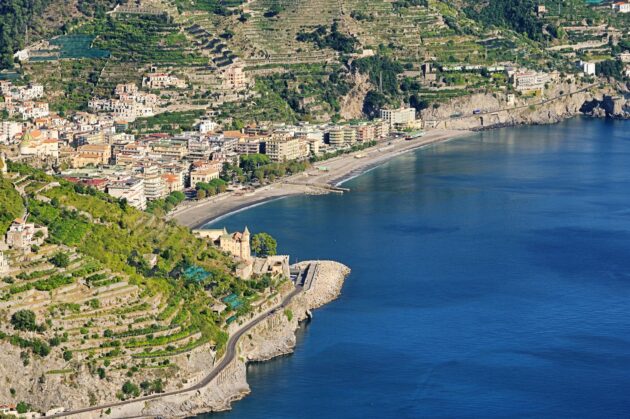
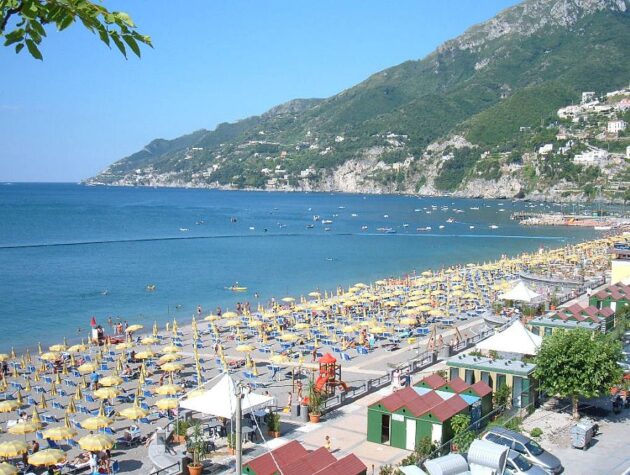
Maiori is a charming coastal town on Italy’s Amalfi Coast, known for its long sandy beach—the largest on the coast—lush lemon groves, and historic architecture. Nestled between dramatic cliffs and the Tyrrhenian Sea, it offers a more relaxed atmosphere compared to its busier neighbors like Positano and Amalfi. Visitors enjoy fresh seafood, scenic walks along the Sentiero degli Dei (Path of the Gods), and the town’s rich history, including the medieval Castle of San Nicola de Thoro-Plano.
Cetara
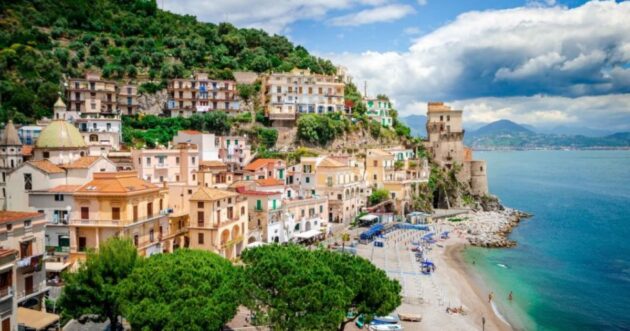
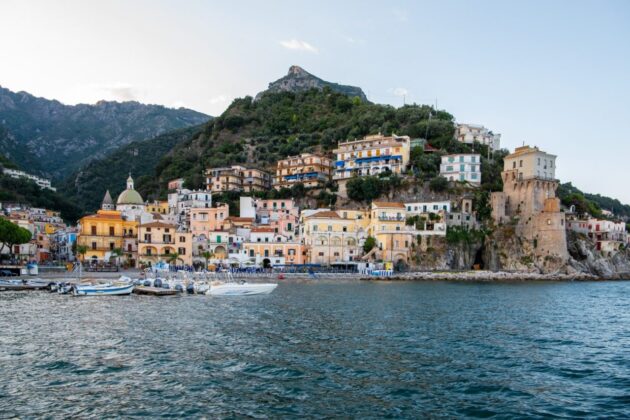
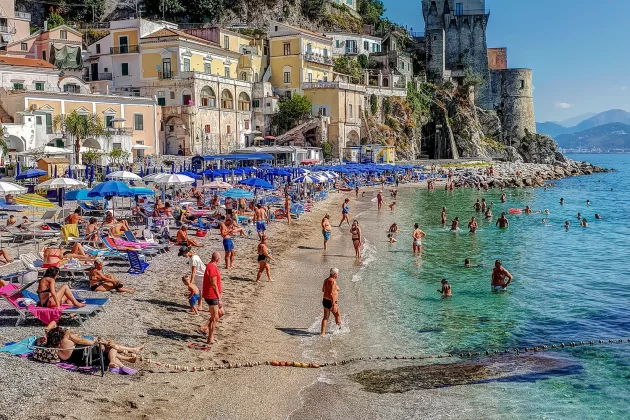
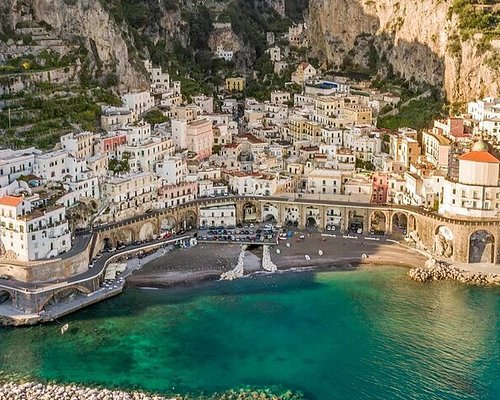
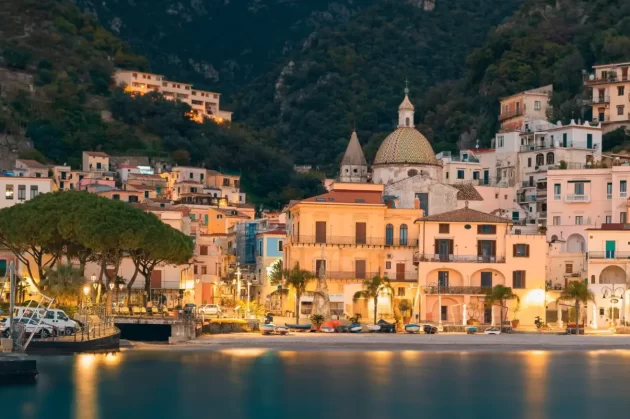
Cetara is a charming fishing village on Italy’s Amalfi Coast, nestled between the sea and steep hills in the province of Salerno. Known for its traditional anchovy and fish sauce (colatura di alici) production, Cetara offers a glimpse into authentic coastal life with its colorful houses, small harbor, and relaxed atmosphere—far from the crowds of more touristy towns.
Vietri sul Mare
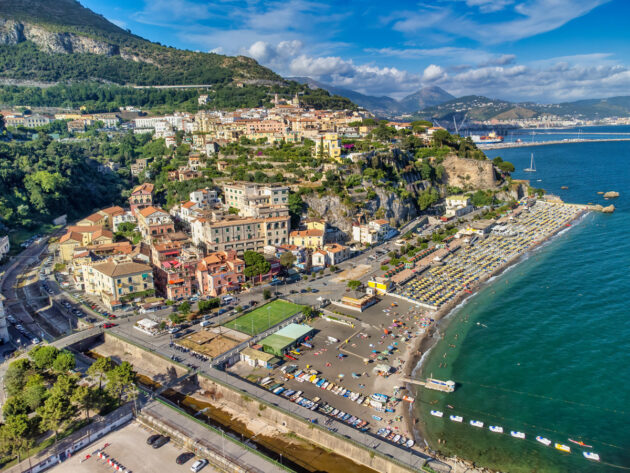
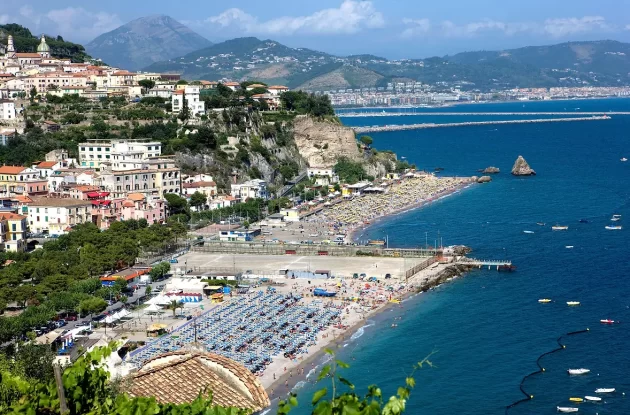
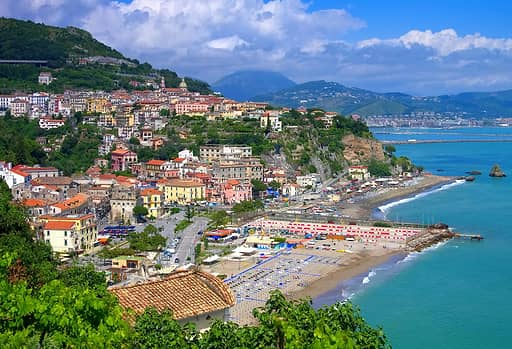
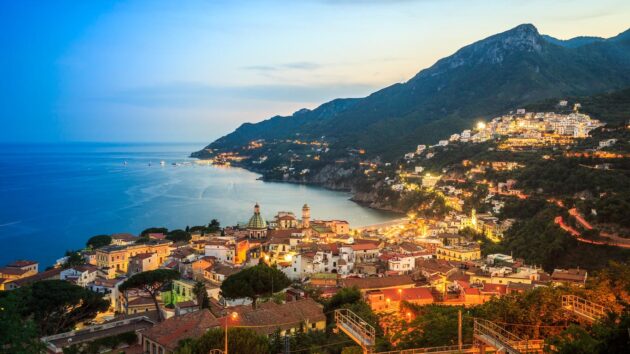
Vietri sul Mare is a charming coastal town on Italy’s Amalfi Coast, renowned for its vibrant, hand-painted ceramic tiles, colorful buildings, and stunning views of the Tyrrhenian Sea. As the western gateway to the Amalfi Coast, it offers a more relaxed atmosphere compared to its famous neighbors, blending authentic Italian charm with rich artisanal tradition.
Archaeological Park of Pompeii
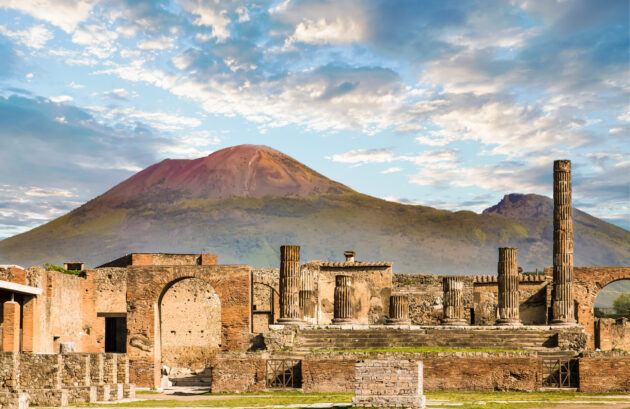
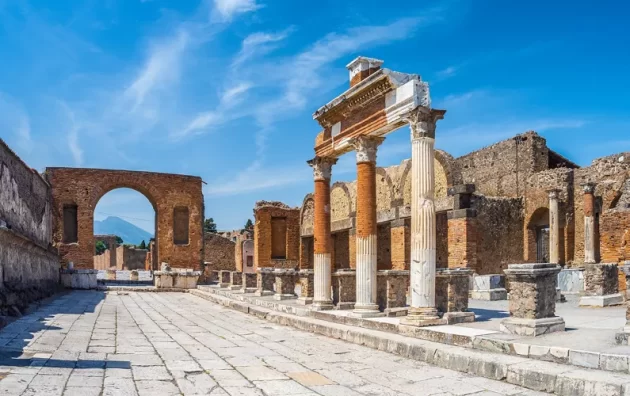
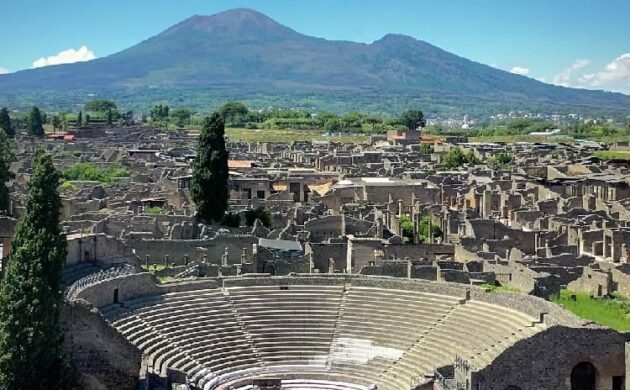
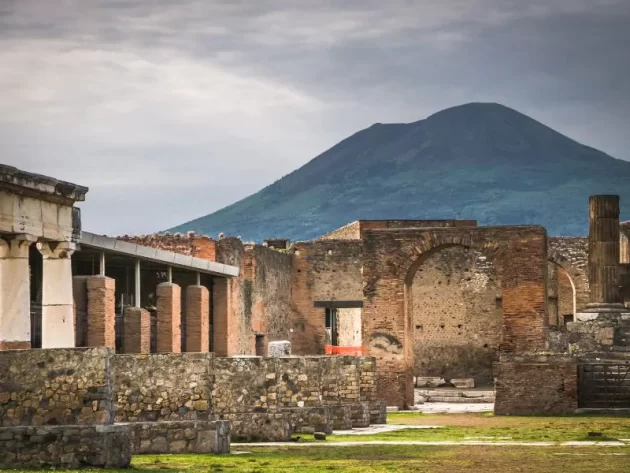
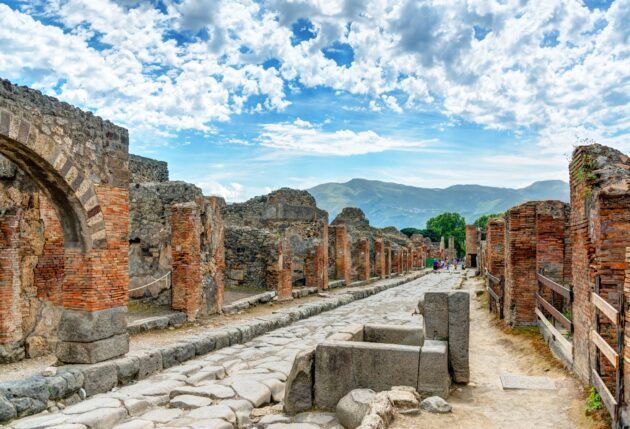
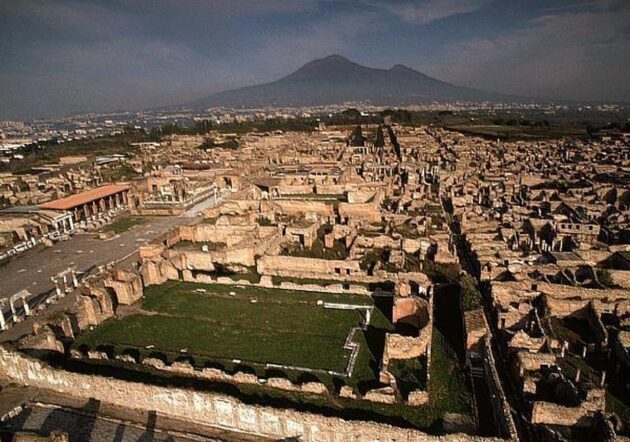
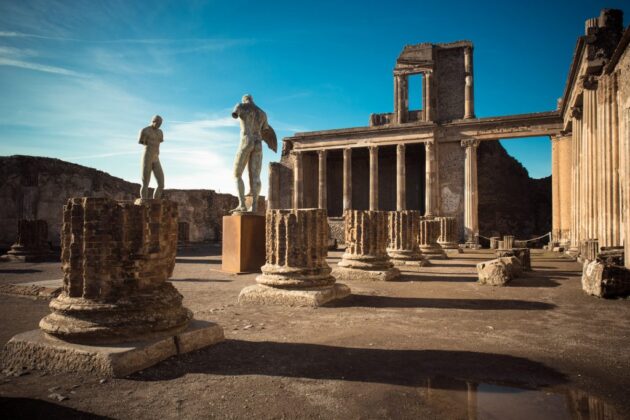
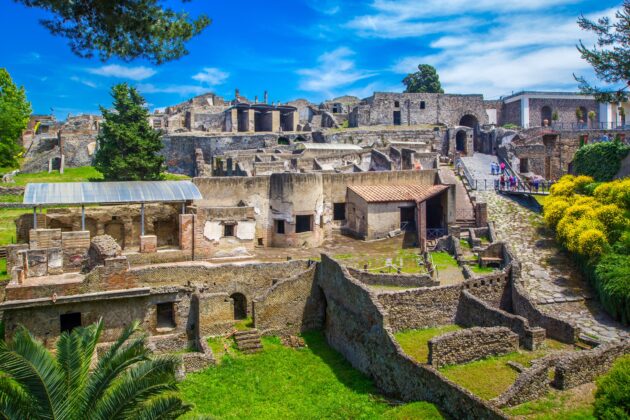
Nestled at the foot of Mount Vesuvius in southern Italy, the Archaeological Park of Pompeii is one of the world’s most extraordinary UNESCO World Heritage sites. Buried under volcanic ash in AD 79 during a catastrophic eruption, this ancient Roman city was rediscovered in the 18th century, offering an unparalleled snapshot of daily life in the Roman Empire—from grand villas and bustling forums to graffiti-scrawled walls and preserved frescoes. Spanning about 66 hectares, it’s not just a museum but a walkable time capsule that brings history to life.
Where to Stay
Accommodations range from luxury to boutique; book 6+ months ahead for summer.
Positano (Glamorous Vibes): Le Sirenuse (€800+/night) for cliffside infinity pools; budget: Hostal Brikette (€150–200).
Amalfi (Historical Heart): Hotel Santa Caterina (€600+) with private beach access; affordable: Albergo Sant’Andrea (€120–180).
Ravello (Peaceful Retreat): Villa Maria (€250–350) overlooking the sea; Villa Cimbrone (€400+) for romance.
Sorrento (Gateway Town): Grand Hotel Excelsior Vittoria (€500+); budget: Ulisse Deluxe Hostel (€80–120).
For eco-stays, try agriturismos like those in Conca dei Marini, offering farm-to-table meals.
Practical Tips
Getting Around: Use the SITA bus or ferries; apps like Moovit help. Taxis are pricey (€50+ between towns).
Budget Breakdown (Per Person, 7 Days): Flights €200–400, lodging €150–300/night, food €50–100/day, activities €100–200. Total: €1,000–2,500.
Essentials to Pack: Sunscreen, comfortable walking shoes, light layers for evenings, and a reusable water bottle—fountains offer free refills.
Sustainability: Stick to marked paths to prevent erosion; support local by buying ceramics from artisans in Vietri sul Mare.
Health & Safety: Tap water is safe; petty theft is rare but watch bags in crowds. EU roaming data works, or get a local SIM.
Final Thoughts
The Amalfi Coast isn’t just a destination—it’s a symphony of sea, stone, and serenity that lingers long after you leave. Embrace the chaos of its curves and the calm of its sunsets; let it slow your pace and fill your soul. Whether hiking at dawn or dining under stars, this Italian gem promises memories as timeless as its ancient cliffs.
Buon viaggio! If planning a custom itinerary, consider a local guide for hidden gems.