
A Travel Guide to Positano (2026)
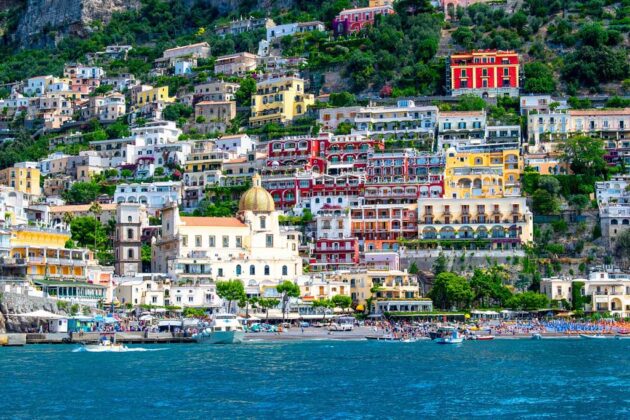
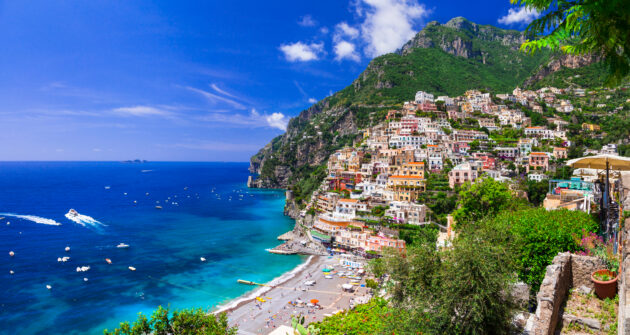
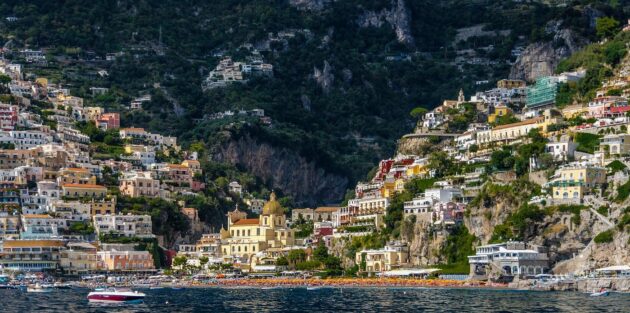
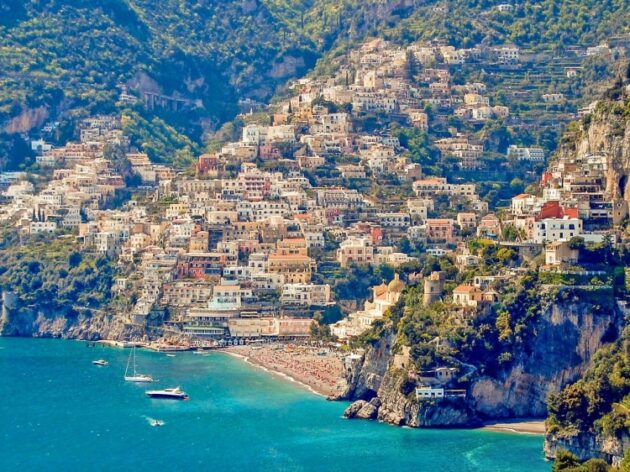
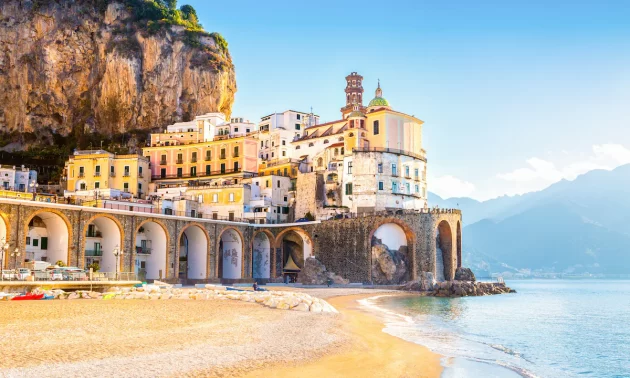
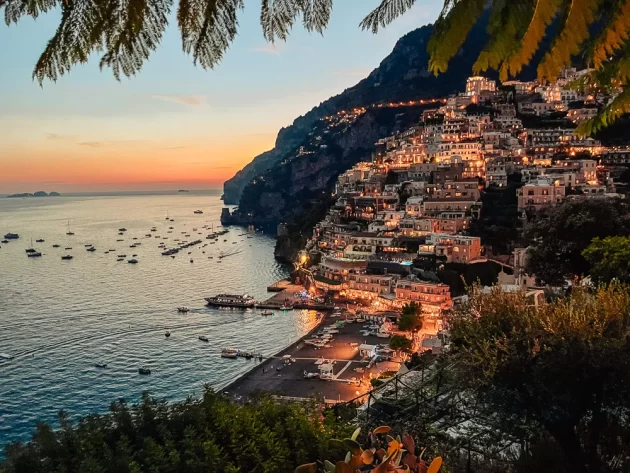
Nestled along the dramatic cliffs of the UNESCO-listed Amalfi Coast in southern Italy’s Campania region, Positano is a postcard-perfect village that epitomizes la dolce vita. With its pastel-hued houses cascading down steep slopes toward the sparkling Tyrrhenian Sea, narrow cobblestone streets lined with boutiques, and lemon groves perfuming the air, Positano offers an intoxicating blend of luxury, romance, and natural beauty. It’s the crown jewel of the 60-kilometer Amalfi Coast, drawing dreamers, hikers, and foodies alike.
Why Visit Positano?
Positano isn’t just a destination; it’s an experience of Mediterranean glamour and rugged charm. Highlights include black-pebble beaches lapped by turquoise waters, cliffside hikes revealing hidden coves, and world-class cuisine featuring fresh seafood and local lemons. As part of the Amalfi Coast, it’s ideal for multi-town itineraries, blending relaxation with adventure. Visit for the romance (perfect for couples), the Instagram-worthy vistas, or simply to unplug in a setting that feels suspended in time.
How to Get There
Positano’s location on winding coastal roads makes driving challenging—opt for public or private transport to avoid stress.
By Air: Fly into Naples International Airport (NAP), the closest hub (about 1.5 hours away), or Rome’s Fiumicino (FCO) for more flights (3–4 hours). From Naples, take a train to Sorrento (€4–5, 1 hour) then connect via bus or ferry.
By Ferry: The most scenic and recommended route, especially in summer (April–October). Services run from Naples, Sorrento, Salerno, Capri, and other Amalfi towns via operators like Ferryhopper or Alilauro. A one-way ticket from Sorrento costs €15–20 and takes 30–40 minutes.
By Bus: Budget-friendly but bumpy—SITA Sud buses from Sorrento (€2–3, 50 minutes) or Salerno (€3–4, 1 hour) hug the cliffs. Expect crowds; arrive early.
Private Transfer or Driver: Ideal for comfort (€100–150 from Naples). Services like Positano Shuttle offer door-to-door from Rome (4.5 hours, June–September). Once there, walk (wear sturdy shoes for stairs) or use local buses/scooters.
No direct trains to Positano—combine with buses/ferries for efficiency.
Best Time to Visit
May or September: Ideal for 75–85°F (24–29°C) weather, fewer crowds, and lower prices. Blooming wisteria in spring and harvest vibes in fall add magic.
Mid-April to June or September to Mid-October: Warm seas for swimming, ferries running, and hotels open—book 6–12 months ahead.
July–August: Peak heat (90°F+/32°C+), throngs of tourists, and premium rates—avoid unless you love buzz.
November–March: Off-season closures (ferries, beach clubs) and rain; skip unless seeking solitude and deals.
Watch for extended summer ferry schedules due to rising tourism.
What to Do
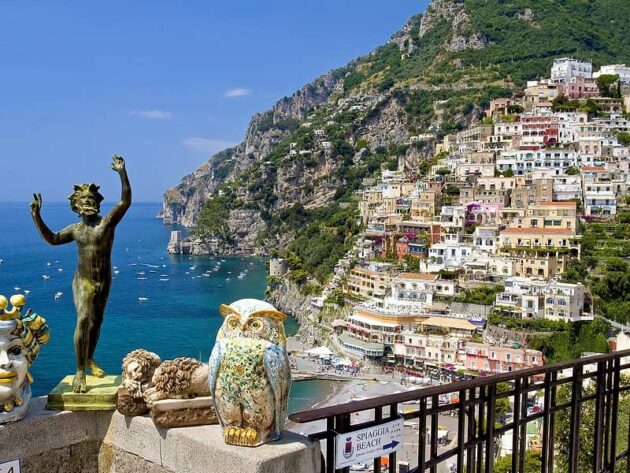
Beach Hopping: Lounge at Spiaggia Grande (main beach, free public access but crowded) or quieter Fornillo Beach. For luxury, book Arienzo or La Scogliera clubs (€50–200/day, including loungers and lunch).
Boat Tours: Cruise the coast for grotto swims and Li Galli islet views (€50–100/person, 2–3 hours). Private charters add Prosecco; no license needed for small boats.
Hike the Path of the Gods: A 4-mile (6.5 km) trail from Nocelle to Bomerano with epic sea panoramas (2–4 hours, moderate difficulty). Start early; €5 bus from Positano.
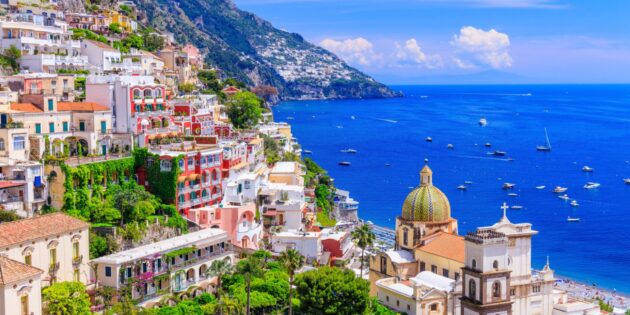
Cultural Gems: Visit Chiesa di Santa Maria Assunta (13th-century church with Byzantine Black Madonna icon) and the Museo Archeologico Romano (MAR) for Roman villa ruins and frescoes (€15, 30 minutes).
Shop and Stroll: Wander Via dei Mulini for linen “pezze di Positano” fashion and artisan ceramics. Extend to day trips: Capri ferry (€20–30) or Ravello’s gardens.
Where to Stay
Positano’s steep terrain means choosing based on elevation—use Google Maps to check walk times from Spiaggia Grande. Expect €200–600/night in peak season; book early.
Luxury: Le Sirenuse (iconic cliffside views, Michelin-starred dining, €1,000+); Il San Pietro di Positano (private beach, spa, €800+).
Mid-Range: Hotel Conca d’Oro (rooftop bar, sea views, €300–500); Casa Buonocore (boutique, 8-minute beach walk, €250–400).
Budget: Venus Inn B&B (near Fornillo, €150–250); or base in nearby Praiano for value (€100–200).
Stay overnight to enjoy quiet evenings away from day-trippers.
Where to Eat and Drink
Cuisine shines with seafood, pasta, and limoncello—meals run €30–100/person. Reserve via TheFork app for discounts.
Casual: Simone’s Sandwiches (affordable panini, €10–15); The Wine Shop (picnic burrata and olives, €20).
Seafood Stars: Posides (scallop linguine on a balcony, €40–60); Ristorante Da Constantino (hike-up views, pizza, €50).
Fine Dining: La Sponda at Le Sirenuse (romantic, €100+); Orama (terrace tasting menus, €80).
Hidden Gem: La Tagliata in Montepertuso (rustic family feast, €50 set menu).
Don’t miss gelato from La Zagara or a cooking class (€100, learn ravioli-making).
Practical Tips
Costs: High—budget €200–400/day per person (accommodation, food, activities). Save with shoulder-season stays, public ferries, and free beaches. ATMs are plentiful; cards widely accepted.
Crowds and Mobility: Vertical streets mean 100+ daily stairs—pack light, wear grippy shoes. Avoid if mobility-limited; consider Praiano or Amalfi alternatives. Early starts beat tour buses.
Sustainability: Use reef-safe sunscreen; support eco-boat tours. Download offline maps (eSIM recommended).
Tourist Traps: Skip overpriced beach umbrellas; avoid main-drag eateries in high season.
Notes: Enhanced shuttle services from Rome; check for new Path of the Gods permits. Practice basic Italian (“buongiorno” goes far).
Positano’s magic lies in its unhurried pace—embrace the stairs, savor the views, and let the coast work its spell. Buon viaggio!