


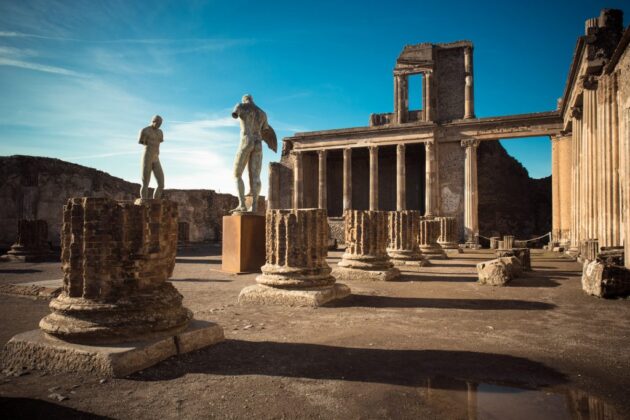

A Travel Guide to the Archaeological Park of Pompeii (2026)
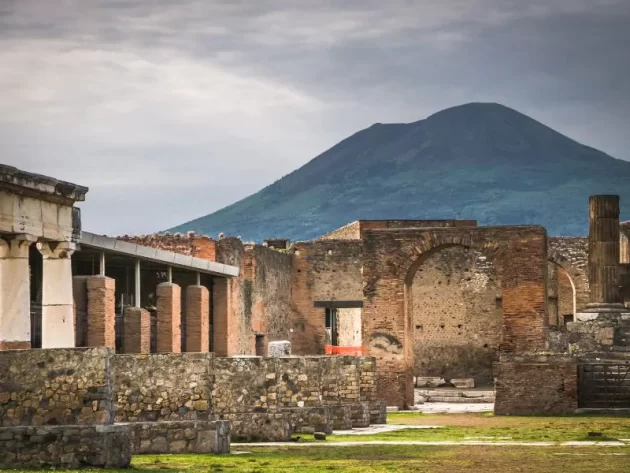
Nestled at the foot of Mount Vesuvius in southern Italy, the Archaeological Park of Pompeii is one of the world’s most extraordinary UNESCO World Heritage sites. Buried under volcanic ash in AD 79 during a catastrophic eruption, this ancient Roman city was rediscovered in the 18th century, offering an unparalleled snapshot of daily life in the Roman Empire—from grand villas and bustling forums to graffiti-scrawled walls and preserved frescoes.
Spanning about 66 hectares, it’s not just a museum but a walkable time capsule that brings history to life. Whether you’re a history buff, architecture enthusiast, or casual traveler, Pompeii promises awe-inspiring discoveries amid its sun-baked ruins.
Why Visit Pompeii?
Pompeii stands out for its eerie preservation: everyday objects like bread loaves, graffiti, and even human casts frozen in their final moments evoke a profound sense of the past colliding with the present. It’s a key stop on the Amalfi Coast itinerary, often combined with nearby Herculaneum or Vesuvius hikes.
How to Get There
From Naples (Recommended): Take the Circumvesuviana train from Napoli Centrale or Napoli Piazza Garibaldi station to “Pompei Scavi-Villa dei Misteri” (about 30–40 minutes, €3.20 one-way). Trains run every 30 minutes; exit right from the station to reach the Porta Marina entrance.
From Rome: High-speed Frecciarossa train to Naples (1 hour 10 minutes, €20–€50), then switch to Circumvesuviana.
By Car: From Naples, follow the A3 motorway toward Salerno (exit Pompei Ovest, 25 km, 30 minutes). Parking is available at Piazza Anfiteatro (€5–€10/day).
From Sorrento: Circumvesuviana train (30 minutes, €2.20).
Taxis or private transfers from Naples cost €50–€80. For eco-friendly options, consider e-bikes or shuttles from the train station.
Best Time to Visit
Seasonal Weather: Spring (April–June) and fall (September–October) offer mild 20–25°C (68–77°F) temperatures and fewer crowds. Summer (July–August) is hot (up to 35°C/95°F) and peak season—book ahead. Winter (November–March) is cooler (10–15°C/50–59°F) with shorter days but minimal rain and low crowds.
Daily Timing: Arrive early (9 AM opening) to beat the heat and tour groups. Note the daily visitor limit of 20,000 from April 1, 2025, enforced via timed entry slots—reserve online in advance.
Avoid holidays like December 25, May 1, and January 1, when the site is closed.
Tickets and Opening Hours
Opening Hours: April–October (Spring-Summer): 9:00 AM–7:00 PM (last entry 5:30 PM). November–March (Fall-Winter): 9:00 AM–5:00 PM (last entry 3:30 PM). From November 1, some houses (domus) have reduced access after 4:00 PM—check the official list of open buildings. The site is open daily except major holidays.
Tickets: €18 for adults (standard full-day access); €2 for EU citizens aged 18–25; free for under-18s and disabled visitors. A combined ticket with Herculaneum or Oplontis is €22. Buy online via TicketOne (official reseller) to secure timed slots, or at self-service kiosks/entrances (Piazza Esedra or Piazza Anfiteatro). Prices rise to €20 from January 12, 2026. Audio guides (€8) or the free MyPompeii app enhance self-guided tours.
What to See: Top Highlights
Allocate 3–5 hours (or a full day) to explore. Key sites include:
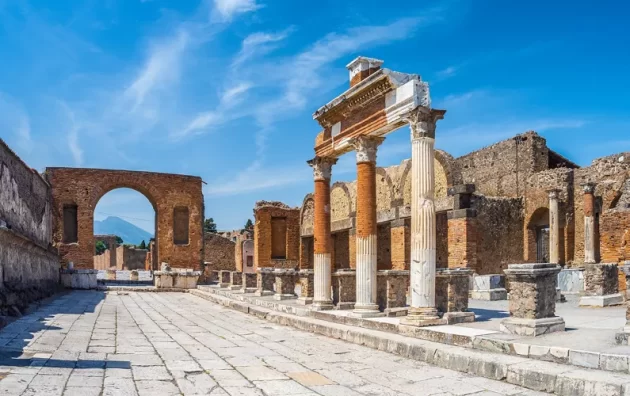
Forum: The city’s heart with temples, basilica, and market—start here for an overview.
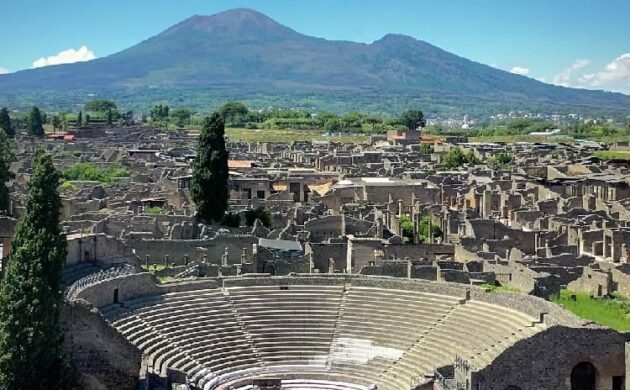
Amphitheater: Rome’s oldest intact arena (70 BC), seating 20,000—climb for panoramic views.
House of the Faun: Lavish villa with intricate mosaics, including the famous Alexander the Great battle scene.
Villa of the Mysteries: Edge-of-site frescoes depicting Dionysian rituals—stunning and less crowded.
Garden of the Fugitives: Poignant plaster casts of victims; a sobering reminder of the eruption.
Brothel (Lupercal): Tiny rooms with erotic frescoes offering a glimpse into Roman vice.
Follow the site’s one-way loop to avoid backtracking. For deeper insights, join a 2-hour guided tour (€15–€20, booked at info desks).
Tips for a Great Visit
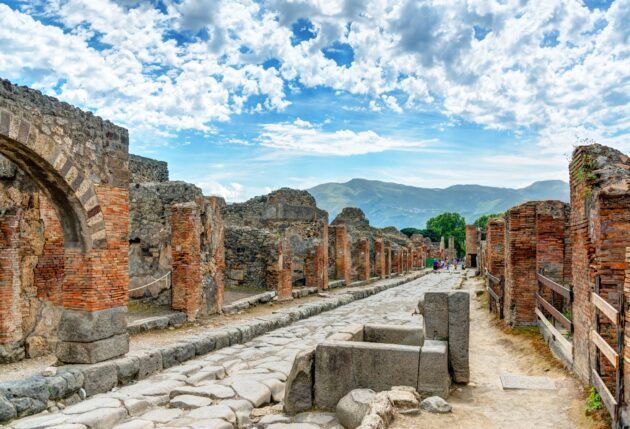
Essentials to Bring: Comfortable walking shoes (cobblestones are uneven), hat/sunscreen, water bottle, and snacks (no large bags over 30x30x15 cm allowed—leave them at the station). Wear layers for variable weather.
Accessibility: Wheelchair-friendly paths cover 80% of the site; request assistance at entrances. Elevators are available for some upper levels.
Crowd Management: Download the MyPompeii app for real-time maps and virtual reconstructions. Respect the site—no touching ruins or drones.
Health & Safety: Stay hydrated; shaded areas are limited. Enhanced COVID protocols may include mask requirements in enclosed spaces.
Sustainability: Use reusable items and stick to paths to protect fragile mosaics.
Where to Stay and Eat
Base in Naples: 30 minutes away, with vibrant vibes and affordable hotels like the Grand Hotel Vesuvio (€150/night). Eat authentic Neapolitan pizza at L’Antica Pizzeria da Michele.
Sorrento Option: Charming cliffside town (30 minutes by train) with lemon groves—stay at Hotel Mignon Metropole (€200/night).
On-Site: Limited; try the site’s café for panini (€5–€10).
For a full day, picnic in the Forum gardens (alcohol prohibited).
Nearby Attractions
Mount Vesuvius: Hike the crater rim (1-hour trail, €10 entry)—book a shuttle from Pompeii.
Herculaneum: Smaller, better-preserved site 15 km away (€13 ticket, train access).
Villa Oplontis: Imperial summer retreat with lush gardens (included in combo ticket).
Combine with a Naples day trip for the full Campanian experience.
Final Thoughts
Pompeii isn’t just ruins—it’s a portal to ancient Rome’s vibrancy and vulnerability. With timed entries ensuring a more serene visit, now’s the perfect time to wander its streets. Plan ahead, pace yourself, and let the ghosts of AD 79 guide your steps. Buona visita!
For the latest updates, check pompeiisites.org.