
A Travel Guide to Vesuvius National Park (2026)
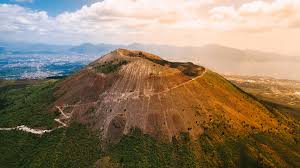
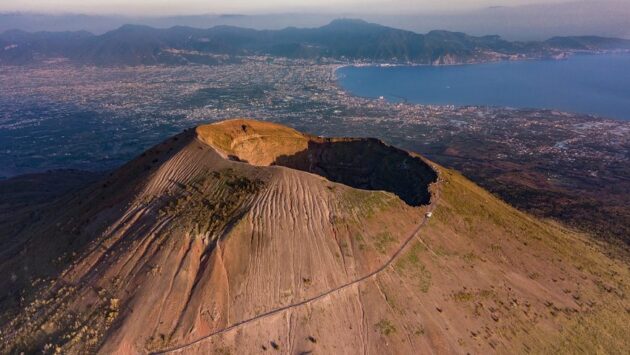
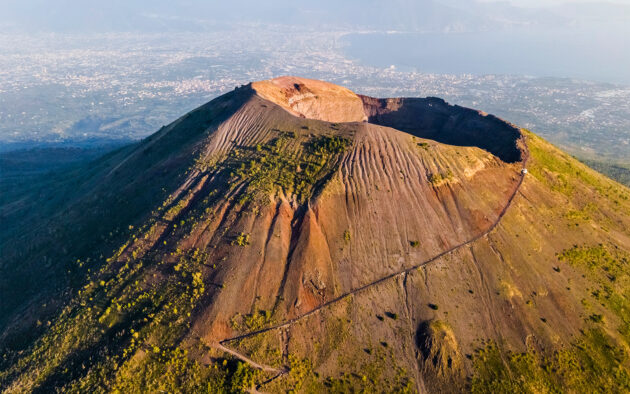
Nestled in the shadow of one of the world’s most infamous volcanoes, Vesuvius National Park in southern Italy offers a thrilling blend of geology, history, and breathtaking scenery. Established in 1995, the park encompasses Mount Vesuvius—the active volcano that famously buried the ancient Roman cities of Pompeii and Herculaneum in 79 AD—and the surrounding Somma-Vesuvius massif. At 1,281 meters (4,203 feet) tall, Vesuvius is a UNESCO World Heritage site and a UNESCO Biosphere Reserve, home to unique flora like the Vesuvius broom and diverse wildlife. Whether you’re a history buff, hiker, or nature lover, a visit here promises panoramic views of the Bay of Naples, insights into volcanic power, and a humbling reminder of nature’s might.
Why Visit Vesuvius National Park?
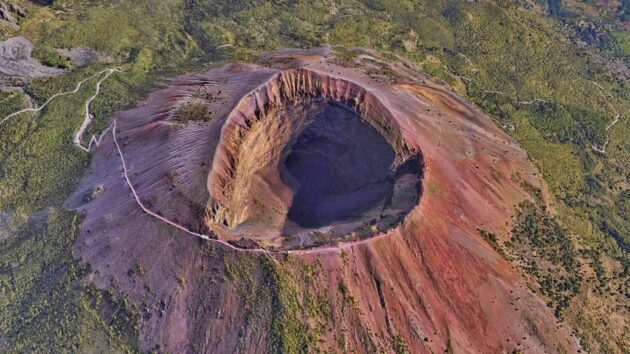
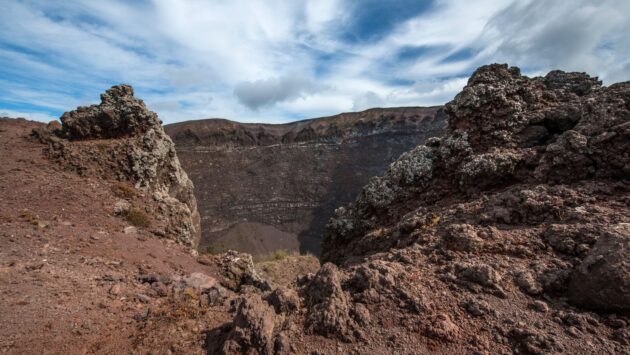
Vesuvius isn’t just a volcano—it’s a living testament to Earth’s dynamic forces. The park’s highlight is the hike to the volcano’s steaming crater, where you can peer into its depths and imagine the catastrophic eruption that preserved Pompeii. Beyond the drama, the area boasts over 600 plant species, ancient trails, and vistas stretching from Capri to Mount Etna on clear days. It’s an easy day trip from Naples or Pompeii, making it perfect for combining with archaeological explorations. Fun fact: Vesuvius is Europe’s only active volcano on the mainland, and its last eruption was in 1944.
How to Get There
Vesuvius National Park is about 20 km (12 miles) southeast of Naples, with the main entrance at Ercolano Scavi. Public transport is straightforward and budget-friendly:
From Naples: Take the Circumvesuviana train from Napoli Centrale (platform below the main station) to Ercolano Scavi station (30–40 minutes, €2.20 one-way). Trains run every 30 minutes. From Ercolano Scavi, catch the EAV bus (BusVia #5 or special Vesuvius shuttle) directly to the park entrance (20–30 minutes, €3.20 round-trip). Buses depart frequently from 8:30 AM; check schedules on the EAV app or website.
From Pompeii: Train from Pompeii Scavi-Villa dei Misteri station on the Circumvesuviana line to Ercolano Scavi (15 minutes, €1.30), then bus as above. Alternatively, direct buses from Pompeii station to Vesuvius run seasonally (check EAV for 2025 timetables).
By Car: Drive via A3/E45 highway from Naples (30–45 minutes). Park at the lot near Ercolano entrance (€5/hour). Note: Roads are winding and narrow—use GPS and arrive early to avoid crowds.
Tours: Guided day trips from Naples or Sorrento (including Pompeii combo) cost €50–€100 and handle transport. Book via GetYourGuide or Viator for skip-the-line perks.
Pro tip: Combine with Pompeii for a full day—many tours do this seamlessly.
Best Time to Visit
Season: Spring (April–June) and fall (September–October) offer mild weather (15–25°C/59–77°F), fewer crowds, and blooming wildflowers. Summer (July–August) is hot (up to 35°C/95°F) and packed; winter is cooler but shorter days limit hiking.
Daily: Arrive by 9 AM to beat heat and quotas. Sunset visits aren’t possible due to closing times.
Note: Expect higher visitor limits in peak season, but book tickets 1–2 weeks ahead via the official site to secure spots.
What to Do
The park spans 8,500 hectares with trails for all levels, but the star attraction is the Gran Cono (Great Cone) hike:
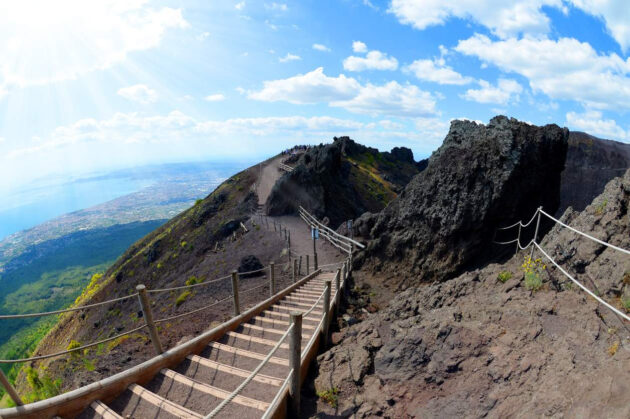
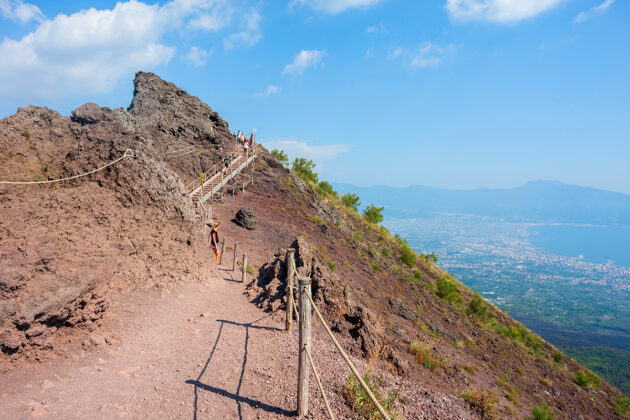
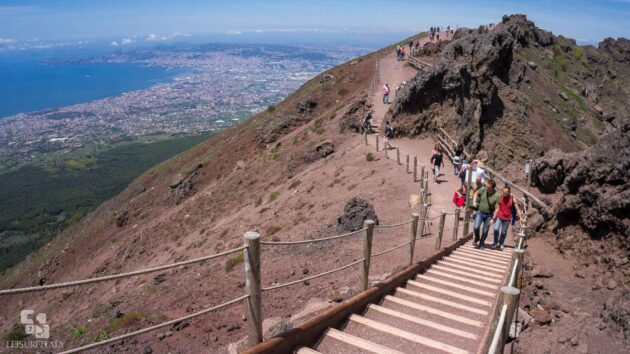
Hike to the Crater (Gran Cono Path): Details: This 4 km (2.5-mile) round-trip trail starts at 1,000 meters elevation and climbs to 1,281 meters. It’s a low-difficulty gravel path with hairpin turns, taking 1.5–2 hours total (30–45 minutes up). Expect volcanic ash, lapilli rocks, and fumaroles steaming from the crater walls—feel the ground’s warmth! Highlights: Jaw-dropping 360° views of Naples, the Gulf, Capri, and Pompeii ruins. Spot birds like rock thrushes and ravens amid broom shrubs and pioneer plants reclaiming the lava. Guided Option: Free audio guides (€2 extra) or park rangers (€5–10 tip-based) explain geology.
Other Trails: Valle dell’Inferno (Hell’s Valley): A 3 km loop through ancient lava flows and forests (easy, 1–2 hours). Observatory Path: Short, family-friendly stroll to the historic Vesuvius Observatory (1 km, 30 minutes).
Wildlife and Geo-Tours: Join eco-walks to see endemic species or geology talks about the 79 AD eruption. Check the park app for schedules.
Wear sturdy shoes—paths are dusty and uneven. Swimming or off-trail wandering is prohibited to protect the ecosystem.
Practical Info: Fees, Hours, and Booking
Opening Hours: Daily from March–October: 9:00 AM–4:00 PM; November–February: 9:00 AM–3:00 PM. Last entry 90 minutes before close; trails close at dusk.
Ticket Prices: Adults €10; Reduced €8 (under 25, students, seniors, locals); Free for under 8 and disabled visitors. Includes trail access; no refunds for late arrivals.
Visitor Limits: 2,160/day in low season (Jan–Feb, Nov–Dec); up to 4,000 in high season. Entry staggered in groups of 50 every 10 minutes.
Booking: Mandatory online via vesuviusnationalpark.it or the park app. Select time slot; print or show QR code. On-site sales limited.
Pay by card or cash at the ticket office. Restrooms and a small café are at the base.
Where to Stay and Eat
Naples (20–30 min away): Vibrant city with hotels like the Grand Hotel Vesuvio (€150/night) or budget Airbnbs. Dine on pizza at Da Michele.
Pompeii/Herculaneum: Quieter, with B&Bs like Hotel Forum (€100/night). Try local Lacryma Christi wine at vineyard restaurants.
Park Vicinity: Ercolano has agriturismos amid vineyards for an immersive stay.
Pack water and snacks—options are limited on-site. Nearby Torre del Greco offers fresh seafood and Vesuvian specialties like pasta alla genovese.
Tips for a Memorable Trip
What to Bring: Sunscreen, hat, layers (cooler at summit), binoculars for views, and a camera (drones banned).
Accessibility: The main path is stroller/wheelchair-friendly up to the crater rim, but check for mobility aids.
Safety: Vesuvius is monitored 24/7—no eruptions expected soon, but follow signs. Download the park map offline.
Sustainability: Stick to trails to avoid erosion; no littering in this fragile biosphere.
Combo Itinerary: Morning at Pompeii, afternoon hike Vesuvius, evening in Naples—pure magic.
Vesuvius National Park isn’t just a hike; it’s a journey through time and terrain that leaves you in awe of Italy’s fiery heart. Whether gazing into the crater or toasting with local wine, this volcanic wonder will erupt with unforgettable moments. Buona viaggio!