
A Travel Guide to Montepulciano (2026)
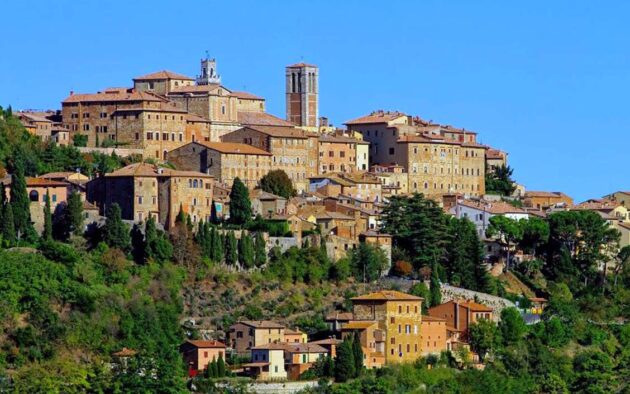
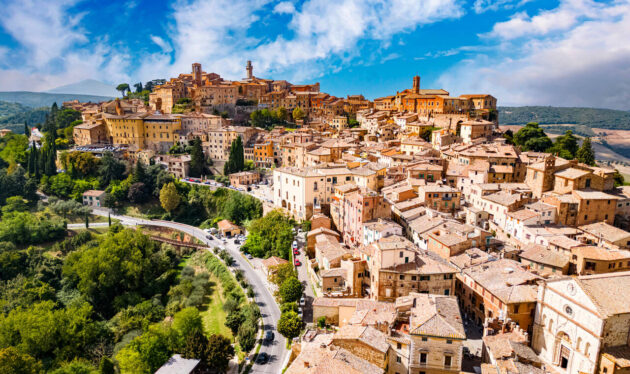
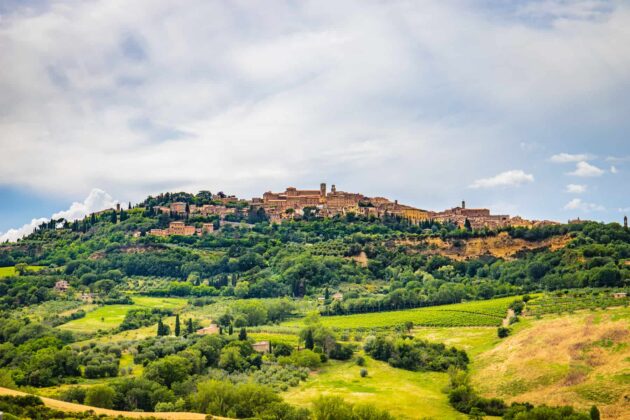
Nestled in the rolling hills of Tuscany, Montepulciano is a quintessential Renaissance hilltop town that captivates visitors with its medieval charm, world-renowned Vino Nobile di Montepulciano wine, and breathtaking panoramic views. Perched at over 600 meters above sea level, this gem offers a perfect blend of history, culture, and gastronomy—ideal for a day trip or a leisurely multi-day escape. Whether you’re a wine enthusiast, history buff, or simply seeking authentic Italian serenity, Montepulciano delivers an unforgettable Tuscan experience.
Why Visit Montepulciano?
Montepulciano stands out for its preserved Renaissance architecture, artisan workshops, and the iconic red wine that has been produced here since the 14th century. Beyond the vino, the town’s narrow cobblestone streets, lined with palazzi and hidden enotecas, evoke scenes from a bygone era. It’s also a gateway to exploring nearby Tuscan hill towns like Pienza and Montalcino.
How to Get There
Montepulciano is about 1.5 hours southeast of Florence and 45 minutes from Siena, making it easily accessible for a Tuscany itinerary.
By Car: Rent a vehicle in Florence or Siena for flexibility—the scenic SS146 route winds through vineyards. Parking is available at Piazza Don Minzoni (P1 lot) outside the historic walls; from there, it’s a short uphill walk or funicular ride to the center (€1.30 one-way).
By Bus: Tiemme buses run frequently from Florence (Santa Maria Novella station, ~1.5 hours, €7–10) or Siena (~45 minutes, €5). No direct train service; the nearest station is Chiusi-Chianciano Terme (10km away), followed by a bus or taxi.
By Train + Bus: From Rome, take a high-speed train to Chiusi (1.5 hours), then a local bus.
Flying In: Land at Florence Airport (FLR) or Pisa (PSA); transfers take 1.5–2 hours.
Pro Tip: Book buses in advance via the Tiemme app, especially during peak seasons.
Best Time to Visit
Spring (April–June): Blooming wildflowers and mild weather (15–25°C/59–77°F) make it ideal for hiking and outdoor tastings. The Bravio delle Botti race in August kicks off preparations.
Fall (September–October): Harvest season brings vibrant colors and wine festivals like the Vino Nobile presentation in early September—perfect for oenophiles.
Summer (July–August): High season with events but hot (up to 35°C/95°F) and crowded; visit early mornings.
Winter (November–March): Quieter and cheaper, with cozy indoor wine bars. Avoid if you dislike chill (5–10°C/41–50°F).
Look for new spring eco-tours focusing on sustainable viticulture.
Top Things to Do
Montepulciano is compact—most sights are walkable in a day, but stay longer to savor the pace.
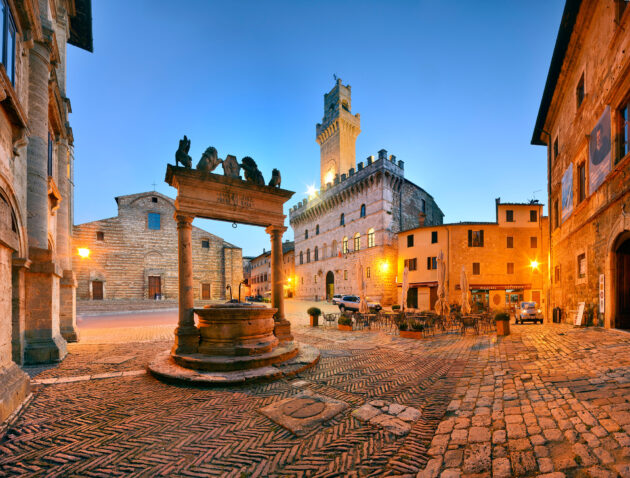
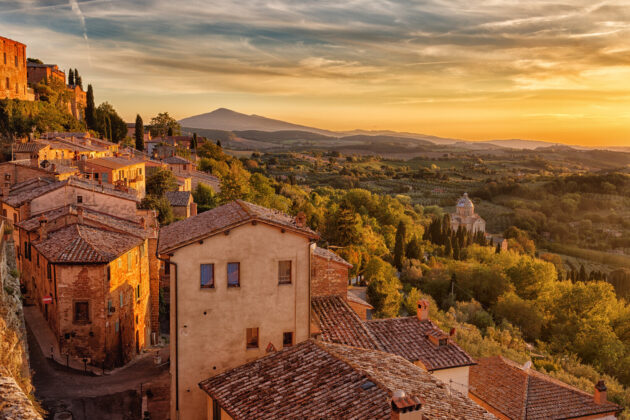
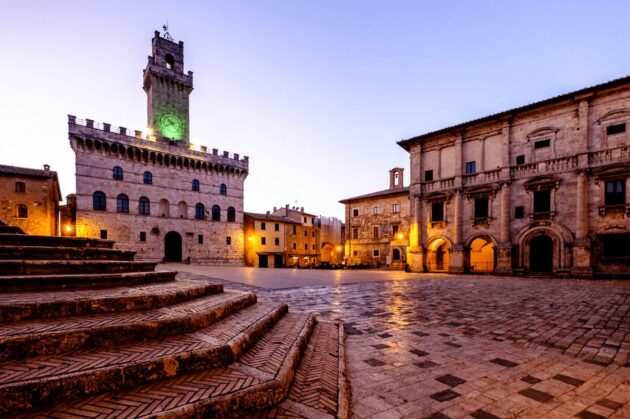
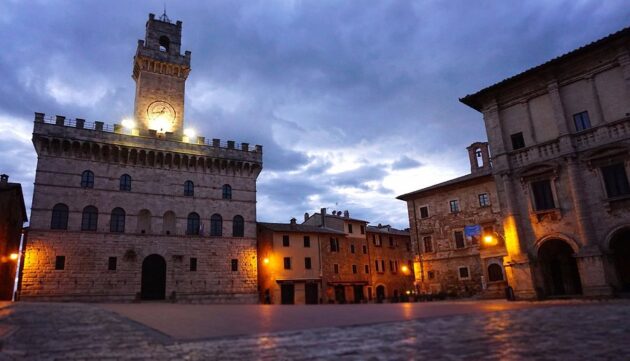
Stroll Piazza Grande: The heart of town, this medieval square hosts the Duomo (Cathedral of Santa Maria Assunta) with its unfinished facade and treasures like the Altar of the Lilies. Catch sunset views over the Val d’Orcia UNESCO landscape.
Climb the Palazzo Comunale Clock Tower: Ascend for 360° vistas of Tuscany’s hills (€5 entry). The Gothic-Renaissance palace below houses the town hall and a small museum.
Explore the Fortress (Fortezza di Montepulciano): Overlooking the town, this 14th-century Medici fortress offers free entry and panoramic photo ops. It’s a short hike from the center.
Wine Tasting Tours: Dive into Vino Nobile cellars like Cantina de’ Ricci (underground tunnels) or Contucci (family-run since 1700). Book a guided tour (€20–50) including tastings and pairings. In 2025, try electric bike tours through vineyards for a modern twist.
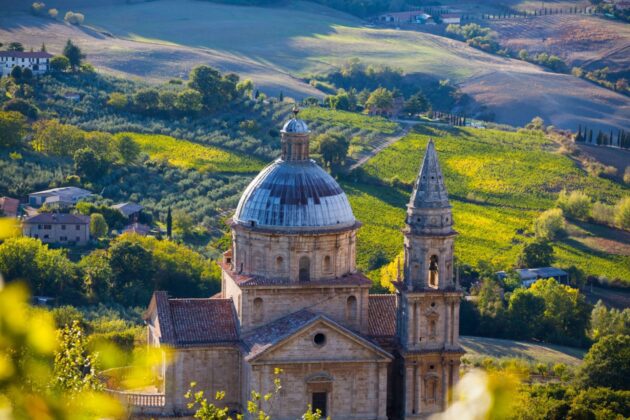
Visit San Biagio Church: Just outside town, this Brunelleschi-inspired Renaissance gem is a 20-minute walk downhill—stunning architecture amid olive groves.
Shop and Wander: Browse artisan shops for pecorino cheese, honey, and ceramics along Via di Gracciano nel Corso.
Bonus: Hike the Acqua Nera trail for wildflowers and ruins (2–3 hours).
Where to Eat and Drink
Tuscan cuisine shines here—focus on local ingredients like pici pasta, ribollita soup, and Chianina beef.
La Grotta: Cozy spot for truffle pasta and wine flights (€30–50/person).
Osteria dell’Acquacheta: Famous for bistecca alla fiorentina (Florentine steak) and hearty reds (€40–60).
Enotecas: Sip Vino Nobile at Caffè Poliziano (est. 1868) or Le Logge for aperitivi with Val d’Orcia views.
Vegetarian options abound, and many spots offer gluten-free adaptations. Reserve ahead in summer.
Where to Stay
With options from luxe to rustic, base yourself here for 2–3 nights.
Luxury: Palazzo Nobile Relais: Elegant rooms in a historic palazzo with spa (€200–400/night).
Boutique: La Bandita Townhouse: Chic, modern vibe in a restored convent (€250–350).
Agriturismo: Cretaiole: Farmstay with cooking classes and infinity pool amid vineyards (€150–250, includes breakfast).
Budget: Il Borghetto di Staggia: Charming B&B apartments (€100–150).
Book via Booking.com or directly for deals.
Practical Tips
Getting Around: Cars are banned in the center—wear comfy shoes for the steep streets. Rent e-bikes (€20/day) for outskirts.
Costs: Day trip €50–100 (transport + food + entry); overnight €150+.
Accessibility: Hilly terrain; funicular helps, but not fully wheelchair-friendly.
Sustainability: Use reusable bottles—town fountains provide fresh water. Support local wineries over imports.
Events: Bravio delle Botti (Aug 24) barrel race; Wine Festival (first weekend Sept).
Montepulciano isn’t just a stop—it’s a sip of la dolce vita. Slow down, raise a glass of Vino Nobile, and let Tuscany’s magic unfold. Buon viaggio!