
A Travel Guide to Duomo di Milano (2026)
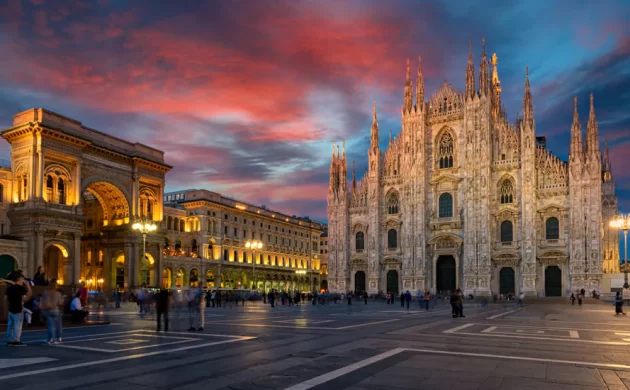
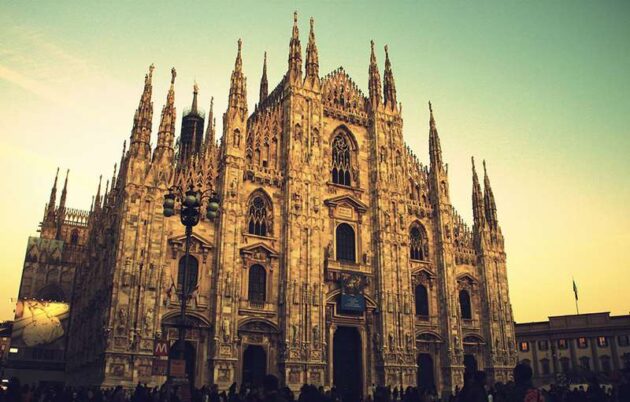
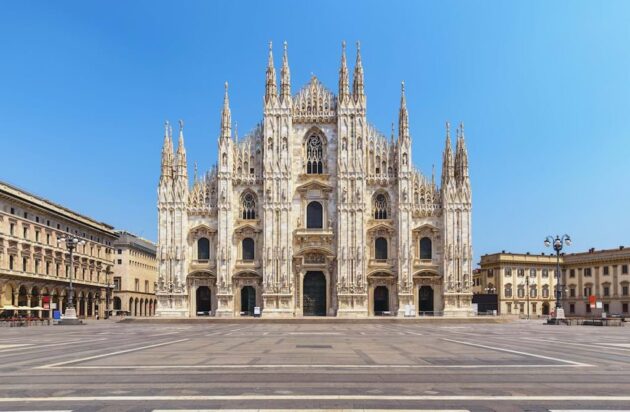
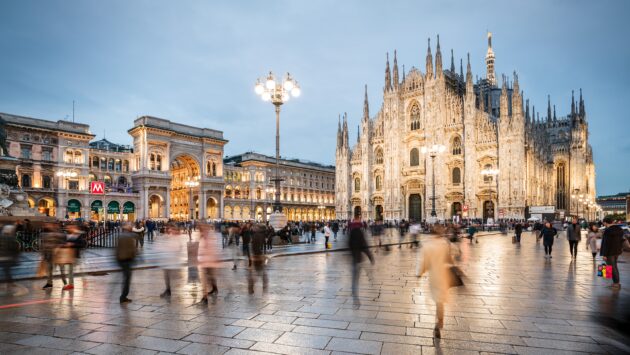
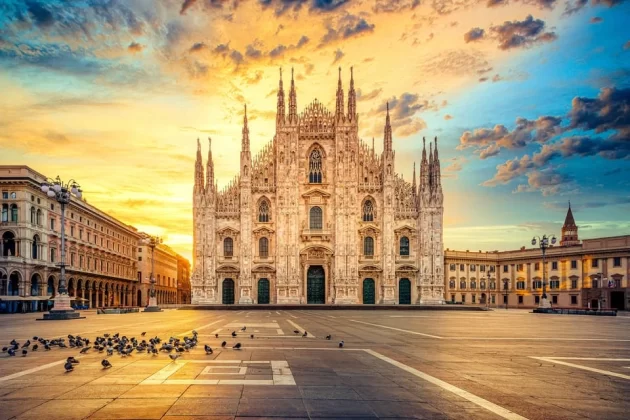
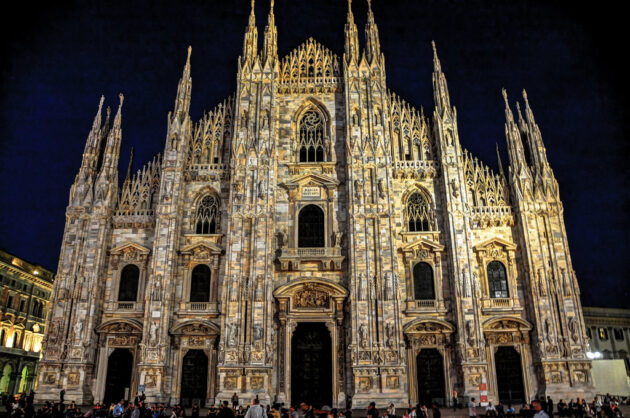
Nestled in the heart of Milan’s bustling Piazza del Duomo, the Duomo di Milano—officially Cattedrale Metropolitana della Santa Theotokos—is a breathtaking Gothic masterpiece and one of Europe’s most iconic landmarks. This sprawling cathedral, dedicated to the Nativity of St. Mary, captivates visitors with its intricate marble facade, soaring spires, and panoramic rooftop views. Whether you’re an architecture enthusiast, history buff, or simply seeking Instagram-worthy vistas, the Duomo offers an unforgettable blend of spirituality, artistry, and urban energy.
A Brief History
Construction on the Duomo began in 1386 under Archbishop Antonio da Saluzzo, inspired by the desire to create a grand symbol of faith and Milanese power. Spanning nearly six centuries, the project involved over 3,400 statues, 135 gargoyles, and countless architects, including luminaries like Leonardo da Vinci, who contributed designs for the rooftop tribune. The cathedral wasn’t fully completed until 1965, making it a living testament to evolving Gothic and Renaissance influences. Today, it stands as a UNESCO-recognized treasure, embodying Milan’s transition from medieval powerhouse to modern fashion capital.
How to Get There
The Duomo’s prime location in central Milan makes it a breeze to reach:
By Metro: Hop off at Duomo station (Lines M1 or M3)—it’s literally steps from the entrance.
By Tram or Bus: Lines 2, 3, 12, or 14 drop you nearby; the historic Tram 1 loops through the city center.
On Foot: If you’re exploring Milan’s core, it’s a 10-minute walk from the Castello Sforzesco or 20 minutes from Leonardo da Vinci’s The Last Supper at Santa Maria delle Grazie.
From Milan Airports: Malpensa (MXP) is 50 km away (45-minute train via Malpensa Express to Centrale, then metro); Linate (LIN) is just 10 km (quick bus or taxi).
Pro tip: Use the Milan City Pass for unlimited public transport if you’re sightseeing multiple days.
Best Time to Visit
Seasonally: Spring (April–June) and fall (September–October) offer mild weather (15–25°C/59–77°F) and fewer crowds than peak summer. Winter brings festive markets and a magical Christmas glow, but pack layers for chilly evenings.
Daily: Arrive early (before 9 AM) to beat the lines, or opt for sunset visits for golden-hour photos from the terraces. Avoid Sundays 9:30 AM–12:30 PM when the cathedral closes for Mass.
2025 Events: Look out for the annual lowering of the “Holy Nail” (a relic from Christ’s cross) on Holy Saturday (March 29, 2025), a tradition using da Vinci’s pulley system—book tickets well in advance.
Tickets and Booking
Entry to the Duomo complex requires advance booking to skip queues—purchase online via the official site (duomomilano.it) or apps like GetYourGuide.
| Ticket Type | Price (€) | Includes |
|---|---|---|
| Cathedral + Terraces (Lift) + Museum | 26 | Core highlights with elevator access to roof |
| Full Pass (Cathedral + Terraces + Museum + Archaeological Area + Crypt) | 32 | Everything for a comprehensive visit |
| Terraces Only (Lift/Stairs) | 18 / 16 | Rooftop views without interior |
| Cathedral + Museum | 10 | Budget option for ground level |
Guided Tours: Add €10–20 for expert-led options (1.5–2 hours), covering hidden gems like the crypt. Combo tours with The Last Supper or Galleria Vittorio Emanuele II start at €50.
Free/Reduced: Cathedral basic entry is included in Milan passes; EU citizens under 25 enter free with ID. Families and seniors get discounts.
Accessibility: Wheelchair-friendly ramps and elevators available; audio guides in multiple languages for €6.
Book at least 1–2 weeks ahead for peak times—last entry is 6:10 PM daily.
What to Do and See
Dedicate 2–4 hours to fully explore. Start inside and work your way up.
The Cathedral Interior: Marvel at the five naves lined with 52 pillars, each carved like a massive tree trunk. Don’t miss the gilded altars, Renaissance frescoes, and the eerie Pietà Rondanini by Michelangelo (housed nearby in the castle). Key Highlight: The Crucifixion Nail in the apse, a 1st-century relic dramatically lowered during Easter via da Vinci’s mechanism.
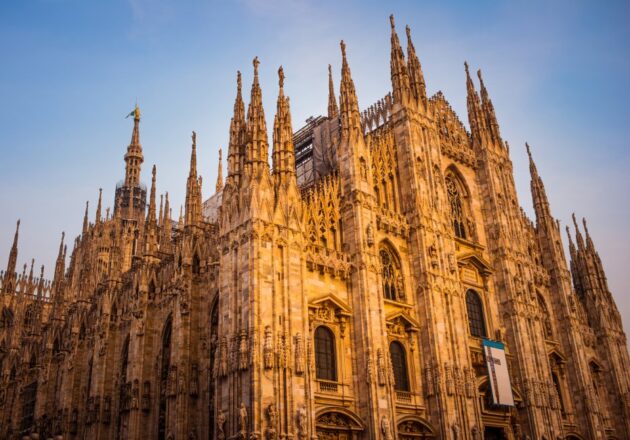
Rooftop Terraces: Ascend via elevator or stairs to wander among 135 spires adorned with 3,400 statues—spot Madonnina, the gilded Virgin Mary atop it all. On clear days, glimpse the Alps 100 km away. Best for: 360° views of Milan’s skyline, including the modern Unicredit Tower.
Duomo Museum and Archaeological Area: Dive into 600 years of artifacts, from original stained-glass designs to candelabras. The underground area reveals Roman ruins and early Christian baptisteries (€15 combo).
Crypt of St. Charles Borromeo: The saint’s preserved body lies in a crystal casket— a poignant, if macabre, sight (included in full pass).
Photos are allowed everywhere except the crypt—leave flash off to preserve the ambiance.
Practical Tips
Dress Code: Knees and shoulders covered (even for men); bring a scarf if needed—enforcement is strict.
What to Bring: Comfortable shoes for stairs, water (fountains available), and sunscreen for terraces. No large bags; lockers cost €2.
Crowd Hack: Visit mid-week or during lunch hours (1–3 PM) for quieter moments.
Sustainability: Opt for digital tickets to reduce paper waste; the Duomo promotes eco-friendly tours.
Health/Safety: Masks may be required in enclosed areas; download the official app for real-time wait times.
If mobility is an issue, prioritize the lift-access terrace—it’s worth every euro.
Nearby Attractions
The Duomo anchors Milan’s “Golden Triangle”:
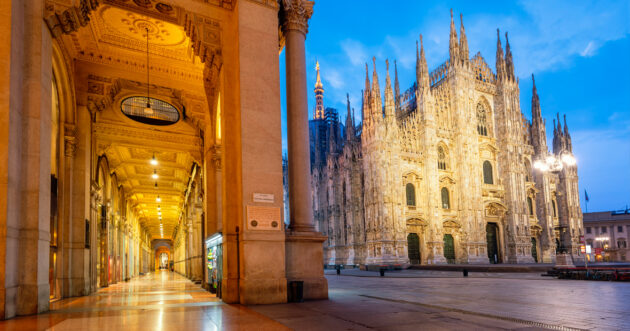
Galleria Vittorio Emanuele II (2-minute walk): Shop luxury boutiques under a stunning glass dome; spin your heel on the bull mosaic for luck.
La Scala Opera House (5-minute walk): Catch a performance or tour the museum.
Piazza della Scala and Fashion District: Stroll Via Montenapoleone for high-end window-shopping.
Sforza Castle (15-minute walk): Explore museums and Michelangelo’s final Pietà.
For a full day, pair with The Last Supper (book months ahead).
Final Thoughts
The Duomo di Milano isn’t just a cathedral—it’s a portal to 600 years of human ingenuity, faith, and Milanese flair. With refreshed tours and digital enhancements, it’s easier than ever to lose yourself in its spires. Whether gazing at Alpine horizons or tracing da Vinci’s shadows, this Gothic icon will leave you inspired. Buon viaggio—happy exploring!