
A Travel Guide to the Leonardo da Vinci National Museum of Science and Technology (2026)
Nestled in the heart of Milan’s vibrant Navigli district, the Leonardo da Vinci National Museum of Science and Technology (Museo Nazionale della Scienza e della Tecnologia Leonardo da Vinci) is a treasure trove for anyone fascinated by innovation, history, and the genius of Renaissance polymath Leonardo da Vinci. Opened in 1953 to celebrate the 500th anniversary of da Vinci’s birth, this sprawling 200,000-square-meter complex houses over 18,000 artifacts, interactive exhibits, and full-scale models that bring science and engineering to life. It’s not just a museum—it’s an immersive journey through human ingenuity, from da Vinci’s visionary machines to modern space exploration. Whether you’re a tech enthusiast, history buff, or traveling with kids, this museum offers endless wonder. Plan for at least 3–4 hours to explore its seven main galleries.
Why Visit?
Milan’s Leonardo da Vinci Museum stands out as Europe’s largest science and technology museum, blending Italy’s artistic heritage with cutting-edge STEM. Highlights include da Vinci’s reconstructed inventions, historic locomotives, a WWII submarine you can board, and even a moon rock from Apollo 17. It’s family-friendly with hands-on exhibits, and its location near the picturesque Navigli canals makes it easy to pair with a canal-side aperitivo.
How to Get There
The museum is conveniently located at Via San Vittore 21, in the San Vittore neighborhood, about 2 km southwest of Milan’s Duomo.
By Public Transport: Take Metro Line M2 to Sant’Agostino (5-minute walk) or Line M1 to Conciliazione (10-minute walk). From Milano Centrale station, it’s a 15-minute metro ride.
By Train: If arriving from elsewhere in Italy, head to Milano Centrale, then hop on the metro.
By Car/Taxi: Parking is available on-site (€2/hour), but Milan’s ZTL (limited traffic zone) can be tricky—use apps like EasyPark. Taxis or rideshares from the airport take 30–45 minutes (€40–60).
On Foot/Bike: From the historic center, it’s a 25-minute walk along the Navigli; rent a BikeMi city bike for €0.25/unlock + €0.10/minute.
Pro tip: Download the museum’s app for AR-guided tours that overlay da Vinci’s sketches on real exhibits.
Best Time to Visit
Hours: Open Tuesday–Friday 9:30 AM–5:00 PM; Saturday–Sunday and holidays 9:30 AM–6:30 PM. Closed Mondays and December 25/January 1. Last entry is 1 hour before closing; booking recommended to skip lines.
Optimal Seasons: Spring (April–June) or fall (September–October) for milder weather and fewer crowds. Summers can be hot and busy, while winters offer cozy indoor vibes with festive light displays.
Peak Times: Weekends and school holidays get crowded—aim for weekday mornings. Allow extra time for special events like the “Da Vinci and Sustainability” exhibit (running through March).
Tickets and Booking
Entry is affordable and straightforward—book online via the official website to guarantee your slot and avoid €2 on-site fees.
Standard Adult Ticket: €10 (full price).
Concessions: €7.50 for ages 3–26, seniors over 65, and disabled visitors (ID required). Free for under 3s and Milan residents on the first Sunday of the month.
Family Options: €25 for 2 adults + 2 children; group rates available for 10+.
Special Access: Combo tickets (€15) include the submarine tour; audio guides €5 extra.
What to Do: Top Highlights
With 16 permanent galleries, prioritize based on your interests. Here’s a curated list of must-sees, drawn from the museum’s iconic collections:
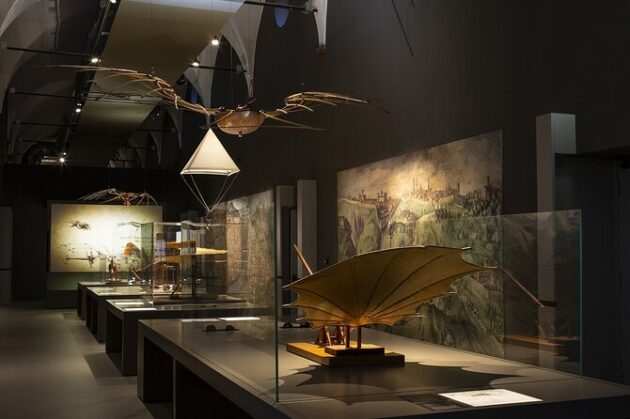
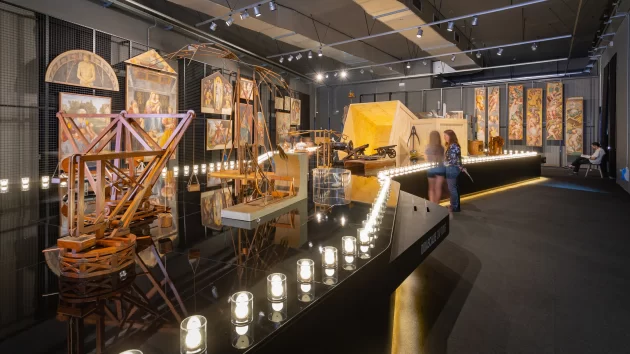
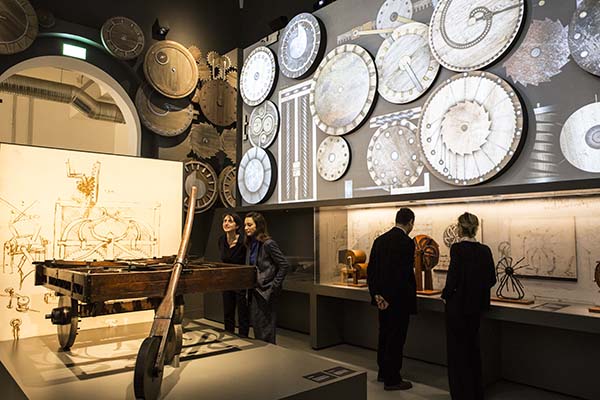
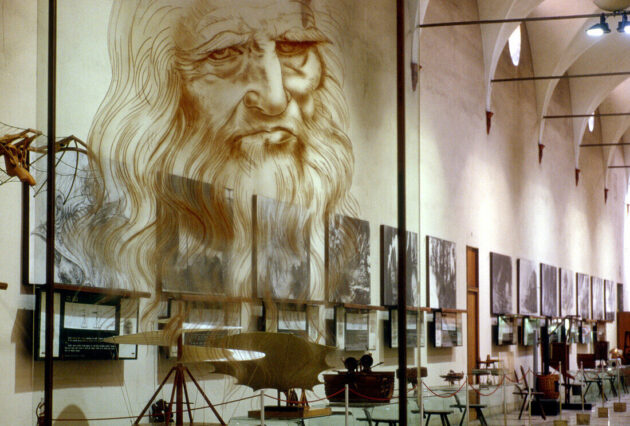
Leonardo da Vinci Models Gallery: Over 130 full-scale wooden replicas of da Vinci’s inventions, like the aerial screw (early helicopter) and self-propelled cart. Built in the 1950s, these interactive models let you crank gears and ponder his futuristic genius.
Submarine S-506 Enrico Toti: Board Italy’s first post-WWII submarine for a claustrophobic glimpse into naval history—torpedo tubes, periscopes, and sailor bunks included.
Railway Pavilion: Marvel at the Gr 552 036 locomotive from 1900, which powered Italy’s “Indian Mail” route, plus vintage cars and high-speed train simulators.
Aviation Hall: Climb aboard the Macchi MC 205 V fighter plane from 1943 and see Forlanini’s 1877 steam-powered helicopter, the world’s first tethered flight machine.
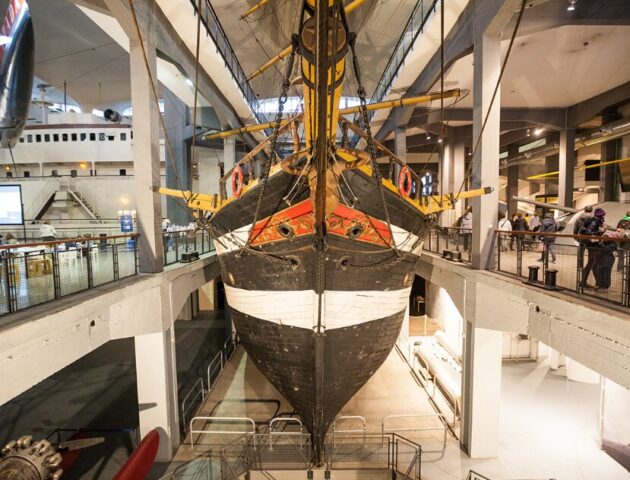
Ocean Liner Conte Biancamano: Step into preserved cabins and the grand ballroom of this 1925 transatlantic liner, once a WWII troop ship.
Moon Rock and Space Gallery: Touch a 3.7-billion-year-old lunar sample from Apollo 17, donated by Nixon, alongside CERN’s UA1 detector that discovered the W/Z particles (earning a Nobel in 1983).
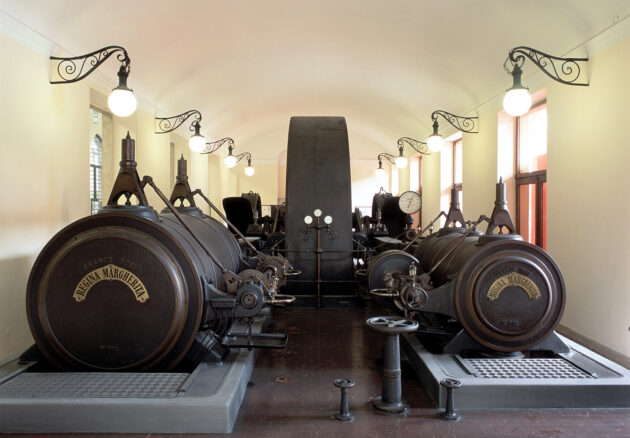
Energy and Materials Section: Witness the birth of Italian electricity with Edison’s 1880s dynamo and Giulio Natta’s polypropylene model from his 1963 Nobel-winning lab.
PlayLab (for Kids): A dedicated interactive zone with physics experiments, coding workshops, and da Vinci-inspired puzzles—ideal for ages 3–12.
Don’t miss the Toti submarine tour (extra €5, guided in English) or the rooftop observatory for stargazing on clear evenings.
Practical Tips
Duration and Pace: It’s massive—wear comfy shoes and grab a map at entry. The museum is wheelchair-accessible with free loans for strollers.
What to Bring: Water bottle (refills available), snacks (cafeteria on-site for panini €5–8), and earbuds for the audio guide. Photography is allowed, but no flash in sensitive areas.
Nearby Attractions: After your visit, stroll the Navigli canals (10-minute walk) for aperitivo, or head to Santa Maria delle Grazie (20-minute metro) for da Vinci’s The Last Supper (book tickets months ahead).
COVID/Accessibility Notes: Masks optional; capacity limits may apply. Free entry for EU disabled visitors + carer.
Sustainability Tip: The museum promotes eco-innovation—opt for public transport to align with its green ethos.
Where to Stay and Eat
Stay in Navigli for vibe: Budget options like Ostello Bello Grande (€30/night) or mid-range Hotel Nhow (€150/night). For eats, try Al Pont de Ferr near the museum for risotto (€15) or gelato at Grom.
The Leonardo da Vinci Museum isn’t just a stop in Milan—it’s a portal to the mind that dreamed the future. Dive in, tinker, and leave inspired. Buon viaggio!