
A Travel Guide to Teatro alla Scala (2026)
Nestled in the heart of Milan’s historic center, Teatro alla Scala—affectionately known as La Scala—is one of the world’s most prestigious opera houses. This iconic venue isn’t just a stage for world-class performances; it’s a living testament to Italy’s rich cultural heritage, blending architectural grandeur with centuries of musical innovation. Whether you’re an opera aficionado or a casual traveler, a visit to La Scala offers an unforgettable immersion into elegance, history, and artistry.
Why Visit Teatro alla Scala?
La Scala has been the epicenter of opera since its inauguration, hosting premieres by legends like Giuseppe Verdi, Giacomo Puccini, and Gioachino Rossini. Beyond performances, the adjacent Museo Teatrale alla Scala houses a treasure trove of costumes, instruments, and set models, providing a backstage pass to operatic history. In a city famed for fashion and design, La Scala embodies Milan’s sophisticated soul—perfect for culture seekers looking to pair high art with high style.
A Brief History
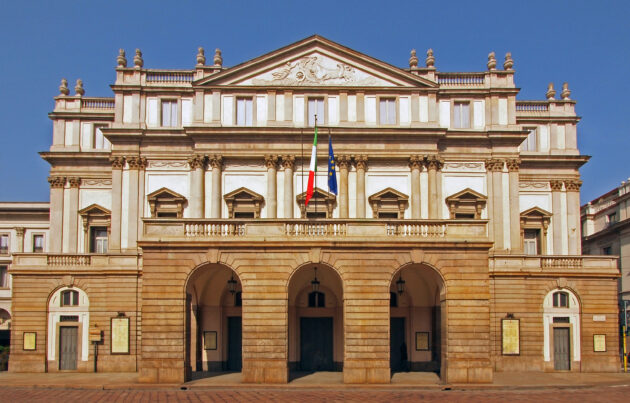
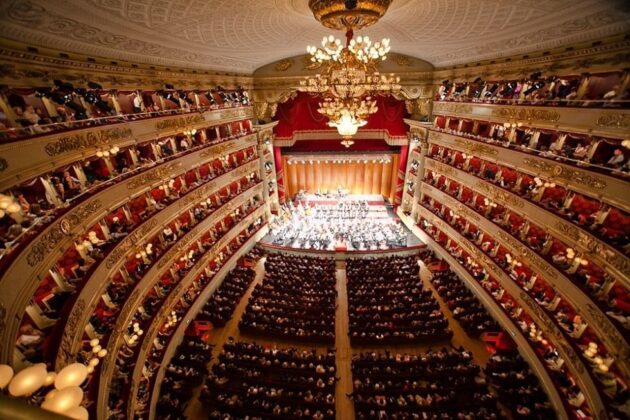
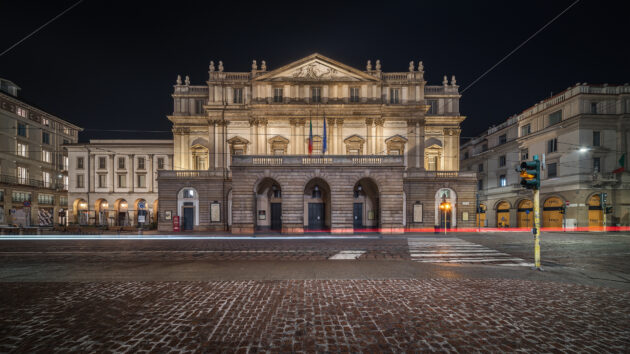
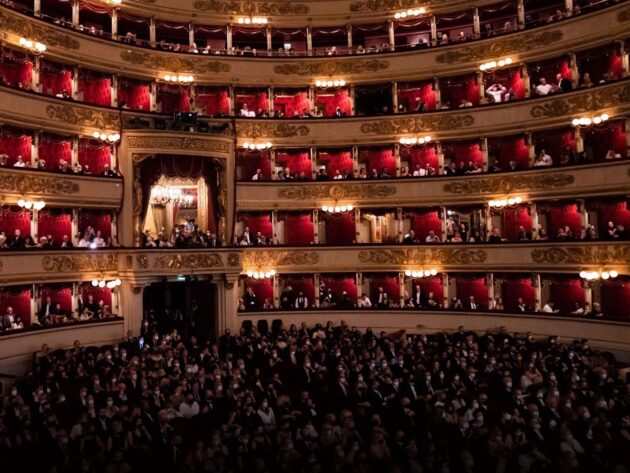
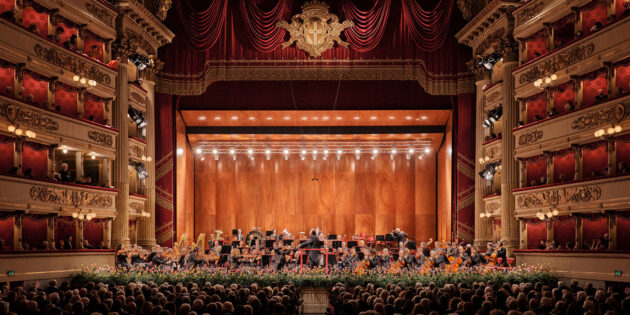
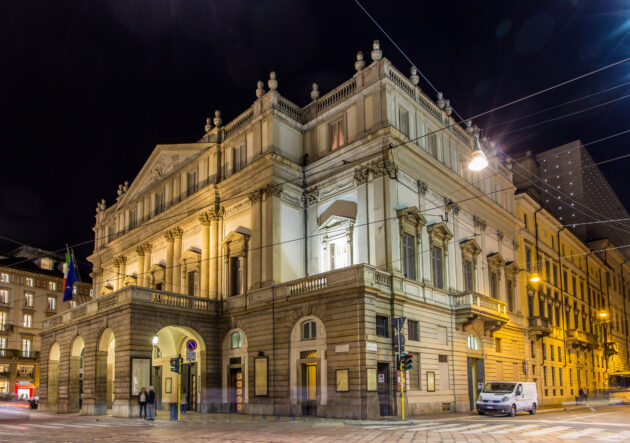
Opened on August 3, 1778, Teatro alla Scala was commissioned by Empress Maria Theresa of Austria and designed by architect Giuseppe Piermarini. Its neoclassical facade and horseshoe-shaped auditorium, seating over 2,000, revolutionized theater design with superior acoustics and sightlines. The name “alla Scala” derives from the nearby Church of Santa Maria alla Scala. Over the centuries, it survived fires (including a devastating one in 1943 during WWII) and renovations, reopening in 2004 after a major overhaul that preserved its 18th-century charm while adding modern tech. Today, it’s a UNESCO-recognized site and a symbol of Italian excellence.
How to Get There
La Scala is conveniently located at Piazza della Scala, 2, 20121 Milan—right in the city center, opposite the Palazzo Marino (Milan’s city hall).
By Public Transport: Take Metro Line 1 (red line) to Duomo station (5-minute walk) or Line 3 (yellow line) to Montenapoleone (7-minute walk). Trams 1 or 2 also stop nearby.
By Foot: It’s a 10-minute stroll from the Duomo di Milano or Galleria Vittorio Emanuele II.
By Car/Taxi: Parking is limited; use the nearby Duomo parking garage. Taxis from Milan Centrale station take about 10 minutes (€10–15).
Accessibility: The theater offers wheelchair access via ramps and elevators; contact ahead for assisted entry.
Pro Tip: Milan’s traffic can be chaotic—opt for walking or public transport to arrive stress-free.
Best Time to Visit
Year-Round for Tours and Museum: The museum and guided tours operate daily, but book ahead as slots fill quickly.
For Performances: The season runs from December to July, with a summer break. In November, catch late-autumn concerts or ballets; the full lineup includes operas like Lady Macbeth of the Mtsensk District, Tchaikovsky’s The Sleeping Beauty ballet, and concerts featuring conductors like Daniel Barenboim and Myung-Wung Chung. Avoid August, when the theater closes for maintenance.
Optimal Conditions: Evenings for shows (typically 8 PM starts); daytime for tours to beat crowds. Winter (December–February) offers festive holiday productions, while spring brings milder weather for exploring nearby.
What to Do
Explore the Museo Teatrale alla Scala: This on-site museum showcases over 200 years of theatrical artifacts, from Verdi’s scores to Callas’s gowns. Hours: Daily 9:30 AM–5:30 PM (last entry 5 PM); closed December 25 and January 1. Duration: 1–2 hours.
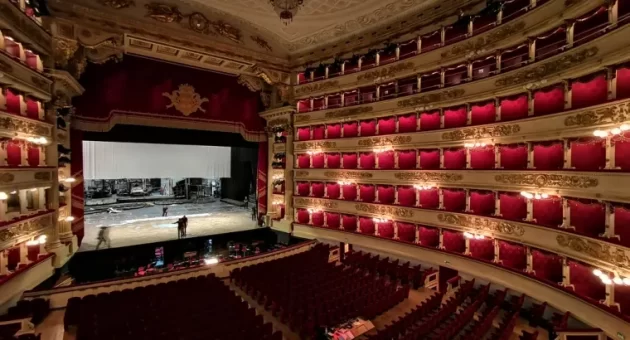
Guided Tours of the Theater: Join a 60-minute English-language tour starting from the Arturo Toscanini Foyer, visiting the auditorium, Royal Box, and stage (when available). Schedule: Daily 9:30 AM–5 PM; tours run every 30–60 minutes. Not suitable for children under 12 or those with mobility issues due to stairs. Highlights: Peek into the opulent interiors and learn insider stories from expert guides.
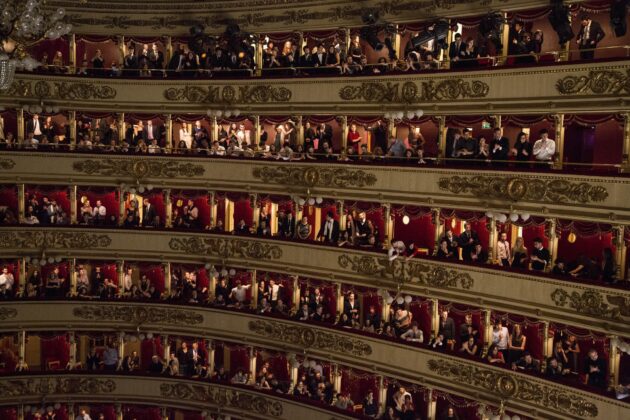
Attend a Performance: Experience an opera, ballet, or concert in the gilded auditorium—acoustics are legendary. Shows last 2–4 hours; intermissions allow mingling in lavish foyers.
Special Experiences: Private tours or combo packages with Milan’s Last Supper viewing (book via Viator or GetYourGuide for ~€47).
Tickets and Booking
Museum Entry: €15 for an open ticket valid until December 31—buy online or on-site.
Guided Tour: €30 per person (includes museum access); book monthly in advance via the official Vivaticket site (museoscala.vivaticket.it). Walk-ins available but limited.
Performance Tickets: Prices vary (€30–€500+ depending on seat and show); purchase only through official channels like teatroallascala.org to avoid scalpers. Last-minute tickets may be available at the box office, but expect queues.
Pro Tip: Book 2–3 months ahead for popular shows. Use apps like GetYourGuide for skip-the-line options.
Dress Code: Smart casual to elegant—no jeans, shorts, or sneakers for evening performances. It’s a chance to channel Milanese chic!
Practical Tips
What to Bring: Comfortable shoes for tours, a light jacket (interiors can be cool), and your ticket (digital or printed). Photography is allowed in the museum but prohibited in the auditorium during tours (no tripods or flashes).
Language: Tours in English, Italian, French, and Spanish; audio guides available.
COVID/Health: Masks may be required; check the site for updates.
Duration of Visit: 2–3 hours for museum + tour; add 3+ hours for a show.
Budget: €15–50 for daytime visits; €100+ for performances (plus dinner nearby).
Nearby Attractions
La Scala’s central location makes it easy to combine with Milan’s highlights:
Duomo di Milano (5-min walk): Climb the Gothic cathedral’s rooftops for panoramic views.
Galleria Vittorio Emanuele II (3-min walk): Shop luxury brands under a stunning glass dome.
Pinacoteca di Brera (10-min walk): Admire Renaissance masterpieces.
Navigli Canals (20-min metro): Evening aperitivo by the water.
For a full day, start with a Last Supper tour (book months ahead) and end at La Scala.
Final Thoughts
Teatro alla Scala isn’t just a theater—it’s a portal to the passion and precision that define Italian opera. Whether you’re applauding a tenor from the stalls or wandering the museum’s hallowed halls, the magic of La Scala will linger long after the curtain falls. In the vibrant pulse of Milan, this is where history sings. Buona visita—happy travels!