
A Travel Guide to Mount Pilatus (2026)
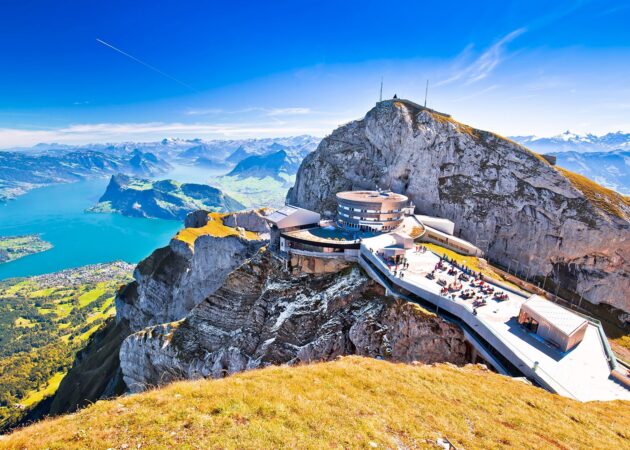
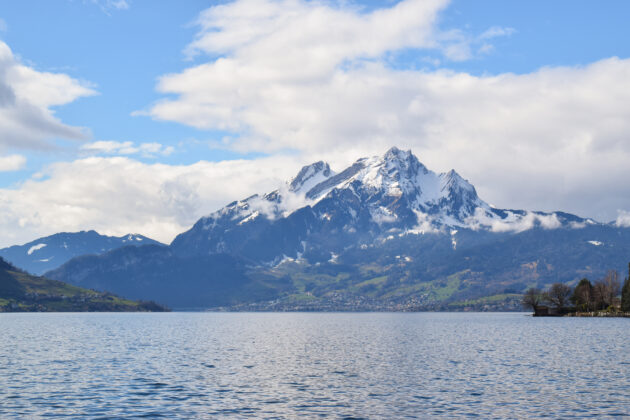
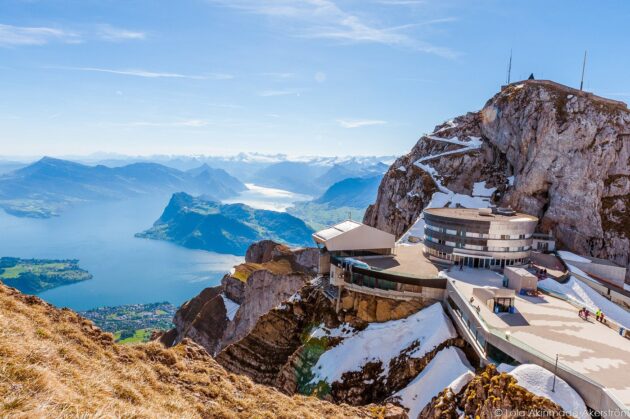
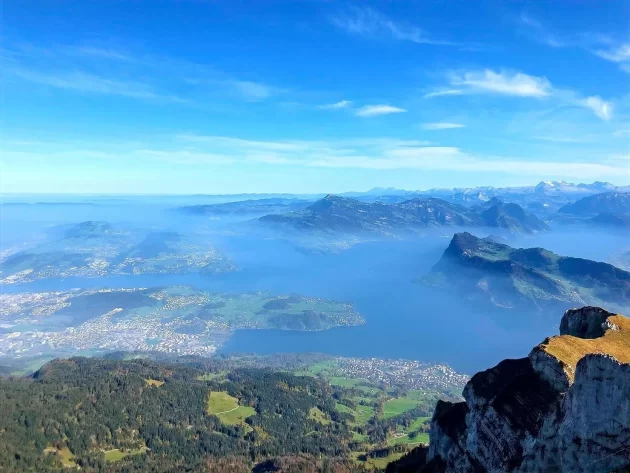
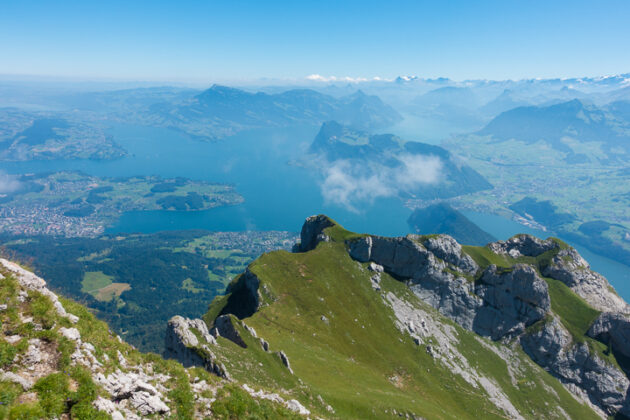
Mount Pilatus, often called the “Dragon Mountain” due to ancient legends of dragons and turbulent winds, rises dramatically above Lake Lucerne in central Switzerland. At 2,132 meters (7,000 feet) above sea level, it offers breathtaking panoramic views of the Swiss Alps, the lake, and even distant peaks like the Matterhorn on clear days.
This iconic destination blends thrilling ascents, alpine adventures, and serene beauty, making it a highlight for any Swiss itinerary. Whether you’re an adrenaline seeker or a leisurely explorer, Pilatus delivers unforgettable experiences year-round.
Why Visit Mount Pilatus?
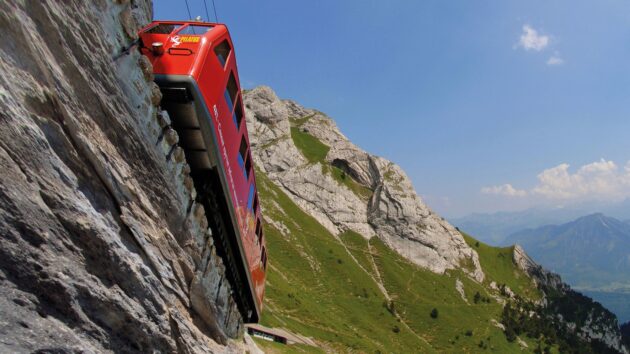
Pilatus isn’t just a mountain—it’s a gateway to Switzerland’s alpine magic. Its unique accessibility via the world’s steepest cogwheel railway (the Pilatus Railway, with a 48% gradient) and modern cable cars adds a sense of adventure to your journey. Legends abound: locals once believed the mountain was home to Pontius Pilate’s restless spirit, and its name derives from “pilatus,” meaning “cloud-capped” due to frequent mists.
Today, it’s a UNESCO-recognized biosphere reserve, teeming with wildlife, wildflowers, and hiking trails. In summer, it’s a hiker’s paradise; in winter, a snowshoeing and tobogganing haven. The views alone—spanning 73 alpine peaks—are worth the trip.
How to Get There
Mount Pilatus is conveniently located just 10 km (6 miles) southwest of Lucerne, making it an easy day trip or overnight escape.
By Public Transport (Recommended for Eco-Travelers): From Lucerne: Take a short boat ride across Lake Lucerne to Alpnachstad (20–30 minutes, via the scenic Zentralbahn line or SBB trains), then board the Pilatus Railway to the summit. Alternatively, hop on a bus to Kriens and ascend via the aerial cableway. Swiss Travel Pass holders get discounted or free access to these routes—check the SBB app for timetables.
By Car: Drive from Lucerne via the A2 motorway to Kriens (10 minutes). Parking is available at the Kriens cable car station (€10–15/day). From there, the cable car whisks you up in 30 minutes.
From Major Airports: Zurich Airport (ZRH): 1-hour train to Lucerne, then proceed as above. Geneva Airport (GVA): 3–4 hours by train.
Pro Tip: Buy a combined ticket for the ascent and descent (CHF 72–108 round-trip, depending on route) to save time and money. Book online via pilatus.ch.
Best Time to Visit
Summer (June–September): Peak season for hiking, paragliding, and wildflower meadows. Expect mild summit temps (10–20°C/50–68°F) and longer daylight hours. Crowds are higher, but the weather is most reliable.
Autumn (October): Foliage turns golden; fewer visitors and crisp air ideal for photography. Cable cars run until mid-November.
Winter (December–March): Snowy wonderland for skiing, snowshoeing, and the famous “Dragon Path” illuminated by lights. Summit temps drop to -5–5°C (23–41°F); dress in layers.
Spring (April–May): Emerging greenery and blooming edelweiss, but weather can be unpredictable with possible closures.
Avoid mid-week for fewer crowds; weekends see more locals.
Top Things to Do
Pilatus packs adventure into a compact area—plan 4–8 hours for a full visit.
Ride the Pilatus Railway: Ascend from Alpnachstad on the steepest cogwheel train in the world (opened 1889). The 4.6 km track climbs 700 meters in 30 minutes, passing waterfalls and forests. It’s a UNESCO engineering marvel and a bucket-list ride.
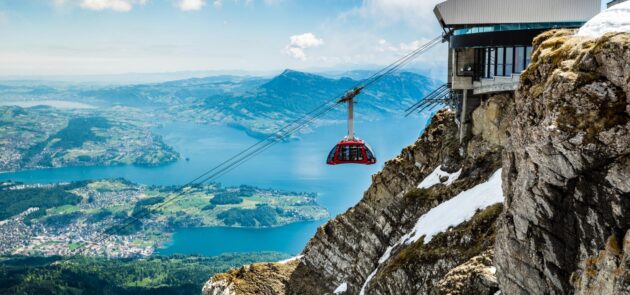
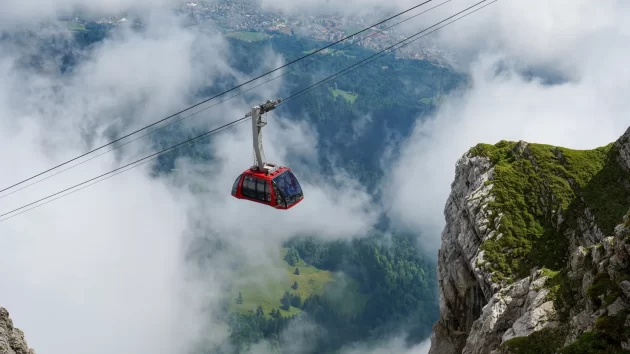
Take the Aerial Cableway: From Kriens, two modern gondolas (one 6-person, one 30-person panoramic) offer vertigo-inducing views en route to the summit. The upper leg rotates 360° for all-around vistas.
Hike the Trails: Dragon Path (Eselweg): A gentle 2–3 km loop with wooden dragon sculptures, info panels on myths, and lake views. Family-friendly (1 hour). Tomlishorn Summit Hike: Moderate 4 km trail to the highest point for 360° panoramas (1.5 hours round-trip). Advanced Options: Multi-hour treks like the Fräkigaui Chasm (via ferrata with ladders and chains) for thrill-seekers.
Winter Activities: Toboggan on the 1.3 km Dragon Run sled path (rent sleds for CHF 10). Cross-country ski or snowshoe on groomed trails.
Relax at the Summit: Stroll the terrace at Pilatus Kulm Hotel for coffee with a view. Spot chamois (mountain goats) or golden eagles. In summer, join a guided nature tour (CHF 20).
Paraglide or Hang Glide: Tandem flights from the summit launch you over the lake (CHF 190–250, 20–30 minutes). Book with local operators like Paragliding Pilatus.
Where to Stay and Eat
On the Mountain: For an immersive stay, book the historic Pilatus Kulm Hotel (from CHF 250/night). This 4-star gem features alpine rooms, a spa, and sunset dining with regional specialties like rösti (potato pancakes) and fondue.
In Lucerne: Base yourself here for easy access. Options range from luxury like the Hotel Schweizerhof (CHF 400+) to budget-friendly Ibis Styles (CHF 150). Walkable to the lakefront.
Dining Highlights: Summit: Restaurant Pilatus-Kulm for Swiss classics with panoramic windows (mains CHF 25–40). Base: In Kriens or Alpnachstad, try lakeside spots like Seehotel Pilatus for fresh perch fillets. Picnic Tip: Grab provisions from Lucerne’s markets for a summit al fresco meal.
Practical Tips
What to Pack: Sturdy hiking boots, rain jacket (weather changes fast), sunscreen, and binoculars. Summit winds can be fierce—check the Pilatus app for live cams.
Accessibility: Cable cars are wheelchair-friendly; the railway has some steep sections. Free audio guides available in 8 languages.
Costs: Entry to the summit is included in transport tickets. Budget CHF 100–150/person for a day trip (transport + meal).
Sustainability: Stick to marked paths to protect the fragile ecosystem. Use public transport to reduce your carbon footprint.
Health/Safety: Acclimatize if coming from low altitudes; mild altitude sickness is possible. Emergency helipad on-site.
Final Thoughts
Mount Pilatus captures the essence of Switzerland: dramatic landscapes, innovative engineering, and timeless legends, all wrapped in postcard-perfect views. Whether you conquer it by rail, cable, or foot, it’s a journey that lingers long after descent. Pair it with a Lucerne city break for the ultimate Swiss escape. As the locals say, “Once you climb Pilatus, you’ll always return.”
Safe travels and happy ascending!