
A Travel Guide to Jungfraujoch (2026)
Nestled in the heart of the Swiss Alps, Jungfraujoch stands as one of the world’s most breathtaking high-altitude destinations, earning its nickname as the “Top of Europe.” At an elevation of 3,454 meters (11,332 feet), this saddle between the Jungfrau and Mönch peaks offers unparalleled panoramic views, eternal snowscapes, and a glimpse into alpine wonders. Whether you’re an adventure seeker, a nature lover, or simply chasing Instagram-worthy vistas, Jungfraujoch delivers an unforgettable experience. This guide will help you navigate the logistics, highlights, and tips for your visit.
Why Visit Jungfraujoch?
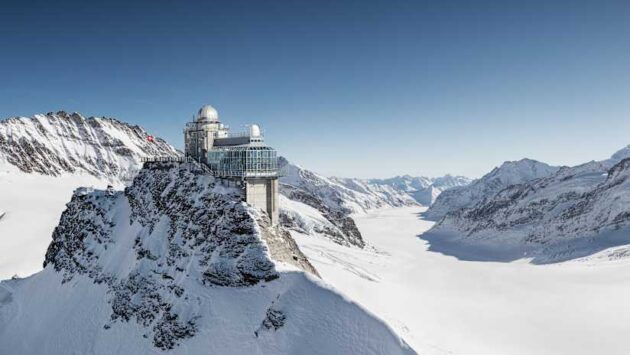
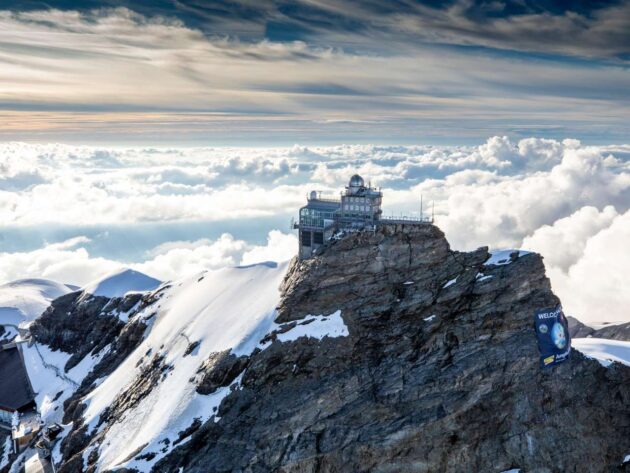
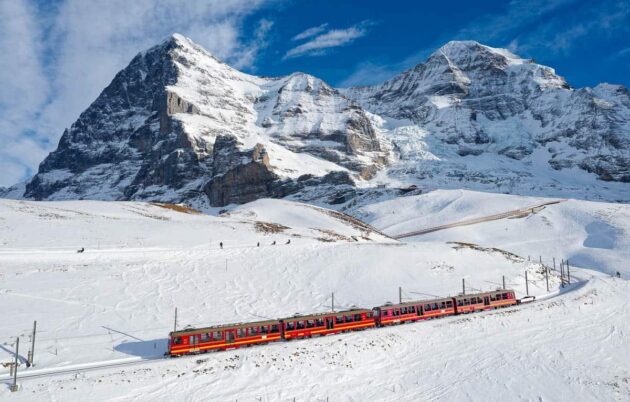
Jungfraujoch is a UNESCO World Heritage site within the Jungfrau-Aletsch region, home to the largest glacier in the Alps—the Aletsch Glacier. Highlights include the Sphinx Observatory (Europe’s highest weather station), the Ice Palace (a subterranean wonder carved into the glacier), and sweeping vistas of snow-capped peaks that stretch across Switzerland, France, and Italy on clear days. It’s not just about the altitude; it’s a celebration of Swiss engineering (the cogwheel train that gets you there) and pristine natural beauty. In winter, it’s a gateway to world-class skiing; in summer, it’s a cool escape from the heat.
How to Get There
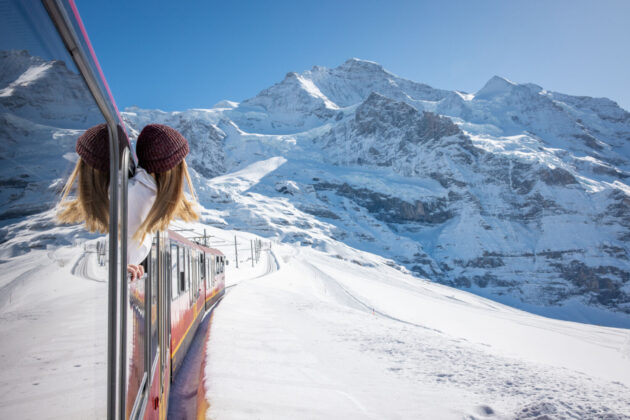
Jungfraujoch is car-free and accessible primarily by Switzerland’s iconic train network. The journey itself is half the adventure, winding through tunnels and offering stunning alpine scenery.
From Zurich or Geneva (Major Airports): Take a high-speed train (via Swiss Federal Railways, SBB) to Interlaken Ost (about 2 hours from Zurich, 3 hours from Geneva). Tickets start at CHF 50–100 one way.
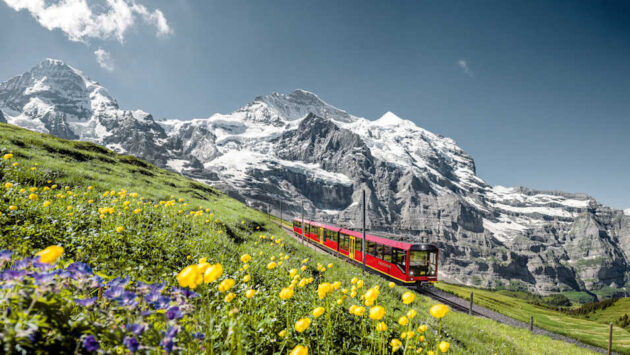
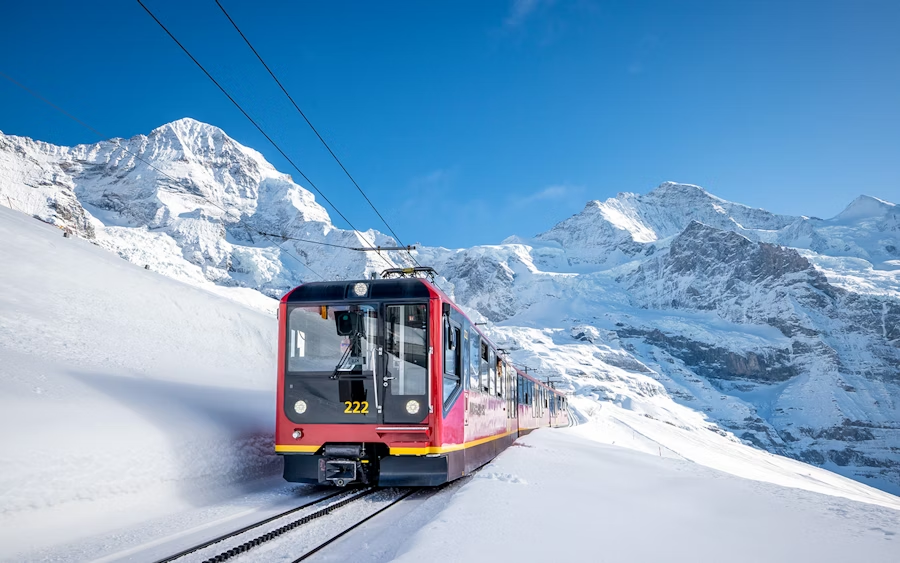
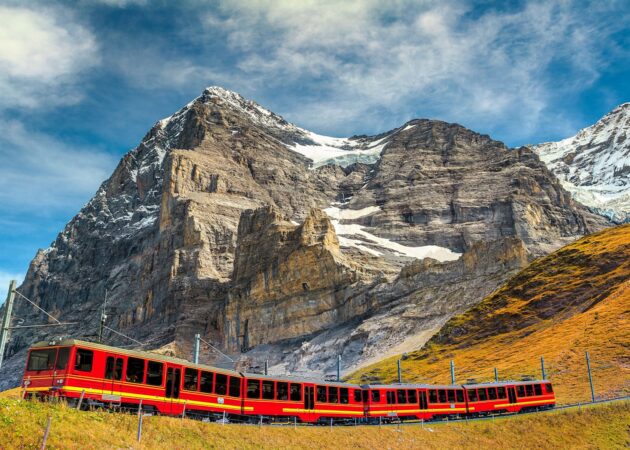
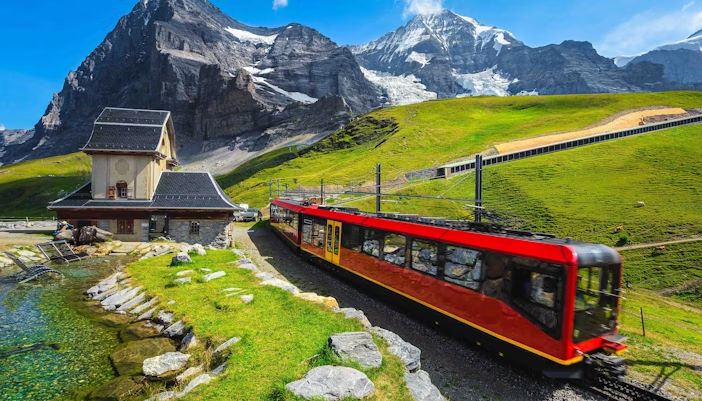
From Interlaken to Jungfraujoch: Jungfrau Railway: Board the Eiger Express cable car or the classic Jungfrau cogwheel train from Grindelwald Terminal or Kleine Scheidegg. The full journey takes 1.5–2 hours and climbs from 345 meters in Interlaken to 3,454 meters.
Route Options: Eiger Express (cable car from Grindelwald): Faster (15 minutes to Eiger Glacier, then train), scenic gondola ride. Traditional Train (from Kleine Scheidegg): More nostalgic, with stops inside the Eiger North Face for views through glass windows. Round-trip ticket: CHF 200–250 (adult; discounts for Swiss Travel Pass holders or children). Book in advance via the Jungfrau Railways website, especially in peak season.
By Car or Bus: Drive to Grindelwald or Lauterbrunnen for parking (CHF 10–20/day), then transfer to the train. Public buses from Interlaken connect to the terminals.
Pro Tip: The Jungfrau Travel Pass (CHF 190–260 for 3–8 days) covers unlimited regional transport, including trains and cable cars in the Jungfrau area.
Best Time to Visit
Summer (June–September): Ideal for clear skies, hiking, and glacier walks. Temperatures hover around 0–5°C (32–41°F) at the top—pack layers! Crowds peak in July–August.
Winter (December–March): Perfect for snow sports and festive vibes. The site stays open year-round, but expect shorter daylight hours and potential weather delays.
Shoulder Seasons (April–May, October–November): Fewer crowds, lower prices, but higher risk of closures due to snow or wind. Check the Jungfrau app for real-time weather and train status.
Avoid: Mid-November to early December, when some services may pause for maintenance.
What to Do
Your time at Jungfraujoch (typically 2–4 hours) is packed with activities—all included in your ticket:
Sphinx Observatory: Ascend to Europe’s highest vantage point at 3,571 meters for 360° views of 14 peaks over 4,000 meters. The on-site café serves fondue with a view—don’t miss it!
Ice Palace: Explore this glittering labyrinth carved 20 meters into the glacier, featuring ice sculptures of bears, eagles, and fairy-tale scenes. It’s chilly (–3°C/27°F), so bundle up.
Glacier Plateau and Snow Park: Step onto the eternal snowfield for snowball fights, sledding (CHF 20 rental), or a guided glacier hike (book via Jungfrau Tourism). In summer, try the Alpine Sensation exhibit, an immersive multimedia journey through 10,000 years of alpine history.
Research Station: Peek into the world of glaciology at the International Climate Summit exhibits, showcasing ice core samples and climate change insights.
Nearby Extensions: From Kleine Scheidegg, hike the Eiger Trail or take a short detour to Männlichen for paragliding (CHF 180–250).
Tour Operators and Guided Experiences
Jungfrau Railways: Self-guided is fine, but their audio guides (free app) add context.
Viator or GetYourGuide: For bundled day trips from Interlaken (CHF 250–300, including transport and lunch). Look for small-group tours with historians.
Private Guides: Hire via Switzerland Tourism for customized hikes (CHF 400+ for 4 hours).
What to Bring
Essentials: Warm, waterproof clothing (fleece, gloves, hat, sunglasses for glare), sturdy boots for snow/ice, and sunscreen (UV rays are intense at altitude).
Practicalities: Reusable water bottle (free refills at the top), snacks (options are pricey), passport for stamps at the “Top of Europe” post office, and a power bank—cold drains batteries fast.
No Need: Heavy luggage; lockers are available at stations (CHF 5–10).
Altitude Sickness Tip: Hydrate well and take it slow if you’re prone to it. Most visitors acclimate fine, but descend if you feel dizzy.
Where to Stay
Base yourself in the Jungfrau region for easy access:
Interlaken: Vibrant hub with hotels like Hotel Interlaken (CHF 200/night) or budget hostels (CHF 50).
Grindelwald: Alpine charm with views; try Bergwelt Grindelwald (CHF 250) or family-friendly Club Med (all-inclusive).
Lauterbrunnen: Peaceful valley; Hotel Staubbach (CHF 150) offers waterfall proximity.
Luxury Option: Belvedere Hotel in Grindelwald for spa and mountain panoramas.
For overnights at altitude, the Jungfraujoch Research Station offers rare “glacier sleepovers” (book months ahead, CHF 500+).
Tips for a Great Experience
Timing: Arrive early (first train ~6–7 AM) to beat crowds and catch sunrise glow. Trains run every 30–60 minutes until ~5 PM.
Budget: Expect CHF 300–500/day including transport, food, and extras. Save with the Swiss Half Fare Card (50% off trains).
Sustainability: Jungfrau is eco-focused—use the free shuttle buses and avoid single-use plastics.
Weather Check: Winds can halt trains; monitor via the Jungfrau website or app.
Combine It: Pair with a day in Lucerne or a Bernese Oberland pass for multi-stop adventures.
Final Thoughts
Jungfraujoch isn’t just a destination—it’s a triumph of human ingenuity and nature’s grandeur, where the air feels crisp, the views endless, and the spirit invigorated. Whether you’re toasting with schnapps at the summit or tracing your footsteps in the snow, this alpine jewel will etch itself into your travel memories. Pack your sense of wonder, and let the Top of Europe take your breath away.
Safe travels and auf wiedersehen!