





A Travel Guide to Toledo (2026)
Nestled on a hilltop overlooking the Tagus River, Toledo is a UNESCO World Heritage Site often called the “City of Three Cultures” for its rich blend of Christian, Muslim, and Jewish influences. This medieval gem, just 70 km south of Madrid, boasts stunning Gothic architecture, narrow cobblestone streets, and panoramic views that inspired artists like El Greco. Whether you’re a history buff, architecture enthusiast, or foodie, Toledo offers a compact yet immersive escape—perfect for a day trip or overnight stay.
Why Visit Toledo?
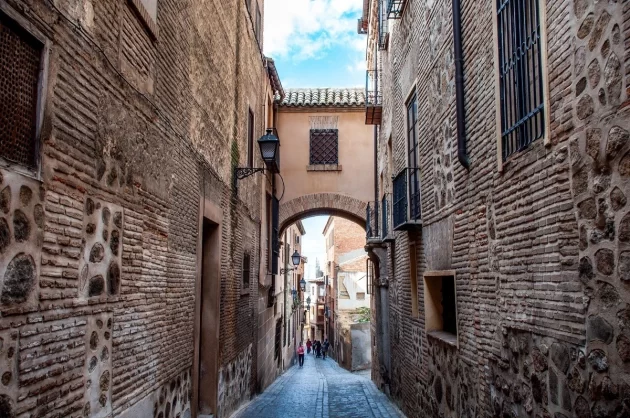
Toledo’s allure lies in its layered history: once a vibrant multicultural hub during the Middle Ages, it features grand cathedrals, ancient synagogues, and Moorish mosques side by side. Wander its labyrinthine Old Town for a step back in time, or gaze from the river bridges at sunset for postcard-perfect vistas. It’s an ideal contrast to Madrid’s bustle, with fewer crowds and a slower pace. Plus, its famous marzipan sweets and local wines make it a delight for the senses.
How to Get There
By Train: The fastest option is the Renfe Avant high-speed train from Madrid’s Puerta de Atocha station. It takes just 30–40 minutes and costs €10–15 one way. Trains run hourly, dropping you at Toledo’s central station, a 10-minute walk to the Old Town.
By Bus: ALSA buses depart from Madrid’s Plaza Elíptica every 30 minutes, covering the 50-minute journey for about €6. They arrive right in the city center—book ahead during peak seasons.
By Car: Drive the A-42 toll road (1 hour, €10 in tolls). Parking is available outside the city walls (€15–20/day), as the historic center is pedestrian-only.
From other Spanish cities, connect via Madrid’s airports (MAD) or AVE trains. Expect enhanced bike-sharing and electric shuttle options for eco-friendly arrivals.
Best Time to Visit
Spring (March–May) and fall (September–November) are ideal, with mild temperatures (15–25°C/59–77°F), blooming landscapes, and fewer tourists. Summer (June–August) brings scorching heat (up to 35°C/95°F) and crowds, though evenings are magical for outdoor dining. Winter offers cozy charm with holiday lights, but pack layers for chilly nights (5–10°C/41–50°F). Avoid Holy Week (Easter) if you dislike processions and peak crowds.
What to Do
Toledo is walkable, so lace up comfortable shoes and follow a self-guided route through its UNESCO-listed Old Town. Aim for 1–2 days to cover the highlights. The €13 Toledo Card (valid 24/48 hours) grants free entry to most sites and public transport—buy it online or at the tourist office.
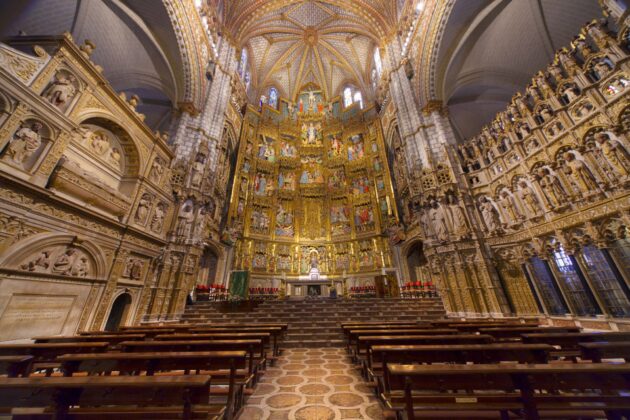
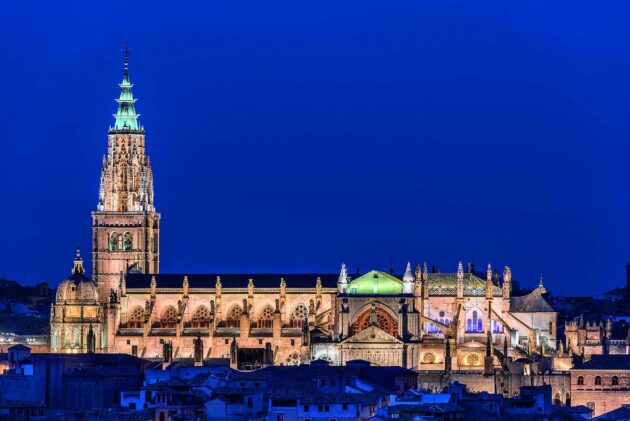
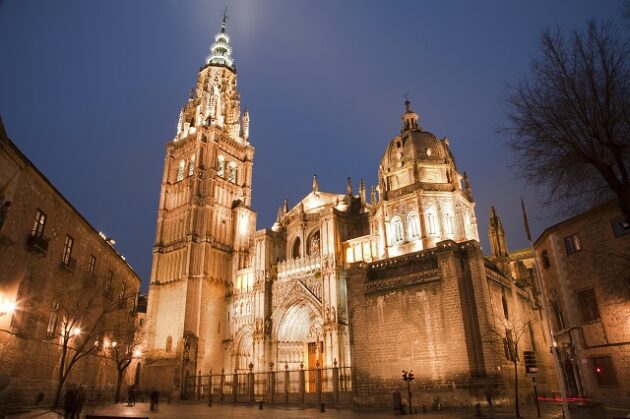
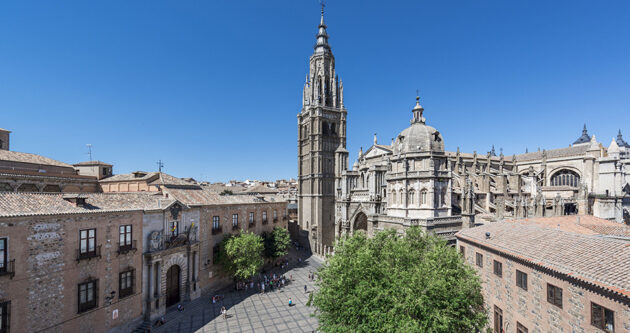
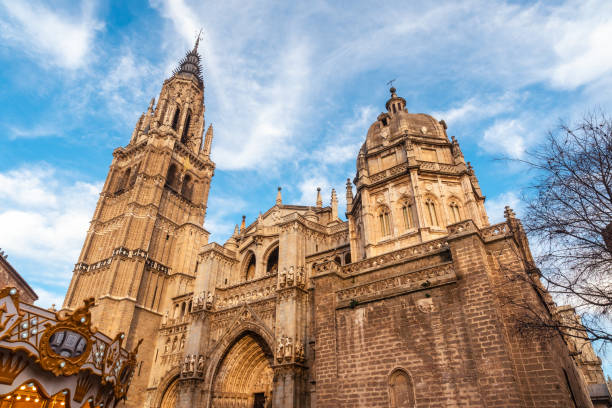
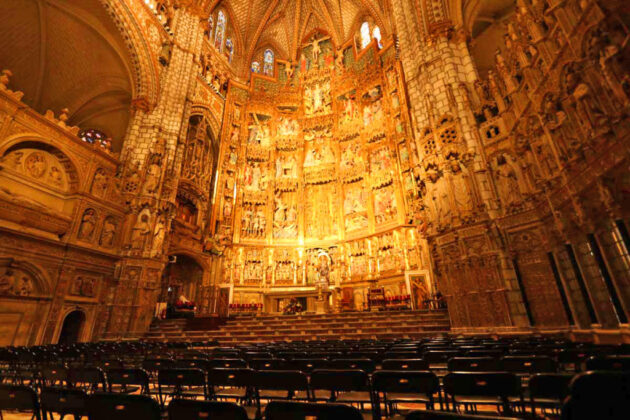
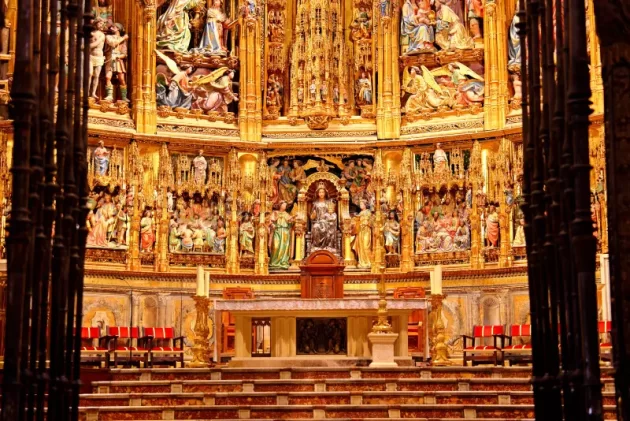
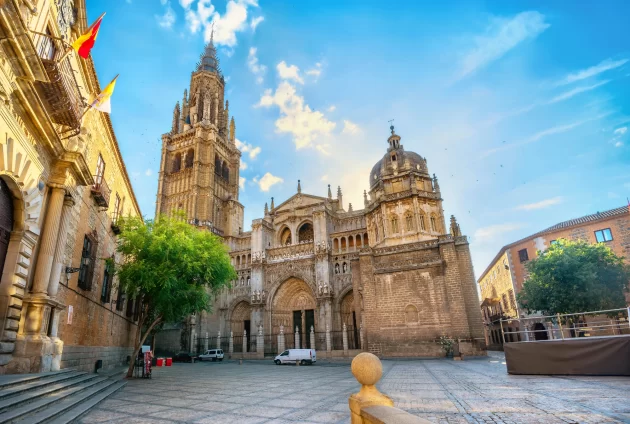
Catedral Primada de Toledo: A Gothic masterpiece with intricate chapels, El Greco paintings, and a soaring 21-meter vault. Entry: €12.50 (or included in card). Allow 1–2 hours.
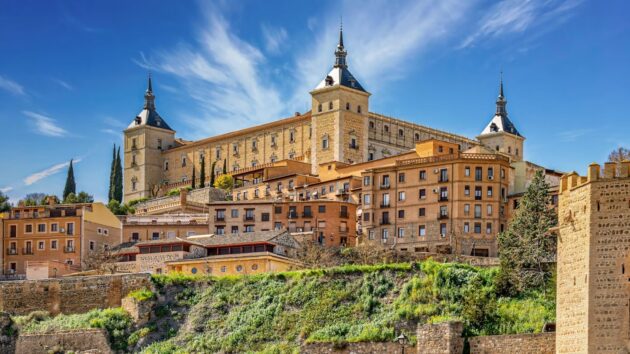
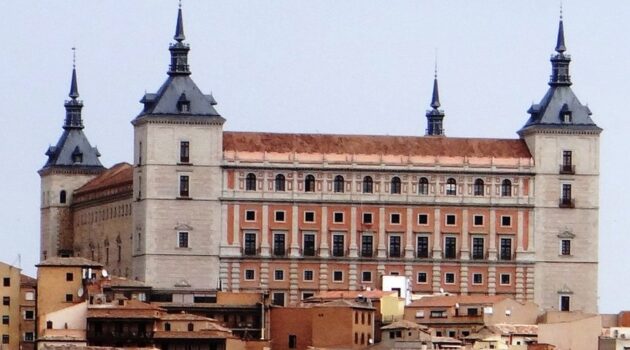
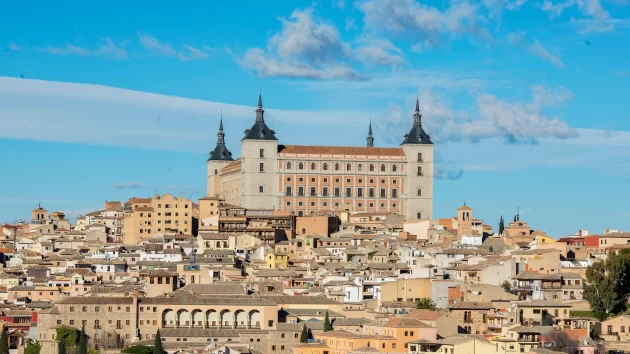
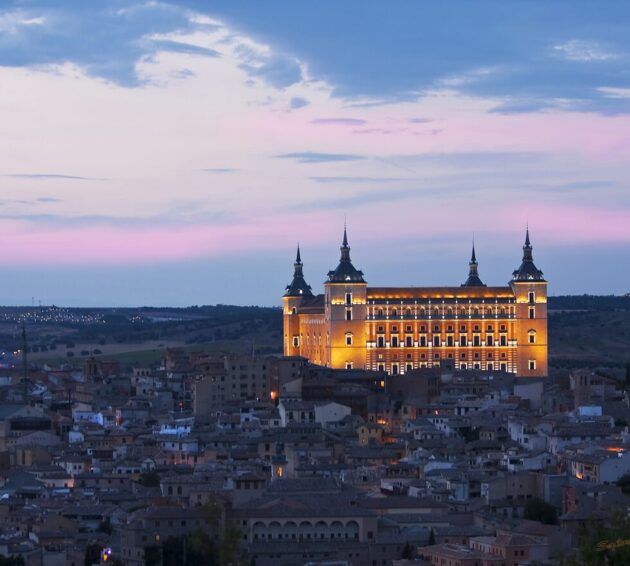
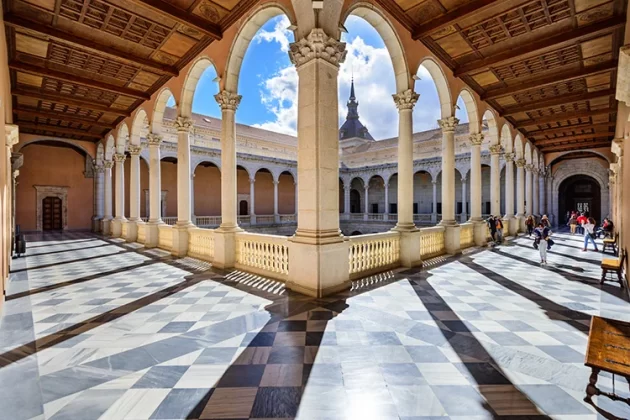
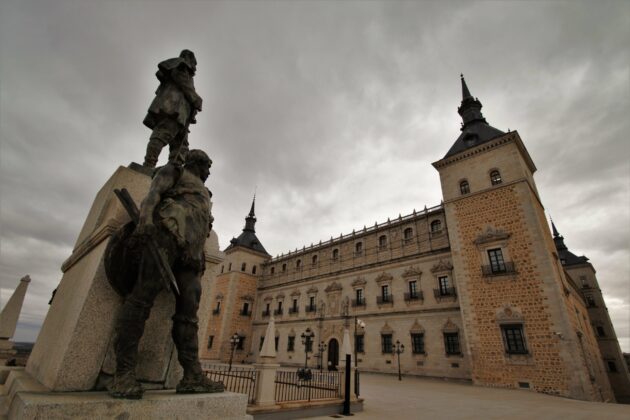
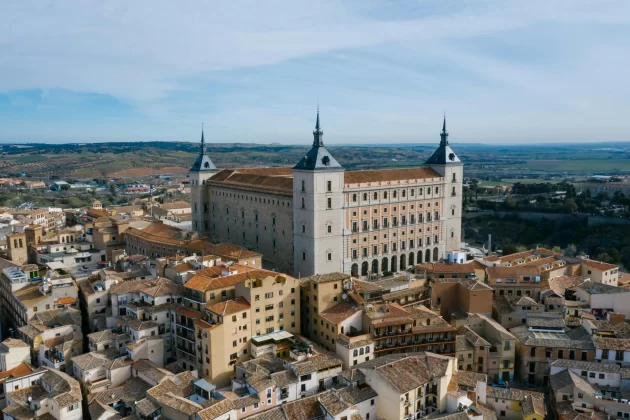
Alcázar de Toledo: This imposing fortress now houses the Army Museum, offering sweeping city views from its ramparts. Climb the towers for photos. Entry: €5.


Monastery of San Juan de los Reyes: A Franciscan gem with Isabelline Gothic architecture and lush cloisters—perfect for a peaceful stroll. Entry: €3.
El Greco Museum: Dedicated to the city’s famous painter, featuring replicas of his home and works like The Burial of the Count of Orgaz. Entry: €3.
Synagogues of Santa María la Blanca and El Tránsito: Explore Jewish heritage at these stunning 12th–14th-century sites, now museums with Mudéjar designs. Combined entry: €3.
Puente de Alcántara and Puente de San Martín: Cross these Roman-era bridges for epic river views, especially at dusk when the city glows golden.
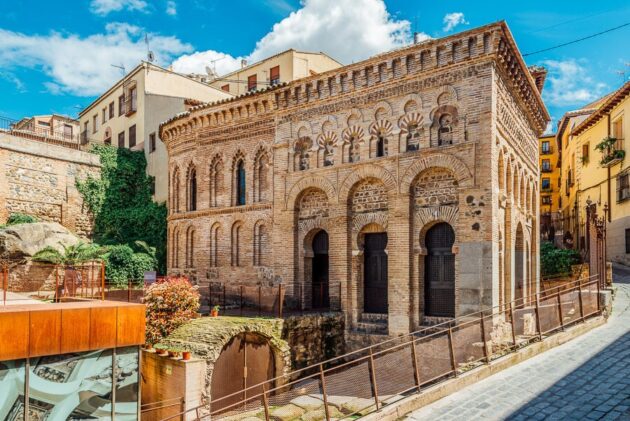
Mezquita del Cristo de la Luz: A 10th-century mosque-turned-chapel showcasing Islamic artistry. Entry: €3.
Other gems: Shop for damascene metalwork (gold-inlaid steel) in artisan workshops, or join a 2-hour guided tour (€20–30) for deeper insights into the three cultures.
Where to Stay
Toledo’s accommodations range from historic paradores to boutique hideaways. Book early for weekends.
Luxury: Parador de Toledo (€200–300/night)—a converted 16th-century palace with river views and gardens.
Mid-Range: Hotel Beatriz Toledo Auditorium & Spa (€100–150/night)—modern comfort near the Old Town, with a pool and on-site dining.
Boutique/Charming: Entre Dos Aguas (€120–180/night)—a restored 17th-century home with rooftop terraces, once owned by flamenco legend Paco de Lucía.
Budget: Antidoto Rooms (€60–90/night)—cozy guesthouse in the historic center with easy access to sights.
For a unique stay, consider the hilltop Hospedería Casa de Cisneros, blending Gothic arches with contemporary vibes.
Where to Eat
Toledo’s cuisine highlights Castilian staples like roast suckling pig, venison stew, and, of course, marzipan (try Santo Tomé bakery). Pair with local Ribera del Guadiana wines.
Adolfo: Michelin-starred elegance in a 15th-century setting—savor innovative takes on lamb (€80–100/person).
Taverna Embrujo: Cozy spot for tapas like pisto manchego and manchego cheese (€20–30/person).
La Abadía: Historic tavern with wood-beamed ceilings, serving hearty parrillada (grilled meats) and house sangria (€25–40/person).
Street Food: Grab marzipan or mazapán pastries from Confitería Santo Tomé, or eggplant chips with honey at market stalls.
Tips for a Great Trip
Getting Around: The Old Town is car-free—use escalators or funiculars from the station to the top. Rent e-bikes (€10/hour) for outskirts.
Practicalities: ATMs are plentiful, but carry euros for small vendors. English is widely spoken in tourist areas; download the Visit Toledo app for maps.
Sustainability: Opt for reusable water bottles—fountains provide potable water. Support local artisans over souvenir chains.
Day Trip vs. Overnight: A day suffices for highlights, but stay overnight for evening ambiance and fewer crowds.
Health/Safety: Wear sunscreen in summer; watch for uneven streets. Petty theft is rare but secure valuables.
Toledo’s magic is in its details—the play of light on stone facades, the echo of church bells. Whether chasing El Greco’s shadows or toasting with tempranillo, this city will linger in your memory long after you leave. ¡Buen viaje!