


Alcázar de Segovia Travel Guide (2026)
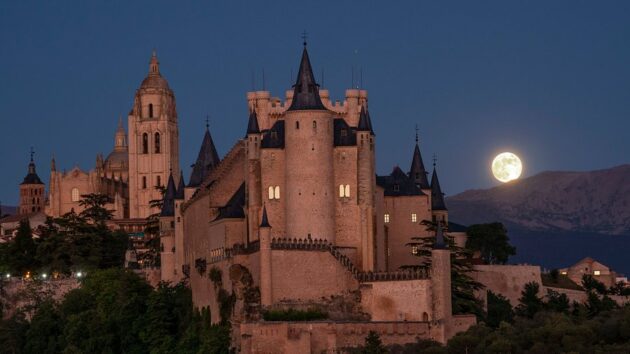
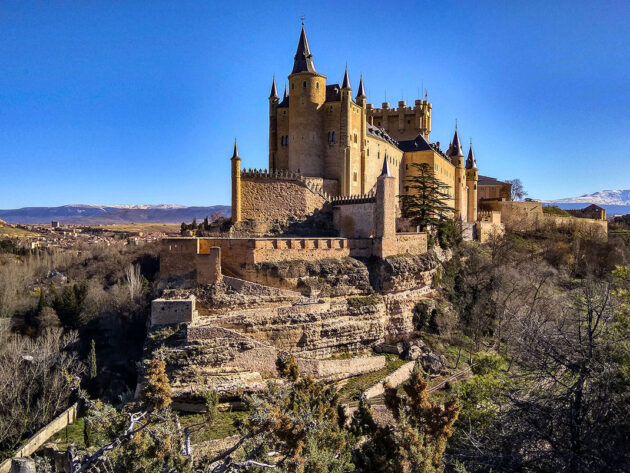
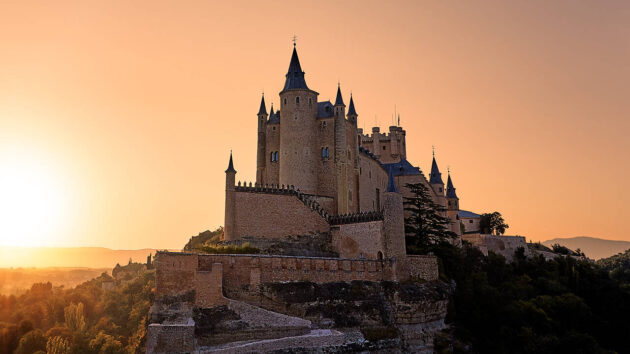
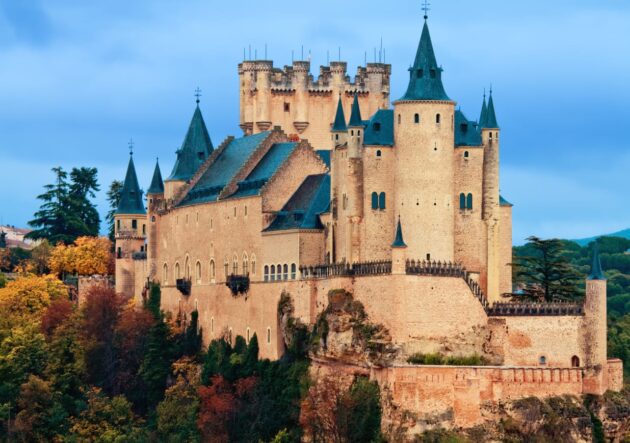
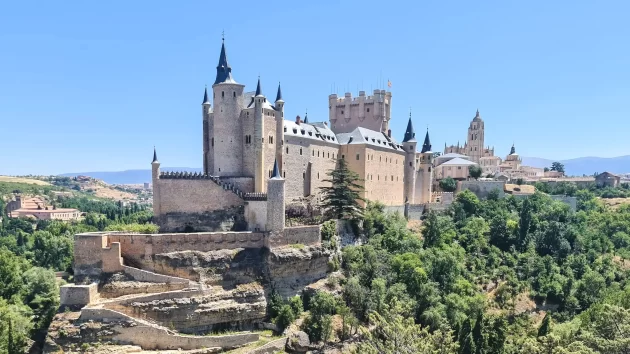
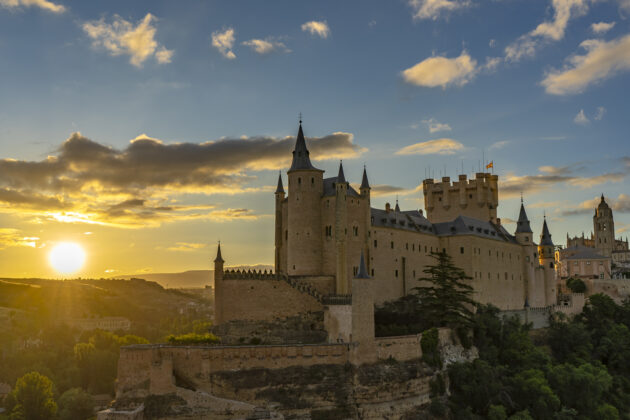
Nestled atop a rocky promontory overlooking the confluence of the Eresma and Clamores rivers, the Alcázar de Segovia is one of Spain’s most iconic medieval fortresses. This 12th-century royal palace, often dubbed the “fairy-tale castle,” served as a summer residence for the kings of Castile and inspired the design of Disney’s Cinderella Castle. A UNESCO World Heritage Site since 1985, it’s a masterpiece of Gothic and Mudéjar architecture, blending history, legend, and stunning views.
Why Visit Alcázar de Segovia?
The Alcázar’s sharp spires and steep slate roofs rise dramatically from the landscape, evoking tales of knights and queens. Inside, you’ll wander opulent rooms filled with tapestries, armory displays, and a grand throne room where Queen Isabella was crowned in 1474.
The highlight? Climbing the Torre del Juan II for 360-degree vistas of Segovia’s Roman aqueduct and golden plains. It’s not just a castle—it’s a symbol of Castilian power, with ties to explorers like Columbus and the Inquisition.
How to Get There
Segovia is just 90 km (56 miles) northwest of Madrid, making it an ideal day trip.
From Madrid: By Train: The high-speed AVE train from Madrid-Chamartín to Segovia-Guiomar takes about 30 minutes and costs €20-25 round-trip. From Guiomar station, hop on a local bus (C2 line, 20 minutes) or taxi (€15-20) to the historic center. Trains run frequently, with the first departure around 7am. By Bus: Avanza Bus from Madrid’s Moncloa station takes 1-1.5 hours and costs €8-12 round-trip. Buses arrive at the Segovia bus station, a 15-minute walk uphill to the Alcázar. By Car: Drive via A-6 and AP-61 toll roads (1 hour); parking is available near the aqueduct (€2/hour).
Within Segovia: The Alcázar is at the western end of the old town, easily walkable from the Roman Aqueduct (10-15 minutes) or Cathedral (5 minutes). Taxis or electric minibuses are handy for hilly terrain.
Guided tours from Madrid often include round-trip transport and skip-the-line tickets for €50-80.
Best Time to Visit
Optimal Seasons: Spring (April-June) and fall (September-October) offer mild weather (15-25°C/59-77°F), fewer crowds, and vibrant landscapes. Summer (July-August) brings heat (up to 35°C/95°F) and peak tourists, while winter (December-February) is chilly but magical with possible snow-dusted towers and shorter lines.
Daily Timing: Arrive early (10am opening) to beat groups. Sunset views from the towers are spectacular in summer.
Events: Time your visit for the Segovia Medieval Fair (June) or Christmas markets for festive vibes.
The site sees about 800,000 visitors annually, so book ahead during holidays.
What to Do
Your visit centers on self-guided exploration, with audio guides (€3) available in multiple languages.
Castle Tour: Start in the Patio de Armas courtyard, then ascend to the royal apartments, including the ornate Mudéjar ceiling in the Salón de los Reyes. Don’t miss the Artillería (armory) with medieval weapons and the claustro (cloister) for peaceful reflection.
Tower Climb: Ascend the 218 steps of the Torre del Juan II (€3 extra) for sweeping views—worth the effort on clear days.
Nearby Sights: Stroll to the Roman Aqueduct (1 km east), a 2,000-year-old engineering marvel. Visit Segovia Cathedral (€3, Gothic masterpiece) or the Jewish Quarter for tapas and history. For a full day, hike the Paseo del Parral along the river for castle overlooks.
Tours: Opt for a 1-hour guided visit (€12 add-on) or combine with a Segovia walking tour (3 hours, €50, including tickets).
Tickets and Practical Info
Opening Hours: Winter (November 1 – March 31): Daily 10am-6pm. Summer (April 1 – October 31): Daily 10am-8pm (last entry 30 minutes before closing). Closed: December 25, January 1, and Good Friday.
Tickets: €9.50 adults (includes basic access); €6.50 reduced (seniors, students); free for under-5s and EU residents on Tuesdays 2-4pm (holidays excluded). Buy online via the official site or apps like GetYourGuide to skip queues—lines can exceed 45 minutes in peak season.
Accessibility: Limited; steep stairs throughout, but a ground-floor route exists for wheelchairs (request at entry).
What to Bring
Comfortable shoes for uneven stone floors and tower climbs.
Layers for variable indoor/outdoor temps, plus sunscreen/hat in summer.
Camera (photography allowed indoors) and a reusable water bottle—fountains are plentiful.
Cash for nearby vendors; cards accepted at the ticket office.
Where to Stay
Base yourself in Segovia for an overnight to soak in the ambiance:
Luxury: Infanta Isabel Hotel (€150/night), steps from the Alcázar with castle views. Mid-Range: Hotel Palacio San Facundo (€100/night), a 16th-century palace in the old town. Budget: Hostal Ayala Berganza (€60/night), central and charming.
For day-trippers, return to Madrid (easy evening trains).
Dine on cochinillo (suckling pig) at Mesón de Cándido, a historic spot near the aqueduct (€30-40/person).
Tips for a Great Experience
Crowd Hack: Visit mid-week or early morning; download the free Alcázar app for virtual previews.
Combo Deals: Pair with a €15 aqueduct-cathedral pass for savings.
Sustainability: Stick to paths to protect the site; Segovia is pedestrian-friendly—ditch the car.
Health Note: The climb involves narrow stairs; not suitable for severe vertigo.
Final Thoughts
The Alcázar de Segovia isn’t just a castle—it’s a portal to Spain’s golden age, where every turret whispers stories of royalty and romance. Whether you’re tracing Isabella’s footsteps or simply chasing that perfect silhouette photo, this gem delivers timeless magic. Allocate a full day for Segovia, and you’ll leave enchanted. ¡Buen viaje!