
A Travel Guide to Plaza de España (2026)
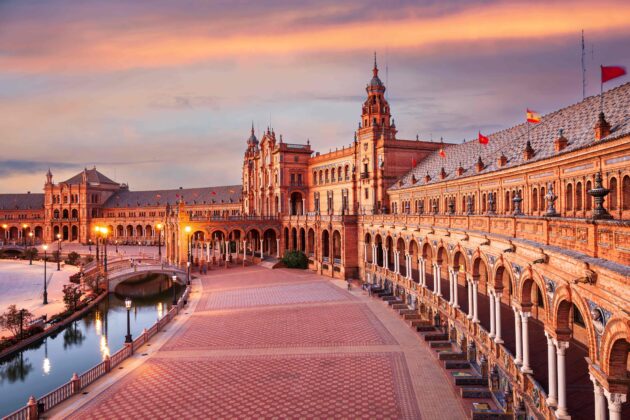
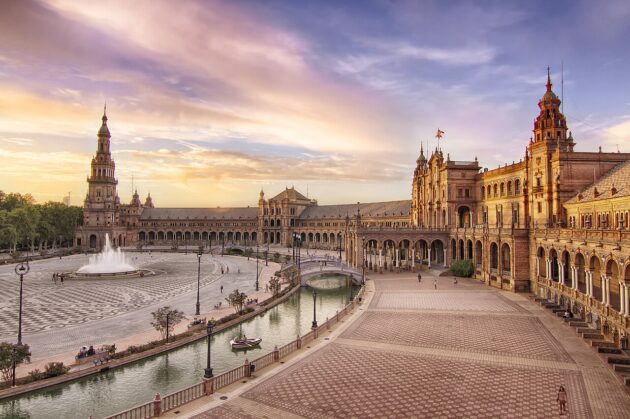
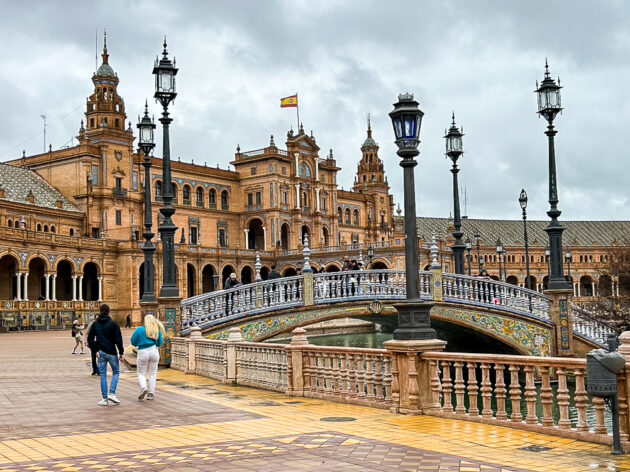
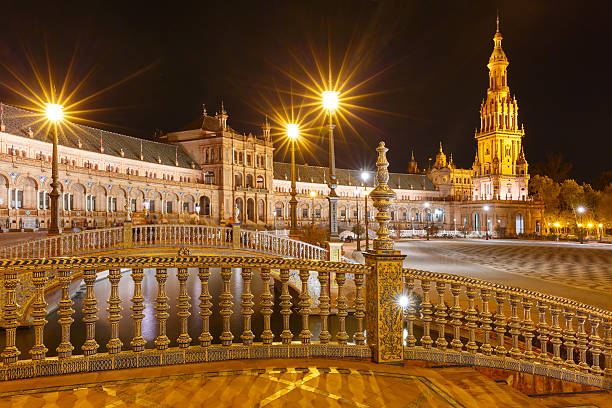
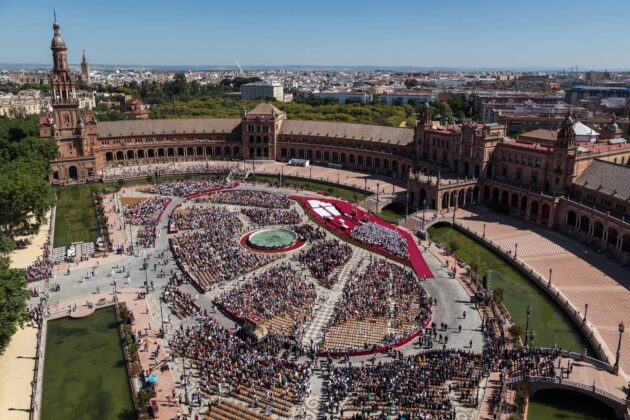
Nestled in the heart of Seville, Andalusia, Plaza de España stands as one of Spain’s most iconic architectural gems—a grand semicircular square that feels like a scene from a fairy tale. Built for the 1929 Ibero-American Exposition, it was designed by architect Aníbal González to showcase Spanish grandeur. The plaza features a stunning canal, ornate bridges, and 48 tiled alcoves representing Spain’s provinces, each adorned with vibrant azulejo tiles depicting historical scenes. Whether you’re a history buff, architecture enthusiast, or just seeking Instagram-worthy spots, this free public space is a Seville must-see. Here’s everything you need to plan your visit.
Why Visit Plaza de España?
This isn’t just a square—it’s a masterpiece of Renaissance-Moorish Revival style, blending Seville’s rich cultural heritage with playful, romantic elements. Stroll along the canal for a gondola-like boat ride, admire the intricate tilework that tells Spain’s story, or simply relax under the shade of palm trees in the adjacent María Luisa Park. It’s been featured in films like Star Wars: Episode II – Attack of the Clones (as the Senate building), adding a pop-culture allure.
How to Get There
Seville is well-connected, and Plaza de España is easily accessible:
From Seville Airport (SVQ): Take the EA bus line (Linea 1) to the city center (about 30 minutes, €4). From Plaza de Armas or Puerta Jerez stations, hop on a taxi (10 minutes, €10–15) or bus (C1 or C2 lines, 15 minutes).
By Public Transport: Metro: The closest stop is Nervión (Line 1), a 15-minute walk. Bus: Lines C1, C2, C3, C4, or C5 drop you right at the plaza. Tickets cost €1.40 single or €4.50 for a 24-hour pass via the Tussam app. Train: From Santa Justa Station, take the C1 train to San Bernardo, then bus or walk (20 minutes total).
On Foot or Bike: If staying in central Seville (e.g., near the Cathedral), it’s a pleasant 20–30 minute walk through historic streets. Rent a bike via Sevici (Seville’s public bike-share system) for €1–2 per half-hour.
Parking is available nearby but limited—opt for public transport to avoid hassle.
Best Time to Visit
Optimal Seasons: Spring (March–May) and fall (September–November) offer mild weather (15–25°C/59–77°F), fewer crowds, and blooming gardens in María Luisa Park. Winter is quieter but can be rainy.
Avoid Peak Heat: Seville’s summers (June–August) hit 40°C (104°F) plus—visit early morning or late afternoon.
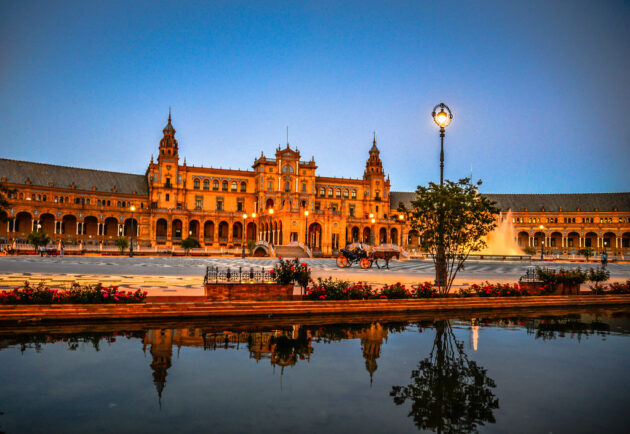
Daily Timing: Open 24/7, but dawn or dusk provides magical lighting for photos. Weekends see more locals picnicking; weekdays are ideal for serenity.
Events: Check for the Feria de Abril (April fair) extensions or Christmas light displays, which transform the plaza into a festive wonderland.
What to Do
Plaza de España is perfect for low-key exploration—entry is free, and you can spend 1–3 hours here:
Boat Ride on the Canal: Rent a rowboat (€6 for 35 minutes) from the boathouse to glide under four bridges while admiring the plaza’s curve. It’s a quintessential romantic activity—bring a partner or go solo for reflection.
Explore the Provincial Alcoves: Walk the perimeter to see the 48 benches, each dedicated to a Spanish region with hand-painted tiles illustrating key events (e.g., Catalonia’s alcove features Gaudí-inspired motifs). Climb the steps for panoramic views.
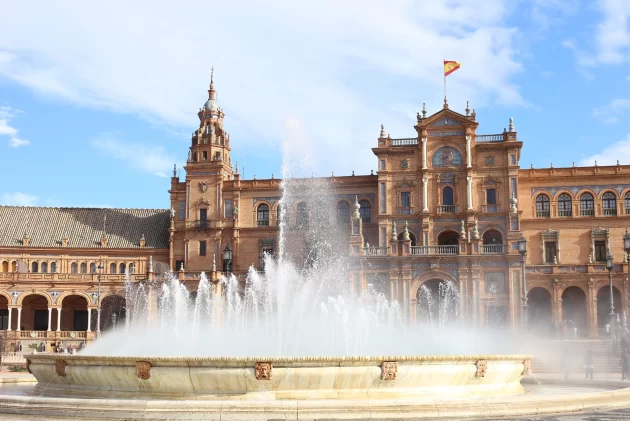
Fountain and Tower Views: Pose by the central fountain or ascend the Plaza de España Tower (part of the adjacent Military Archives) for €3 entry and sweeping city vistas.
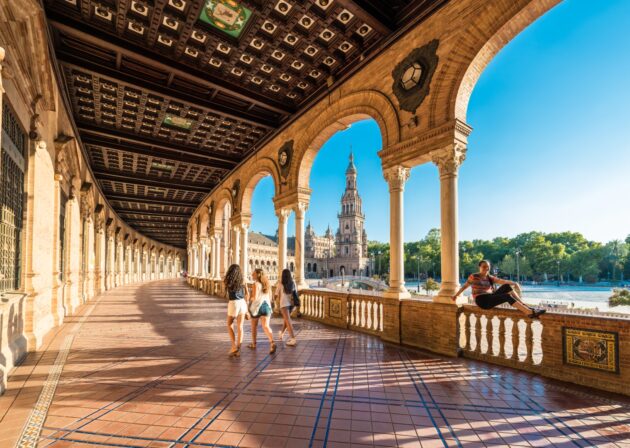
Photo Ops and Relaxation: Capture the iconic arched colonnades at golden hour. Unwind with a picnic on the lawns—vendors sell churros and fresh orange juice nearby.
For a deeper dive, join a guided tour (€10–15) via apps like GetYourGuide, which often include historical insights.
Nearby Attractions
María Luisa Park: Adjacent gardens with peacocks, pavilions, and shaded paths—free and ideal for a leisurely stroll.
Real Alcázar: 10-minute walk away; this Moorish palace (€12.50 entry) inspired Disney’s The Lion King and offers lush gardens.
Seville Cathedral and Giralda Tower: 20-minute walk; climb the bell tower for city views (€11 combo ticket).
Metropol Parasol (Las Setas): A 15-minute tram ride; modern wooden structure with a rooftop bar and market below.
Practical Tips
Accessibility: The plaza is wheelchair-friendly with ramps, but cobblestones in the park can be uneven. Restrooms and benches are plentiful.
What to Bring: Sunscreen, hat, and water (summer essential); comfortable shoes for walking. No drones allowed due to its protected status.
Safety: Seville is safe, but watch for pickpockets in crowds—use a money belt. Free Wi-Fi hotspots are available.
Sustainability: Stick to marked paths to protect the tiles; use reusable water bottles as fountains provide potable water.
Where to Stay and Eat
Base yourself in Seville’s Triana or Santa Cruz neighborhoods for easy access:
Budget: Hostal Plaza de España (€50–70/night) or Airbnbs near the park.
Mid-Range: Hotel Las Casas de la Judería (€100–150), a charming converted mansion.
Luxury: EME Catedral Hotel (€200+), with rooftop views of the Cathedral.
Dine al fresco: El rincón del Puerto (nearby): Fresh seafood paella (€15–20). Mercado de Triana (5-minute walk): Street food stalls for tapas like espinacas con garbanzos (€5–10). Plaza vendors for quick bites—try salmorejo (cold tomato soup) or helado artesanal.
Final Thoughts
Plaza de España encapsulates Seville’s soul: elegant, exuberant, and endlessly photogenic. Whether you’re rowing across its shimmering canal or tracing the stories etched in tile, it’s a reminder of Spain’s enduring romance with beauty and history. Dedicate a half-day here, then wander into the city’s sun-drenched alleys. Seville—and this plaza—will steal your heart.
¡Buen viaje! (Safe travels!)