

A Travel Guide to Medina Azahara – Conjunto Arqueológico Madinat al-Zahra (2026)
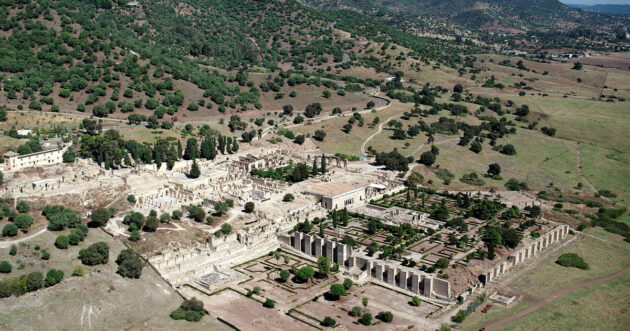
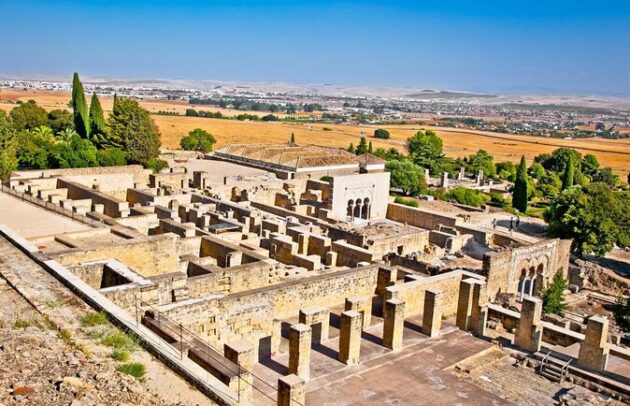
Medina Azahara, also known as Madinat al-Zahra (the “Shining City”), is a stunning archaeological gem perched on the hills west of Córdoba in Andalusia, Spain. Built in the 10th century by Caliph Abd al-Rahman III as a symbol of Umayyad power and splendor, this UNESCO World Heritage Site was once a lavish palace-city blending Islamic architecture, gardens, and urban planning. Though largely in ruins after its destruction in the 11th century, the site’s grand arches, marble columns, and intricate mosaics evoke the golden age of Al-Andalus. Ideal for history buffs, architecture enthusiasts, and anyone seeking a serene escape from Córdoba’s bustling streets, Medina Azahara offers a window into medieval Islamic civilization.
Why Visit Medina Azahara?
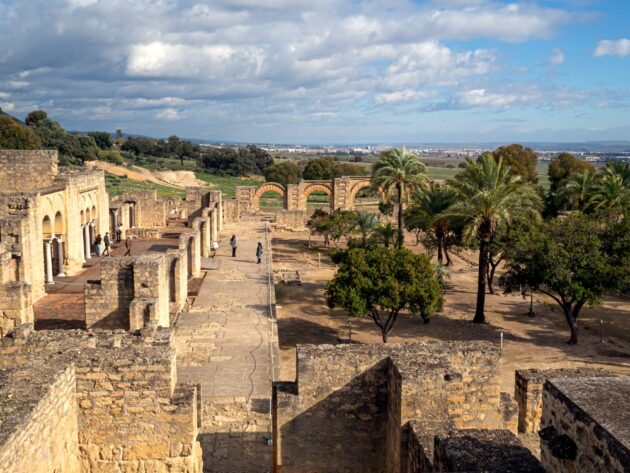
Declared a UNESCO site in 2018, Medina Azahara stands out for its role as a political and cultural hub during the Caliphate of Córdoba—one of Europe’s most advanced societies at the time. Highlights include the Dar al-Wuzara (House of Viziers) with its horseshoe arches, the grand mosque, and terraced gardens that once featured fountains and exotic plants. The site’s isolation provides a peaceful contrast to Córdoba’s Mezquita-Catedral, making it perfect for a half-day excursion.
How to Get There
Medina Azahara is about 8 km (5 miles) northwest of Córdoba, easily accessible as a day trip:
From Córdoba Center: Public Bus: The most affordable option is the daily shuttle bus (Line M) from Córdoba’s Plaza de las Tendillas or Avenida de Cervantes. It departs around 9:30 AM and returns by 5 PM, taking 20-30 minutes. Cost: €3 round-trip for adults (€1.50 for children 5-12; free for under 5). Check schedules on the official site, as they may vary in 2025. Taxi or Rideshare: A 15-minute ride costs €15-20 one way. Use apps like Uber or Free Now, available in Córdoba. Car Rental: Drive via the A-431 highway; free parking is available at the visitor center. Rentals start at €30/day from Córdoba airport or city center.
From Nearby Airports: Seville Airport (SVQ): 1.5 hours by car/train to Córdoba, then bus/taxi. Málaga Airport (AGP): 2 hours by car or high-speed train (AVE) to Córdoba.
Guided tours from Córdoba often include transport—book via GetYourGuide or Viator for convenience.
Best Time to Visit
Seasonal Sweet Spot: Spring (March-May) and fall (September-November) offer mild weather (15-25°C/59-77°F) and blooming gardens, ideal for exploring the terraced ruins. Summer (June-August) can hit 40°C (104°F), so opt for early mornings or evening tours. Winter (December-February) is cooler (10-15°C/50-59°F) with fewer crowds but shorter days.
Daily Timing: Arrive at opening (9 AM) to beat tour groups and enjoy cooler temps. The site closes early on Sundays, so plan accordingly. Avoid Mondays (closed) and rainy days, as paths can get slippery.
Events: Look for Ramadan illuminations or cultural festivals in spring; check the official website for updates.
What to See and Do
The site spans 112 hectares, but the core ruins are compact—allow 2-3 hours for a self-guided visit. Start at the Visitor Reception Center (free entry) for an audiovisual exhibit on the site’s history.
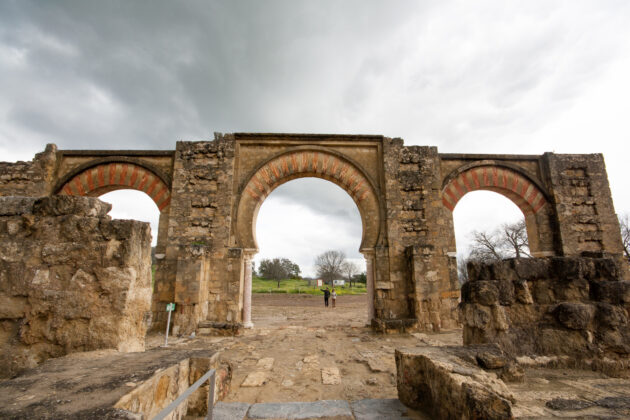
Key Highlights: Grand Portico: The majestic entrance with three arches, symbolizing the city’s opulence.
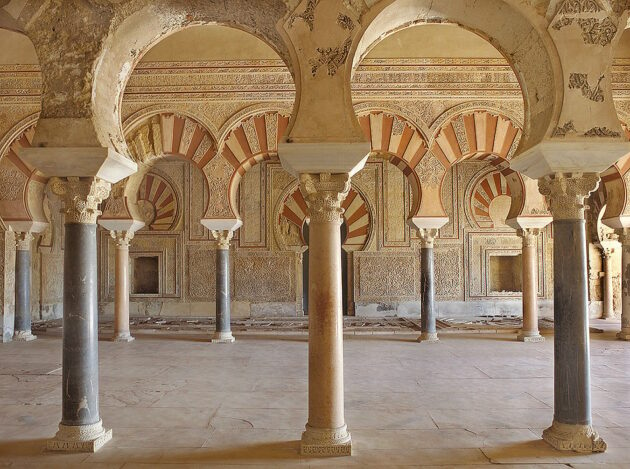
Salón Rico (Rich Hall): Reconstructed with stunning marble, stucco, and onyx decorations—once a reception hall for dignitaries.
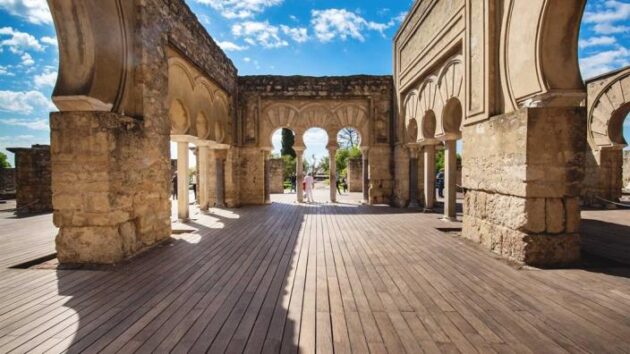
Dar al-Wuzara: Administrative buildings with intricate horseshoe arches and columns from Roman and Byzantine eras.
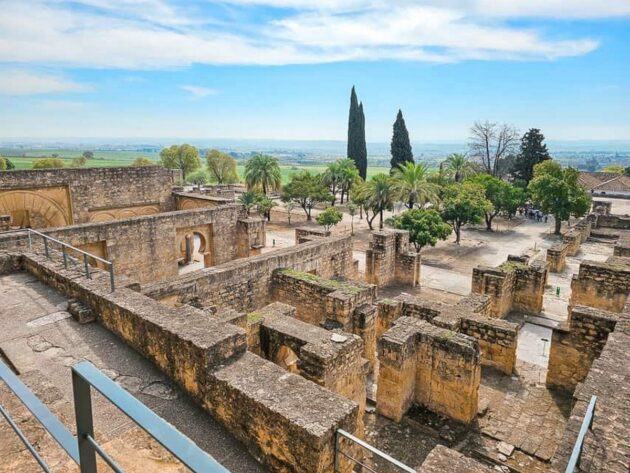
Mosque and Gardens: Traces of the prayer hall and multi-level gardens with irrigation systems showcasing advanced engineering.
Upper Terrace: Panoramic views of the Guadalquivir Valley—perfect for photos.
Activities: Wander the shuttle-accessible paths (mandatory for the upper site). Join a free audio guide (available in multiple languages) or explore with the on-site app. For families: Interactive exhibits at the museum highlight daily life in the caliphate.
Tour Options
Self-guided is free and flexible, but guided tours add depth:
Official Guided Tours: €5-10 extra for 1-hour Spanish/English sessions at the visitor center. Book on-site or online.
Private or Group Tours from Córdoba: 3-hour options via Viator or local operators (€20-30/person, including transport). Night tours in summer (€25) feature dramatic lighting.
Combo Tickets: Pair with Córdoba’s Mezquita for €18-25 bundled deals.
Tickets: Free entry to the site (EU citizens) or €1.50 (non-EU). Mandatory free timed tickets from the museum; shuttle bus €3/adult. Book in advance for peak seasons via the official site.
What to Bring
Essentials: Comfortable walking shoes (uneven terrain), hat/sunscreen, water bottle, and layered clothing for variable weather.
Practicalities: Camera, snacks (picnic areas available), and cash for the shuttle. Download offline maps, as Wi-Fi is spotty.
Accessibility Note: Wheelchair-friendly paths in lower areas; ramps and elevators available, but some upper sections require stairs. Free assistance on request.
Where to Stay
Budget: Hostal Alcázar (€50-70/night) near the historic center.
Mid-Range: Hotel Las Casas de la Judería (€100-150), a charming converted mansion with courtyards.
Luxury: Hospes Palacio del Bailío (€200+), blending Roman ruins with modern spa amenities.
On-site camping isn’t allowed, but glamping options in the Córdoba countryside are emerging.
Tips for a Great Visit
Crowd Avoidance: Weekdays are quieter; arrive by 9:30 AM.
Sustainability: Stick to paths to protect fragile mosaics—no drones or off-trail wandering.
Combine Itinerary: Morning at Medina Azahara, afternoon in Córdoba’s Jewish Quarter or Alcázar gardens.
Final Thoughts
Medina Azahara isn’t just ruins—it’s a testament to a lost era of tolerance, innovation, and beauty that shaped modern Spain. As you trace the caliph’s footsteps amid olive groves and sierras, the “Shining City” lives up to its name. Whether you’re chasing history or horizon views, this Andalusian treasure delivers timeless magic. Plan your visit soon and let Al-Andalus enchant you.
Safe travels!