
A Travel Guide to the Guggenheim Museum Bilbao (2026)
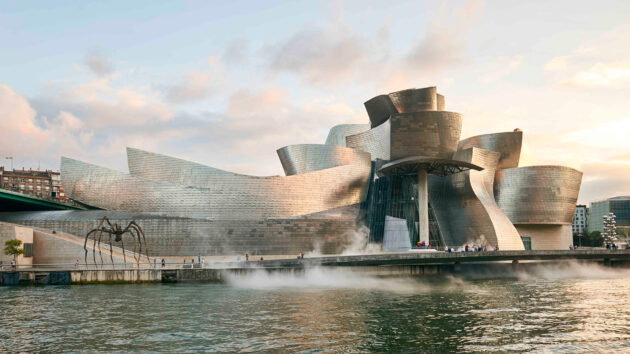
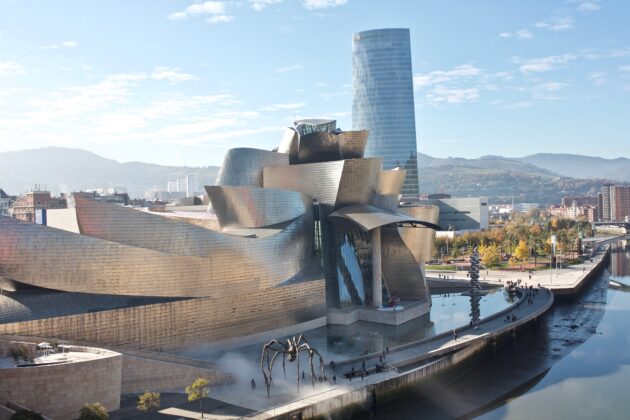
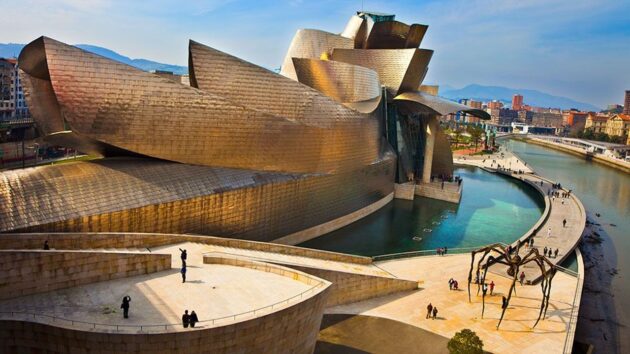
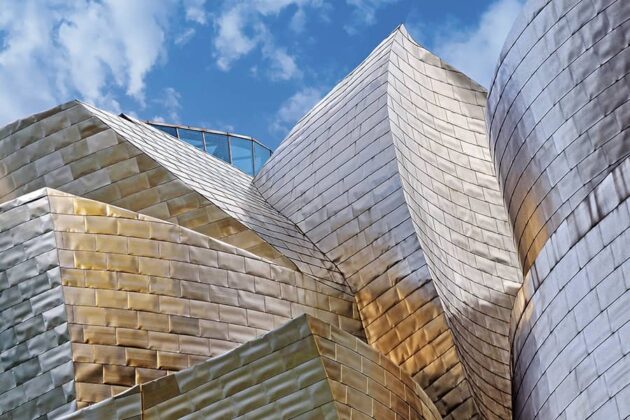
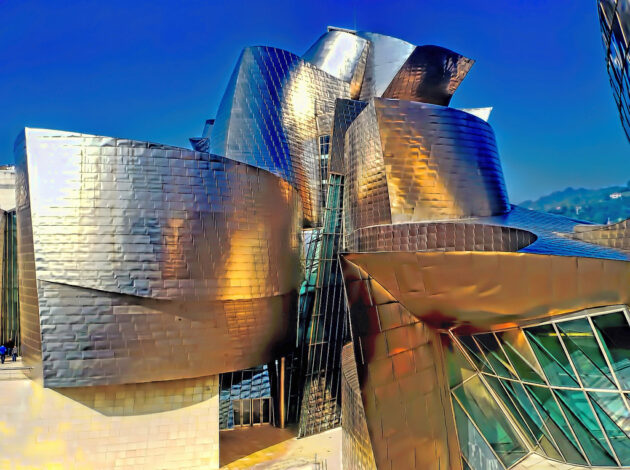
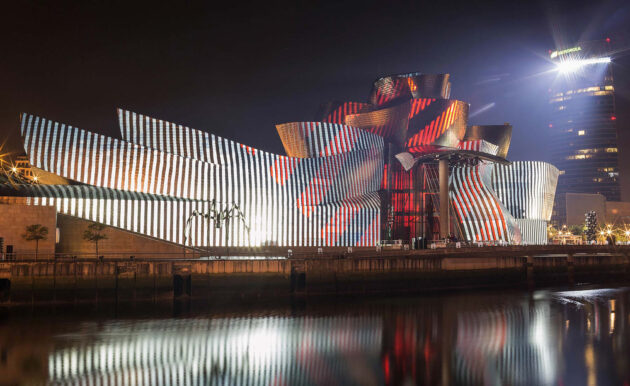
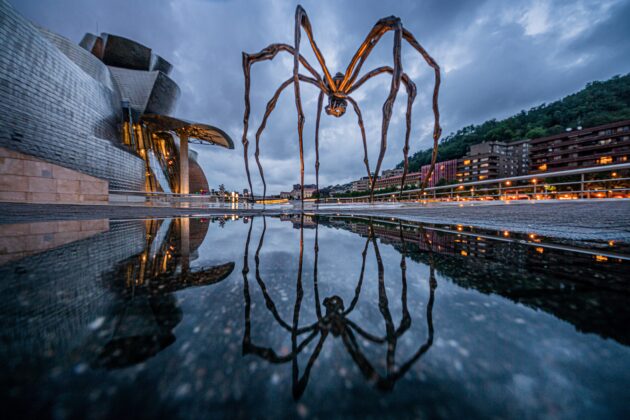
The Guggenheim Museum Bilbao, opened in 1997, is a architectural marvel designed by Frank Gehry that revolutionized the city’s landscape and put Bilbao on the global tourism map. Nestled along the Nervión River in Spain’s Basque Country, this titanium-clad icon isn’t just a museum—it’s a symbol of urban regeneration, blending cutting-edge contemporary art with stunning design. Whether you’re an art aficionado, architecture enthusiast, or casual traveler, a visit here promises inspiration and awe.
Why Visit the Guggenheim Museum Bilbao?
This isn’t your typical stuffy gallery; the Guggenheim Bilbao houses a dynamic collection of modern and contemporary art, featuring works by luminaries like Jeff Koons, Yayoi Kusama, and Richard Serra. Its undulating exterior, often called a “titanic bouquet of flowers,” draws millions annually, but the real magic lies inside: vast, light-filled spaces that make art feel alive. Catch special exhibitions like Barbara Kruger: Another Day. Another Night (running until November 9), a provocative installation on consumerism and media, or the newly added Al Held: Noah’s Focus II from November 7 onward. The museum also spotlights emerging voices with shows like Sky Hopinka: Fainting Spells and Maria Helena Vieira da Silva: Anatomy of Space, blending indigenous perspectives with abstract explorations.
How to Get There
Bilbao is well-connected, making the museum accessible from major European hubs.
By Air: Fly into Bilbao Airport (BIO), about 12 km north of the city. Take the Bizkaibus A3247 line directly to the city center (every 15–20 minutes, €3 one-way, 20–30 minutes), then transfer to Tram Line 1 or Bus Lines 1, 10, 13, 18 (stop: “Museo Guggenheim”). Taxis or Uber cost €20–25 and take 15–20 minutes.
By Train: From Bilbao’s Abando Station (RENFE), hop on the tram (Line 1, €1.50, 10 minutes) or walk 20 minutes along the river.
Within Bilbao: The museum is a 15-minute walk from the city center. Public transport is efficient—use the Barik card for seamless rides on buses and trams.
Parking is available nearby but limited; opt for public lots at €2–3/hour.
Best Time to Visit
Season: Spring (April–June) and fall (September–November) offer mild weather (15–20°C/59–68°F) and fewer crowds. November brings crisp autumn vibes, perfect for indoor art gazing, though rain is common—pack layers and an umbrella.
Daily: Arrive early (right after 10 AM opening) or late afternoon (after 4 PM) to dodge peak crowds. Weekdays are quieter than weekends; avoid Saturdays if possible.
Hours: Tuesday–Sunday, 10 AM–7 PM (closed Mondays). Extended to 8 PM daily in summer (June–September). Last entry is 30 minutes before closing.
What to See and Do
Allocate 2–3 hours for a full visit, or longer for exhibitions.
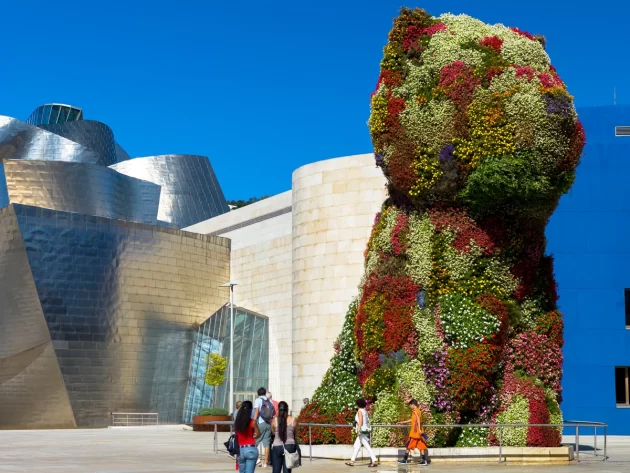
Highlights of the Permanent Collection: Jeff Koons’ Puppy (a 12m floral West Highland terrier guarding the entrance) and Tulips (giant balloon flowers outside). Richard Serra’s The Matter of Time (massive steel sculptures in a vast atrium—wear comfy shoes!). Yayoi Kusama’s immersive Fireflies on the Water (a mirrored room of floating lights).
Special Exhibitions: As noted, don’t miss the Kruger retrospective for its bold graphics or Hopinka’s poetic films on Native American landscapes.
Guided Tours: 60-minute tours (in English, Spanish, Basque, French) focus on architecture and art. Schedules: Hourly from 11 AM–5 PM (weekends vary). Cost: €4 extra on top of admission; book online in advance via the official site. For VIP small-group experiences, third-party options like GetYourGuide offer 2-hour deep dives for €50–100.
Other Activities: Stroll the riverside gardens, join free audio tours via app, or attend occasional events like talks (check the calendar).
Practical Information
Tickets: Buy online to skip lines. Prices: Adults €15; Students (18–26) €7.50; Seniors (65+) €7.50; Under 18 Free; Family packs (2 adults + 2 kids) €30. Museum members get free entry. Special exhibitions may add €5–10. No free days, but EU residents under 26 enter free on select dates.
Accessibility: Fully wheelchair-friendly with elevators, tactile models for the visually impaired, audio guides in sign language, and free companion entry. Wheelchairs available at the coatroom; contact +34 944 359 080 for assistance.
Tips: No large bags (max 35×35 cm)—use the free coatroom. Photography allowed (no flash). Eco-tip: The museum is sustainable; bring reusable water bottles. Download the app for maps and audio.
Nearby Attractions
Bilbao Fine Arts Museum (1 km away): Classic art in a historic setting.
Casco Viejo (Old Town): Wander cobblestone streets for pintxos (Basque tapas) and the Gothic Cathedral.
Nervión River Walk: Stroll to Zubizuri Bridge (1 km) for Gehry’s “calzados” (shoe-like walkways).
Day trip to San Sebastián (1 hour by bus) for beaches and Michelin-starred eats.
Where to Stay and Eat
Stay: In Bilbao’s Ensanche district for proximity—try Hotel Gran Bilbao (€150/night) or trendy Gran Hotel Domine (€200+). Budget: Hostal Begoña (€80).
Eat: Inside, Nerua (Guggenheim’s Michelin-starred spot, €100+ tasting menu) or casual Bistró Guggenheim (€20–30). Outside, hit Azurmendi (farm-to-table, 20-min drive) or pintxos bars like Baster (try txakoli wine pairings, €15–25).
Final Thoughts
The Guggenheim Bilbao isn’t just a museum—it’s a transformative experience that sparks creativity and conversation. Book ahead, arrive with an open mind, and let the titanium curves and bold visions redefine your Bilbao adventure. ¡Buen viaje!