
A Travel Guide to Picos de Europa National Park (2026)
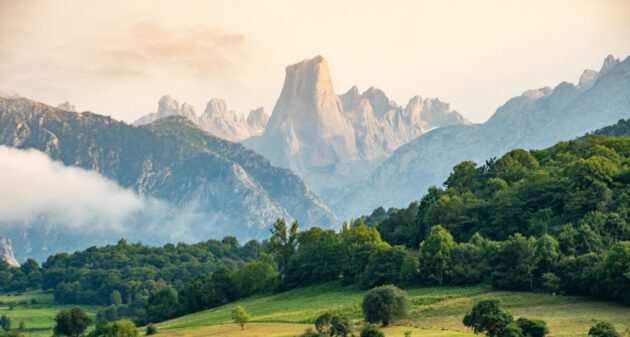
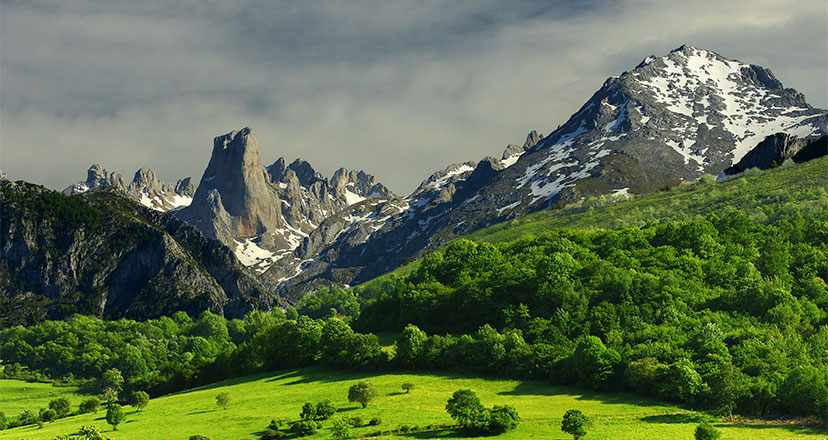
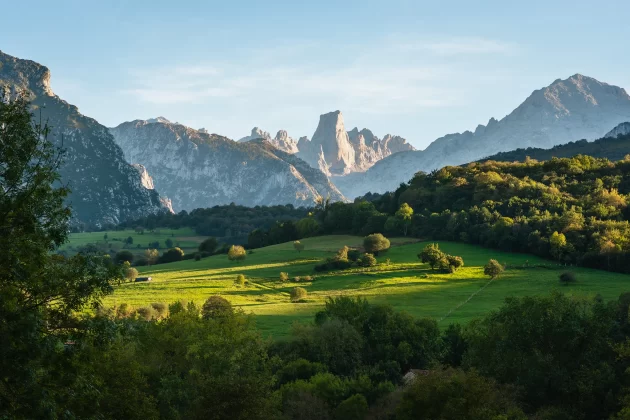
Nestled in the rugged Cantabrian Mountains of northern Spain, Picos de Europa National Park spans over 67,000 hectares across the provinces of Asturias, Cantabria, and León. Established in 1918 as Spain’s first national park, it’s a UNESCO Biosphere Reserve celebrated for its dramatic limestone peaks, deep gorges, glacial lakes, and ancient beech and oak forests. As the country’s only inhabited national park, it blends pristine wilderness with charming mountain villages, offering a glimpse into rural Asturian and Cantabrian life. Home to iconic wildlife like brown bears, Iberian wolves, chamois, and Egyptian vultures, the park’s three massifs—Western (Cornión), Central (Urrieles), and Eastern (Ándara)—are separated by the Cares and Duje rivers, creating a hiker’s paradise with over 30 self-guided trails. Whether you’re seeking adrenaline-pumping ascents or serene lakeside strolls, Picos de Europa delivers an unforgettable blend of adventure and tranquility.
Why Visit Picos de Europa?
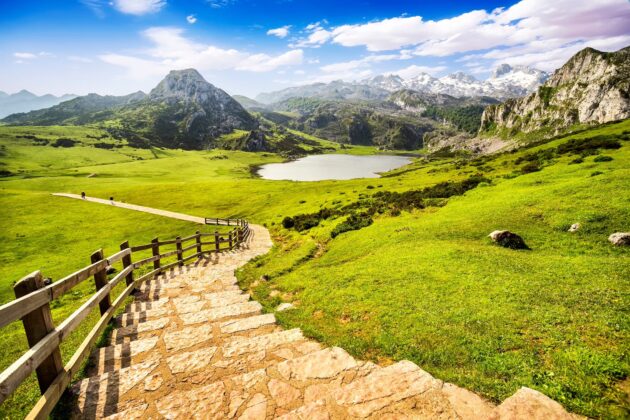
This compact park (just 40km east-west) packs in diverse landscapes: from the fairy-tale village of Bulnes to the turquoise Lakes of Covadonga, and the vertigo-inducing Cares Gorge. It’s ideal for nature lovers, with one-third of Spain’s vertebrate species here, including rare birds and elusive mammals. Culturally, it’s tied to Spain’s history—the Battle of Covadonga in 722 AD sparked the Reconquista. Foodies will savor local specialties like Cabrales blue cheese and hearty fabada stew.
How to Get There
Picos de Europa has multiple entry points, with no entrance fees or gates—access is free year-round. A rental car is essential for flexibility, as public transport is limited and buses require Spanish proficiency for schedules.
From Major Airports: Santander (SDR, 1.5 hours): Head south on A-8 to Unquera, then N-621 through La Hermida Gorge to Potes (eastern access). Bilbao (BIO, 2.5 hours): Similar route via A-8 to Santander, then N-621. Oviedo (OVD, 1.5 hours): Take N-634 to Arriondas, then N-625 to Cangas de Onís (western/northern gateway). León (LEN airport, 2.5 hours): N-601 to Riaño, then N-625 north to Valdeón Valley or Cangas de Onís (southern access).
Public Transport: ALSA buses connect from Oviedo/Santander to Cangas de Onís or Potes (2-3 hours, €10-20). For Lakes of Covadonga, shuttles replace private cars on busy days (late July-early September, Easter, holidays) from Cangas—book via guideasturias.com.
Driving Tips: Roads like N-621 (La Hermida Gorge) are scenic but winding; watch for livestock. Parking is free but scarce in peak season—arrive early at trailheads.
Best Time to Visit
Spring (May-June) and fall (September-October) offer mild weather (15-25°C/59-77°F), blooming meadows, and fewer crowds, ideal for hiking with lush greenery. Summer (July-August) brings warm days (20-30°C/68-86°F) but busier trails, traffic restrictions at Covadonga, and higher wildfire risks—monitor ES-Alert for evacuations. Winter suits snowshoers or skiers but expect closures and short days. Avoid heavy rains in April or November, which can cause trail slips.
What to Do
Picos de Europa shines for outdoor pursuits. Focus on one massif per day to avoid rushing.
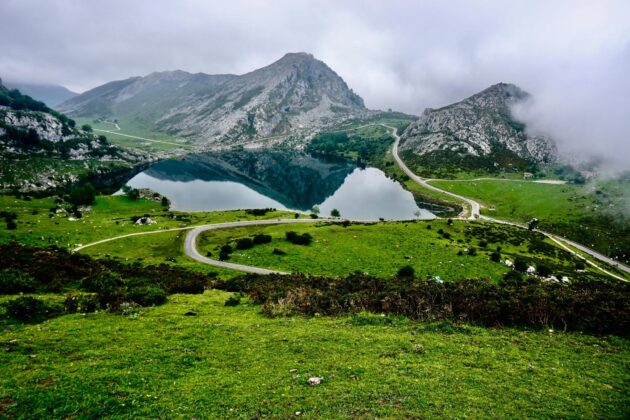
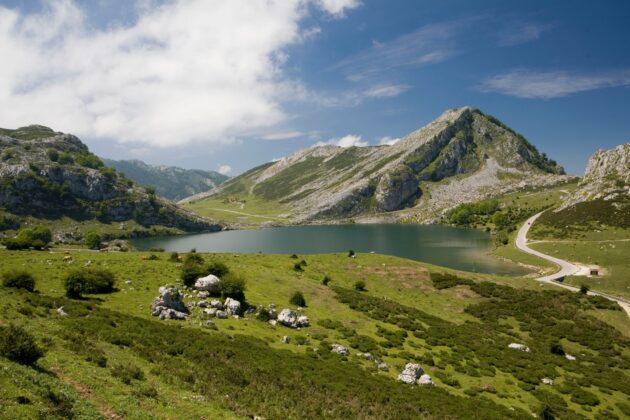
Hiking: Ruta del Cares (12km one-way, 4-5 hours, easy-moderate): Iconic gorge trail from Poncebos to Caín, carved 2,000m deep—stunning bridges and sheer cliffs. Lakes of Covadonga Loop (10km, 3-4 hours, moderate): Circle Lago Enol and Ercina via PR-PNPE-2/4 trails, with views of Torrecerredo peak. Puertos de Áliva (14km round-trip, 5 hours, moderate): From Fuente Dé cable car summit, traverse alpine meadows to Refugio de Áliva. Bulnes Ascent (4km round-trip, 2 hours, moderate): Hike La Canal del Texu to this car-free village, or take the funicular (€22 round-trip).
Scenic Rides and Views: Fuente Dé Cable Car (€18 round-trip, 4-min ride): Ascend 753m to El Cable station for panoramic vistas and easy walks. Miradors: Hit Mirador del Fitu (sweeping valley views), Mirador de la Cruz de Priena, or Mirador del Pozo de la Oración.
Other Activities: Kayak the Sella River (€30-50, half-day) or sample Cabrales cheese tastings in Arenas de Cabrales (€10). Visit Covadonga Sanctuary: Explore the Holy Cave and Basilica, site of Spain’s first Christian victory. Wildlife Spotting: Join guided tours (July-September, free at visitor centers) for bears or vultures.
Cultural Dips: Wander medieval Potes or drive CA-1 to Sotres for cheese farms.
For multi-day epics, tackle the GR-202 (Duje Valley) or Anillo de Picos (131km loop, advanced).
Where to Stay
Choose a base by massif: Northern for hikes, Southeastern for charm, Northwestern for icons. Expect €80-150/night midrange in high season; book 3-6 months ahead. Camping is restricted—use sites like La Isla (€20/night) or high bivouacs above 1,600m.
| Area | Pros/Cons | Recommendations |
|---|---|---|
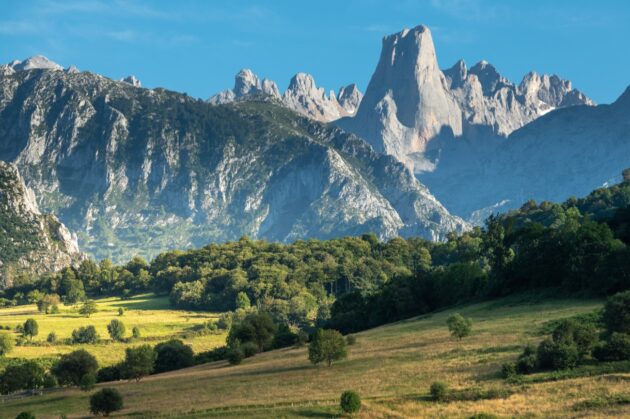
| Northern (Poncebos/Arenas de Cabrales) | Pros: Trail access, Naranjo views. Cons: Remote, parking issues. | Arcea Hotel Mirador de Cabrales (€90, breakfast incl.); Hotel Picos de Europa (€100, pool). |
| Southeastern (Potes/Camaleño Valley) | Pros: Medieval vibe, cable car nearby. Cons: Crowded center. | Villa Elena (€110, garden); Parador de Fuente Dé (€120, views). |
| Southwestern (Caín/Valdeón) | Pros: Authentic, quiet. Cons: Limited amenities. | Hotel Rural Picos de Europa (€85, bungalows). |
| Northwestern (Cangas de Onís/Covadonga) | Pros: Lakes/sanctuary access. Cons: Vehicle restrictions. | Hotel Ecos del Sella (€130, eco-friendly); Hotel Mirador de la Cepada (€140, river views). |
Sample 4-Day Itinerary
Day 1: Arrive Cangas de Onís. Hike Lakes of Covadonga; visit Sanctuary. Stay in Cangas.
Day 2: Drive to Poncebos (1 hour). Ruta del Cares to Caín; funicular to Bulnes. Stay in Arenas.
Day 3: Head to Potes (1.5 hours). Fuente Dé cable car and Puertos de Áliva hike; explore medieval streets. Stay in Potes.
Day 4: Valley drives. Visit Mogrovejo village; cheese tasting in Sotres. Depart via Santander.
For 7 days, add Valdeón’s rural trails.
Practical Tips
Essentials: Pack layers (fog/rain common), sturdy boots, and water—streams aren’t treated. Mobile signal is spotty; download offline maps (e.g., Wikiloc app).
Regulations: No drones, wild camping, or off-road driving. Keep 20m from livestock/mastiffs; report fires to 112. Bikes only on roads, not trails.
Sustainability: Stick to paths to protect karst landscapes; no picking plants. Support locals with cheese/fabada meals.
Health/Safety: Start hikes early (fog rolls in afternoons); check AEMET weather. Visitor centers in Cangas, Posada de Valdeón, and Lagos offer free maps/guides.
Budget: €100-200/day per person (car €40/day, meals €20-30, activities €20-50).
Picos de Europa isn’t just a park—it’s a soul-stirring escape where mountains whisper ancient tales. Embrace the slow pace, breathe the pine-scented air, and let the peaks redefine your sense of wonder. Safe travels!