
A Travel Guide to Helsinki (2026)
Helsinki, Finland’s vibrant capital, is a captivating blend of Nordic cool, innovative design, and unspoiled nature. Nestled on the shores of the Baltic Sea, this city of just over 650,000 residents offers a perfect mix of architectural grandeur, world-class museums, steaming saunas, and fresh seafood markets. Founded in 1550 as a trading post, Helsinki evolved into a cultural hub under Swedish and Russian rule before becoming the heart of independent Finland in 1917. Today, it’s a haven for design enthusiasts, foodies, and those seeking a slower pace amid saunas and sea views—think neoclassical squares by day and glowing northern lights by night in winter. Whether you’re here for the saunas (there are over 3,000 in the city) or the midnight sun, Helsinki promises an immersive escape into Finnish sisu (resilience and spirit).
Why Visit Helsinki?
Helsinki stands out for its seamless fusion of urban sophistication and outdoor adventure. It’s one of the world’s happiest cities, with clean air, efficient public transport, and a deep respect for work-life balance—closing time means family time. Plus, it’s an affordable gateway to Scandinavia, with easy ferries to Tallinn and flights across Europe.
Best Time to Visit
Helsinki shines year-round, but timing depends on your vibe:
Summer (June–August): Peak season with endless daylight (up to 19 hours), outdoor festivals, and warm temps (15–25°C/59–77°F). Catch the Helsinki Music Week or World Village Festival for global beats and street food. Ideal for biking and beach saunas.
Winter (November–March): Embrace the cozy hygge with snow-dusted streets, Christmas markets, and the magical Lux Helsinki light festival (January 6–12). Temps dip to -5–-10°C (23–14°F), but saunas and mulled wine warm you up.
Shoulder Seasons (April–May, September–October): Fewer crowds, milder weather (5–15°C/41–59°F), and golden foliage or blooming parks. Autumn brings cultural events like the Ruska Chamber Music Festival.
Plan around summer festivals like Flow Festival (August) or the MP Motorcycle Show (January) for adrenaline. Avoid mid-December if you hate short days.
How to Get There
Helsinki-Vantaa Airport (HEL) is the main gateway, handling flights from major European hubs and direct connections from the US (e.g., New York via Finnair). It’s just 20km (12 miles) north of the city center—take the affordable I/P train (30 minutes, €5) or Uber (€20–30).
From elsewhere in Europe, high-speed trains from Stockholm or ferries from Tallinn (2 hours, €20–50) are scenic options. No visa needed for US/EU citizens for stays under 90 days.
Getting Around
Helsinki is ultra-walkable, but its HSL public transport system (trams, buses, metro, ferries) covers everything efficiently. Buy a day pass (€8–12) via the HSL app or kiosks. Bikes via City Bike (€5/day) are perfect for summer. Uber and Bolt are cheap and reliable; taxis start at €5. Rent a car only for day trips—parking is pricey downtown.
Top Attractions & Things to Do
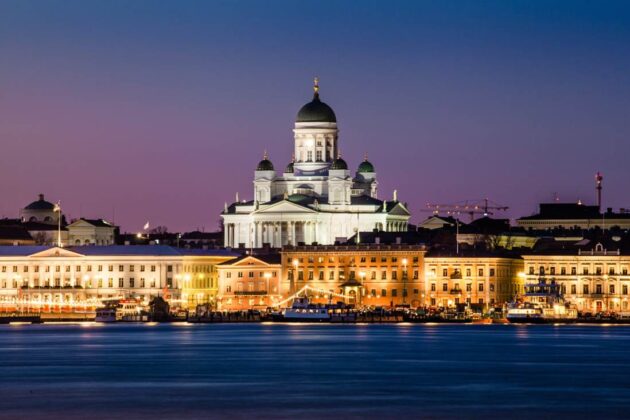
Helsinki Cathedral
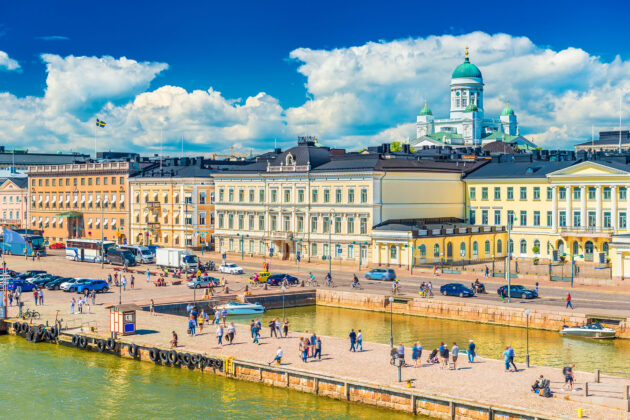
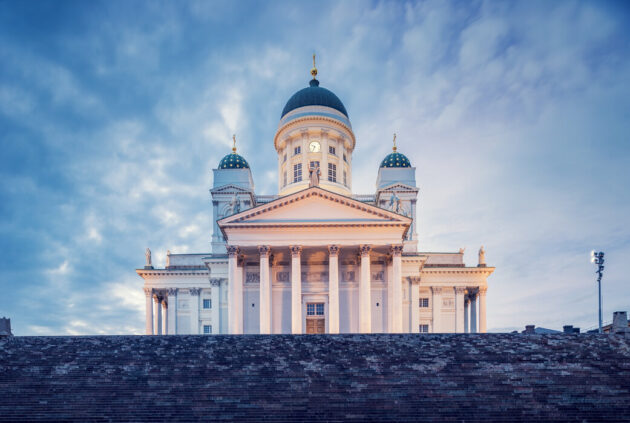
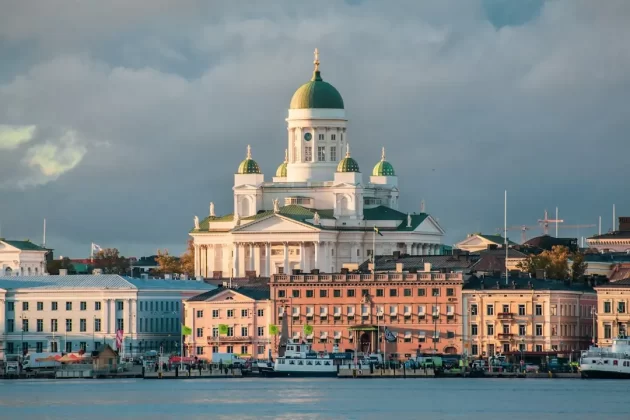
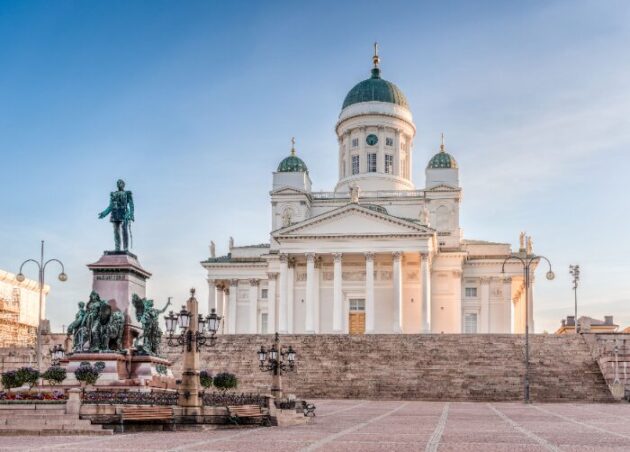
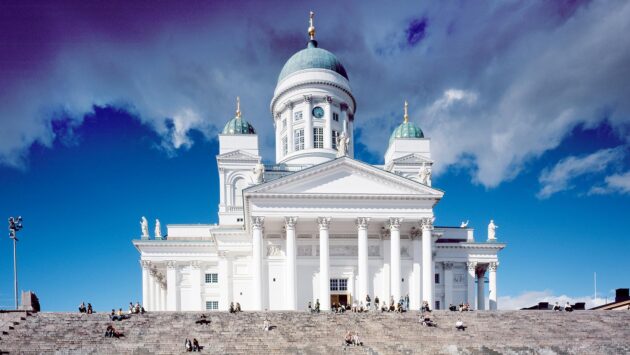
The Helsinki Cathedral, an iconic white neoclassical landmark dominating the city’s Senate Square, is the Finnish Evangelical Lutheran main church. Designed by Carl Ludvig Engel, its striking green domes and pristine facade symbolize Helsinki’s identity. Originally called St. Nicholas’ Church, it was completed in 1852 and remains a major tourist attraction and active place of worship.
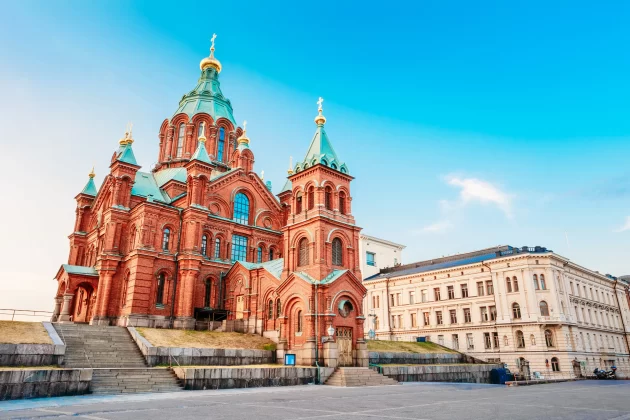
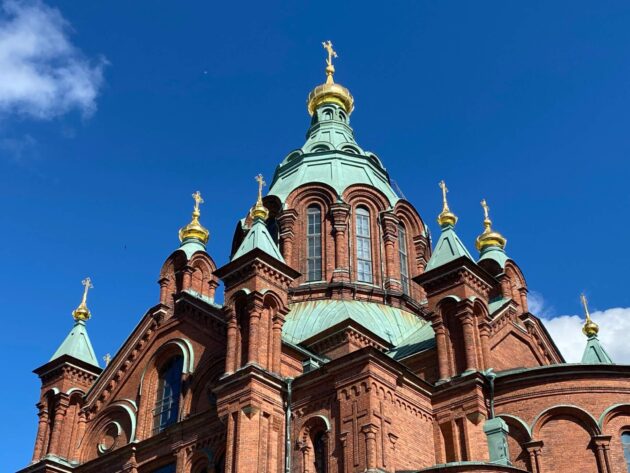
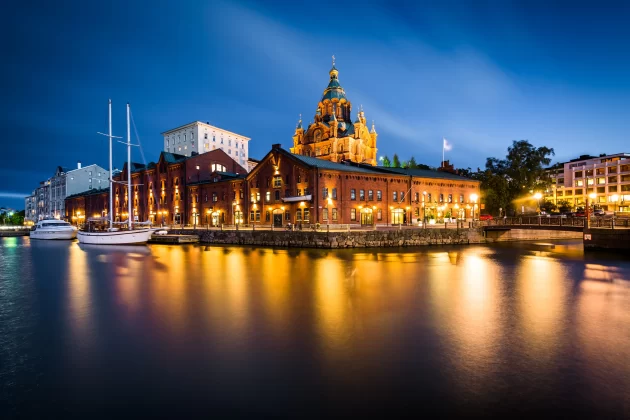
Uspenski Cathedral
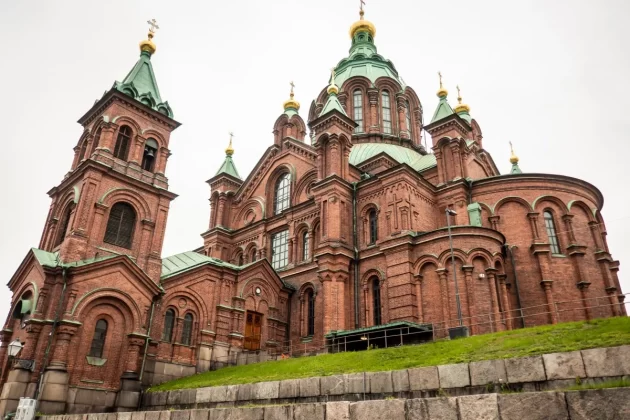
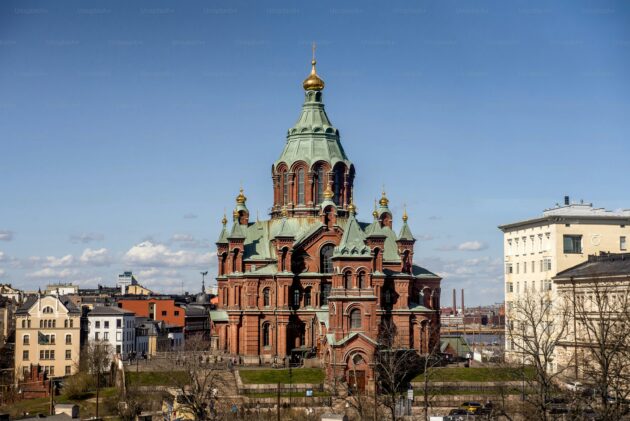
The Uspenski Cathedral in Helsinki, Finland, is a striking Russian Orthodox church and the largest Orthodox cathedral in Northern and Western Europe. Perched on a hill in the Katajanokka district, its iconic red-brick facade and green roofs with golden onion domes are a prominent feature of the city’s skyline. Consecrated in 1868 and dedicated to the Dormition of the Virgin Mary, the cathedral is a major tourist attraction and an active center of worship for the Finnish Orthodox Church.
Art Museum Ateneum
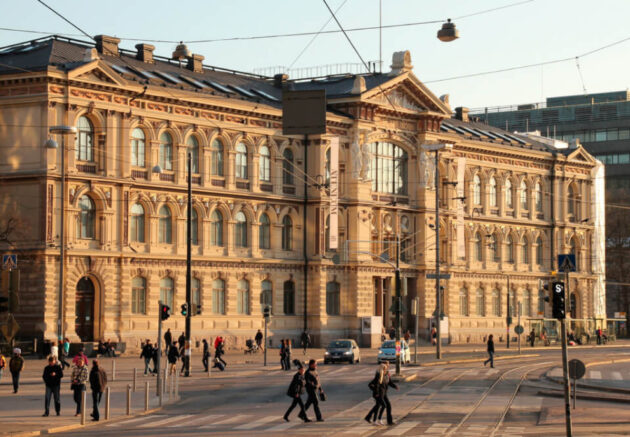
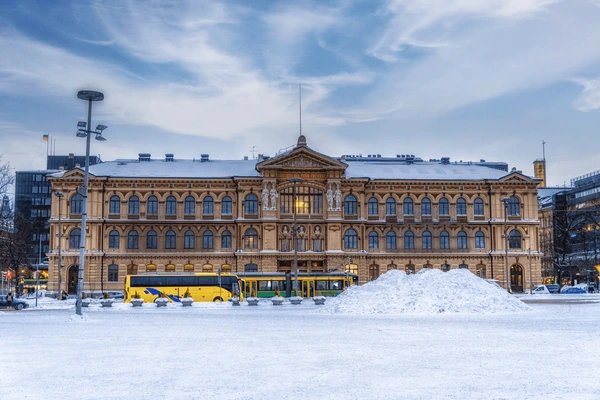
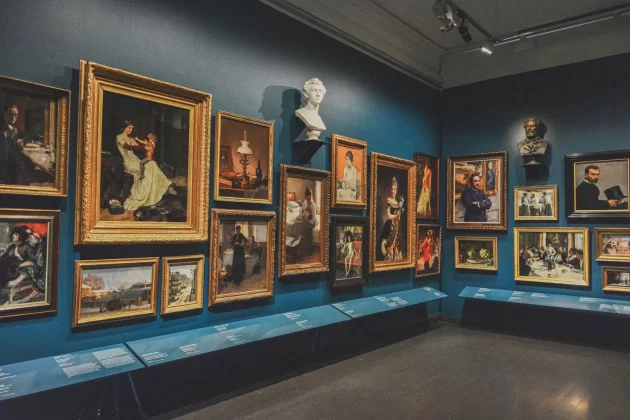
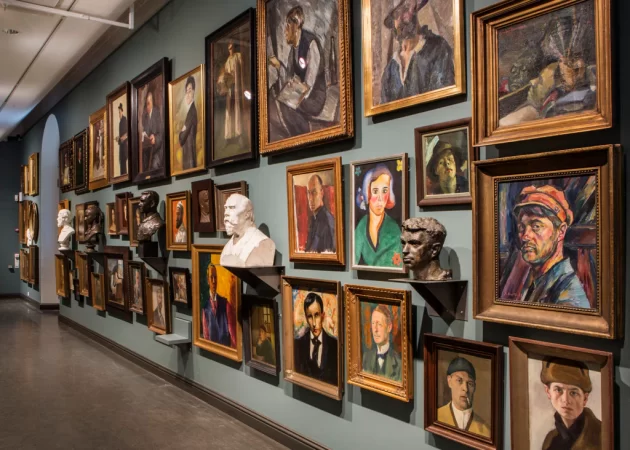
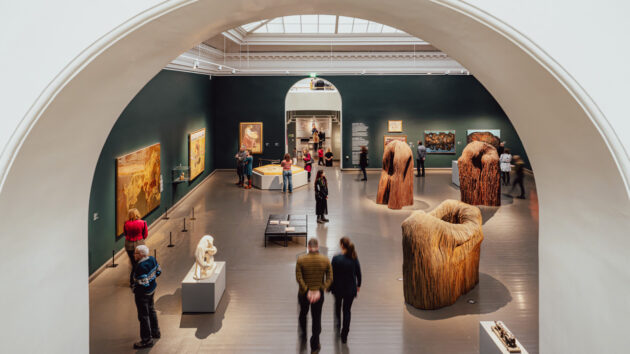
The Ateneum Art Museum is Finland’s premier art museum located in the heart of Helsinki, opposite the Central Railway Station. Housed in a palatial neo-Renaissance building from 1887, it forms part of the Finnish National Gallery and holds the country’s largest collection of art, with over 20,000 works spanning from the 18th century to the modern age.
Temppeliaukio Church
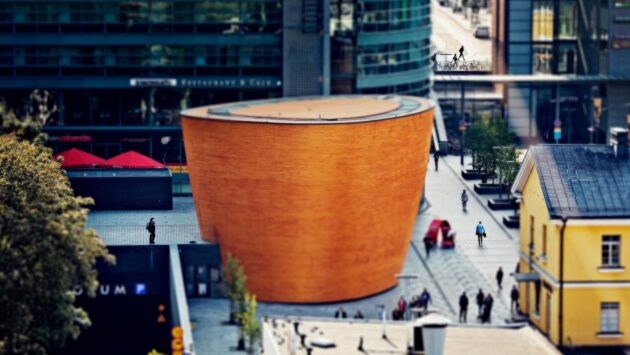
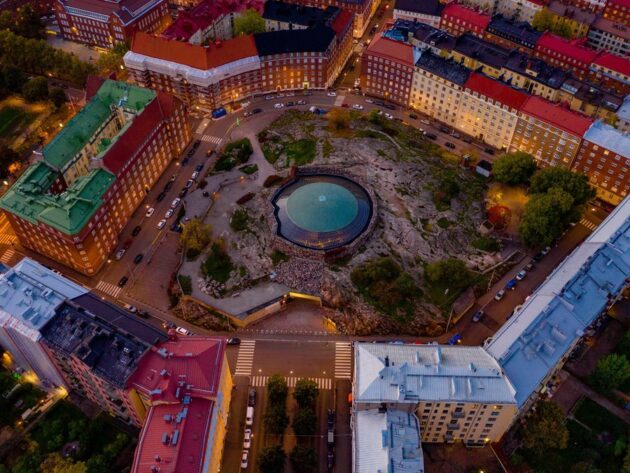
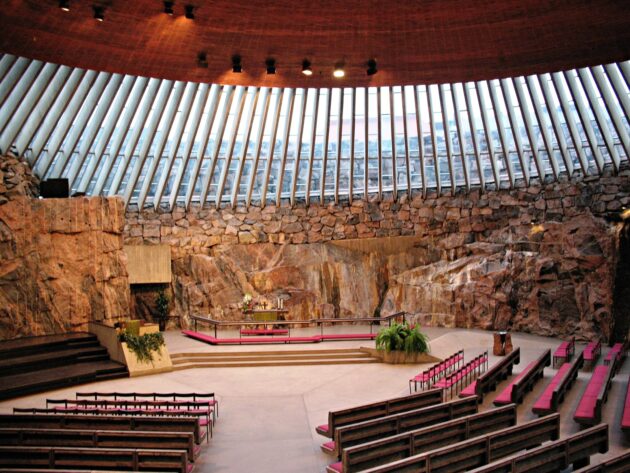
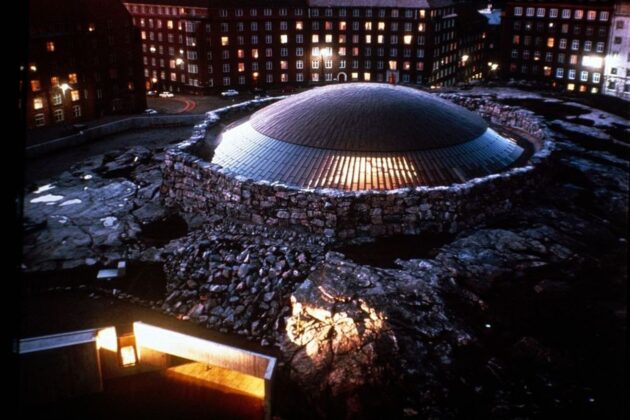
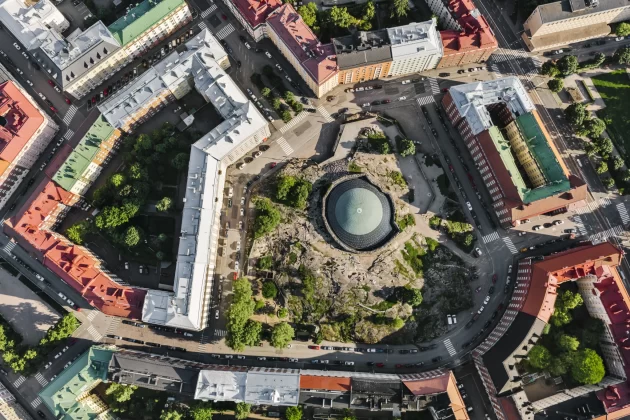
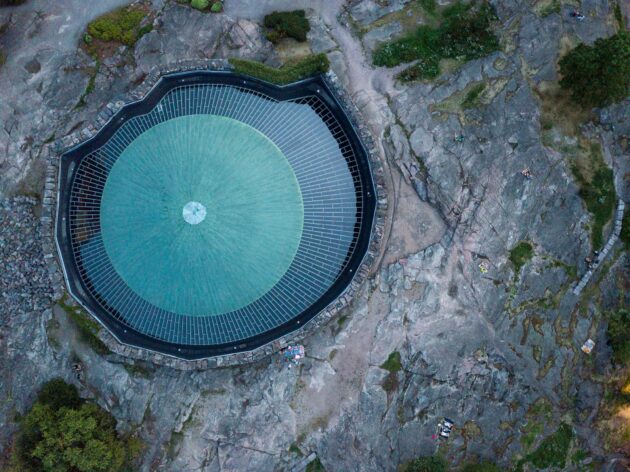
Carved directly into solid rock in Helsinki, Temppeliaukio Church is a breathtaking architectural marvel. Also known as the Rock Church, its iconic design features a stunning copper-wire dome ceiling that floods the interior with natural light. This unique fusion of raw, unfinished rock surfaces and modern design creates a powerfully serene and acoustically brilliant space, making it both a popular place of worship and a major tourist attraction.
Suomenlinna
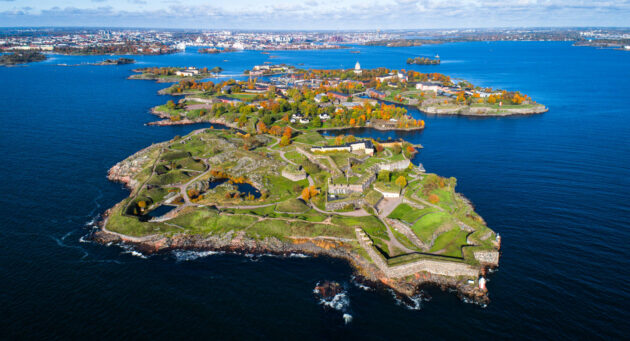
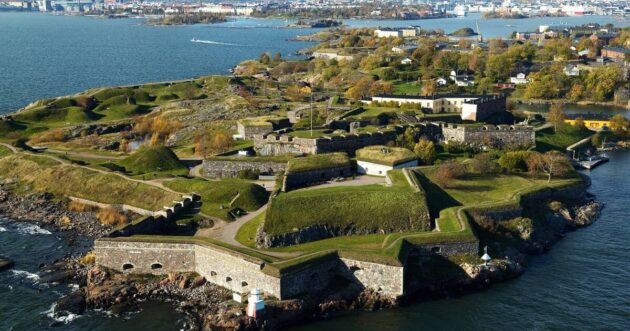
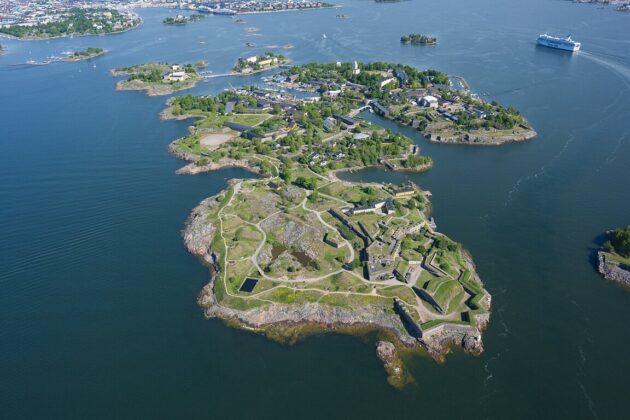
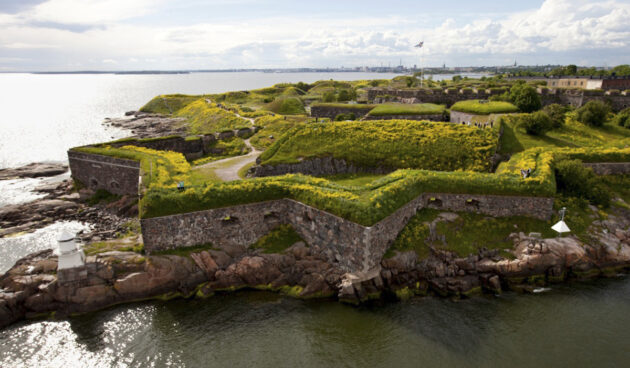
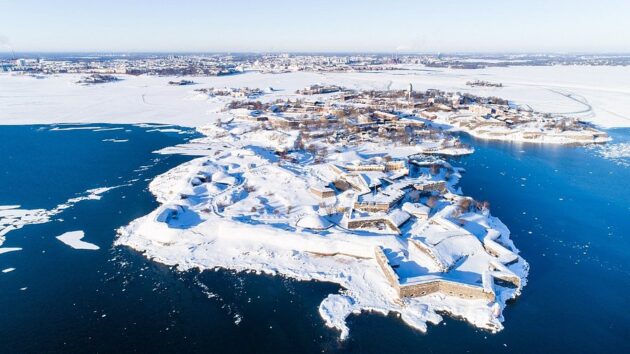
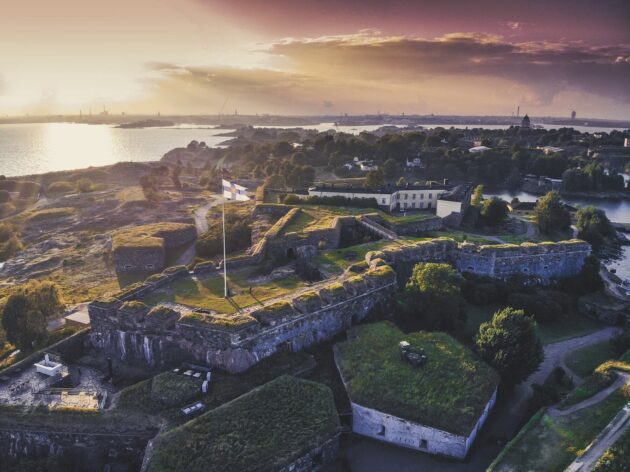
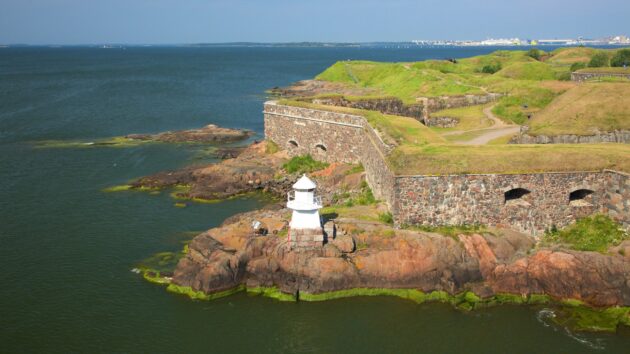
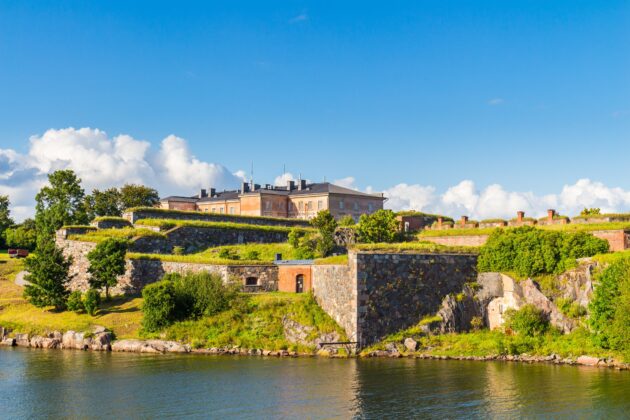
Nestled in the Baltic Sea just a short ferry ride from Helsinki’s bustling waterfront, Suomenlinna is a captivating sea fortress and one of Finland’s crown jewels. This UNESCO World Heritage Site, spanning six interconnected islands, blends rich maritime history with stunning natural beauty, offering a serene escape from the city’s urban energy
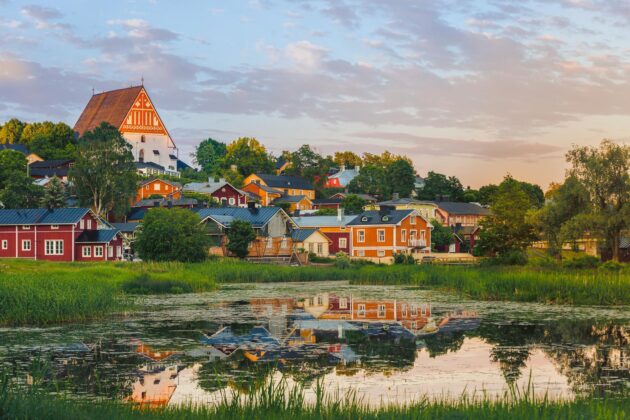
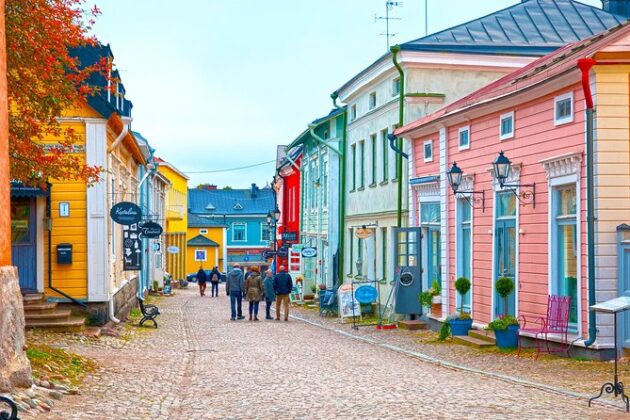
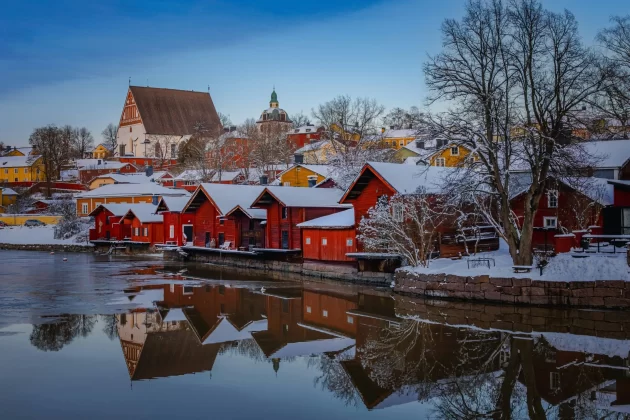
Porvoo
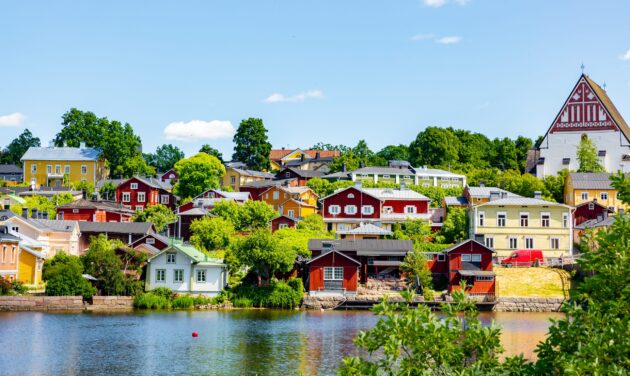
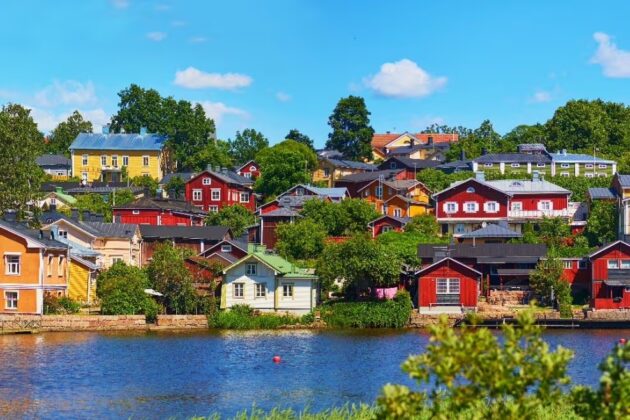
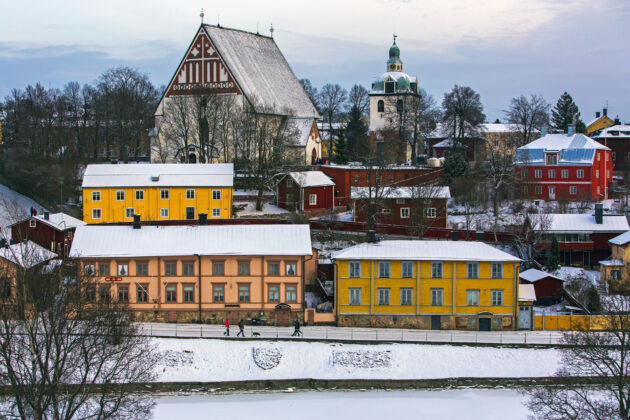
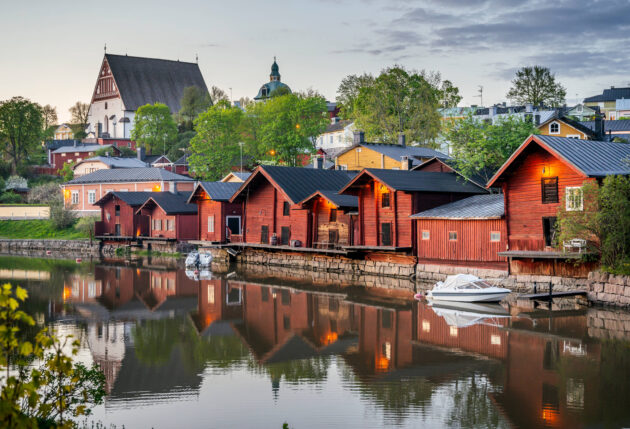
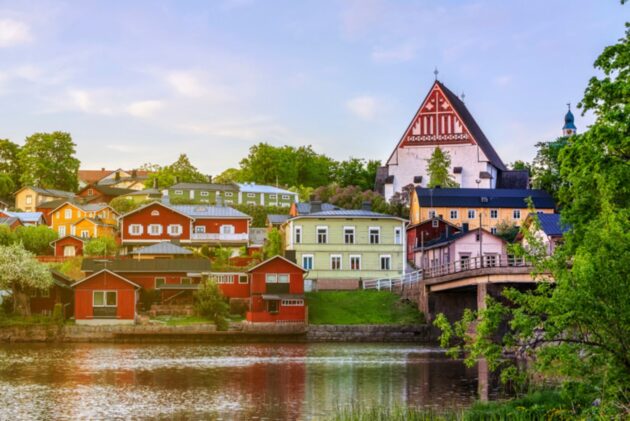
Nestled along the Porvoo River just 50 kilometers east of Helsinki, Porvoo (Borgå in Swedish) is Finland’s second-oldest town, with roots tracing back to the 14th century. This charming medieval riverside gem is a UNESCO World Heritage candidate, famed for its well-preserved Old Town, vibrant red warehouses, and a blend of history, culture, and nature.
Where to Stay
Options span from sleek hostels to historic gems. Expect €100–250/night in peak season:
Luxury: Hotel Kämp (historic elegance with spa, from €300) or Hotel St. George (rooftop views, €250+).
Mid-Range: Noli Studios Katajanokka (apartment-style with saunas, €150) or Hotel F6 (boutique coziness, €120).
Budget: Hostel Diana Park (central, €50) or Glamping at Långvik (nature pods, €80).
Book via Booking.com; many include breakfast with rye bread and smoked salmon.
Where to Eat & Drink
Finnish cuisine is hearty and seasonal—think foraged berries, wild game, and rye everything. Don’t miss rye bread (ruisleipä) or salted licorice (salmiakki).
Casual Eats: Old Market Hall for salmon soup (€10) or Frangipani Bakery’s cinnamon buns (€5).
Fine Dining: Ravintola Nokka (tasting menus with reindeer, €100+) or Savotta (elk meatballs in a log cabin vibe, €40 mains).
Veggie Spot: Yes Yes Yes (halloumi fries, €15).
Coffee Culture: Ekberg (oldest bakery, since 1852) or Café Regatta (waterside buns by a bonfire, €4).
Pair with local craft beer at a bryggeri (brewery pub). Tipping isn’t customary—round up if service wows.
Practical Tips
Costs: Daily budget €100–200 (food €40, transport €10, attractions €20). Use the Helsinki Card (€50–70) for free entry and transit.
Safety: Extremely safe—petty theft is rare, but watch bags in crowds. English is widely spoken.
Connectivity: Free Wi-Fi everywhere; get a Telia eSIM (€10 for 10GB).
Sustainability: Finland leads in eco-travel—use reusable bottles and public transport. In winter, layer up with merino wool.
Notes: With post-pandemic recovery, expect vibrant crowds at festivals but book saunas and ferries early. Check VisitHelsinki.fi for updates.
Helsinki isn’t just a stopover—it’s a mindset of mindful living amid stunning scenery. Slow down, sauna up, and let the city’s quiet magic unfold. Safe travels!