
A Comprehensive Travel Guide to Norway (2026)
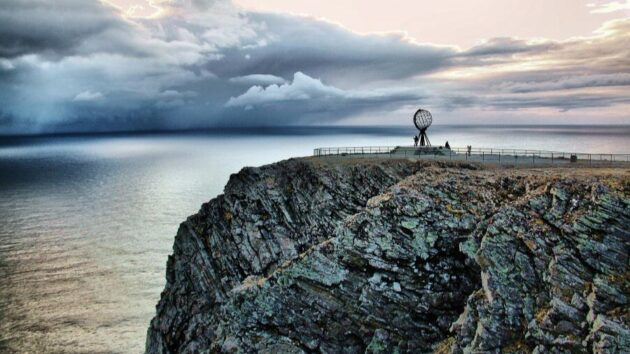
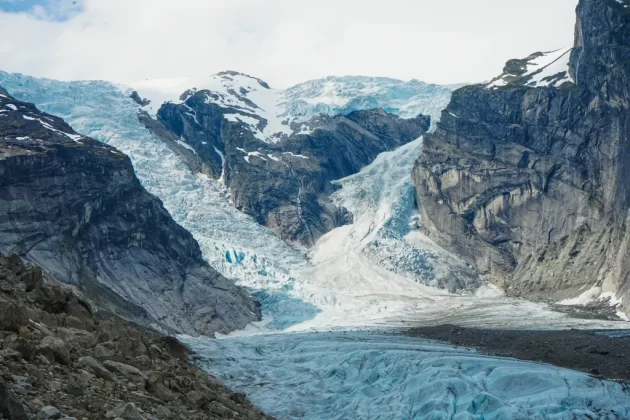
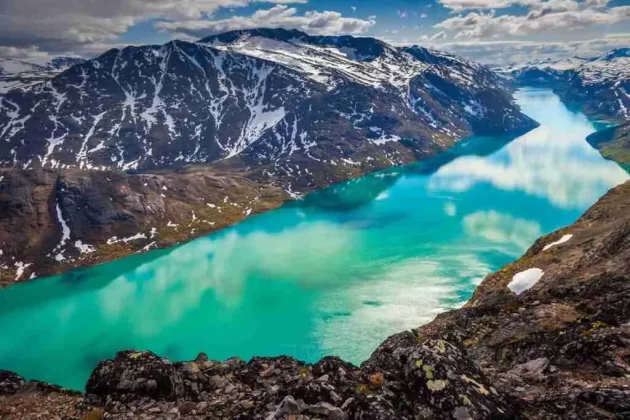
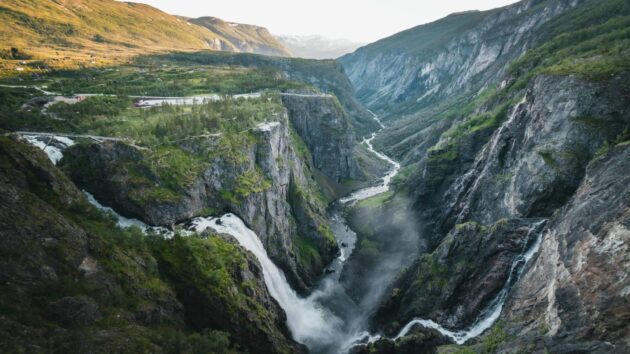
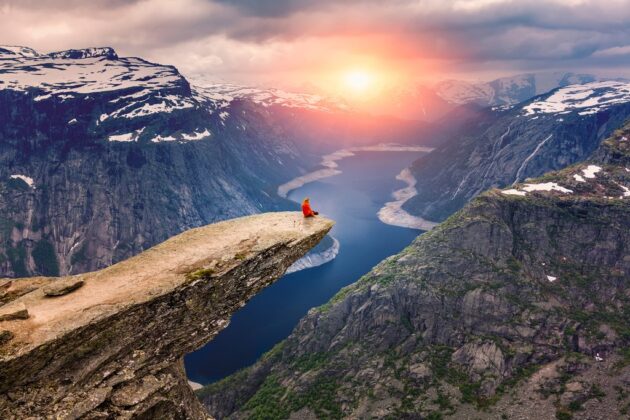
Norway, a Nordic gem in Scandinavia, captivates with its dramatic fjords, midnight sun, and ethereal northern lights. Stretching from the bustling capital of Oslo to the remote Arctic wilderness of the Lofoten Islands, this land of Vikings offers unparalleled natural beauty and modern sophistication. Whether you’re chasing auroras in winter or hiking under endless summer daylight, Norway promises adventure and serenity.
Why Visit Norway?
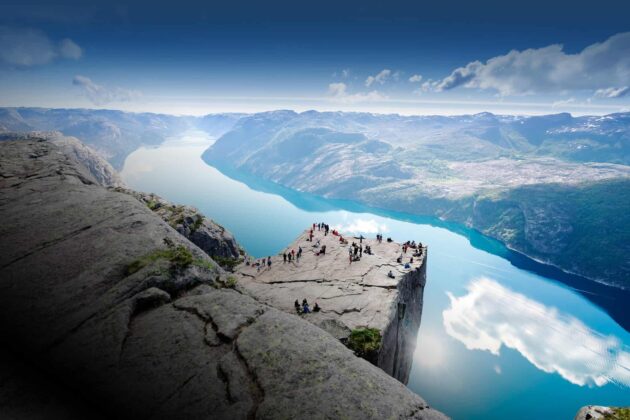
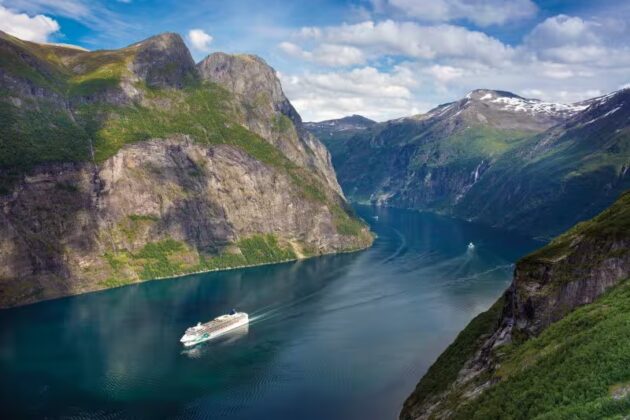
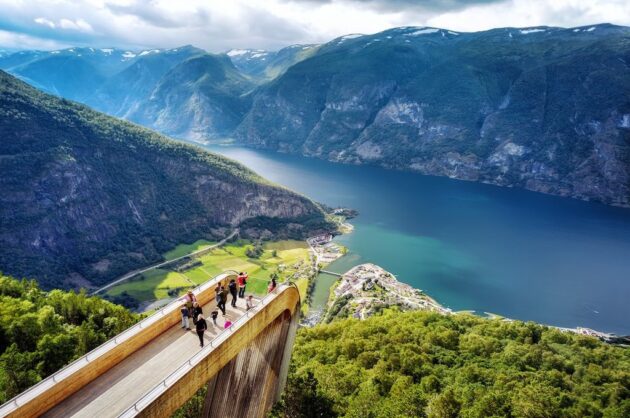
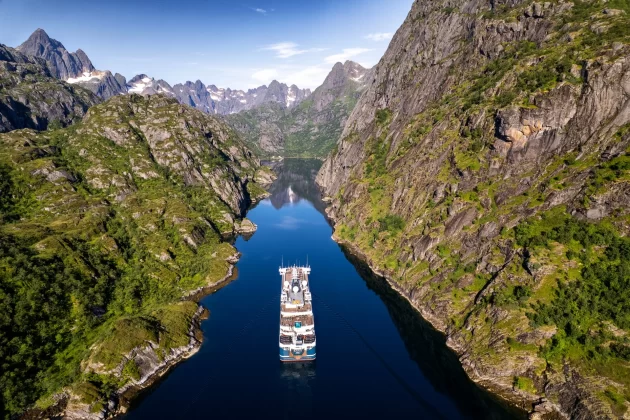
Norway ranks among the world’s most scenic destinations, blending rugged mountains, deep blue fjords, and vibrant cities. Highlights include UNESCO-listed fjords like Sognefjord (the longest in the world at 204 km) and Geirangerfjord, plus opportunities for wildlife spotting—think whales, reindeer, and puffins. It’s perfect for nature lovers, with over 50,000 km of coastline and vast national parks. Culturally, immerse in Viking history, contemporary art (like Edvard Munch’s works), and hygge-inspired coziness. Norway’s commitment to sustainability—electric ferries and eco-hotels—adds a forward-thinking appeal.
Best Time to Visit
Norway’s weather varies wildly, so timing depends on your interests:
Summer (June–August): Peak season for the midnight sun (24-hour daylight north of the Arctic Circle) and mild temps (15–25°C/59–77°F). Ideal for hiking, fjord cruises, and festivals. Expect crowds and higher prices, but endless days for exploration.
Winter (December–February): For northern lights hunting in Tromsø or Alta, with temps dipping to -10°C/14°F. Skiing and snowshoeing shine, but shorter days (4–6 hours of light) limit activities.
Shoulder Seasons: September for autumn colors and fewer crowds (temps 5–15°C/41–59°F), or May for blooming landscapes and open roads. Avoid November’s dark, rainy transition.
Summer bookings fill fast due to post-pandemic demand—reserve trains and ferries early.
How to Get There
By Air: Fly into Oslo Gardermoen Airport (OSL), the main hub, with direct flights from major global cities (e.g., New York to Oslo ~8 hours, $400–800 round-trip). Bergen (BGO) and Tromsø (TOS) serve regional arrivals. Low-cost carriers like Norwegian Air offer deals from €50 intra-Europe.
By Sea: Ferries from Denmark (Copenhagen to Oslo, 19 hours) or Germany via Hurtigruten coastal routes.
By Train/Bus: From Sweden (Stockholm to Oslo, 6 hours) or Denmark.
Once there, use the efficient public system—Norway’s trains and buses connect most spots.
Getting Around
Norway’s vast size (385,000 sq km) means planning transport wisely:
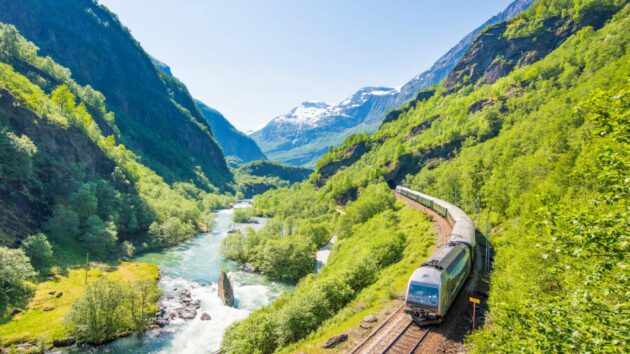
Trains: Scenic and reliable; the Bergen Railway (Oslo–Bergen, 7 hours, ~290 NOK if booked early) is iconic. Vy.no for tickets.
Buses: Budget-friendly (Oslo–Trondheim ~780 NOK, 9 hours); FlixBus for international links.
Ferries/Cruises: Essential for fjords; Norway in a Nutshell tour (train+ferry, ~1,500 NOK) from Oslo to Bergen.
Car Rental: Freedom for roads like Atlantic Road (~470–900 NOK/day); drive right, watch for tolls (use AutoPASS app). Electric cars are subsidized.
Flights: Domestic hops via SAS or Widerøe (~500 NOK Oslo–Tromsø).
Hiking/Biking: Free in national parks; rent e-bikes in cities (~200 NOK/day).
Public passes like Oslo’s 7-day card (323 NOK) save on urban travel.
Top Destinations and What to Do
Oslo
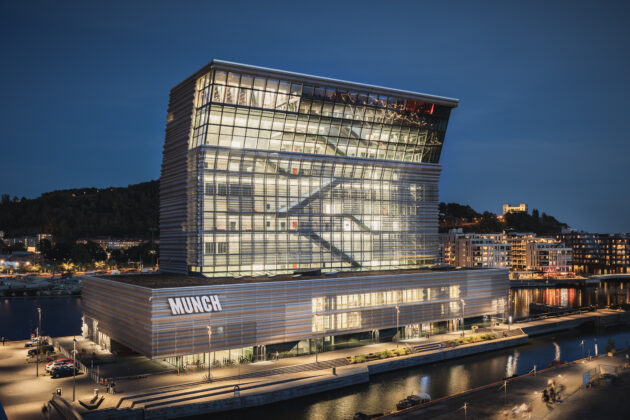
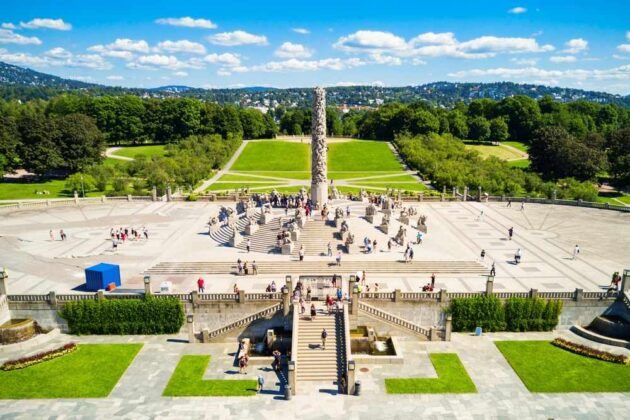
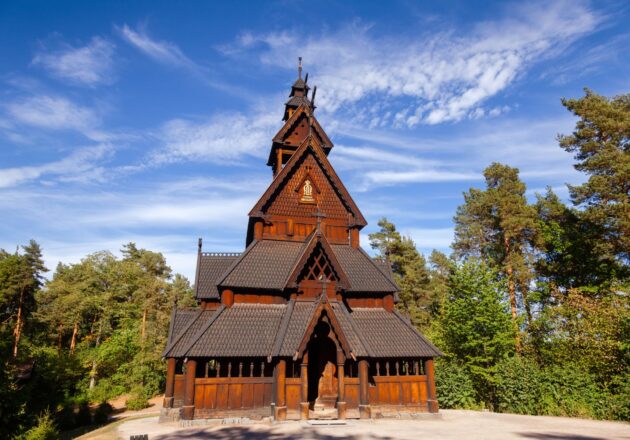
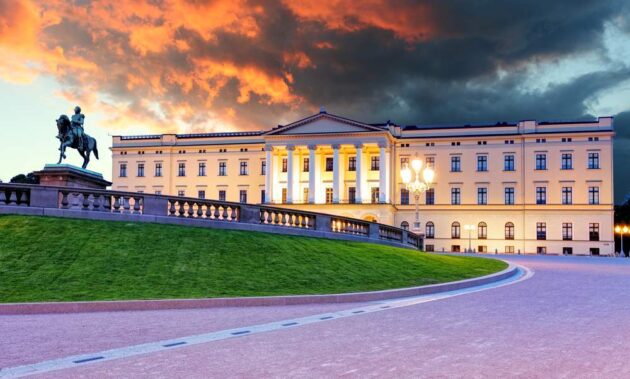
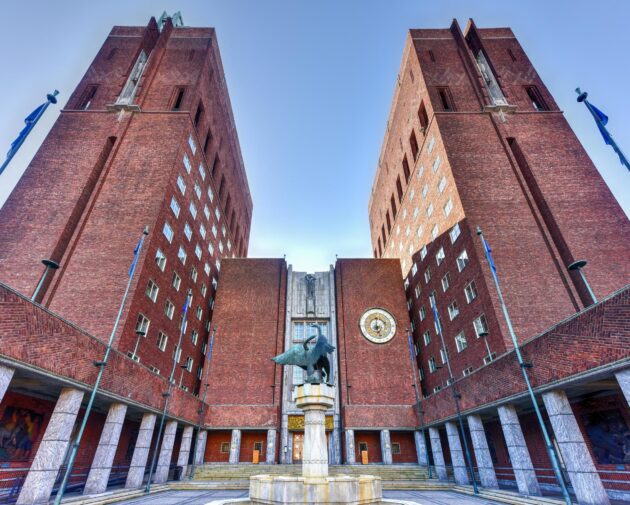
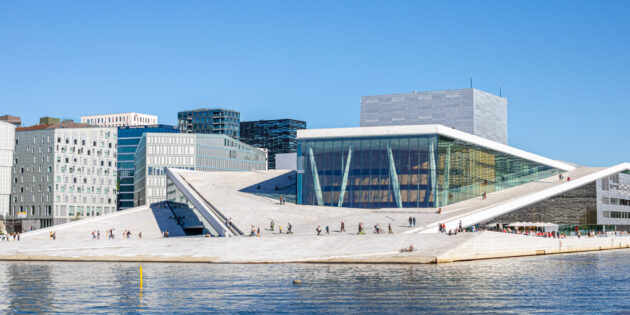
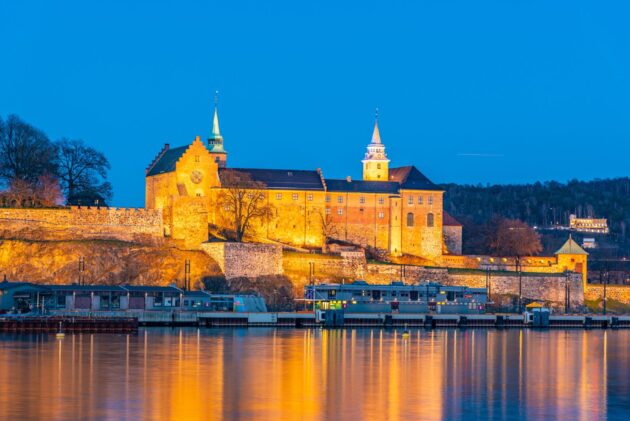
Oslo, Norway’s dynamic capital, seamlessly blends Scandinavian design, rich history, and stunning natural beauty. Nestled at the head of the Oslofjord and surrounded by forested hills, this compact city offers world-class museums, innovative architecture, and easy access to outdoor adventures. Whether you’re wandering cobblestone streets, exploring fjord islands, or savoring Nordic cuisine, Oslo delivers a perfect mix of urban cool and serene escapes.

Bergen
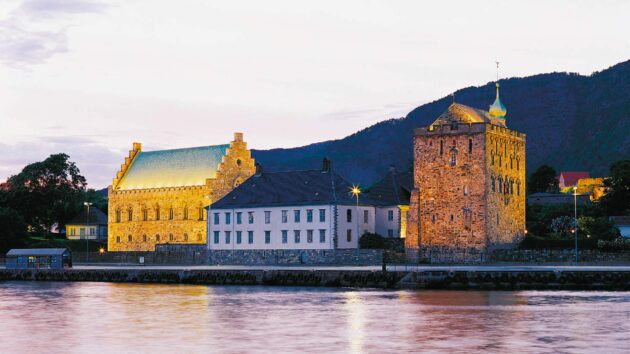
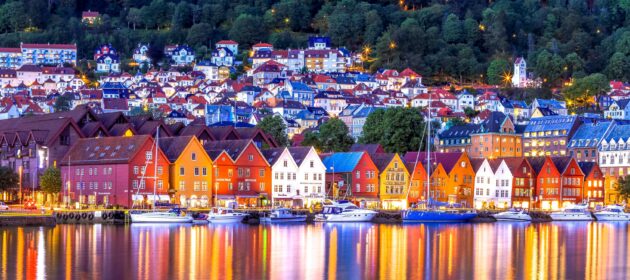
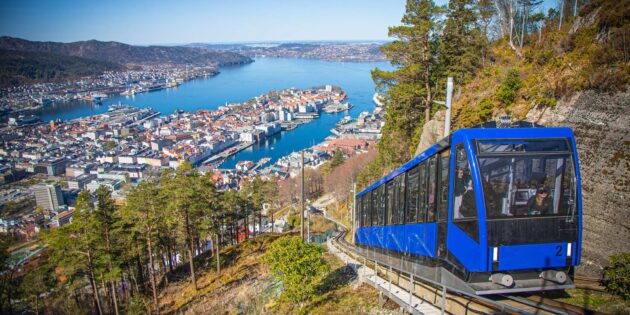
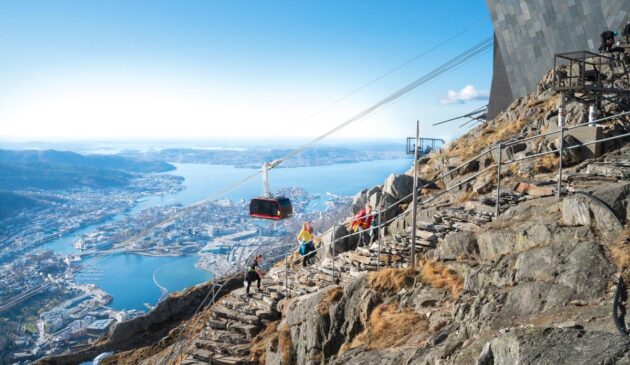
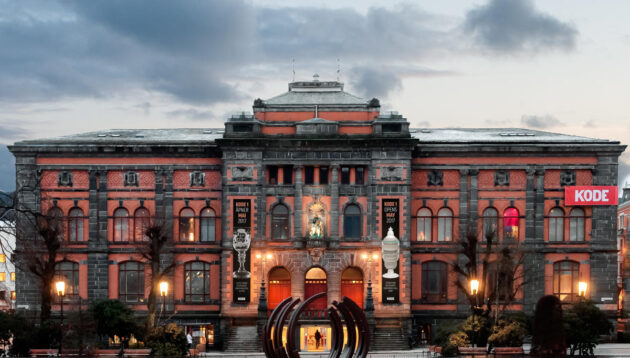
Nestled on Norway’s stunning west coast, Bergen is a vibrant gateway to the fjords, blending medieval charm with breathtaking natural beauty. Founded in 1070 as a key Hanseatic trading port, this UNESCO World Heritage City boasts colorful wooden wharves, seven surrounding mountains, and a culinary scene centered on fresh seafood.

Tromsø
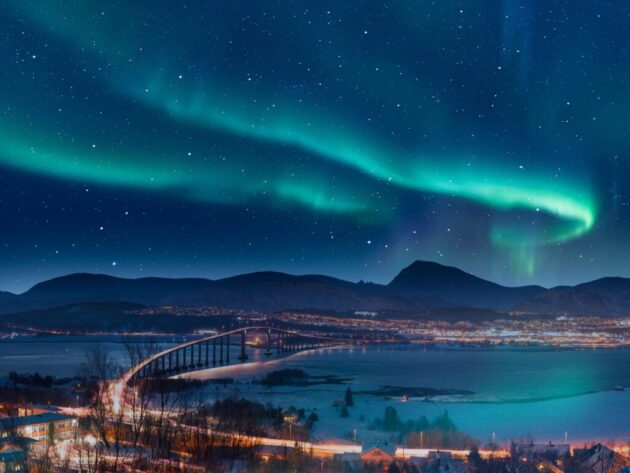
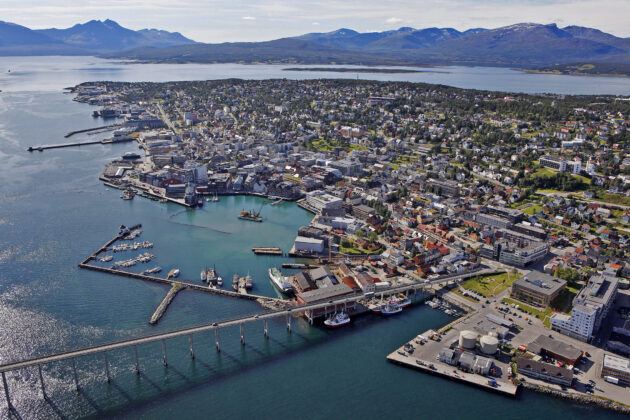
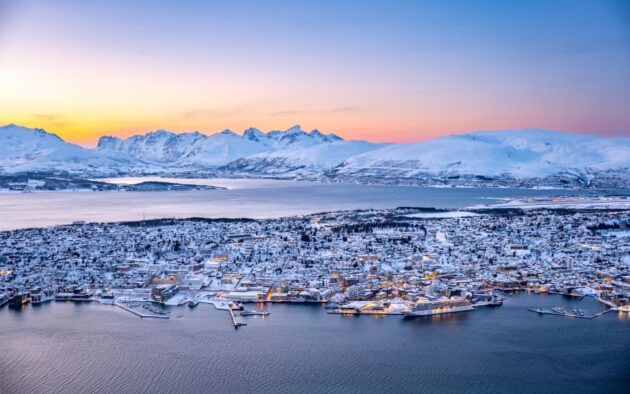
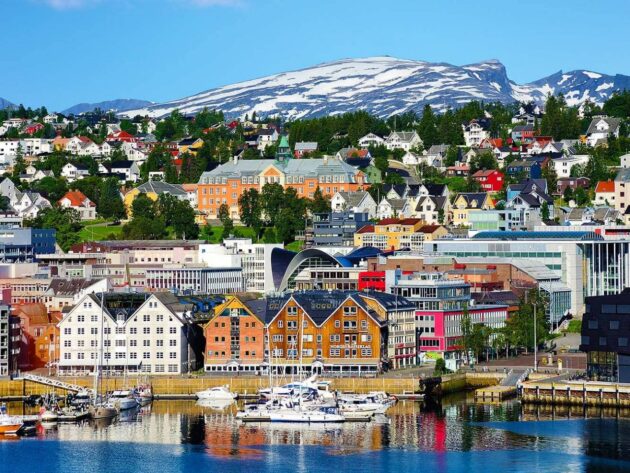
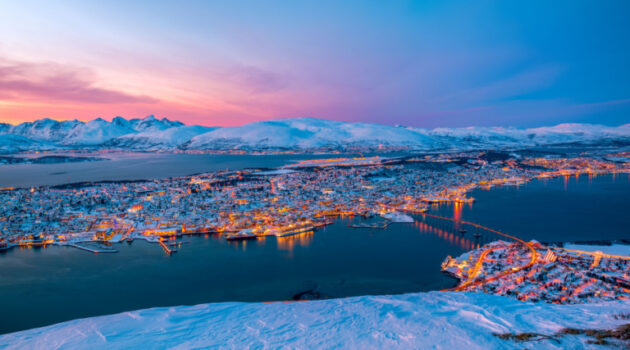
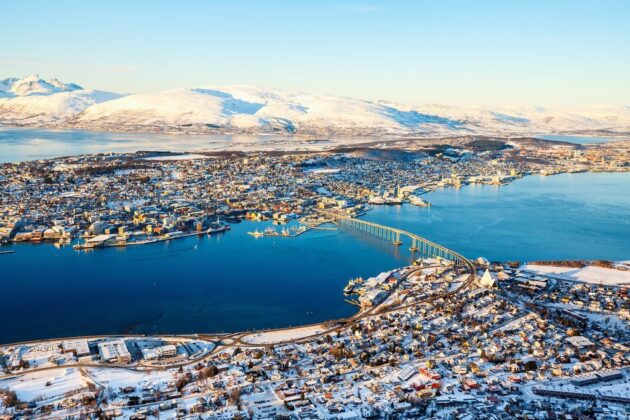
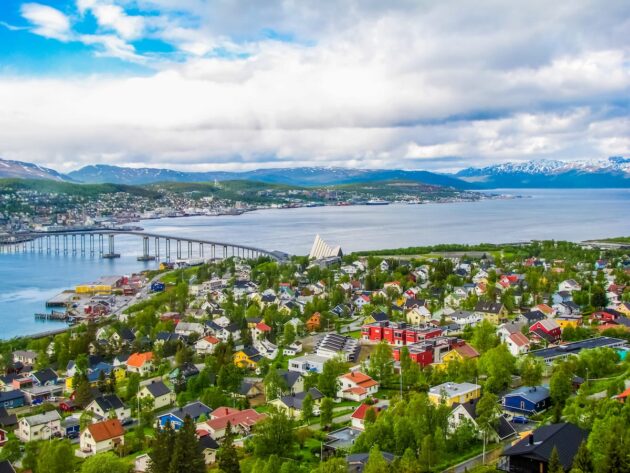
Nestled above the Arctic Circle on a small island in northern Norway, Tromsø—often called the “Gateway to the Arctic”—is a vibrant city that blends urban energy with breathtaking natural wonders. As the world’s northernmost university town, it offers a unique mix of cultural depth, outdoor adventures, and phenomena like the Northern Lights and midnight sun.

Where to Stay
Budget: Hostels (300 NOK/night dorm) in Oslo/Bergen; wild camping (free, legal with “allemannsretten” right—1–2 nights max, no trace left).
Midrange: Airbnbs (500–750 NOK private room) or guesthouses; try rorbu fisherman’s cabins in Lofoten (~1,000 NOK).
Luxury: Eco-hotels like Farris Bad (2,000 NOK+) or fjord-view resorts.
Book via Booking.com; peak summer requires 6+ months advance.
Food and Drink
Savor fresh seafood: salmon, cod, and shrimp at markets (~110–200 NOK meal). Try brunost (brown cheese) on waffles or rakfisk (fermented trout). Groceries for a week: ~725 NOK. Beer costs 95 NOK—buy at Vinmonopolet for savings. Vegetarian options abound; Oslo’s Mathallen food hall is a must.
Budget Tips
Norway is pricey (world’s 2nd most expensive country), but savvy travelers manage:
Daily Costs: Backpacker: 600 NOK (camp, cook, buses); Midrange: 1,500 NOK; Luxury: 2,600 NOK.
Save By: Booking transport early (50% off trains), using city cards (free attractions/transport), Couchsurfing, and free hikes. Avoid eating/drinking out—picnics rule.
Practical Tips
Currency: Norwegian Krone (NOK; ~1 USD = 11 NOK). Cards everywhere; ATMs widespread.
Language: English widely spoken; Norwegian/Danish/Swedish similar.
Weather: Pack layers—rainproof jacket essential; temps swing 10–30°C daily.
Sustainability: Use electric transport, stick to trails. Download the Visit Norway app for real-time updates.
Health/Safety: Tap water safe; no major risks, but watch for ticks in summer. EU health card for Europeans.
Norway’s magic lies in its untamed spirit—embrace the fjords’ call and let the landscapes redefine your sense of wonder. Safe travels!