

A Travel Guide to Christiansborg Palace (2026)
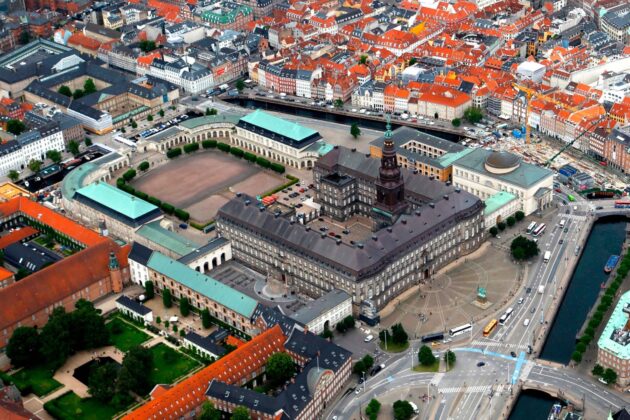
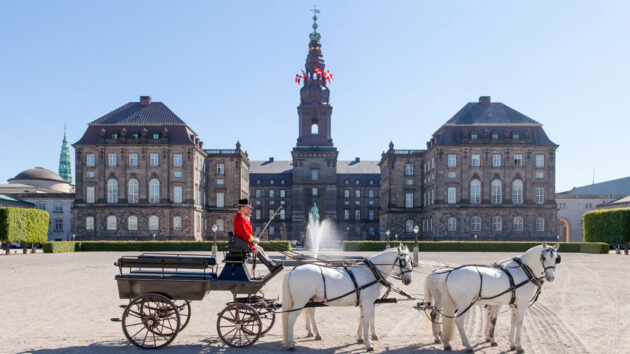
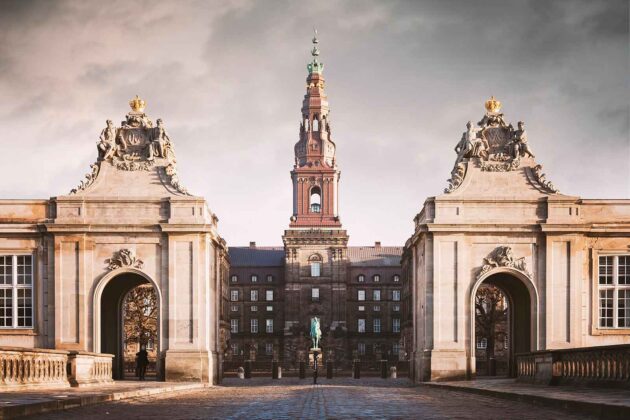
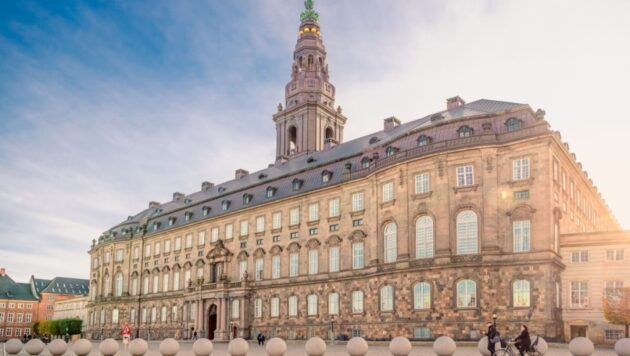
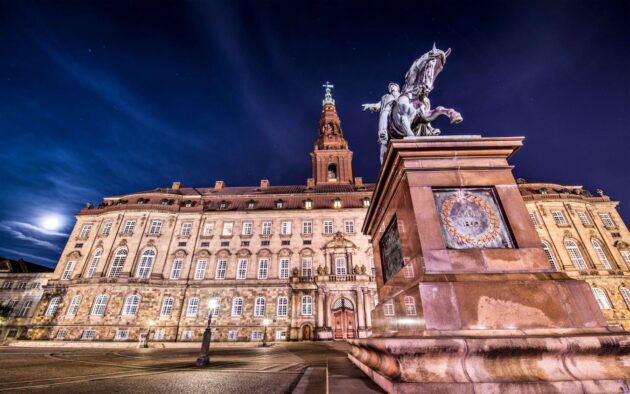
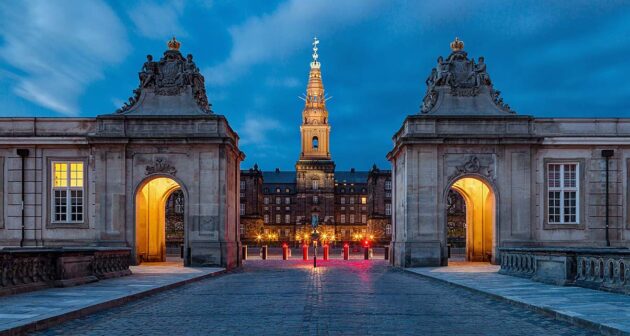
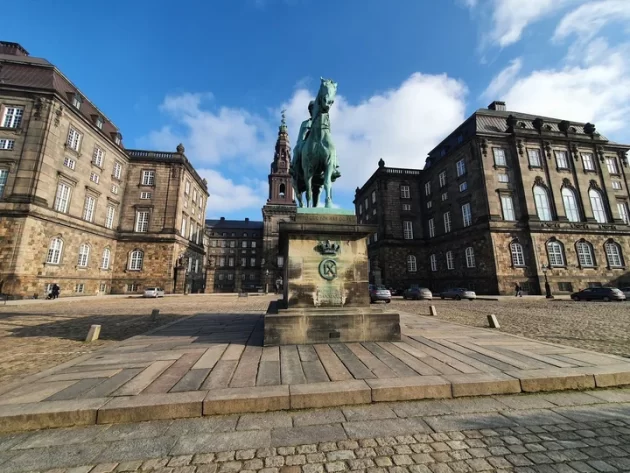
Nestled on the tiny island of Slotsholmen in the heart of Copenhagen, Christiansborg Palace stands as a remarkable symbol of Denmark’s layered history and modern governance. This neoclassical masterpiece, rebuilt in the 19th and 20th centuries after earlier versions burned down, serves as the seat of the Danish Parliament (Folketinget), the Prime Minister’s office, and the Supreme Court. Yet, it’s far more than a working government building—visitors can explore opulent royal reception rooms, ancient ruins, royal stables, and even climb a tower for panoramic city views. Whether you’re a history buff, architecture enthusiast, or just seeking Instagram-worthy spots, Christiansborg offers a fascinating glimpse into Denmark’s royal past and democratic present.
Why Visit Christiansborg Palace?
What sets Christiansborg apart is its unique blend of power and pageantry: it’s the only major European palace still actively used by both royalty and government. Highlights include the Throne Room (where Queen Margrethe II abdicated in 2024), the vast Great Hall adorned with 17 massive tapestries depicting Danish history, and the underground ruins of Bishop Absalon’s 12th-century fortress. The palace also houses the Royal Reception Rooms for state banquets and the stables where the Queen’s horses are kept. For breathtaking vistas, the tower provides 360-degree views of Copenhagen’s spires, canals, and harbor—often hailed as the city’s best free panorama.
How to Get There
Christiansborg’s central location makes it incredibly accessible:
By Metro: Take the M1 or M2 line to Gammel Strand or Kongens Nytorv stations (5-10 minute walk).
By Bus: Lines 1A, 2A, or 72 stop nearby at Slotsholmen.
By Bike or on Foot: Rent a city bike (Donkey Republic app) or stroll from Copenhagen Central Station (15 minutes) or Nyhavn (20 minutes).
From the Airport: Copenhagen Airport (CPH) is 20 minutes away by train to Central Station, then a short walk or metro ride.
Parking is limited; opt for public transport to avoid hassle.
Best Time to Visit
Seasonal Hours: Open year-round, but with variations. From May to September, expect daily access from 10:00 AM to 5:00 PM. Off-season (October to April), it’s Tuesday to Sunday, 10:00 AM to 5:00 PM (closed Mondays). Last entry is 30 minutes before closing.
Optimal Timing: Summer (June-August) for longer daylight and milder weather (average 18-22°C/64-72°F). Avoid peak crowds by visiting early morning or late afternoon. Note closures for official events—check the official site for updates.
Tower Specifics: The tower is open daily from 11:00 AM to 9:00 PM (May-Sep) and 11:00 AM to 7:00 PM (Oct-Apr), weather permitting. It’s free but involves 400 steps—no elevator.
What to Do and See
Your visit can be self-guided or enhanced with tours. A standard combi-ticket grants access to multiple areas; allocate 2-3 hours for a full exploration.
Royal Reception Rooms: Marvel at the opulent interiors used for royal events: the Throne Room with its crimson velvet throne, the Great Hall’s towering tapestries (each 8×4 meters), and the elegant Alexander Hall. Guided English tour: Daily at 3:00 PM (1 hour, included in ticket).
Ruins Beneath the Palace: Descend to the 800-year-old archaeological site, including remnants of Absalon’s Castle (1167) and medieval ramparts. Interactive exhibits bring the history to life.
Royal Stables and Kitchen: Peek at the working stables housing the royal horses and carriages. The vast Royal Kitchen, once feeding 200+ guests, showcases historical cooking tools.
Climb the Tower: Ascend for sweeping views of the city, including the Round Tower, Copenhagen Cathedral, and the Øresund Bridge. Sunset climbs are magical.
Parliament Observation: Free public access to the Folketinget gallery on weekdays (check schedule); witness debates in session for a dose of Danish democracy.
Tickets: Combi-ticket (Reception Rooms, Ruins, Stables, Kitchen) costs 215 DKK (~$31 USD) for adults; free for children under 18. Tower entry is free. Buy online via the Royal Danish Collection site to skip lines; Copenhagen Card holders get free access.
Practical Tips
Accessibility: Wheelchair-friendly in most areas (elevators available), but the tower and ruins require stairs. Audio guides in multiple languages (app-based, 40 DKK).
What to Bring: Comfortable shoes for stairs, camera (no flash in interiors), and a light jacket—interiors can be cool.
Combine with Nearby Attractions: Stroll to Thorvaldsens Museum (sculptures, 5-min walk), the National Museum of Denmark (history, 10-min walk), or cross to Christianshavn for canal vibes.
Where to Stay and Eat Nearby
Copenhagen’s compact center means plenty of options within walking distance.
Accommodation: Luxury: NH Collection Copenhagen (5-min walk, ~2,500 DKK/night)—stylish rooms with harbor views. Mid-Range: Hotel Bethel (10-min walk, ~1,200 DKK)—cozy, central spot near Strøget shopping. Budget: Copenhagen Downtown Hostel (15-min walk, ~500 DKK)—vibrant, social vibe.
Dining: Casual: Mad & Kaffe (5-min walk)—New Nordic brunch with smørrebrød (open sandwiches, ~150 DKK). Fine Dining: Restaurant Kronborg (inside the palace stables)—seasonal Danish cuisine (~400 DKK set menu). Quick Bite: Street food at nearby Reffen market (summer only) or Tivoli Gardens (10-min walk) for global eats.
Final Thoughts
Christiansborg Palace is more than a monument—it’s a living tapestry of Denmark’s evolution from medieval stronghold to modern monarchy. With potential special exhibits tied to recent royal transitions, it’s an unmissable stop on any Copenhagen itinerary. Embrace the hygge by pairing your visit with a canal cruise or coffee in the palace gardens. Book ahead, arrive early, and let the echoes of history inspire you.
Safe travels to the heart of Denmark!