
A Travel Guide to Odense (2026)
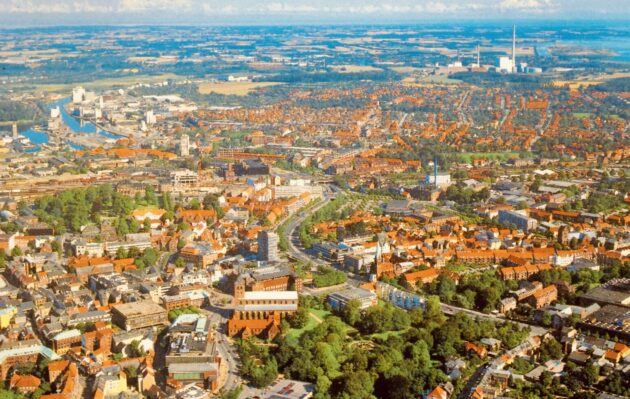
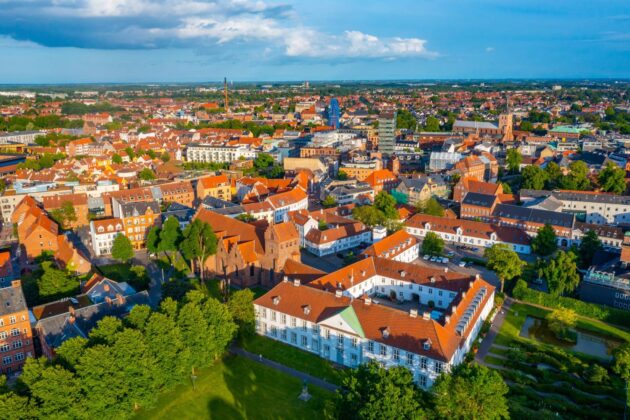
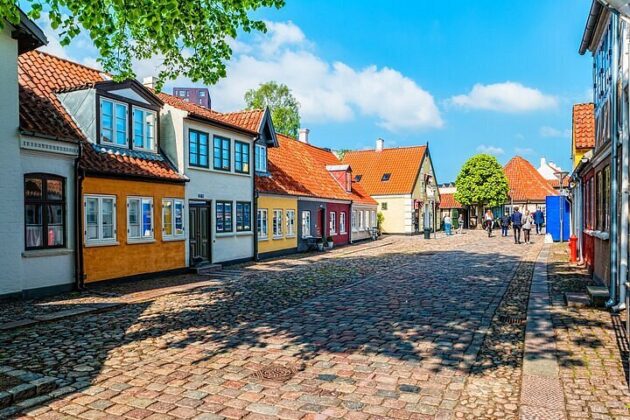
Nestled on the island of Funen in the heart of Denmark, Odense is a fairy-tale city that blends historic charm with modern vibrancy. As the birthplace of renowned storyteller Hans Christian Andersen, whose tales like The Little Mermaid and The Ugly Duckling have captivated the world, Odense offers a whimsical escape through cobblestone streets, lush parks, and interactive museums. With over 120 parks, a thriving cycling culture, and a redeveloped harbor area, it’s a compact, walkable destination perfect for families, literature lovers, and urban explorers.
Why Visit Odense?
Odense stands out for its literary heritage, making it a UNESCO City of Literature. Beyond Andersen’s legacy, the city boasts Europe’s best zoo, medieval architecture, and a “hygge” (cozy Danish lifestyle) vibe that’s amplified by its green spaces and canal-side cafés. It’s an ideal base for exploring Funen Island, with day trips to castles and beaches. In a post-pandemic world, Odense’s emphasis on sustainable tourism—think bike rentals and eco-friendly harbors—appeals to conscious travelers seeking authentic Scandinavian experiences without the crowds of Copenhagen.
How to Get There
Odense is remarkably accessible, with efficient public transport connecting it to major Danish hubs:
By Air: Fly into Odense Airport (ODE), which has seasonal flights from Copenhagen and select European cities. For more options, land at Copenhagen Airport (CPH), about 1.5 hours away by train.
By Train: High-speed trains from Copenhagen Central Station take just over 1 hour (fares from €20–€40). From Aarhus, it’s under 1.5 hours. Book via DSB.dk for the best deals.
By Car: From Copenhagen, it’s a scenic 2-hour drive via the Great Belt Bridge (toll: ~€60 round-trip). Parking is plentiful and affordable in the city center.
From Nearby: Ferries from mainland Europe arrive in nearby ports like Kiel, Germany.
Once there, the Odense Light Rail (opened in 2022) and extensive bike paths make getting around car-free and easy.
Best Time to Visit
Odense shines year-round, but tailor your trip to the season:
Summer (June–August): Peak season with mild weather (15–22°C/59–72°F), outdoor festivals like the Odense Flower Festival, and long daylight hours for park picnics and harbor strolls. Book ahead as it’s busiest.
Spring (April–May) & Autumn (September–October): Shoulder seasons offer fewer crowds, blooming tulips or golden foliage, and events like the International Fairy Tale Film Festival. Temperatures hover at 10–15°C (50–59°F).
Winter (November–March): Embrace hygge with Christmas markets, twinkling lights, and fewer tourists. It’s chilly (0–5°C/32–41°F) but magical, especially around Andersen’s birthday on April 2.
Look out for enhanced summer programming at the new Hans Christian Andersen Museum, including interactive storytelling sessions.
Top Things to Do
Odense’s attractions are compact, allowing you to explore on foot or by bike. Here’s a curated list of must-sees:
H. C. Andersens House
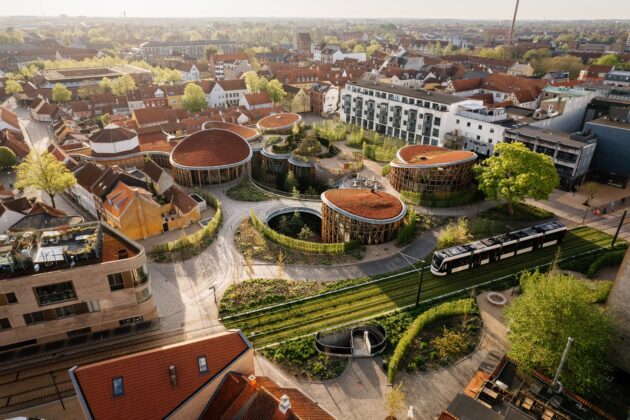
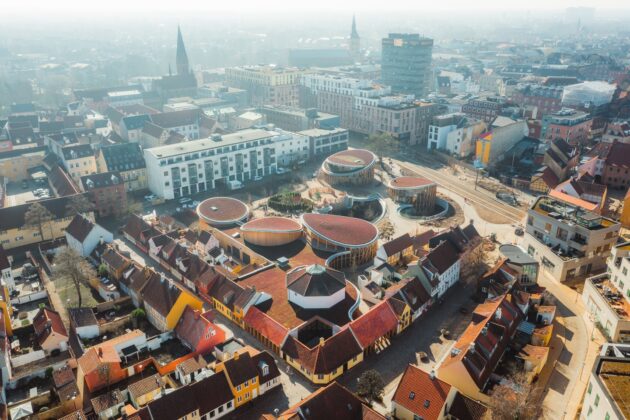
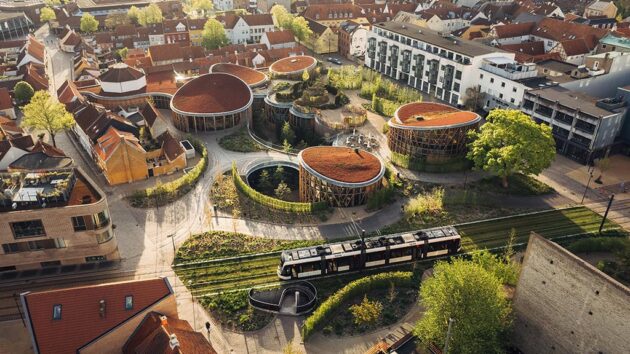
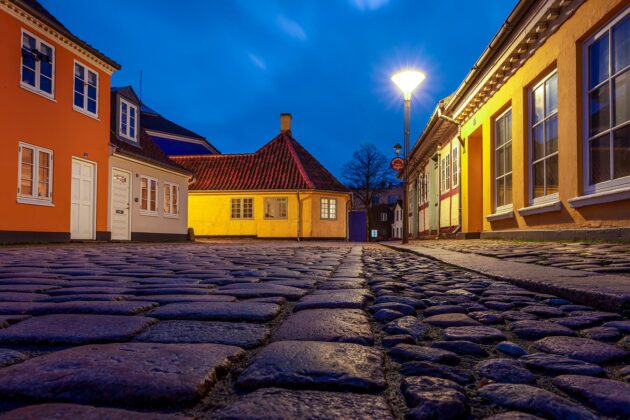
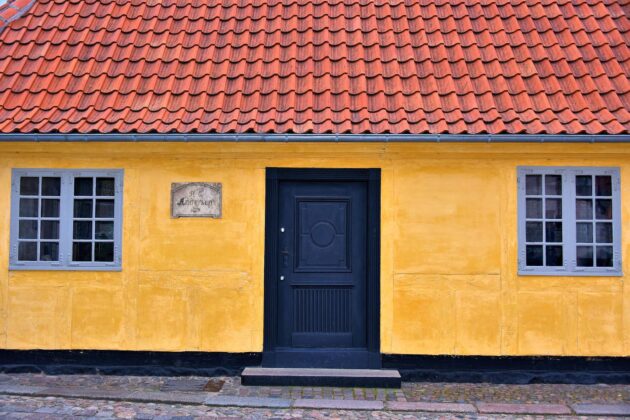
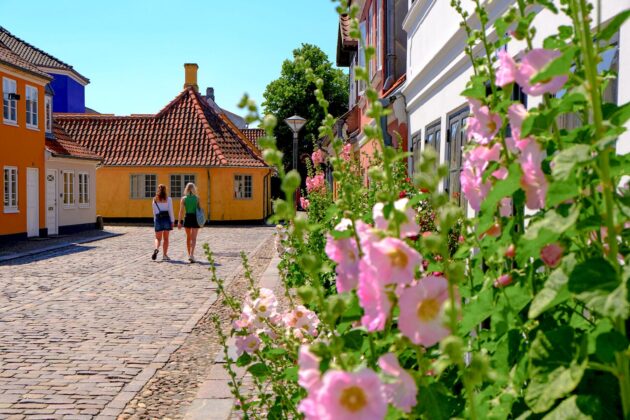
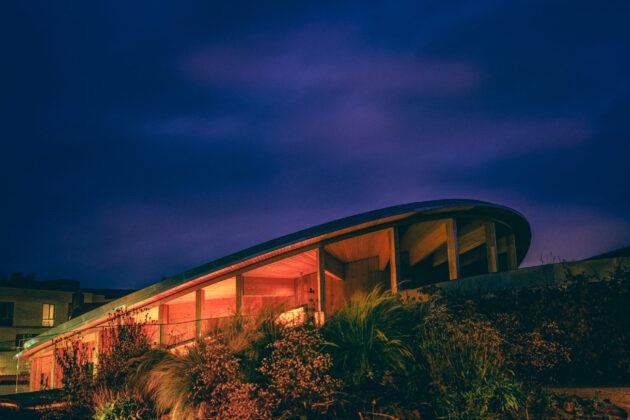
The H.C. Andersens House in Odense, Denmark, is a museum dedicated to the life and work of the famous Danish author Hans Christian Andersen. Designed by the renowned Japanese architect Kengo Kuma, the museum offers a unique and immersive experience that blends architecture, nature, and narrative. Instead of a traditional exhibition, it takes visitors on a journey through Andersen’s creative universe and fairy tales.
Saint Knud’s Church
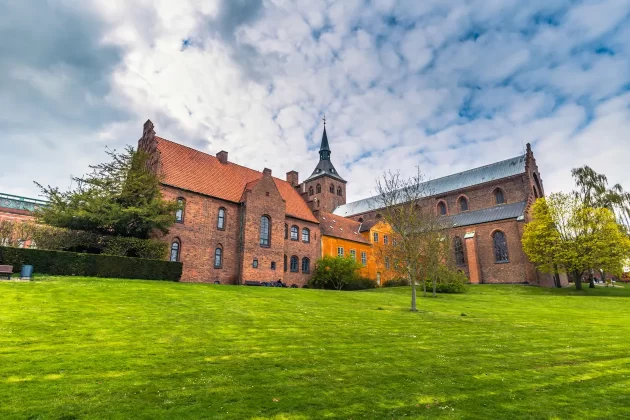
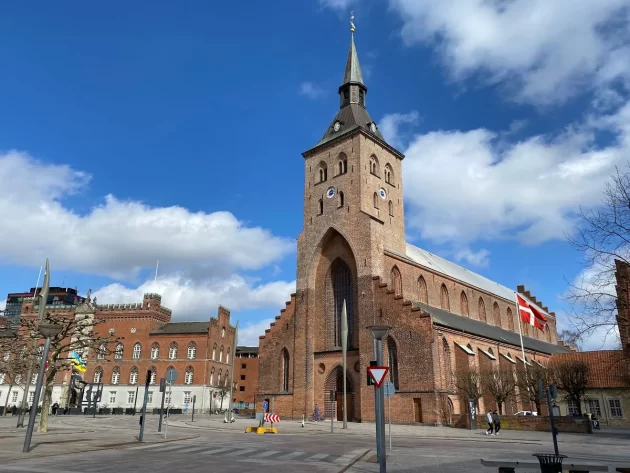
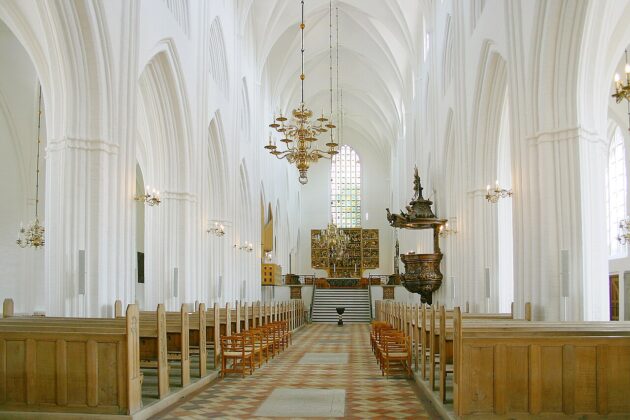
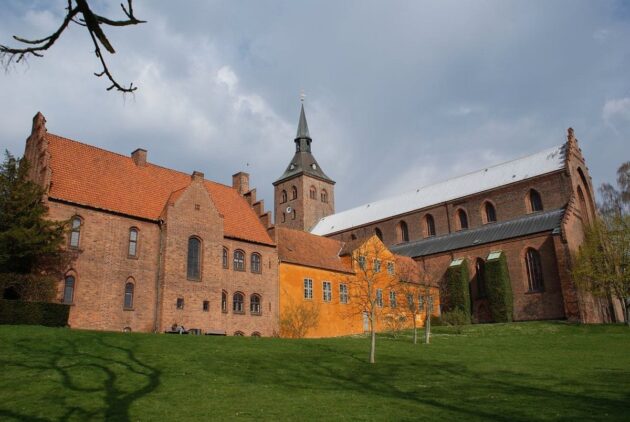
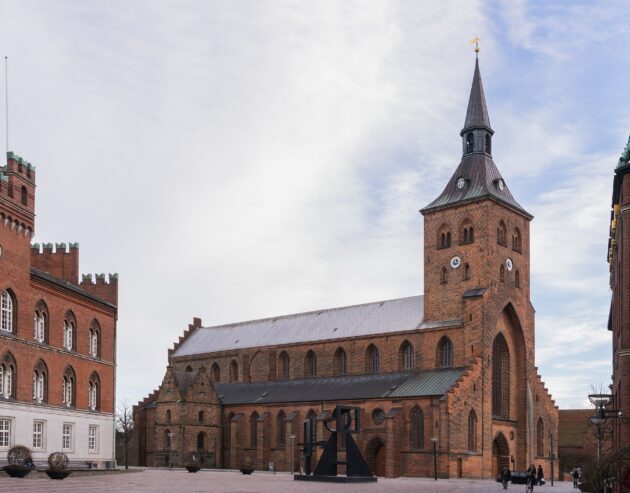
Saint Knud’s Church, commonly known as Odense Cathedral, is a historic Gothic cathedral located in Odense, Denmark. Named after the Danish King Canute IV (Knud den Hellige), who was murdered in 1086 and later sainted, the cathedral is renowned for its striking Brick Gothic architecture. It serves as the final resting place for King Canute and his brother Benedict, whose remains are enshrined in the crypt.

Egeskov Castle
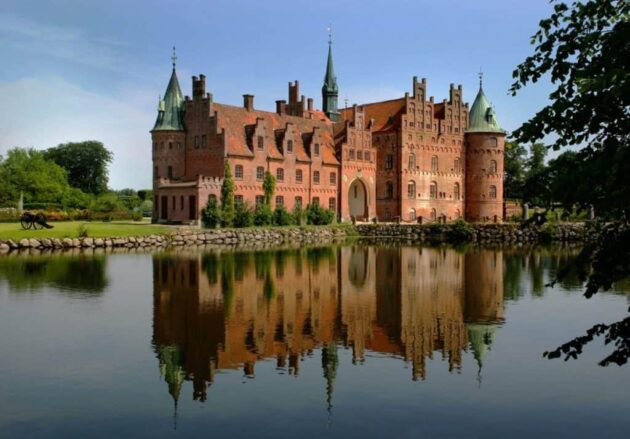
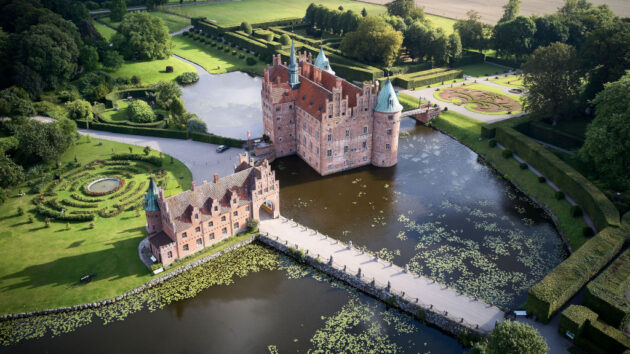
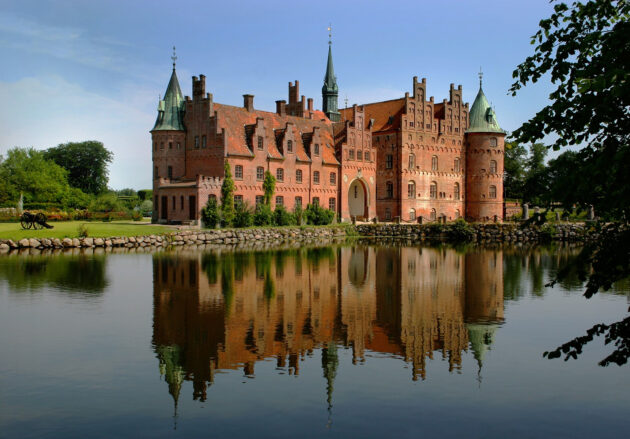
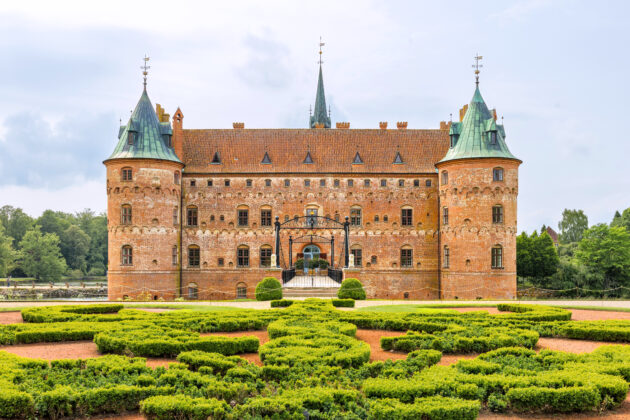
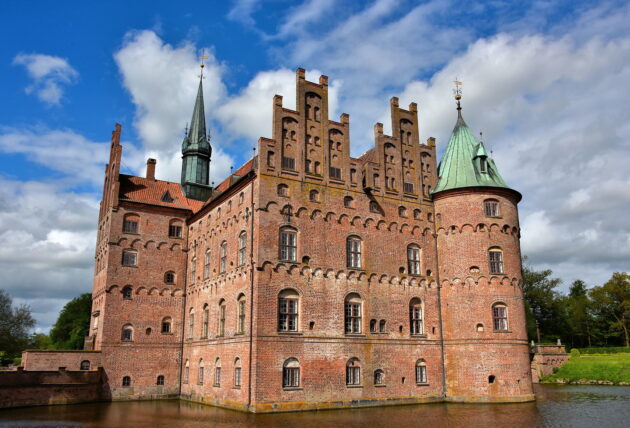
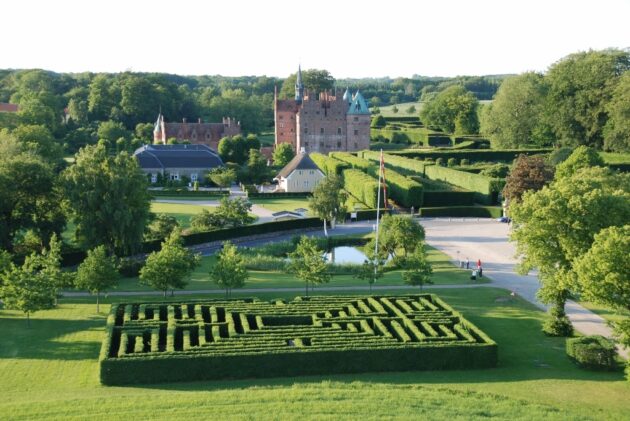
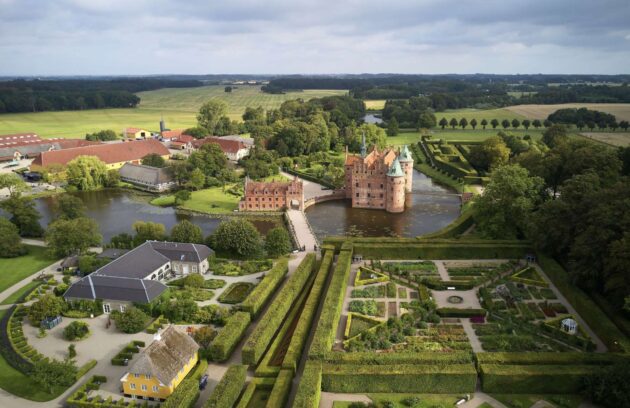
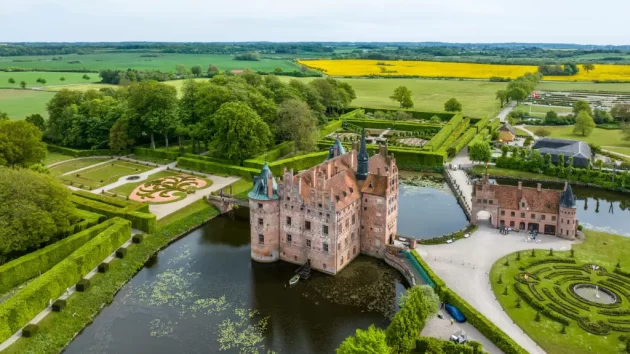
Nestled on the idyllic island of Funen in Denmark, Egeskov Castle (Egeskov Slot) stands as one of Europe’s most enchanting Renaissance water castles. Built in 1554 on a moat, this fairy-tale fortress is the best-preserved of its kind, blending medieval grandeur with lush gardens and interactive exhibits. Located just a short drive from Odense—the birthplace of Hans Christian Andersen—Egeskov offers a perfect day trip for history buffs, families, and nature lovers.

Odense Zoo
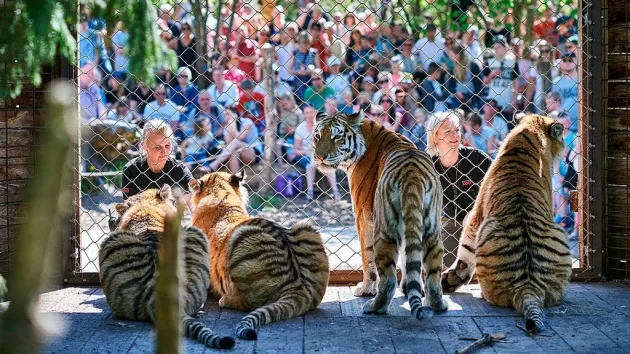
Odense Zoo, located in Odense, Denmark, is a family-friendly zoological garden that opened in 1930. It has evolved from a small collection of animals to a modern facility housing over 2,000 animals from more than 130 species. The zoo is renowned for its immersive habitats, which are designed to be as true to life as possible, allowing visitors to journey from the tropical Amazon rainforest to the Antarctic cold within its grounds.




Where to Stay
Luxury: Hotel Odense (from €150/night) – Central, with spa facilities and Andersen-themed suites.
Mid-Range: First Hotel Grand (from €100/night) – Historic building near the cathedral, with a rooftop bar.
Budget: City Hotel Odense (from €70/night) – Simple, clean rooms close to the train station.
Unique: Stay in a houseboat at the harbor or a countryside B&B on Funen for an authentic touch.
Many hotels include bike rentals, aligning with the city’s cycling ethos.
Where to Eat
Savor Danish classics with a modern twist—focus on local seafood, rye bread, and smørrebrød (open sandwiches):
Under Uret – A 18th-century inn for hearty pub fare like frikadeller (meatballs) and aquavit.
Restaurant H.C. Andersen – Fairy-tale dining with seasonal Nordic menus (tasting: €80+).
Street Food Odense – Casual harbor stalls for fresh fish tacos or vegan options.
Café Biograf – Cozy spot for pastries and coffee, inspired by Andersen’s stories.
Vegetarian and sustainable eateries abound, reflecting Denmark’s eco-focus. Pair meals with local craft beers from Albani Brewery.
Practical Tips
Getting Around: Use the Odense Letbane light rail (€3/ride) or free city bikes via Donkey Republic app. Everything’s within 2km of the center.
Costs: Expect €100–150/day per person (mid-range). Entry to museums: €15–20; zoo: €25.
Language & Currency: English is widely spoken; use Danish Krone (DKK) or cards everywhere.
Sustainability: Opt for public transport and reusable water bottles—Odense is plastic-free in many spots.
Day Trips: Head to Svendborg for sailing or Nyborg Castle (30–45 min by train).
Odense isn’t just a stopover—it’s a storybook chapter waiting to unfold. Whether tracing Andersen’s steps or pedaling through tulip fields, this gem captures Denmark’s soul in a single, enchanting city. Safe travels!