
A Travel Guide to Aarhus (2026)
Aarhus, Denmark’s second-largest city and the unofficial cultural capital of the country, is a vibrant blend of modern innovation, historical charm, and natural beauty. Often overshadowed by Copenhagen, Aarhus offers a more relaxed vibe with world-class museums, lively street art, and easy access to sandy beaches—all wrapped in the quintessential Danish concept of hygge (coziness). It’s spotlighted as one of the world’s top 25 places to visit, thanks to its thriving arts scene, sustainable initiatives, and upcoming events like the Aarhus Festival. Whether you’re into contemporary art, Viking history, or just pedaling along the harbor, Aarhus delivers an unforgettable escape. This guide covers everything you need for a perfect trip.
Why Visit Aarhus?
Aarhus isn’t just a pitstop—it’s a destination in its own right. Home to over 350,000 residents, the city buzzes with creativity: think rainbow panoramas in art museums, open-air historical villages, and a Latin Quarter teeming with indie shops and cafes. It’s eco-friendly (Denmark’s greenest city), bikeable, and surprisingly affordable compared to Copenhagen. Plus, with Jutland’s beaches and forests nearby, it’s ideal for nature lovers.
How to Get There
Aarhus is well-connected, making it easy to reach from Europe or within Denmark:
By Air: Aarhus Airport (AAR) handles direct flights from major European hubs like London, Amsterdam, and Berlin via airlines such as Ryanair and SAS. From the airport, a 20-minute bus ride (DKK 50–100) gets you to the city center.
By Train: High-speed trains from Copenhagen’s Central Station take just 3 hours (DKK 300–500 one-way). From Hamburg, Germany, it’s about 4.5 hours. Book via DSB.dk for deals.
By Bus or Car: FlixBus from Copenhagen runs for 3.5 hours (DKK 150–250). Driving via the E45 highway from Copenhagen is scenic but toll-heavy (about 3 hours).
Best Time to Visit
Aim for late spring to early autumn (May–September) when temperatures hover at 15–22°C (59–72°F), days are long, and festivals pop up. Summer brings beach crowds and events like the Aarhus Festival (June–July) with music, theater, and street performances. Winter (December–February) is cozy for Christmas markets but chilly (0–5°C/32–41°F) with shorter days. Avoid November for rain. Shoulder seasons (May or September) mean fewer tourists and lower hotel rates.
Top Things to Do
Aarhus packs punch in a compact area—most sights are walkable or a short bike ride away. Rent a bike for DKK 100/day via the city’s free City Bike scheme.
ARoS Aarhus Art Museum
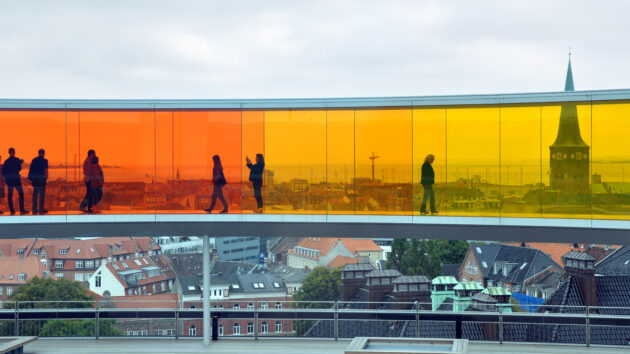
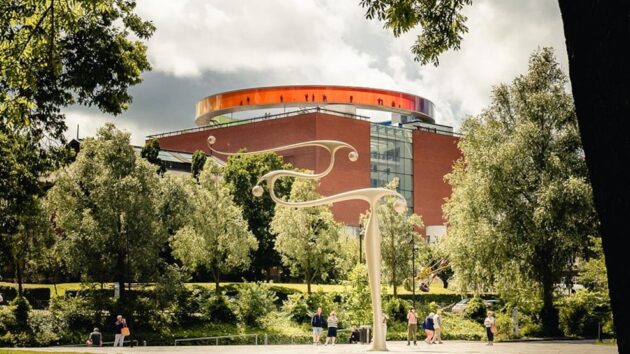
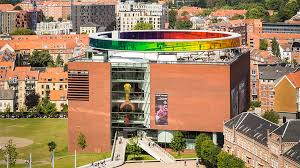
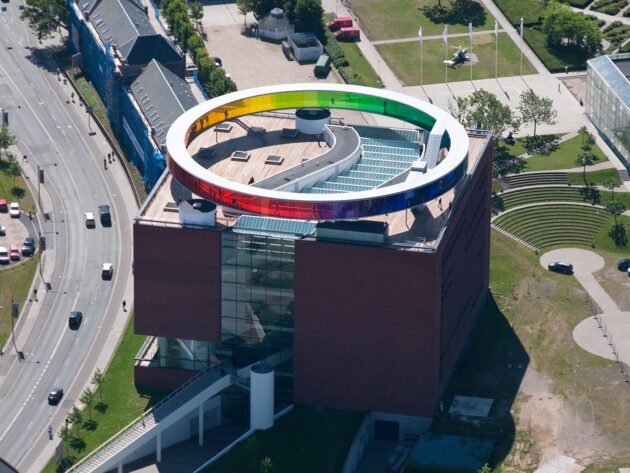
ARoS Aarhus Art Museum, located in Aarhus, Denmark, is one of the oldest and largest art museums in Northern Europe. Established in 1859, its modern building houses a diverse collection of over 8,000 works, spanning from the Danish Golden Age to contemporary art. The museum is renowned for its iconic architectural features, particularly Olafur Eliasson’s “Your rainbow panorama,” a circular rooftop walkway offering colored views of the city.


The Old Town
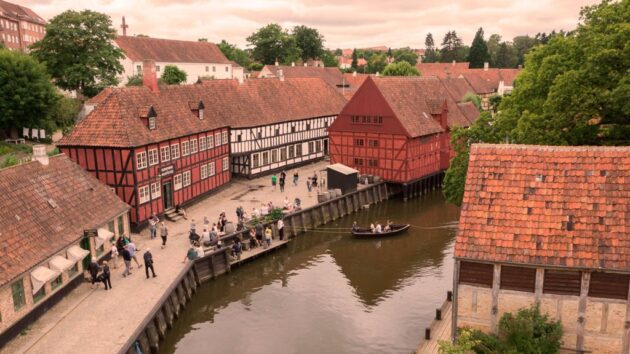
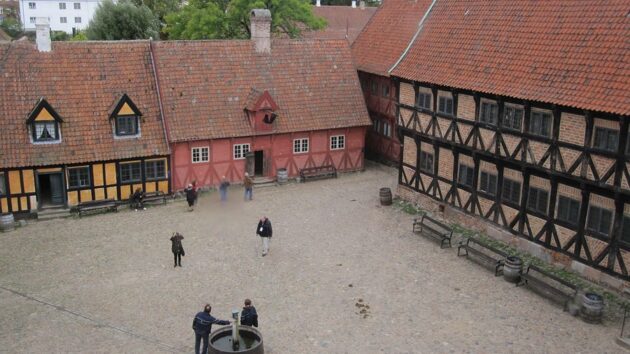
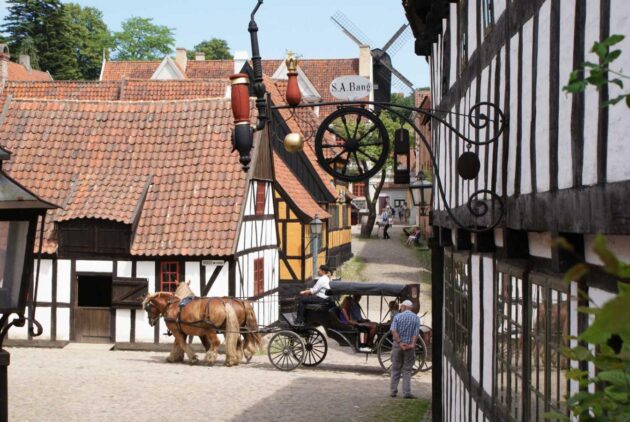
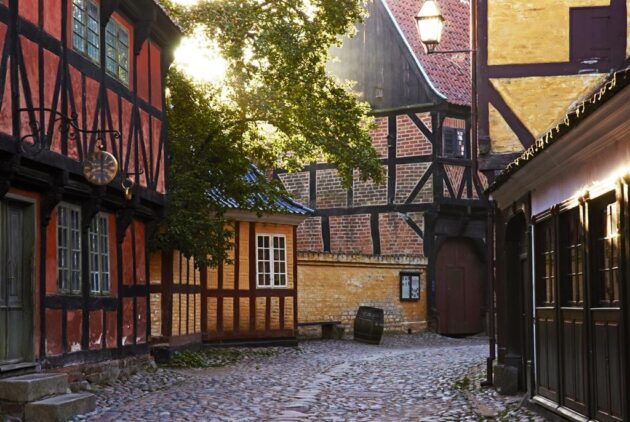
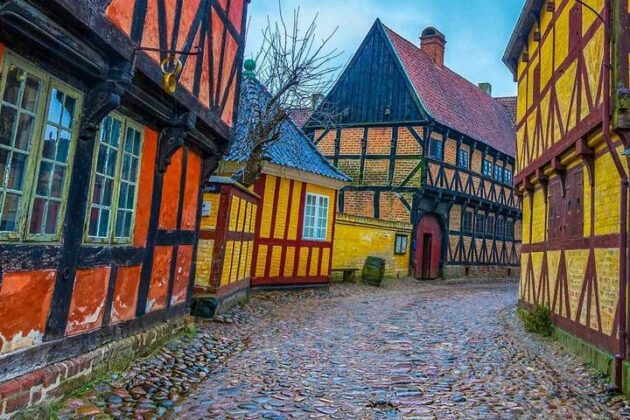
Den Gamle By (The Old Town) in Aarhus, Denmark, is an open-air museum that offers a unique journey through Danish urban history. It features over 75 historic buildings collected from various parts of Denmark, reconstructed to form a small town. The museum is organized into several time periods, allowing visitors to experience life from as early as 1864, through the 1920s, the 1970s, and up to 2014.
Moesgaard Museum
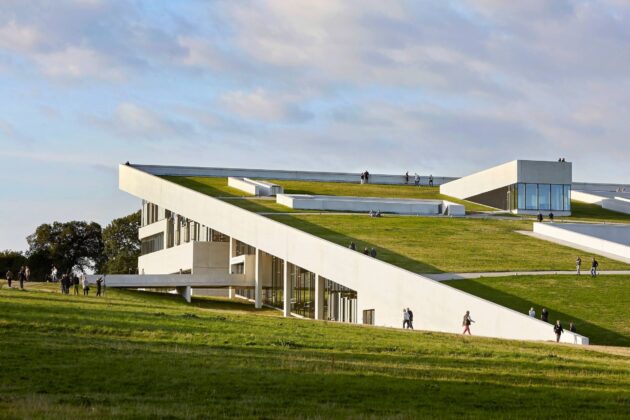
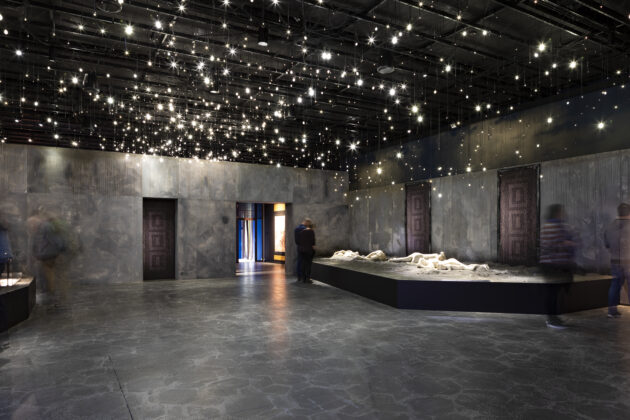
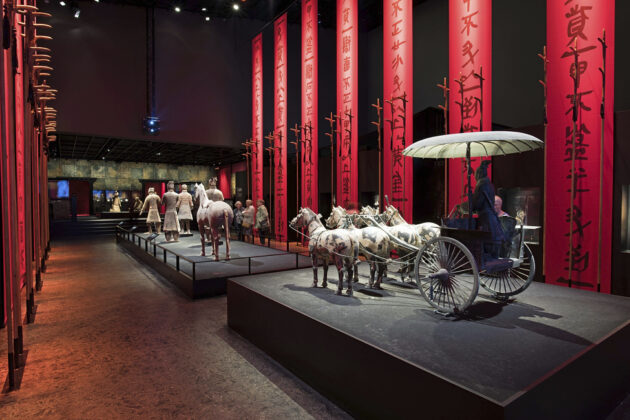
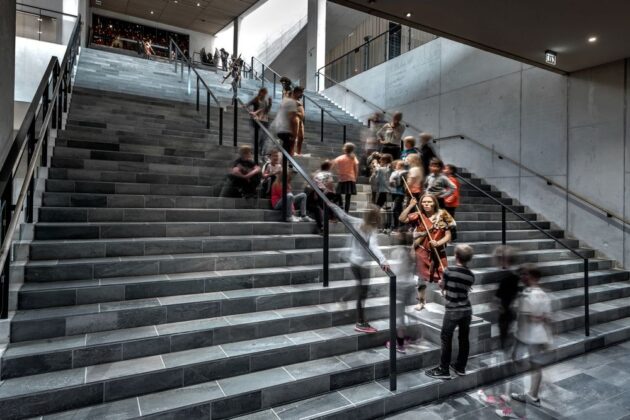
The Moesgaard Museum (MOMU) in Aarhus, Denmark, is a renowned cultural history and archaeological museum celebrated for its striking modern architecture and immersive exhibitions. Designed by Henning Larsen Architects, the building features a distinctive grass-covered roof that integrates with the surrounding landscape. Its collections focus on Danish and Scandinavian history, spanning from the Stone Age to the Viking Age and the Middle Ages, and include world-class artifacts such as the exceptionally well-preserved Grauballe Man, a bog body from the Iron Age.

Latin Quarter (Latiner Kvarteret)
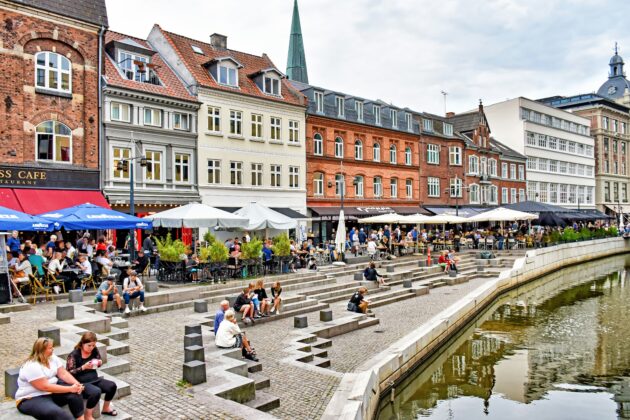
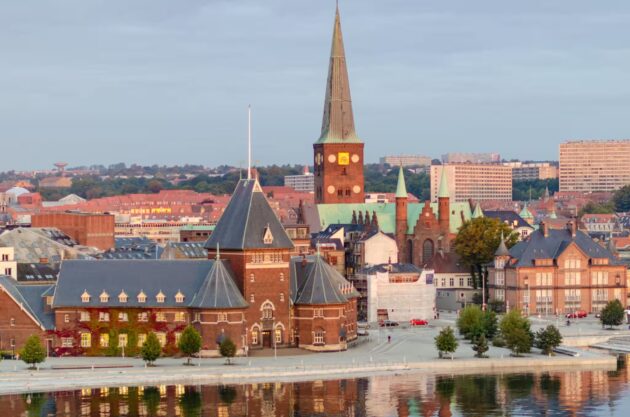
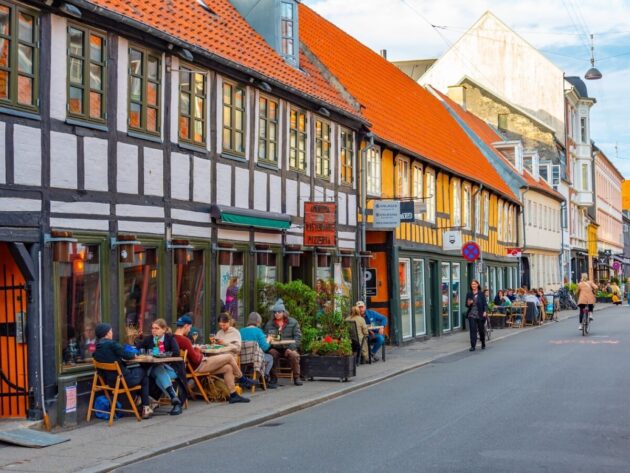
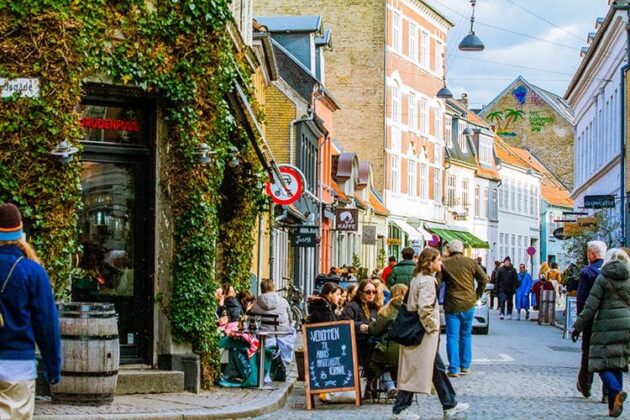
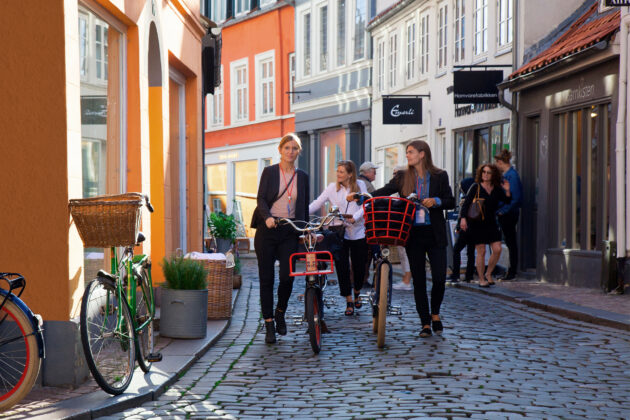
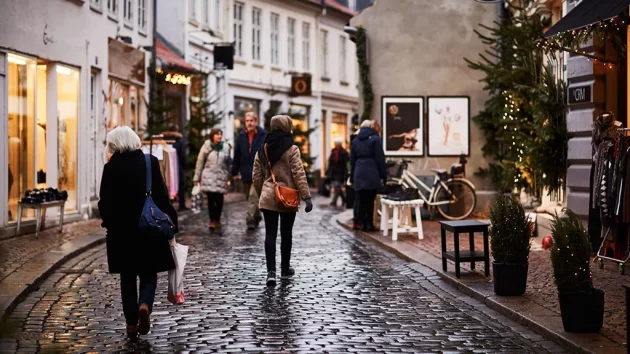
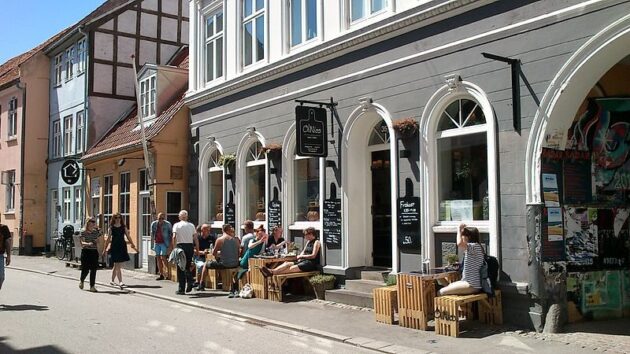
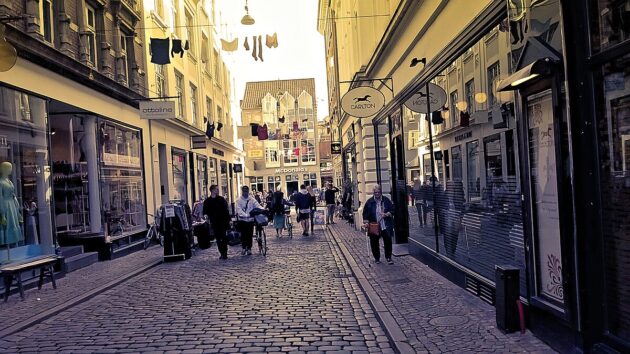
Wander cobblestone streets lined with colorful half-timbered houses, bookstores, and cafes. Pop into the Aarhus Cathedral (Århus Domkirke) for Gothic architecture and frescoes. Free entry.
Marselisborg Palace
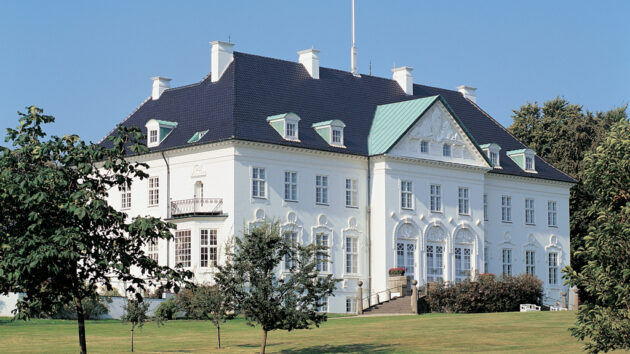
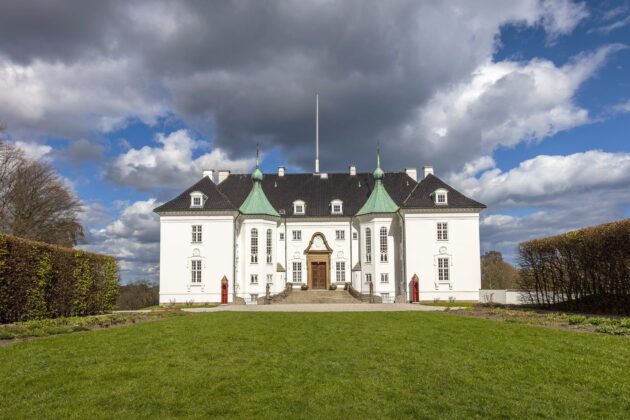
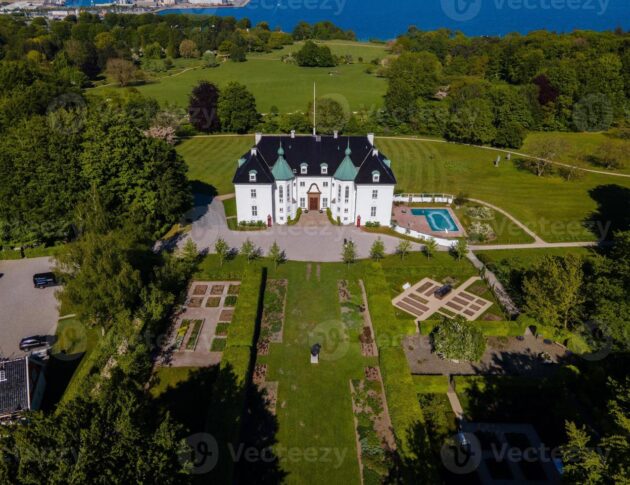
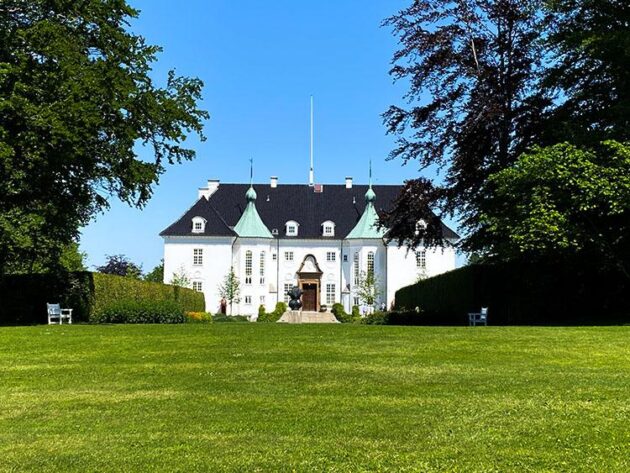
Marselisborg Palace (also referred to as Marselisborg Castle) is a royal residence located in Aarhus, Denmark. It was a gift from the Danish people to the then Prince Christian (later King Christian X) and Princess Alexandrine on the occasion of their marriage, and was built between 1899 and 1902. The palace serves as the summer and holiday residence for the Danish royal family.

Port of Aarhus
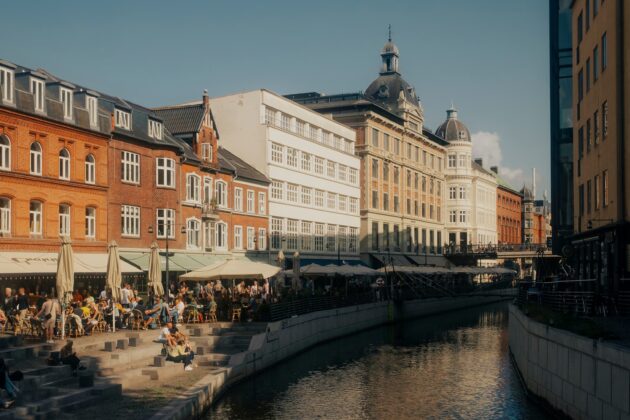
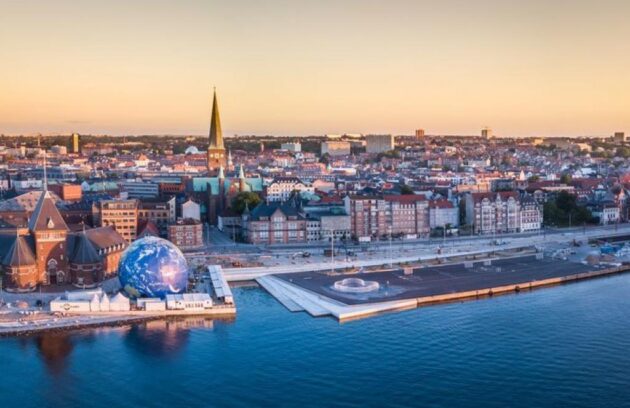
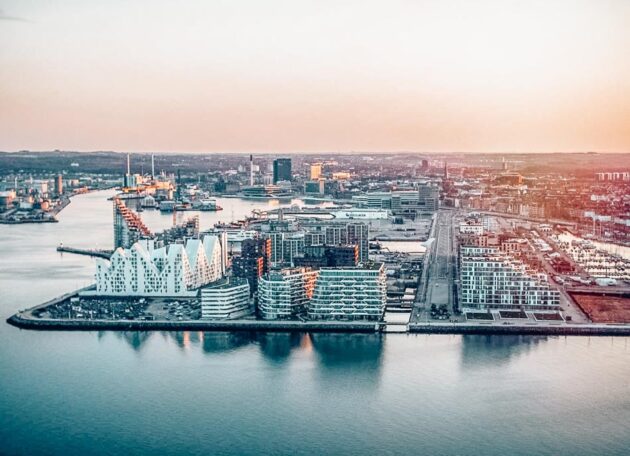
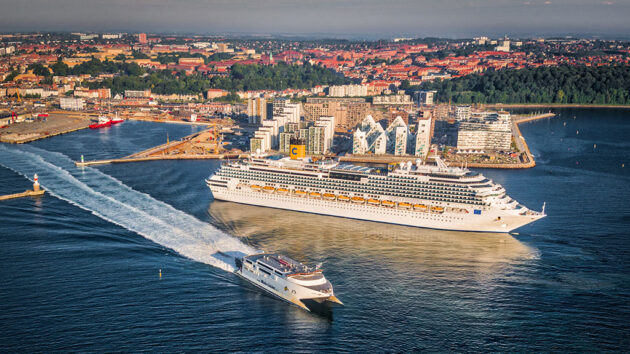
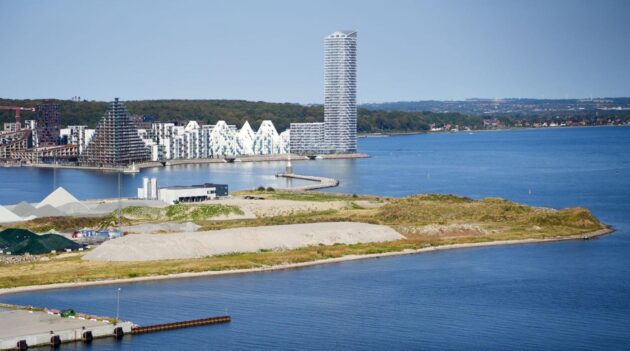
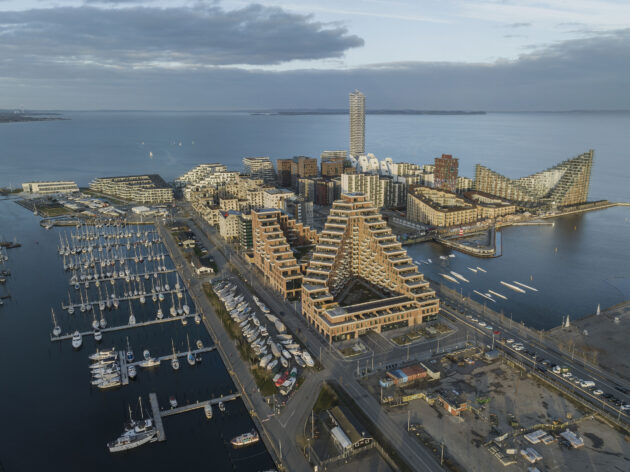
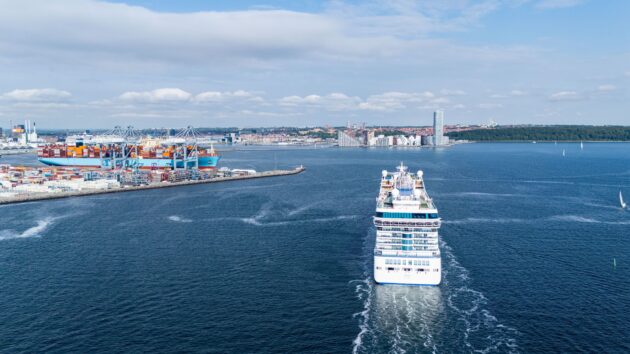
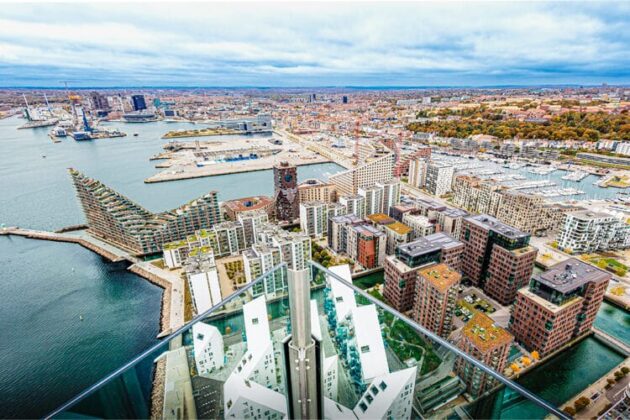
Rent a kayak (DKK 200/hour) or lounge at Bellevue Beach, a 10-minute train ride away. For urban vibes, hit the redeveloped harbor for street food and sunsets.
Where to Stay
Budget (DKK 500–800/night): Comwell Aarhus or hostels like Steel House Café—central, with shared kitchens.
Mid-Range (DKK 1,000–1,500): Hotel Royal or Comhotel—stylish, near the train station, with breakfast included.
Luxury (DKK 2,000+): The Mayor Hotel or Comwell in the Latin Quarter—boutique vibes with harbor views.
Book via Booking.com for deals; aim for the Latin Quarter for that authentic feel.
Where to Eat and Drink
Danish cuisine shines here—focus on fresh, local flavors. Expect to pay DKK 100–200 for a meal.
Smørrebrød Spots: Aamanns 1921 for open-faced sandwiches with herring or roast beef—lunch perfection.
Street Food: Hit the Aarhus Street Food market at the harbor for global bites like Korean tacos or Danish hot dogs.
Fine Dining: Gertrude’s for New Nordic tasting menus (DKK 800+); or Varna Kulturoase for veggie-forward hygge.
Breweries: Aarhus Bryghus for craft IPAs and pub grub—Denmark’s beer scene is underrated.
Vegetarians thrive with rye bread and foraged ingredients. Try a boller i karry (meatballs in curry) for comfort food.
Practical Tips
Getting Around: Bikes are king—free City Bikes at 60+ stations. Buses/trains via Midttrafik app (DKK 30/day pass). Taxis are pricey (DKK 50+ base).
Costs: Daily budget DKK 800–1,200 (excluding lodging). Museums often free for under-18s; Aarhus Card (DKK 245/48 hours) covers 30+ attractions and transport.
Sustainability: Aarhus is green—use reusable bottles (free water at museums) and public transport. English is widely spoken.
Safety & Etiquette: Ultra-safe, but watch for bike thieves. Danes value punctuality; tip 10% at restaurants.
Events: Catch the Spot Festival (May) for indie music or Christmas markets in December.
Final Thoughts
Aarhus captures Denmark’s essence—progressive yet rooted in history—in a compact, welcoming package. Whether you’re museum-hopping or beach-chilling, it’s a must-visit that feels like a local secret. Pack layers, embrace the bike life, and let the city’s creative pulse inspire you. Velkommen til Aarhus—welcome to Aarhus!
Safe travels!