


A Travel Guide to Amsterdam (2026)
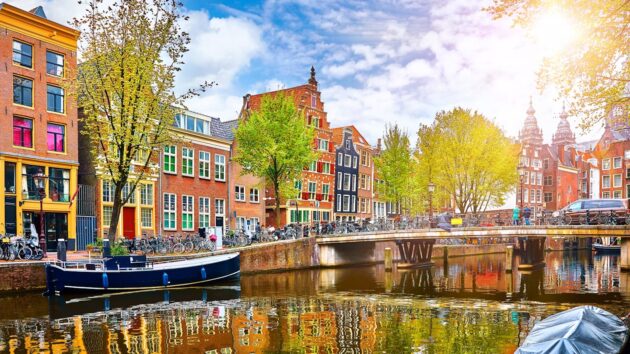
Amsterdam, the vibrant capital of the Netherlands, is a city where history meets hedonism, with its iconic canals, world-class museums, and progressive culture creating an unforgettable urban escape. Built on marshy land in the 13th century, it flourished during the Dutch Golden Age as a hub of trade and art, leaving behind a legacy of gabled houses, tulip mania, and liberal vibes. Whether you’re cycling along waterways, sipping craft beer in a brown café, or pondering masterpieces by Rembrandt and Van Gogh, Amsterdam offers endless charm.
Why Visit Amsterdam?
Amsterdam’s allure lies in its perfect blend of old and new: UNESCO-listed canals reflecting 17th-century architecture, cutting-edge design scenes, and a thriving food and nightlife culture. It’s a haven for art lovers, foodies, and free spirits, with over 7 million annual visitors drawn to its tolerance and creativity.
How to Get There
Amsterdam Schiphol Airport (AMS) is one of Europe’s busiest, with direct flights from major global hubs. From the airport:
Train: The efficient NS train to Amsterdam Centraal takes 15–20 minutes and costs €5–6.
Bus or Taxi: Buses run frequently (€5), while taxis/Uber cost €40–50 for the 20-minute ride.
For city arrivals: High-speed Thalys/Eurostar trains connect from Paris (3.5 hours), Brussels (2 hours), or London (4 hours via Eurostar). Drive via the A4 highway, but parking is pricey (€6/hour); use Park & Ride facilities outside the city.
Best Time to Visit
The shoulder seasons are ideal for balancing weather and crowds:
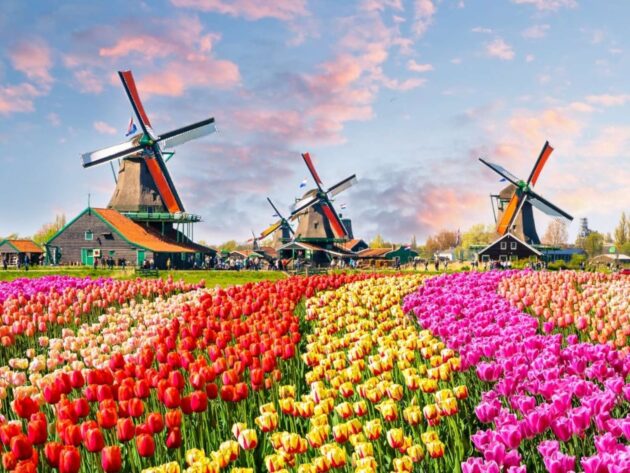
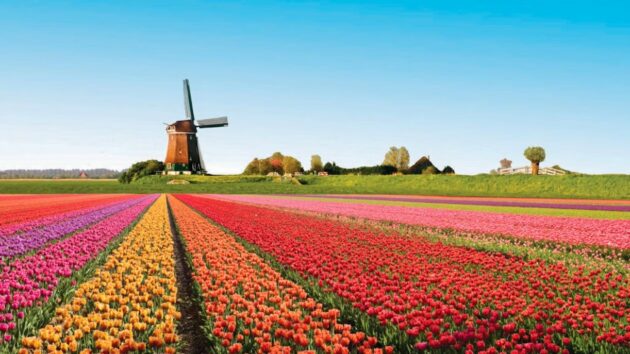
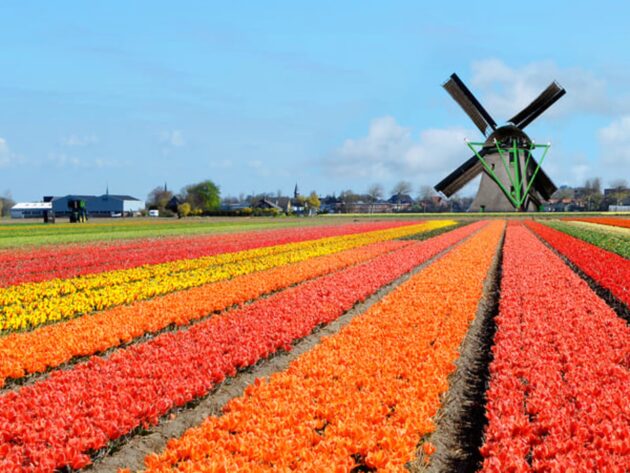
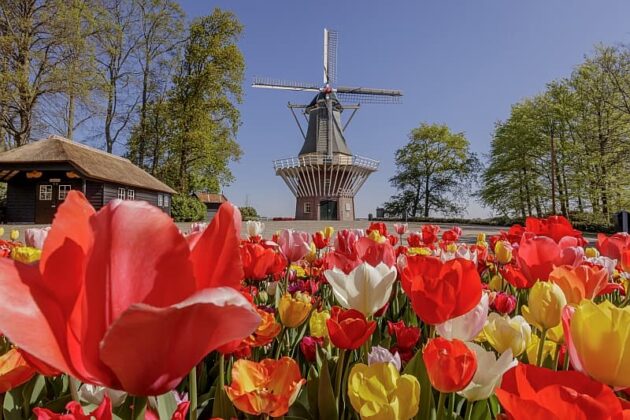
Spring (April–May): Mild temps (10–18°C/50–64°F), blooming tulips at Keukenhof Gardens, and festivals like King’s Day (April 27). Fewer tourists than summer.
Fall (September–November): Crisp air (8–15°C/46–59°F), golden foliage along canals, and events like Amsterdam Light Festival (December start). Great for deals on accommodations.
Summer (June–August): Warm and sunny (15–25°C/59–77°F) with long days for outdoor fun, but expect peak crowds and higher prices. Winter (December–February) is cozy for holiday markets but chilly and rainy.
Avoid July–August if you dislike lines; book attractions in advance year-round.
Top Attractions
Amsterdam’s compact center is walkable, but rent a bike (€10–15/day) for the full experience.
Oude Kerk Amsterdam
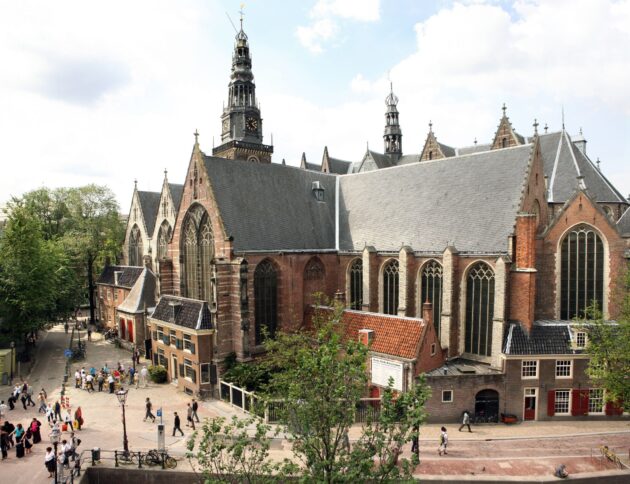
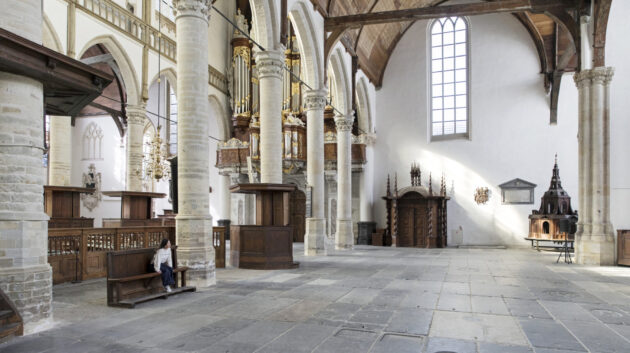
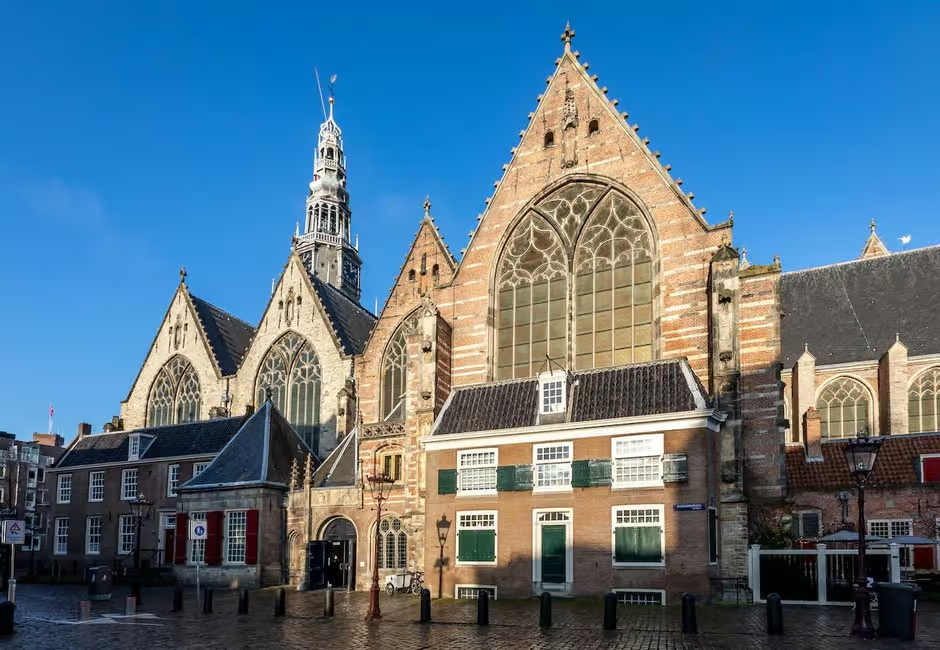
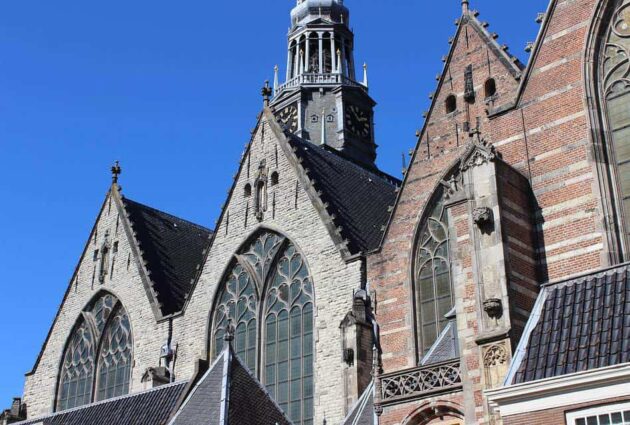
The Oude Kerk (“Old Church”) is Amsterdam’s oldest building and original parish church, founded in the 13th century. This monumental Gothic church, located in the heart of the city’s Red Light District, features a serene interior with a renowned Müller organ and historic gravestones set in the floor. Today, it functions not as an active church but as a prominent center for contemporary art exhibitions and cultural events.
Royal Palace Amsterdam
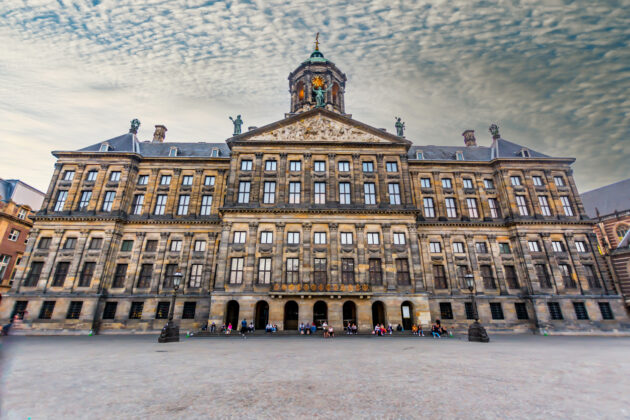
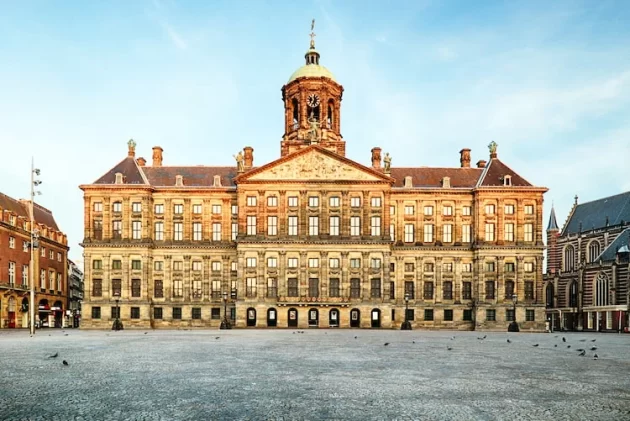
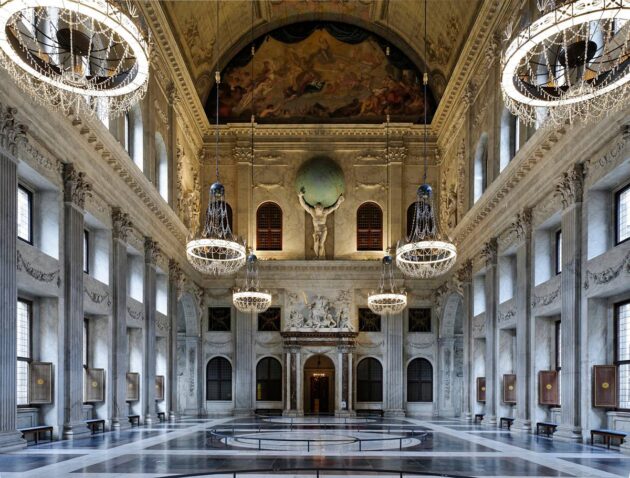
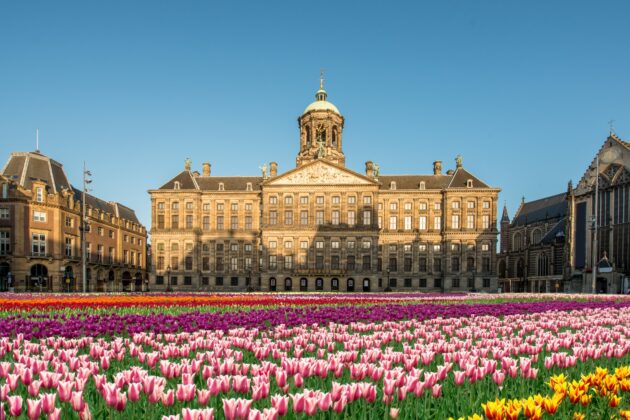
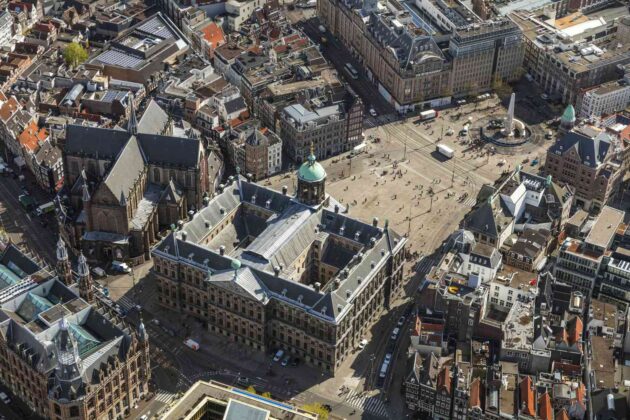
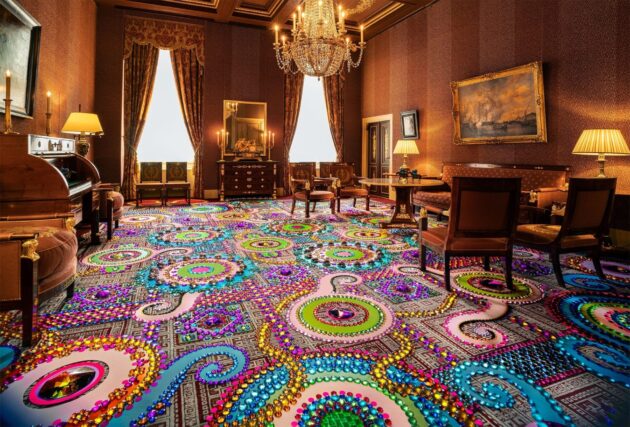
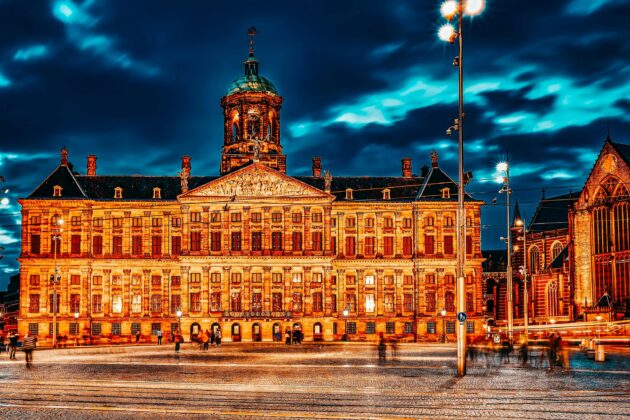
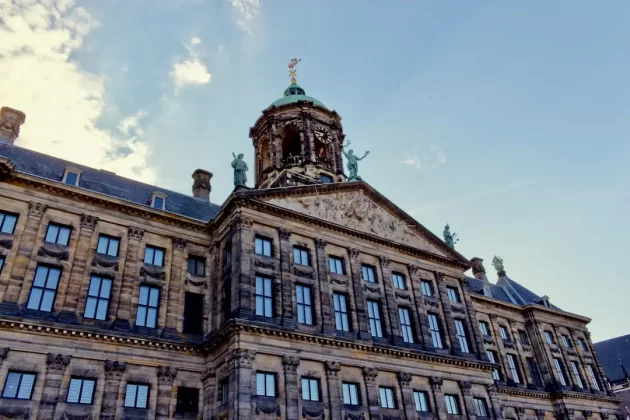
Nestled in the heart of Amsterdam’s bustling Dam Square, the Royal Palace (Koninklijk Paleis Amsterdam) stands as a majestic testament to the Dutch Golden Age. Built between 1648 and 1665 as the city’s grand town hall, this neoclassical masterpiece was transformed into a royal residence in 1808 under King Louis Napoleon. Today, it serves as one of three official palaces for the Dutch monarchy, occasionally hosting state events while opening its opulent doors to the public for self-guided explorations.
National Maritime Museum
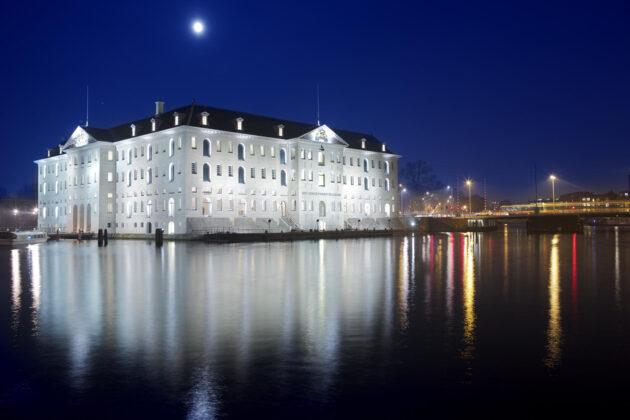
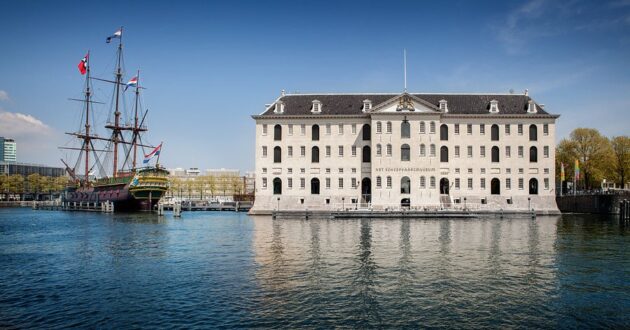
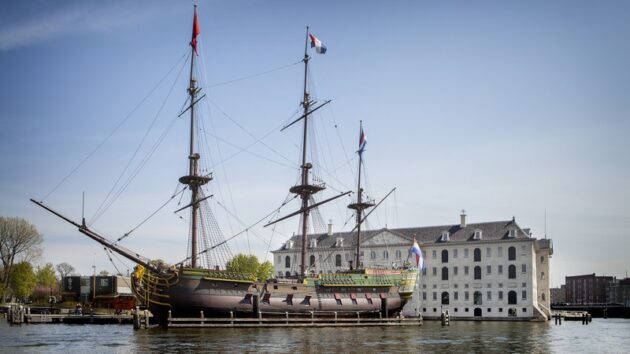
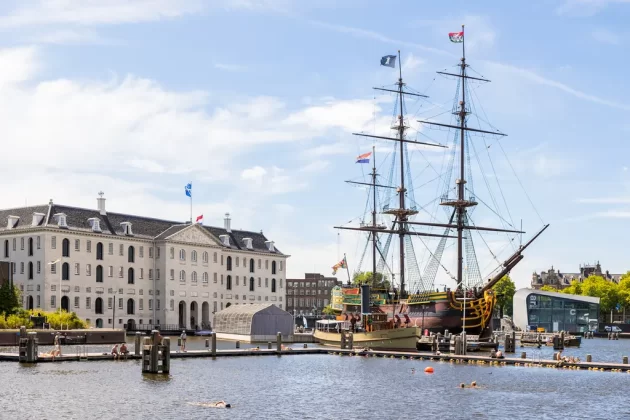
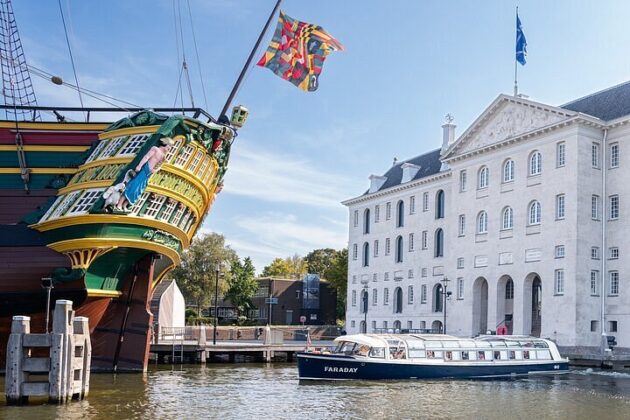
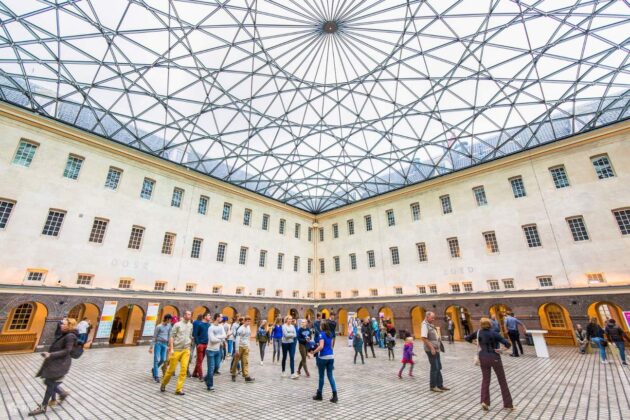
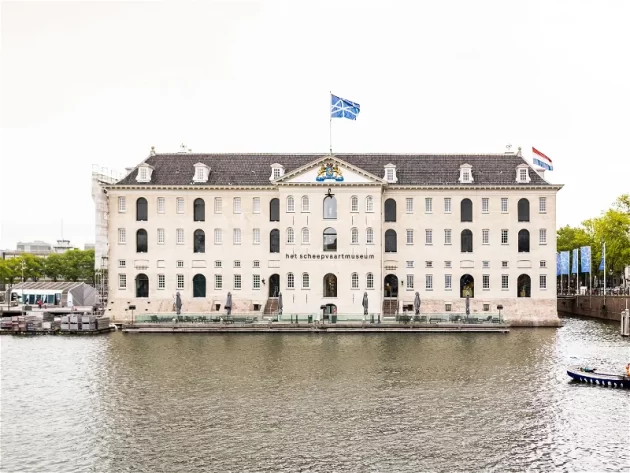
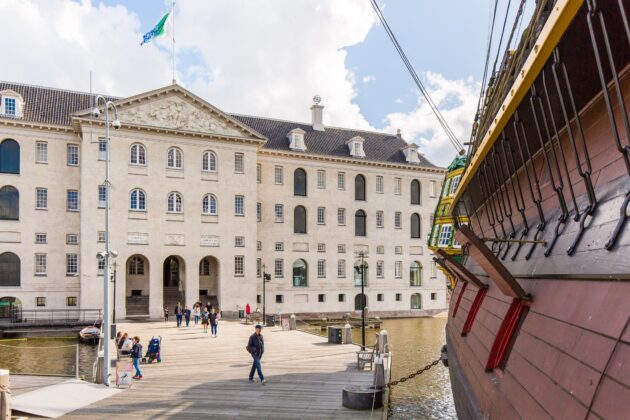
Nestled on the eastern edge of Amsterdam’s historic center, the National Maritime Museum (Het Scheepvaartmuseum) is a treasure trove of seafaring stories that brings 500 years of Dutch maritime history to life. Housed in the stunning 17th-century East India House—a former headquarters of the Dutch East India Company (VOC)—this museum isn’t just a collection of artifacts; it’s an immersive journey through exploration, trade, and innovation that shaped the world.
NEMO Science Museum
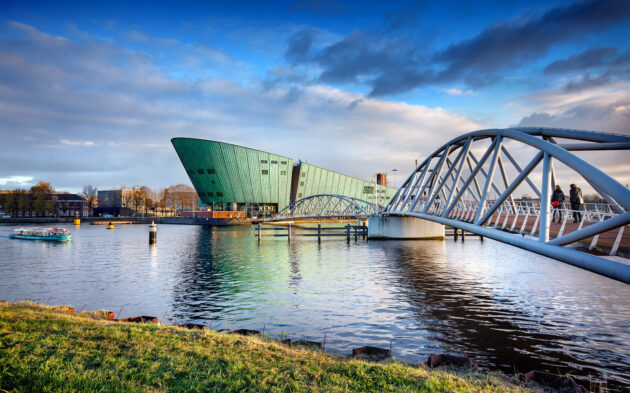
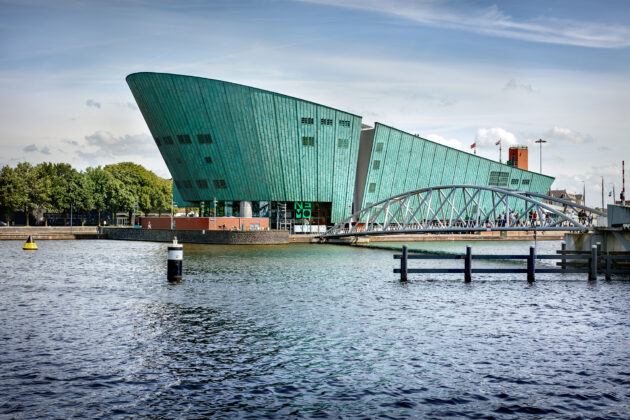
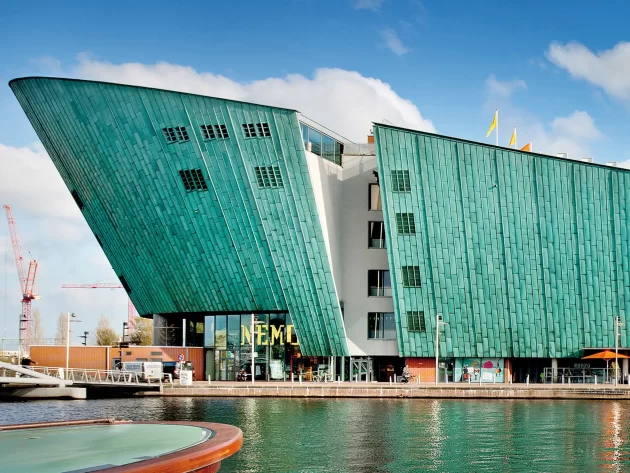
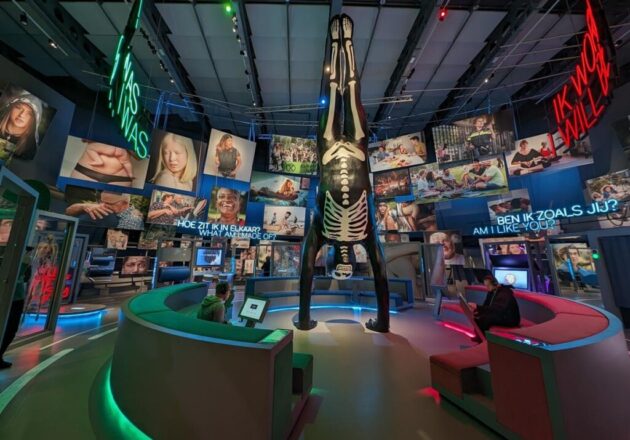
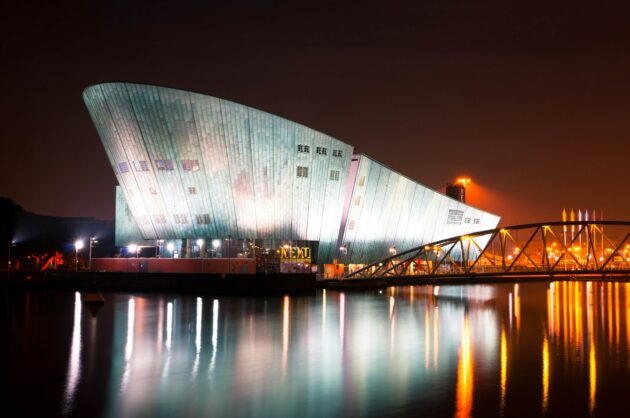
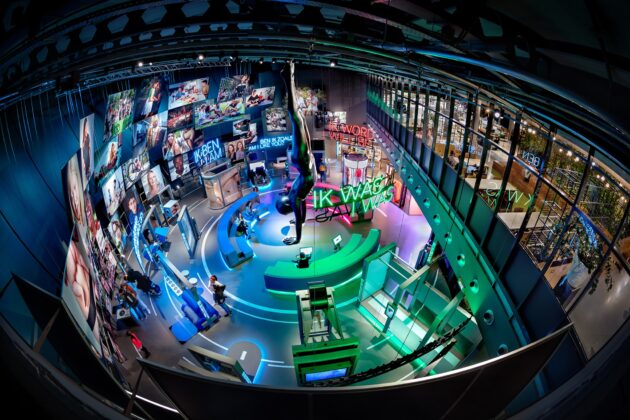
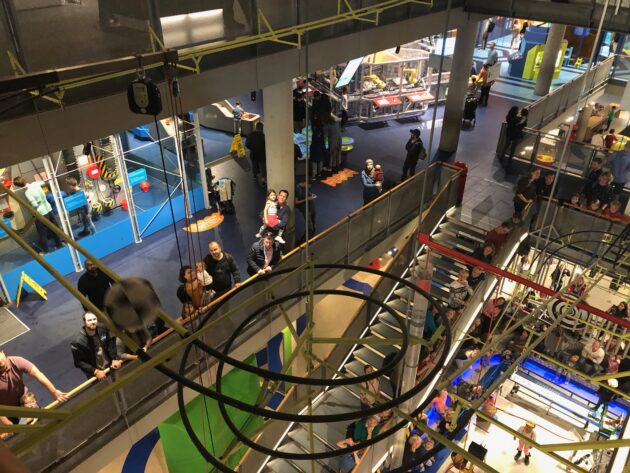
Nestled on the waterfront of Amsterdam’s Oosterdok, the NEMO Science Museum stands as a striking green copper behemoth resembling a half-sunken ship—a masterpiece of architecture by Italian designer Renzo Piano. As the largest science center in the Netherlands, NEMO transforms complex concepts in physics, chemistry, biology, and technology into playful, hands-on adventures.

Rijksmuseum
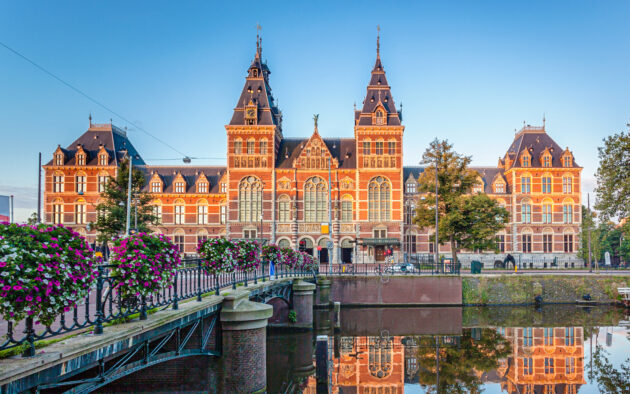
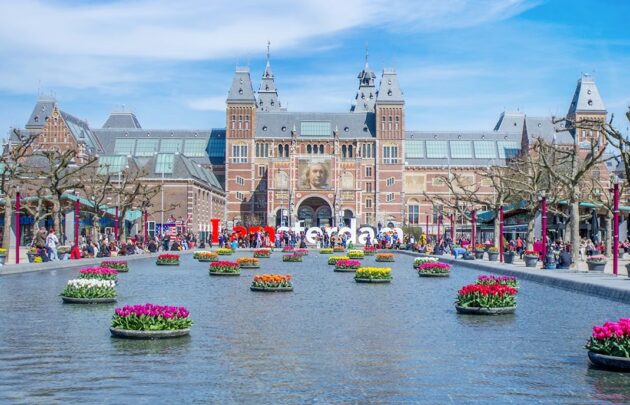
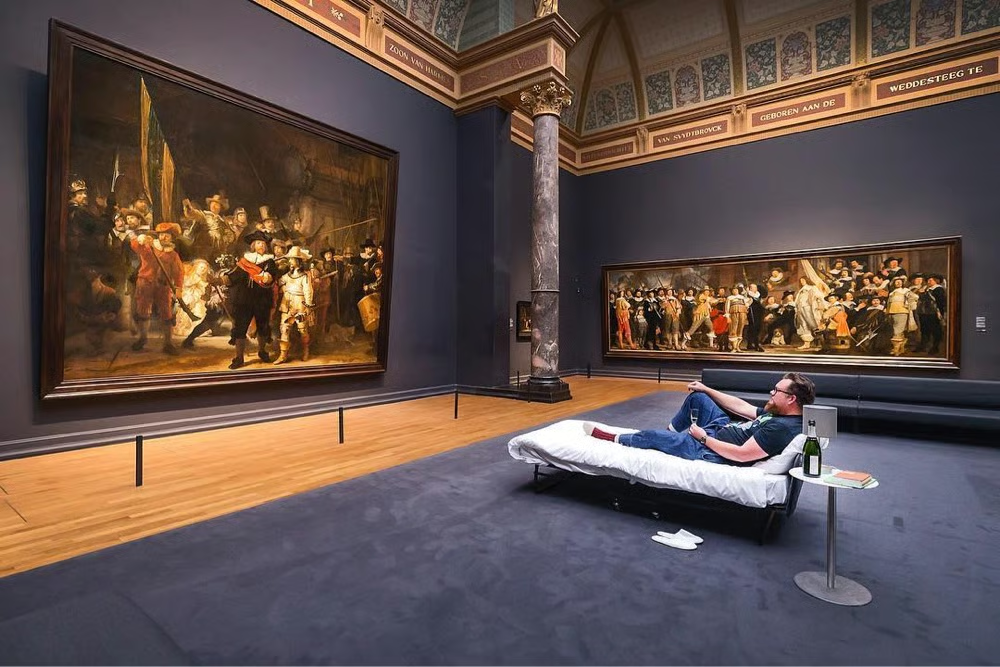
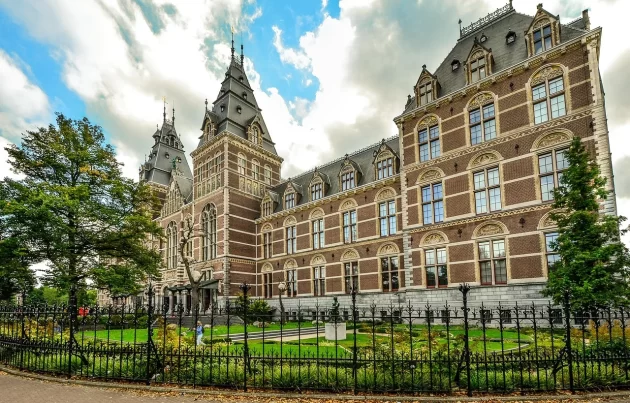
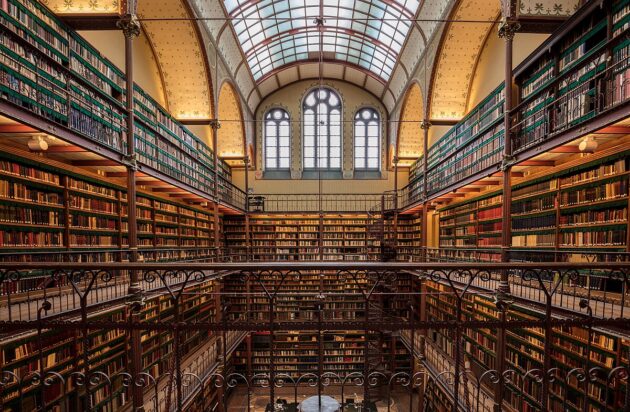
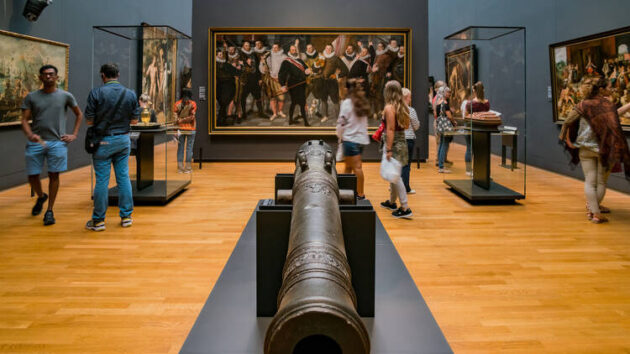
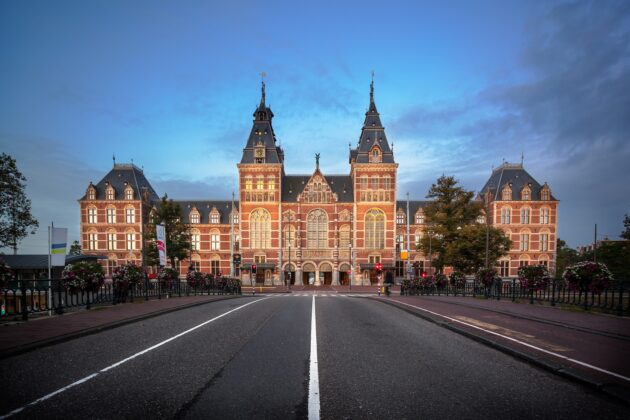
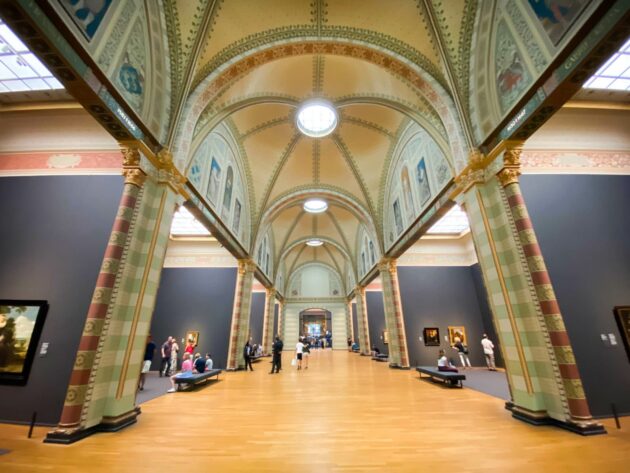
Nestled in the heart of Amsterdam’s Museum Quarter, the Rijksmuseum stands as the crown jewel of Dutch cultural heritage. Opened in its current location in 1885 after relocating from The Hague, this iconic institution—designed by architect Pierre Cuypers—houses over 8,000 masterpieces spanning 800 years of Dutch art and history, from the Middle Ages to the 20th century.
Van Gogh Museum
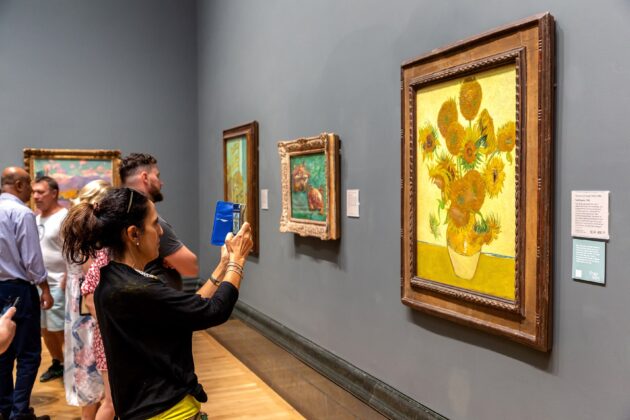
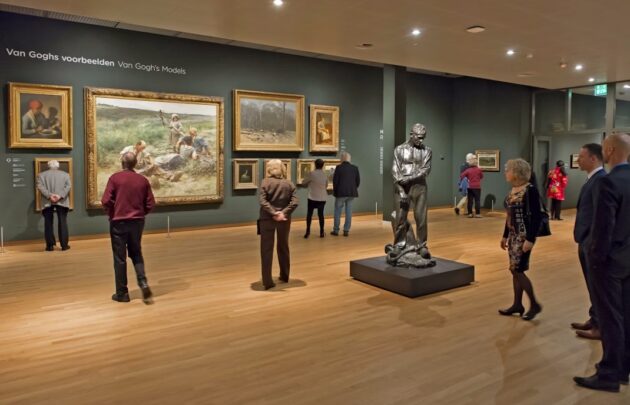
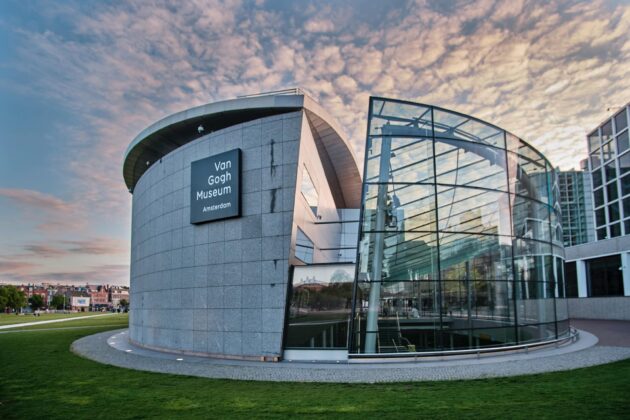
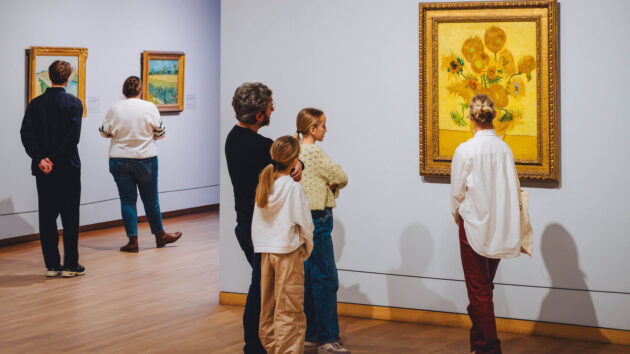
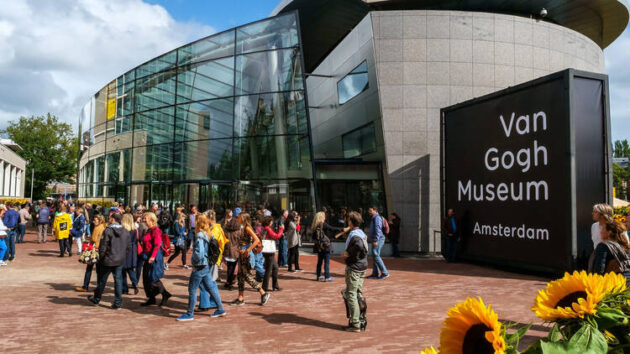
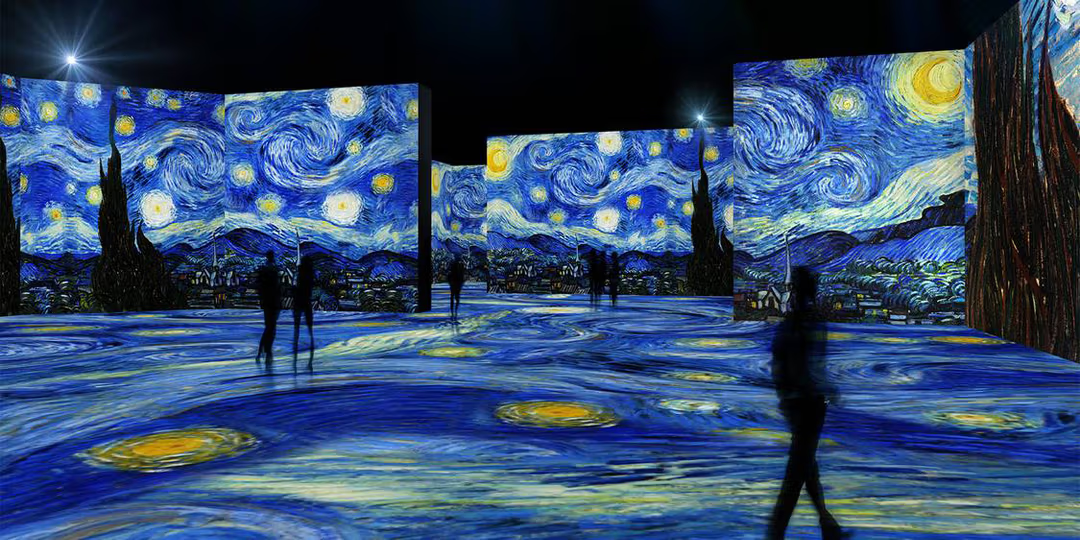
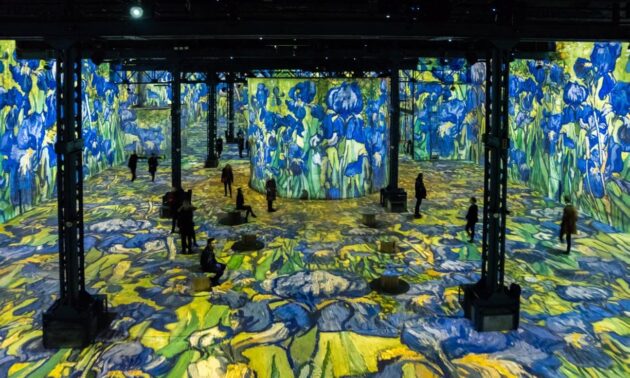
Nestled in the heart of Amsterdam’s Museum Quarter, the Van Gogh Museum is a global beacon for art lovers, housing the world’s largest collection of works by the iconic Dutch post-Impressionist painter Vincent van Gogh. Opened in 1973, this architectural gem—designed by De Stijl architect Gerrit Rietveld—showcases over 200 paintings, 500 drawings, and thousands of letters that chronicle Van Gogh’s turbulent life and revolutionary style.
Vondelpark
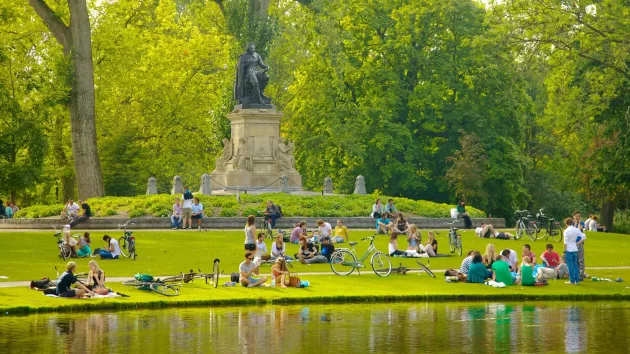
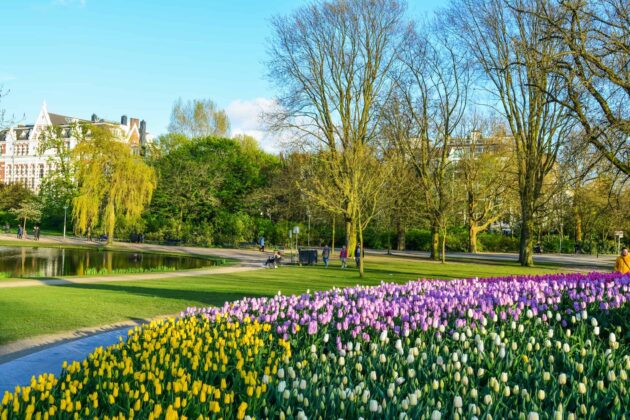
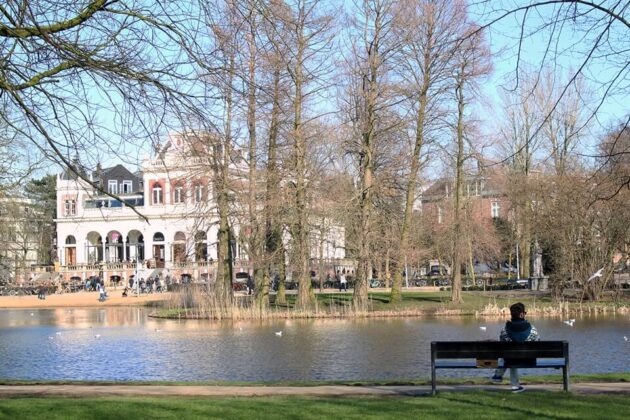
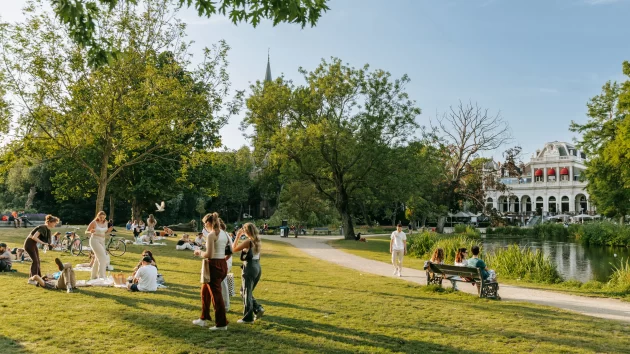
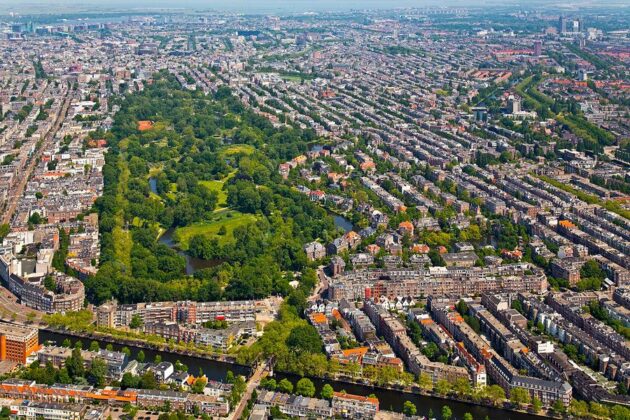
Nestled in the heart of Amsterdam, Vondelpark is the city’s most famous public urban park. Spanning approximately 120 acres, it offers a green oasis for recreation and relaxation. Loved by locals and tourists alike, the park features picturesque ponds, winding paths, charming bridges, and open lawns. It’s a vibrant hub for jogging, cycling, picnics, or simply people-watching, often hosting open-air theatre and musical performances during the summer.
Stedelijk Museum Amsterdam
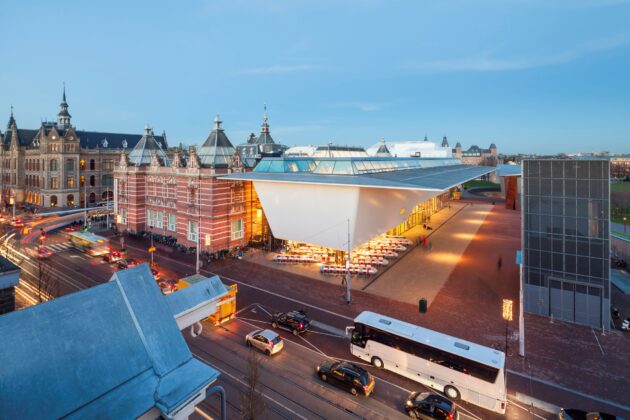
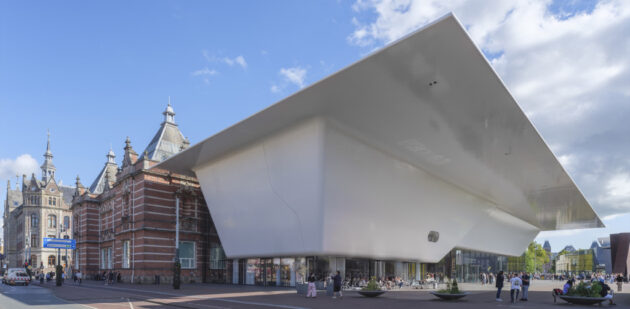
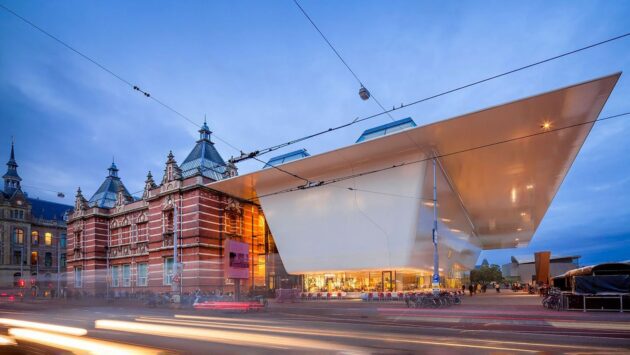
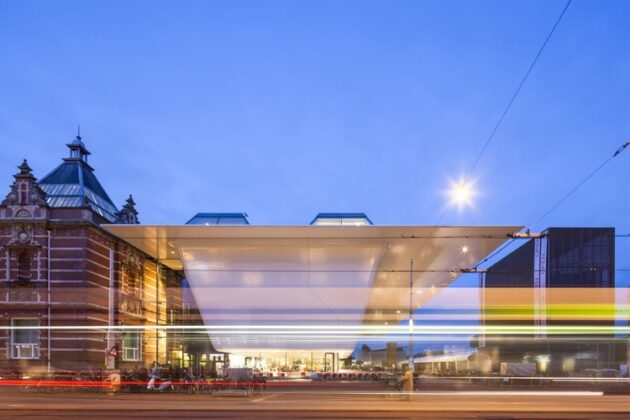
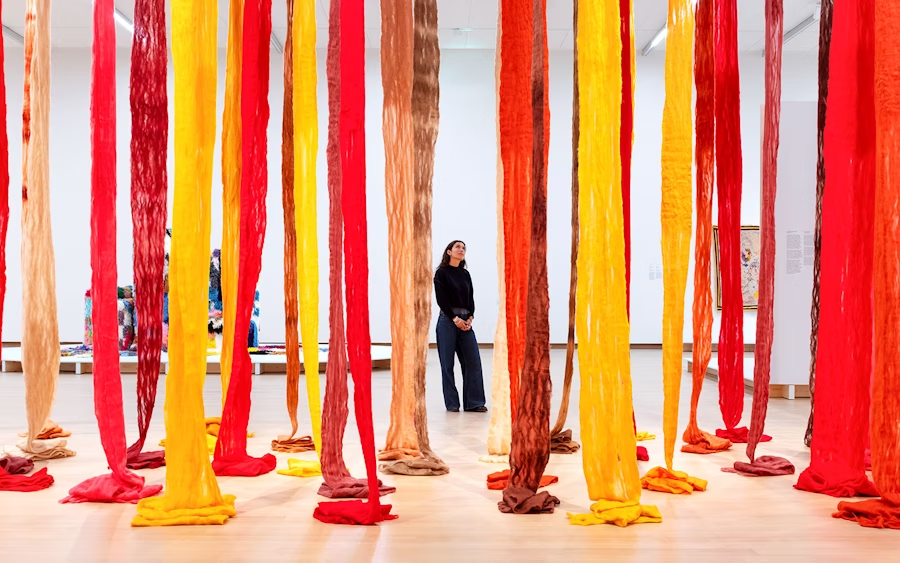
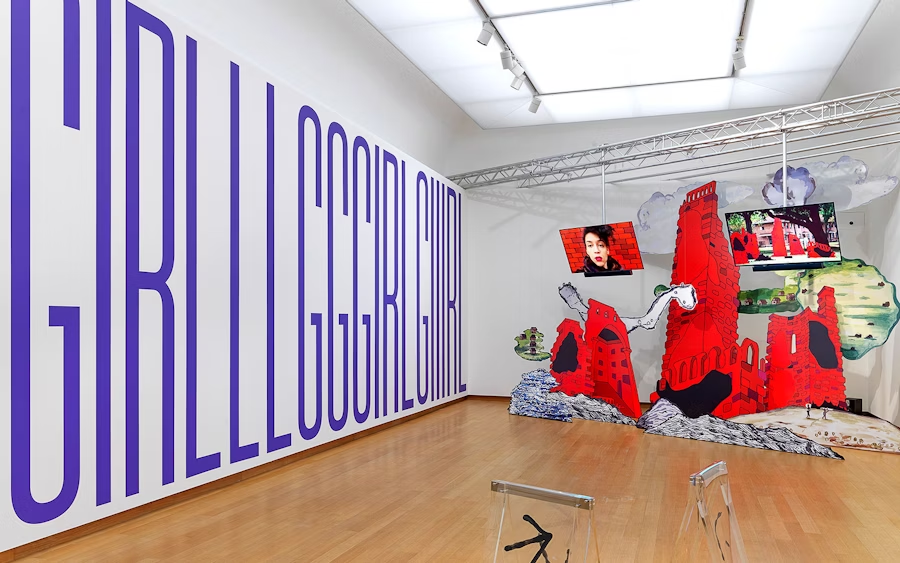
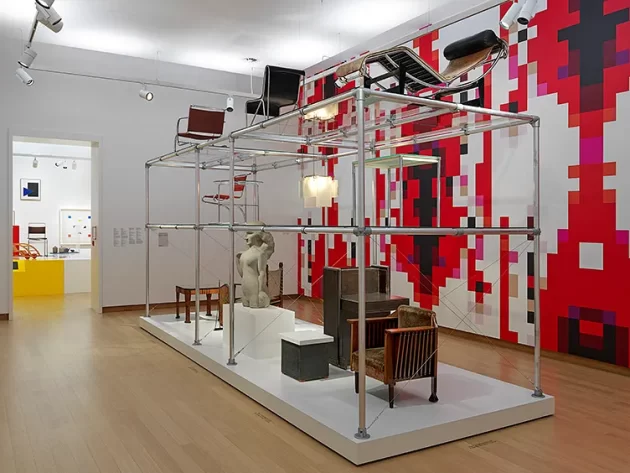
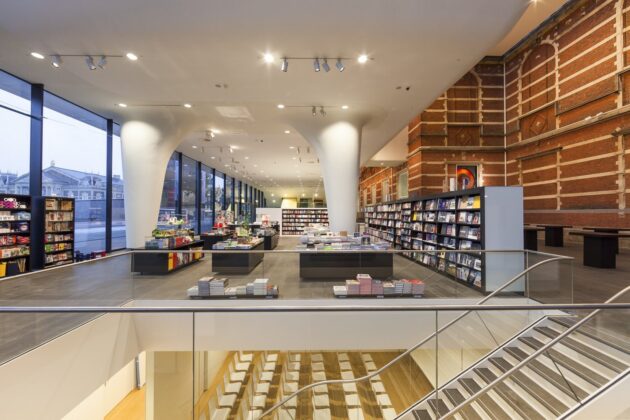
Nestled in the heart of Amsterdam’s vibrant Museum Quarter, the Stedelijk Museum is a cornerstone of modern and contemporary art and design. Housed in a striking 1895 building with a modern white extension (affectionately called “The Bathtub” for its curved roof), the museum boasts one of Europe’s premier collections spanning from 1880 to the present day.
Eye Filmmuseum
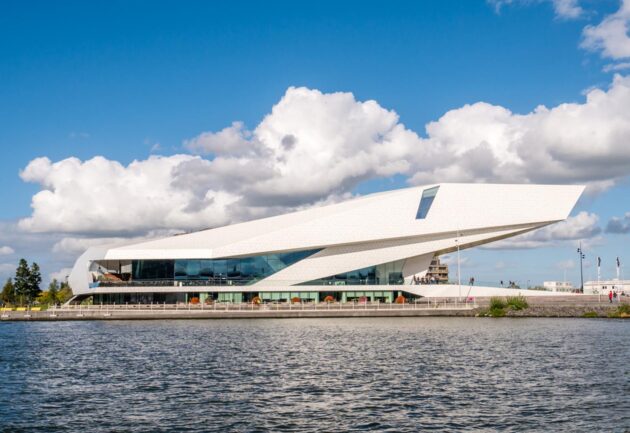
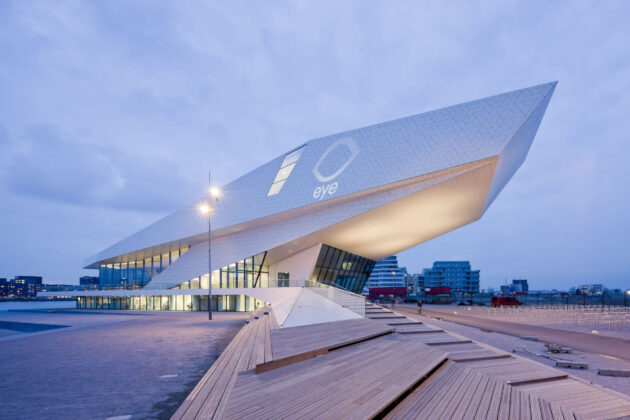
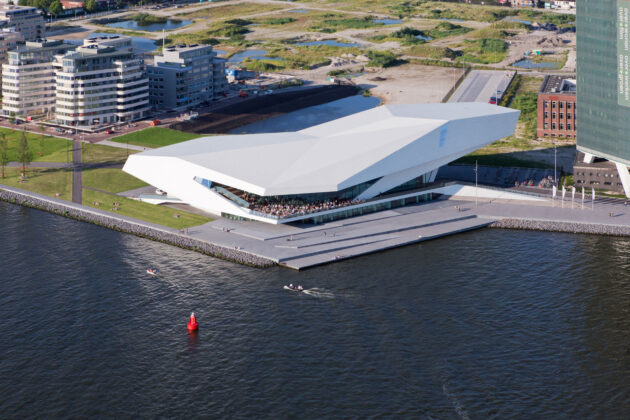
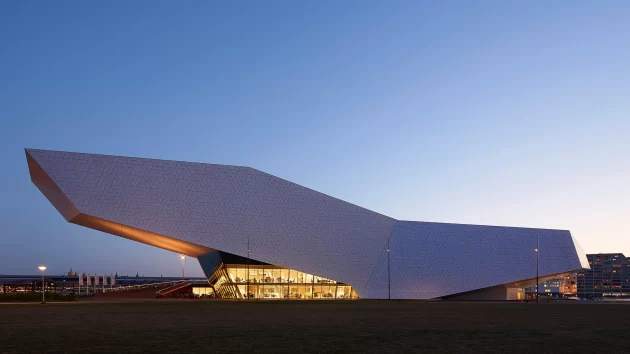
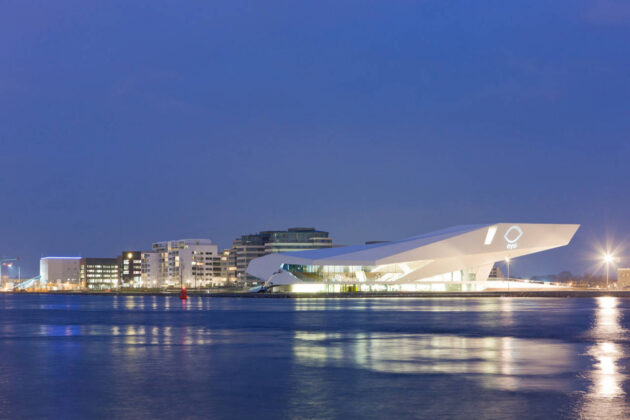
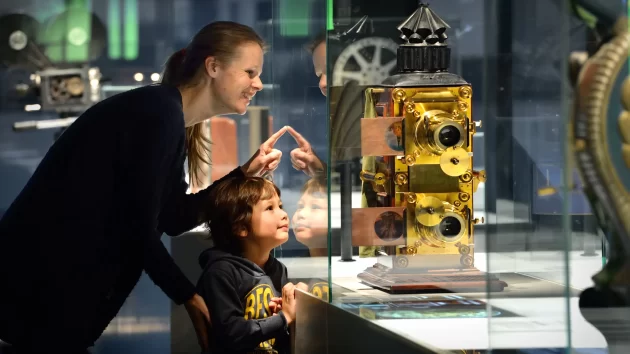
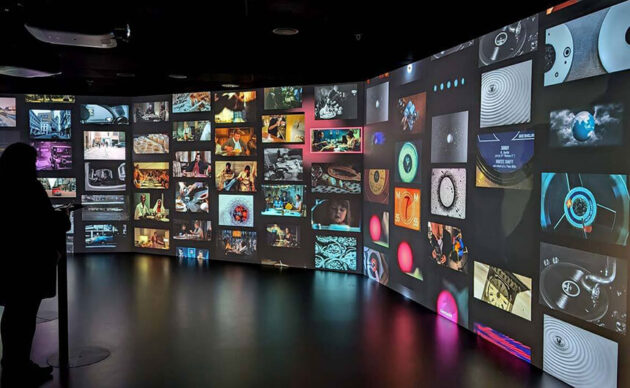
Nestled on the northern banks of the IJ River, the EYE Filmmuseum (often simply called EYE) is Amsterdam’s premier cinematic treasure trove. This striking, futuristic building—designed by Austrian architects Delugan Meissl Associated Architects—houses the Netherlands Institute for Film Heritage and serves as a vibrant hub for film enthusiasts, artists, and curious travelers.

Keukenhof
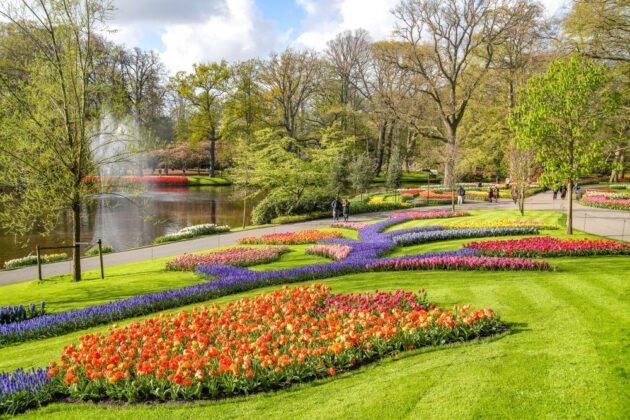
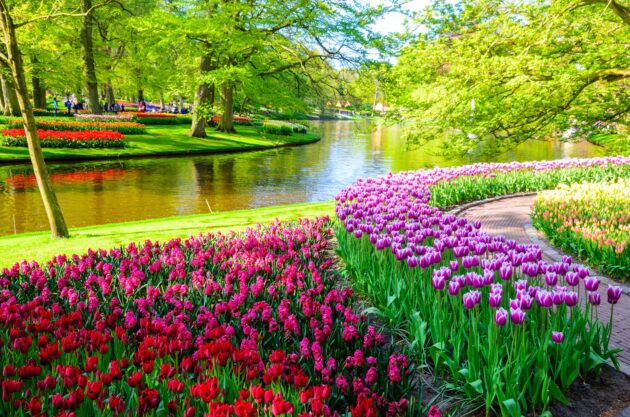
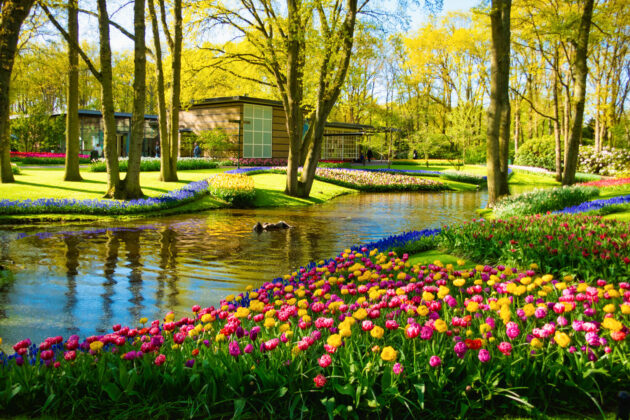
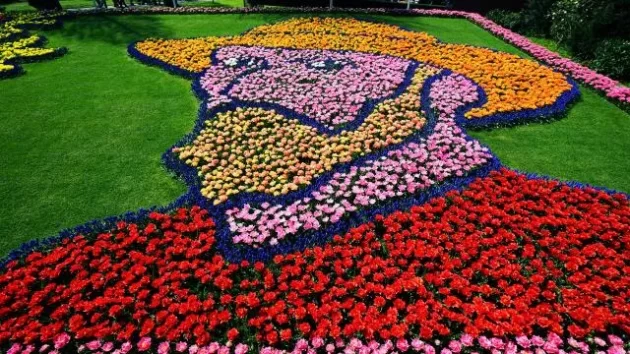
Nestled just 45 minutes southwest of Amsterdam in the heart of the Dutch bulb fields, Keukenhof Gardens is the world’s largest flower garden and a blooming masterpiece of springtime splendor. Spanning 79 acres, it’s home to over 7 million bulbs, including iconic tulips in every color imaginable, hyacinths, daffodils, and more. Often called the “Garden of Europe,” Keukenhof isn’t just a floral display—it’s a celebration of Dutch horticulture, art, and history, drawing over 1.5 million visitors annually.
Where to Stay
Amsterdam’s neighborhoods offer varied vibes; book 3–6 months ahead for peaks.
Canal Ring (Centrum): Central and romantic; try Pulitzer Amsterdam (luxury, €400+/night) or budget hostels like Flying Pig (€50–100).
Jordaan: Trendy and artsy; Mr. Jordaan (€200–300) for boutique charm.
De Pijp: Hip, multicultural; The Hoxton (€150–250) near food markets.
Museum Quarter: Quiet, green; Conscious Hotel (€120–200) for eco-stays.
Airbnb is popular, but new regulations cap short-term rentals—opt for hotels for reliability.
Food and Drink
Dutch cuisine is hearty and unpretentious, emphasizing fresh, seasonal ingredients. Must-tries:
Stroopwafels: Caramel waffle cookies (€2–3; grab fresh from markets).
Herring: Raw salted fish with onions (€5; street stalls).
Bitterballen: Fried meatballs with mustard (€8/plate; in brown cafés).
Cheese Tasting: Gouda or Edam at markets like Albert Cuyp (€10–15 tour).
Frites: Thick fries with mayo (€4–6).
Dine at Foodhallen for variety or Moeders for homey stamppot (mashed potatoes with sausage, €15–20). For drinks, hit “brown cafés” like Café de Jaren for craft beers (€5–7) or high wine tastings (€25). Vegetarian/vegan options abound; try international spots in De Pijp.
Getting Around
Amsterdam is a cyclist’s paradise—80% of locals bike, so join them!
Bikes: Rent from MacBike (€10/day); watch for traffic.
Public Transport: GVB trams, buses, and metros (€3.20/single, €9/day pass). Download the GVB app.
Walking: The center is 3–4 km end-to-end.
No Cars: Congestion charges apply; use ferries for free Noord access.
Practical Tips
Budget: €100–200/day (mid-range); use an OV-chipkaart for transport savings.
Bookings: Secure museum/canal tickets online; Sees stricter crowd controls at Anne Frank House.
Sustainability: Use reusable water bottles—tap water is safe. Avoid single-use plastics.
Safety: Low crime, but watch for pickpockets in crowds. Cannabis is legal in coffeeshops (18+), but public use is fined.
Language: English is widely spoken; learn “gezellig” (cozy vibe) for the local spirit.
Amsterdam rewards slow exploration—ditch the rush, embrace the hygge-like “gezelligheid,” and let the city’s magic unfold. Safe travels!