

A Travel Guide to Cologne (2026)
Cologne (Köln in German), Germany’s fourth-largest city, is a vibrant Rhine River metropolis blending 2,000 years of Roman history with modern energy. Famous for its towering Gothic cathedral, world-class museums, Kölsch beer culture, and exuberant Carnival festivities, Cologne offers a mix of architectural marvels, green spaces, and lively neighborhoods. It’s less overwhelming than Berlin or Munich, with friendly locals and a compact center perfect for short trips. Whether you’re climbing spires for panoramic views or sipping beer in historic brewhouses, Cologne’s charm lies in its unpretentious vibe and easy access to the Rhine Valley.
Why Visit Cologne?
Cologne’s UNESCO-listed cathedral dominates the skyline, symbolizing the city’s resilience after WWII bombings. It’s the birthplace of eau de Cologne perfume and home to over 30 breweries producing Kölsch, a light, top-fermented ale. The Rhine provides scenic cruises and promenades, while diverse neighborhoods like the bohemian Belgian Quarter buzz with street art and cafes. For culture lovers, it’s a gateway to Beethoven’s Bonn or the fairy-tale castles of the Middle Rhine. Budget travelers appreciate free attractions and affordable public transport, while families enjoy interactive museums like the Chocolate Museum.
How to Get There
Cologne is well-connected via its central hub, Köln Hauptbahnhof (main train station), right next to the cathedral.
By Air: Fly into Cologne Bonn Airport (CGN), 15 km southeast (20 minutes by train to the city center; €3 one-way). Direct flights from major European hubs and seasonal U.S. routes via Lufthansa or Ryanair. Taxis or rideshares cost €25–35.
By Train: High-speed ICE trains from Berlin (4.5 hours), Frankfurt (1 hour), or Amsterdam (2.5 hours). Book via Deutsche Bahn app for deals starting at €20.
By Car: A3/A4 highways link Cologne to the Ruhr Valley and Belgium. Parking garages near the center cost €20–30/day; avoid driving in the pedestrian-friendly Altstadt.
From Nearby: Day trips from Düsseldorf (30 minutes by train) or Bonn (20 minutes).
Once there, the city is highly walkable, but use the efficient KVB network (trams, buses, U/S-Bahn) with a KölnCard (€9/24 hours for unlimited rides + discounts).
Best Time to Visit
Shoulder Seasons (Spring/Fall): March–May or September–October offer mild weather (10–20°C/50–68°F), fewer crowds, and events like Art Cologne (April). Ideal for outdoor walks along the Rhine.
Summer (June–August): Warm (up to 25°C/77°F) and lively with festivals, but busier and pricier. Perfect for river cruises.
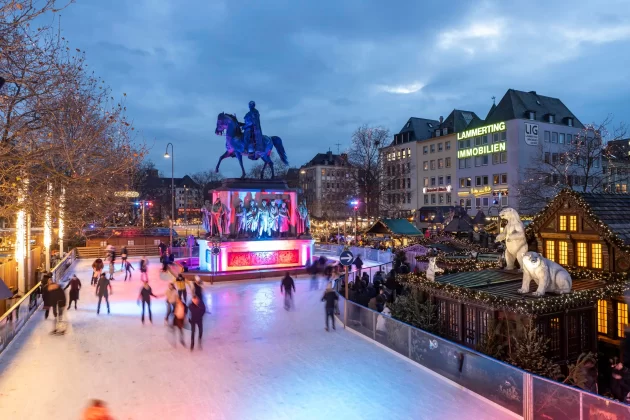
Winter (November–February): Chilly (0–5°C/32–41°F) but magical with Christmas markets (late November–December) featuring mulled wine and lights. Carnival peaks in February–March with parades—book ahead! Lowest hotel rates in December–February.
What to Do
Cologne’s highlights span history, art, and fun. Most are clustered in the walkable center; allocate 2–3 days for essentials.
Cologne Cathedral
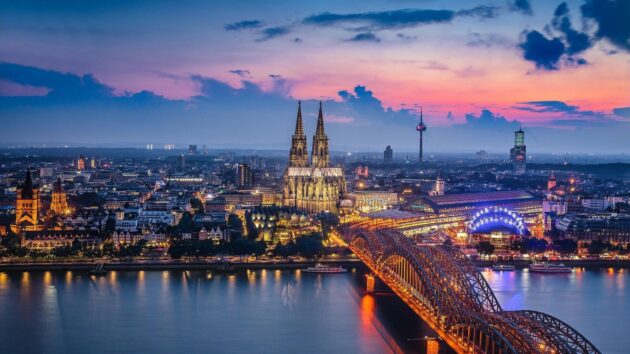
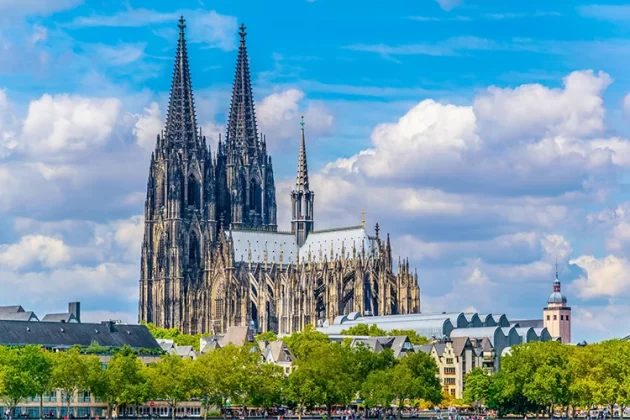
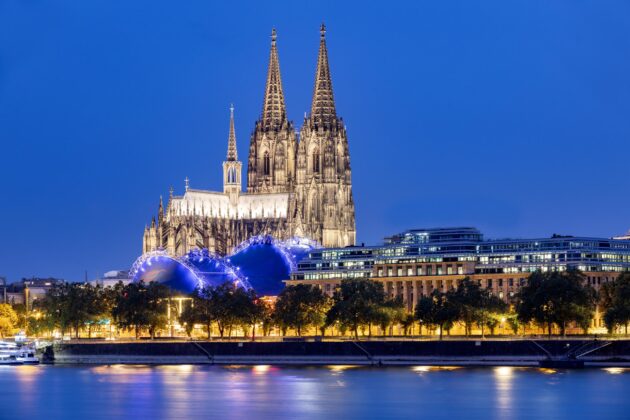
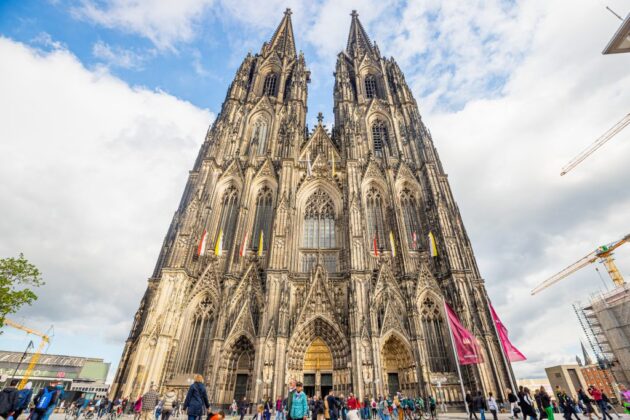
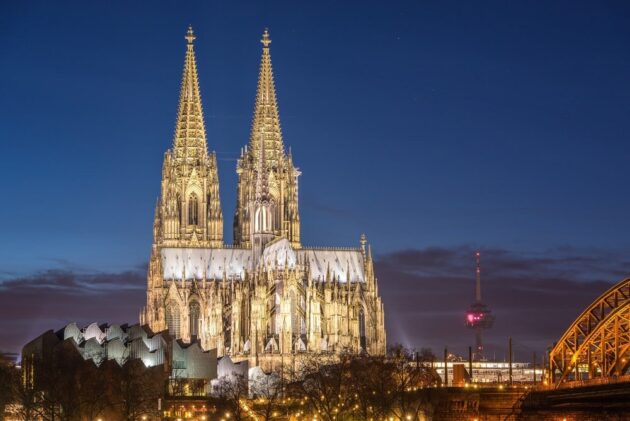
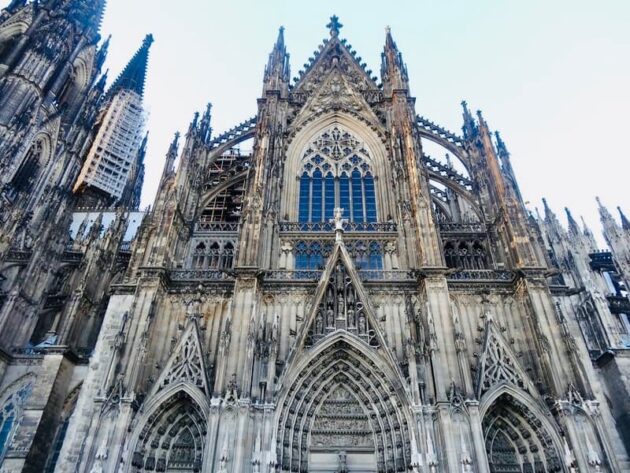
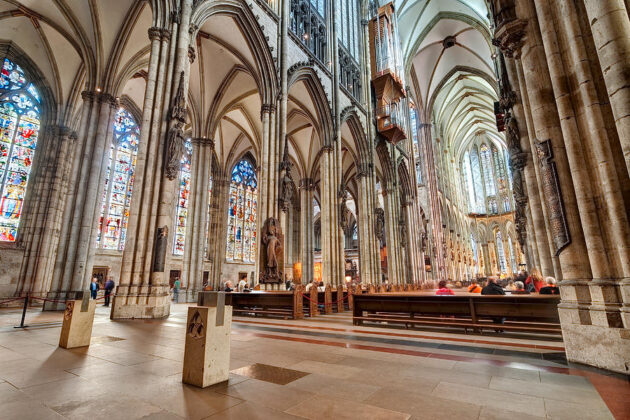
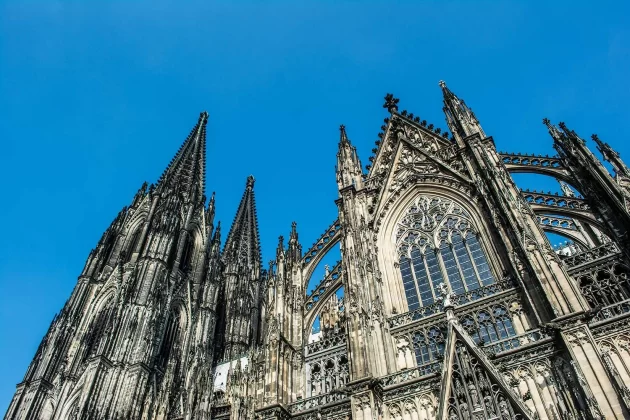
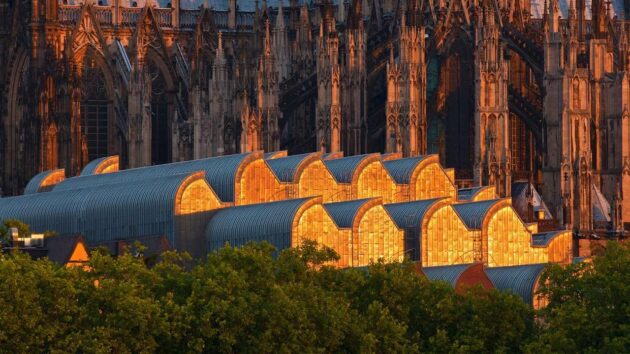
Cologne Cathedral, known locally as Kölner Dom, is an awe-inspiring Gothic masterpiece and one of the most visited landmarks in Europe. Rising dramatically over the Rhine River in the heart of Cologne, this UNESCO World Heritage Site has dominated the city’s skyline since its completion in 1880—after over 600 years of construction.
Rhine River Experiences
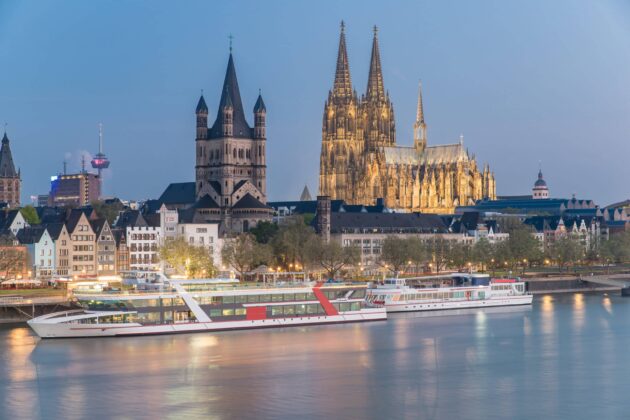
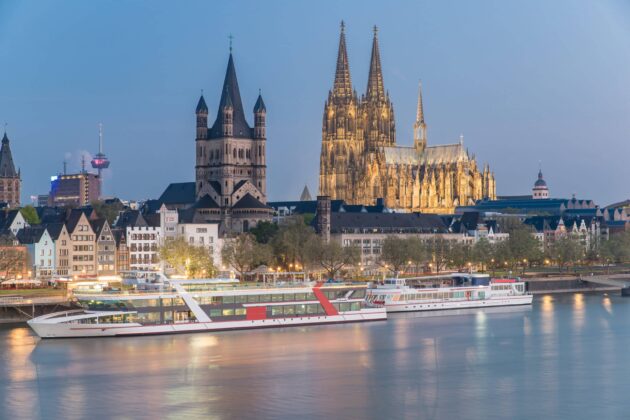
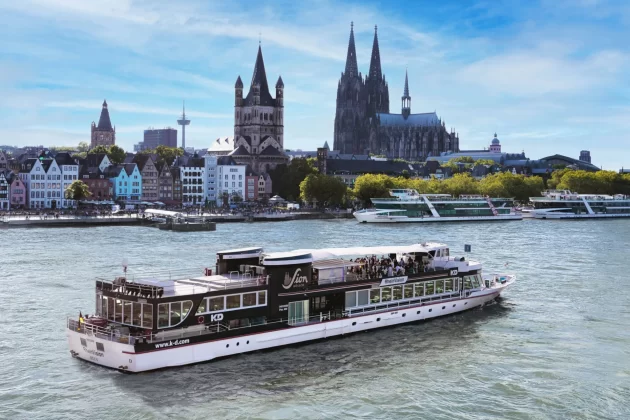
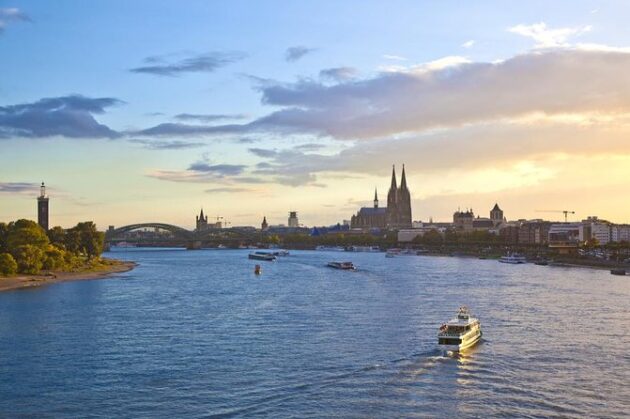
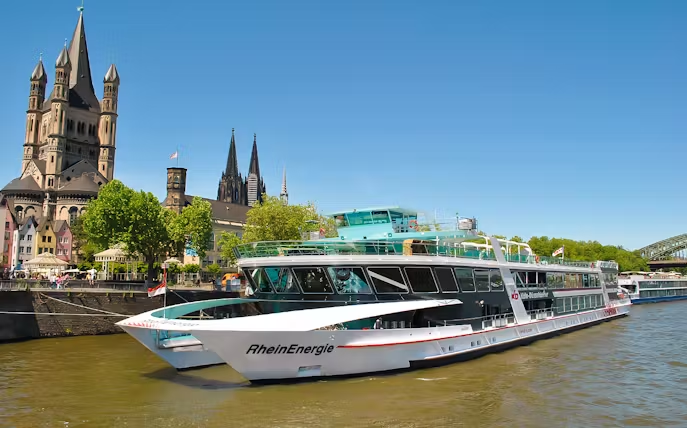
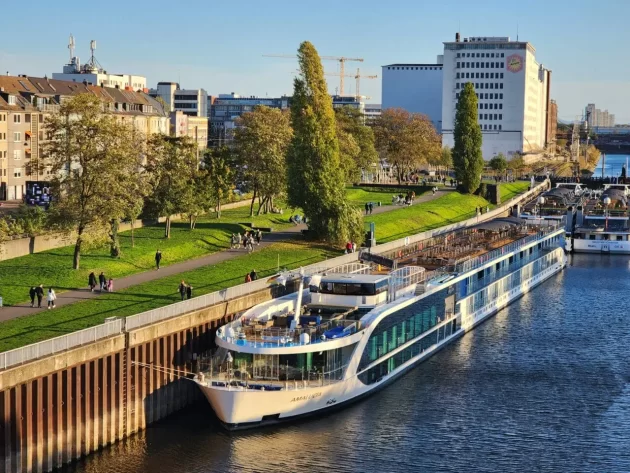
Stroll the Rheinboulevard promenade or take a 1-hour KD Line cruise (€15) for skyline sights. Cross the love-lock-covered Hohenzollern Bridge at sunset. In summer, ride the historic cable car (€8 round-trip) over Rheinpark.
Historic Old Town
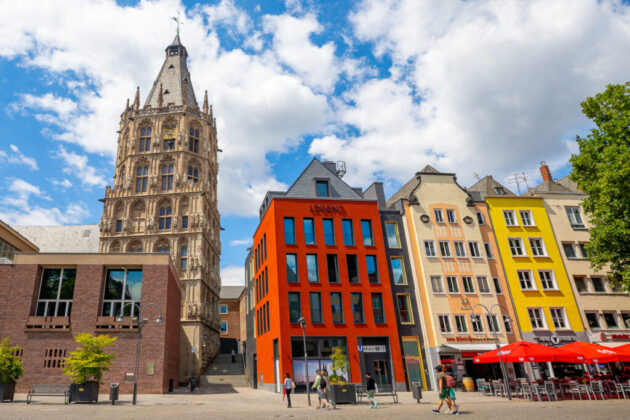
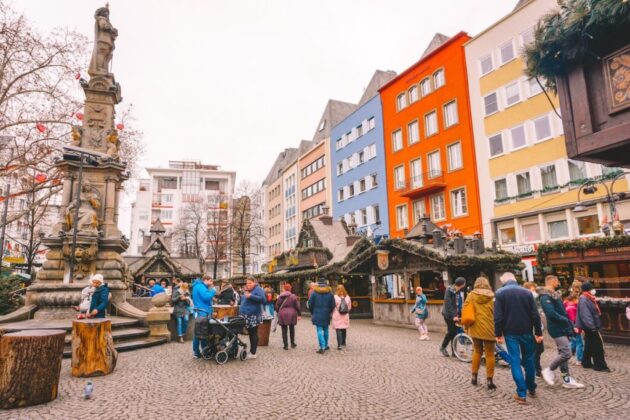
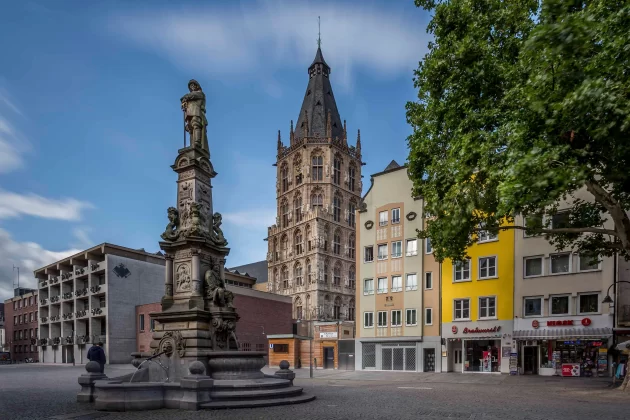
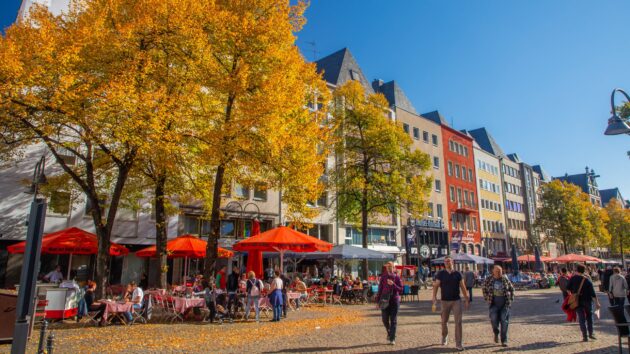
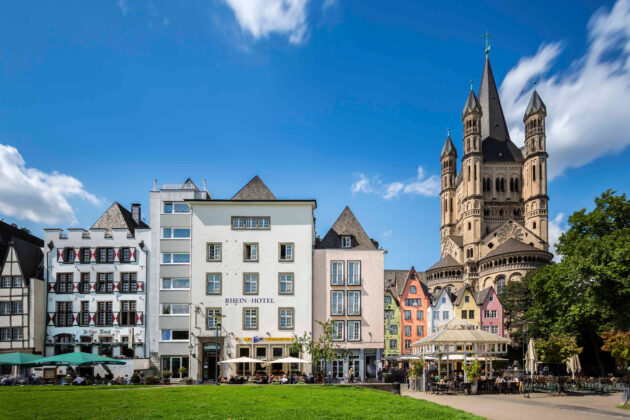
Wander colorful half-timbered houses, cobblestone alleys, and squares like Fischmarkt (best at dawn for photos). Visit the Romanesque Great St. Martin Church and nearby Twelve Romanesque Churches trail.
Museum Ludwig
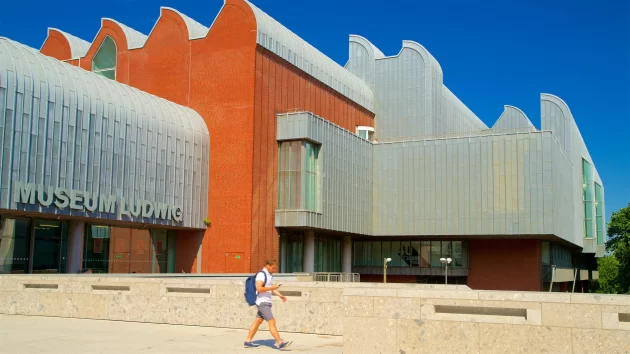
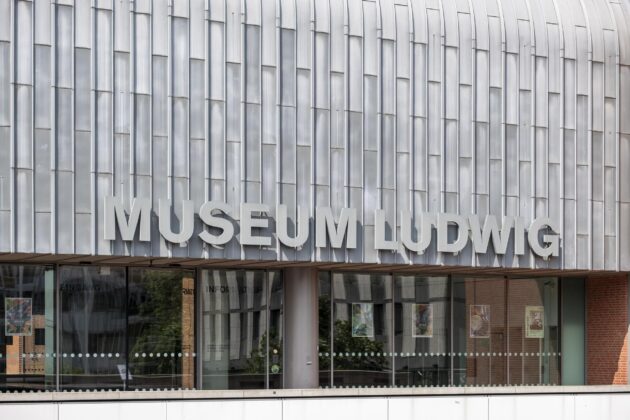
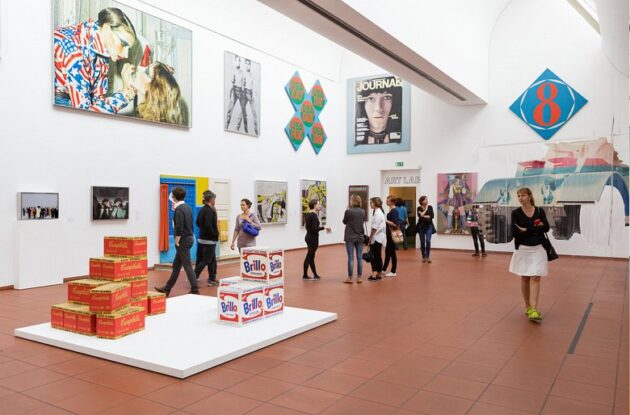
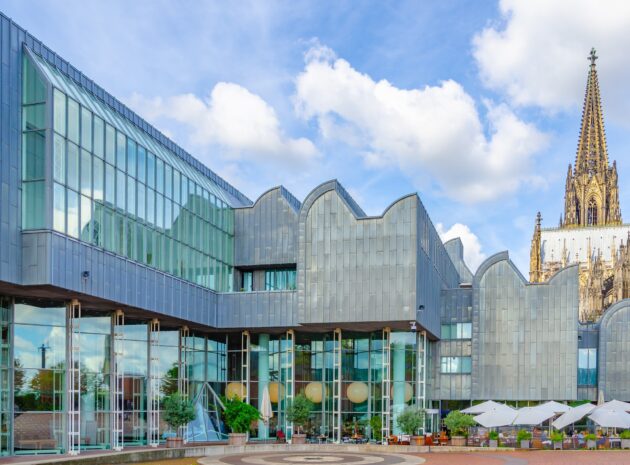
The Museum Ludwig in Cologne, Germany, houses a significant collection of modern and contemporary art. It is renowned for having the third-largest Picasso collection globally and the most comprehensive collection of early Russian Avant-Garde artworks outside of Russia. The museum also holds one of the largest Pop Art collections in Europe, featuring numerous works by artists like Andy Warhol and Roy Lichtenstein.
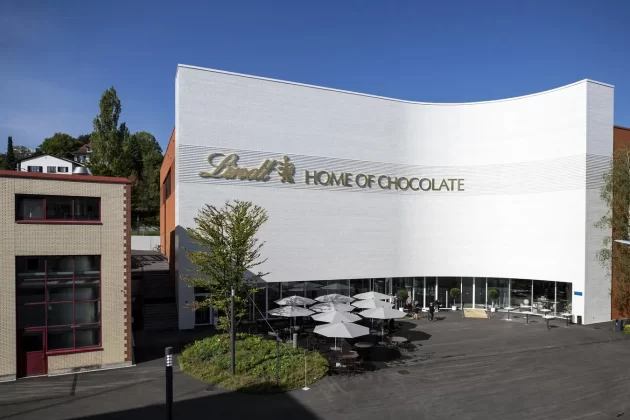
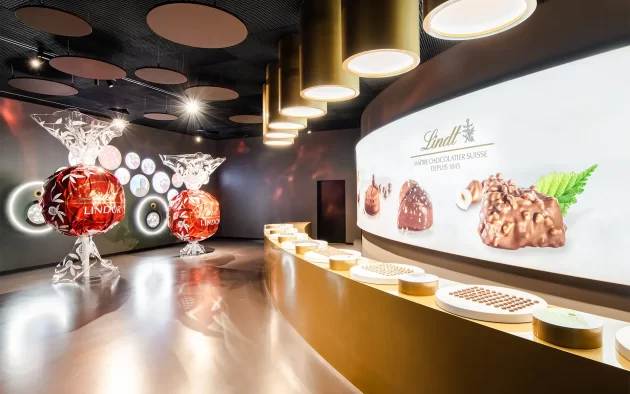
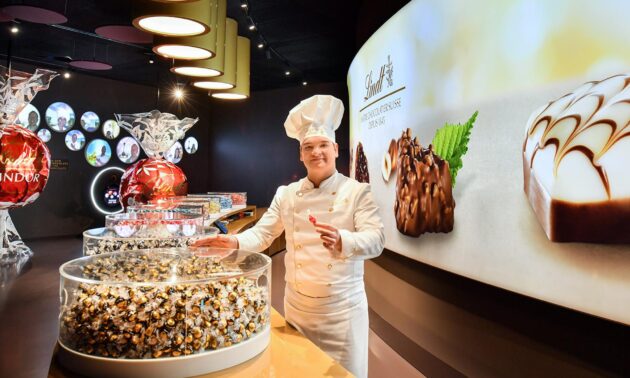
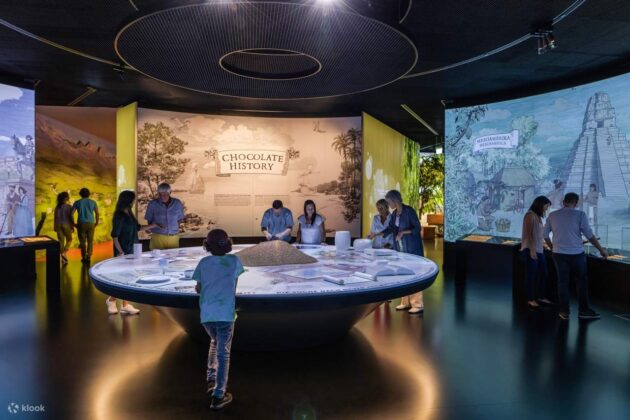
Lindt Chocolate Museum
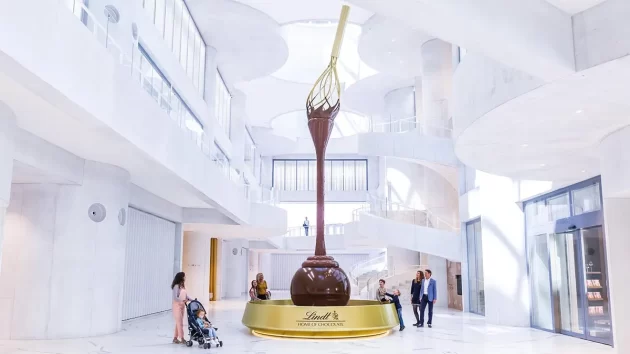
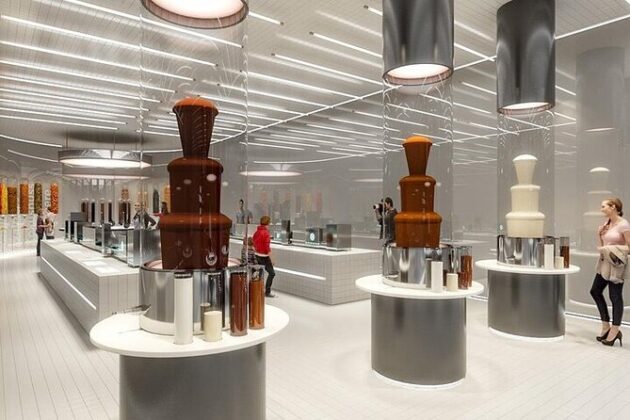
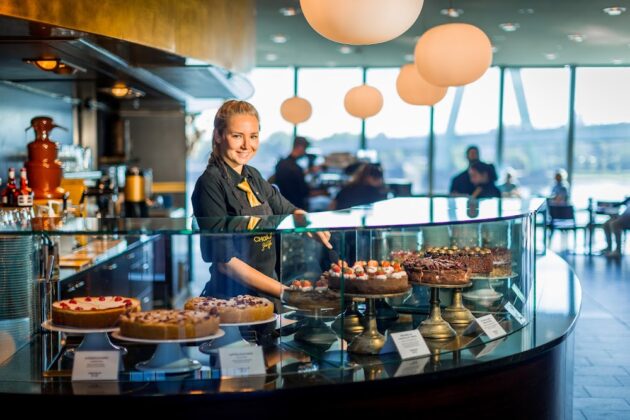
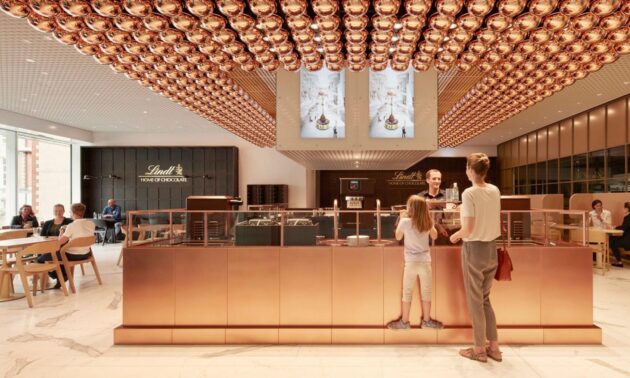
Nestled on the banks of the Rhine River in Cologne’s historic Rheinauhafen district, the Lindt Chocolate Museum—officially known as Schokoladenmuseum Köln—stands as a delectable tribute to one of the world’s most beloved treats. Sponsored by the renowned Swiss chocolatier Lindt & Sprüngli since 2017, this immersive museum explores the 5,000-year history of cocoa and chocolate, blending education, artistry, and indulgence.
Where to Stay
Cologne has options for all budgets; book near Hauptbahnhof or Altstadt for convenience.
Budget (€50–100/night): Station Hostel for dorms (€30–50) or Ibis Budget near the airport.
Midrange (€100–200): Excelsior Hotel Ernst (historic, near cathedral) or 25hours Hotel The Circle (rooftop views, trendy vibe).
Luxury (€200+): Hyatt Regency with Rhine views or Dorint Hotel am Heumarkt.
Airbnb: Private rooms €50–70; full apartments €80–150 in Belgian Quarter for a local feel.
Aim for the Belgian Quarter (Aguada) for hip cafes or Ehrenfeld for street art.
Where to Eat
Cologne’s food scene mixes Rhineland classics with international flavors. Try lunch specials (€10–14) for value.
Local Specialties: Himmel un Ääd (mashed potatoes with apples and blood sausage, €12) at brewhouses like Päffgen. Kölsch beer €2–3 per 0.2L glass; Schokoküsse marshmallows €1.
Casual Eats: Currywurst or kebabs at stands (€5–8); Turkish spots in Keupstraße for döner (€7).
Upscale: Hanse Stube for modern German (€25 mains) or El Inca for Peruvian fusion in Belgian Quarter.
Markets & Snacks: Fischmarkt stalls for fresh pretzels; Christmas markets for Reibekuchen potato pancakes.
Vegetarians: Opt for Belgian Quarter’s vegan cafes. Groceries at REWE for €50/week self-catering.
Tips for a Great Trip
Getting Around: Walk the center (1–2 km between sites) or use the KölnCard for savings. Download the KVB app for tickets.
Costs: Daily budget €95 (backpacker) to €200 (midrange). Free entry to cathedral/parks; museums €9–15. ATMs widespread; cards accepted most places.
Practicalities: English widely spoken; download Google Translate. Tap water safe; bring reusable bottle. Pickpockets target crowds—use anti-theft bags at Carnival.
Sustainability: Bike via Nextbike (€1/unlock); support eco-breweries.
For Families/Solos: Chocolate Museum for kids; free walking tours (tip €5–10) for solos.
Cologne’s magic is in its blend of grandeur and gemütlichkeit—relaxed yet festive. Whether chasing history or hops, this Rhine gem will leave you enchanted. Gute Reise!