

A Travel Guide to Brussels (2026)
Brussels, the vibrant capital of Belgium and the de facto headquarters of the European Union, is a city where medieval grandeur meets modern multiculturalism. With its iconic cobblestone squares, world-class museums, and a population that’s over 40% foreign-born, Brussels buzzes with youthful energy and artistic flair. Famous for its comic book murals, indulgent chocolates, crispy frites, and over 1,500 varieties of beer, it’s a compact urban gem perfect for a weekend getaway or longer exploration. Whether you’re wandering car-free boulevards or sipping a lambic in a hidden brasserie, Brussels offers a delightful mix of history, culture, and indulgence.
Why Visit Brussels?
Brussels shines as one of Europe’s most pedestrian-friendly cities, thanks to expansions like the massive car-free zone around Boulevard Anspach—the largest in the EU. It’s home to genre-defining restaurants, mind-bending museums, and a thriving scene of contemporary galleries focusing on themes like science and social issues. As the comic book capital (with street art featuring Tintin and the Smurfs), it’s also a hub for Art Nouveau architecture and surrealist art, all wrapped in a bilingual (French-Dutch) charm that’s welcoming to English speakers. Plus, it’s an affordable entry point to Belgium’s beer and chocolate trails.
How to Get There
Brussels is a major European transport hub, making it easy to reach from across the continent.
By Air: Fly into Brussels Airport (Zaventem, BRU), just 20 minutes from the city center by train (€10–12, frequent departures). Budget carriers often land at Charleroi Airport (CRL), about an hour away via shuttle bus (€15–20 round-trip; book via Flibco).
By Train: High-speed Eurostar connects London to Brussels-Midi in 2 hours (€50–150); Thalys links Paris in 1.5 hours (€30–100). Domestic trains from Amsterdam or Cologne take 2–3 hours.
By Bus: FlixBus or BlaBlaBus from major cities like Amsterdam (€20–40, 3–4 hours).
From the airport or station, hop on the efficient metro or a short taxi ride (€45–60 to center).
Best Time to Visit
Brussels is enjoyable year-round, but timing depends on your vibe:
Spring (March–May) and Fall (September–November): Mild weather (10–20°C/50–68°F), fewer crowds, and blooming parks—ideal for walking tours.
Summer (June–August): Warmest (up to 25°C/77°F) with long days for rooftop sunsets, but expect rain and peak tourists during school holidays.
Winter (December–February): Cozy with festive markets, though chilly (0–5°C/32–41°F) and potential snow. Avoid mid-July to August if you hate lines.
What to Do: Top Attractions
Brussels’ compact center is walkable, but use the metro for farther spots. Here’s a curated list of must-sees:
Grand Place
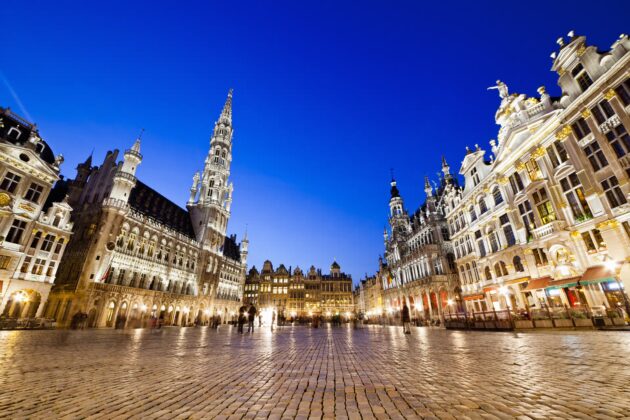
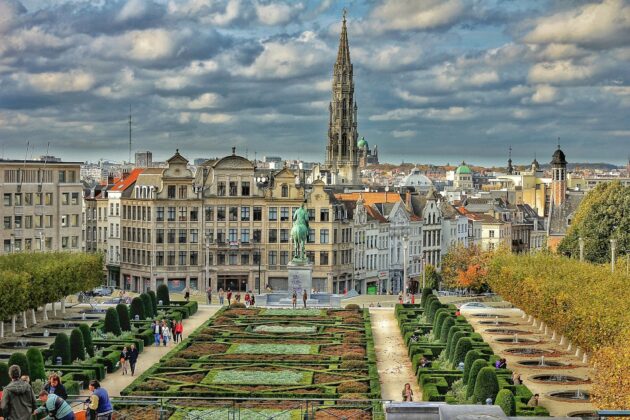
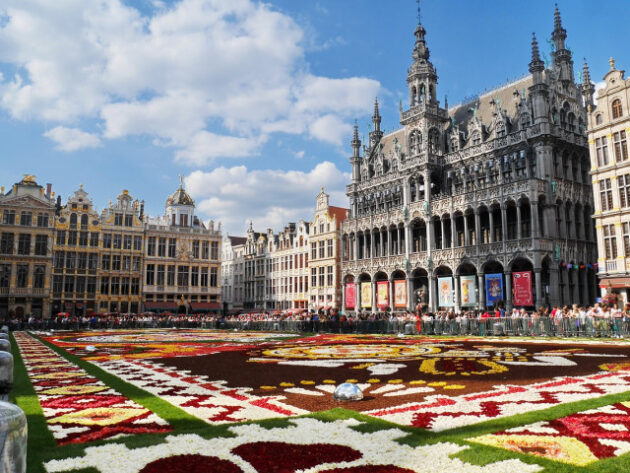
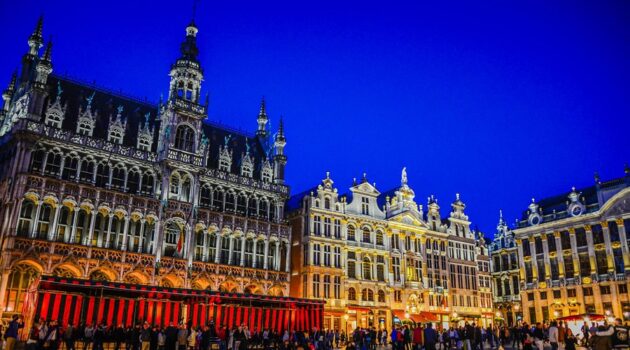
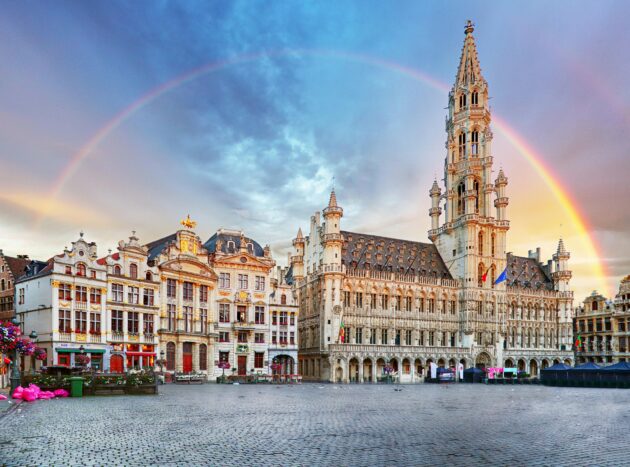
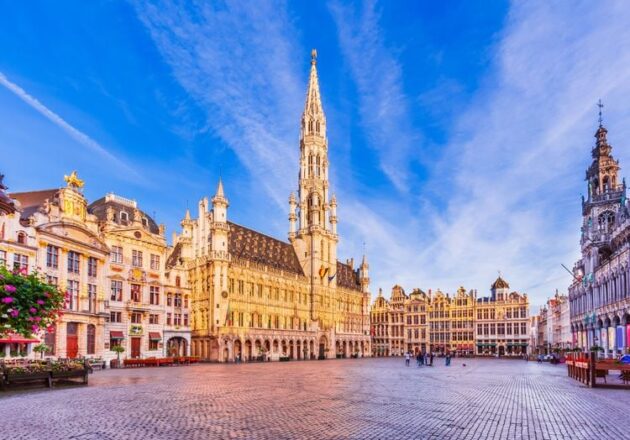
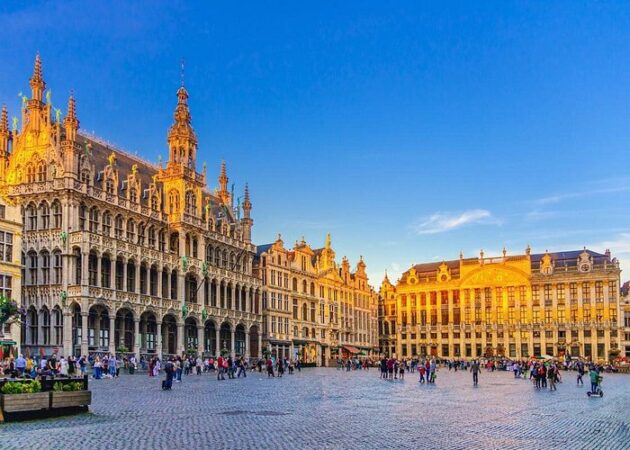
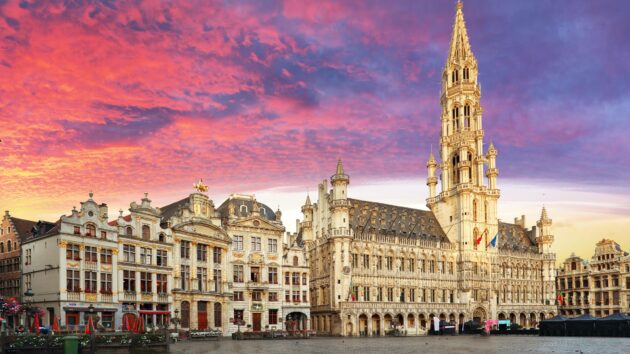
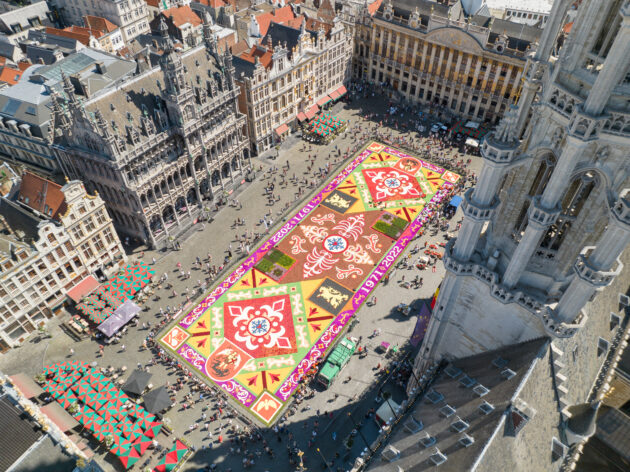
Nestled in the heart of Brussels, Grand Place (also known as Grote Markt) is a UNESCO World Heritage Site and one of the world’s most stunning urban squares. This 15th-century gem, surrounded by ornate guildhalls, the Gothic Town Hall, and Baroque facades, encapsulates Belgium’s rich history of trade, craftsmanship, and resilience.
Atomium
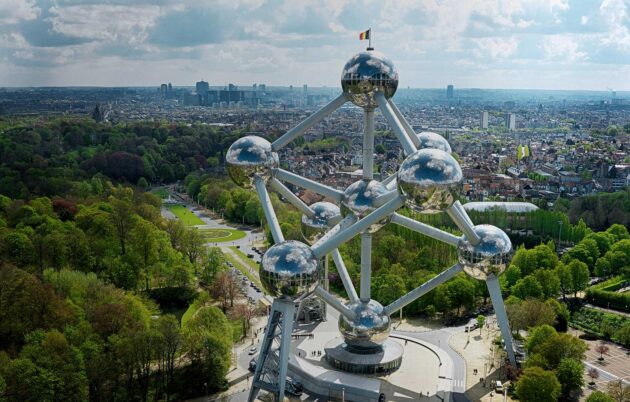
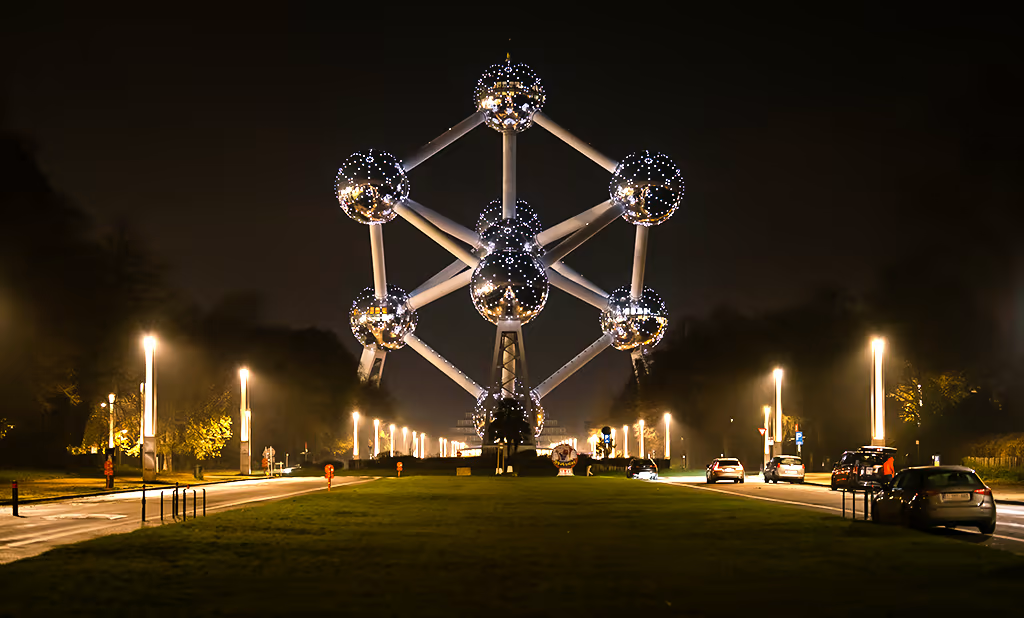
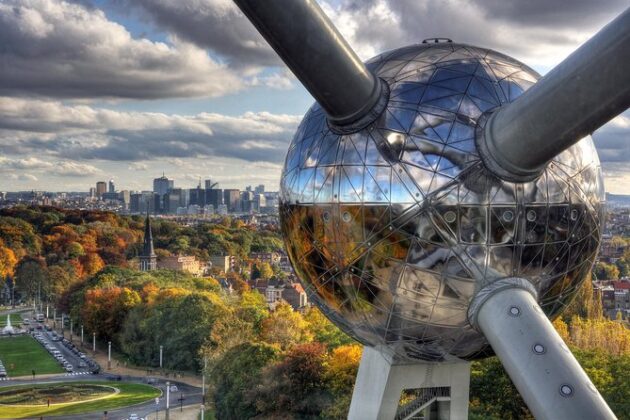
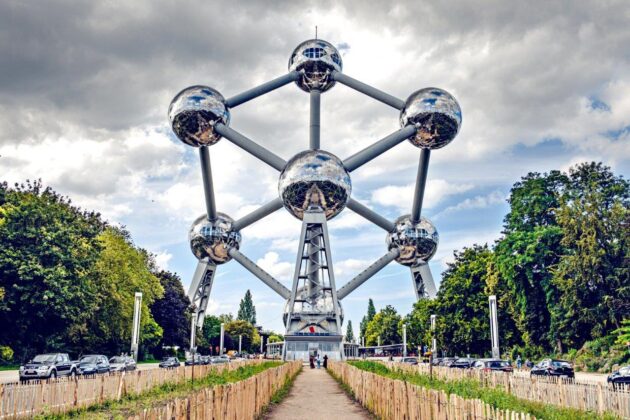
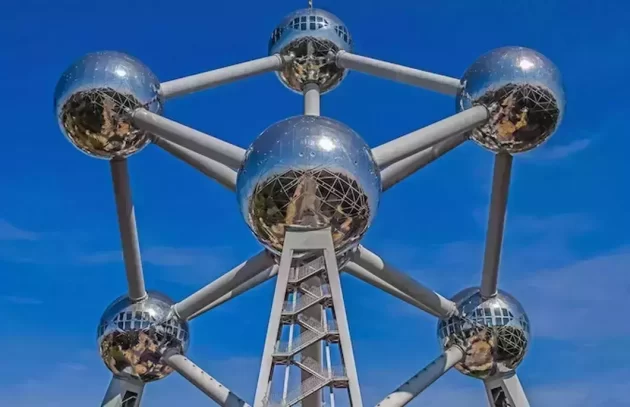
The Atomium in Brussels, Belgium, is a unique architectural landmark originally built for the 1958 World’s Fair. Representing an iron crystal magnified 165 billion times, its structure consists of nine interconnected spheres forming the shape of a cube. It symbolizes the peaceful use of atomic energy and faith in scientific progress. Today, it serves as a popular museum and panoramic viewpoint, offering visitors exhibitions and stunning views of the city from its top sphere.
Royal Gallery of Saint Hubert
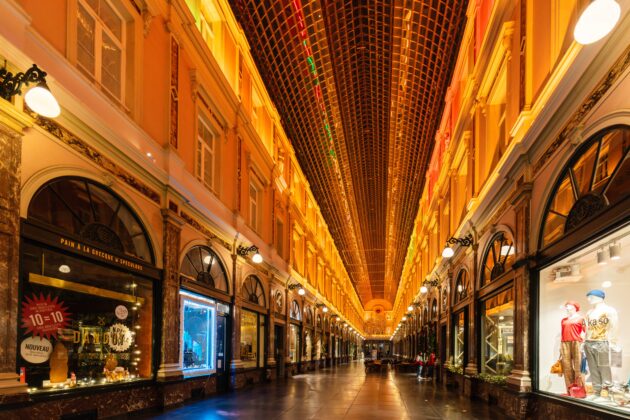
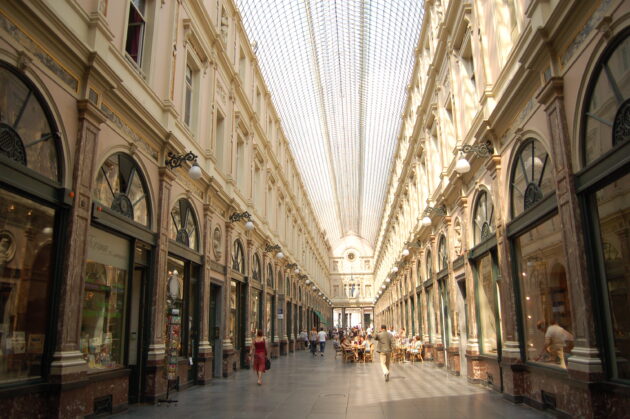
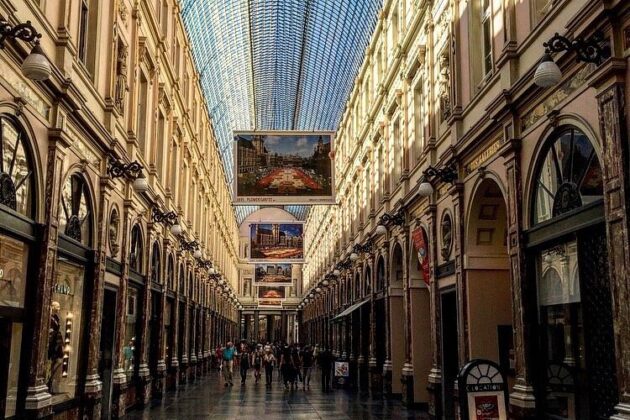
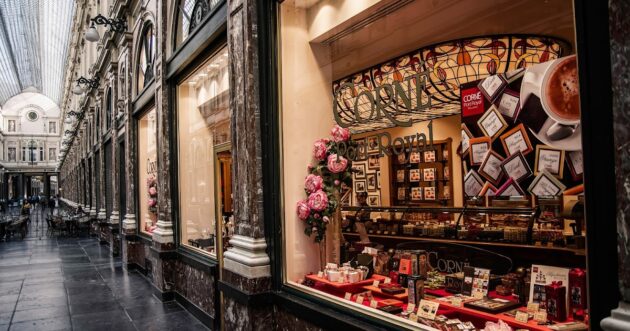
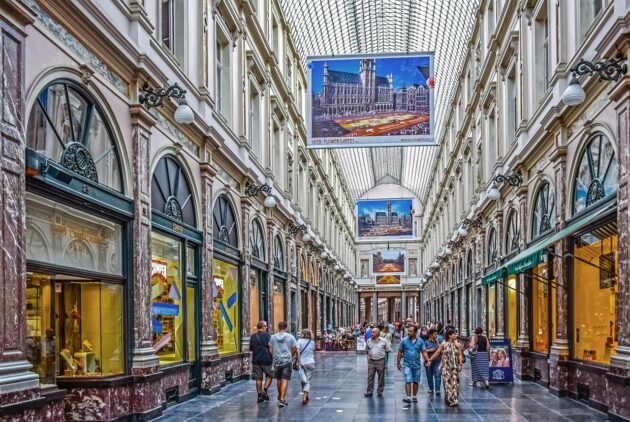
The Royal Gallery of Saint Hubert (Galeries Royales Saint-Hubert) in Brussels, Belgium, is a magnificent ensemble of three glazed shopping arcades (the King’s Gallery, Queen’s Gallery, and Princes’ Gallery) designed by architect Jean-Pierre Cluysenaar. Inaugurated in 1847, this 19th-century architectural marvel features a stunning glass-paned roof and an Italianate style.
St. Michael & St. Gudula Cathedral
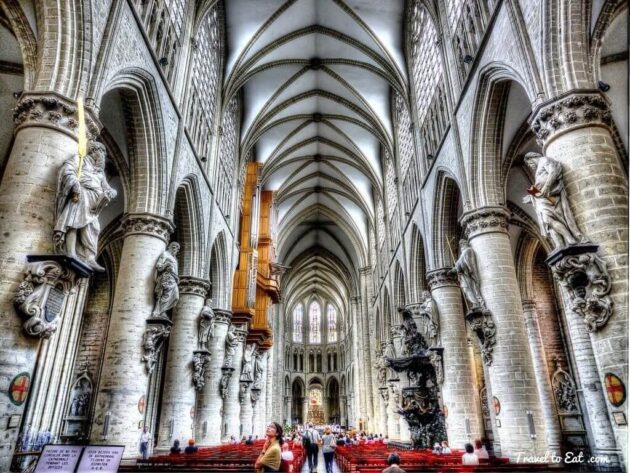
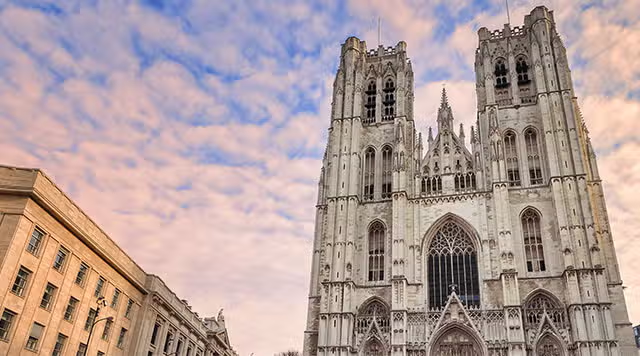
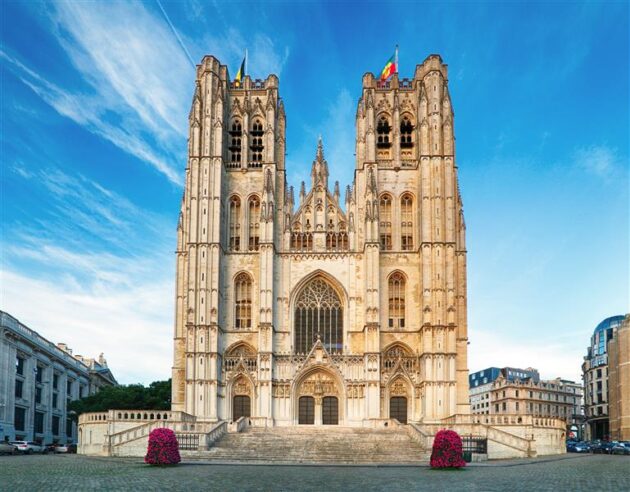
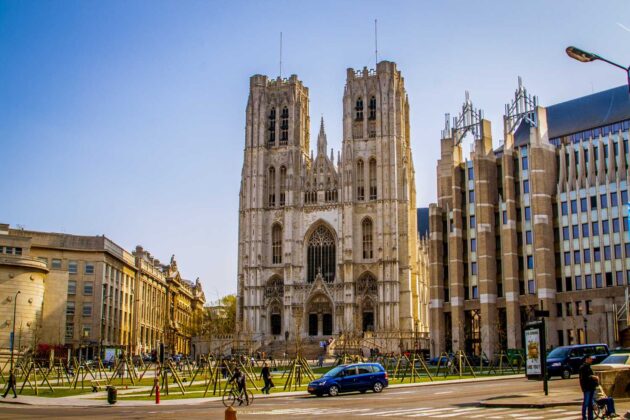
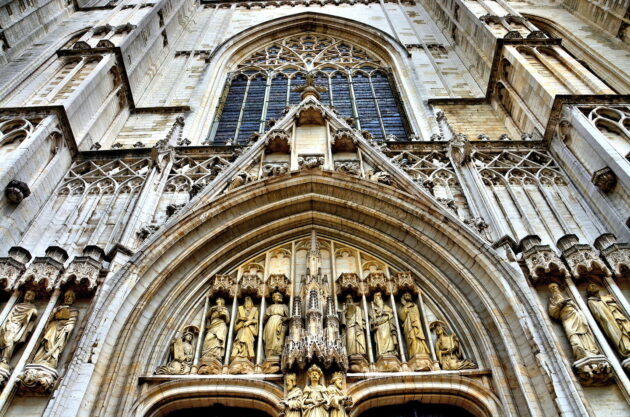
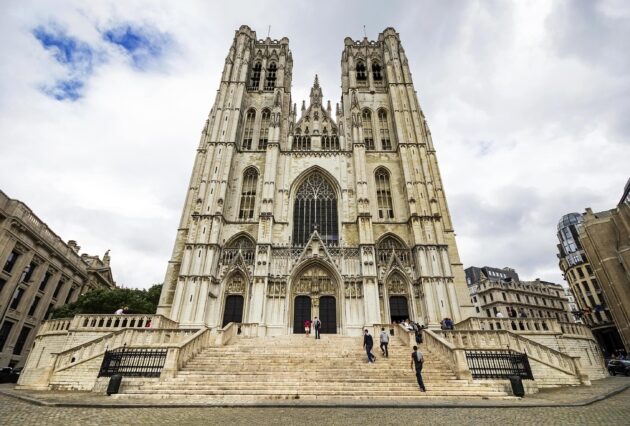
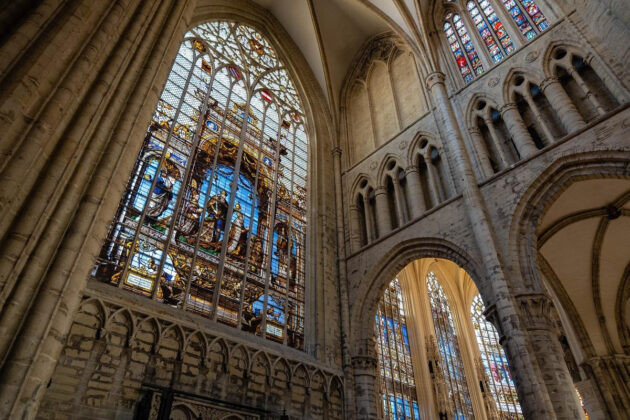
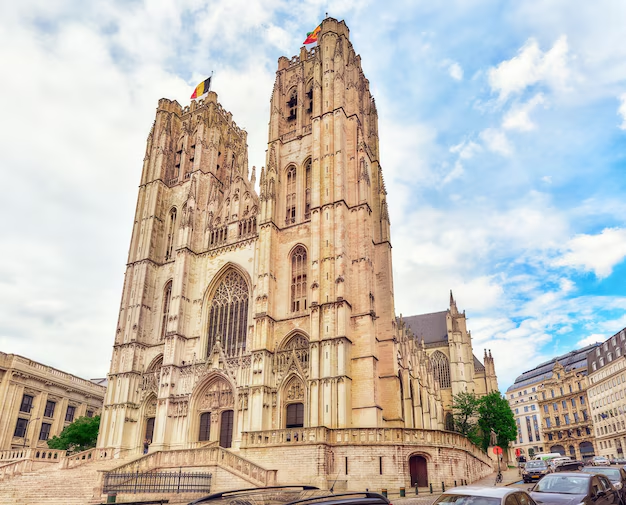
Nestled in the heart of Brussels, the Cathedral of St. Michael and St. Gudula (Cathédrale des Saints Michel et Gudule) stands as a magnificent testament to Gothic architecture and Belgium’s rich religious heritage. This Roman Catholic cathedral, dedicated to the city’s patron saints, has been a spiritual and cultural landmark since the Middle Ages. Built between 1047 and 1485, it evolved from a Romanesque collegiate church into a soaring Gothic masterpiece, witnessing key historical events like royal weddings and coronations.
Royal Palace of Brussels
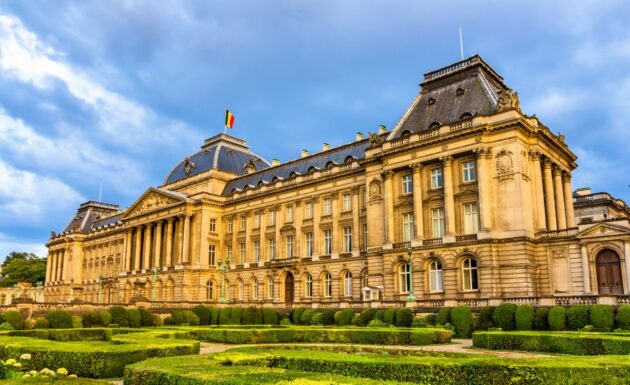
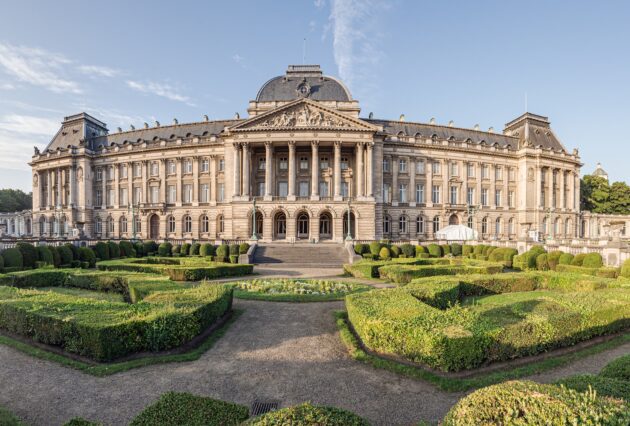
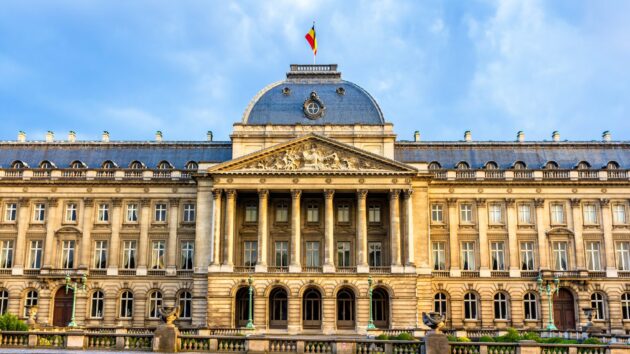
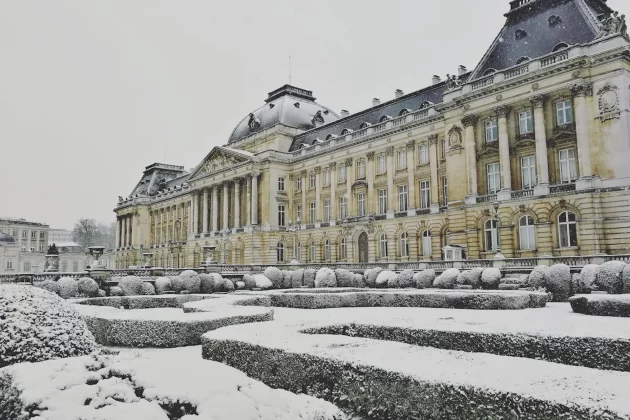
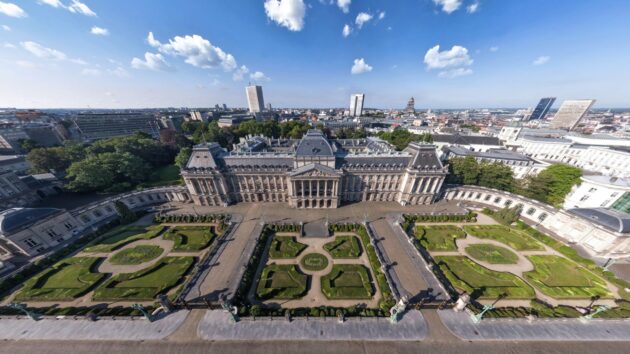
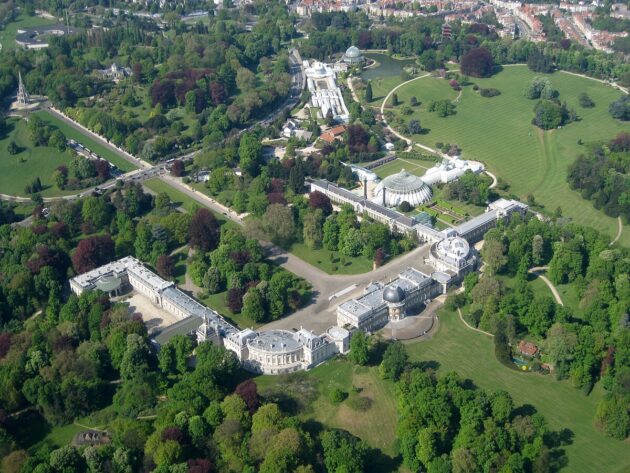
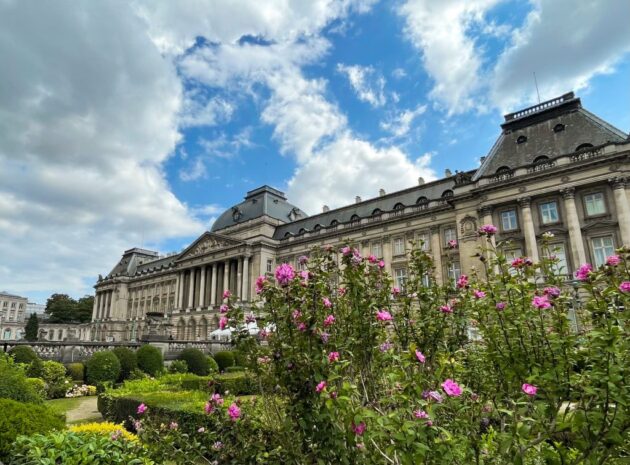
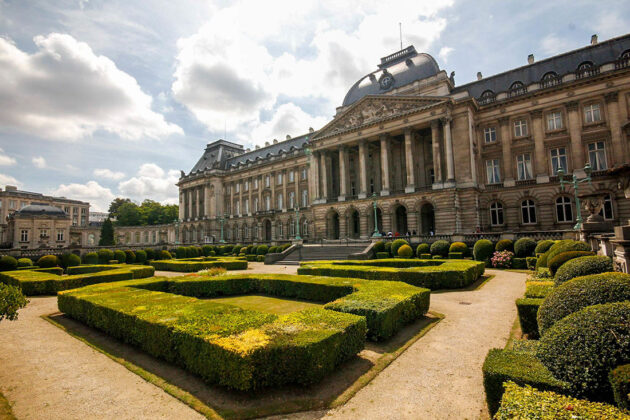
Nestled in the heart of Brussels, the Royal Palace of Brussels (Palais Royal) stands as a majestic symbol of Belgian monarchy and neoclassical grandeur. Serving as the official residence and workplace of the Belgian king, this opulent palace offers a glimpse into the nation’s royal heritage. While the exterior and surrounding gardens are accessible year-round, interior visits are seasonal.
Autoworld
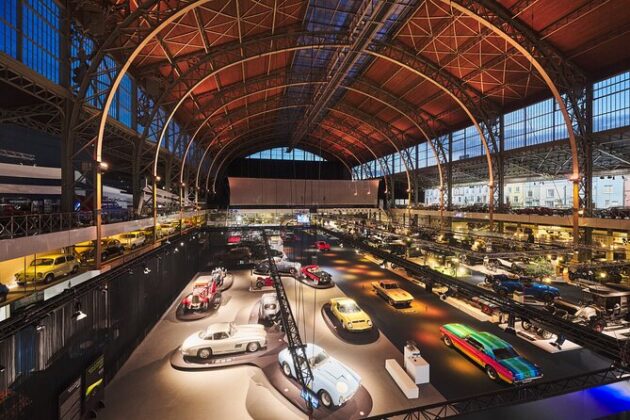
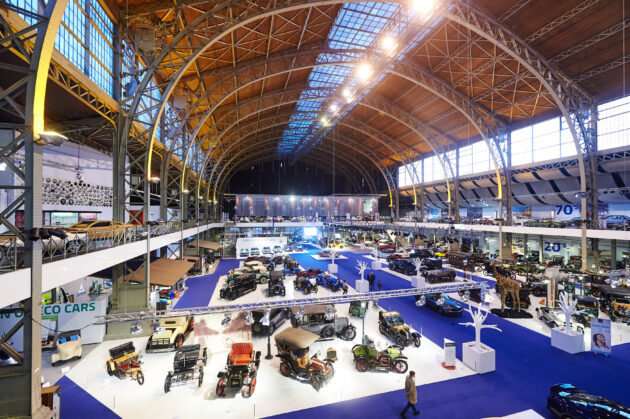
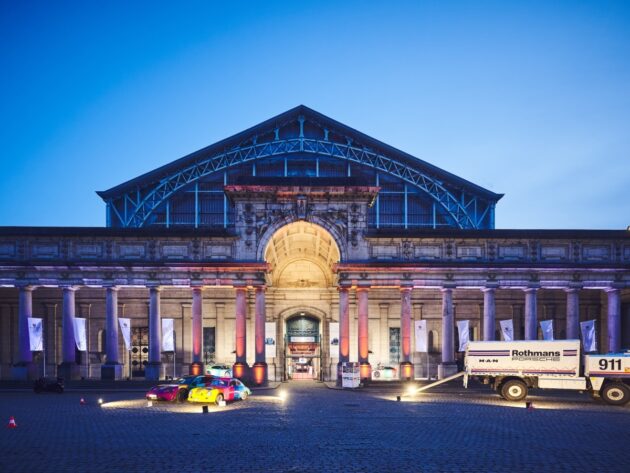
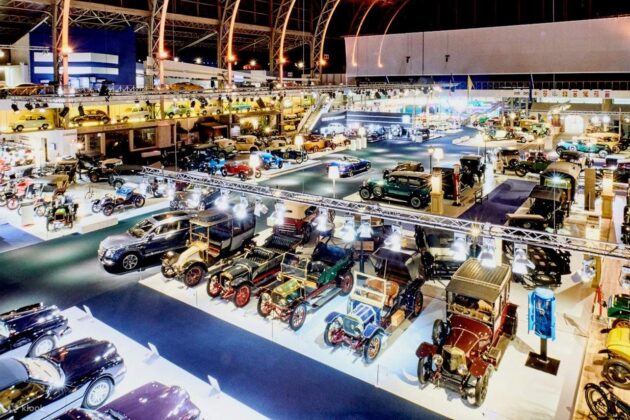
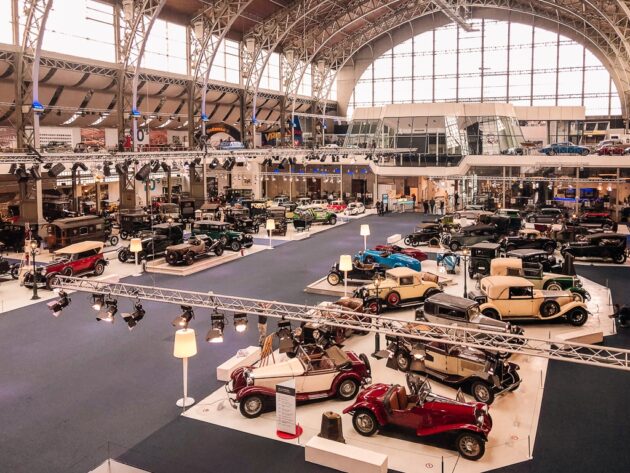
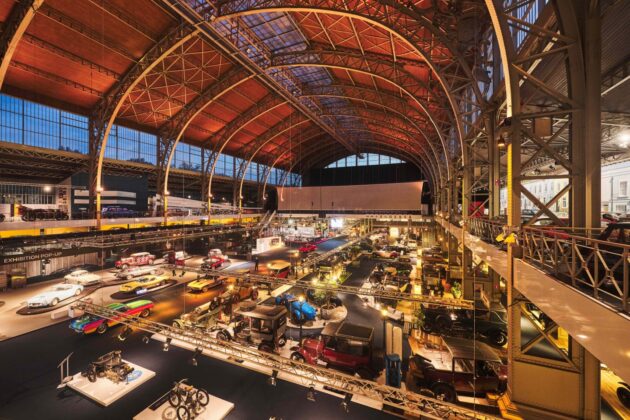
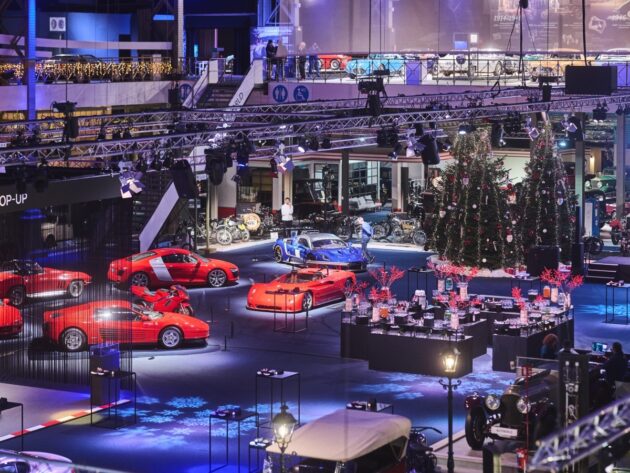
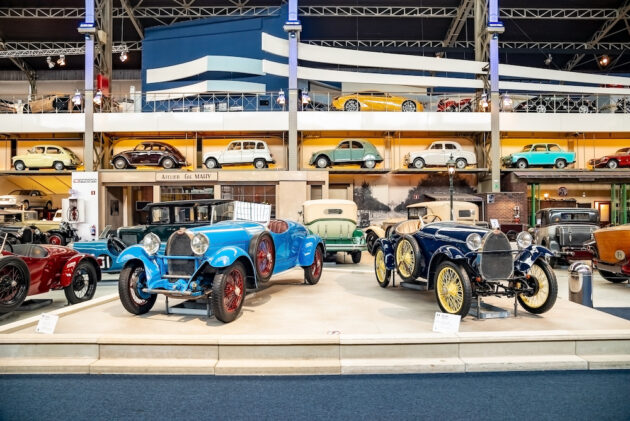
Nestled in the heart of the grand Cinquantenaire Park, Autoworld is Belgium’s premier automotive museum, offering a captivating journey through the evolution of the automobile. Housed in the iconic Palais Mondial (South Hall), this national car museum boasts over 250 vehicles spanning from the late 19th century to cutting-edge modern designs.
Food and Drink
Brussels is a foodie’s paradise—expect hearty, unpretentious fare with global twists. Average meal: €15–60.
Must-Tries: Belgian frites (€3–5 cone), waffles (Brussels-style plain or Liège with pearl sugar, €3–6), chocolates (bean-to-bar at Brigitte, €8–10), and mussels-frites (€15–25).
Beer Scene: Over 2,000 varieties at Delirium Café (€4–5 pint); try lambic or gueuze. Join a tour at Cantillon Brewery (€7–10, includes tasting).
Dining Spots: Budget: Fernand Obb for waffle-shaped frites (€9–14). Mid-range: Billie for pasta and rare beers (€10–19). Upscale: Le Petit Bon Bon for crab gratin (€30–35). Vegan: Izy Coffee pastries (€3–8).
Markets: Sunday’s Gare du Midi for North African eats; avoid overpriced Rue des Bouchers.
Pro Tip: Opt for plat du jour lunch specials to save.
Where to Stay
Brussels offers options for every budget; central areas like Saint-Gilles or near Grand Place are best.
Budget: Hostels like Sleep Here (€27–39 dorm; €95 private) or Airbnb rooms (€50–75).
Mid-Range: Craves Hotel near Grand Place (€130) or Northern Quarter spots (€200 with breakfast).
Luxury: Corinthia Grand Hotel Astoria (Art Nouveau, €560) or the new Standard hotel (€200).
Book via Booking.com; first Sundays often mean free museum perks.
Getting Around
No car needed—Brussels is bike- and foot-friendly.
Public Transport: Metro, tram, bus (€2.30/ride; €7.80/day cap; contactless payment). Validate tickets to avoid €100 fines.
Biking: Villo! rentals (€3.50/24 hours; first 30 min free).
Walking: Center is 1–2 km across; use Google Maps for car-free routes.
Airport Transfer: Train from Zaventem (€10) or bus from Charleroi (€7).
Taxis/Uber: €5 base + €2/km—use sparingly.
Events and Festivals
Tomorrowland (July 18–27): World’s top EDM festival in nearby Boom (400,000 attendees).
Music Chapel Festival: Classical concerts on themes like “The Four Elements.”
Brussels Gallery Weekend (Early September): Contemporary art openings at spots like Alice Gallery.
Heritage Days (Sept 20–21): Free access to hidden architectural gems.
Vegan Street Festival (Sept 20): Plant-based eats and music.
Winter Wonders (December): Christmas market on Grand Place with ice rink and lights.
Ommegang (June 29–30): Medieval parade in historical costumes.
Practical Tips
Budget Breakdown (per day): €60–100 (hostel €30, food €30, transport/attractions €20–40).
Costs to Watch: Beer/wine €4–5; groceries €60/week. Student ISIC card saves on museums.
Essentials: Comfortable shoes for walking; reusable water bottle (tap safe). English widely spoken.
Sustainability: Use public transport; visit free first-Sunday museums.
Safety: Low crime, but watch pickpockets in crowds. Download the STIB app for transit.
Brussels rewards the curious—ditch the itinerary for a spontaneous waffle run or gallery hop. With its blend of old-world charm and forward-thinking vibe, it’s a city that feels both timeless and tomorrow-ready. Safe travels!