
A Travel Guide to Bruges (2026)
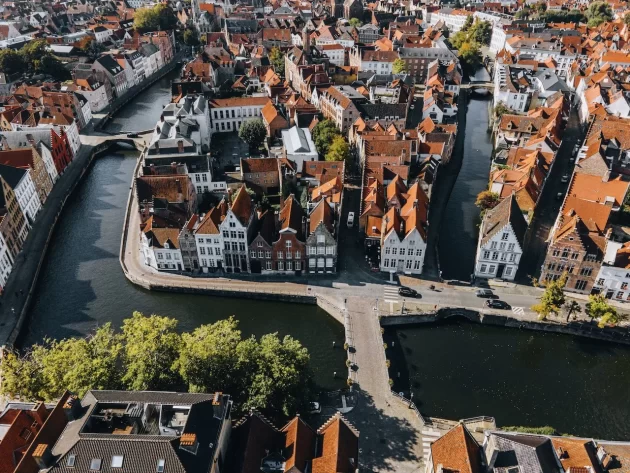
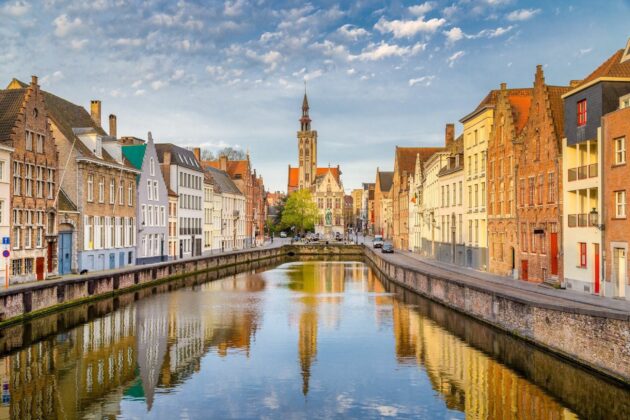
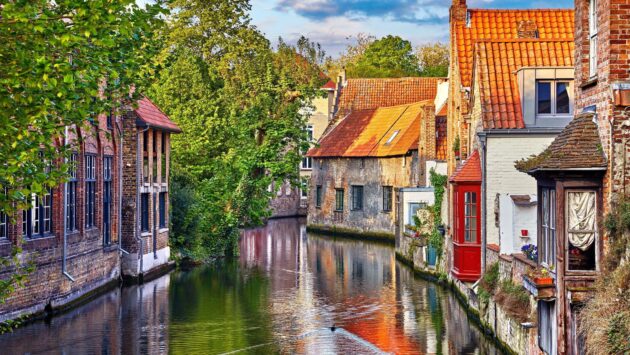
Nestled in the heart of Flanders, Bruges (or Brugge in Dutch) is a UNESCO World Heritage Site often called the “Venice of the North” for its enchanting network of canals, medieval architecture, and cobblestone streets. This fairy-tale city, frozen in time since the 15th century, offers a perfect blend of history, romance, and indulgence—think chocolate shops on every corner, world-class beer, and horse-drawn carriages clopping along the canals. Whether you’re wandering the Gothic spires of the Markt or sipping a Trappist ale in a cozy pub, Bruges captivates with its preserved charm.
Why Visit Bruges?
Bruges stands out for its fairy-tale ambiance and accessibility—it’s compact enough for a weekend getaway yet packed with cultural gems. Highlights include:
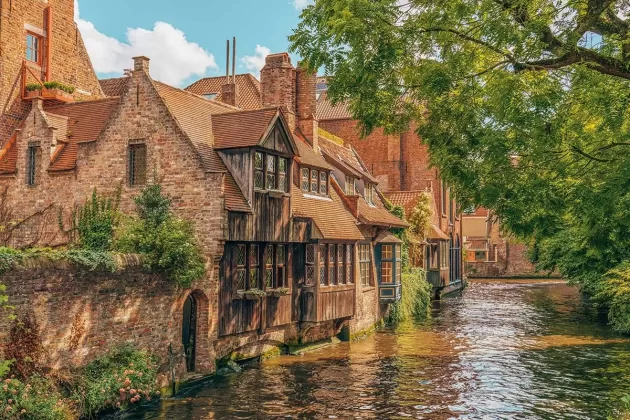
Romantic Canals and Bridges: Glide through waterways lined with swans and ivy-covered buildings.
Culinary Delights: Home to some of the world’s best chocolate, waffles, and over 1,000 varieties of beer.
Historical Depth: A hub of Flemish art and architecture, with museums showcasing works by masters like Jan van Eyck.
Seasonal Magic: Winter transforms it into a twinkling wonderland with markets and ice rinks.
It’s especially magical for couples, families, or history buffs, and its walkable layout means no need for a car.
How to Get There
Bruges is incredibly accessible from major European hubs:
By Train: From Brussels (1 hour, €10–20 one-way via high-speed Thalys or InterCity), Antwerp (1 hour), or Ghent (30 minutes). The Bruges station is a 20-minute walk from the center.
By Plane: Fly into Brussels Airport (BRU, 1.5 hours by train/bus combo) or Ostend-Bruges Airport (OST, 30 minutes by bus, €5–10).
By Car: From Brussels via E40 (1 hour); parking is limited in the historic center (€10–20/day at Park & Ride lots on the outskirts).
From London/Paris: Direct Eurostar to Brussels, then connect.
Public transport within Bruges is efficient: buses (€2.50 single ticket, €7.50 day pass) or bikes (€4/hour).
Best Time to Visit
Summer (June–August): Mild weather (15–22°C/59–72°F) and long days for canal cruises, but expect crowds. Festivals like the Bruges Triennial (every three years; next in 2026) add buzz.
Spring/Fall (April–May, September–October): Fewer tourists, blooming tulips or golden foliage, and comfortable temps (10–18°C/50–64°F)—ideal for walking tours.
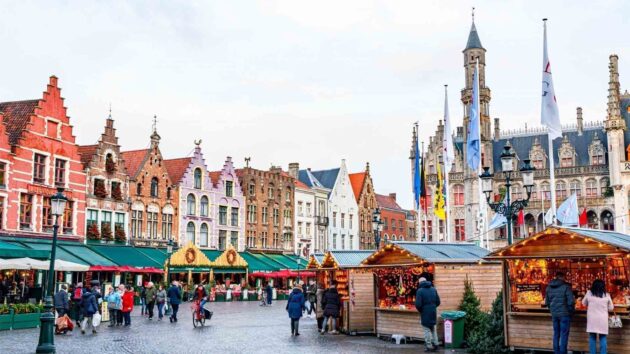
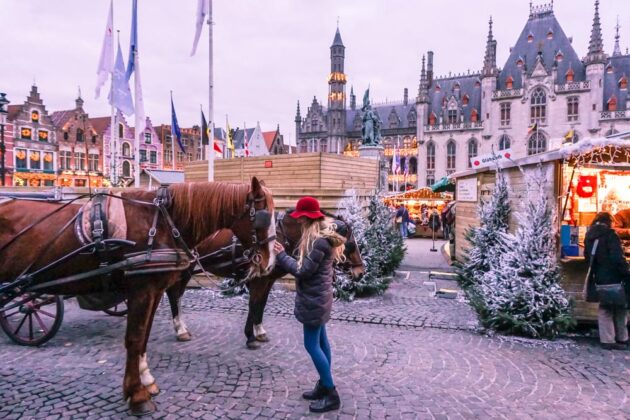
Winter (November–February): Cozy and festive, with the Winter Glow festival, featuring illuminated canals, Christmas markets on Markt and ‘t Zand squares, an ice rink, and mulled wine stalls open daily from 11 a.m. to 8–10 p.m. It’s chilly (0–5°C/32–41°F) but magical; pack layers.
Avoid peak holidays if you dislike crowds.
Top Things to Do
Bruges is best explored on foot or by bike—here’s a curated list of must-sees, blending classics and hidden gems:
Market Square
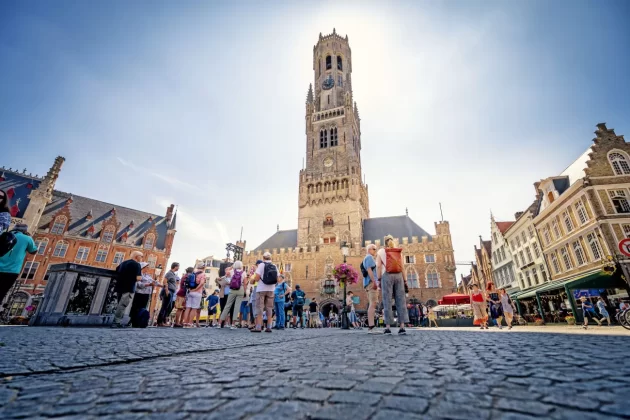
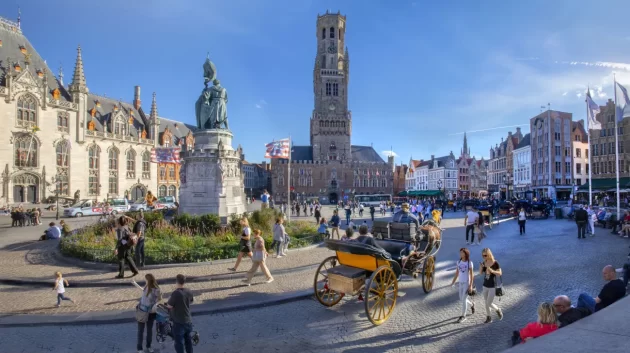
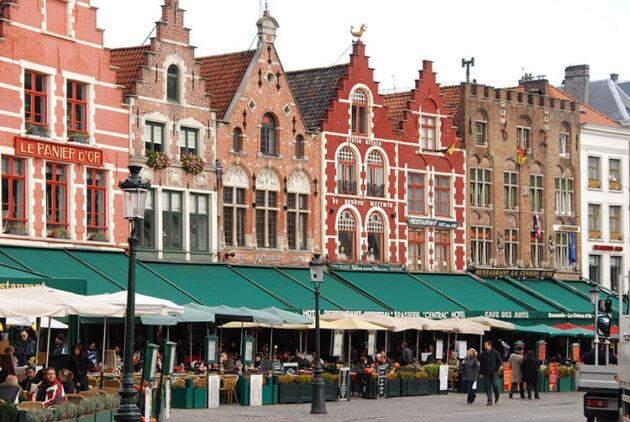
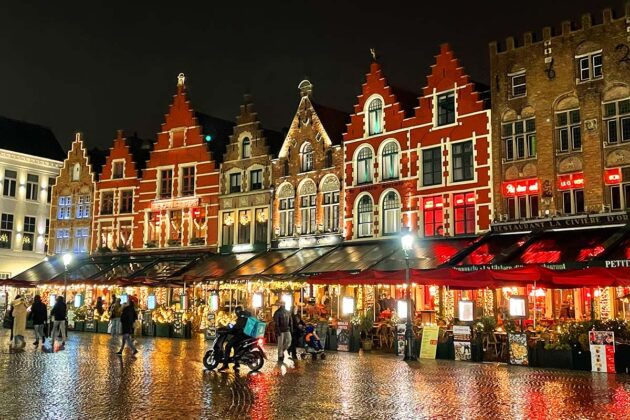
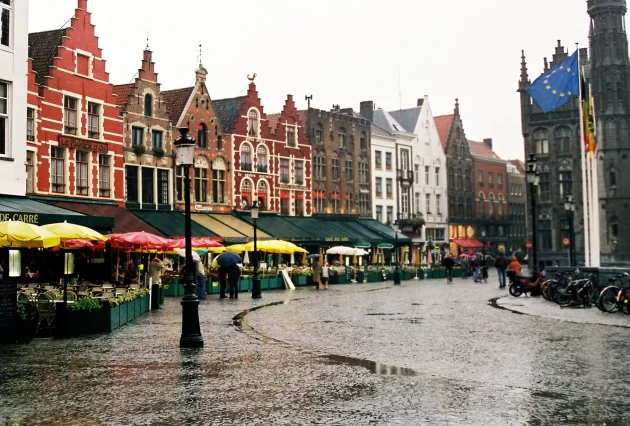
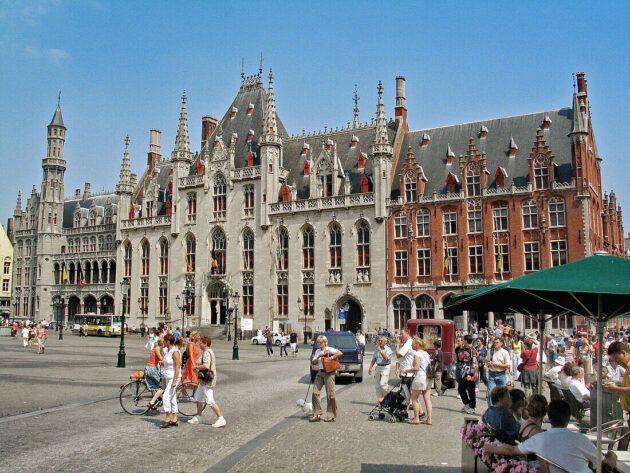
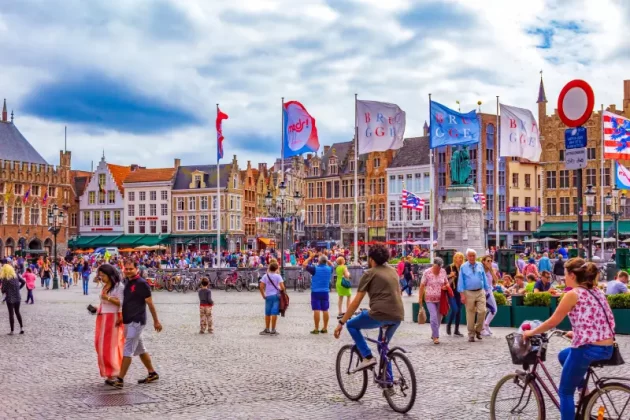
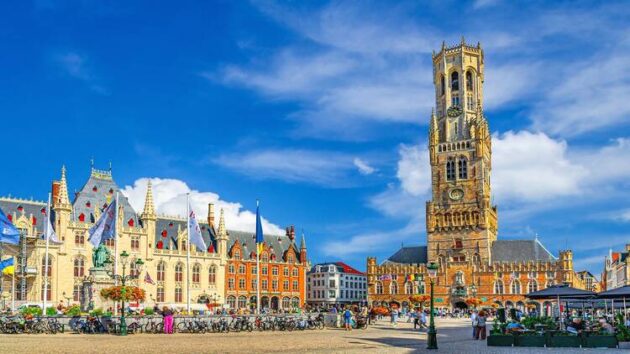
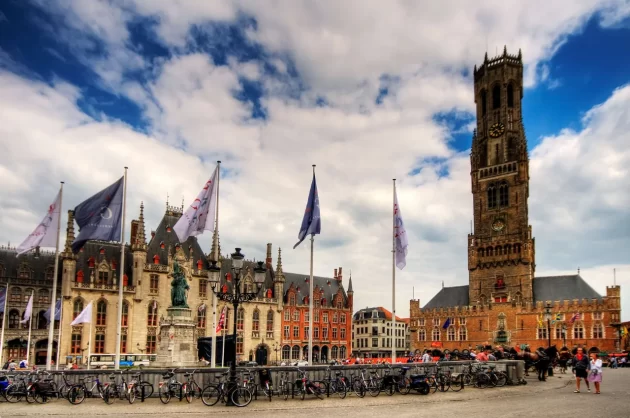
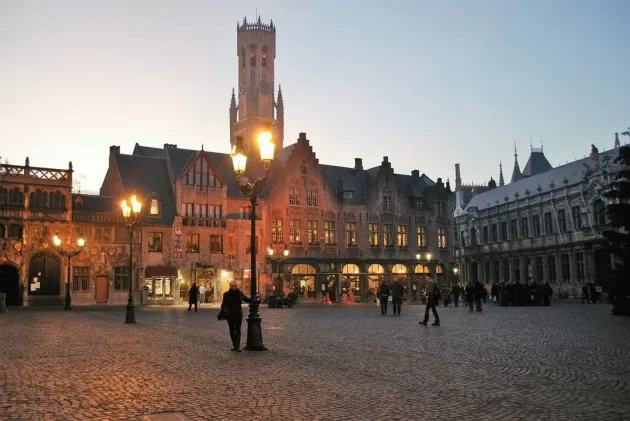
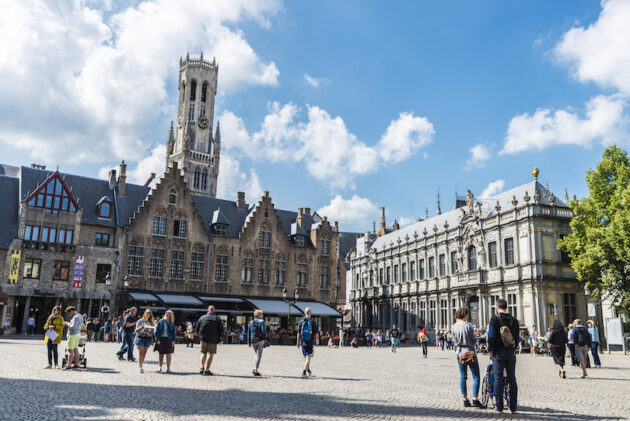
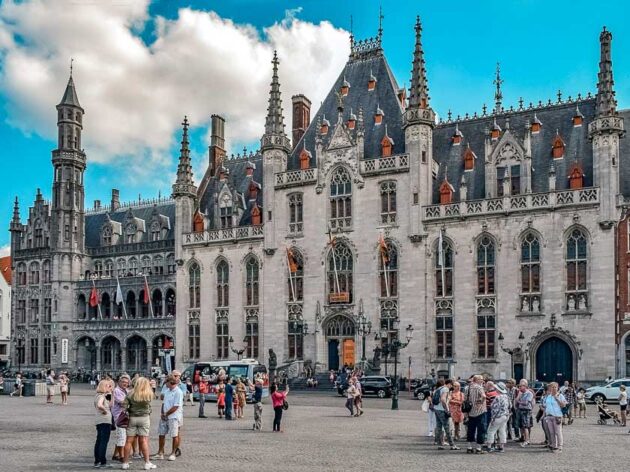
Nestled in the heart of Bruges, one of Europe’s best-preserved medieval cities, Market Square—known locally as Grote Markt—is the vibrant epicenter of this UNESCO World Heritage gem. This cobblestone plaza, surrounded by Gothic architecture, horse-drawn carriages, and lively cafés, encapsulates the fairy-tale charm of Bruges.
Belfort
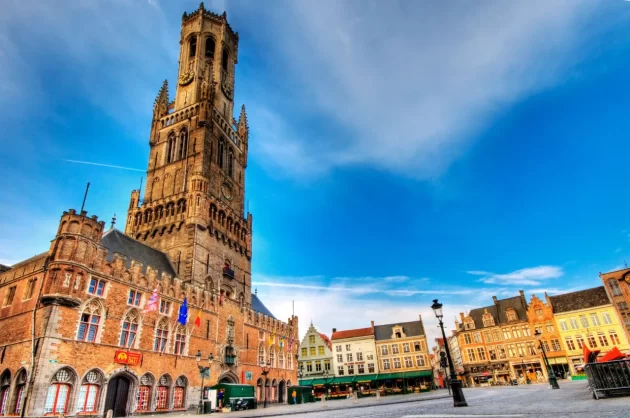
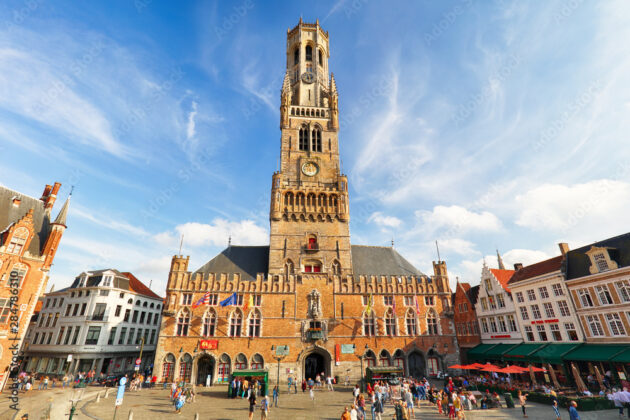
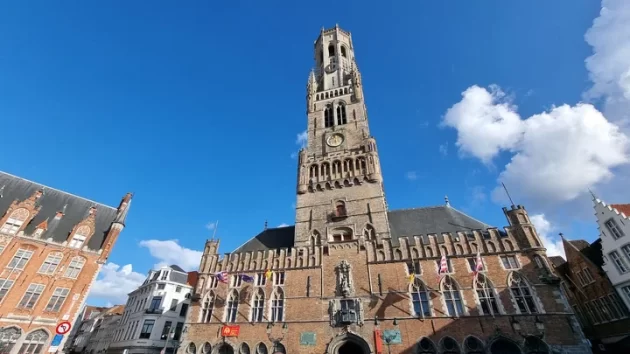
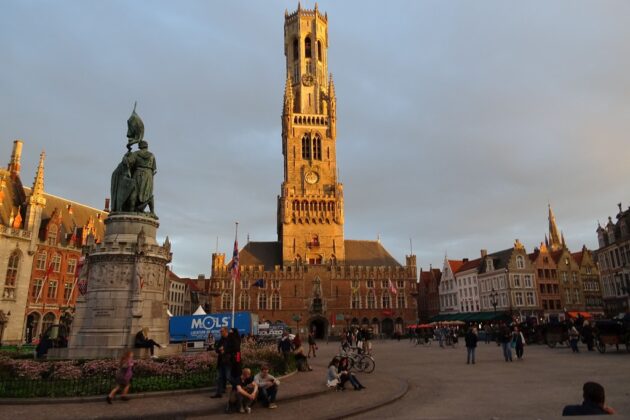
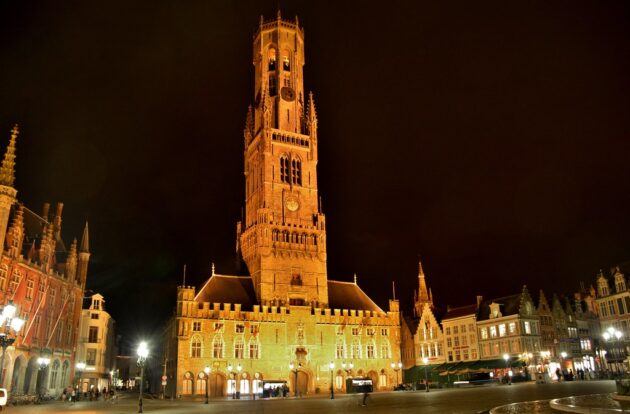
Nestled in the heart of Bruges’ UNESCO-listed historic center, the Belfort—also known as the Belfry of Bruges—is one of Europe’s most iconic medieval landmarks. This towering Gothic structure, rising 83 meters (272 feet) above the cobblestone streets, symbolizes the city’s prosperous past as a major trading hub. Built in phases between the 13th and 15th centuries, it once housed the city’s treasury, municipal charters, and a watchtower for spotting fires or invaders.
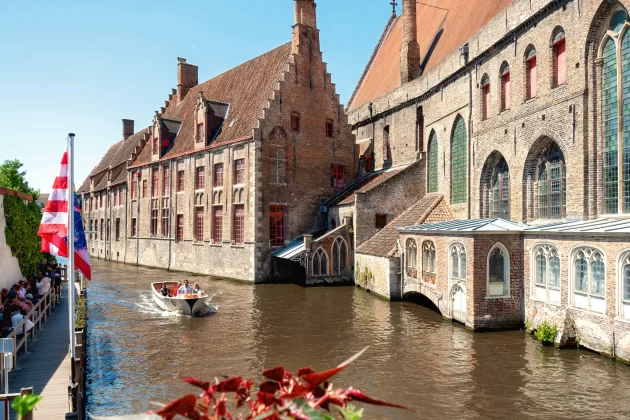
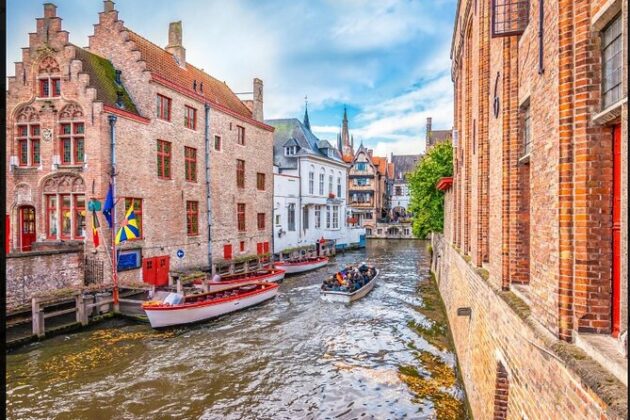
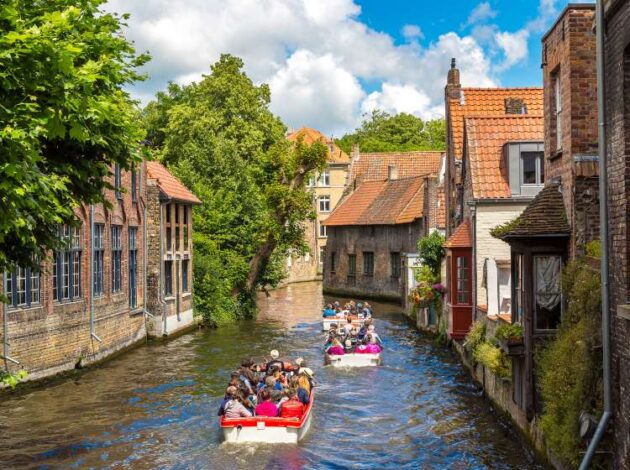
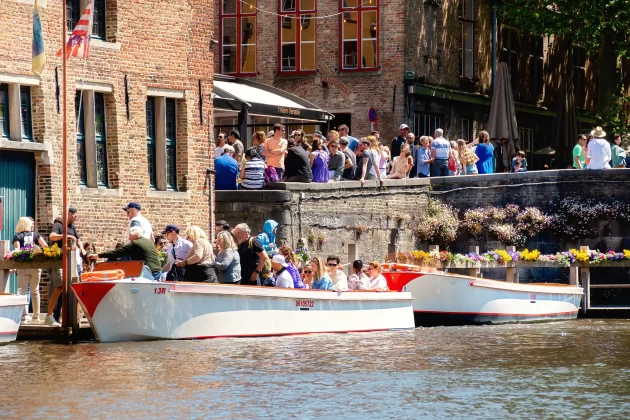
Canal Cruise
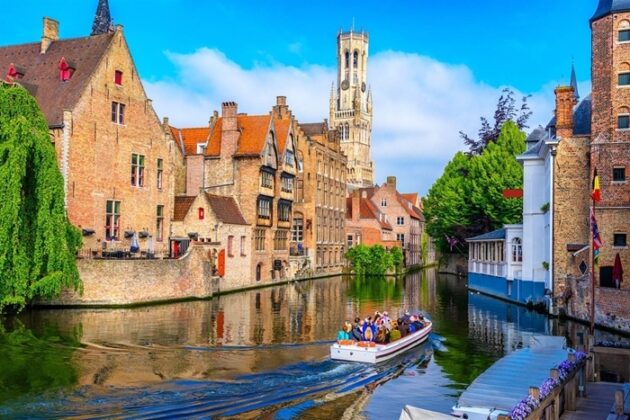
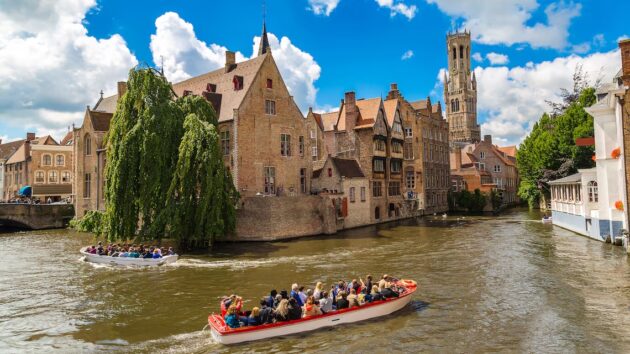
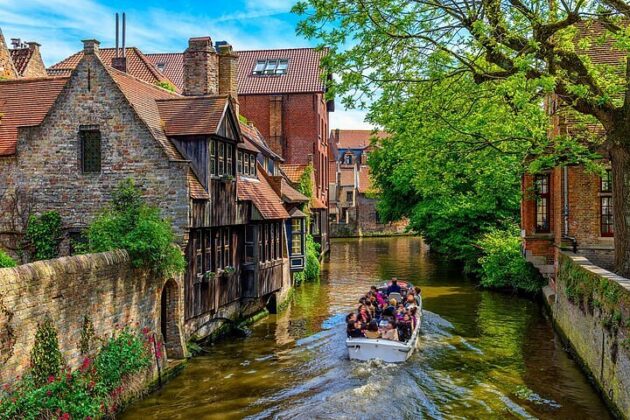
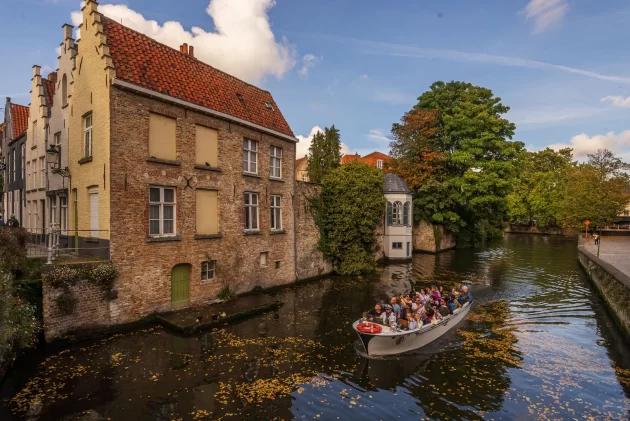
Bruges, often called the “Venice of the North,” is a UNESCO World Heritage site famed for its preserved medieval architecture, cobblestone streets, and intricate network of canals. A canal cruise is the quintessential way to experience this fairy-tale city, offering a serene glide past swans, Gothic bridges, and hidden courtyards that are inaccessible on foot.
De Burg
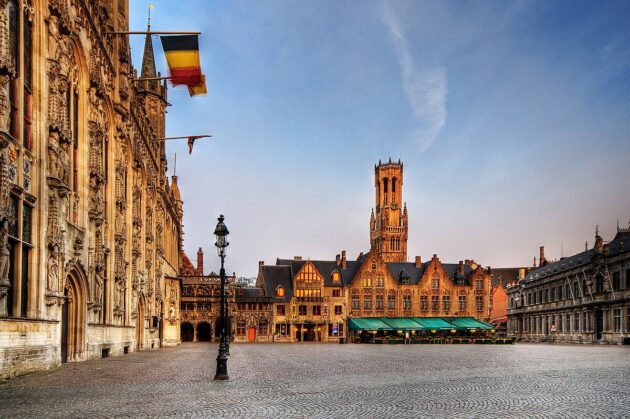
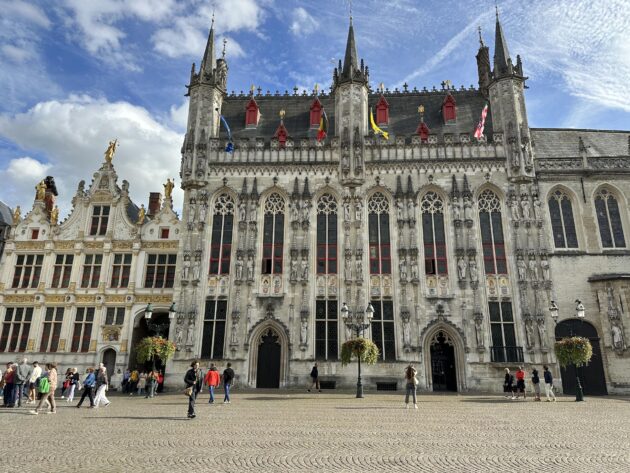
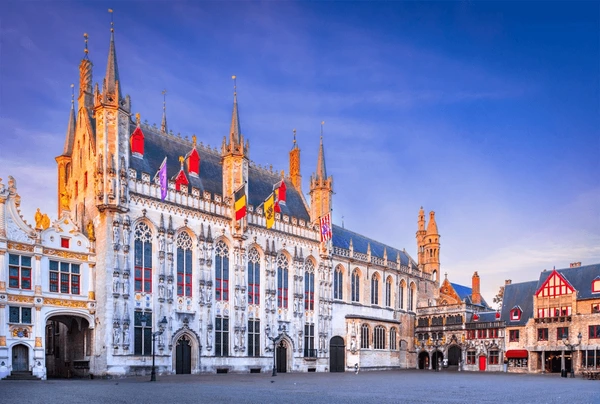
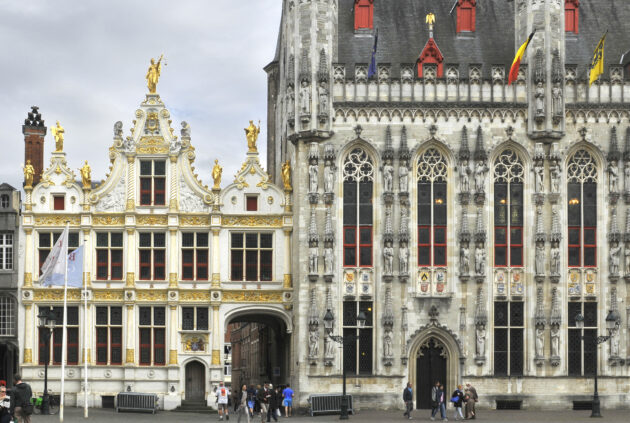
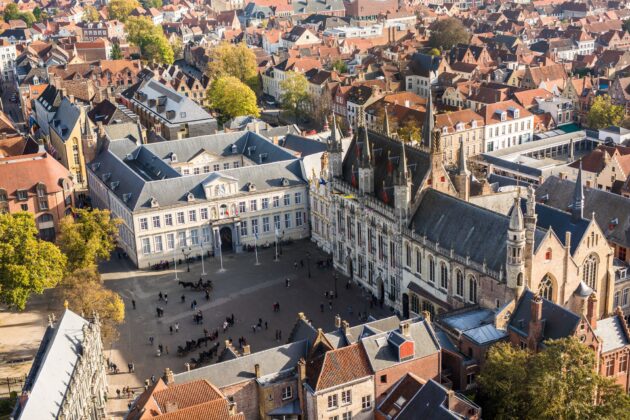
Nestled in the heart of Bruges, one of Europe’s most enchanting medieval cities, De Burg—also known as Burg Square—is a cobblestone gem that transports visitors back to the 9th century. This historic plaza, surrounded by grand Gothic and Renaissance architecture, was once a fortified castle built to fend off Viking raids and later became the political and religious epicenter of the city.
Where to Stay
Budget (€25–75/night): Hostels like Snuffel Hostel (dorms €25–30) or guesthouses near the station.
Midrange (€75–150/night): Charming B&Bs like Hotel Bourgoensch Hof or Airbnbs in canalside apartments.
Luxury (€150+): Boutique spots like Hotel Dukes’ Palace (former palace) or Relais Bourgondisch Cruyce.
Book early for Winter Glow; aim for central locations to avoid buses.
Where to Eat and Drink
Street Food: Waffles (€3–6) from street vendors; frites with mayo (€4–5).
Casual Eats: De Hobbit for hearty stews (€15–20) or Poulet de Bruges for rotisserie chicken.
Fine Dining: Assiette Blanche for Franco-Belgian fusion (€25–40 mains).
Sweets and Brews: Dumon Chocolatier for pralines; Café Vlissinghe (est. 1515) for Bruges Zot beer (€3–5/pint).
Vegetarian options abound; try a beer-and-waffle workshop for hands-on fun. Weekly groceries: €40–60.
Practical Tips and Budget
Getting Around: Walk or rent a bike (€13/day)—the city is 2km across.
Costs: Expect €65/day backpacker (hostel, street food, free sights); €170 midrange (private room, tours, dining out).
Essentials: Download the Visit Bruges Route App for maps and audio guides (free). Pickpockets target crowds—use a money belt. No cars in the center; horse carriages are €50/30 min.
Sustainability: Opt for reusable water bottles (fountains are drinkable); support local via markets.
Accessibility: Cobblestones can be tricky for wheelchairs, but canal lifts and ramps help.
Bruges rewards slow travel—get lost in its lanes, and you’ll leave with a heart full of medieval magic. Safe journeys!