


A Travel Guide to Athens (2026)
Athens, the cradle of Western civilization, is a vibrant metropolis where ancient history meets modern energy. Founded over 5,000 years ago, this sprawling city of more than 3 million people blends iconic ruins like the Acropolis with lively neighborhoods, world-class museums, and a thriving food scene. Whether you’re a history buff exploring marble temples or a foodie savoring souvlaki in hidden tavernas, Athens offers an unforgettable mix of culture, cuisine, and coastal charm. Expect enhanced accessibility at sites like the Acropolis (with new digital guides) and a packed calendar of events, making it an ideal time to visit before summer crowds peak.
Why Visit Athens?
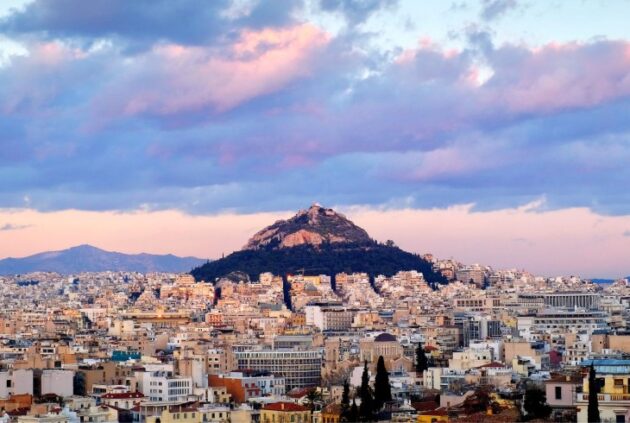
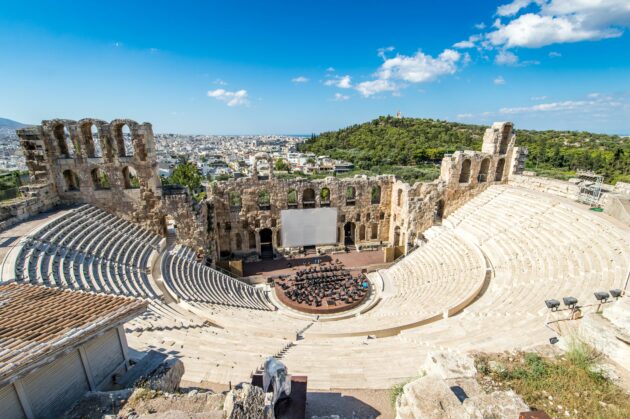
Athens isn’t just ruins—it’s a living museum. Wander the Plaka’s cobblestone streets lined with neoclassical buildings, hike to sunset views from Lycabettus Hill, or catch a concert at the ancient Odeon of Herodes Atticus during the Athens Epidaurus Festival (June–August), featuring opera and global artists. The city’s resilience shines through its blend of antiquity and innovation, from street art in Psyri to eco-friendly initiatives like expanded bike lanes. It’s also a perfect gateway to the Greek islands via nearby Piraeus port.
How to Get There
Athens is well-connected globally:
By Air: Fly into Athens International Airport (ATH), 20 miles (32 km) east of the city center. Direct flights from major European hubs (e.g., London, Paris) and the U.S. (e.g., New York via Delta) run frequently. Budget carriers like Ryanair and EasyJet offer cheap fares from €20–€100 one-way.
From the Airport: Take the Metro Line 3 (blue line) for €9 (55 minutes) or the express bus X95 (€5.50, 60 minutes) to Syntagma Square. Taxis/Uber cost €35–€50 (40 minutes, traffic-dependent). A 72-hour tourist pass including airport transfers is €20.
By Ferry: From islands like Santorini or Mykonos, ferries dock at Piraeus (1–8 hours, €20–€100 via Blue Star or Hellenic Seaways).
By Train/Bus: High-speed trains from Thessaloniki (€30–€50, 4 hours) or KTEL buses from other Greek cities (€15–€40).
Best Time to Visit
Shoulder Seasons (April–May, September–October): Ideal with mild weather (15–25°C/59–77°F), fewer crowds, and lower prices (hotels 20–30% off peak). Spring blooms and fall festivals like the Athens International Film Festival (September–October) add appeal.
Summer (June–August): Hot (up to 35°C/95°F) but vibrant; book ahead for beach escapes and events like Release Athens music festival (June) or the World Press Photo Exhibition (late September).
Winter (November–March): Mild (10–15°C/50–59°F), rainy but quiet. Free entry to major sites on the first Sunday of each month (November–March), plus holiday markets for Christmas/New Year with lights and feasts. Avoid if you dislike chill winds.
The Athens Epidaurus Festival (summer) and Patras Carnival (February–March, day trip from Athens) are highlights for cultural immersion.
Top Attractions and Things to Do
Prioritize the Acropolis and museums, but leave time for neighborhoods and day trips. A 3–5 day itinerary covers the essentials.
Acropolis of Athens
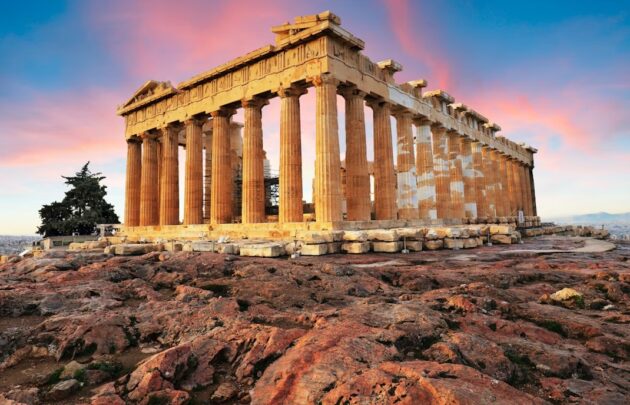
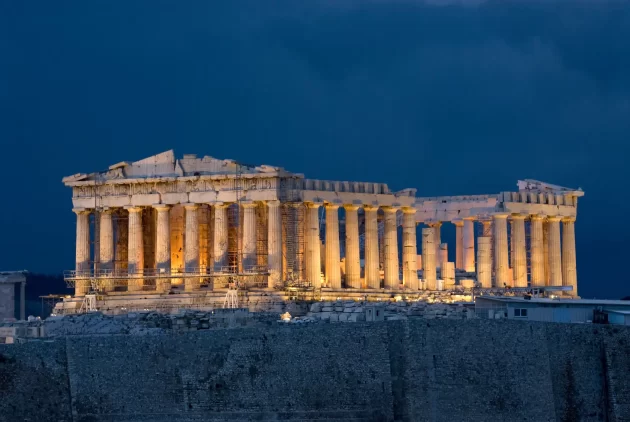
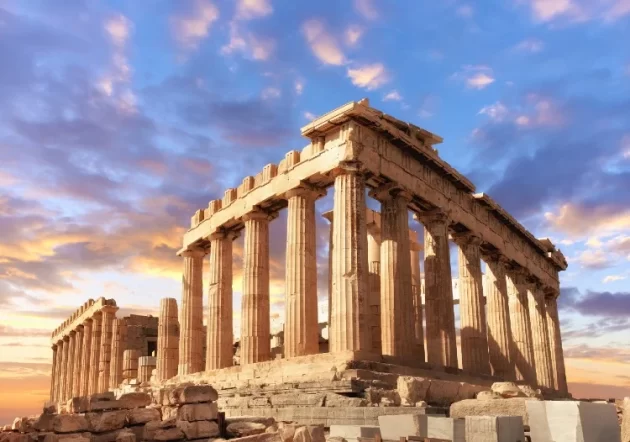
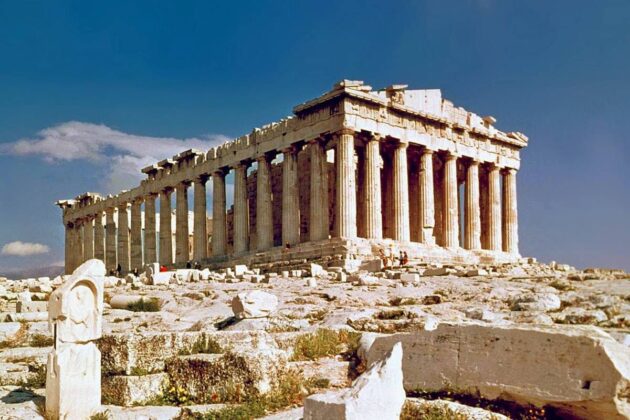
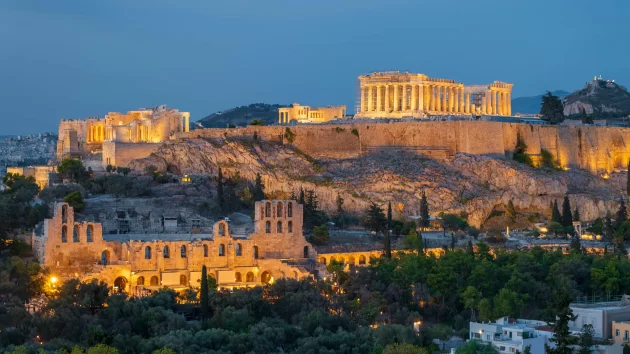
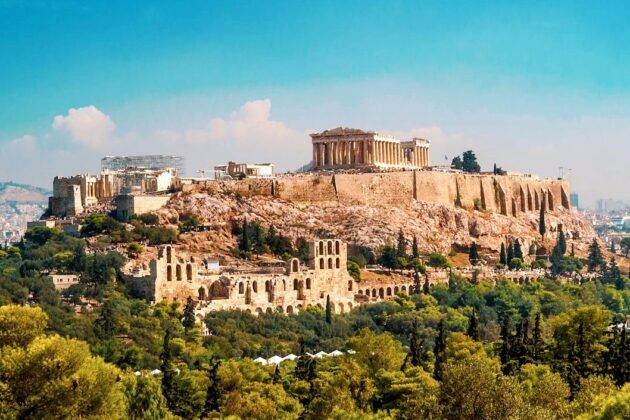
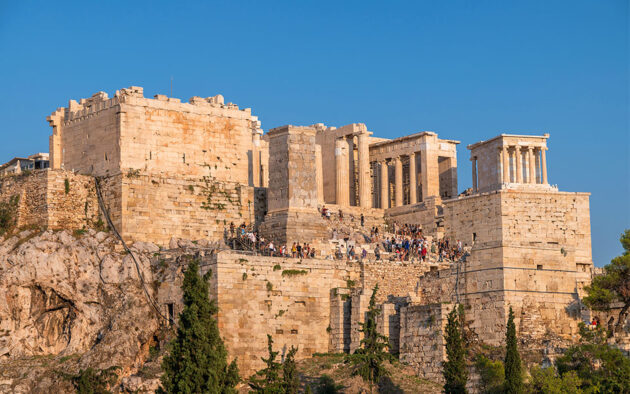
The Acropolis of Athens stands as one of the world’s most iconic ancient landmarks, a testament to the golden age of Classical Greece. Perched atop a rocky outcrop overlooking the bustling city of Athens, this UNESCO World Heritage Site features magnificent temples and structures that have endured for over 2,500 years.
Acropolis Museum
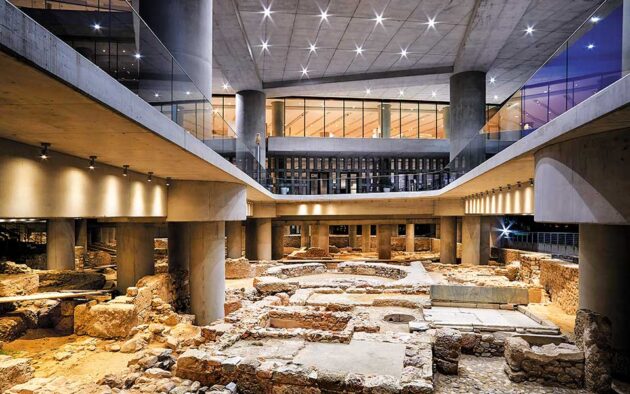
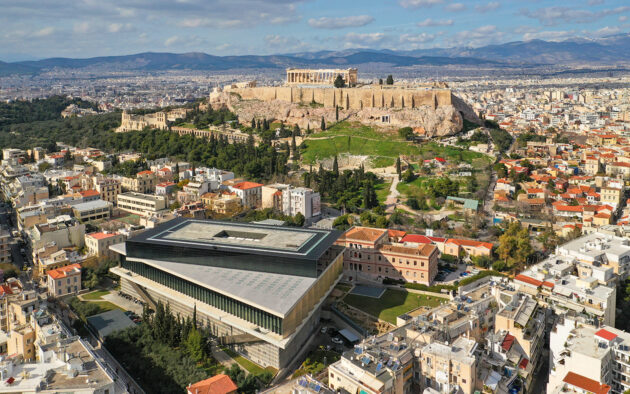
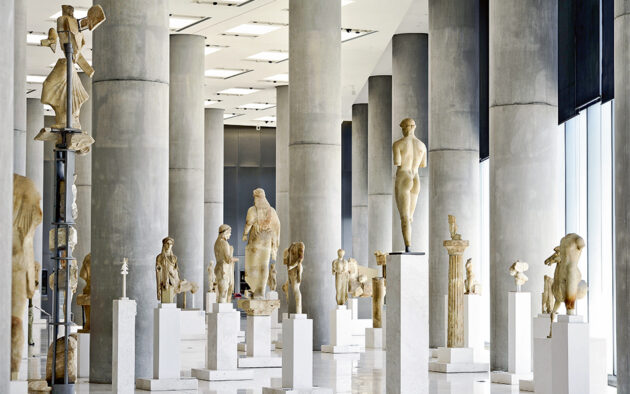
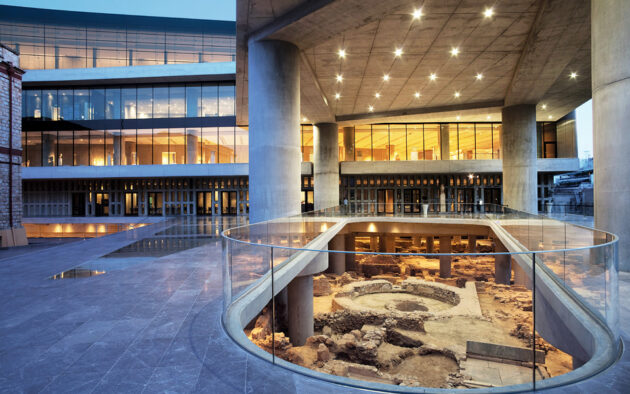
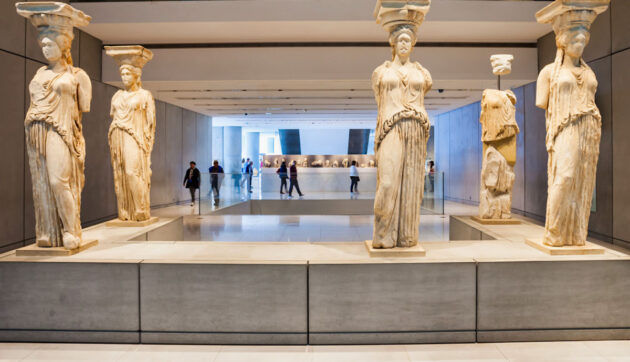
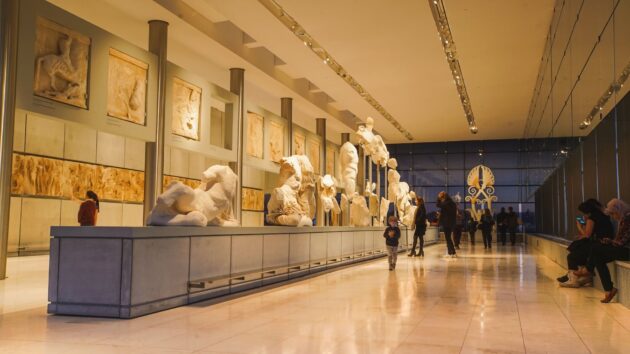
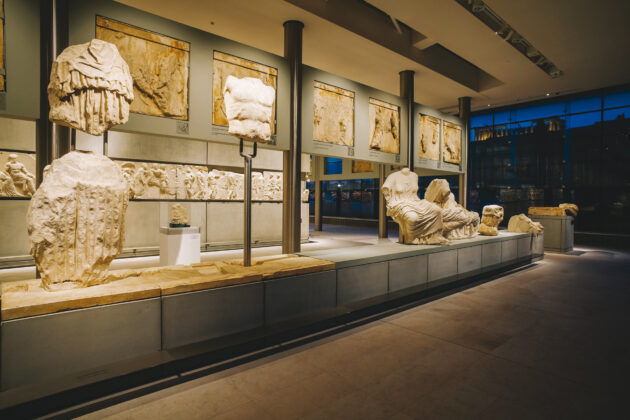
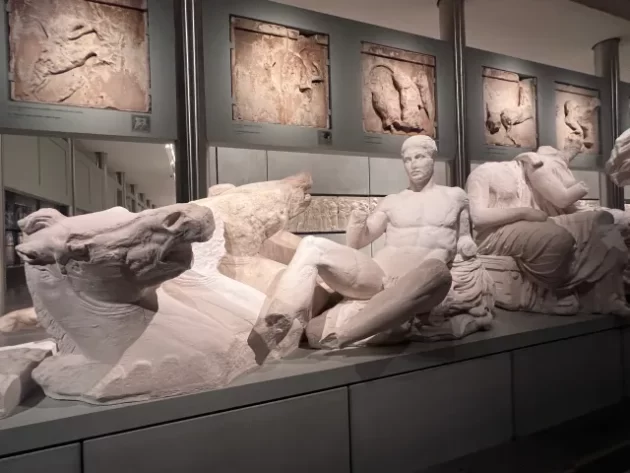
Nestled at the foot of the iconic Acropolis hill in Athens, the Acropolis Museum is a modern architectural marvel that serves as the ultimate gateway to ancient Greece. Opened in 2009, this state-of-the-art institution houses over 4,000 artifacts excavated from the Acropolis and its surrounding slopes, offering an immersive journey through 5,000 years of history.
Temple of Hephaestus
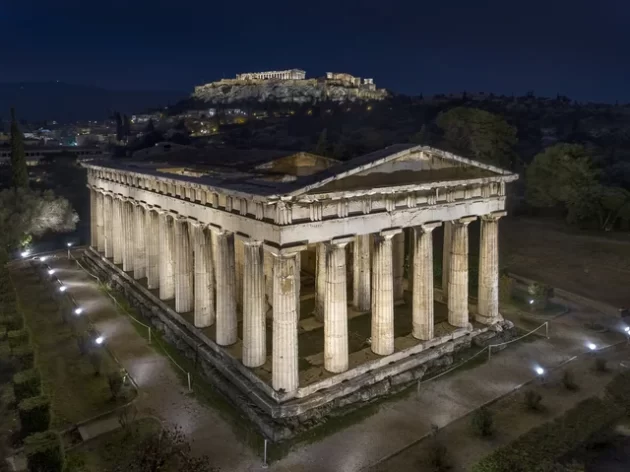
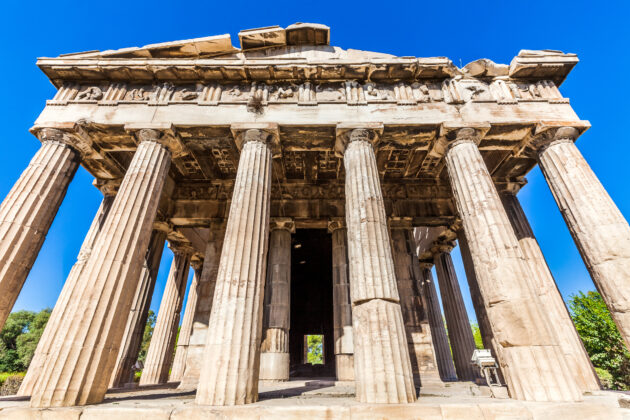
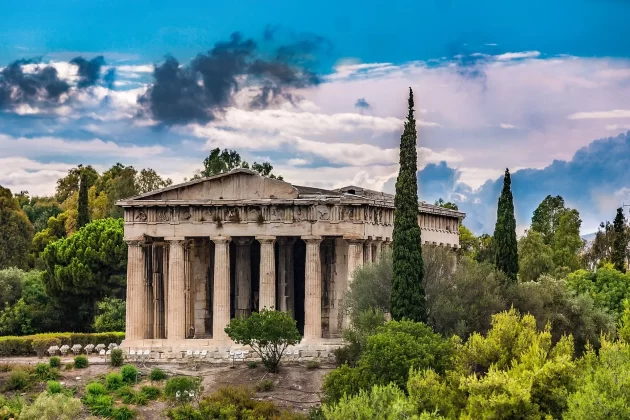
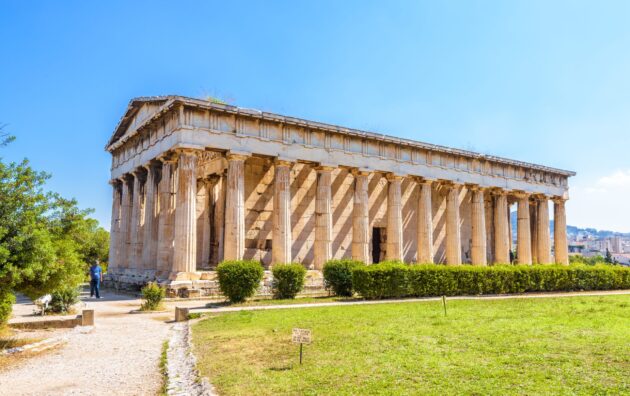
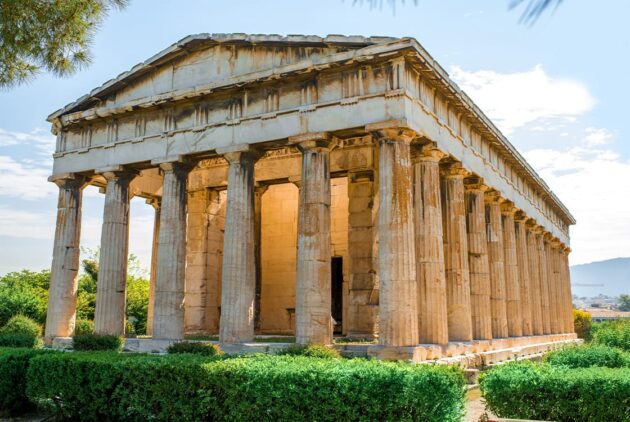
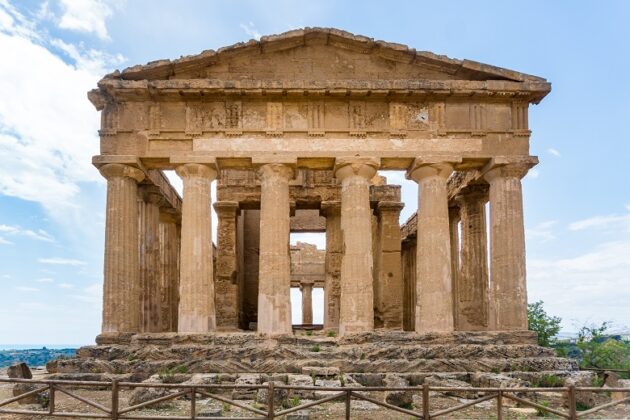
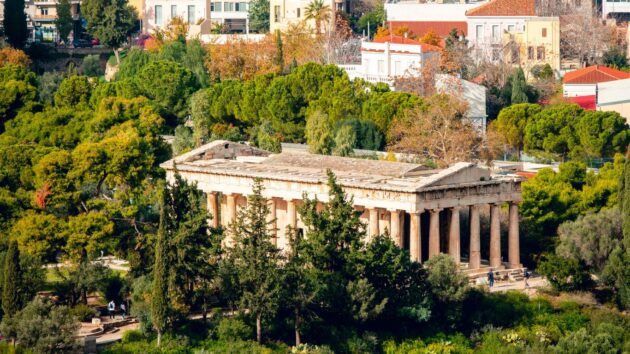
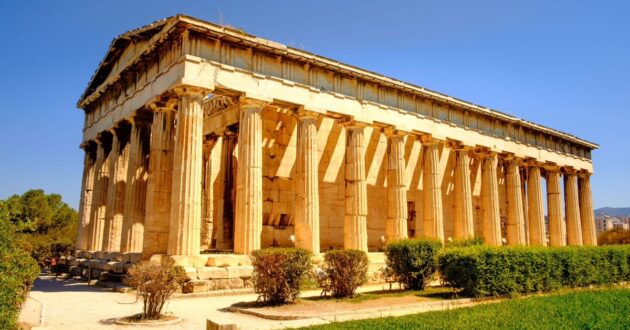
Nestled in the heart of ancient Athens, the Temple of Hephaestus stands as one of the most remarkably preserved Doric temples from classical antiquity. Dedicated to Hephaestus, the Greek god of fire, metalworking, and craftsmanship (and his wife Athena, goddess of wisdom), this architectural marvel was constructed between 450 and 415 BC atop Kolonos Agoraios hill, overlooking the bustling Ancient Agora.
National Archaeological Museum
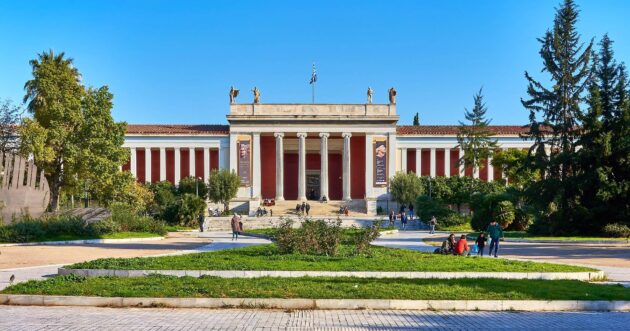
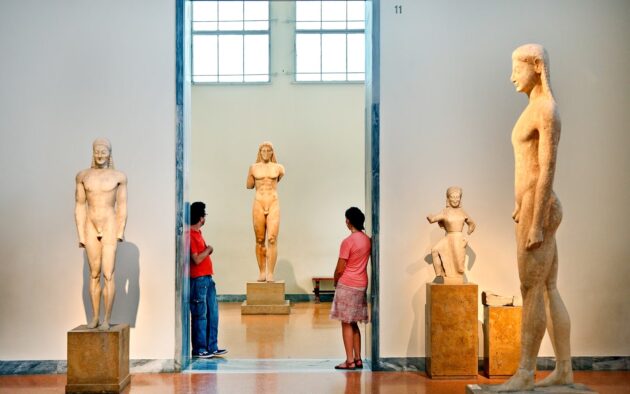
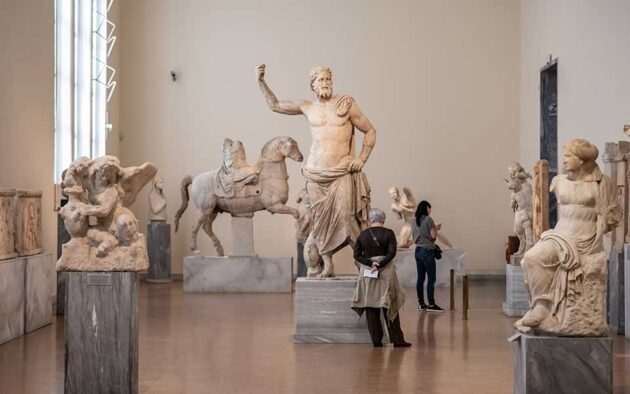
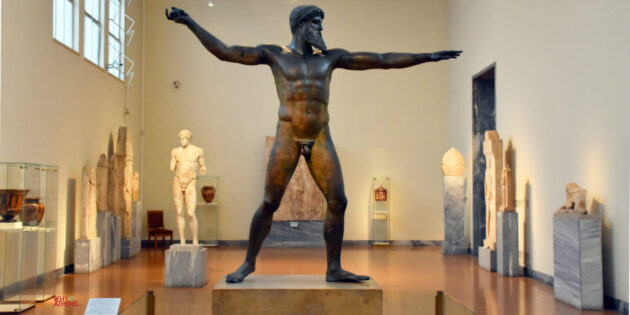
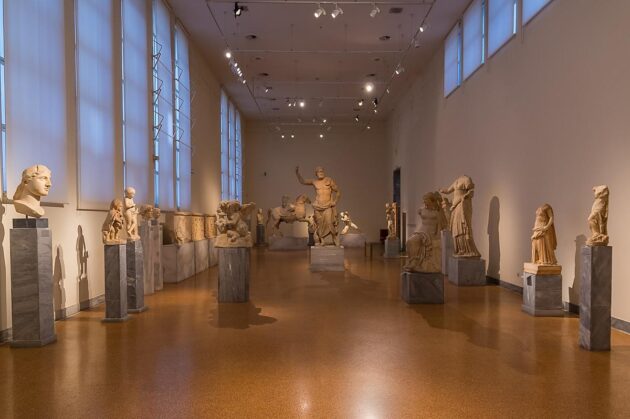
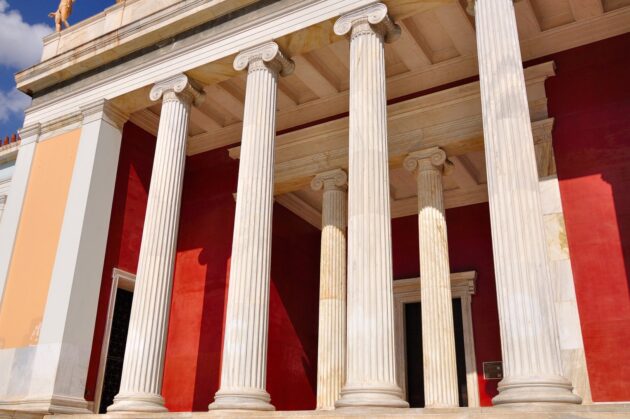
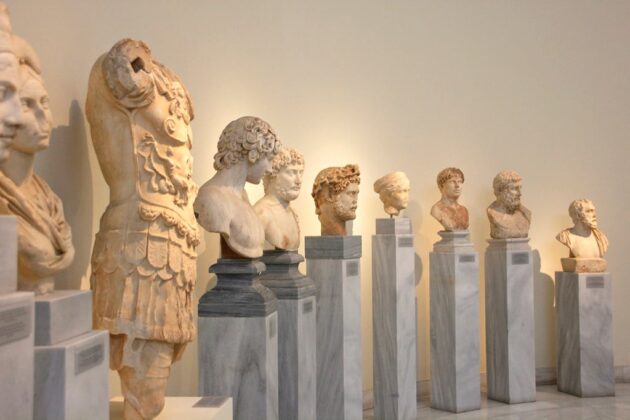
The National Archaeological Museum in Athens stands as the crown jewel of Greece’s cultural heritage, housing one of the world’s most extensive collections of ancient Greek artifacts. Spanning over 11,000 exhibits from prehistoric times to the late Roman period, this neoclassical landmark on Patission Street is a treasure trove of sculptures, jewelry, pottery, and enigmatic relics that bring the myths and history of ancient Greece to life.

Monastiraki Square
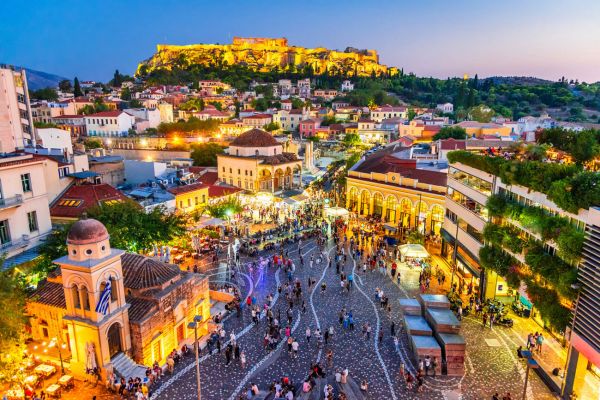
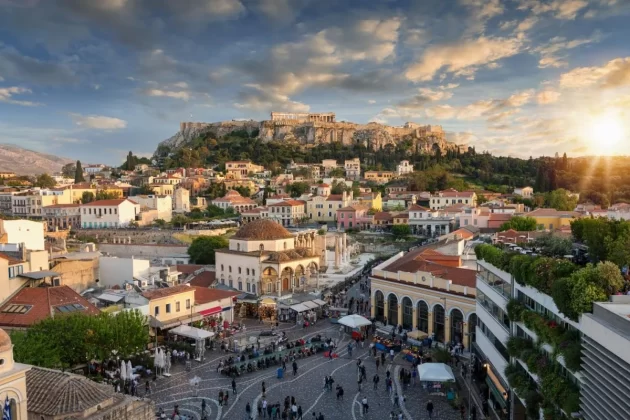
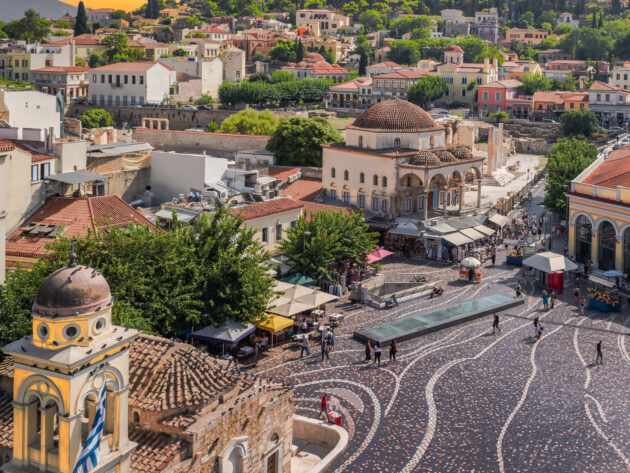
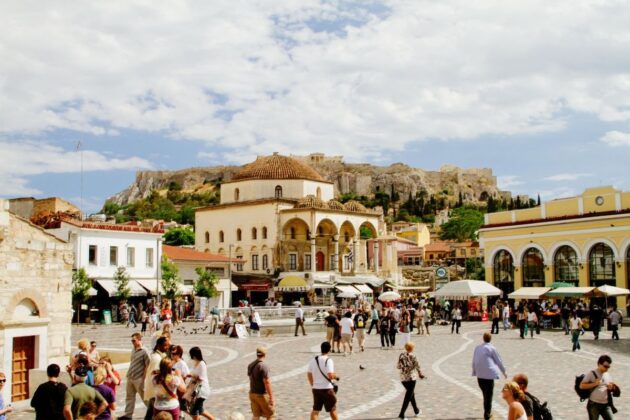
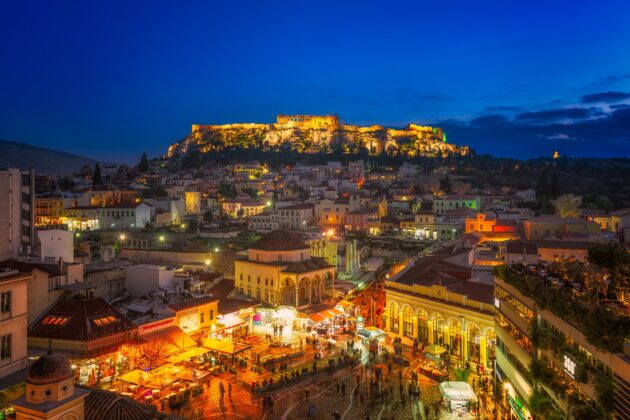
Nestled at the foot of the Acropolis, Monastiraki Square is a vibrant and historic hub in the heart of Athens. Famous for its sprawling flea market, the square is a bustling mix of ancient ruins, Byzantine churches, and shops selling everything from antiques to souvenirs. It’s a place where the city’s rich history seamlessly blends with the energetic pulse of modern life.
Temple of Poseidon
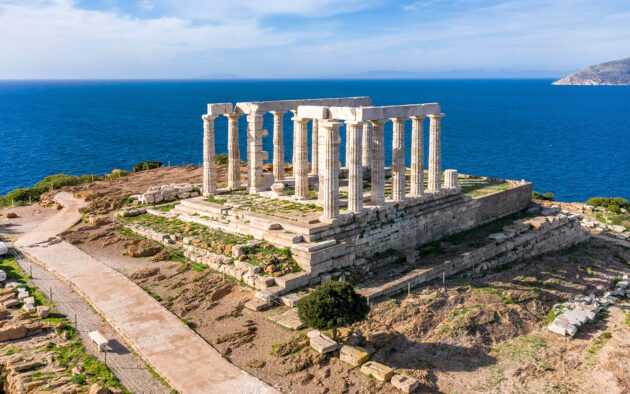
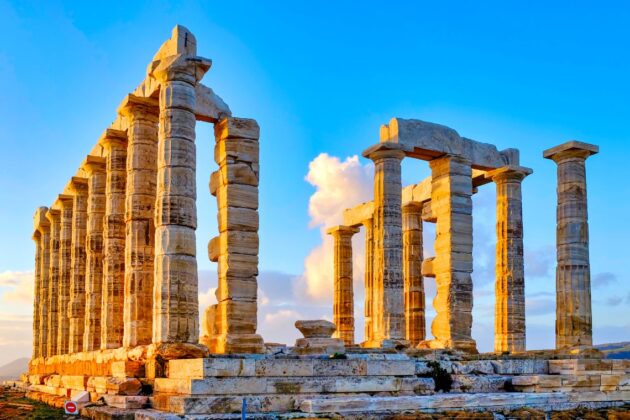
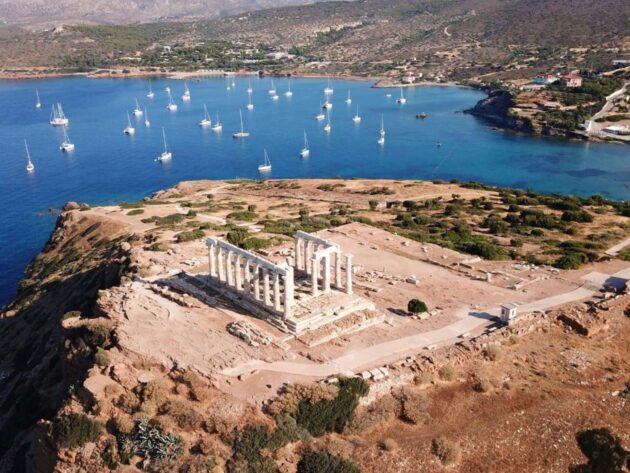
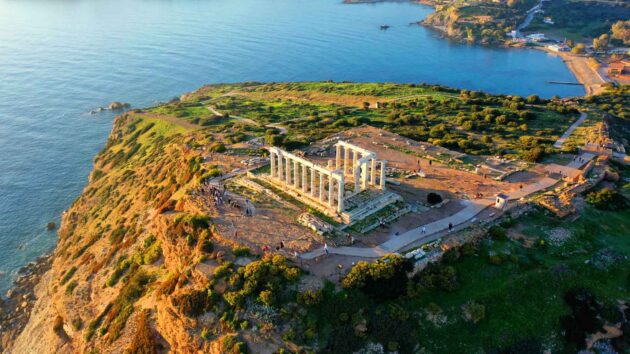
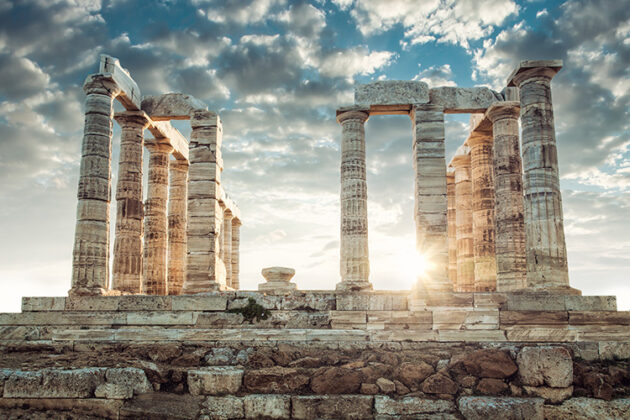
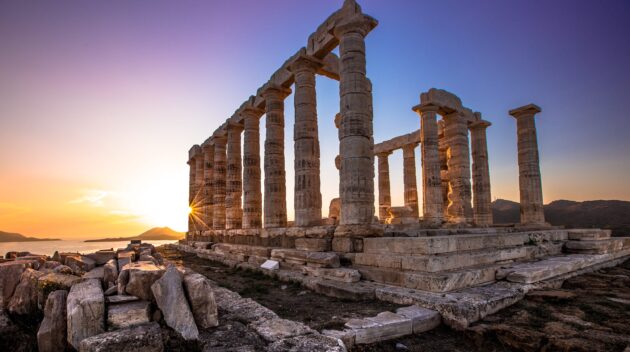
Perched dramatically on the cliffs of Cape Sounion, overlooking the sparkling Aegean Sea, the Temple of Poseidon is one of Greece’s most iconic ancient sites. This 5th-century BC Doric temple, dedicated to the god of the sea, earthquakes, and horses, offers breathtaking panoramic views and a profound connection to classical mythology.

Where to Stay
Athens offers options for all budgets in walkable central areas:
Budget (€30–€70/night): Hostels like Athens Backpackers in Plaka (dorms €18–€35) or Athens Yes in Psyri. Airbnbs in Monastiraki from €40.
Mid-Range (€80–€150): Boutique hotels like Electra Palace in Plaka (rooftop pool) or Herodion in Makrigianni (near Acropolis).
Luxury (€200+): Grande Bretagne in Syntagma for opulent views or Four Seasons Astir Palace in coastal Vouliagmeni.
Book via Booking.com for free cancellation; peak summer rates rise 50%.
Where to Eat and Drink
Greek cuisine is fresh, affordable, and Mediterranean-inspired. Daily budget: €20–€40.
Street Food: Gyros or souvlaki €3–€5; loukoumades (honey donuts) €2.
Casual Spots: Varvakios Agora market for olives, feta, and halloumi (€5–€10 meals). Try tiropita (cheese pie) in Plaka.
Restaurants: O Thanasis in Monastiraki for kebabs (€15–€20); Strofi near Acropolis for rooftop moussaka with Parthenon views (€25). Vegan options abound in Exarcheia.
Drinks: Ouzo or frappe coffee €3–€5. Wine bars in Psyri for local Assyrtiko varietals.
Pro tip: Use the “Greek Salad Rule”—if a salad costs under €7, it’s a good-value spot. Food tours (€50–€75) cover tavern-hopping.
Getting Around
Athens is compact but hilly—walk or use public transport:
Metro/Bus/Tram: €1.20/single ticket (90 minutes); 24-hour pass €4.10, 5-day €8.20. Efficient and air-conditioned; download the OASA app.
Taxis/Uber/Beat: €4 base + €0.90/km; airport ride €35–€50. Avoid unlicensed cabs.
Bikes/Scooters: E-scooter rentals via Lime (€0.20/minute); bike shares €15/day.
Walking: Best in Plaka; wear comfy shoes for cobblestones.
Practical Tips and Budget
Daily Budget: Backpacker €60 (hostel, street food, free sites); Mid-range €120; Luxury €220.
Money: Euros (€); cards widely accepted, but carry cash for markets. ATMs everywhere.
Safety: Very safe overall; watch for pickpockets in tourist areas like Monastiraki. Solo travelers: Standard precautions—avoid Omonia at night. Emergency: 112.
Essentials: Tap water is safe; bring reusable bottle. EU citizens get site discounts; get travel insurance. Download Google Translate for Greek.
Sustainability: Use public transport; avoid single-use plastics at beaches.
Athens promises timeless wonders with fresh twists—book your tickets and let the city’s eternal spirit inspire you. Safe travels!