

A Travel Guide to the Temple of Poseidon (2026)
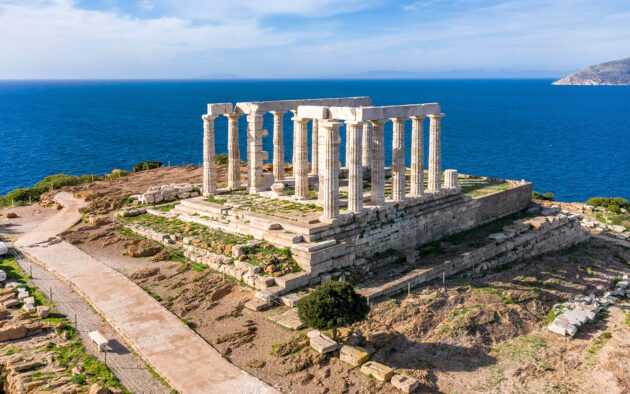
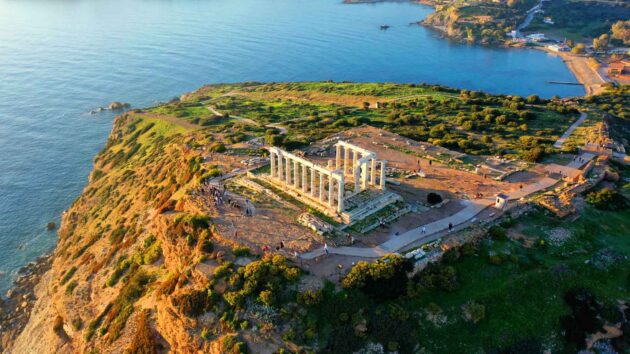
Perched dramatically on the cliffs of Cape Sounion, overlooking the sparkling Aegean Sea, the Temple of Poseidon is one of Greece’s most iconic ancient sites. This 5th-century BC Doric temple, dedicated to the god of the sea, earthquakes, and horses, offers breathtaking panoramic views and a profound connection to classical mythology. Built during Athens’ Golden Age under Pericles, it replaced an earlier structure destroyed by the Persians in 480 BC and served as a sanctuary where sailors offered sacrifices for safe voyages. With its white marble columns glowing against the sunset, it’s no wonder Lord Byron etched his name into one of the ruins—making it a must-visit for history buffs, photographers, and romantics alike.
Why Visit the Temple of Poseidon?
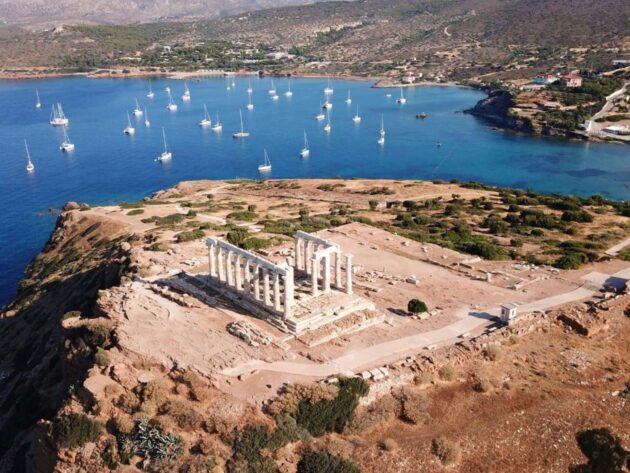
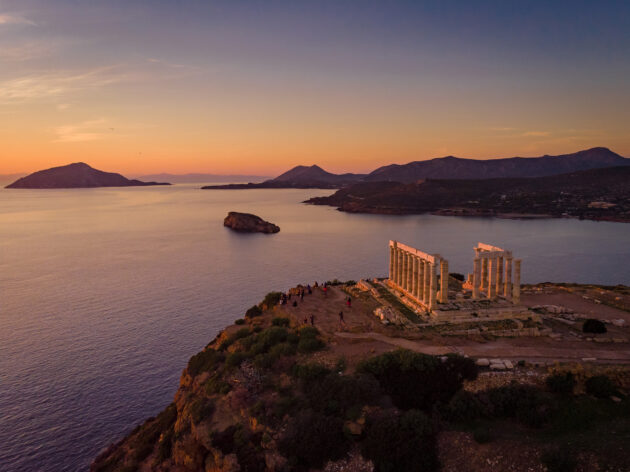
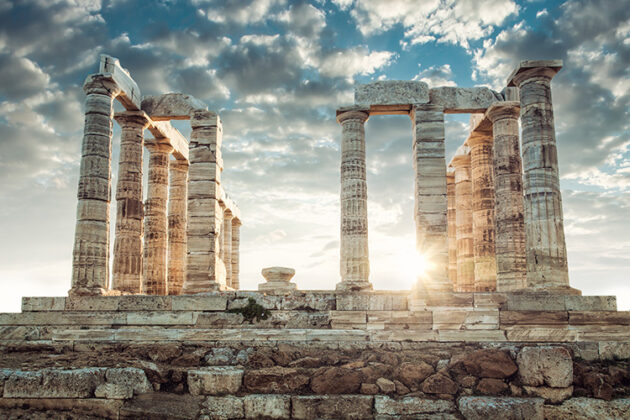
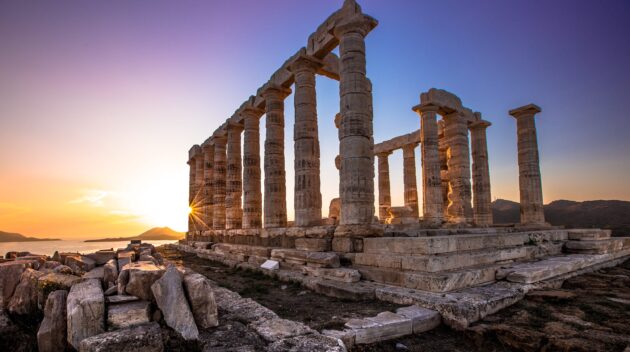
This UNESCO-listed archaeological site isn’t just ruins—it’s a living testament to ancient Greek engineering and seafaring culture. The temple’s strategic location, 60 meters above the sea, provided a beacon for approaching ships and a defensive outpost. Today, it’s famed for its ethereal sunsets, where the sun dips into the horizon, casting a golden hue over the columns. Expect a mix of awe-inspiring history, mythical lore (Poseidon vs. Athena for Athens’ patronage), and Instagram-worthy vistas. It’s compact enough for a 1-2 hour explore but profound enough to linger.
How to Get There
Cape Sounion is about 77 km southeast of Athens, making it an easy escape from the capital.
By Public Bus (KTEL Attikis): Depart from the Mavromateon Terminal (near Pedion Areos metro station) at 9:30am or 10am. The 1.5-2 hour scenic ride winds along the coast through upscale suburbs like Glyfada and Vouliagmeni. Cost: Around €6-8 round-trip. Buses return around 5pm—arrive early to secure seats.
By Car or Taxi: Drive time: 1-1.5 hours via the coastal Poseidonos Avenue (EO91) for stunning sea views, or the faster A6/E94 highway. Rent a car in Athens for €30-50/day. Taxis or rideshares like Uber cost €80-100 one-way.
Organized Tours: Sunset tours from Athens are popular, including transport, audio guides, and sometimes dinner. Options like Viator’s 5-hour eco-friendly tour start at $23. Book via GetYourGuide or Tripadvisor for free cancellation.
Parking is available at the site (€3-5/hour).
Best Time to Visit
Seasonal Sweet Spot: Shoulder seasons (March-May or September-October) offer mild weather (15-25°C/59-77°F), fewer crowds, and vibrant wildflowers or autumn hues. Peak summer (June-August) brings scorching heat (up to 35°C/95°F) and hordes of tourists, while winter (November-February) is quieter but windy and rainy.
Daily Timing: Aim for late afternoon to catch the sunset (around 8pm in summer, 5pm in winter)—the site’s magic peaks as the light fades. Weekdays are less busy than weekends.
Events: No major festivals announced yet, but check for solstice alignments or cultural nights via the Greek Ministry of Culture website.
The site is open daily from 9:30am to sunset (last entry 20 minutes before closing), extending to 7-8pm in summer. It’s closed on January 1, March 25 (Greek Independence Day), Easter Sunday, May 7, and December 25-26.
Entry Fees and Tickets
Standard Ticket: €20 for adults; €10 reduced (EU seniors/students under 25, children 6-18). Free for children under 5 and EU students.
Combo Options: Pair with the Acropolis ticket (€30 combined) for multi-site access.
Buy online via the official odysseus.culture.gr site or at the gate to skip lines. No reservations needed, but pre-booking is wise for groups.
What to Do
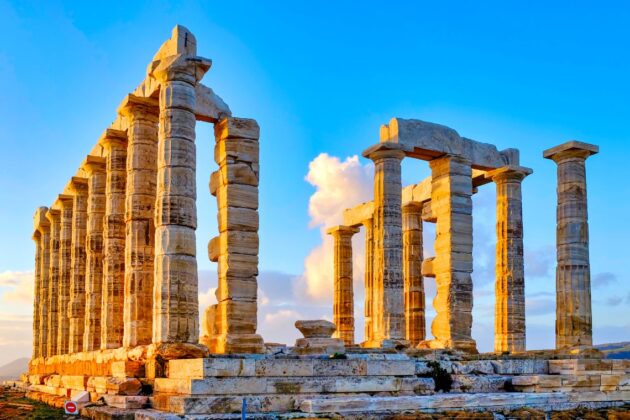
Explore the Ruins: Wander among the 15 surviving columns (originally 34) of this peripteral temple. Climb the steep, 30-45 minute path from the base for close-up views—handrails and benches help.
Sunset Spectacle: Stake out a spot on the cliffs for the iconic Poseidon sunset. Bring a picnic or join a guided audio tour (€5 extra) for myths and history.
Photography and Reflection: Capture the marble against the sea; drones are restricted, so stick to your phone. Reflect on ancient rituals at the nearby Temple of Athena ruins.
Guided Experiences: Opt for a private tour (€100-200/group) with expert archaeologists, or self-guide via the on-site museum (small exhibit on excavations).
Allow 1-2 hours; it’s stroller-friendly with assistance but limited wheelchair access beyond the viewing platform.
Practical Tips
What to Wear/Bring: Comfortable shoes for the uneven terrain, hat/sunscreen for glare, light jacket for coastal winds, and water (no fountains inside). Bug spray in summer.
Accessibility: Steep paths; ramps available but uneven. Contact the site for mobility aids.
Rules: Stay on paths—no climbing columns. Pets on leash; no large bags (free lockers at base).
Health/Safety: Hydrate in heat; watch for slippery rocks near edges. English signage is good, but download a translation app.
Sustainability: Use eco-tours to minimize impact; avoid single-use plastics.
Where to Eat and Stay Nearby
Dining: At the base, Naos Cafe serves souvlaki and salads with sea views (€10-15). For seafood, head to The Veranda (2km away) for grilled octopus (€20 mains) or Taverna Syrtaki for fresh fish.
Staying Over: Base in Athens for convenience, but for immersion, try Grecotel Cape Sounion (luxury, €300+/night with pools and spa) or budget Poseidon Apartments (€80/night). Nearby beaches like Legrena offer free camping vibes.
Combine with a swim at Sounion Beach or a stop at the Lavrio Archaeological Museum (10km away).
Final Thoughts
The Temple of Poseidon isn’t just a relic—it’s a portal to ancient Greece, where the sea’s whisper meets eternal stone. With Greece’s tourism rebounding post-pandemic, expect vibrant energy but book ahead for sunsets. Whether chasing Byron’s footsteps or toasting Poseidon with a myth-inspired libation, this cliffside gem will leave you spellbound.
Safe travels—may the gods grant fair winds!