
A Travel Guide to Delos (2026)
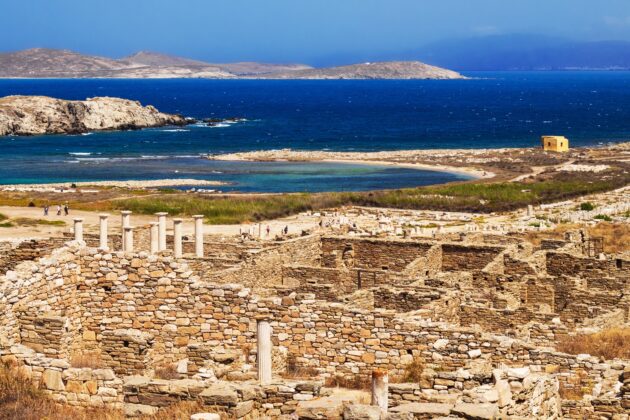
Nestled in the heart of the Cyclades archipelago, Delos is a tiny, uninhabited island just a short boat ride from the glamorous shores of Mykonos. This UNESCO World Heritage Site is one of the most significant archaeological treasures in the Mediterranean, revered in ancient times as the mythical birthplace of Apollo and Artemis. Once a bustling religious and commercial hub with a population of up to 30,000, Delos today stands as a frozen-in-time testament to classical Greek civilization, featuring well-preserved ruins, marble sculptures, and intricate mosaics. If you’re history buff, mythology enthusiast, or simply seeking a serene contrast to Mykonos’ party vibe, Delos offers an unforgettable day trip. Plan for 3–5 hours on the island to fully immerse yourself in its ancient wonders.
Why Visit Delos?
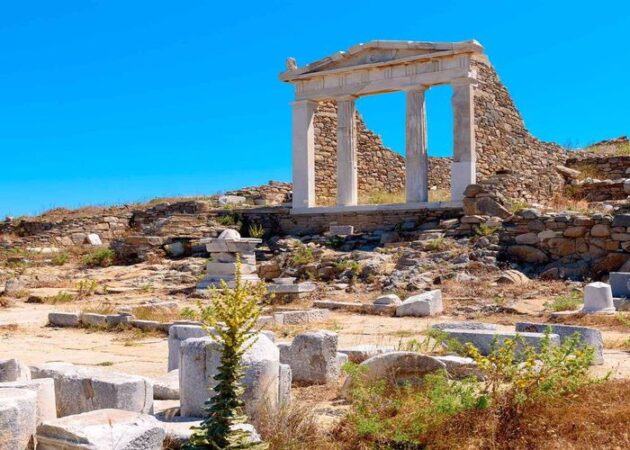
Delos isn’t your typical beach escape—it’s a living museum under the open sky, where every stone whispers tales of gods, traders, and empires. As a pan-Hellenic sanctuary, it influenced Greco-Roman architecture and served as a major port handling massive cargo volumes in antiquity. The site’s authenticity, with ongoing excavations and minimal modern interference, earned it UNESCO status in 1990. Highlights include the iconic Terrace of the Lions and a museum packed with artifacts, providing a deeper understanding of daily life in ancient Greece. It’s a peaceful, reflective experience that’s worlds away from Mykonos’ windmills and nightlife, making it an ideal half-day adventure.
How to Get There
Delos is accessible only by boat, with Mykonos as the primary gateway (ferries also run from Paros or Naxos, but they’re less frequent). The crossing takes 30–40 minutes across calm (or occasionally choppy) Aegean waters.
Ferry from Mykonos: Departures are from the Old Port (Tourlos) in Mykonos Town (Chora). In high season (April–October), expect 3–4 boats daily: morning sailings at 9:00 AM, 10:00 AM, and 11:30 AM, with returns from Delos at 12:00 PM, 1:30 PM, and 3:00 PM. Afternoon options (e.g., 5:00 PM from Mykonos, returning 7:30–8:00 PM) run May–September for extended visits. Off-season (November–March), services are limited or suspended—check ahead.
Booking and Cost: Tickets cost €20–€22 round-trip and can be bought at harbor kiosks or online via sites like Ferryhopper. Book in advance during peak summer (June–August) to secure spots, as boats fill quickly. A €4 online booking fee is refundable up to 24 hours before departure. From Paros, combined trips (including Mykonos transfer) cost around €50.
Private Options: For flexibility, join a small-group boat tour or charter a yacht, which can include stops at nearby uninhabited Rhenia Island for swimming.
Motion sickness? Opt for morning ferries on calmer seas, and consider anti-nausea meds.
Best Time to Visit
The ferry season aligns with Delos’ operating hours: daily from 8:00 AM to 8:00 PM (last entry 7:00 PM) between April 1 and October 31. Shoulder seasons (April–May or September–October) offer milder weather (20–25°C/68–77°F), fewer crowds, and vibrant wildflowers amid the ruins—perfect for photography. Summer (June–August) brings intense heat (up to 35°C/95°F) and peak tourism, so aim for early ferries to beat the midday sun and tour groups. Avoid windy meltemi days, which can roughen the crossing. If you’re on a cruise, afternoon tours dodge morning crowds.
What to Do: Top Attractions
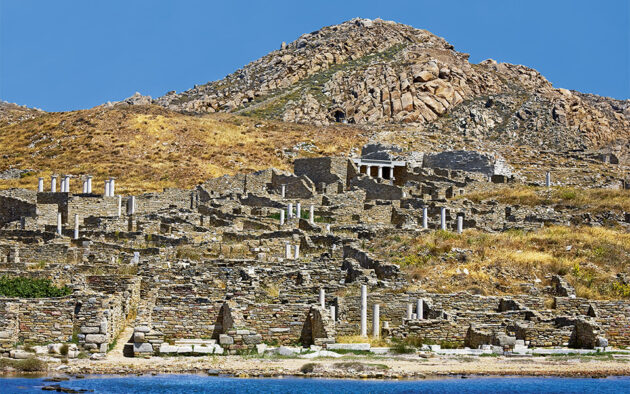
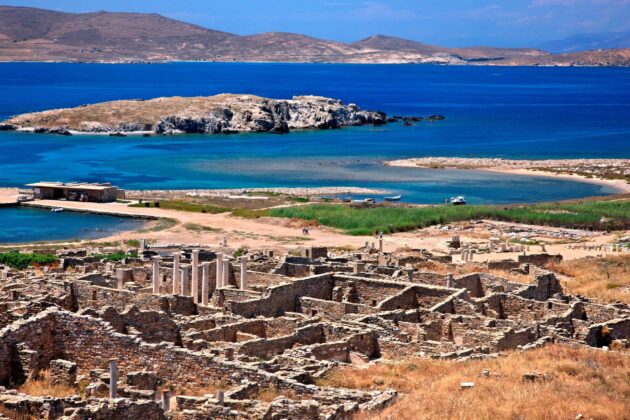
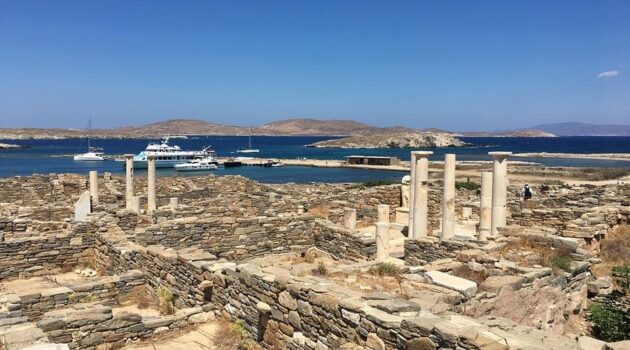
Delos is compact (just 3.4 sq km), so you can explore the entire site on foot in 1.5–5 hours, depending on your pace. Follow the well-marked paths and grab a free map at the entrance. Key highlights include:
Sanctuary of Apollo: The island’s spiritual core, with ruins of three grand temples dedicated to the sun god. Marvel at the sacred lake where Apollo was said to have been born.
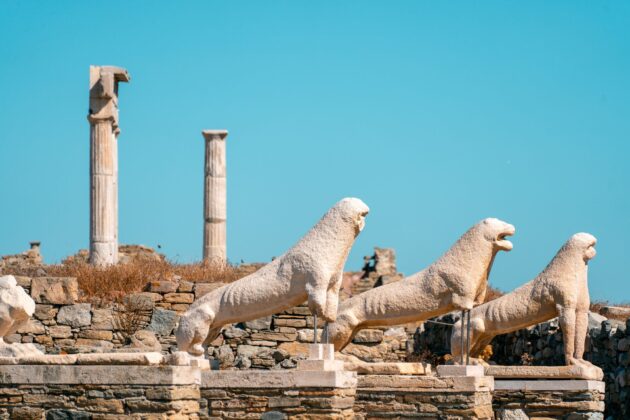
Terrace of the Lions: Iconic row of marble lion statues (replicas; originals in the museum) guarding the Sacred Way— a symbol of Delos’ power from the 7th century BC.
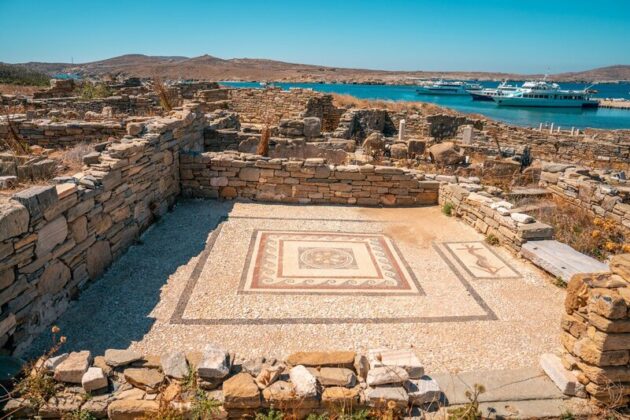
House of Dionysos and Mosaics: Stroll through elite residential quarters to see stunning floor mosaics, like Dionysos riding a panther or playful dolphins, offering glimpses into opulent ancient homes.
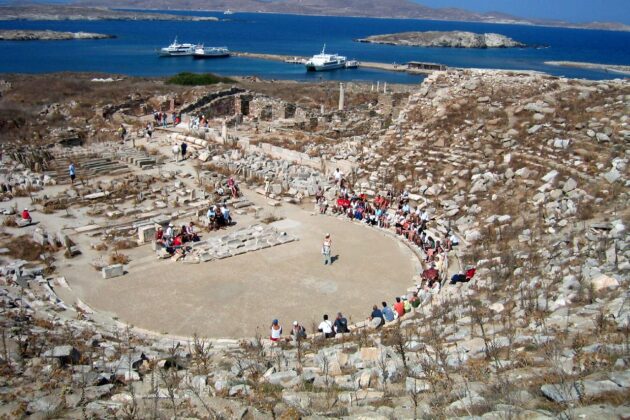
Ancient Theater and Agora: Climb to the 1,500-seat theater for panoramic views, then wander the bustling marketplaces where traders from across the Mediterranean once bartered.
Mount Cynthos Hike: A moderate 20–30 minute ascent to the 113m summit for sweeping vistas of the Cyclades—bring binoculars for spotting Mykonos and Rhenia.
Archaeological Museum: Don’t miss this air-conditioned gem near the entrance, housing exquisite statues (e.g., Artemis with a deer), pottery, and jewelry that bring the ruins to life. Allow 30–45 minutes.
For deeper context, audio guides (€5) or pamphlets are available; the site feels otherworldly at dusk, but stick to ferry times.
Guided Tours
If history isn’t your strong suit, opt for a guided tour—they’re worth the splurge for storytelling and queue-skipping. Expect 2–3 hours on-site with an expert covering myths and excavations. Costs: €55–€60 per adult (includes round-trip ferry, €12 site entry, and guide; kids €30). Languages: English, French, German, etc. Book via Delos Tours (delostours.gr), GetYourGuide, or Viator—many include hotel pickups from Mykonos. For a twist, combine with Rhenia for snorkeling and lunch (€70+). Cruise passengers: Port-to-site shuttles available.
Costs Breakdown
| Item | Estimated Cost |
|---|---|
| Round-trip Ferry | €20–€22 |
| Site & Museum Entry | €12 (adults); free for kids under 5; €6 reduced |
| Guided Tour (incl. ferry/entry) | €55–€60 |
| Audio Guide | €5 |
| Snack/Water on Island | €5–10 (limited café) |
Total for a self-guided day: €32–€34. Budget extra for Mykonos transport to the port (€10 taxi).
What to Bring and Practical Tips
Essentials: Hat, sunscreen, sturdy walking shoes (rocky paths, no shade), 1–2 liters of water per person, snacks/picnic (only a small museum café for basics—no shops).
Other: Windbreaker for sea breezes, camera (no drones), and cash for tickets (ATMs scarce). Download an offline map app.
Tips: Arrive on the first ferry to avoid lines—head straight to the museum, then ruins. Respect the site: No touching artifacts, stick to paths. Families: Kid-friendly with god tales, but pack kid snacks. Eco-note: Delos is protected—leave no trace. Check weather/ferry apps like Ferryhopper for real-time updates.
Where to Stay
As an uninhabited archaeological zone, Delos has no hotels—it’s strictly a day trip. Base yourself in Mykonos for easy access:
Mykonos Town (Chora): Walkable to the port; try boutique spots like Semeli Hotel (€200+/night) for Cycladic charm.
Beaches: For relaxation post-visit, stay at Ornos or Platis Gialos (e.g., Mykonos Blu Grecotel, €300+).
Budget: Hostels or Airbnbs in Chora from €80/night. Book early for summer.
Final Thoughts
Delos is more than ruins—it’s a portal to ancient myths where the Aegean breeze carries echoes of Apollo’s lyre. This effortless escape from Mykonos’ hustle rewards with profound history and stunning isolation, leaving you inspired by Greece’s enduring legacy. Whether self-guided or with a storyteller, embrace the journey: Ferry out in the morning light, return with stories of lions and gods. Safe travels—kalo taksidi!