
A Travel Guide to Knossos Palace (2026)
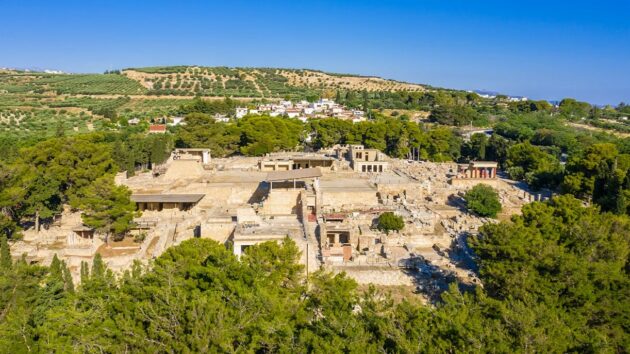
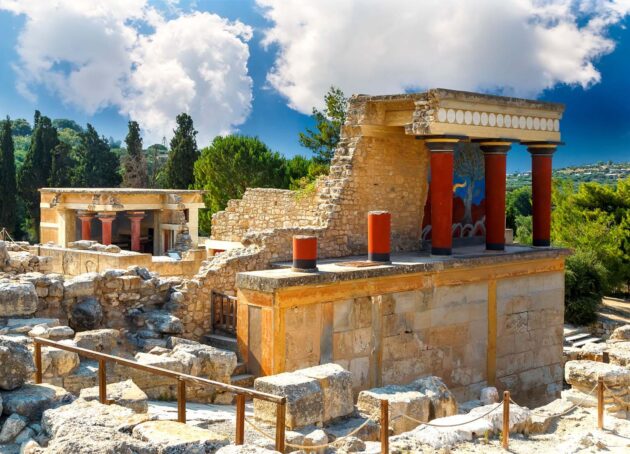
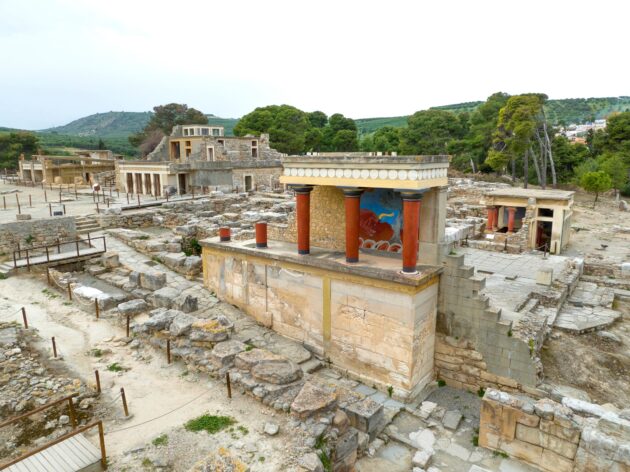
Nestled just 5 kilometers south of Heraklion on the island of Crete, Knossos Palace stands as the crown jewel of Minoan civilization—one of Europe’s oldest and most enigmatic ancient sites. Dating back to around 2000 BCE, this sprawling complex was the political, religious, and cultural heart of the Minoan world, immortalized in Greek mythology as the labyrinthine home of King Minos and the fearsome Minotaur. Excavated and partially reconstructed by British archaeologist Arthur Evans in the early 20th century, the palace features vibrant frescoes, intricate plumbing, and multi-story architecture that still awe visitors today. Whether you’re a history buff, mythology enthusiast, or simply seeking a glimpse into lost worlds, Knossos offers an unforgettable journey through time. This guide will help you plan your visit seamlessly.
Why Visit Knossos Palace?
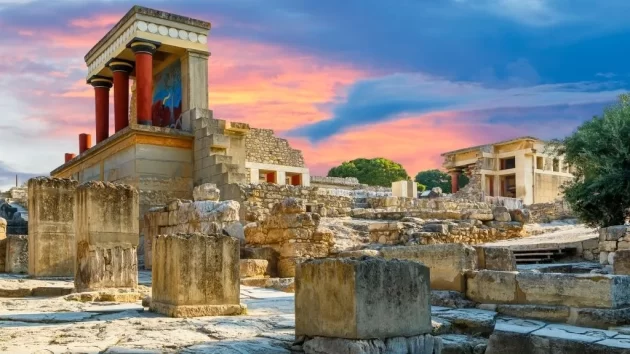
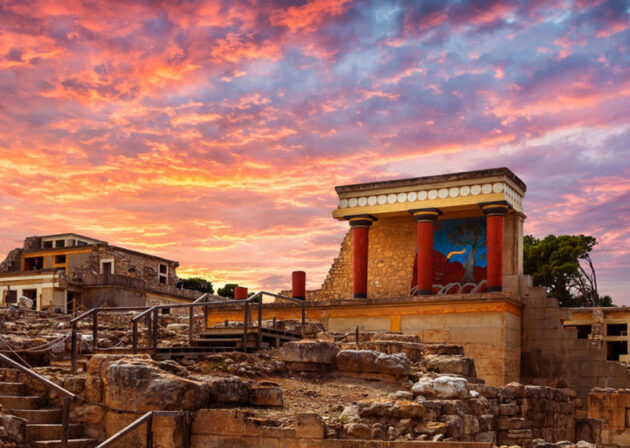
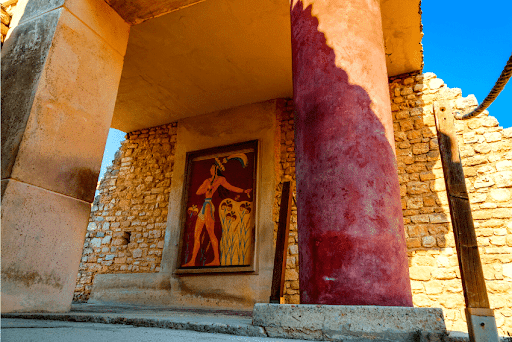
Knossos isn’t just ruins—it’s a portal to the Bronze Age, where advanced engineering (like flush toilets and earthquake-resistant designs) coexists with mythical lore. The site’s vivid red-columned courtyards, restored murals depicting bull-leaping acrobats, and labyrinth-like layout evoke the legend of Theseus and the Minotaur. As Crete’s top attraction, it draws over a million visitors annually, but with smart planning, you can explore its wonders without the overwhelm. Pair it with a trip to the Heraklion Archaeological Museum (just 20 minutes away) to see original artifacts that bring the palace to life.
How to Get There
Knossos is easily accessible from Heraklion, Crete’s bustling capital and main gateway to the island:
By Air: Fly into Heraklion International Airport (HER), served by direct flights from major European cities. From the airport, it’s a 15-20 minute taxi ride (€20-25) or a 30-minute bus ride (Line 5, €1.50) to Heraklion center, then transfer to Knossos.
By Bus: The most budget-friendly option. From Heraklion’s central bus station (KTEL Station), take Bus Line 2 or 4 directly to Knossos (20 minutes, €1.50 one way). Buses run every 30 minutes from 7am to 9pm; check schedules on the KTEL Heraklion app.
By Car or Taxi: Rent a car at the airport (€30-50/day) for flexibility—follow signs south on the E75 highway. Taxis from Heraklion cost €10-15 and take 10 minutes. Free parking is available adjacent to the site.
From Other Parts of Crete: Organized day trips from Chania or Rethymno (2-3 hours by bus) are common via tour operators.
Public transport is reliable, but if you’re island-hopping, ferries from Athens (Piraeus port) arrive in Heraklion daily (8-9 hours, €40-60).
Best Time to Visit
Seasonal Sweet Spot: Spring (April-June) and fall (September-October) offer mild weather (18-25°C/64-77°F), fewer crowds, and blooming wildflowers around the ruins. Summer (July-August) is peak season with scorching heat (up to 35°C/95°F) and hordes of tourists—avoid if possible.
Daily Timing: Arrive right at opening (8am) or in the last two hours before closing to dodge midday crowds (10am-4pm is busiest). Mid-week visits (Tuesday-Thursday) are quieter than weekends.
Events: No major festivals at the site, but Crete’s summer cultural events (like the Heraklion Summer Festival) add vibrancy nearby. Note: The site closes early on public holidays.
What to Do and See
Your visit typically lasts 1.5-3 hours. The palace covers 20,000 square meters, so prioritize highlights via a self-guided map (included with tickets) or audio tour.
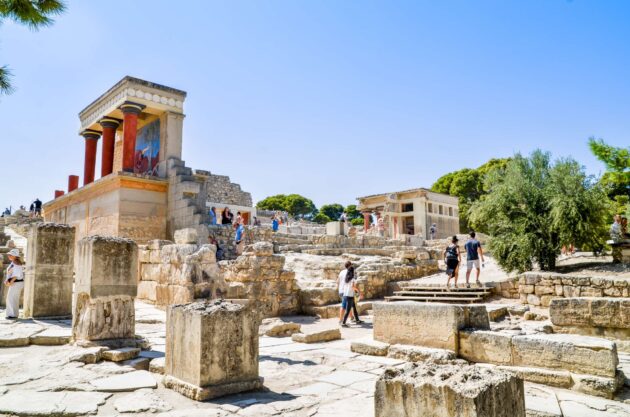
Central Courtyard and Propylaea: Enter through the grand South Propylaeum, a ceremonial gateway guarded by mythical griffins. The open courtyard was the palace’s social hub, surrounded by colonnades.
Throne Room: Descend to this intimate chamber with a gypsum throne, frescoed griffins, and a sacred basin—believed to be where priest-kings held rituals.
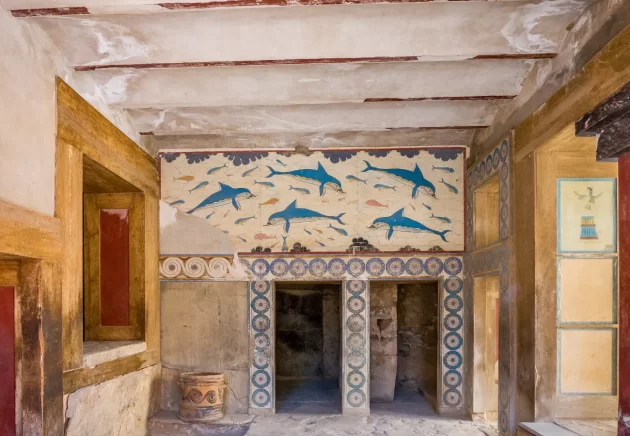
Fresco Gallery and Queen’s Apartments: Marvel at restored murals of dolphins, ladies in flounced skirts, and charging bulls. The east wing’s multi-level apartments showcase Minoan plumbing and luxurious bathrooms.
North Entrance and Labyrinth Passages: Wander the maze-like corridors that inspired the Minotaur myth. Climb to the Piano Nobile for panoramic views.
Surrounding Sites: Nearby, explore the Royal Villa (elite residences) and the Caravanserai (a Minoan “motel” for traders).
For deeper insights, opt for a guided tour (€25-40/person) focusing on myths and archaeology.
Tickets and Tour Options
Tickets: €20 adults; €10 reduced (students, seniors 65+); free for EU citizens under 25 and children under 5. A combo ticket (€25) includes the Heraklion Archaeological Museum—highly recommended. Buy online via the official site (knossos-palace.gr) for timed entry slots to skip lines; arrive 30 minutes early. On-site sales available but may sell out.
Tours: Guided Walks: 90-minute small-group tours (€40-50) via Viator or GetYourGuide, often including museum entry. Private Options: €100+ for customized experiences with expert archaeologists. Audio Guide: €5 via app—eco-friendly and multilingual.
What to Bring
Essentials: Comfortable walking shoes (uneven terrain), hat/sunscreen (little shade), reusable water bottle (fountains available), and snacks (no food inside).
Practical: Light layers for variable weather, camera (photography allowed), and cash for buses/taxis. Download an offline map app like Maps.me.
Pro Tip: No large bags—use lockers (€2) at the entrance.
Where to Stay Nearby
Budget: Lato Boutique Hotel (€80/night)—central with rooftop views.
Mid-Range: Galaxy Iraklio (€120/night)—near the bus station, modern amenities.
Luxury: GDM Megaron (€200+/night)—harborfront elegance.
Tips for a Great Experience
Beat the Heat and Crowds: Start early; the site’s exposed layout amplifies summer sun—hydrate often.
Combine Visits: Follow with the Heraklion Museum (open 8am-8pm, €12) to contextualize artifacts like the Snake Goddess statue.
Accessibility: Paths are mostly flat but include stairs; wheelchairs available on request. Service animals allowed.
Sustainability: Stick to marked paths to protect fragile frescoes; use the site’s eco-audio tours.
Mythical Fun: Download a Minotaur AR app for interactive storytelling.
Final Thoughts
Knossos Palace isn’t merely an archaeological site—it’s a living echo of a sophisticated society that shaped Western mythology and architecture. As you trace the footsteps of ancient Minoans amid crimson pillars and whispering winds, the labyrinth feels less like stone and more like a dream. With Crete’s azure seas and olive groves just beyond, it’s the perfect anchor for an island adventure. Plan ahead, embrace the myths, and let Knossos ignite your wanderlust.
Safe travels to the heart of the Minoan maze!