
A Travel Guide to the Heraklion Archaeological Museum (2026)
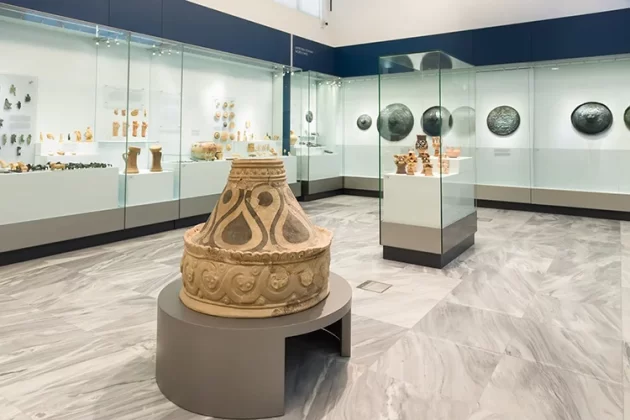
Nestled in the heart of Heraklion, the bustling capital of Crete, the Heraklion Archaeological Museum stands as a cornerstone of ancient history. Housed in a modern, purpose-built facility that opened in 2000 (with expansions continuing into recent years), this world-class institution is Greece’s second-largest archaeological museum and a global treasure trove of Minoan civilization artifacts. Spanning over 5,500 years of history, it showcases the ingenuity and artistry of the Bronze Age Minoans, whose advanced society predates classical Greece. Whether you’re a history buff, an art lover, or simply curious about the myths of King Minos and the Labyrinth, this museum offers an immersive journey into Crete’s ancient past.
Why Visit the Heraklion Archaeological Museum?
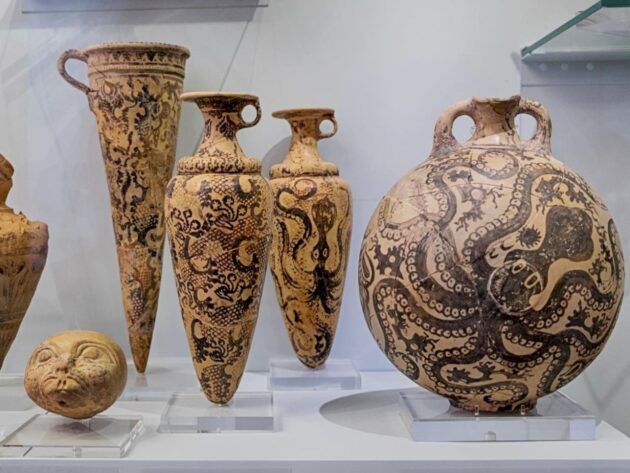
The museum is unparalleled in its focus on Minoan culture, featuring the world’s largest and most comprehensive collection of artifacts from the Minoan palaces, including those excavated from the nearby Palace of Knossos. Highlights include vibrant frescoes, intricate jewelry, and everyday objects that reveal a sophisticated society with advanced plumbing, writing (Linear A script), and a love for nature-inspired art. It’s not just a repository of relics—it’s a narrative of human innovation, mythology (think the Minotaur legend), and the cradle of European civilization.
How to Get There
Heraklion is well-connected, making the museum easily accessible:
By Air: Fly into Heraklion International Airport (HER), about 5 km (3 miles) east of the city center. Taxis, buses (KTEL lines), or rental cars take 15–20 minutes to reach the museum.
By Ferry: Arrive at Heraklion Port from Athens (Piraeus) or other Greek islands; the museum is a 10–15 minute walk or short bus ride from the waterfront.
Within Heraklion: The museum is centrally located at 2 Xanthoudidou Street, near the Venetian Walls and Lions Square (Morosini Fountain). It’s walkable from most hotels in the old town, or hop on local bus lines 1 or 2 (fares ~€1.50). Parking is available nearby but limited—opt for public transport to avoid hassle.
Best Time to Visit
Seasonal Sweet Spot: Spring (April–June) and fall (September–October) offer mild weather (18–25°C/64–77°F), fewer crowds, and vibrant blooms echoing Minoan frescoes. Summer (July–August) is peak season with intense heat (up to 35°C/95°F), so visit early morning.
Daily Timing: Aim for opening (around 8 AM) to beat tour groups. The museum is less crowded on Mondays and Tuesdays.
Considerations: Avoid major holidays like Easter Sunday (closed) or August 15 (open but busy). Check for special events via the official app, as may feature enhanced audio tours tied to Crete’s tourism boom.
What to See and Do
The museum unfolds across four floors in a logical chronological and thematic layout, with over 4,000 exhibits. Allow 2–3 hours for a thorough visit. Key highlights include:
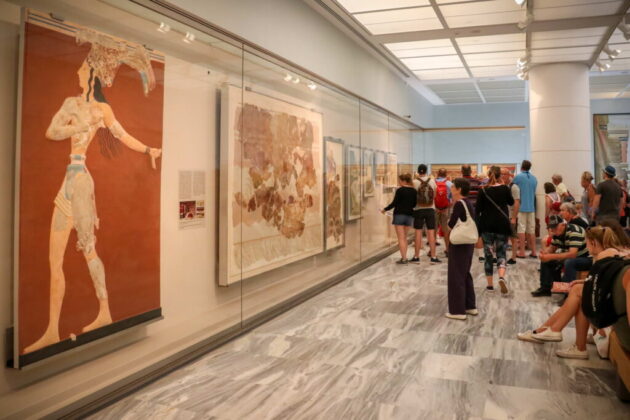
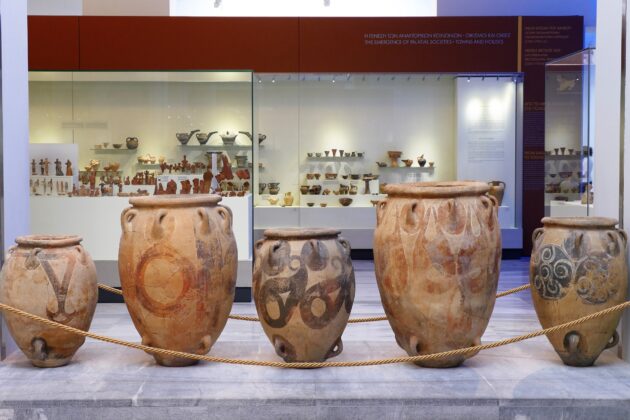
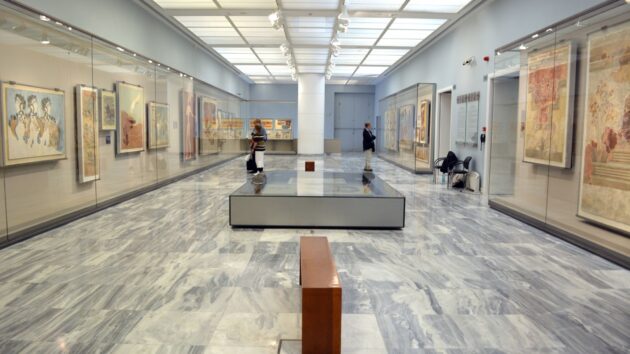
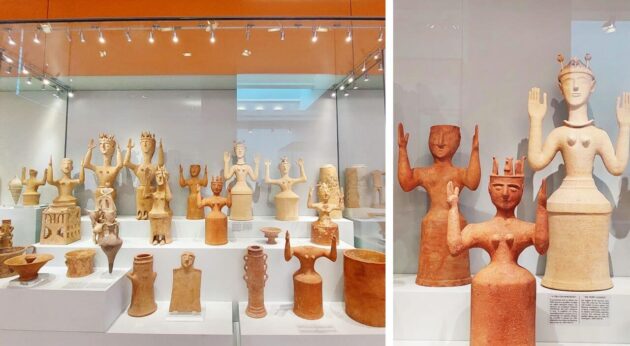
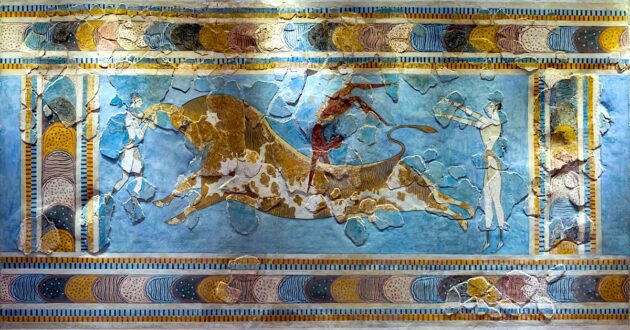
Minoan Collection (Floors 1–2): Frescoes Gallery: Stunning wall paintings from Knossos, like the “Saffron Gatherers” and “Prince of the Lilies,” depicting vibrant scenes of rituals, bull-leaping, and daily life. Snake Goddess Figurines: Iconic ivory statuettes symbolizing fertility and household worship—must-sees for mythology fans. Phourni and Archanes Exhibits: Pottery, seals, and jewelry from early Minoan tombs, showcasing the evolution of Cretan script and trade.
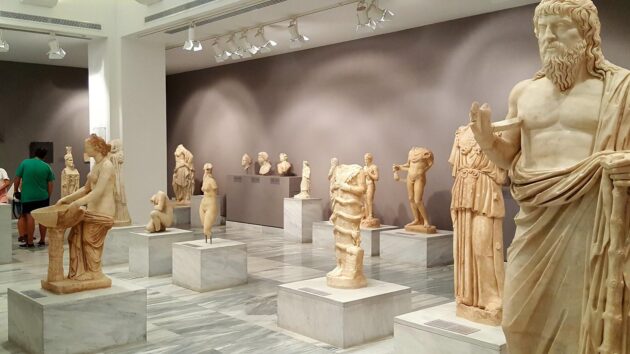
Post-Minoan and Classical Galleries (Floors 3–4): Artifacts from Mycenaean, Geometric, and Hellenistic periods, including bronze weapons, marble statues, and mosaics that bridge Minoan to ancient Greek eras.
Temporary Exhibits: Look for rotating displays on underwater archaeology or Minoan influences in the Mediterranean—check the website for updates.
Interactive Elements: Download the free museum app for augmented reality views, audio guides in multiple languages, and virtual reconstructions of palaces. It’s especially useful for families or self-guided tours.
Practical Information
Opening Hours: Monday: 2 PM – 8 PM; Tuesday–Sunday: 8 AM – 8 PM (last entry 7:30 PM); Holiday adjustments: Open 8 AM – 8 PM on most public holidays like Easter Monday and October 28 (OXI Day); reduced hours on Good Friday (12 PM – 5 PM). Closed on January 1, March 25, May 1, December 25–26, and Easter Sunday.
Ticket Prices: €15 for adults (includes audio guide access via app); €8 for EU seniors/students; free for children under 5 and EU youth under 25. Combo tickets with Knossos Palace (~€25) are available at the site or online for savings. Buy in advance via the official website to skip lines.
Accessibility: Fully wheelchair-accessible with ramps, elevators, and tactile models for the visually impaired. Free entry for companions of disabled visitors. Audio descriptions available in English and Greek.
Facilities: Free Wi-Fi, on-site café (Minoan-inspired Cretan cuisine), gift shop with replicas and books, and storage for bags.
Tips for a Great Visit
Beat the Crowds: Book timed-entry tickets online, especially in summer. Start on the top floor and work down for a smoother flow.
Dress and Prep: Comfortable shoes for marble floors; no large bags (free lockers provided). Photography is allowed without flash—capture those frescoes!
Enhance Your Experience: Pair with a visit to Knossos (5 km away) for context; many tours combine both. If traveling with kids, the app’s quizzes make it engaging.
Sustainability Note: Use reusable water bottles—the museum promotes eco-friendly tourism aligned with Crete’s green initiatives.
Nearby Attractions
Heraklion and Crete offer endless extensions to your museum day:
Palace of Knossos (5 km/3 miles): The legendary Minoan palace—take a guided tour to connect the dots with museum artifacts (€15 entry).
Venetian Harbor and Koules Fortress (1 km/0.6 miles): Stroll the waterfront for sunset views and fresh seafood.
Historical Museum of Crete (0.5 km/0.3 miles): Covers Byzantine to modern eras for a fuller timeline.
Lyrarakis Winery (15 km/9 miles): A short drive for Minoan wine tastings—perfect for foodies.
Beaches: Head to Ammoudara (7 km west) for a relaxing dip after history overload.
Final Thoughts
The Heraklion Archaeological Museum isn’t just a collection—it’s a portal to a lost world that shaped Western history. With Crete’s tourism thriving, it’s the perfect anchor for a culturally rich Greek island escape. Immerse yourself in the myths, marvel at the masterpieces, and leave inspired by humanity’s enduring creativity. Safe travels—yia sas!
For the latest updates, visit the official site: heraklionmuseum.gr.