
A Travel Guide to Balos Beach (2026)
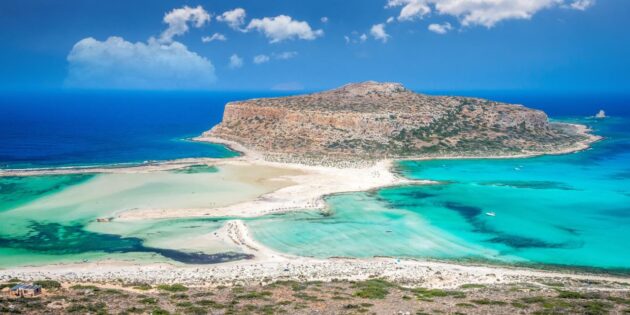
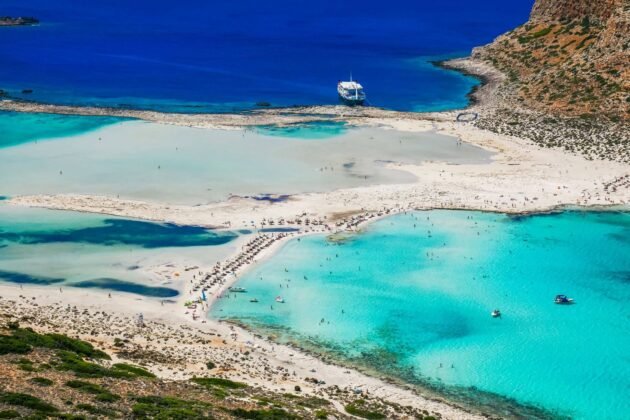
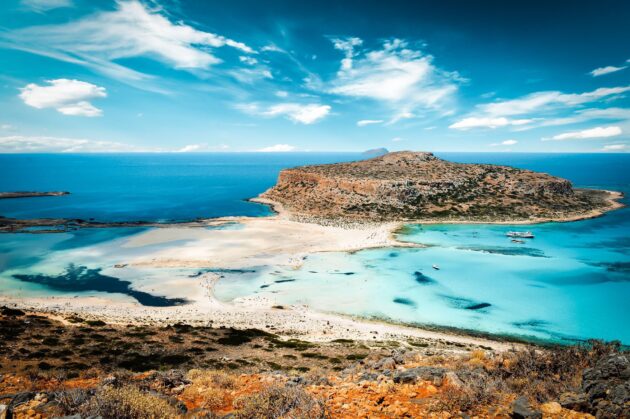
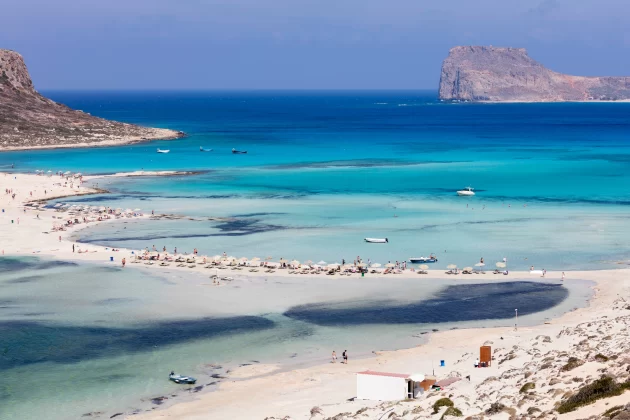
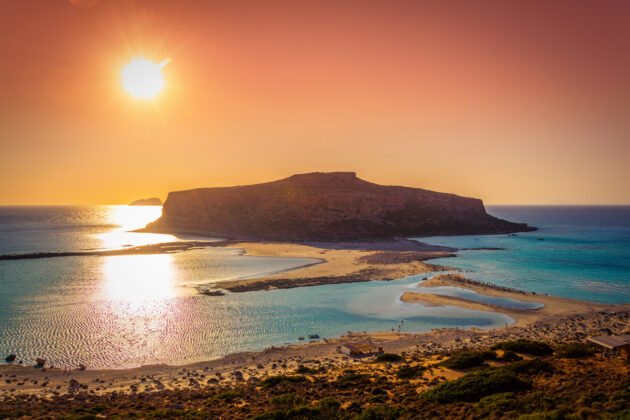
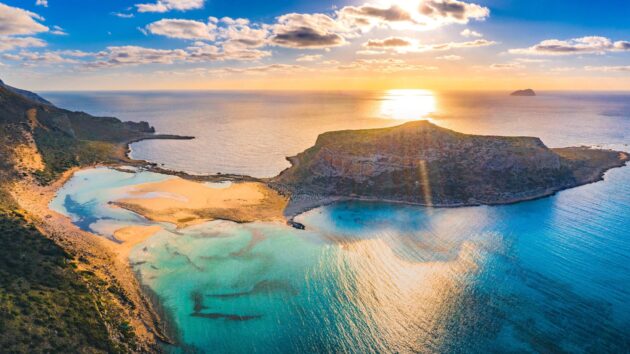
Balos Beach, often called Balos Lagoon, is a postcard-perfect paradise on the northwestern tip of Crete, Greece. Nestled within the Gramvousa Peninsula, this protected natural reserve boasts crystalline turquoise waters, powdery white-and-pink sands, and a dramatic lagoon framed by rugged cliffs. Recognized as one of Europe’s most stunning beaches, it’s a haven for nature lovers, photographers, and those seeking an unspoiled escape. As part of the Natura 2000 network, Balos teems with rare wildlife like sea turtles and monk seals, offering a serene blend of relaxation and adventure.
Why Visit Balos Beach?
Balos captivates with its ethereal colors—think swirling aquamarine hues and sun-kissed sands that create an almost otherworldly vibe. It’s ideal for families due to the shallow, calm lagoon perfect for wading, while snorkelers and hikers will love the rocky edges and hidden coves. Beyond the beach, nearby explorations like Venetian fortresses add historical depth. In a world of crowded tourist spots, Balos feels remote and magical, earning spots on global “best beaches” lists for its pristine ecosystem and photogenic landscapes.
How to Get There
Balos’s remote location means access requires planning, but the journey enhances the adventure. It’s about 1.5 hours from Chania, Crete’s main hub.
By Car and Hike (Adventurous Option): Drive from Chania or Kissamos along a scenic coastal road, then tackle the final 7 km (4 miles) of unpaved, bumpy dirt track (30 minutes). This cliffside path is thrilling but risky—opt for a 4×4 Jeep, as standard rentals often prohibit it to avoid damage (fines up to €300 possible). Park at the clifftop lot (€3 per car), then hike 20–30 minutes downhill (300m/984ft descent) on a rocky trail to the beach. The uphill return takes 30–40 minutes and can be strenuous in heat.
By Boat or Ferry (Easiest and Most Popular): Ferries depart from Kissamos Port (reachable by bus or 45-minute drive from Chania). Round-trip tickets cost €25–€30 for adults (kids half-price), with boats holding up to 1,200 passengers. Trips take 40–60 minutes and often include a stop at Gramvousa Island. Book in advance, especially July–August when they sell out. Private charters (€500–€1,000 per group) or group tours from Chania/Rethymno (€50–€80 including transfers) offer flexibility and onboard amenities like snacks.
Other Options: Organized tours from major towns (Chania, Heraklion) combine bus/boat for €60–€100, ideal for hassle-free day trips.
Best Time to Visit
Season: May to October for warm weather (25–35°C/77–95°F) and calm seas; ferries run seasonally. June and September strike the balance—pleasant temps, vibrant colors, and fewer crowds than peak July–August.
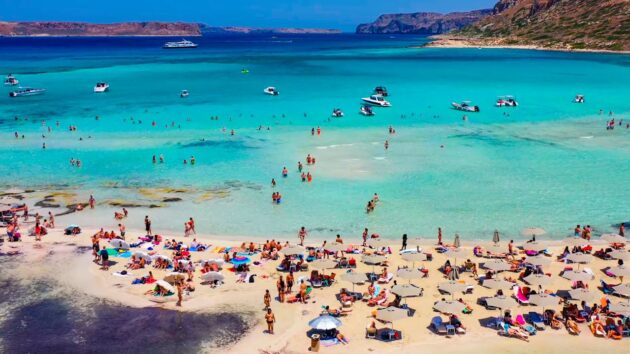
Time of Day: Arrive before 10:30 AM for golden-hour light and solitude, or after 4 PM post-ferry departures for an empty beach. Midday (11 AM–4 PM) brings hordes from boats.
Pro Tip: Shoulder seasons (May/June or September/October) mean cooler swims but magical tranquility; avoid windy days for safer boating.
What to Do
Swim and Snorkel: Wade in the shallow lagoon (knee-deep for kids) or snorkel rocky fringes for fish and sea life—bring your own gear, as rentals are limited.
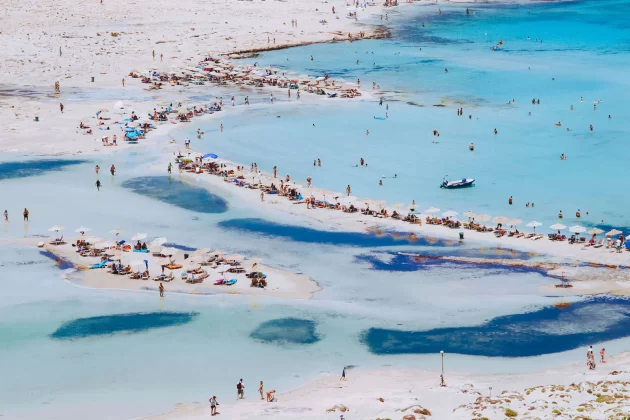
Relax on the Beach: Rent sunbeds/umbrellas (€15–€30 per set) or spread your towel on the sand. Float in the calm waters or picnic in shaded spots.
Hike and Explore: Trek to Cape Tigani for panoramic views or visit the All Saints Chapel. Nearby, hike Gramvousa Island’s Venetian fortress (20 minutes up) or spot shipwrecks.
Hidden Gems: Venture to secluded coves like Agria Gramvousa or Tersanas Cave by private boat; spearfish (experienced only) in marine-rich areas.
Entrance Fees and Costs
Entrance: €1–€2 per person (cash only) for the protected site, collected at the toll booth or beach.
Parking: €3 per car at the clifftop lot.
Facilities: Toilets €1; on-site canteen snacks/drinks overpriced (€5–€10 for basics).
Total Day Trip Estimate: €30–€50 by ferry (including ticket); €20–€40 by car (fuel + fees). Add €10–€20 for rentals.
Tips for a Great Visit
Packing Essentials: Swimsuit, water shoes (for rocks/urhins), hat/sunscreen (ocean-safe), reusable water bottle, snacks/picnic, towel, snorkel gear, hiking shoes, cash (ATMs scarce), insect repellent, and a light jacket for breezes. Facilities are basic—no showers, limited shade.
Crowds and Etiquette: Expect 1,000+ visitors on peak days—go early or private. Leave no trace; it’s a protected area—no drones, feeding wildlife, or removing shells.
Safety: Shallow waters are family-friendly with no strong currents, but watch for boats (use buoys) and sea urchins. The dirt road demands slow driving; hike with water to combat heat exhaustion. Lifeguards patrol in summer.
Sustainability: Use reef-safe sunscreen; support eco-tours to preserve the ecosystem.
Where to Stay
Kissamos (10 km away): Budget-friendly spots like family-run guesthouses (€50–€80/night) with sea views.
Chania (1 hour drive): Vibrant old town with hotels like Porto Veneziano (€100–€150/night) and tavernas.
Platanias or Kolymbari: Beachfront apartments (€70–€120) for a relaxed vibe en route to Balos.
Nearby Attractions
Gramvousa Island: Fortress ruins and a pebbly beach—pair with your boat trip.
Falassarna Beach: Golden sands and ancient ruins, 20 minutes south.
Kissamos Archaeological Museum: Dive into Cretan history post-beach.
Final Thoughts
Balos Beach is Crete’s crown jewel—a slice of Mediterranean magic that rewards early risers and boat-hoppers with unparalleled serenity. Whether you hike the cliffs for adrenaline or float in the lagoon for bliss, it’s an unforgettable highlight of any Greek island adventure. Plan ahead, respect the environment, and let Balos’s turquoise spell wash over you. Safe travels!