


A Travel Guide to Istanbul (2026)
Istanbul, the only city in the world straddling two continents—Europe and Asia—is a mesmerizing blend of ancient history, vibrant culture, and modern energy. Once the capital of the Roman, Byzantine, and Ottoman Empires, it was the world’s most visited city in 2023, drawing over 20 million tourists annually. With iconic landmarks like the Hagia Sophia, bustling bazaars, and flavorful street food, Istanbul offers an unforgettable journey through time and tastes. Whether you’re a history buff, foodie, or nightlife seeker, this guide will help you navigate its labyrinthine streets and hidden gems.
Why Visit Istanbul?
Istanbul captivates with its unique position at the crossroads of civilizations, where East meets West across the Bosphorus Strait. Explore millennia-old mosques and palaces, haggle in labyrinthine markets, or sip raki at a waterfront meyhane while watching ferries glide by. The city’s hip vibe shines through trendy rooftop bars, street art in Balat, and eco-conscious tours. It’s affordable, walkable, and endlessly photogenic—perfect for first-timers or repeat visitors seeking deeper dives into Ottoman heritage or contemporary Turkish life.
How to Get There
Istanbul is well-connected via Istanbul Airport (IST), one of Europe’s busiest hubs, located about 45 minutes from the city center.
By Air: Direct flights from major cities worldwide (e.g., New York: 10 hours; London: 4 hours). Airlines like Turkish Airlines offer seamless connections. From the airport, take the Havaist shuttle bus (50-100 TL, ~$1.50-3 USD) to Taksim or Sultanahmet, or a taxi via the BiTaksi app (300-500 TL).
By Train/Bus: High-speed trains from Europe (e.g., via Sofia) arrive at Halkalı station; long-distance buses from Greece or Bulgaria pull into Esenler Otogar.
Visa: U.S., EU, and many other nationalities need an e-visa ($50, apply online at evisa.gov.tr). Fill out a health entry form (HES code) 72 hours before arrival. No visa for airside transit layovers.
Best Time to Visit
Spring (March-May) and fall (September-November) are ideal, with mild weather (15-19°C/59-66°F highs) and blooming tulips in April—perfect for outdoor exploring without summer crowds. Winter (December-February) suits budget travelers with lower hotel rates and a snowy, magical vibe, though it can be chilly (7-10°C/45-50°F). Summer (June-August) brings festivals and nightlife but intense heat (up to 30°C/86°F) and peak prices.
What to Do: Top Attractions and Experiences
Hagia Sophia Grand Mosque
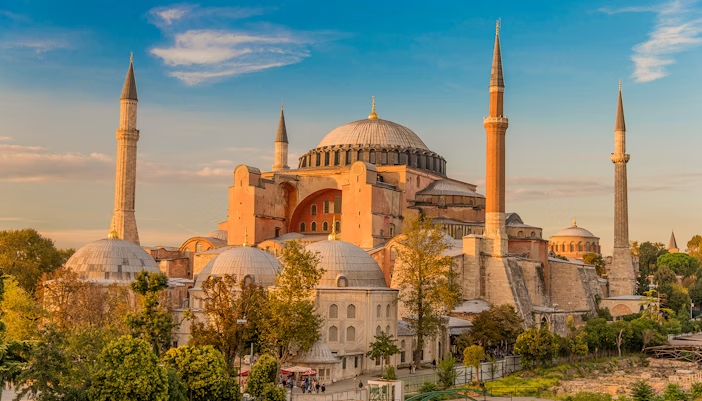
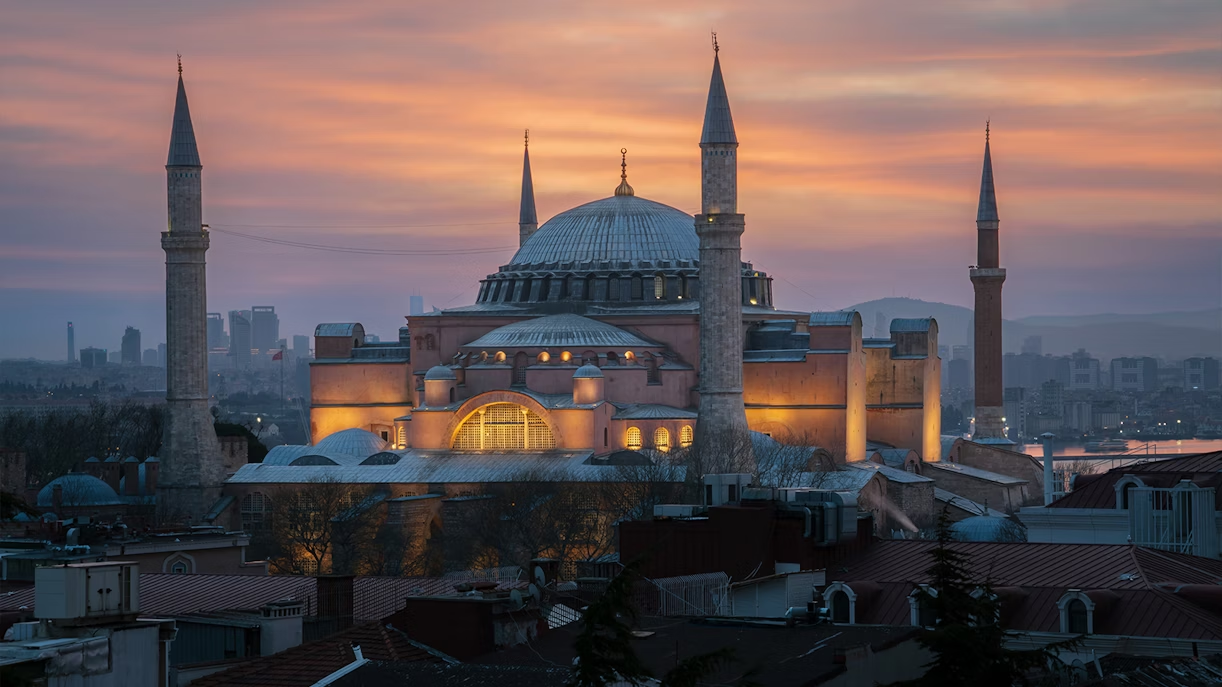
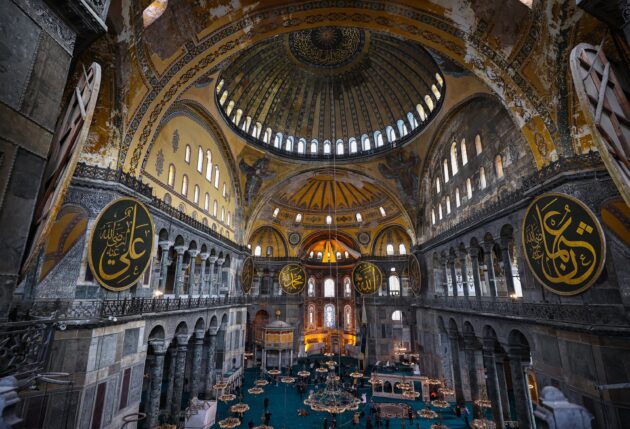
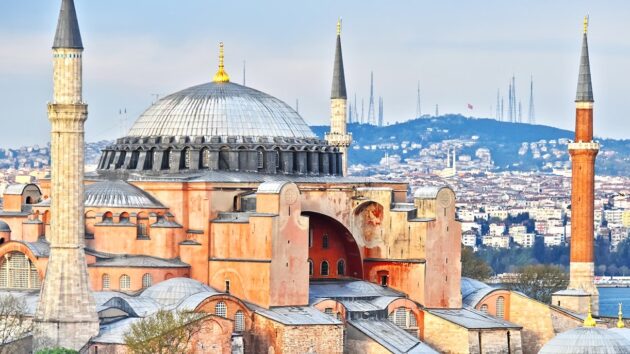
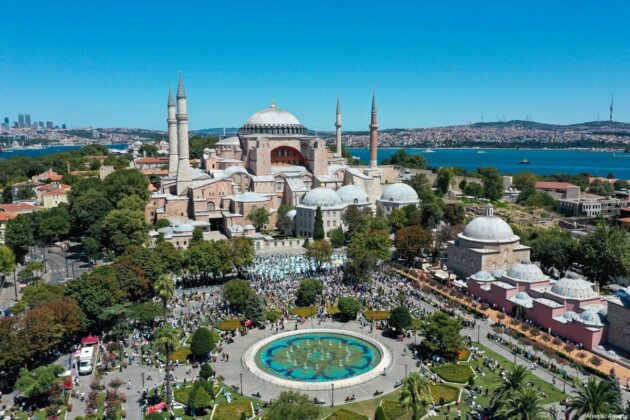
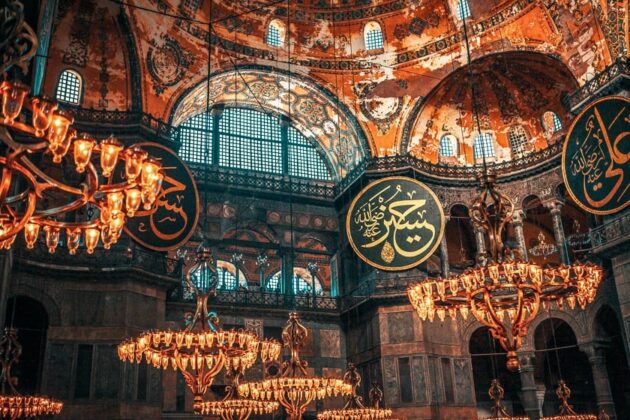
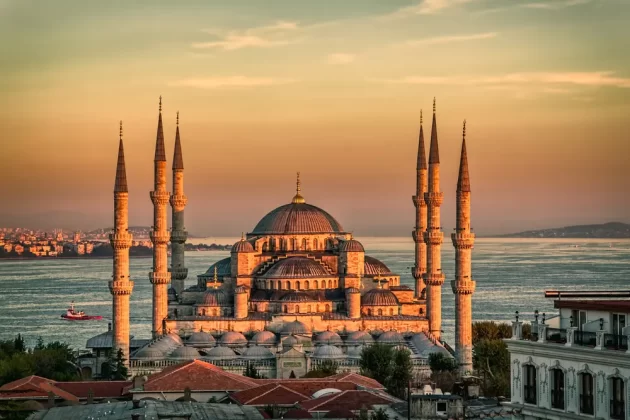
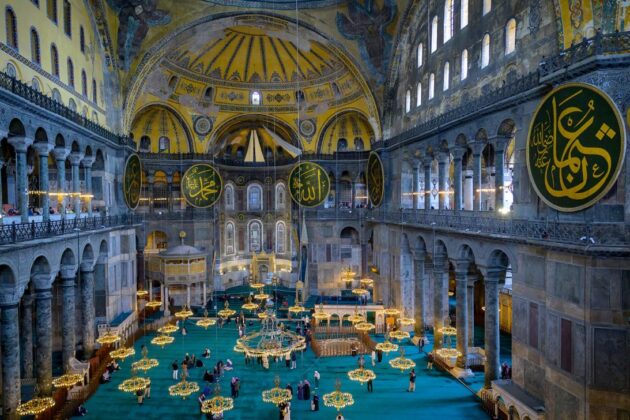
Nestled in the heart of Istanbul’s historic Sultanahmet district, the Hagia Sophia Grand Mosque (Ayasofya-i Kebir Cami-i Şerifi) stands as one of the world’s most iconic architectural marvels. Originally built as a cathedral in 537 AD under Emperor Justinian I, it served as the center of Eastern Orthodox Christianity for nearly a millennium before being converted into a mosque by the Ottomans in 1453, a museum in 1935, and back to a mosque in 2020.
Blue Mosque
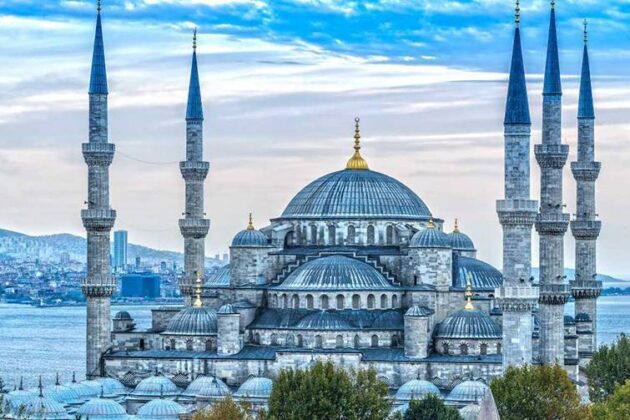
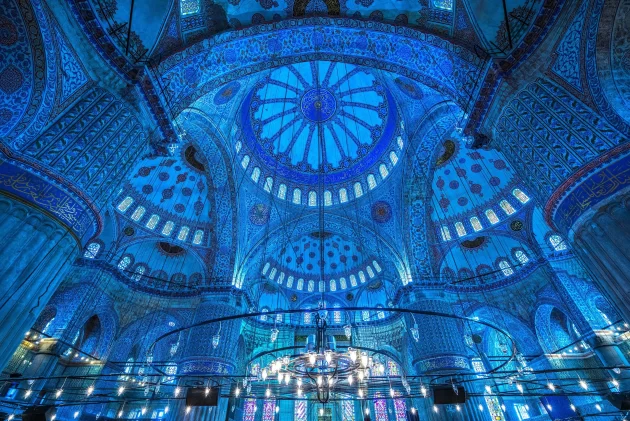
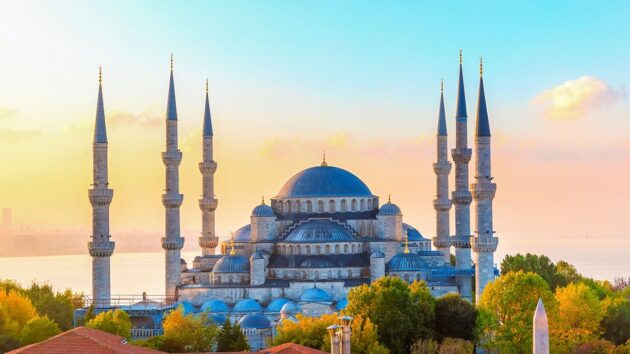
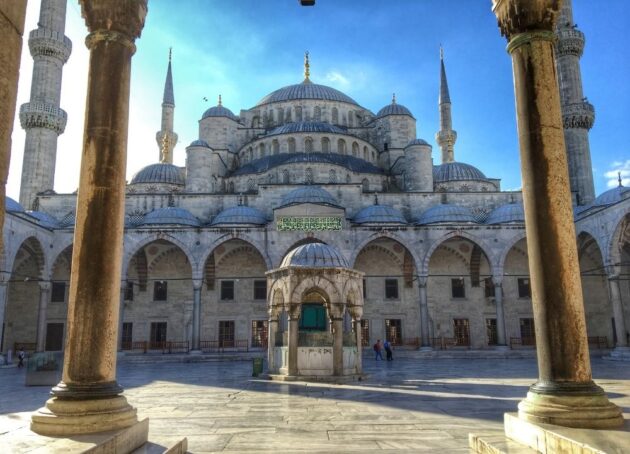
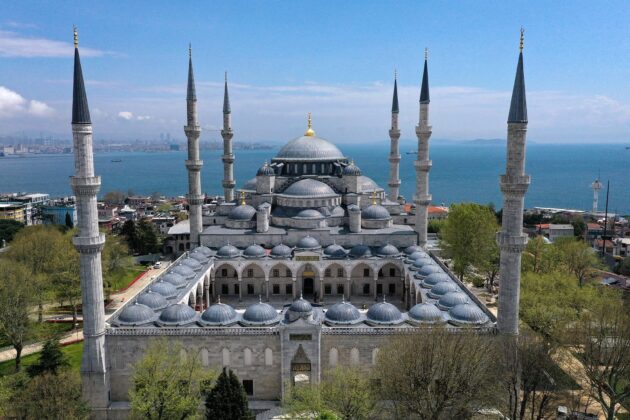
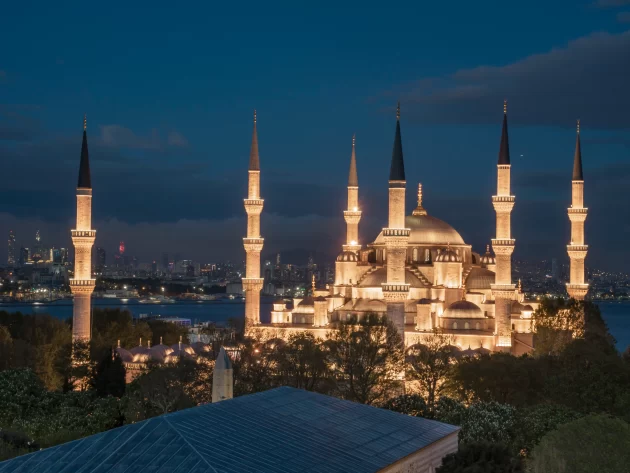
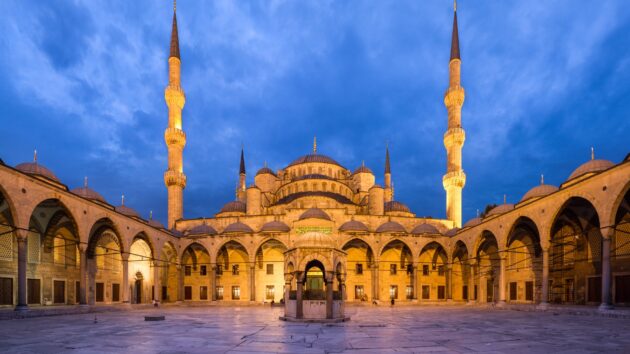
The Blue Mosque, officially known as the Sultan Ahmed Mosque, is one of Istanbul’s most iconic landmarks and a masterpiece of Ottoman architecture. Completed in 1616 under Sultan Ahmed I, this UNESCO World Heritage Site gets its name from the over 20,000 hand-painted blue Iznik tiles adorning its interior, creating a mesmerizing dome of azure hues. Nestled in the historic Sultanahmet district, it stands as a symbol of Islamic artistry and grandeur, drawing millions of visitors annually.
Topkapi Palace Museum
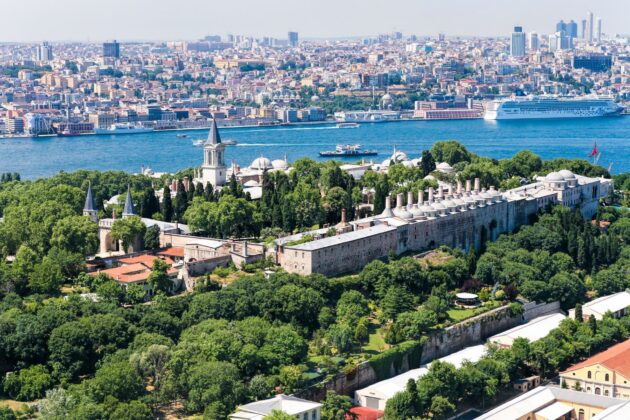
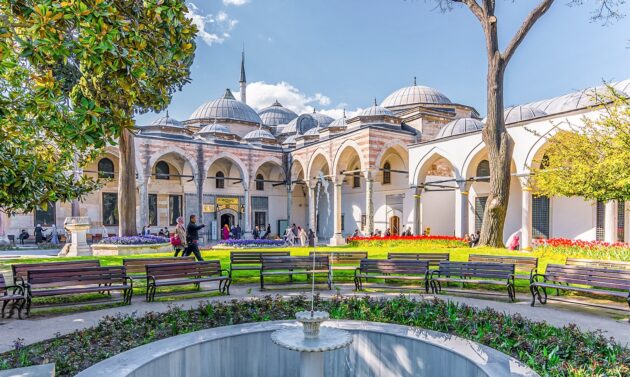
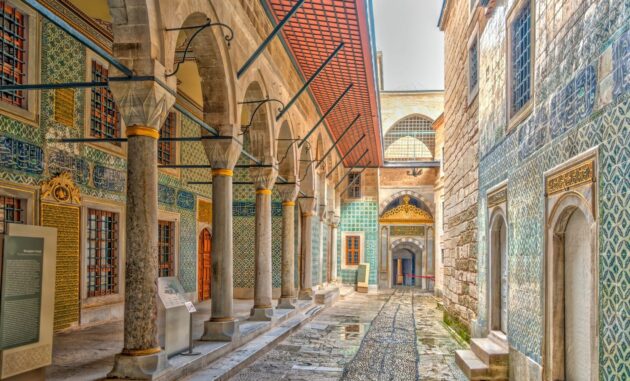
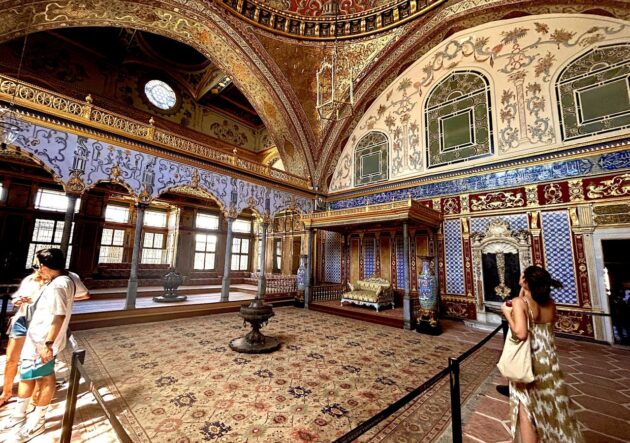
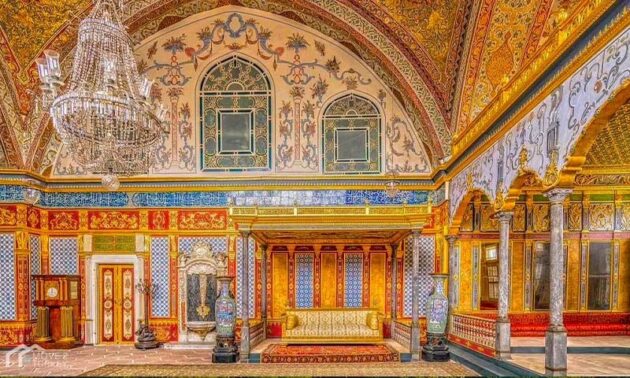
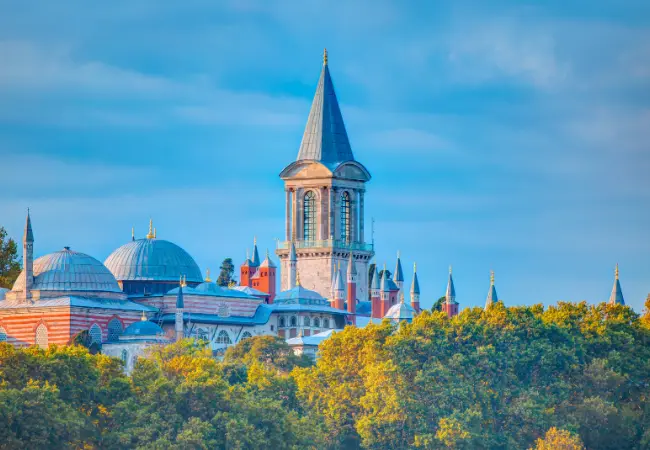
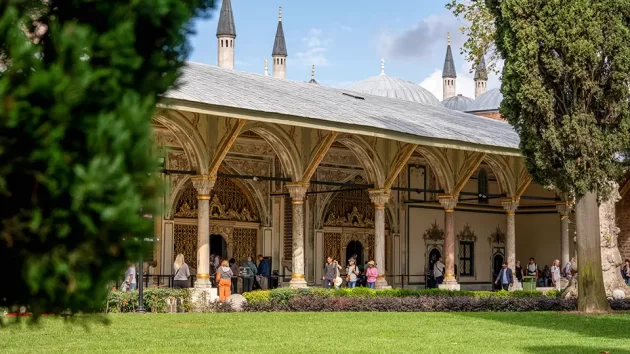
Topkapi Palace Museum, perched on the historic promontory overlooking the Bosphorus Strait and the Golden Horn, is one of Istanbul’s crown jewels and a UNESCO World Heritage site. Once the opulent residence of Ottoman sultans for nearly 400 years (from 1459 to 1856), it now serves as a sprawling museum showcasing the grandeur of the Ottoman Empire.
Grand Bazaar
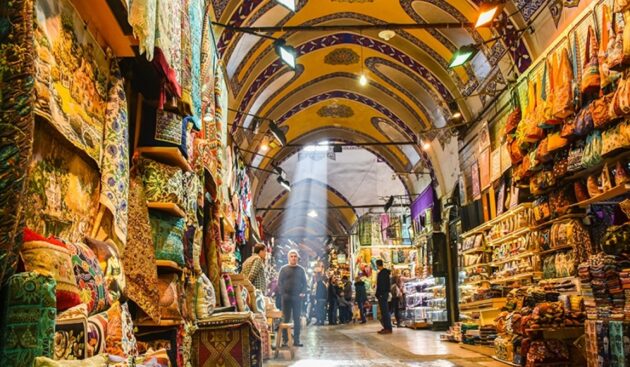
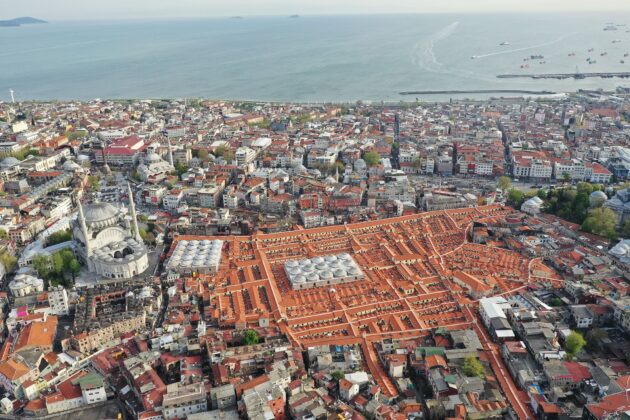
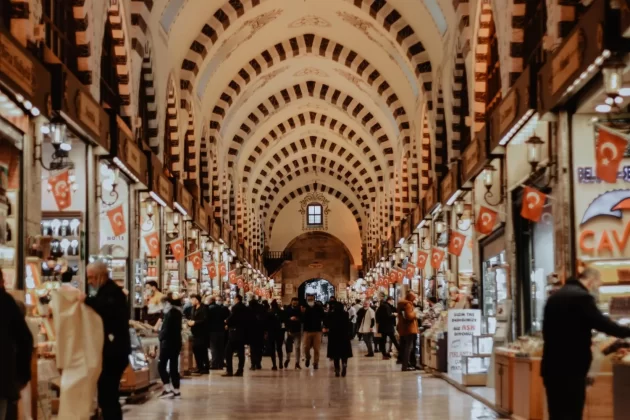
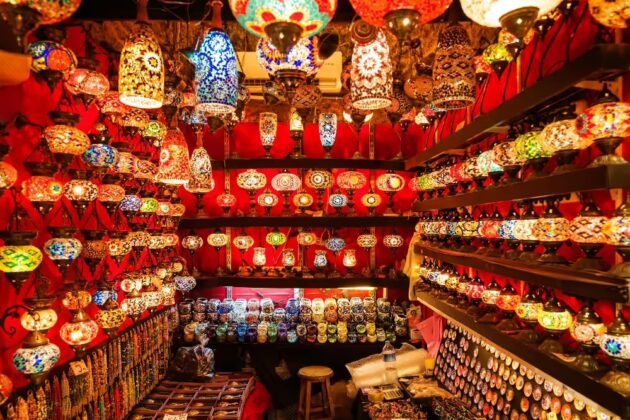
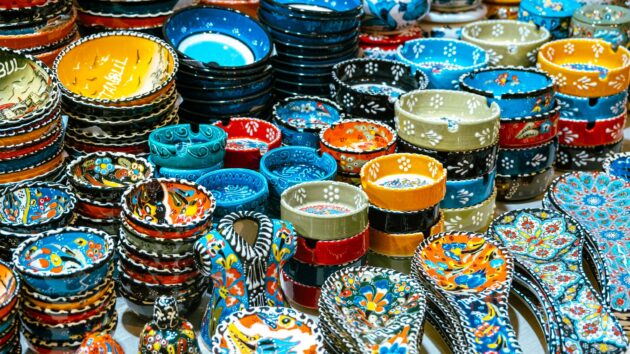
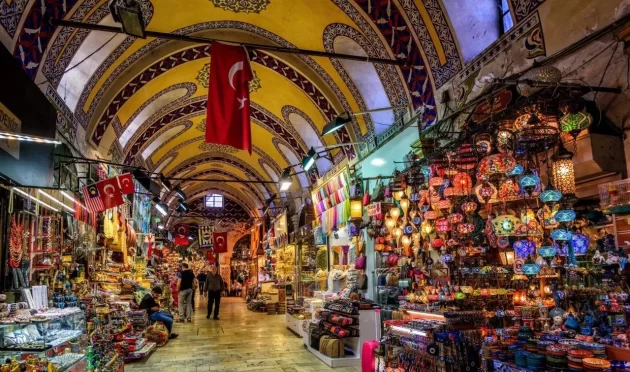
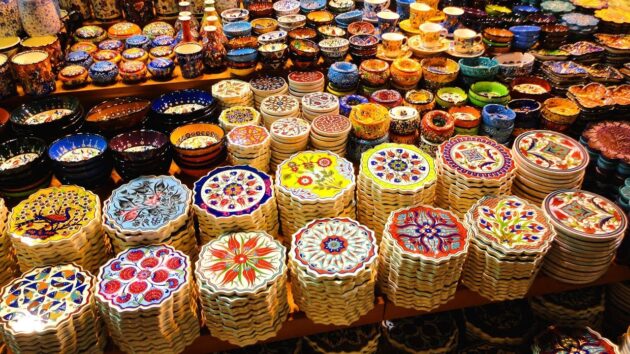
The Grand Bazaar in Istanbul, Türkiye, is one of the world’s oldest and largest covered markets. With its labyrinthine lanes housing over 4,000 shops, it offers a vibrant and captivating experience. Visitors can find a dazzling array of goods, from traditional Turkish carpets and lamps to jewelry, spices, and leather goods, all beneath its historic vaulted ceilings.
Egyptian Bazaar
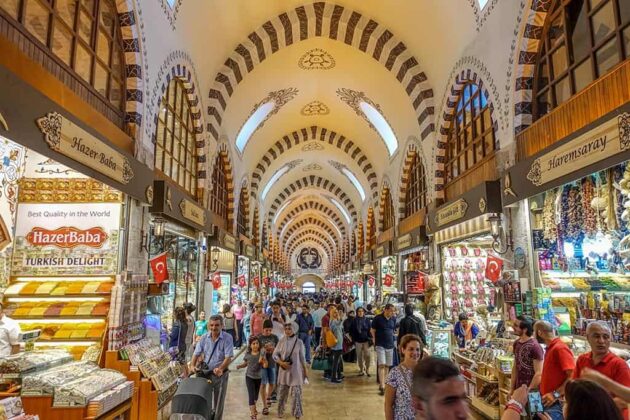
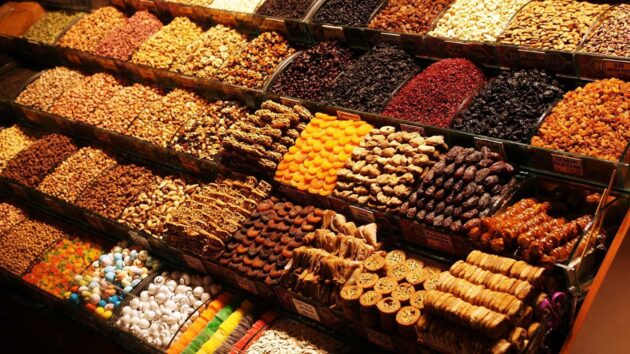
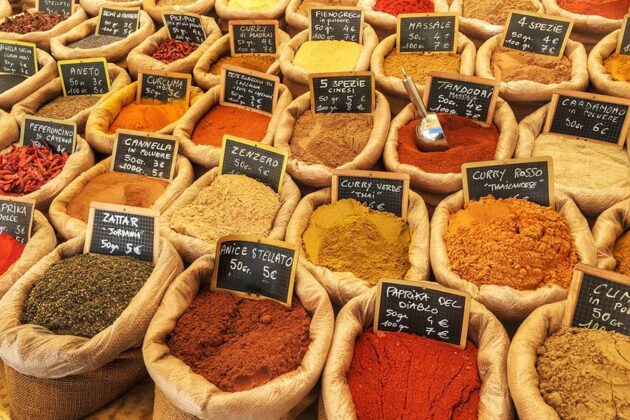
The Egyptian Bazaar, also known as the Spice Bazaar, is one of Istanbul’s most vibrant and iconic historical markets. Located in the Eminönü quarter, it is famed for its lively atmosphere and aromatic array of spices, herbs, teas, dried fruits, nuts, and Turkish delights. Built in the 17th century, its name derives from the spices that were once imported from Egypt.
Bosphorus Cruise
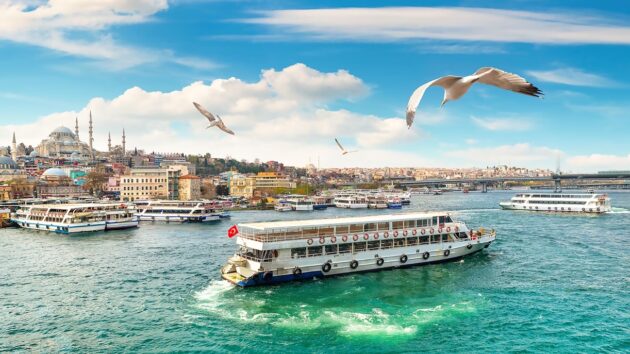
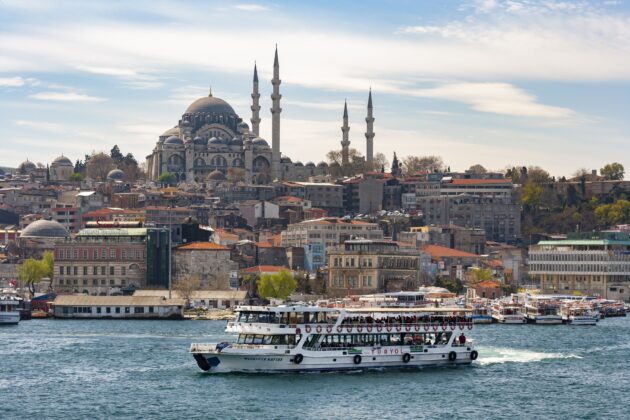
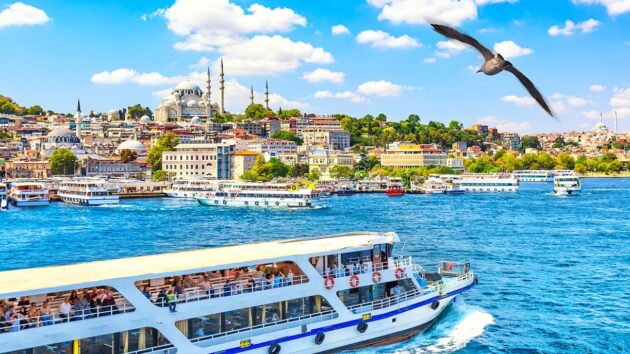
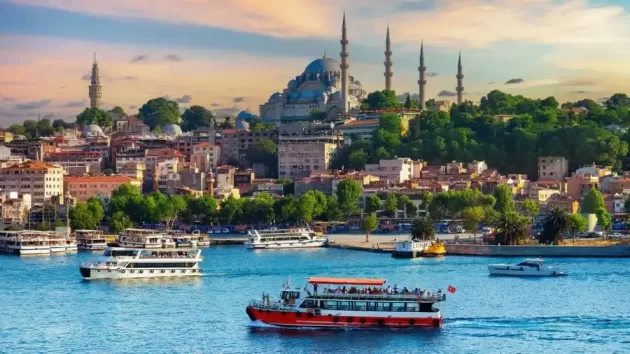
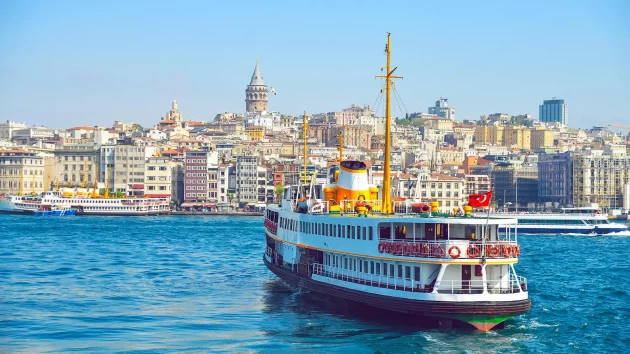
A Bosphorus Cruise in Istanbul, Türkiye, offers a breathtaking journey along the strategic strait that divides Europe and Asia. Gliding past the water, you’ll witness a stunning panorama of the city’s iconic landmarks, including opulent Ottoman palaces, ancient fortresses, and majestic mosques alongside modern villas. This unforgettable experience beautifully captures the unique blend of history, culture, and geography that defines Istanbul.
Basilica Cistern
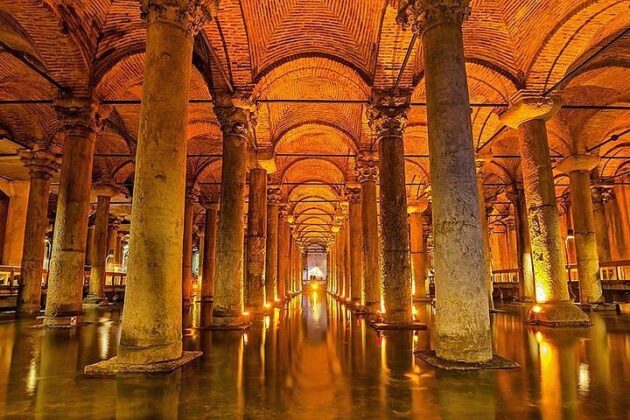
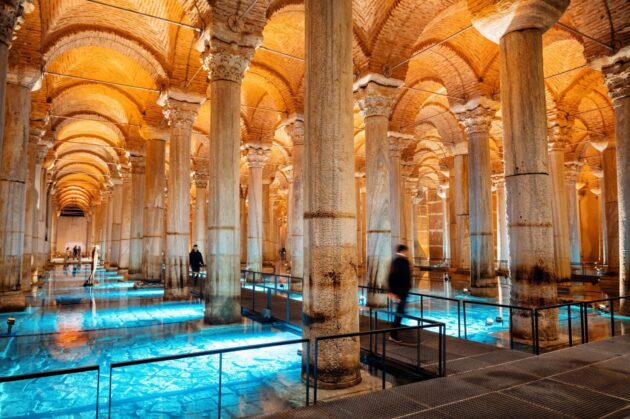
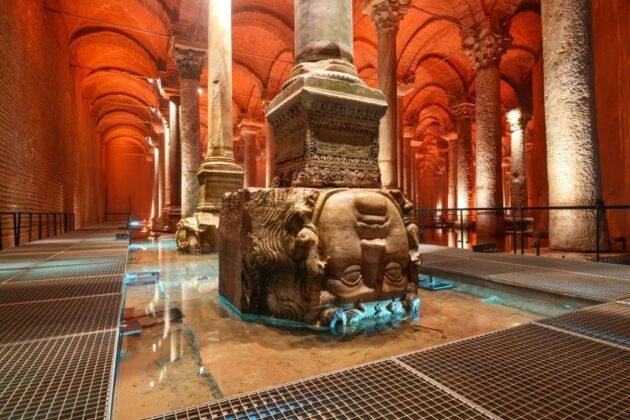
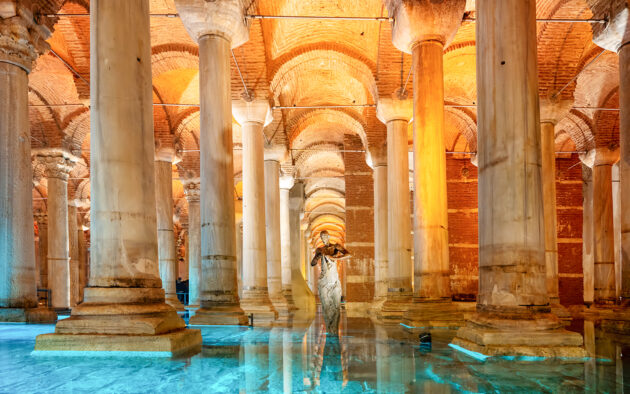
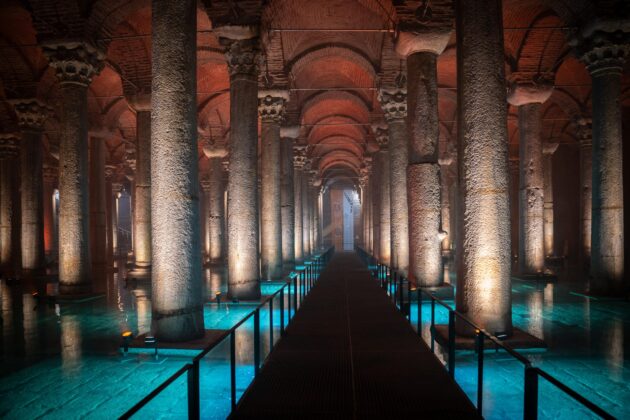
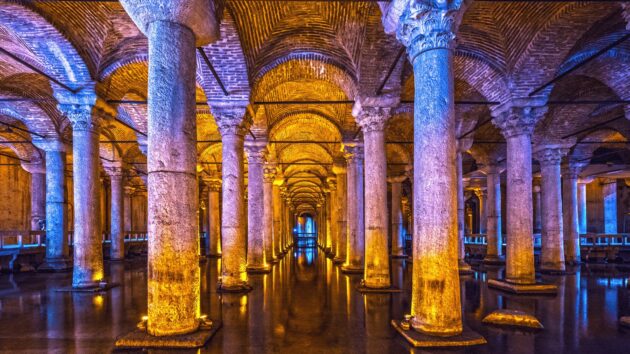
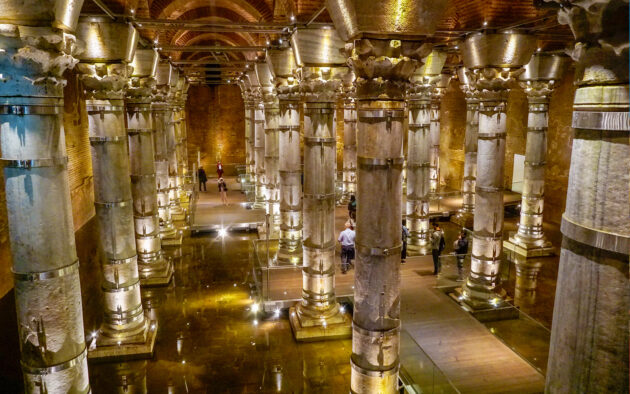
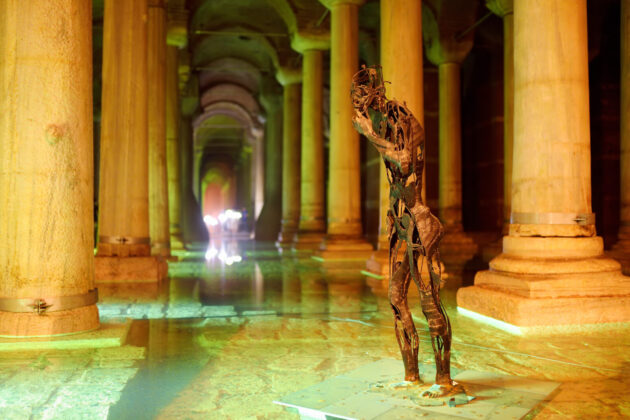
Nestled beneath the bustling streets of Istanbul’s historic Sultanahmet district, the Basilica Cistern (known locally as Yerebatan Sarnıcı or “Sunken Palace”) is a mesmerizing underground marvel that transports visitors back to the Byzantine era. Constructed in the 6th century as a massive water reservoir, this atmospheric site features 336 marble columns rising from shallow waters, illuminated by soft lights that create an ethereal glow.
Galata Tower
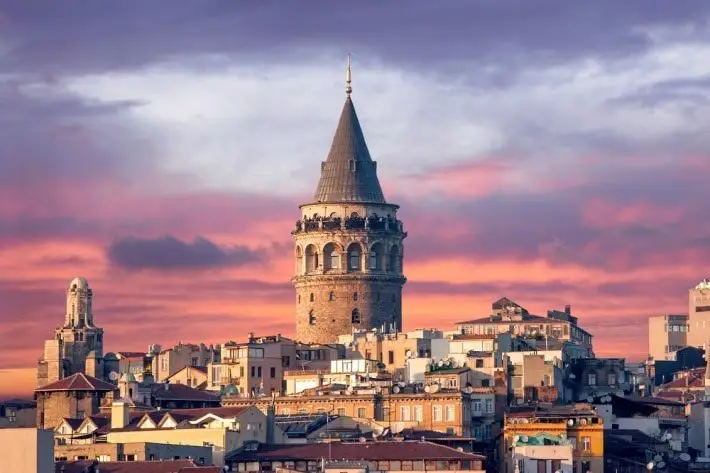
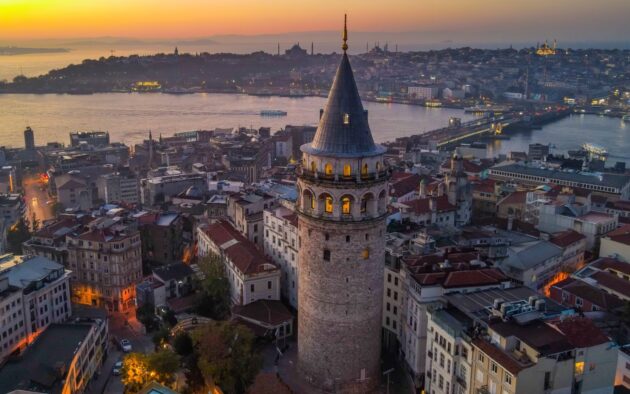
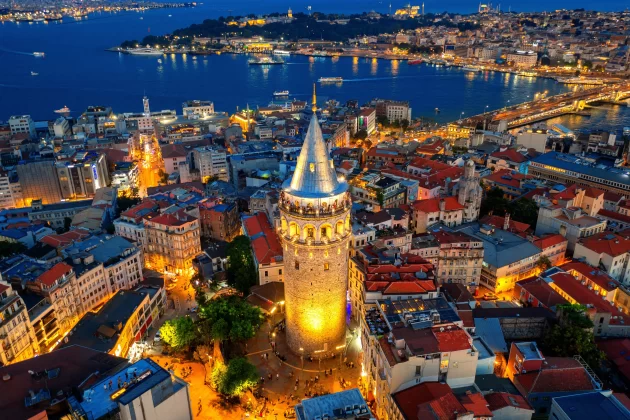
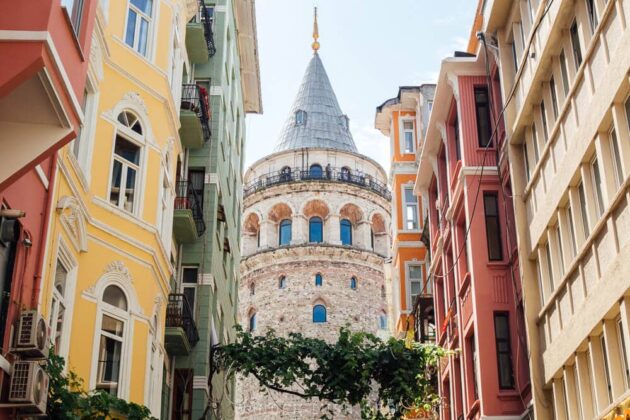
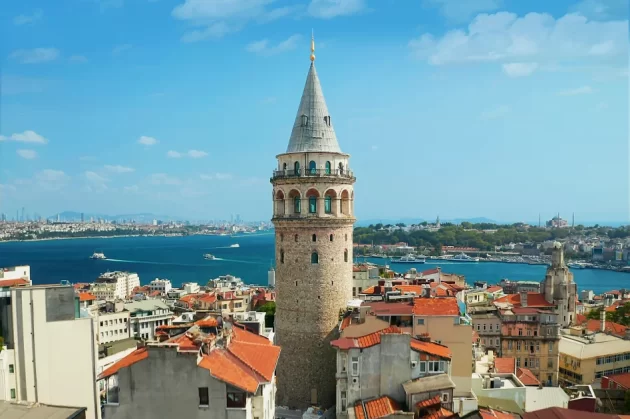
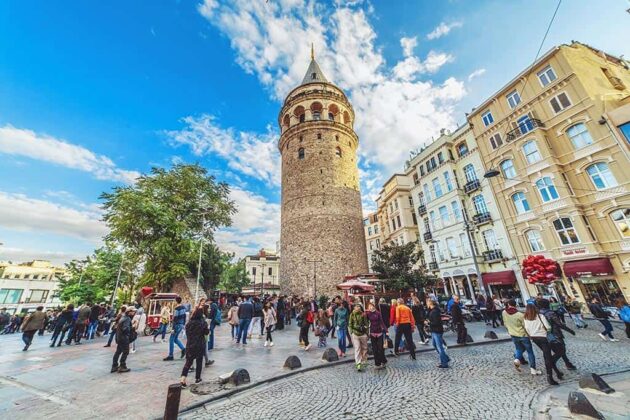
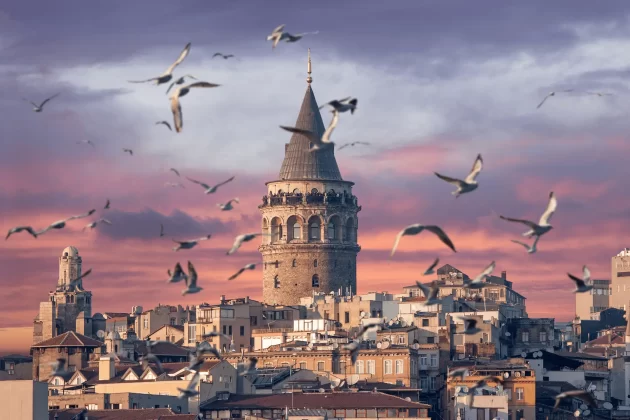
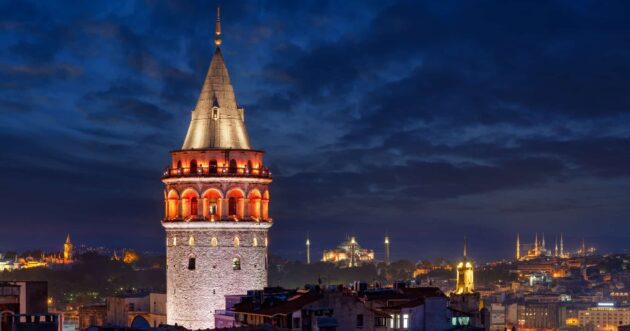
Nestled in the heart of Istanbul’s vibrant Beyoğlu district, the Galata Tower (Galata Kulesi) stands as one of the city’s most iconic landmarks. This medieval stone tower, perched on a hill overlooking the Golden Horn and the Bosphorus Strait, offers breathtaking panoramic views and a glimpse into Istanbul’s layered history. Built in 1348 by Genoese colonists as a watchtower and lighthouse, it has served various roles over the centuries—from a prison to an observatory—before becoming a popular tourist museum.
Dolmabahçe Palace
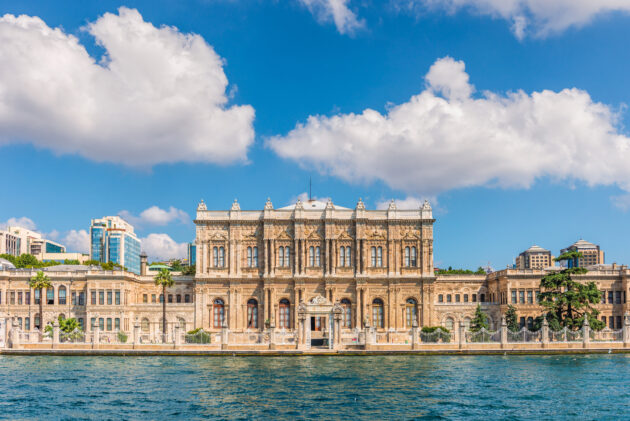
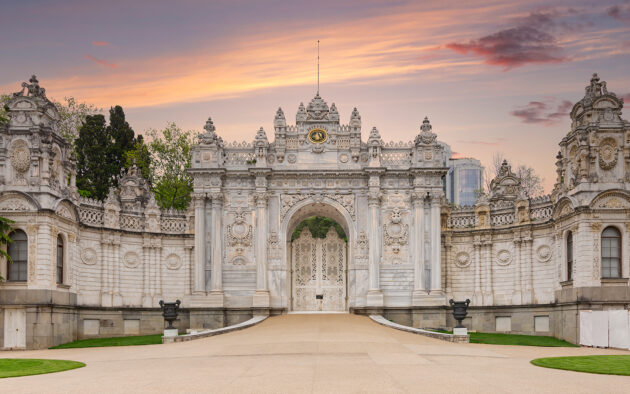
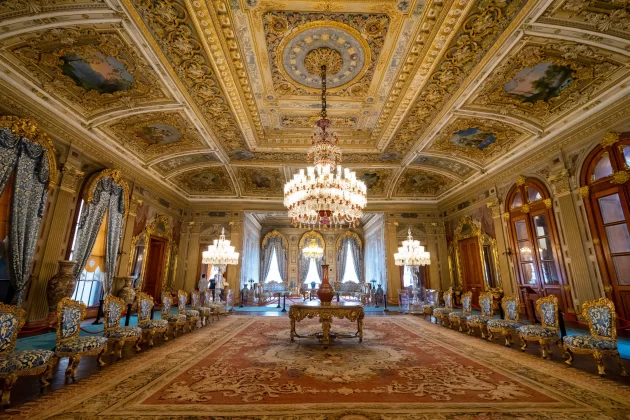
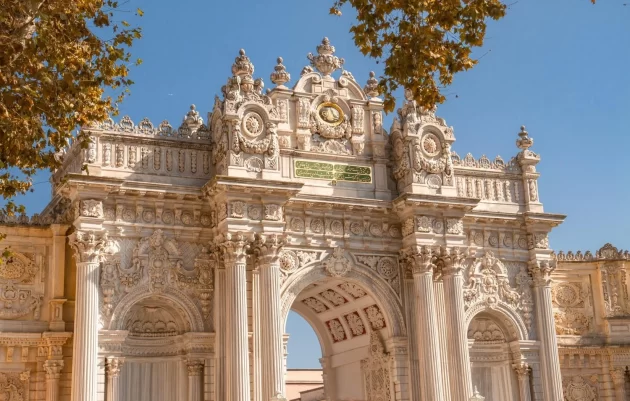
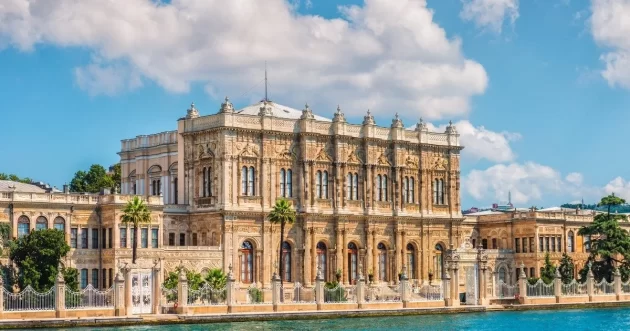
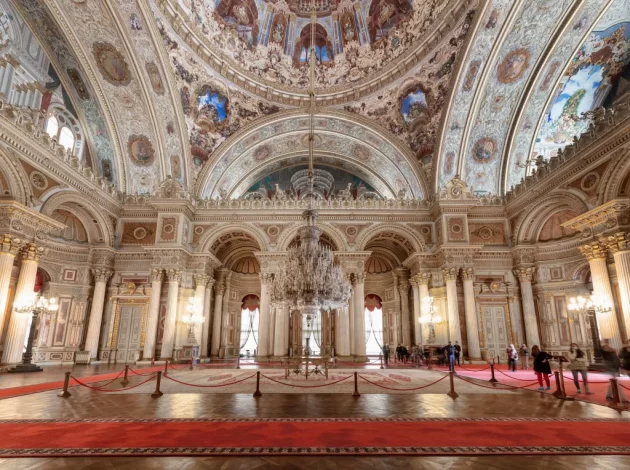
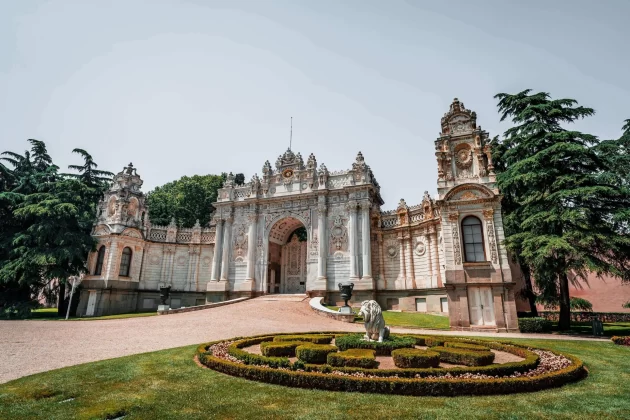
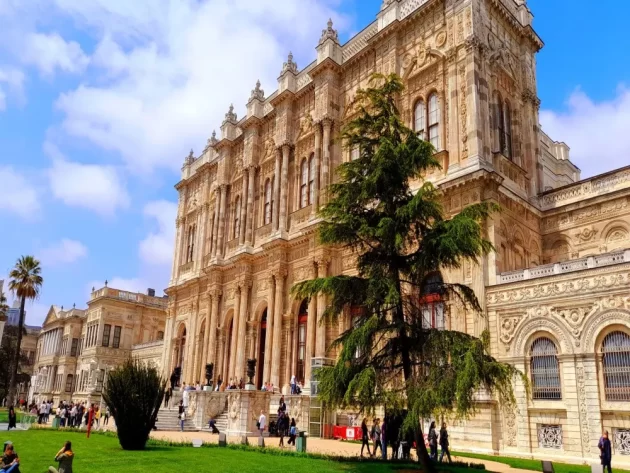
Nestled along the shimmering shores of the Bosphorus Strait in Istanbul’s Beşiktaş district, Dolmabahçe Palace stands as a testament to the Ottoman Empire’s final flourish of opulence and European influence. Built in the mid-19th century, this sprawling complex replaced an older wooden palace and served as the administrative center and primary residence of Ottoman sultans until the empire’s end in 1922.
Kariye Mosque
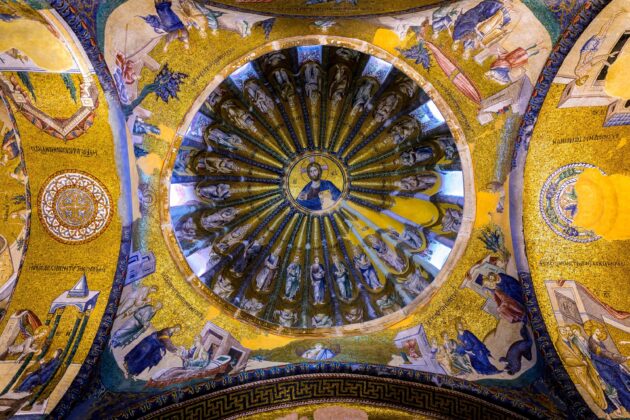
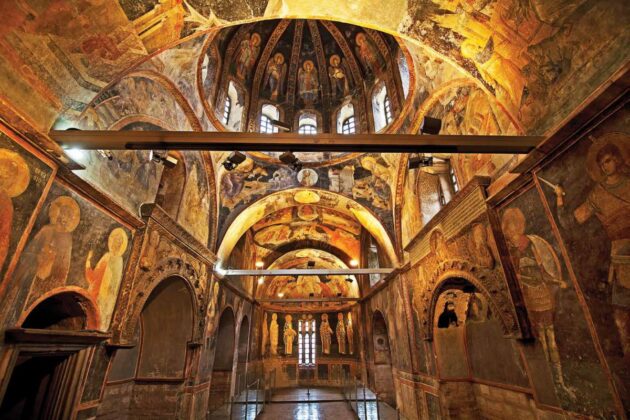
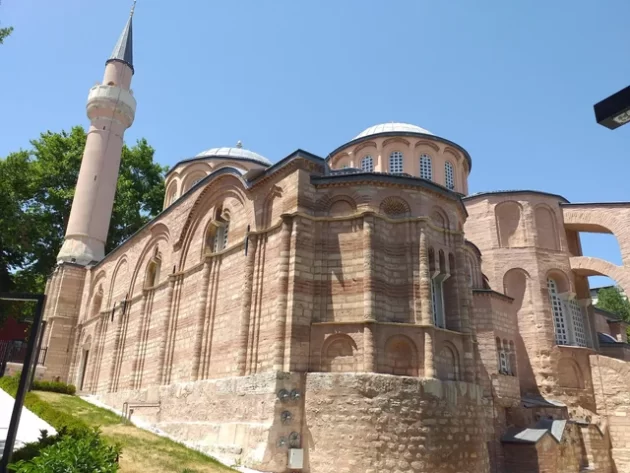
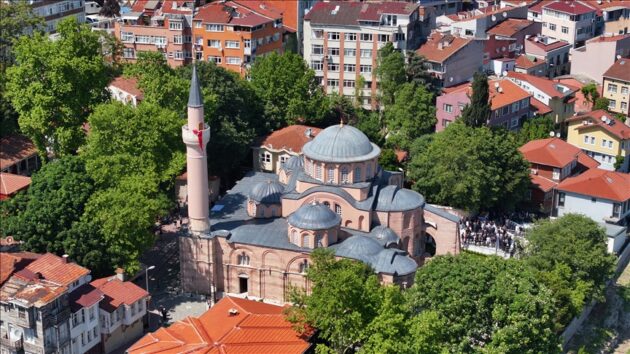
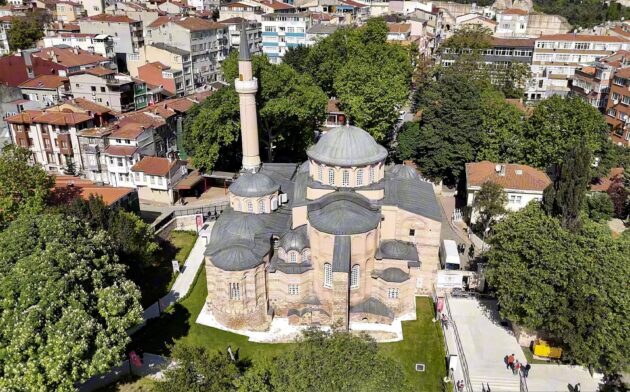
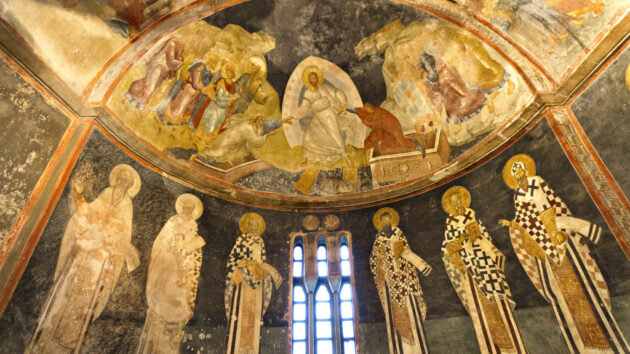
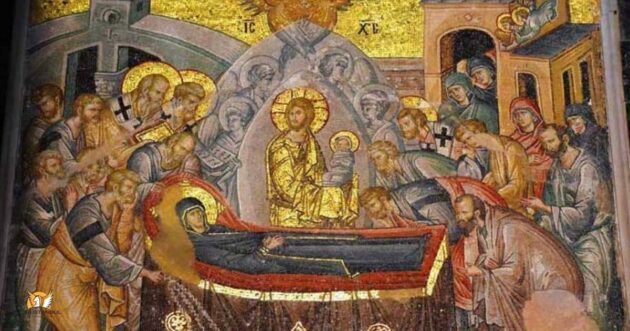
Nestled in the historic Fatih district of Istanbul, Kariye Mosque—formerly known as the Chora Church or Kariye Museum—stands as a breathtaking testament to Byzantine artistry and the city’s layered religious heritage. Dating back to the 11th century with major renovations in the 14th century, this UNESCO-recognized gem is celebrated for its exquisite mosaics and frescoes, which rival those of Hagia Sophia.
Süleymaniye Mosque
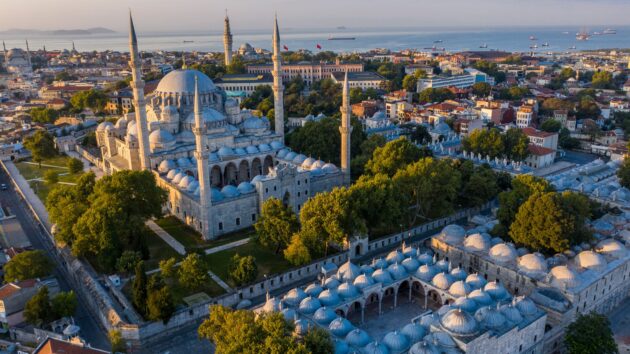
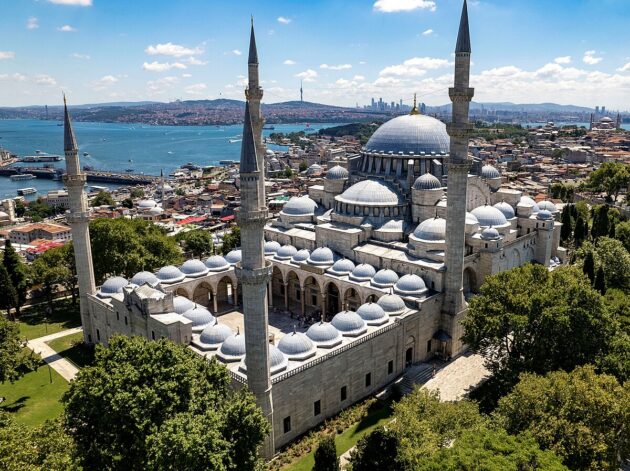
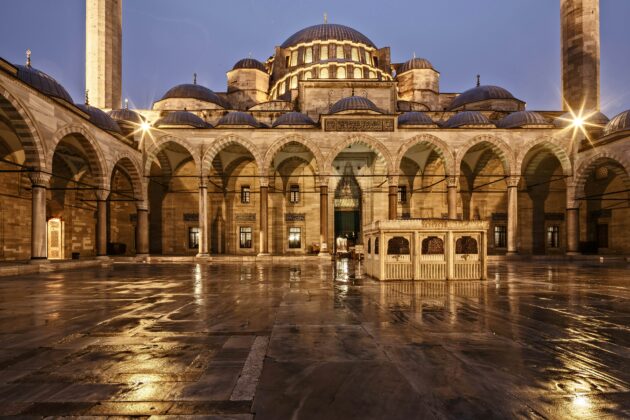
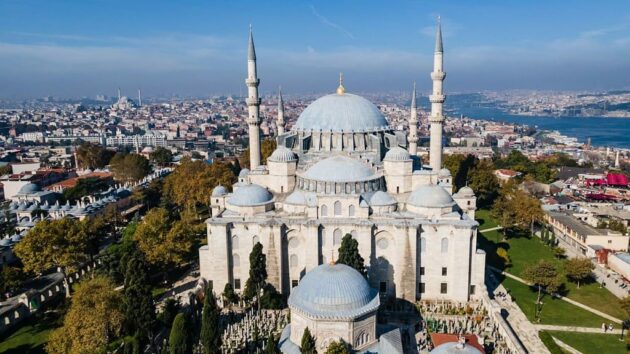
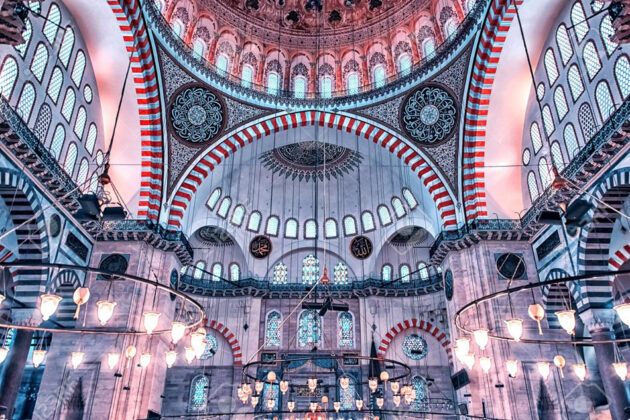
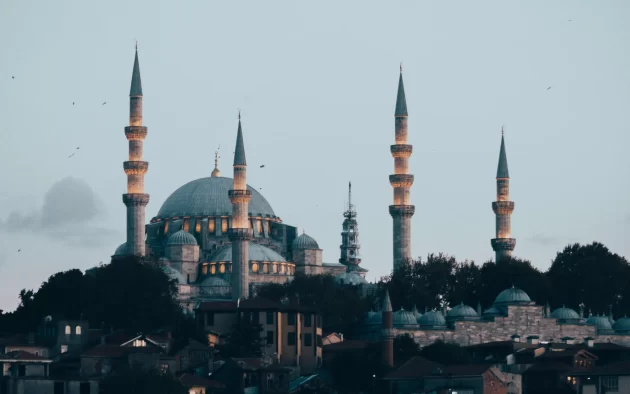
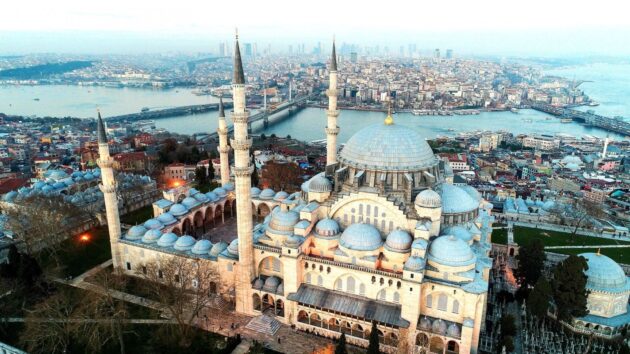
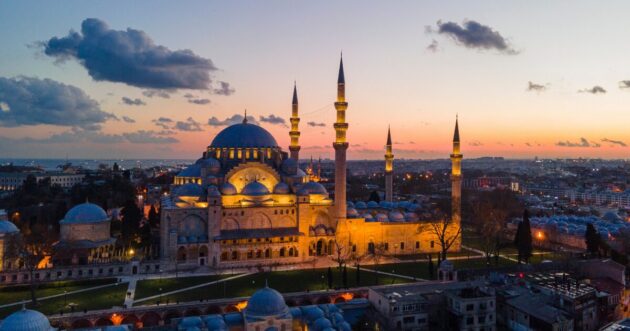
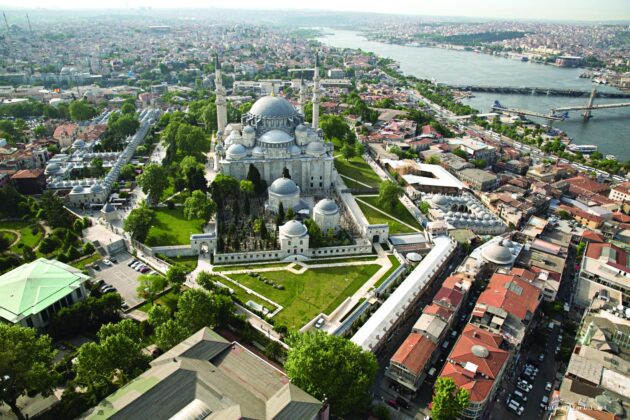
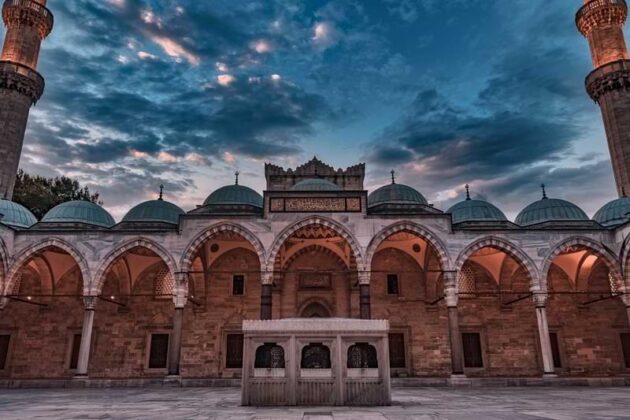
Nestled on Istanbul’s third hill in the historic Fatih district, the Süleymaniye Mosque stands as one of the city’s most magnificent Ottoman architectural gems. Commissioned by Sultan Süleyman the Magnificent and designed by the legendary architect Mimar Sinan, this 16th-century masterpiece is not just a place of worship but a sprawling külliye (religious-social complex) that includes madrasas, a hospital, library, and tombs.
Istanbul Archaeological Museums
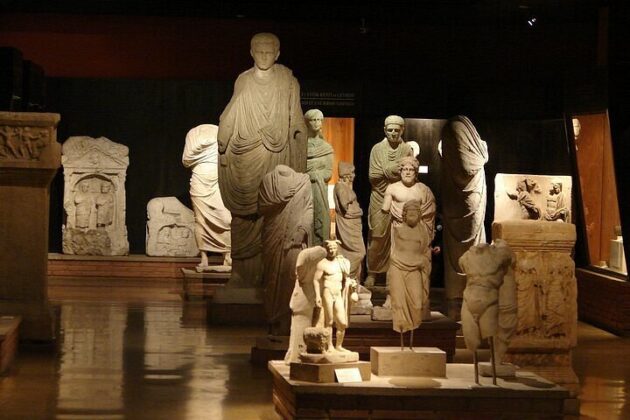
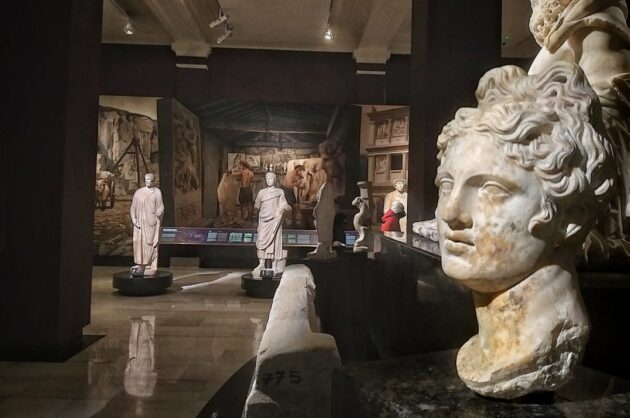
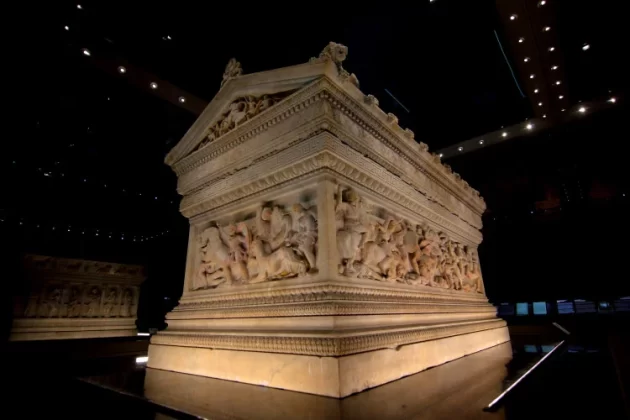
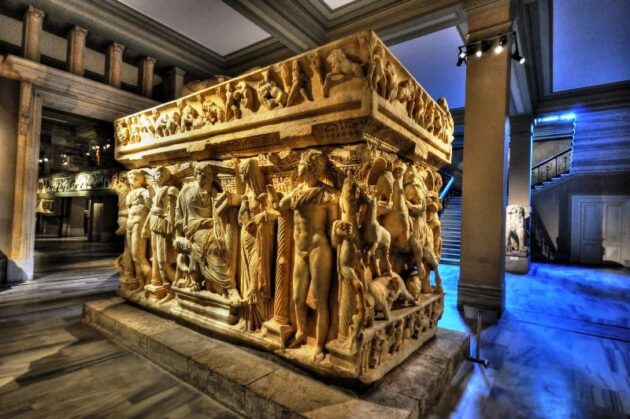
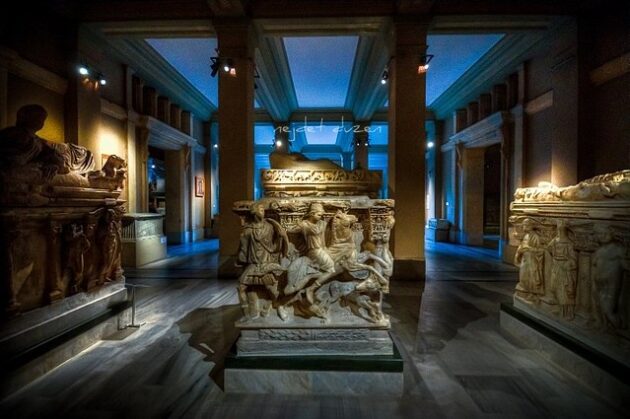
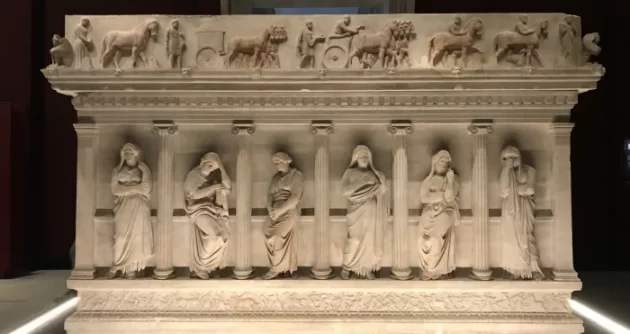
Nestled in the heart of Istanbul’s historic Sultanahmet district, the Istanbul Archaeological Museums complex is a treasure trove of ancient history, housing over one million artifacts from civilizations that once spanned the globe. Comprising three main buildings—the Archaeology Museum, the Museum of Ancient Orient Artifacts, and the Tiled Kiosk—this UNESCO-recognized site offers a captivating journey through millennia of human achievement.

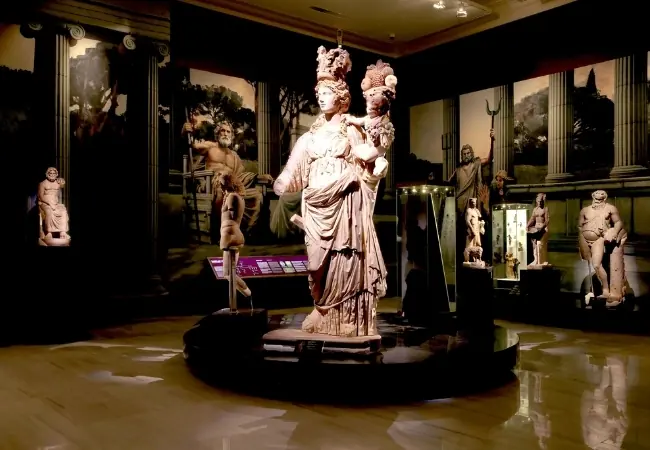
Rumeli Fortress
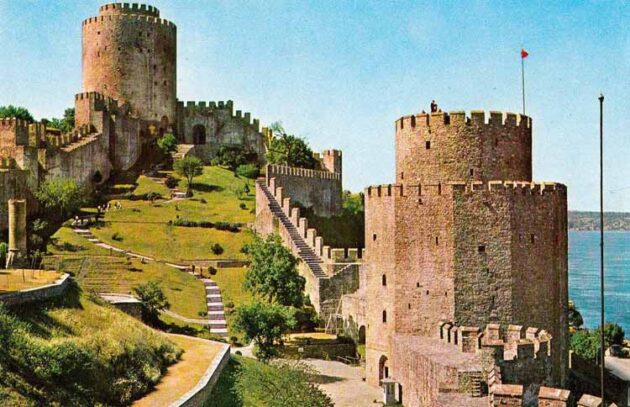
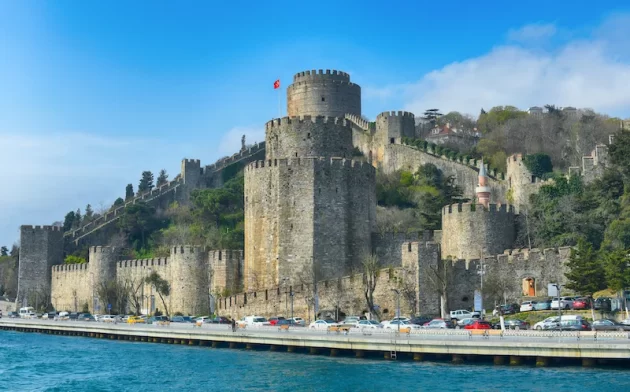
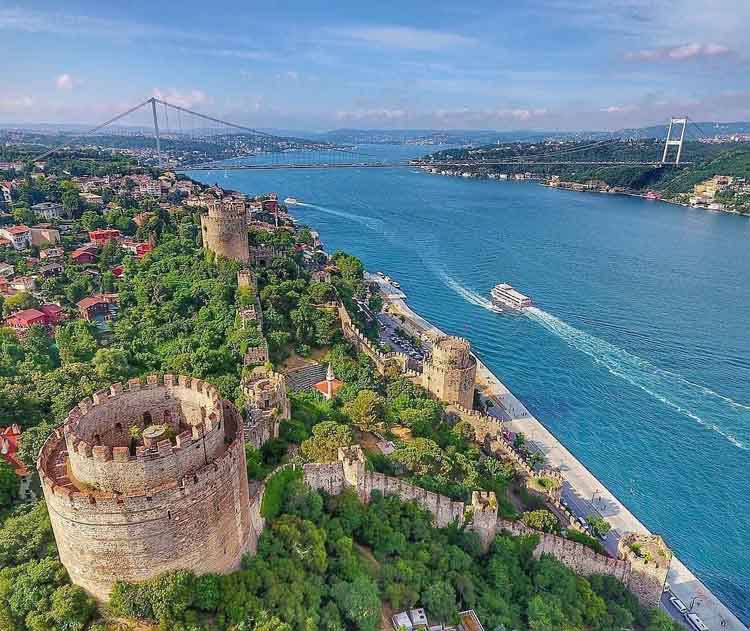
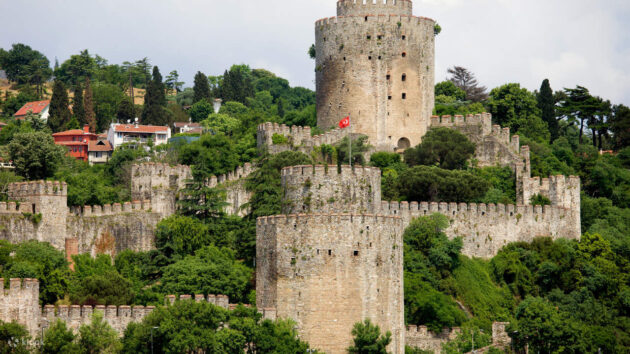
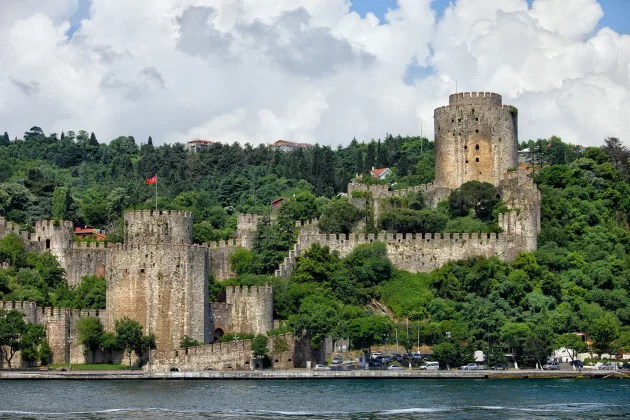
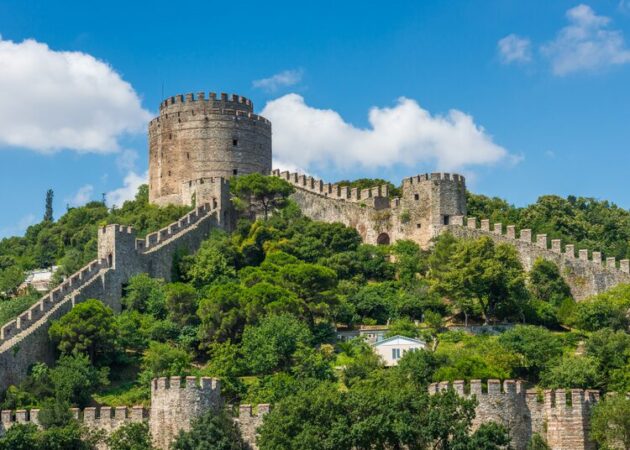
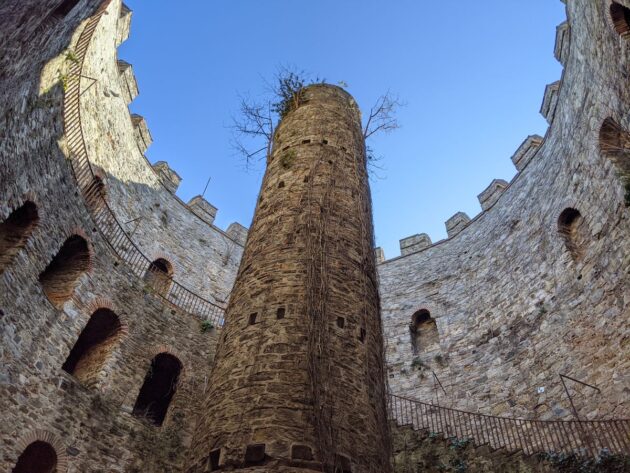
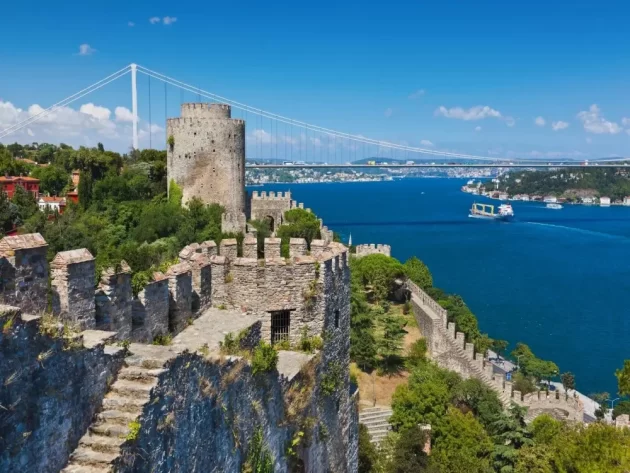
Nestled on the European shores of the Bosphorus Strait in Istanbul, Rumeli Fortress—known locally as Rumeli Hisarı—is a stunning 15th-century Ottoman masterpiece that stands as a testament to military ingenuity and imperial ambition. Perched at the narrowest point of the strait (just 660 meters wide), this imposing structure offers breathtaking panoramic views of the water, the Asian side, and the historic skyline of Istanbul.
Where to Stay
Choose based on vibe—historic, hip, or local. Expect €50-150/night mid-range.
Sultanahmet (Old City): Central for sights. Luxury: Four Seasons Sultanahmet (€400+); Boutique: Ibrahim Pasha Hotel (€150); Budget: Cheers Hostel (€30).
Beyoğlu/Taksim: Trendy nightlife on İstiklal Street. Luxury: Peninsula Istanbul (€500+); Boutique: Purl Hotel (€200); Budget: Cheers Midtown (€40).
Karaköy/Galata: Harbor cool. Luxury: Galata Istanbul MGallery (€300); Budget: Hush Hostel (€35).
Kadıköy (Asian Side): Authentic, less touristy. Boutique: Parkhouse Hotel (€150); Budget: Hush Lounge Hostel (€30).
Family pick: Crowne Plaza Florya with pools. Book via Booking.com for deals.
Where to Eat
Turkish cuisine is a highlight—mezes, kebabs, and sweets. Budget: 100-300 TL/meal.
Street Food: Simit (sesame bread), döner wraps, and balık ekmek (fish sandwich) from Bosphorus vendors.
Iconic Spots: Sultanahmet Köftecisi for meatballs; Asitane for Ottoman feasts; Nicole (Michelin-starred) for innovative tasting menus with views (€100+).
Neighborhood Eats: Kadıköy for seafood; Beyoğlu meyhane for raki and small plates; Spice Bazaar for Turkish delight.
Must-Try: Breakfast spreads (menemen eggs, cheeses), baklava, and Turkish coffee. Vegetarian options abound at Aheste.
Getting Around
Istanbul’s traffic is chaotic—opt for public transport.
Istanbulkart: Reloadable card (€0.50) for metro, trams, buses, and ferries (unlimited rides ~200 TL/day).
Ferries: Scenic and cheap (vapur lines cross the Bosphorus).
Metro/Tram: Efficient but crowded; M1/M2 lines to airports.
Taxis/Rideshares: Use BiTaksi app to avoid scams (meter on).
Walking: Cobblestone streets in the Old City—wear comfy shoes.
Practical Tips and Safety
Currency/Language: Turkish Lira (TL; ~1 USD = 34 TL). ATMs everywhere; cards accepted. English is common in tourist spots; learn “merhaba” (hello) and “teşekkürler” (thanks).
Dress/Sim Card: Modest attire for mosques (scarf for women). Buy a SIM (Turkcell, 20GB for 200-300 TL) at the airport or bazaars—bring passport.
Tickets/Tipping: Museum Pass saves time; tip 5-10% at restaurants, 200 TL for guides.
Safety: Generally safe for solo travelers, even at night on public transport. Watch for pickpockets in crowds; women may encounter catcalls—ignore and stick to lit areas.
Sustainability: Use reusable water bottles; support local artisans over chains.
Istanbul is more vibrant than ever—embrace the chaos, savor the flavors, and let this timeless city rewrite your travel story. Safe journeys!