
A Travel Guide to Dolmabahçe Palace (2026)
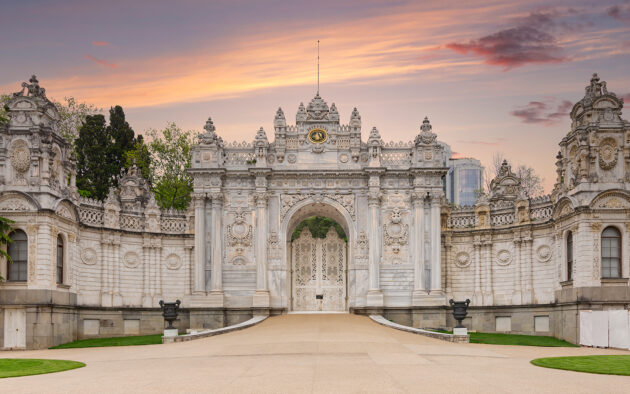
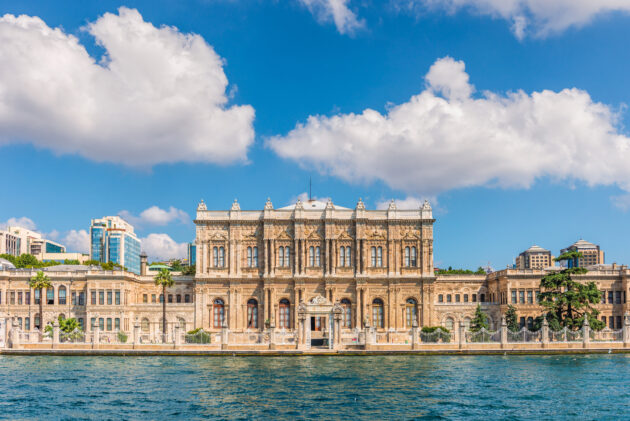
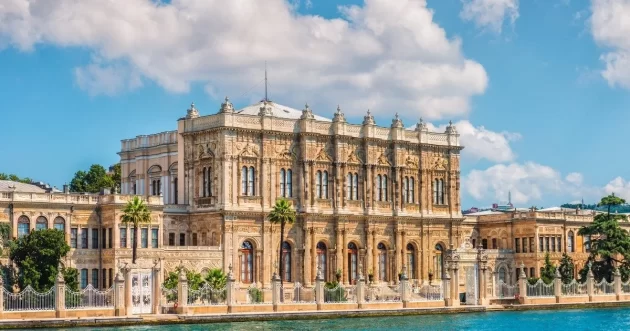
Nestled along the shimmering shores of the Bosphorus Strait in Istanbul’s Beşiktaş district, Dolmabahçe Palace stands as a testament to the Ottoman Empire’s final flourish of opulence and European influence. Built in the mid-19th century, this sprawling complex replaced an older wooden palace and served as the administrative center and primary residence of Ottoman sultans until the empire’s end in 1922. Today, it’s a UNESCO World Heritage candidate and one of Istanbul’s most visited sites, offering a glimpse into the lavish world where East met West. Whether you’re a history buff, architecture enthusiast, or simply seeking Instagram-worthy views, Dolmabahçe promises an immersive journey through gilded halls and manicured gardens.
Why Visit Dolmabahçe Palace?
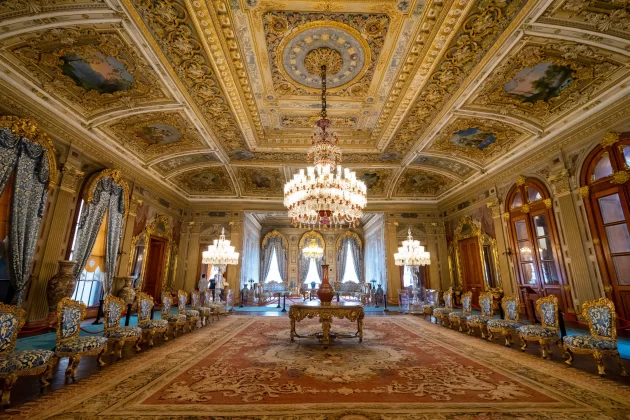
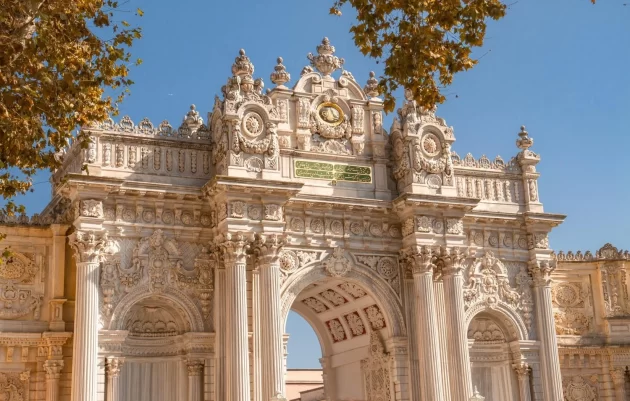
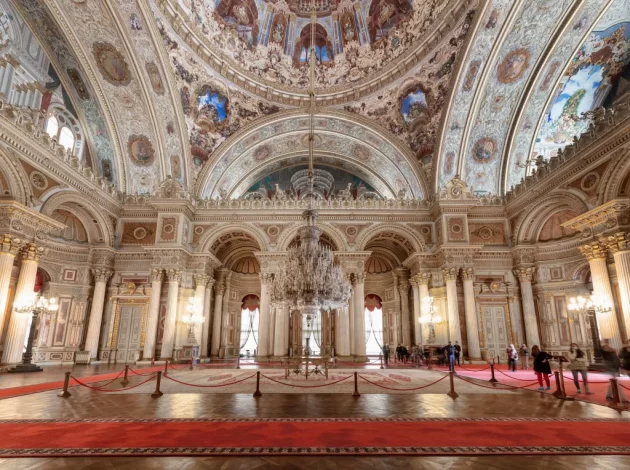
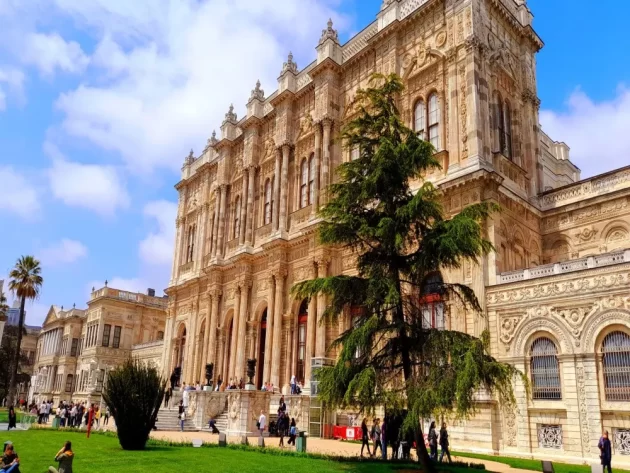
Dolmabahçe is more than a museum—it’s a living snapshot of Ottoman grandeur, blending neoclassical, Baroque, and Rococo styles with Turkish motifs. Highlights include the world’s largest Bohemian crystal chandelier (weighing 4.5 tons) and the poignant room where Mustafa Kemal Atatürk, founder of modern Türkiye, passed away in 1938. The palace’s Bosphorus-front location adds a layer of romance, with sea breezes and panoramic vistas that make it a highlight of any Istanbul itinerary.
A Brief History
Commissioned by Sultan Abdülmecid I in 1843 and completed in 1856, Dolmabahçe was designed by Armenian architects Garabet Balyan and his son Nizam to rival Europe’s royal residences like Versailles. Spanning 110,000 square meters with 285 rooms, 46 salons, six hammams, and four fountains, it symbolized the Ottoman Empire’s modernization efforts amid declining power. The palace hosted key events, including the proclamation of the constitutional monarchy in 1876. After the Republic of Türkiye was established, it became Atatürk’s summer residence until his death here. Today, managed by the Milli Saraylar (National Palaces), it preserves over 100,000 artifacts, from priceless porcelains to crystal staircases, reflecting a blend of Islamic tradition and Western extravagance.
How to Get There
Dolmabahçe is conveniently located on the European side of Istanbul, about 30-45 minutes from Sultanahmet (historic old city) by public transport.
By Public Transport: Take the T1 tram line to Kabataş station (a 5-10 minute walk to the entrance). From Taksim Square, hop on the F1 funicular to Kabataş. Ferries from Eminönü or Üsküdar also dock nearby at Kabataş pier.
By Taxi or Ride-Share: A taxi from Sultanahmet costs around 150-200 TL (about $4-6 USD); from the airport, expect 500-700 TL. Use apps like BiTaksi for reliability.
By Car: Free parking is limited; paid options are available in Beşiktaş. Note that traffic can be heavy—avoid peak hours (8-10 AM, 5-7 PM).
Accessibility: Wheelchair-friendly paths exist in the gardens, but the main palace involves stairs; elevators are available for those with mobility needs.
Pro tip: Combine your visit with a Bosphorus cruise departing from nearby piers for seamless sightseeing.
Best Time to Visit
Season: Spring (April-June) is ideal for mild weather (15-25°C/59-77°F) and blooming tulips in the gardens, while autumn (September-November) offers fewer crowds and comfortable temps. Summers (July-August) are hot and humid (up to 35°C/95°F), and winters can be chilly with rain.
Daily: Arrive at opening (9 AM) to beat tour groups and queues—mornings are quieter and cooler. Avoid Mondays when closed.
Note: With increased tourism, book tickets in advance, especially during Ramadan or national holidays when hours may shift.
What to See and Do
A visit typically lasts 2-3 hours, following a one-way guided path through the palace’s three main sections: Selamlık (public apartments), Harem (private quarters), and the gardens. Mandatory group tours (in Turkish or English) start every 20-30 minutes; audio guides are free with ID deposit.
Highlights: Ceremonial Hall (Muayede Salonu): The palace’s crown jewel—a vast, domed space with 36-meter-high ceilings, gilded frescoes, and that iconic chandelier. It’s a symphony of marble, crystal, and gold leaf.
Crystal Staircase: A floating marvel of Baccarat crystal and brass, symbolizing the palace’s extravagance—perfect for photos (outside only).
Harem Quarters: Intimate rooms with jewel-toned tiles, showcasing the sultans’ family life. Don’t miss the lavish Blue Room and Atatürk’s modest death chamber.
Art Gallery and Collections: Over 200 paintings by Ottoman and European masters, plus treasures like the 750-piece porcelain service gifted by Queen Victoria.
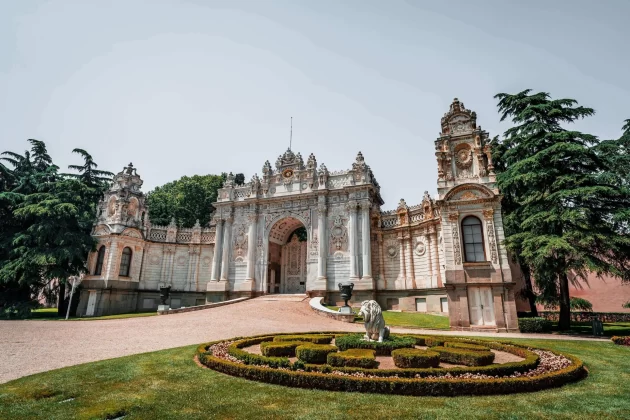
Gardens and Grounds: Stroll 11 hectares of manicured lawns, fountains, and aviaries with Bosphorus views. The Clock Tower and neoclassical stables add charm.
Tours and Experiences: Opt for skip-the-line audio-guided tickets (€32-50) or guided tours (€40-60) via platforms like GetYourGuide. For families, kid-friendly audio options highlight fun facts about sultans’ pranks.
Practical Information
Opening Hours: Tuesday-Sunday, 9:00 AM – 5:00 PM (last entry 4:00 PM). Closed Mondays and public holidays like Republic Day (October 29).
Ticket Prices: Ticket Type Price (TL) Notes Main Palace + Harem (Foreigners) 1,800 Includes guided tour; valid for 1 month. Istanbul Museum Pass 3,000 Covers multiple sites; main palace only. Children under 12 Free ID required. Disabled Visitors Free With official card. Buy online via the official Milli Saraylar site or apps to skip lines—cashless payments preferred (UnionPay accepted).
Visiting Tips: No photography inside; guards enforce strictly—leave bags at free cloakrooms. Wear shoe covers (provided) and comfortable shoes; no food/drink inside. Security checks for all; arrive hydrated—cafés serve Turkish tea and cakes (50-100 TL). Download the free Milli Saraylar app for virtual previews.
Crowds peak mid-morning; early visits yield better photos in the gardens.
Nearby Attractions
Ortaköy Mosque (10-min walk): Iconic waterfront prayer house with Kumpir (stuffed potatoes) street food nearby.
Bosphorus Cruise (5-min): Hop on a ferry for 1-2 hour tours (200-500 TL).
Taksim Square (15-min tram): Bustling hub with Istiklal Avenue shopping.
Çırağan Palace Kempinski (5-min): Luxe hotel for afternoon tea overlooking the strait.
Where to Stay and Eat
Stay: Base in Beşiktaş for proximity—try the Swissôtel The Bosphorus (luxury, ~$300/night) or budget-friendly Airbnb apartments (~$80/night).
Eat: Post-visit, head to Ortaköy for kebabs at Çırağan Palace Restaurant (200-400 TL) or casual fish sandwiches by the Bosphorus (50 TL).
Final Thoughts
Dolmabahçe Palace isn’t just a relic—it’s a bridge between empires and eras, where every chandelier drip and marble swirl whispers of lost splendor. With enhanced digital guides and sustainable tourism pushes, it’s more accessible than ever. Plan ahead, embrace the guided flow, and let the Bosphorus breeze carry you back in time. Your Istanbul adventure awaits—selam!
Safe travels!