
A Travel Guide to Kariye Mosque (2026)
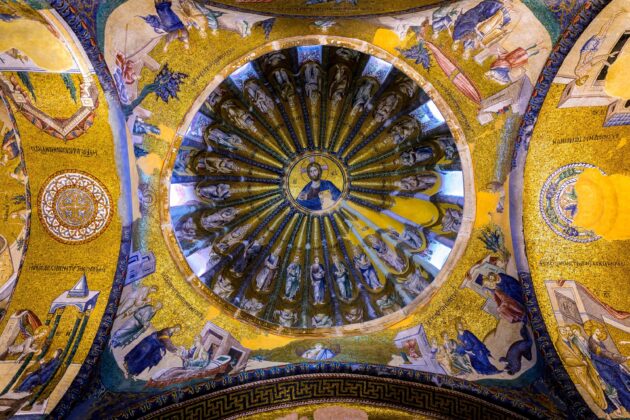
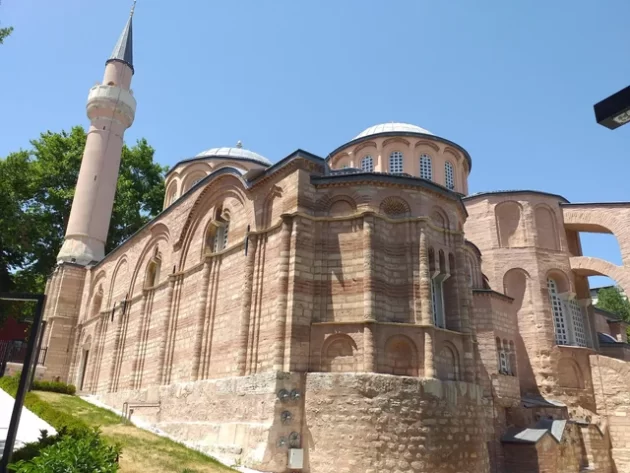
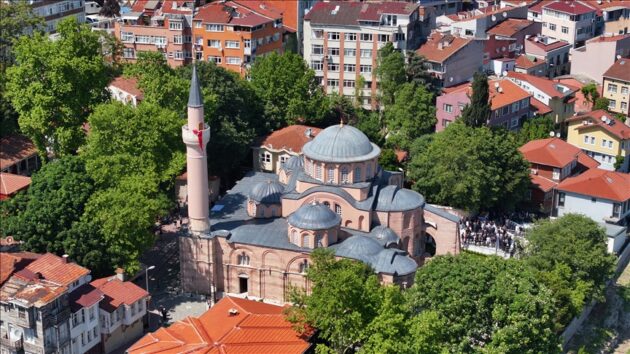
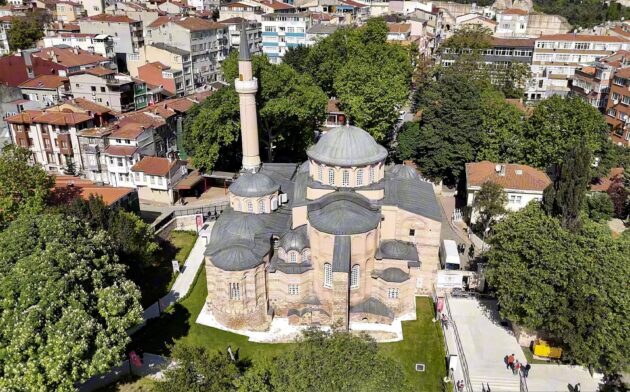
Nestled in the historic Fatih district of Istanbul, Kariye Mosque—formerly known as the Chora Church or Kariye Museum—stands as a breathtaking testament to Byzantine artistry and the city’s layered religious heritage. Dating back to the 11th century with major renovations in the 14th century, this UNESCO-recognized gem is celebrated for its exquisite mosaics and frescoes, which rival those of Hagia Sophia. Converted into a mosque in the 16th century, it served as a museum from 1945 until 2020, when it reverted to active worship. Today, it welcomes tourists to its upper galleries while the ground floor functions as a prayer space, offering a profound glimpse into Istanbul’s fusion of Christian and Islamic legacies. Whether you’re an art lover, history buff, or spiritual seeker, Kariye Mosque promises an intimate, awe-inspiring experience away from the crowds of Sultanahmet.
A Brief History
Originally built as the Church of the Holy Saviour in Chora outside Constantinople’s walls, Kariye was a monastery dedicated to the Virgin Mary. Its interiors were lavishly adorned between 1303 and 1320 under the patronage of Theodore Metochites, a prominent Byzantine statesman, featuring over 50,000 tiles in gold-backed mosaics depicting biblical scenes, the life of Christ, and the Virgin’s genealogy. After the Ottoman conquest in 1453, it became a mosque, with minarets and a mihrab added. The 20th-century restorations revealed its splendor, making it a must-see for Byzantine art enthusiasts.
How to Get There
Kariye Mosque is located in the quieter Edirnekapı neighborhood, about 4 km (2.5 miles) northwest of Sultanahmet and the Grand Bazaar.
By Public Transport: Take the T1 tram to Eminönü or Sultanahmet, then transfer to the T5 tram line toward Edirnekapı. Get off at the Edirnekapı stop—it’s a 5-minute walk. Alternatively, from Taksim, hop on the funicular to Kabataş, then the T1 tram.
By Bus: Buses 28, 87, or 90T from Eminönü or Taksim drop you near the entrance. Use an Istanbulkart for seamless travel (reloadable at kiosks).
By Taxi or Rideshare: A 10-15 minute ride from central Istanbul costs around 100-150 TL (about $3-5 USD). Uber/BiTaksi apps work well.
On Foot: From the Theodosian Walls (a short stroll from the mosque), it’s an easy 10-minute walk—perfect for combining with a city walls tour.
Note: Enter from the north side via Kariye Türbesi Street for security checks and ticket purchase.
Best Time to Visit
Season: Spring (April-June) and fall (September-October) offer mild weather (15-25°C/59-77°F) and fewer crowds. Summers can be hot and humid; winters chilly but less busy.
Daily Timing: Aim for early morning (right at 9 AM) or late afternoon (after 4 PM) to beat tour groups. Avoid Fridays entirely, as it’s closed to tourists for congregational prayers. Prayer times vary (check apps like Muslim Pro), but no entry 15 minutes prior, and the site closes during prayers.
Pro Tip: Weekdays are quieter than weekends. With the visitor management plan in place, expect moderate crowds, but it’s far less hectic than Hagia Sophia.
Tickets and Opening Hours
Hours: Open daily 9:00 AM to 6:00 PM (box office closes at 5:55 PM). Closed to tourists on Fridays; worshippers only.
Entrance Fee: 20€ for foreign non-Muslim visitors (cash or card; no Istanbul Museum Pass accepted). Free for Turkish citizens, Muslim foreigners (for prayer), and children under 8. Audio guides (headphones) are available for purchase at the entrance (around 5-10 TL).
Tickets: Buy on-site or online via official sellers like DEM Museums for skip-the-line access. No reservations needed, but pre-booking avoids queues.
Dress modestly: Long pants/skirts for all, shoulders covered, and headscarves for women (provided free or for a small fee at the entrance). Remove shoes before entering the prayer areas.
What to See and Do
Your visit (1-2 hours) focuses on the upper galleries, where the magic unfolds:
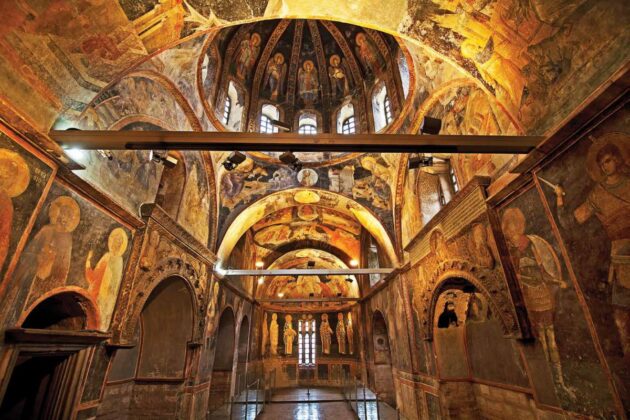
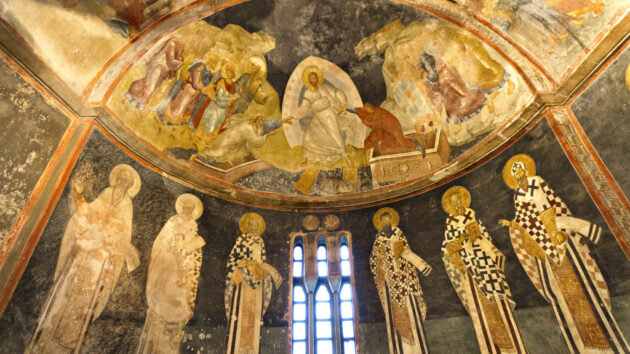
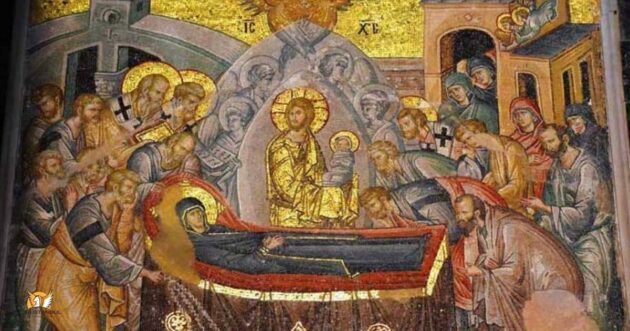
The Mosaics and Frescoes: Marvel at the 14th-century masterpieces in the narthex and parekklesion (side chapels). Highlights include “The Last Judgment” (a vivid eschatological scene), the “Genealogy of Christ” (a family tree spanning 42 panels), and the “Dormition of the Virgin” (her ascent to heaven). The gold-leaf details shimmer under soft lighting, evoking a sense of divine theater.
The Naos (Main Hall): Peek into the ground-floor prayer space, now a serene mosque with Islamic additions like the mihrab. Note how Byzantine art coexists with Ottoman elements.
The Outer Narthex: This “museum” section houses the bulk of the artwork, protected from worship disruptions.
Guided Experiences: Opt for a private walking tour (1-2 hours, ~$50-100) for in-depth stories on Byzantine theology and restoration efforts. Audio guides provide self-paced narration in multiple languages.
Combine your visit with nearby attractions: Stroll the Theodosian Walls for panoramic views, or head to Fethiye Mosque (10-minute walk) for more mosaics.
Practical Tips
Crowd Avoidance: Download the official Muze Istanbul app for real-time prayer schedules and virtual previews.
Accessibility: The site has stairs to the galleries; limited wheelchair access (inquire ahead). Restrooms and a small café are on-site.
Photography: Allowed without flash in galleries; no tripods. Respect worshippers—silence your phone.
Health/Safety: Wear comfortable shoes for uneven floors. Security is standard (bag checks). Stay hydrated; nearby vendors sell water.
Sustainability: Support conservation by sticking to paths; the mosaics are fragile after centuries.
Where to Stay and Eat Nearby
Stay: Base in Sultanahmet for convenience (e.g., Hotel Amira, ~$100/night) or venture to Fatih for authenticity (e.g., White Garden Hotel, ~$80/night). For a local vibe, try Beyoğlu across the Golden Horn.
Eat: Post-visit, grab meze and kebabs at Asitane Restaurant (5-minute walk, ~$20/meal) in a historic konak, or street food like simit from Edirnekapı vendors. For sweets, don’t miss nearby baklava shops.
Final Thoughts
Kariye Mosque is Istanbul’s hidden masterpiece—a compact portal to the Byzantine soul, where intricate tales of faith and empire unfold on shimmering walls. Its dual role as mosque and gallery adds a layer of reverence, making your visit not just sightseeing, but a meditative journey. Allow time to linger; the mosaics’ glow lingers long after you leave. Whether solo or guided, this under-the-radar icon will deepen your love for the city’s eternal allure.
Safe travels to the City of Two Continents!