
A Travel Guide to the Travertines of Pamukkale (2026)
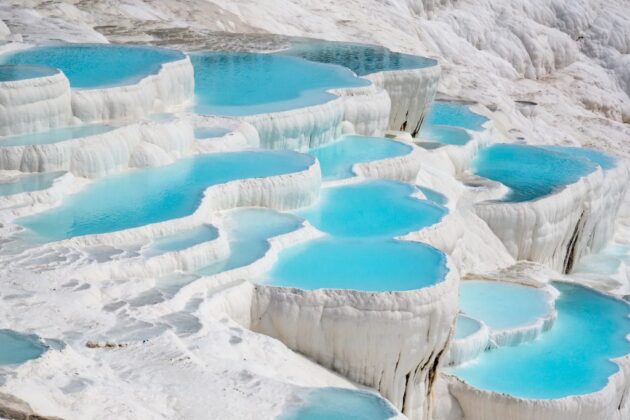
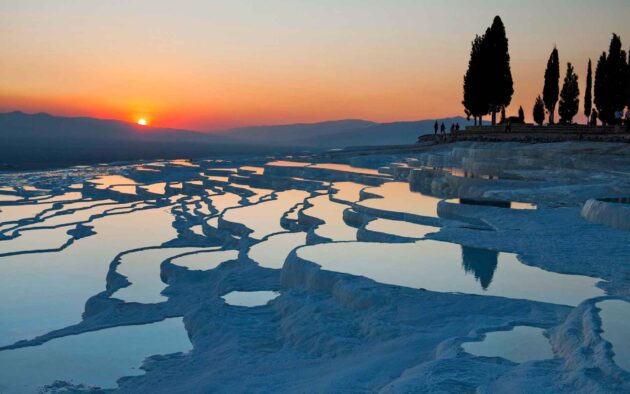
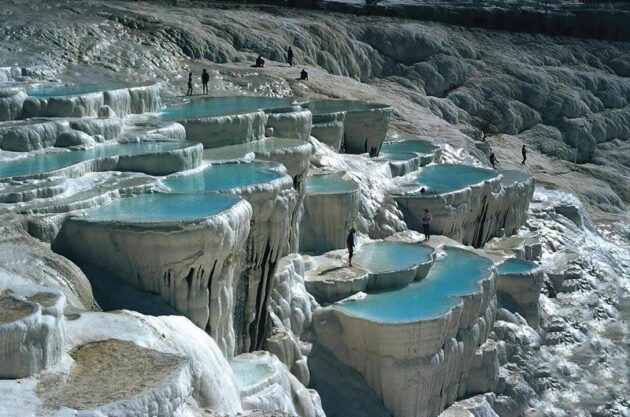
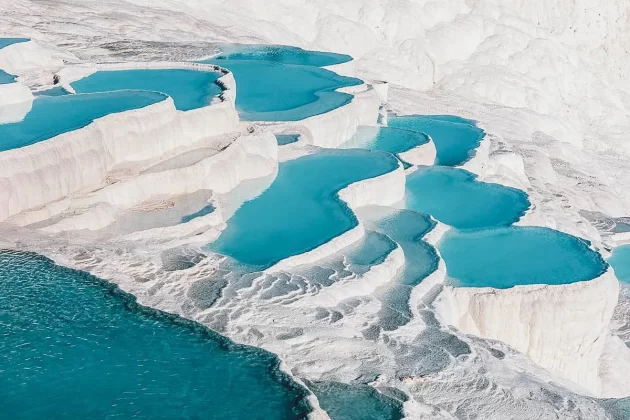
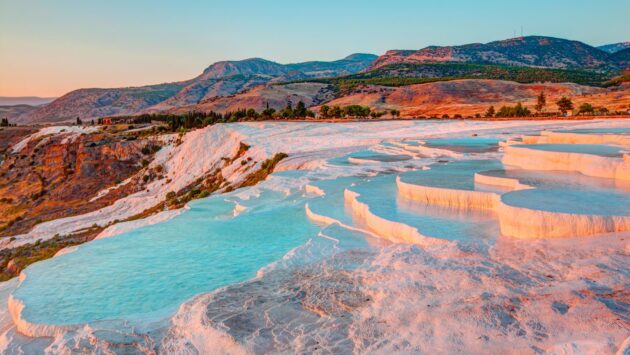
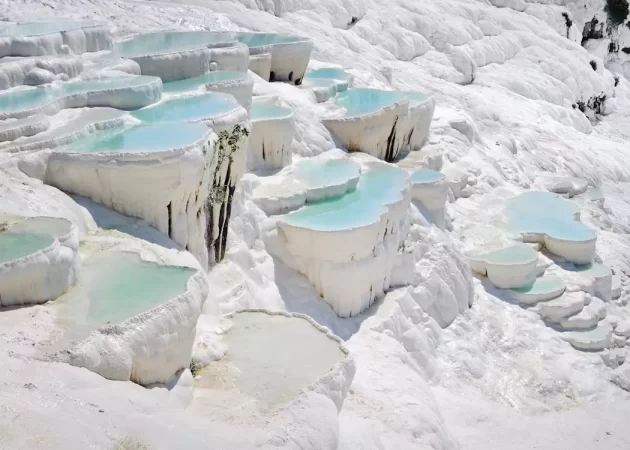
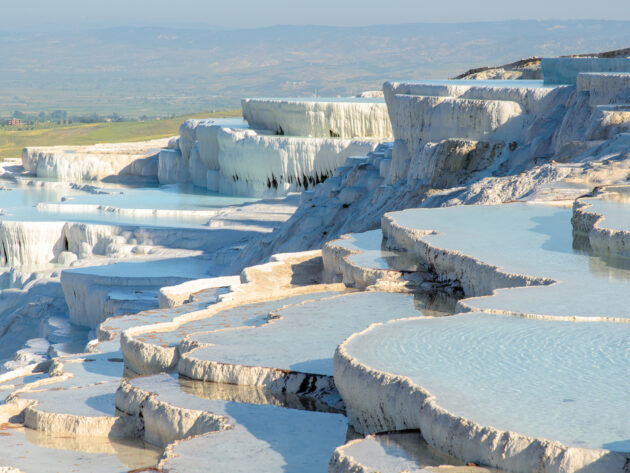
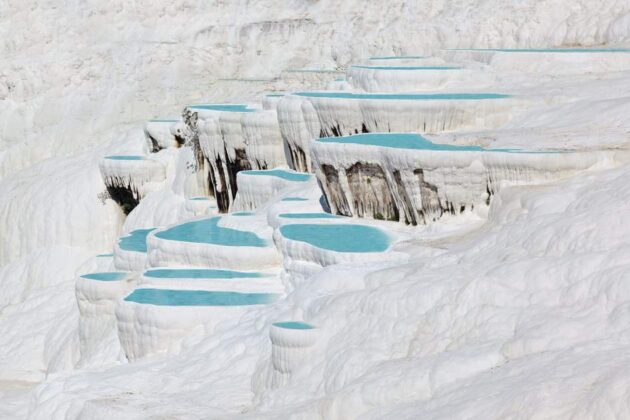
Nestled in the southwestern province of Denizli, the Travertines of Pamukkale—often called the “Cotton Castle”—are a breathtaking UNESCO World Heritage Site renowned for its cascading white calcium carbonate terraces formed by mineral-rich hot springs. These ethereal, tiered pools shimmer with turquoise waters against a stark white backdrop, creating a surreal landscape that’s been drawing visitors since antiquity.
Paired with the ancient Greco-Roman city of Hierapolis atop the cliffs, Pamukkale offers a perfect blend of natural wonder and historical intrigue. Whether you’re soaking in thermal pools or exploring ruins, this site promises an unforgettable escape into Türkiye’s geological and cultural tapestry.
Why Visit Pamukkale?
Pamukkale isn’t just a pretty postcard—it’s a living testament to nature’s artistry, where 400-meter-high cliffs of travertine have formed over millennia from spring water laden with calcite deposits. The site’s healing thermal waters, believed to soothe skin ailments and joints since Roman times, add a therapeutic allure. Combine that with Hierapolis’s well-preserved theater, necropolis, and the legendary Cleopatra’s Pool, and you’ve got a destination that’s equal parts spa retreat and archaeological adventure.
How to Get There
Pamukkale is about 20 km from Denizli city, making it accessible from major Turkish hubs:
By Air: Fly into Denizli Çardak Airport (DNZ), served by domestic flights from Istanbul, Ankara, and Antalya (Turkish Airlines and Pegasus). From the airport, it’s a 1-hour taxi ride (around 500-700 TL) or shuttle bus to Pamukkale.
By Bus: Long-distance buses (otogar) from Istanbul (8-10 hours, 400-600 TL), Antalya (3-3.5 hours, 200-300 TL), or Cappadocia (6-7 hours, 300-400 TL) drop at Denizli Bus Station. From there, hop on a frequent dolmuş (minibus) from Gate 76 (B1 level)—it costs 14 TL and takes 30-45 minutes, dropping you near your hotel.
By Train: High-speed YHT trains connect Denizli from Istanbul (via Eskişehir, 6-7 hours). Then, take the dolmuş as above.
Organized Tours: Day trips from Antalya, Bodrum, or Izmir are popular (e.g., via GetYourGuide, starting at $47 including transport). Renting a car offers flexibility but note winding roads.
No direct international flights; plan via Istanbul.
Best Time to Visit
Pamukkale welcomes visitors year-round, but timing matters for comfort and crowds:
Spring (April-June): Ideal with mild 20-25°C (68-77°F) temps, blooming landscapes, and fewer tourists—perfect for pool dipping.
Summer (July-August): Hot (up to 35°C/95°F); visit at sunrise for shade and to beat the heat and tour groups arriving post-9 AM.
Fall (September-October): Pleasant weather with golden hues, though terraces may dry slightly.
Winter (November-March): Cooler (5-15°C/41-59°F) with possible snow-dusted terraces for a magical vibe, but shorter days and chillier swims.
Sunrise entry (from 6 AM) is magical for soft light on the whites. Avoid peak weekends; mid-week is quieter.
What to Do
Dedicate at least a half-day, but overnight for sunset views. Key highlights:
Wander the Travertine Terraces: Stroll barefoot (shoes banned to protect the stone) along the 2.5 km of steaming pools. Wade in the shallow, waist-deep thermal waters (35-36°C/95-97°F) for a free spa session—bring a swimsuit and towel.
Explore Hierapolis Ancient City: Enter via the South Gate for immediate terrace access. Highlights include: The grand 2nd-century Roman Theater (seats 10,000; panoramic views). Domitian’s Gate, Apollon Temple, and Nymphaeum (fountain house). The vast Necropolis (over 1,200 tombs) and St. Philip’s Martyrium (octagonal basilica where the apostle was crucified upside-down).
Cleopatra’s Antique Pool: Soak among submerged Roman columns in this deeper, hotter spring-fed pool (extra fee: €6-7 or 130 TL). Loungers and a café add relaxation.
Hierapolis Archaeology Museum: Included in entry; view mosaics, sculptures, and artifacts from the site’s Hellenistic-Roman era.
Adrenaline Add-Ons: Hot air balloon rides (€150-200, dawn departures) for aerial shots, or summer visits to nearby Karahayıt red springs or Çavuşoğlu Aquapark.
A sample one-day itinerary: Arrive 6:30 AM for terraces (1-2 hours), hike to Hierapolis (2-3 hours), lunch picnic, Cleopatra Pool dip (1 hour), museum (30 min), sunset from theater.
Where to Stay and Eat
Pamukkale village is compact and walkable, with tourism-focused lodging.
Budget: Guesthouses like Venus Suite Hotel (€40-60/night) with basic pools.
Mid-Range: Melrose Viewpoint Hotel (€55-80/night) offers terraces, breakfast, and resident kittens—great value.
Luxury: Hierapark Thermal Hotel (€100+/night) with private thermal spas and spa treatments.
Dining is limited—bring a picnic for terraces (no food vendors on paths). In town, try local spots like Geyik Cafe for gözleme (stuffed flatbreads, 50-100 TL) or meze platters. For authenticity, head to Denizli for kebabs. ATMs and markets are plentiful.
Practical Tips
Entry and Hours: €30/USD33 (or 1,100 TL) for combined Pamukkale-Hierapolis-Museum ticket; valid all day. South Gate: 6 AM-11 PM; North Gate: 6:30 AM-8 PM (seasonal variations). Buy the Museum Pass (€60/3 days) if multi-siting. No drones; photography OK but no tripods on terraces.
Essentials: Swimsuit, towel, flip-flops, hat, sunscreen, water bottle. Change clothes post-swim to explore dry ruins. Lockers available (20 TL deposit).
Crowd Hack: Enter South Gate early; buses unload at North. Stay overnight for priority access.
Sustainability: Stick to paths; the site’s fragile—over-tourism has caused erosion.
Health Note: Thermal waters are mineral-heavy; rinse off post-soak. Pregnant visitors or those with heart issues should consult doctors.
Final Thoughts
Pamukkale’s travertines are a rare gift from Mother Nature, amplified by Hierapolis’s timeless ruins—plan for dawn’s glow and you’ll leave rejuvenated. With improved shuttle services and eco-initiatives, it’s more accessible than ever. Whether day-tripping or lingering, this “white castle” will etch itself into your travel memories. Safe journeys—afiyet olsun!