
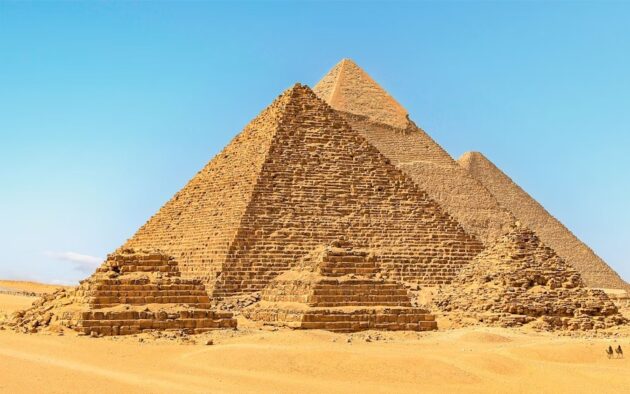
Egypt Travel Guide (2026)
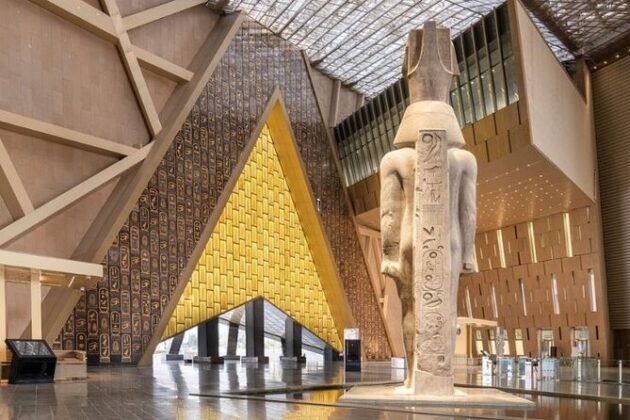
Egypt, the cradle of one of the world’s oldest civilizations, beckons travelers with its timeless wonders—from the majestic Pyramids of Giza to the sun-kissed shores of the Red Sea. Egypt continues to thrive as a top destination, with enhanced infrastructure like the fully operational Grand Egyptian Museum and improved eco-tourism in the deserts.
Whether you’re chasing ancient history, diving into coral reefs, or cruising the Nile, this guide will help you craft an unforgettable adventure. Expect a blend of awe-inspiring sights, vibrant culture, and modern comforts, all while navigating a country that’s increasingly tourist-friendly.
Visa and Entry Requirements
Most tourists require a visa to enter Egypt. U.S., EU, and many other nationalities can obtain a 30-day single-entry tourist visa on arrival at major airports like Cairo International (CAI) for $25 USD (cash only). Alternatively, apply for an e-visa online via the official portal for faster processing—it’s valid for 30 days and costs the same.
Passports must be valid for at least six months beyond your arrival date, with two blank pages. For Sinai Peninsula-only trips (e.g., Sharm El Sheikh), a free 14-day entry stamp is available without a full visa. Always carry proof of onward travel and accommodation.
Best Time to Visit
Egypt’s climate varies by region, so tailor your trip accordingly:
Historical Sites (Cairo, Luxor, Aswan): October to April offers mild temperatures (15–28°C/59–82°F), perfect for exploring ruins without the summer scorch.
Red Sea Resorts (Hurghada, Sharm El Sheikh): Year-round appeal, but June–September is ideal for diving (28–35°C/82–95°F air, warm waters). Winter (December–February) brings cooler vibes (20–25°C/68–77°F) and fewer crowds.
Shoulder Seasons (March–May, October–November): Best value with moderate weather (22–28°C/72–82°F) and lower prices—aim for these to dodge peak heat and holiday rushes.
Avoid May–September for inland sites due to extreme heat (up to 45°C/113°F).
How to Get There
Egypt is well-connected globally:
By Air: Fly into Cairo International Airport (CAI), the main hub, with direct flights from major cities in Europe (e.g., London, Paris), the U.S. (via Europe), and the Middle East. Budget carriers like Ryanair and easyJet serve Sharm El Sheikh (SSH) and Hurghada (HRG) for beach-focused trips. Expect fares from $400–800 round-trip from Europe.
By Sea: Cruise ports like Alexandria welcome Mediterranean lines (e.g., MSC, Royal Caribbean) for Nile extensions.
Overland: From Israel/Jordan via bus or ferry to Sinai, but check border advisories.
Upon arrival, taxis, Uber, or pre-booked transfers await—avoid unsolicited offers.
Top Destinations
Egypt’s highlights span ancient marvels and modern escapes. Prioritize based on your interests:
Cairo
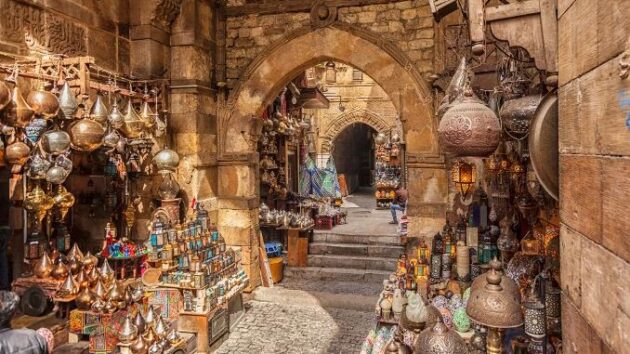
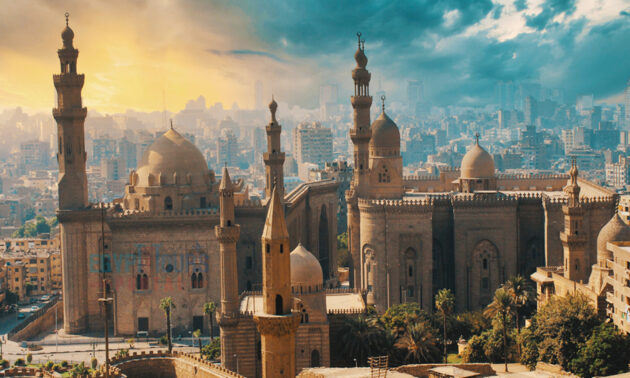
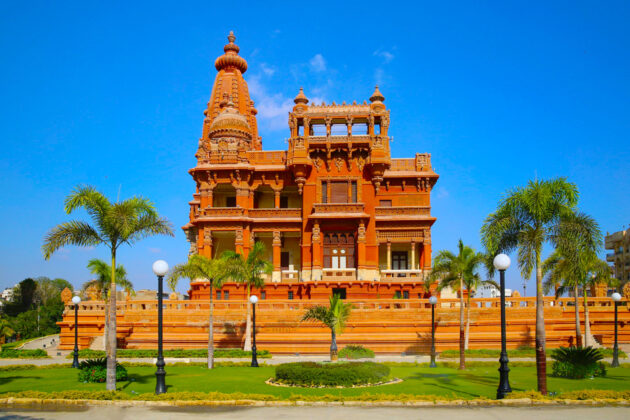
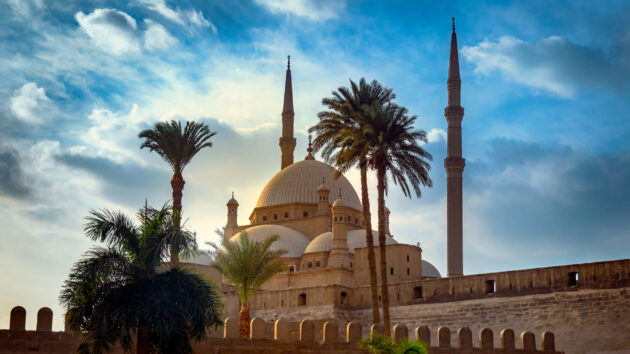
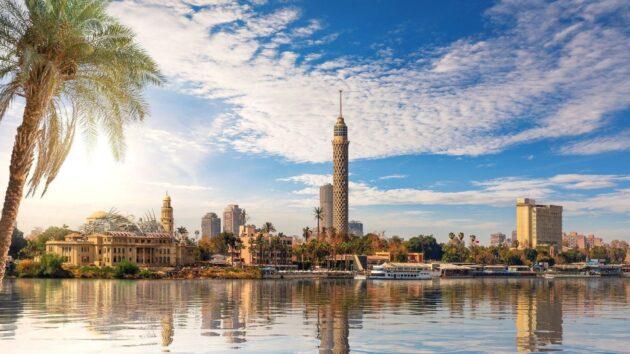
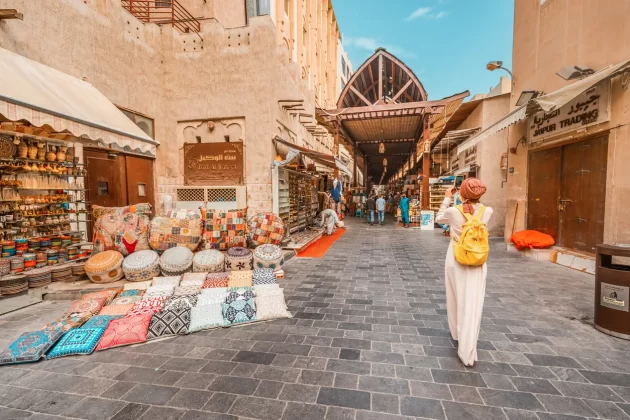
Cairo, Egypt’s bustling capital and the largest city in the Arab world, is a mesmerizing blend of ancient wonders, vibrant markets, and modern energy. Home to the iconic Pyramids of Giza and the Nile River, Cairo pulses with history spanning over 4,000 years—from pharaonic tombs to medieval mosques and Coptic churches.

Luxor
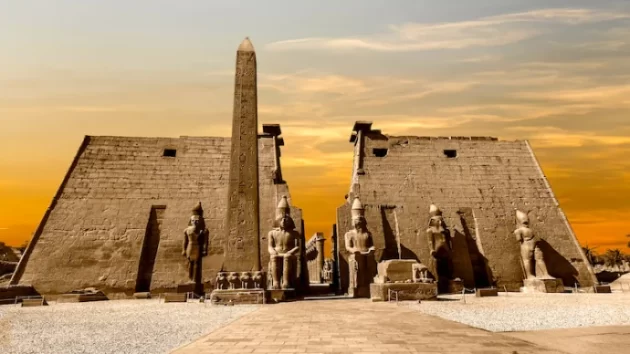
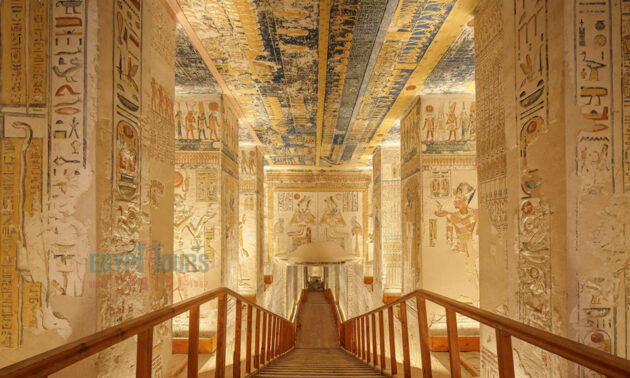
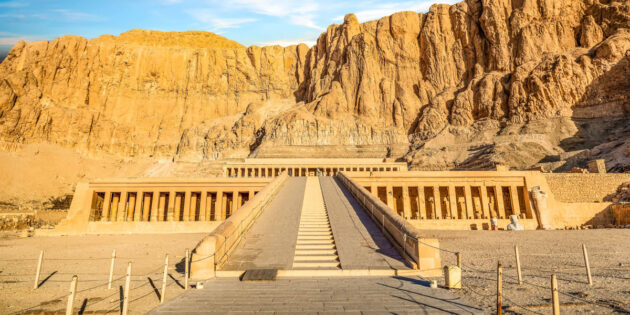
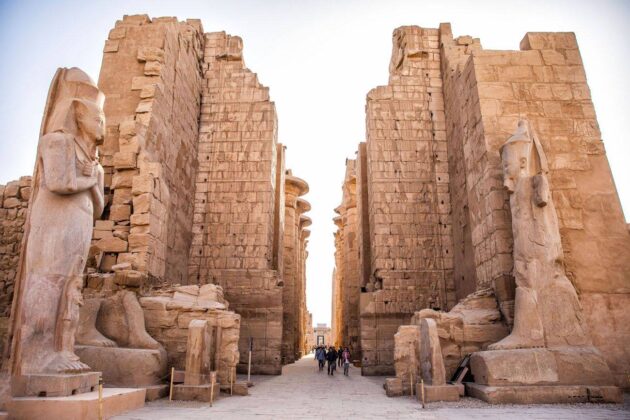
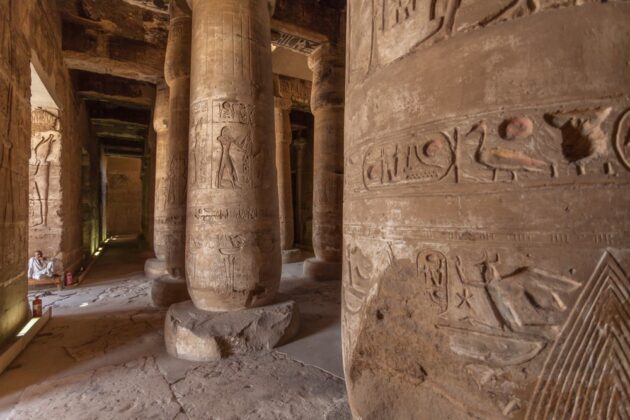
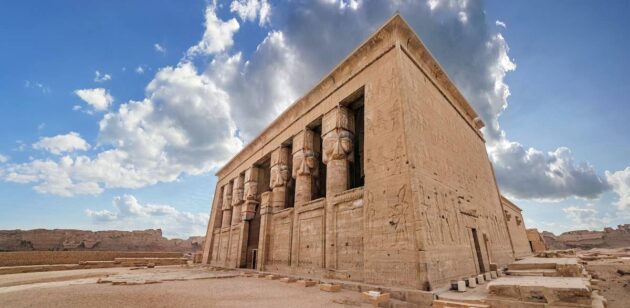
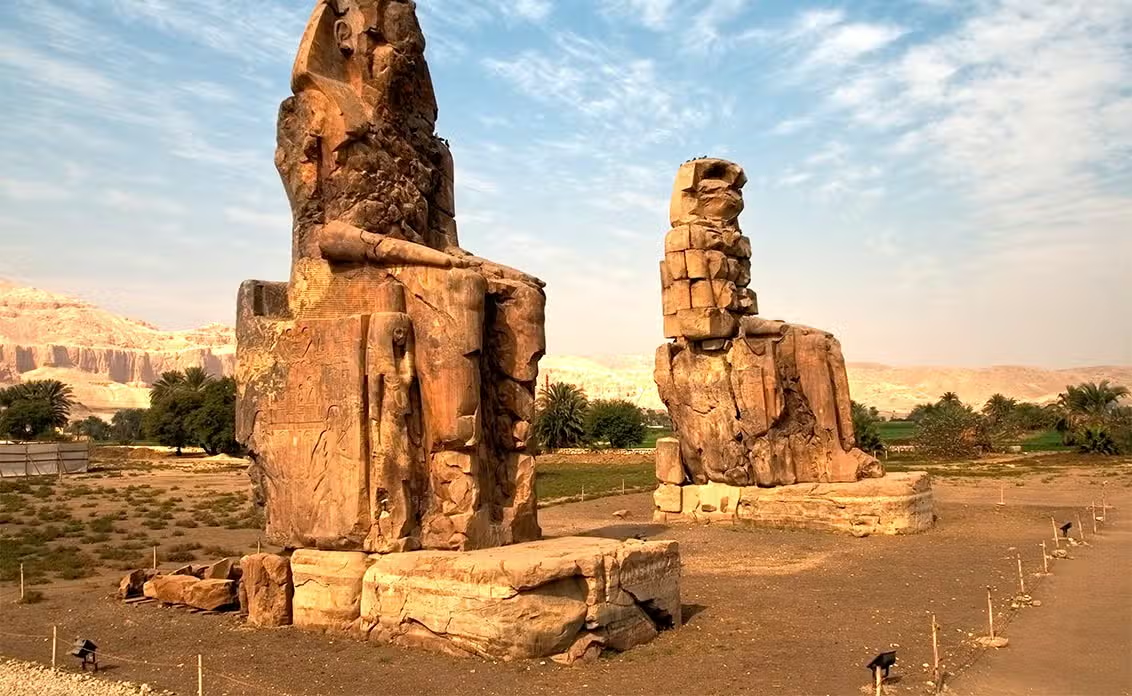
Nestled along the Nile River in southern Egypt, Luxor—once the ancient capital of Thebes—is a living testament to the grandeur of pharaonic civilization. Often called the “world’s greatest open-air museum,” this UNESCO World Heritage site boasts an unparalleled concentration of temples, tombs, and monuments from the New Kingdom era (circa 1550–1070 BC).
Aswan
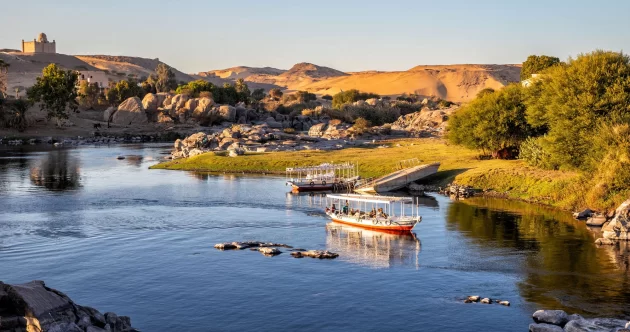
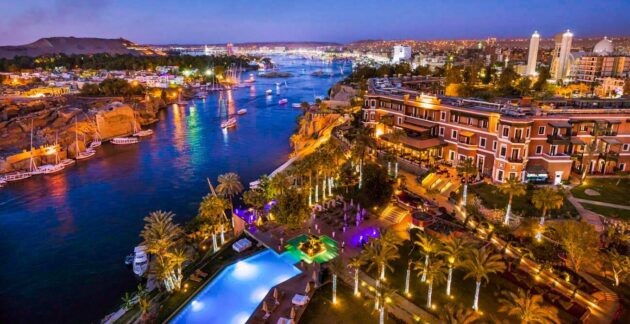
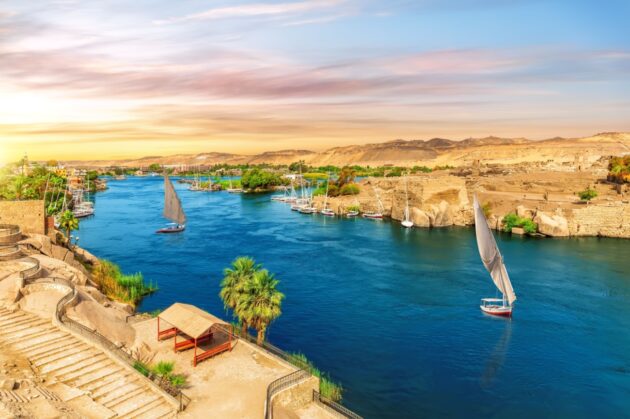
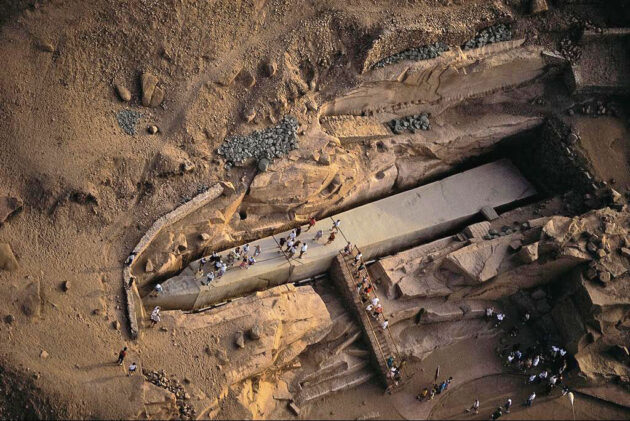
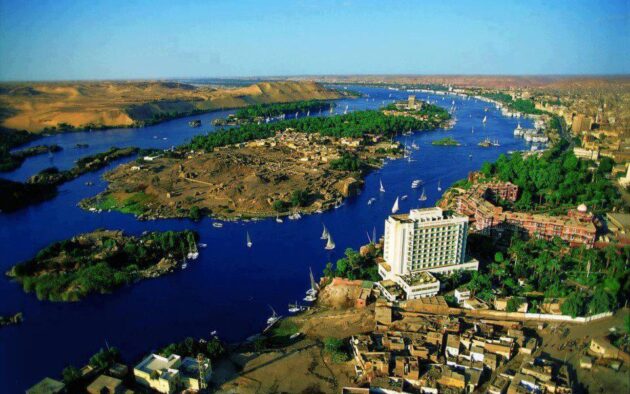
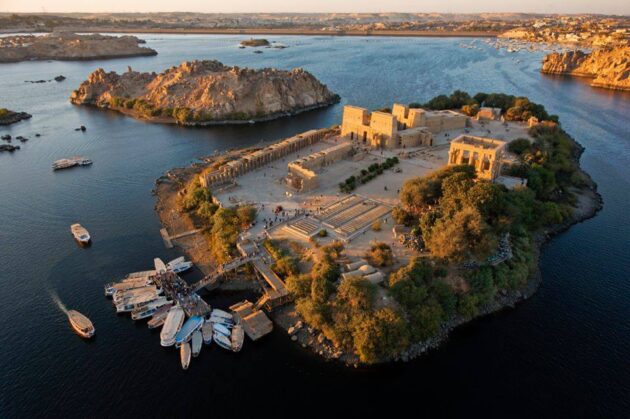
Nestled on the eastern bank of the Nile River in southern Egypt, Aswan serves as the gateway to Nubia and offers a serene contrast to the bustling pyramids of Cairo or the temple-packed Luxor. Known for its stunning granite quarries, ancient temples, and vibrant Nubian culture, Aswan is a laid-back destination where the Nile’s gentle flow sets the rhythm of life. With its warm sunsets over the river and opportunities for felucca (traditional sailboat) rides, it’s perfect for travelers seeking a mix of history, relaxation, and authentic Egyptian hospitality.

Sharm El-Sheikh
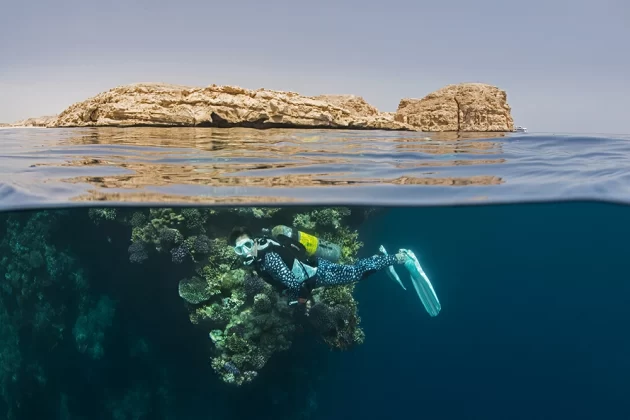
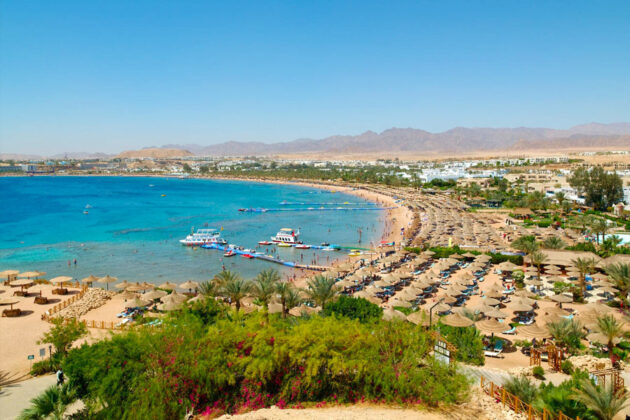
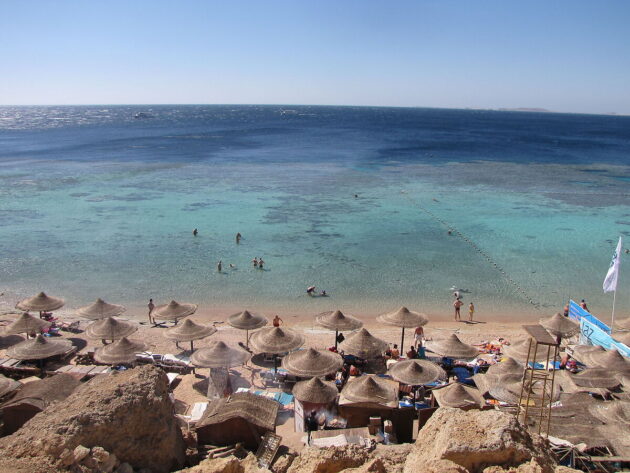
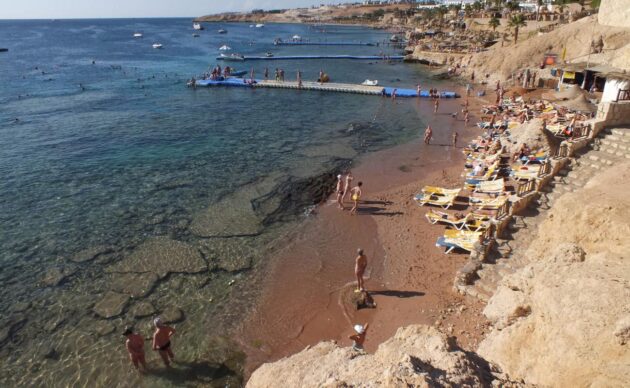
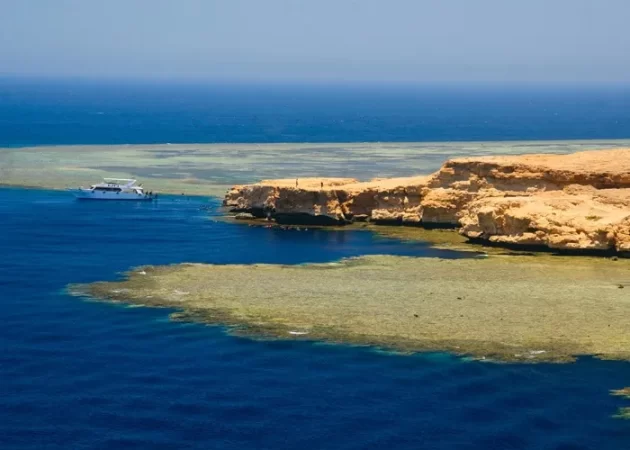
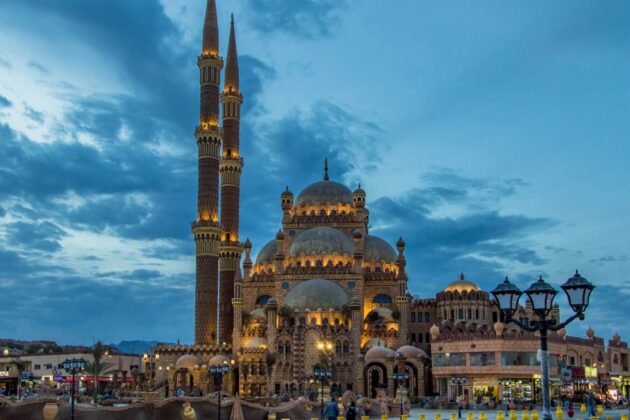
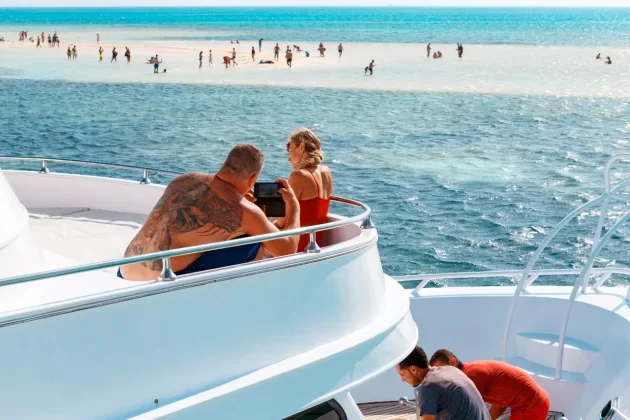
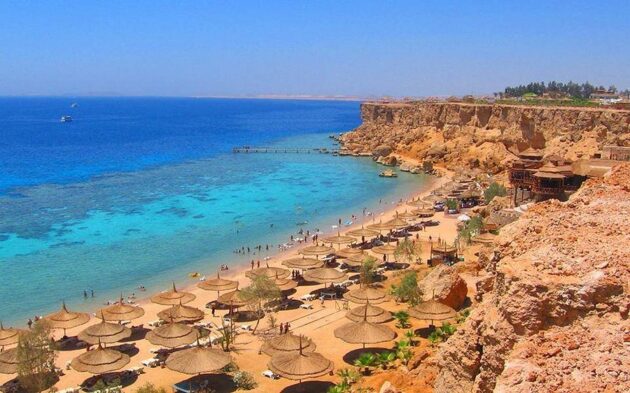
Sharm El-Sheikh, often simply called “Sharm,” is Egypt’s premier Red Sea resort destination, blending world-class beaches, vibrant coral reefs, and desert adventures into a sun-soaked paradise. Nestled at the southern tip of the Sinai Peninsula, this coastal gem attracts over a million visitors annually for its turquoise waters, luxury resorts, and easy access to ancient wonders like Mount Sinai.
Suggested 10-Day Itinerary
Days 1–3: Cairo/Giza – Arrive, visit Pyramids, GEM, and Islamic Cairo. Stay in downtown.
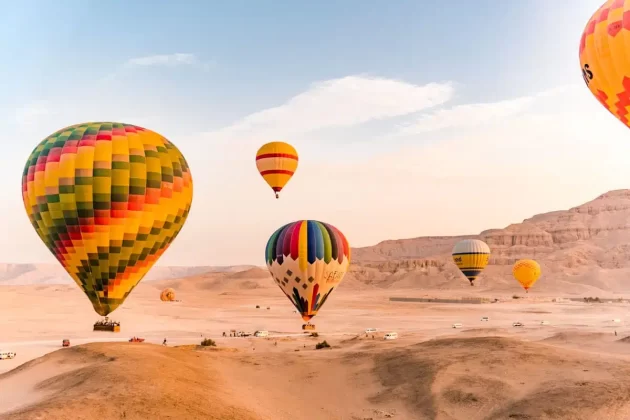
Days 4–6: Luxor – Fly in, explore Valley of the Kings, Karnak, and a hot-air balloon. Overnight Nile cruise option.
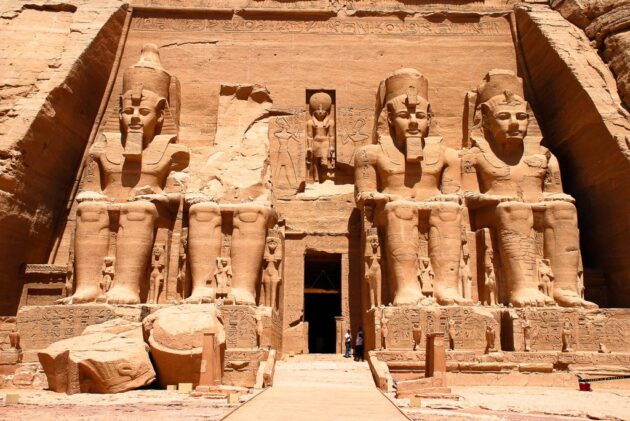
Days 7–8: Aswan/Abu Simbel – Train or fly south; felucca ride and temple tour.
Days 9–10: Red Sea (Hurghada) – Fly for beach relaxation and snorkeling. Depart from CAI.
For shorter trips, focus on Cairo-Luxor (7 days) or Red Sea escapes (5 days).
Internal Transportation
Egypt’s network is efficient and affordable:
Flights: EgyptAir dominates short hops (e.g., Cairo–Luxor: 1 hour, $50–100).
Trains: Scenic overnight sleepers (Cairo–Aswan: 12 hours, $20–60).
Buses: Reliable Go Bus for budget travel (Cairo–Hurghada: 6 hours, $10–25).
Nile Cruises: Luxurious 3–7 night sailings ($300–1,000+).
Taxis/Rideshares: Uber/Careem in cities; negotiate for others. Private transfers via tours are safest.
Where to Stay
Budget ($30–50/night): Hostels in Cairo (e.g., Wake Up! Cairo) or guesthouses in Luxor.
Mid-Range ($100–200): 3–4 star hotels like Steigenberger in Hurghada.
Luxury ($200+): Iconic spots like Marriott Mena House (Giza views) or Four Seasons Sharm El Sheikh.
Book via Booking.com or directly; all-inclusives shine for beaches. Shoulder seasons save 20–30%.
What to Eat
Must-Tries: Koshari (lentil-rice pasta), ful medames (fava beans), molokhia (green soup), and grilled kofta. Street food is cheap ($1–3), but opt for busy spots.
Dining Tips: Tea (karkadeh hibiscus) and sheesha lounges abound. Vegetarian-friendly; alcohol limited to hotels/resorts.
Cost: Meals $5–15; tip 10–15%.
Practical Tips
Currency: Egyptian Pound (EGP; ~48 EGP = $1 USD). ATMs widespread; cards accepted in tourist areas. Haggle everywhere—start at 50% off.
Safety: Egypt is generally safe for tourists, with low violent crime but petty theft risks. Stick to tourist zones, use licensed guides, and avoid solo night walks in Cairo. Terrorism threats persist in remote areas—check U.S. State Dept (Level 2: Exercise Increased Caution) or equivalents. Women: Dress modestly; consider group tours. Health: Bottled water only; vaccines for hep A/typhoid recommended.
Cultural Etiquette: Dress conservatively at sites (cover shoulders/knees); remove shoes in mosques; use right hand for greetings. “Baksheesh” (tips) is customary ($1–5 for small services).
Connectivity: eSIMs from Airalo; download offline maps.
Sustainability: Choose eco-tours; avoid single-use plastics.
Final Thoughts
Egypt promises transformative journeys amid pharaonic legacies and azure seas. With booming tourism (over 15 million visitors expected), it’s more accessible than ever—yet timeless in its allure. Book guided tours for hassle-free magic, embrace the chaos of Cairo’s streets, and let the Nile whisper ancient secrets. Safe travels—your pyramid sunset awaits!